


 Beachnutts



 Philippines
-
Nº122
 Date: 2024-02-25 - 12:18
-
 Max Depth: 22.3m Duration: 75mins
Dive Location

- Temp: Surf 26°C Bottom 26°C
- Dive type : Recreational, Reef, Photo, Muck Dive
- Visibility: Bad Water: Salt
Specific gear used
- BCD: Scubapro - Glide Plus
- Boots: Orca - Dive shoes
- Camera: Olympus - TG6
- Compass:
- Computer: Oceanic - OCS
- Fins: Scubapro - Jet Fins
- Knife: Scuba MAx - folding
- Lift bag: ScubaMax - SMB
- Light: Sofirn - SD05
- Mask: Promate - Scope
- Regulator: Aqualung - Calypso
- Wet suit: Blue Ocean - Diveskin
- Weights: 3.2 kg
Dive reviews
| Overall review | ||
| Dive difficulty | ||
| Marine life quality |
Dive Shop & Buddies
 Dive with Blake Auge
 Dive buddies:
Beachnutts

Link to this spot:
- Spot:
- Country:
- Area:
- Body of water:
Dive Profile
- 1. Air
- 10L Aluminium 207 → 21 bar
- Average depth: 14.8m
Data provided by EOL.org





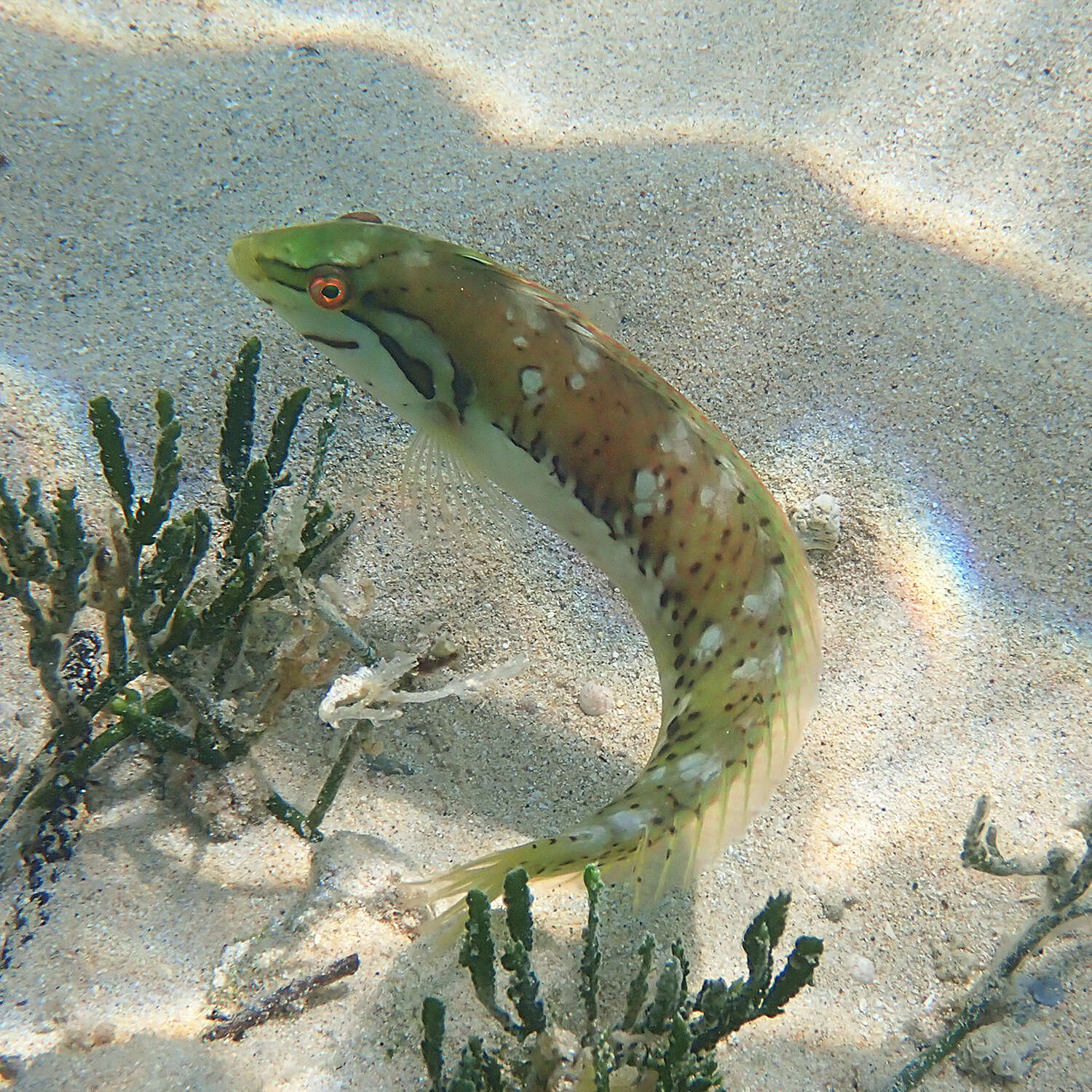


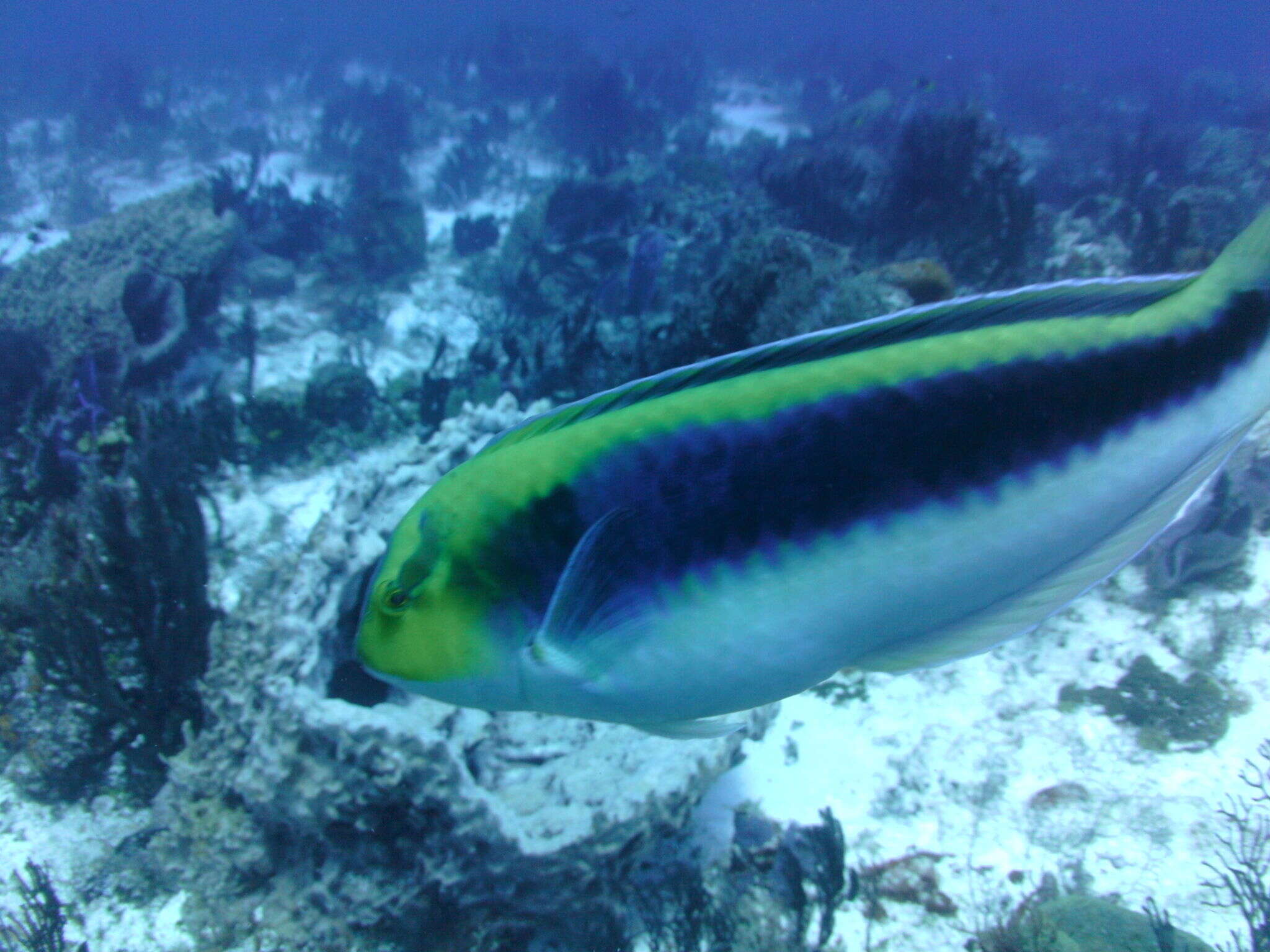
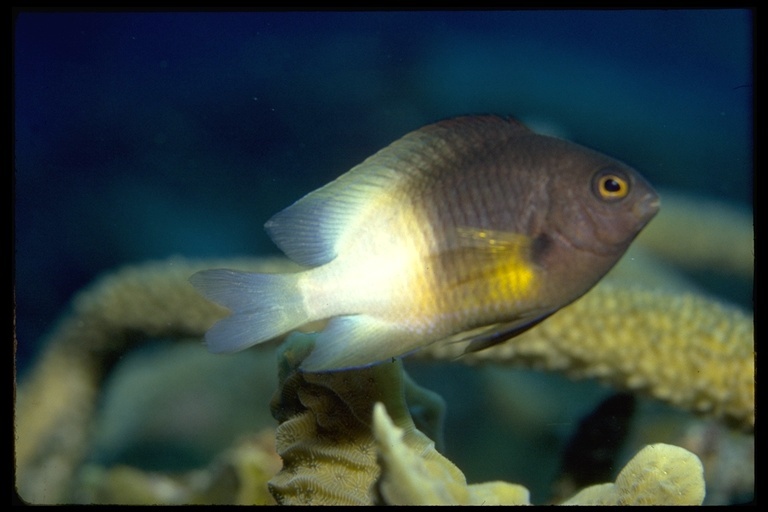


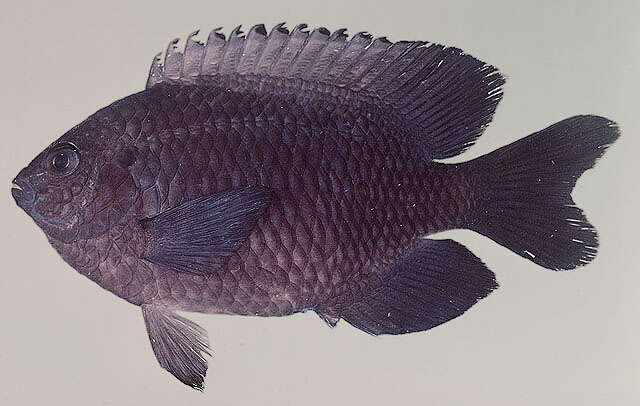


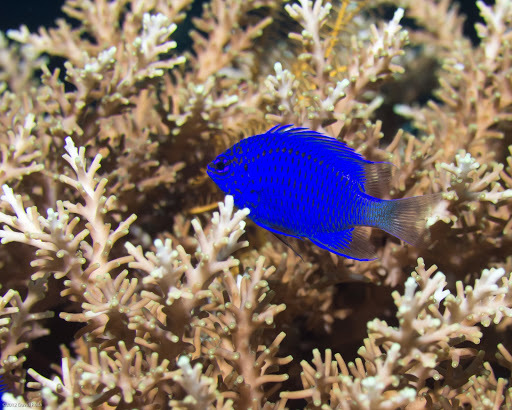


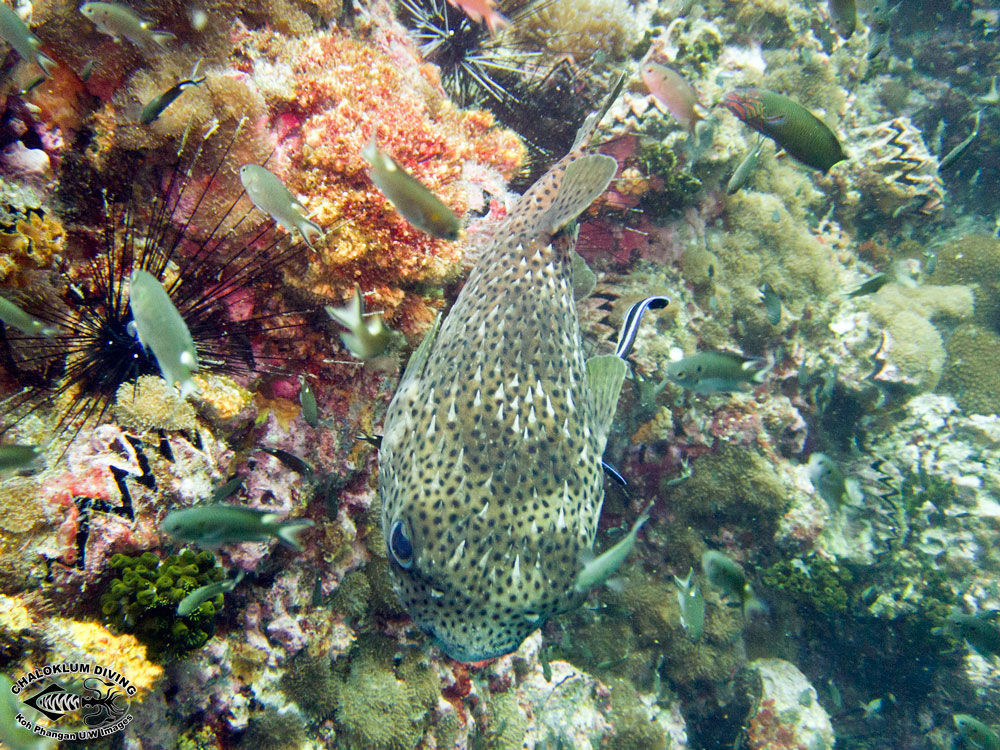
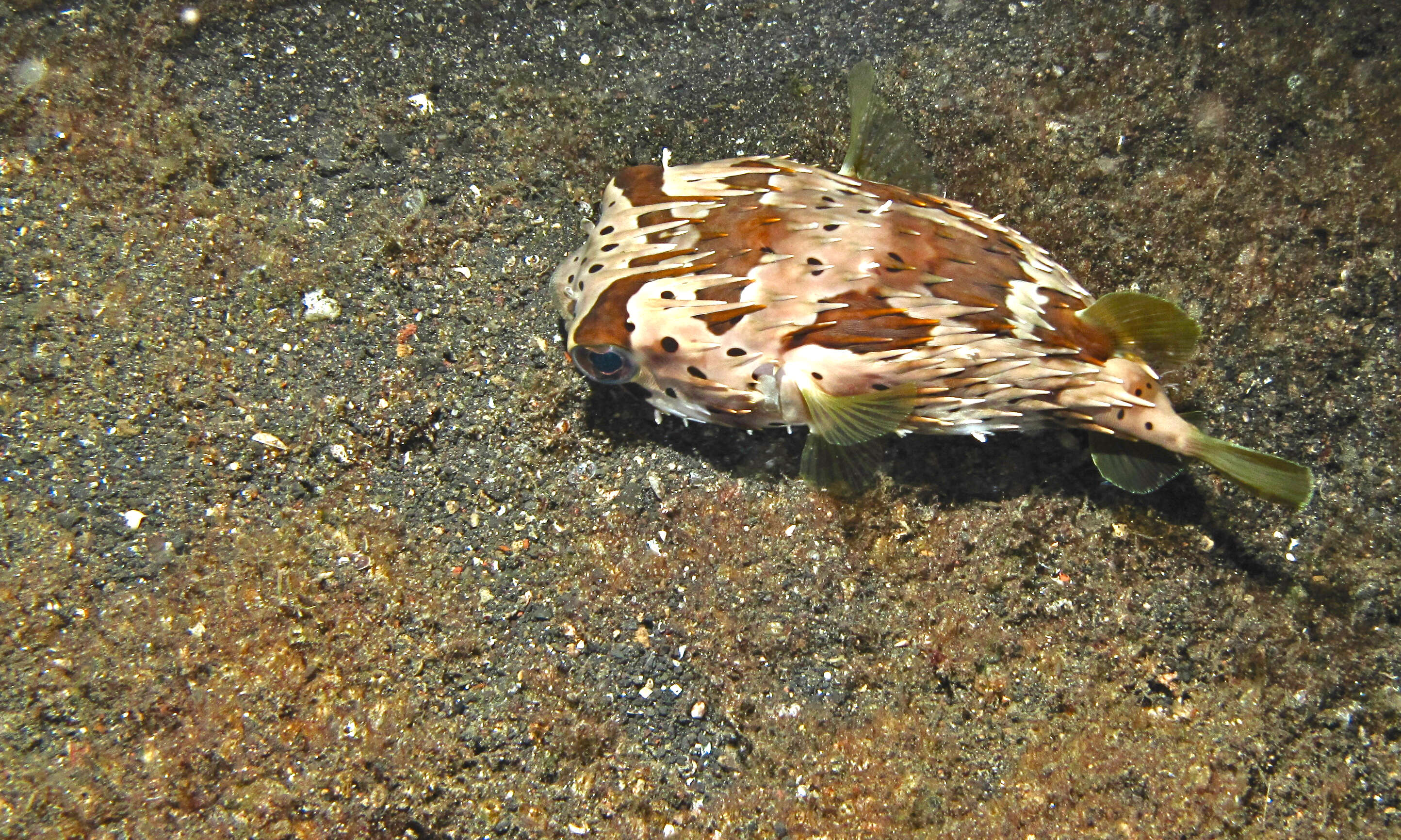


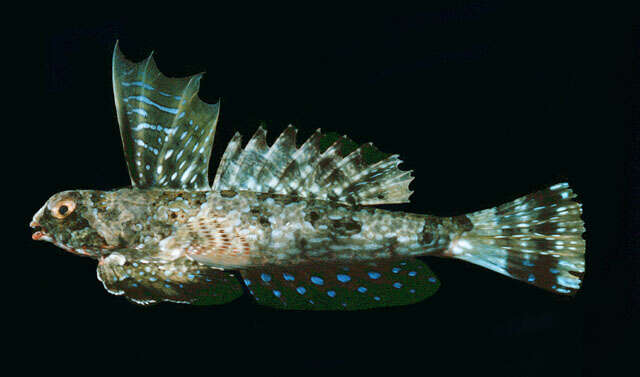
Species Identified
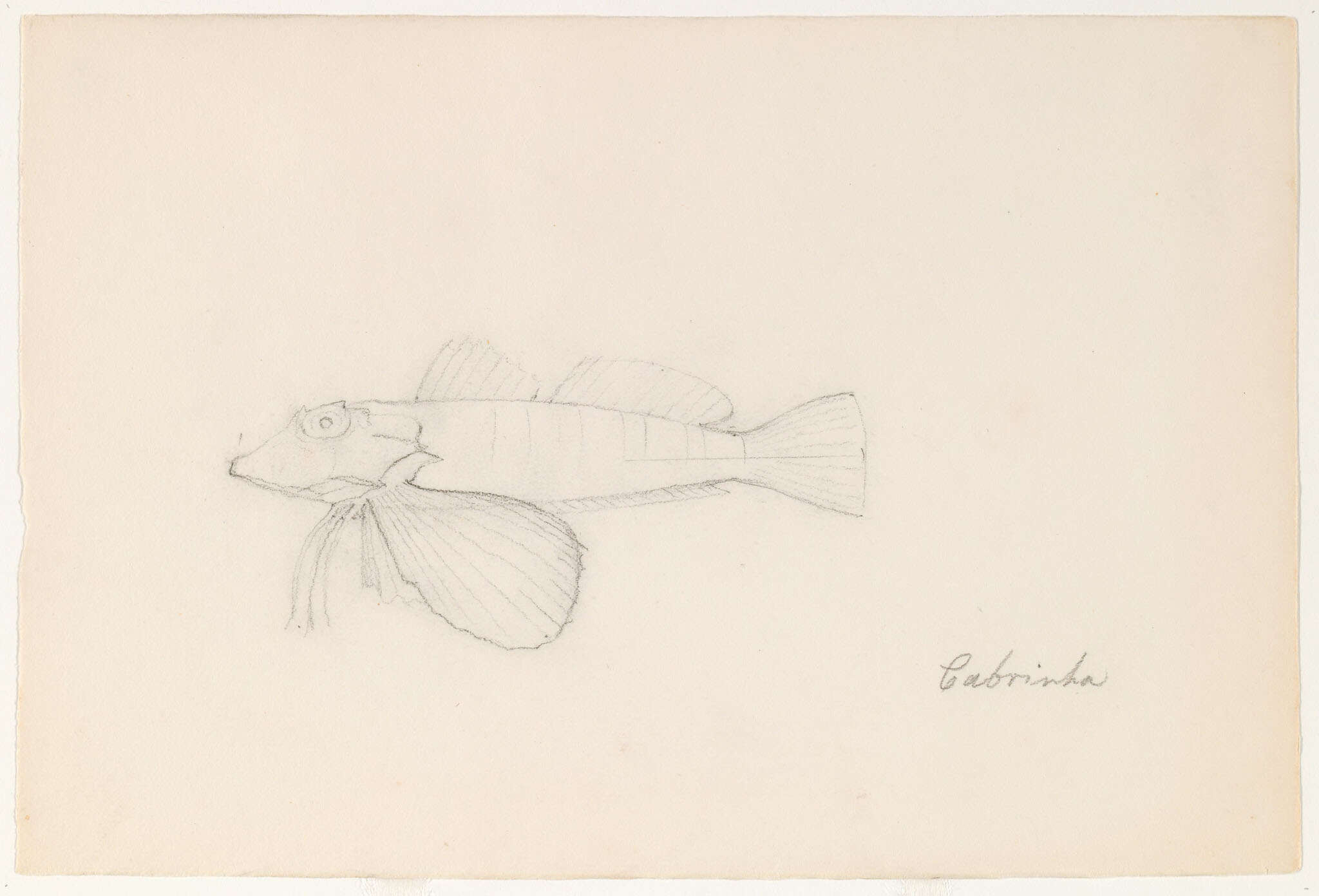
Scorpaenodes africanus Pfaff, 1933 (非洲小鲉)
Inhabits inshore, rocky areas .
Neosebastes johnsoni Motomura, 2004 (Johnson's gurnard perch)
Found on the continental shelf and continental slope . Juveniles less than 6.1 cm SL were caught at depths of 70 - 110 meters. Most specimens have sand grains inside the mouth indicating occurrence on open, predominantly sandy substrata .
Trigloporus lastoviza (Bonnaterre, 1788) (Streaked gurnard)
Eunicella papillifera Edwards & Haime, 1857
Spinimuricea atlantica (Johnson, 1862)
Eunicella gazella Studer, 1878
Zebrasoma xanthurum (Blyth, 1852) (Yellowtail tang)
Often found in groups in coral-rich areas or on rocky bottoms . It small and numerous pharyngeal teeth suggest a diet that consists mainly of filamentous algae .
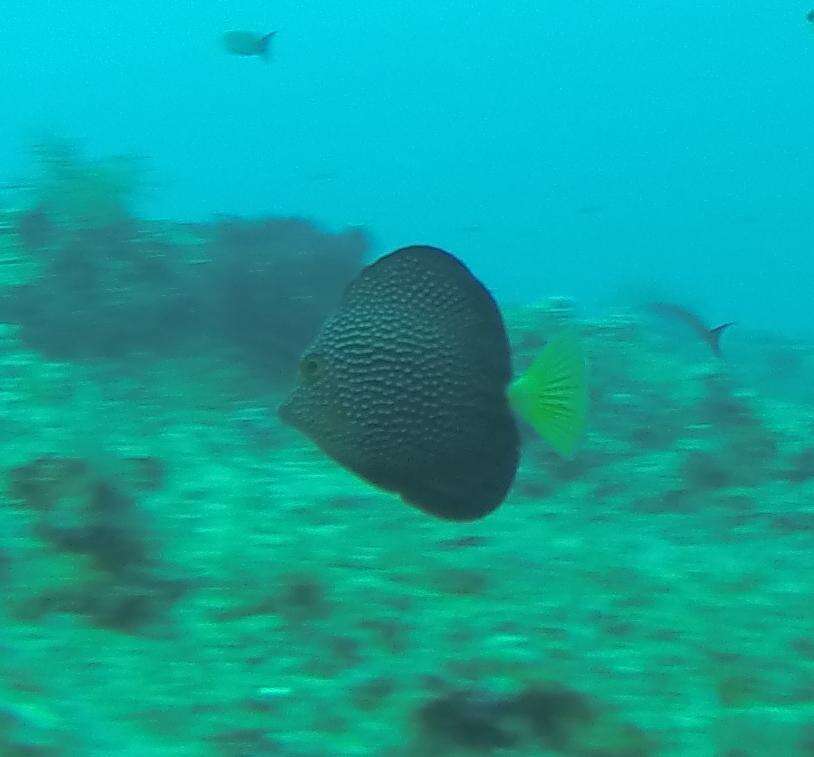
Zebrasoma gemmatum (Valenciennes, 1835) (Gem surgeonfish)
Inhabits coral and rocky reefs . Juveniles in shallow water . Extremely territorial and solitary .
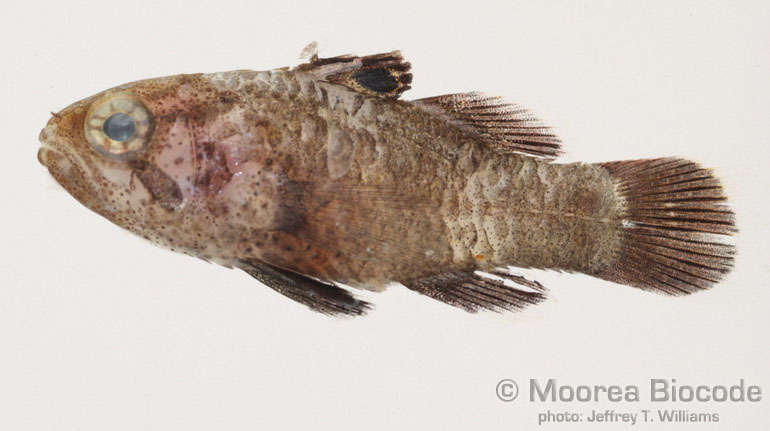
Apogonichthys ocellatus (Weber, 1913) (Ocellated cardinalfish)
Occurs inshore . Found in shallow sheltered lagoons and harbors, hiding among rocks, rubble, or clumps of brown algae . Nocturnal species.
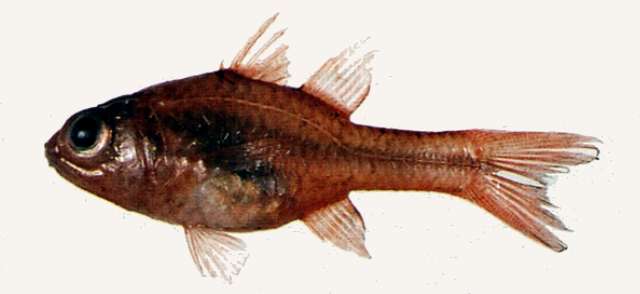
Apogon erythrinus Snyder, 1904 (Ruby cardinalfish)
Found in shallow water and observed to be active only at night, near the bottom, and never far from its shelter . Benthopelagic .
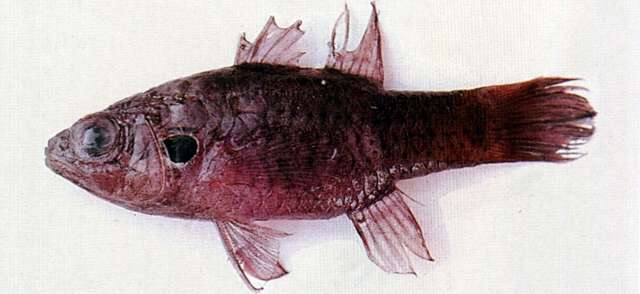
Fowleria punctulata (Rüppell, 1838) (Spotcheek cardinalfish)
Found in coastal mud flats and reefs to 10 m depth . Nocturnal species . Very cryptic and rarely seen, even at night .
Pseudocoris aurantiofasciata Fourmanoir, 1971 (Rust-banded wrasse)
Found to depths over 35 m in deep outer reef drop-offs. Forms aggregations of females and a single dominating male . Planktivores .
Labroides dimidiatus (Valenciennes, 1839) (Bluestreak cleaner wrasse)
Inhabits coral rich areas of inner lagoons and subtidal reef flats to seaward reefs . Feeds on crustacean ectoparasites and mucus of other fishes . Monogamous . A protogynous hermaphrodite . Stays in stations where oth...
Read More
Read More
Kentrocapros flavofasciatus (Kamohara, 1938) (Kisuji-itomakifugu)
Brissus brissus (Leske, 1778)
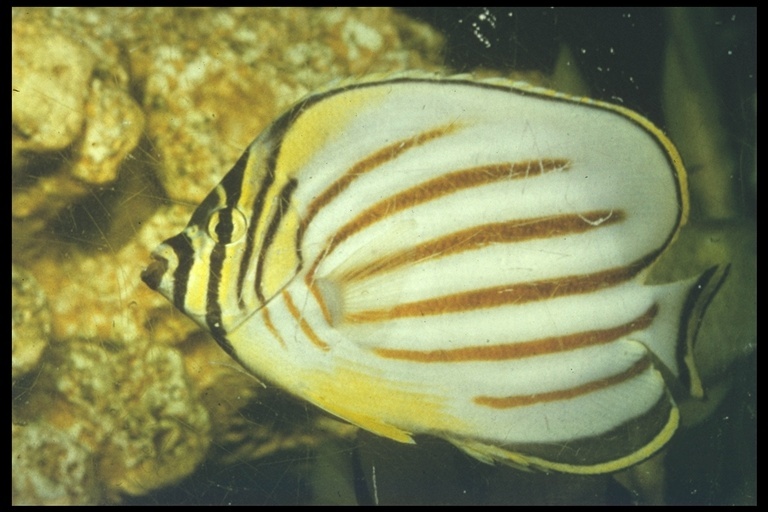
Chaetodon ornatissimus Cuvier, 1831 (Ornate butterflyfish)
Occur in clear waters and coral-rich areas of lagoon and seaward reefs. However, only common in seaward reefs . Benthopelagic . Juveniles are solitary, living among branching corals, while adults are almost always in pa...
Read More
Read More
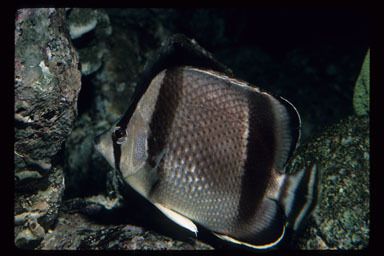
Prognathodes falcifer (Hubbs and Rechnitzer, 1958) (Butterflyfish)
Chaetodon humeralis Günther, 1860 (Butterflyfish)
Novaculichthys macrolepidotus (Bloch, 1791) (Seagrass wrasse)
Found in seagrass beds and sandy algal flats of lagoons and mangrove channels. Secretive amongst the vegetation and well-camouflaged .
Cymolutes praetextatus (Quoy and Gaimard, 1834) (Knife razorfish)
Inhabits reef flats and shallow lagoons, in sandy, current-swept areas with rubble and weed . Capable of diving into the sand with the approach of danger. Rarely caught by fishers or aquarium collectors .
Pteragogus guttatus (Fowler and Bean, 1928) (Sneaky wrasse)
Found in sheltered inner reefs amongst broken coral and rubble. Usually seen in less than 10 m depth, staying well hidden in reefs, but sometimes swimming amongst the long-spined Diadema urchins or in thick algae coverage .
Halichoeres cyanocephalus (Bloch, 1791) (yellowcheek wrasse)
Found over hard substrates . Juveniles up to 8 cm act as specialized cleaners. Each individual tends a defined cleaning station sought by several species of reef fishes including damselfishes, goatfishes, and surgeonfish...
Read More
Read More
Stegastes partitus (Poey, 1868) (bicolor damselfish)
Inhabits shallow coral reefs and isolated patch reefs in deeper water. Feeds primarily on algae but also on polychaetes, hydroids, copepods and ascidians . Aggressively territorial but only around a small area . Taken incidentally in traps and small-meshed beach nets .
Chromis caerulea (Cuvier, 1830) (blue puller)
Occurs in lagoons, passages, and outer reef slopes. Feeds above rich beds of live coral.
Dischistodus chrysopoecilus (Schlegel and Müller, 1839) (Lagoon damsel)
Found among coral outcrops and seagrass beds of silty areas of lagoon and coastal reefs , usually subtidal to a few meters depth .
Stegastes lubbocki Allen and Smith, 1992 (卢氏眶锯雀鲷)
Chromis limbaughi Greenfield and Woods, 1980 (Damselfish)
Pomacentrus agassizii Bliss, 1883 (Creole damsel)
Inhabits lagoon and inshore coral reefs .
Neopomacentrus bankieri (Richardson, 1846) (Chinese demoiselle)
Inhabits coastal reefs around coral or rock outcrops on soft bottoms . Has been reared in captivity .
Microspathodon dorsalis (Gill, 1862) (Damselfish)
Chrysiptera springeri (Allen and Lubbock, 1976) (Springer's demoiselle)
Inhabit coral-rich areas of sheltered lagoon and inshore coral reefs . Seen with similar yellow-tailed species, often on the same coral patches. Mostly found in aggregations on coastal reef slopes with low Acropora patches on sand to 30 m .
Chrysiptera notialis (Allen, 1975) (Southern demoiselle)
Inhabits outer rocky reefs.
Stegastes leucostictus (Müller & Troschel, 1848) (Yellow-belly)
Occurs in seagrass beds, coral or rocky reefs and sandy areas. Also found around mangrove shores and sponge beds; less common on flourishing coral reefs . Remains within 50 cm from the substrate. Adults feed on algae, p...
Read More
Read More
Pomacentrus alleni Burgess, 1981 (Andaman damsel)
Inhabits rubble and dead reef of outer slopes and inshore areas. Usually in small groups along the edges of reef to sand .
Diodon hystrix Linnaeus, 1758 (Spot-fin porcupinefish)
Diodon holocanthus Linnaeus, 1758 (Long-spine porcupinefish)
Callionymus lyra Linnaeus, 1758 (Dragonet)
Callionymus sublaevis McCulloch, 1926 (次光)
Synchiropus lineolatus (Valenciennes, 1837) (线纹连鳍)
Synchiropus altivelis (Temminck & Schlegel, 1845) (Dragonet)
Inhabits deep trawling grounds .
Share on Social Networks
- Facebook:

personalize your shared text as well as its destination (wall, page...) or send as a private message to a friend
- Twitter: Tweet personalize your tweet
- Google Plus:
Direct link to this dive
- Long link:
- Short link:


 We are participating today in the startup contest Techcrunch Disrupt. Support Diveboard by voting for us!
























































































Single dive day @ DBC Nudiville North
need to explore this area more, tend to get a little lost on low tide dives.
started North, cut back to depth, came up in North turned around, found the exits. A bit silty and chalky, but calm water, no current
surface sunny, clear, calm, windy