


 Beachnutts


 Philippines
-
Nº100
 Date: 2023-09-16 - 10:14
-
 Max Depth: 33.5m Duration: 83mins
Dive Location

- Temp: Surf 26°C Bottom 26°C
- Dive type : Recreational, Deep dive, Reef, Photo
- Visibility: Good Water: Salt
Specific gear used
- BCD: Oceanic - OceanPro
- Boots: Orca - Dive shoes
- Camera: Olympus - TG6
- Knife: Scuba MAx - folding
- Lift bag: ScubaMax - SMB
- Light: Odnum - Diving
- Mask: Promate - Scope
- Wet suit: Blue Ocean - Diveskin
- Regulator: Aqualung - Calypso
- Fins: Atomic Aquatics - Blade Fins
- Weights: 3.2 kg
Dive reviews
| Overall review | ||
| Dive difficulty | ||
| Marine life quality |
Recent Divers in Talicud island, Davao

Recent Pictures in Talicud island, Davao
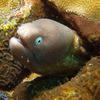
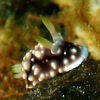
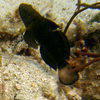

Link to this spot:
- Spot:
- Country:
- Area:
- Body of water:
Dive Profile
- 1. Air
- 10L Aluminium 207 → 34 bar
- Average depth: 22.4m
Data provided by EOL.org












Species Identified
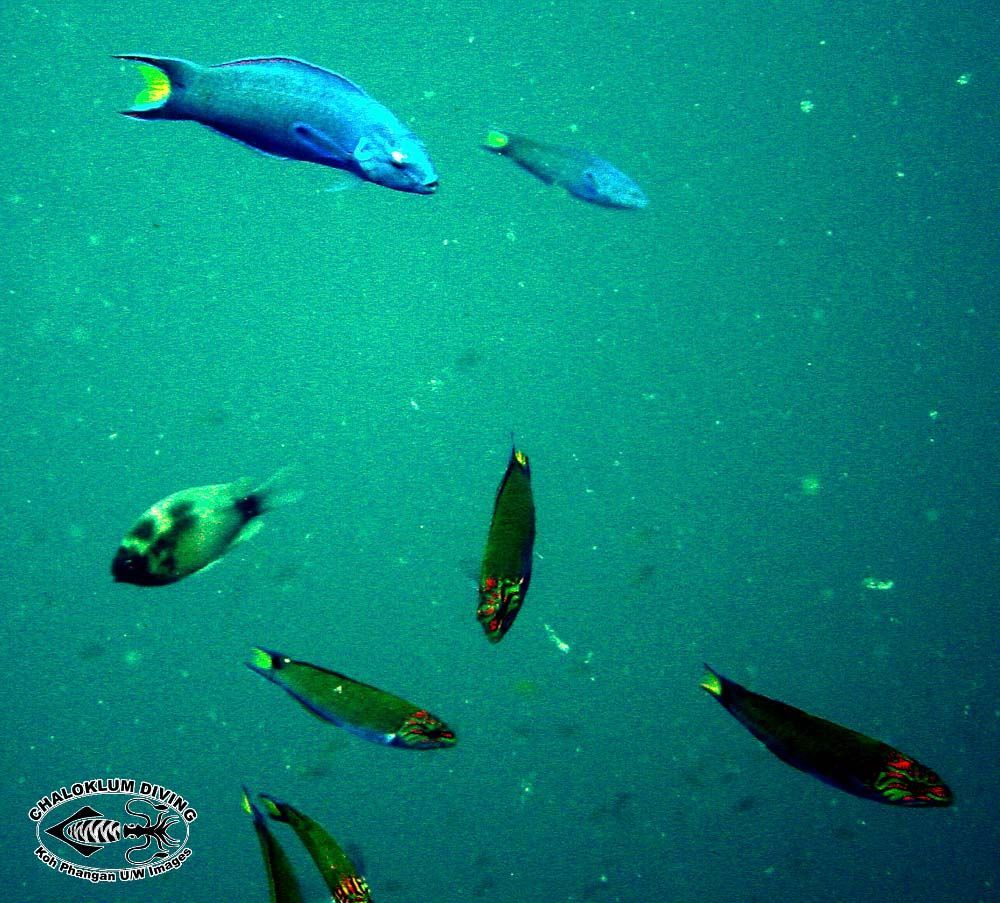
Thalassoma lunare (Linnaeus, 1758) (Blue wrasse)
Occurs in the upper portions of lagoon and coastal reefs, and in protected seaward reefs . Enters estuaries . Usually found on upper portions of ledges and heads . Feeds mainly on small benthic invertebrates and fish eggs . A protogynous hermaphrodite .
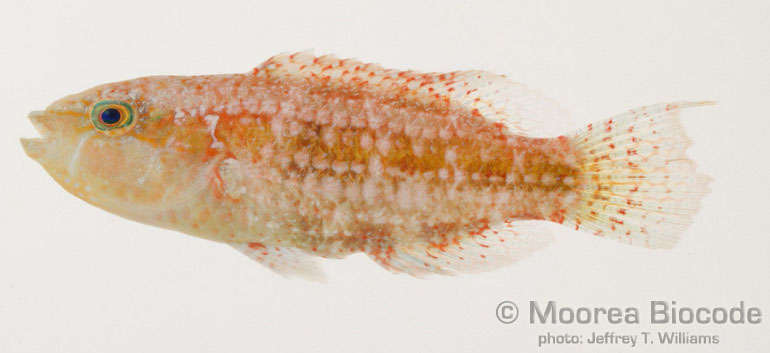
Oxycheilinus bimaculatus (Valenciennes, 1840) (Two-spot wrasse)
Inhabits outer reef slopes or deep clear lagoons among rubble or clumps of algae; also in seagrass beds . Often in sheltered estuaries and harbors . Benthic and benthopelagic .
Labroides dimidiatus (Valenciennes, 1839) (Bluestreak cleaner wrasse)
Inhabits coral rich areas of inner lagoons and subtidal reef flats to seaward reefs . Feeds on crustacean ectoparasites and mucus of other fishes . Monogamous . A protogynous hermaphrodite . Stays in stations where oth...
Read More
Read More
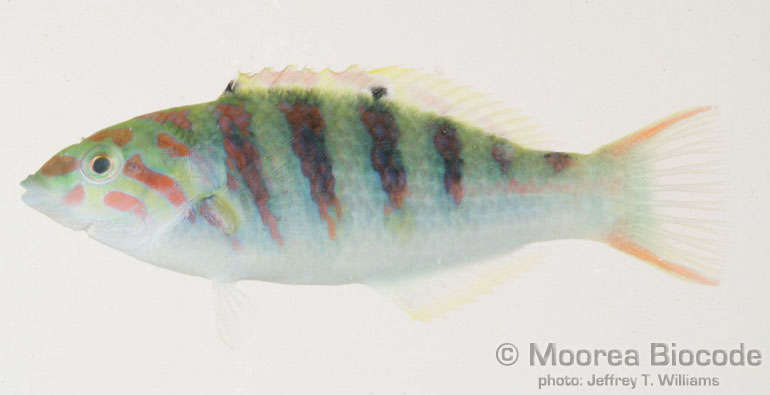
Thalassoma hardwicke (Bennett, 1830) (Sixbar wrasse)
Occurs in shallow lagoon and seaward reefs, slopes and along drop-offs to moderate depths. Occurs in small, loose groups . Feeds on benthic and planktonic crustaceans, small fishes, and foraminiferans.
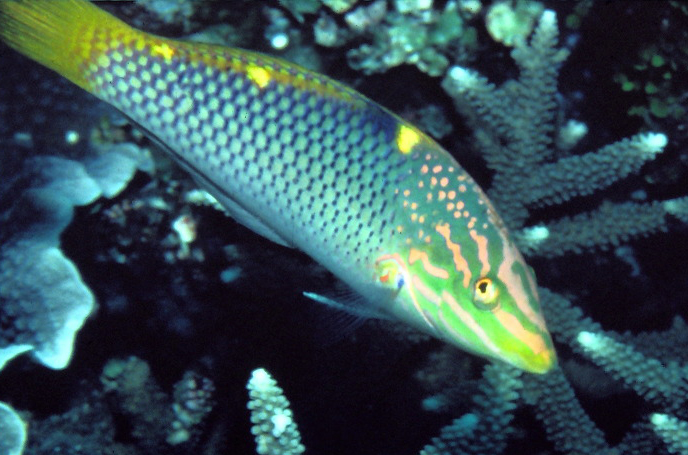
Halichoeres hortulanus (Lacepède, 1801) (Checkerboard wrasse)
Pseudocheilinus evanidus Jordan and Evermann, 1903 (Striated wrasse)
Found among patches of rubble or among branching coral of seaward reef slopes from 6 to at least 40 m . Benthopelagic . Rare in less than 20 m . Generally solitary and feeds on small benthic invertebrates .
Stethojulis bandanensis (Bleeker, 1851) (Red shoulder wrasse)
Halichoeres melanurus (Bleeker, 1851) (Tail-spot wrasse)
Found mostly on shallow coral reefs and rocky shores . Found over 15 m depth . Feed on small invertebrates such as polychaetes, copepods, isopods and forams .
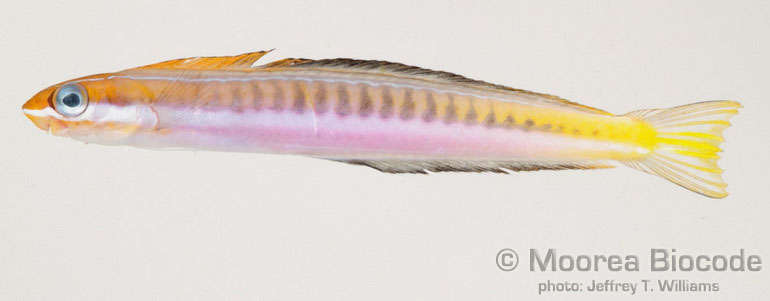
Plagiotremus tapeinosoma (Bleeker, 1857) (Piano fangblenny)
Inhabit clear lagoon and seaward reefs , usually the lower surge zone to deeper areas. Hide in deserted worm tubes when alarmed . Feed by attacking other fishes and removing dermal tissue, mucus and sometimes scales; oc...
Read More
Read More
Salarias segmentatus Bath & Randall, 1991 (Segmented blenny)
Inhabits shallow lagoon reefs, on algal covered rocks and rubble .Feeds on algae growing at the coral bases. Oviparous . Eggs are demersal and adhesive . Maximum depth reported by Ref. 48636.
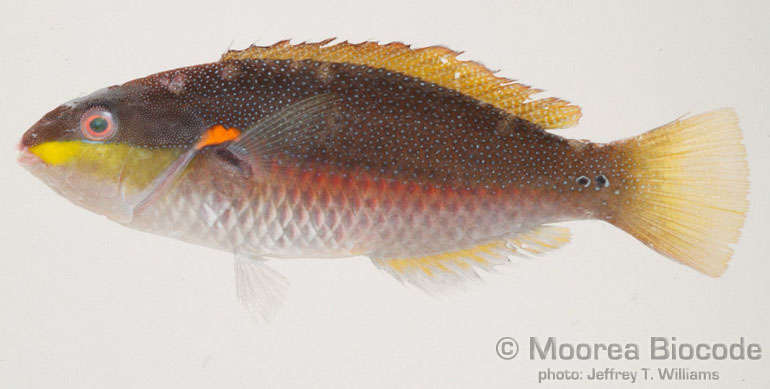
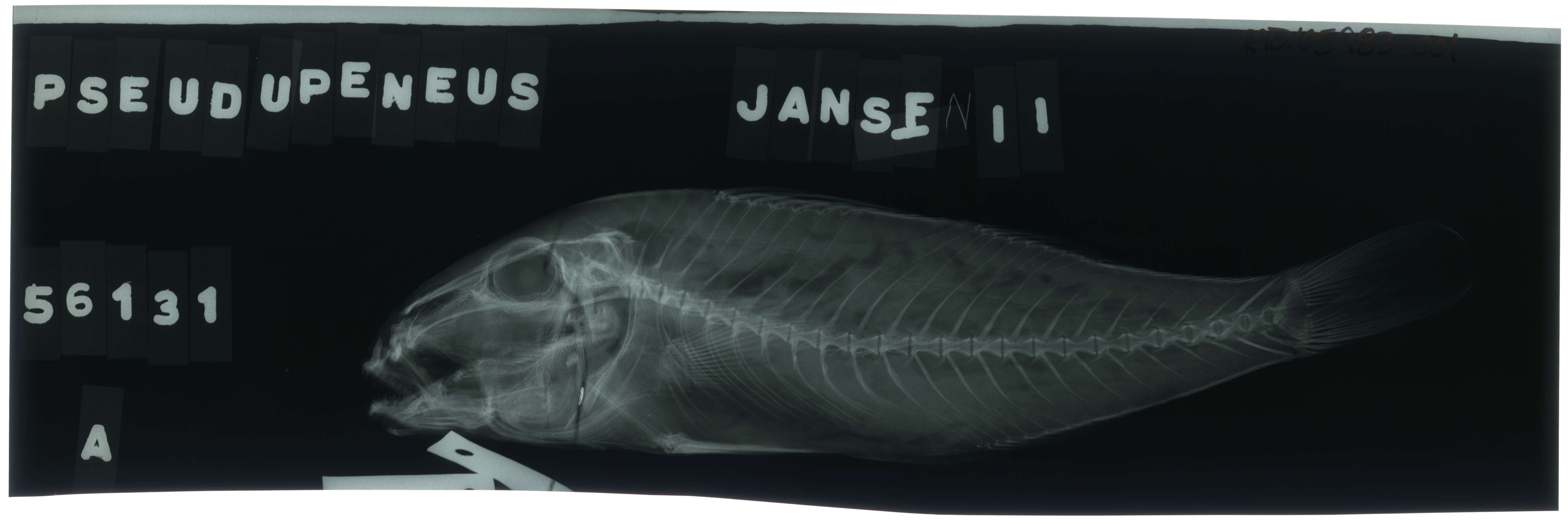
Parupeneus jansenii (Bleeker, 1856) (秋姑)
Apparently occurs at least at moderate depths .
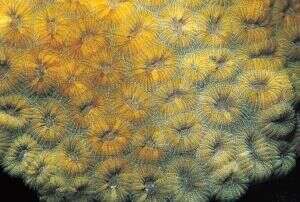
Montastraea valenciennesi (Milne Edwards & Haime, 1848) (False knob coral)
zooxanthellate
Favia pallida (Dana, 1846) (Knob coral)
zooxanthellate
Platygyra daedalea (Ellis and Solander, 1786) (Lesser valley coral)
zooxanthellate
Psammocora profundacella Gardiner, 1898
zooxanthellate
Favia favus (Forskål, 1775) (Knob coral)
zooxanthellate
Cryptodendrum adhaesivum Klunzinger, 1877 (Adhesive sea anemone)
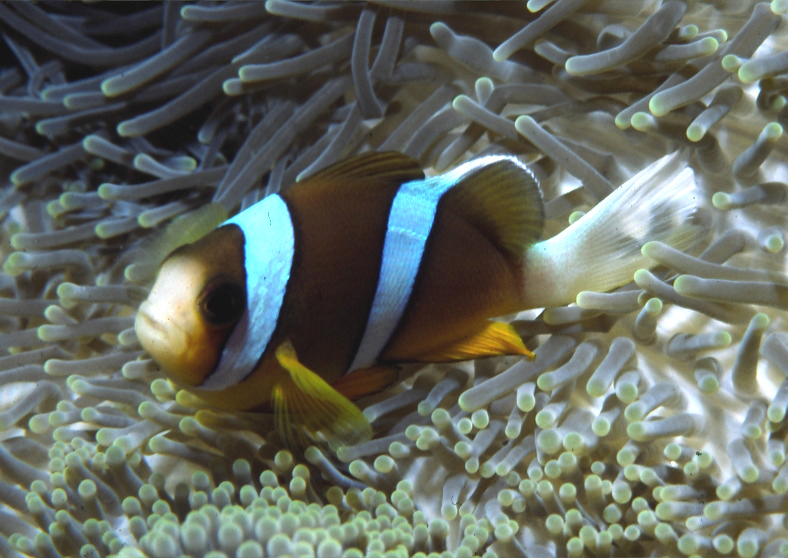
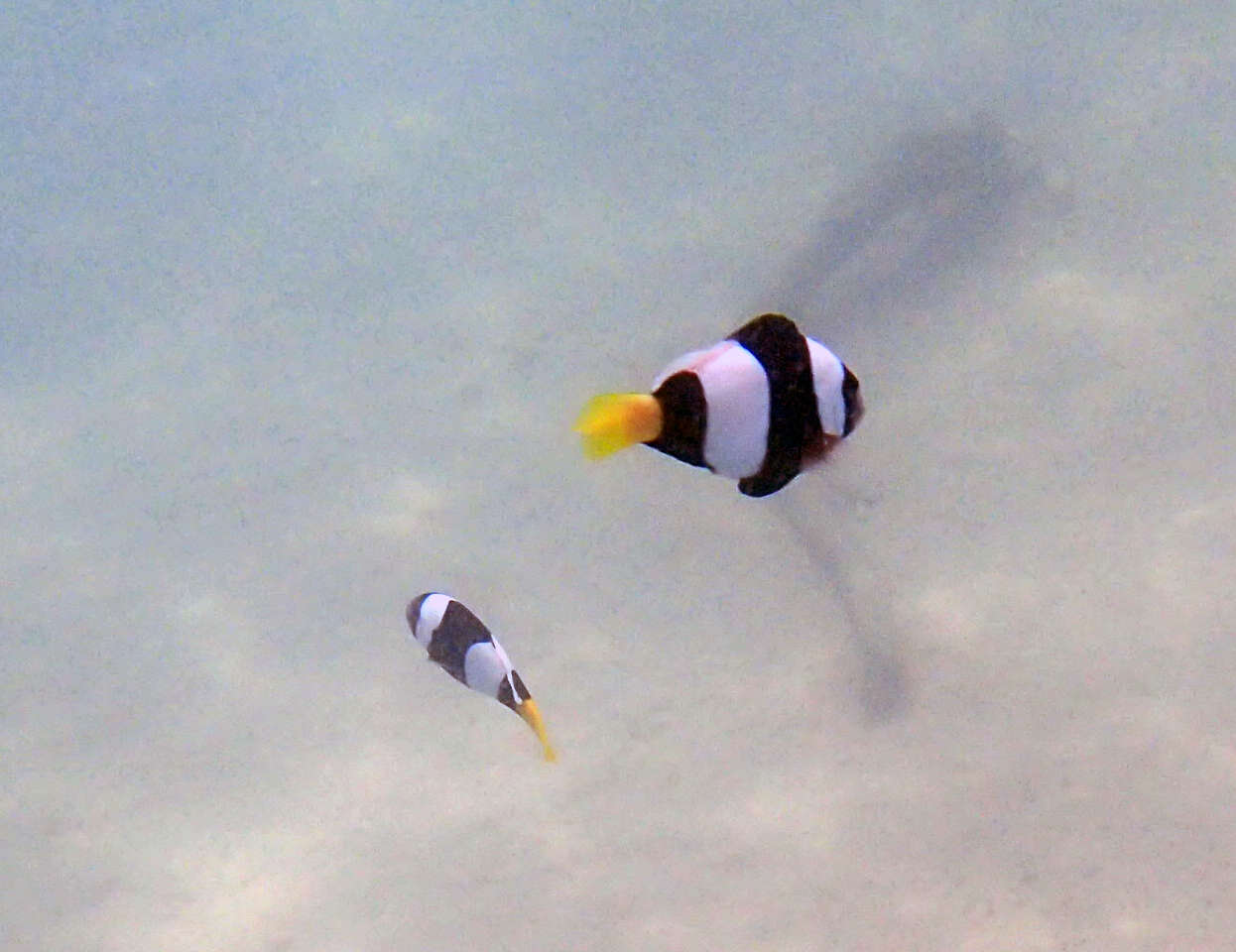
Amphiprion clarkii (Bennett, 1830) (Brown anemonefish)
Inhabits lagoons and outer reef slopes. Omnivorous. Oviparous, with elliptical eggs . Monogamous . Has been reared in captivity . Associated with the anemones: Cryptodendrum adhaesivum, Entacmaea quadricolor, Heterac...
Read More
Read More
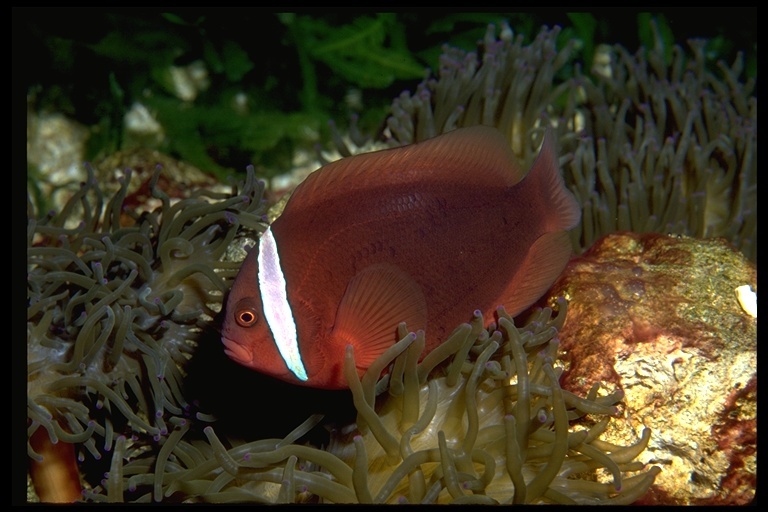
Amphiprion frenatus Brevoort, 1856 (oneband anemonefish)
Found in lagoon reefs and embayment. Monogamous , protandrous hermaphrodite . Associated with the anemone Entacmaea quadricolor . Has been reared in captivity .
Amphiprion ocellaris Cuvier, 1830 (false clown anemonefish)
Amphiprion percula (Lacepède, 1802) (Orange clownfish)
Inhabits lagoon and seaward reefs . Each group of fish consists of a breeding pair and 0-4 non-breeders. Within each group there is a size-based hierarchy: the female is largest, the male is second largest, and the non-...
Read More
Read More
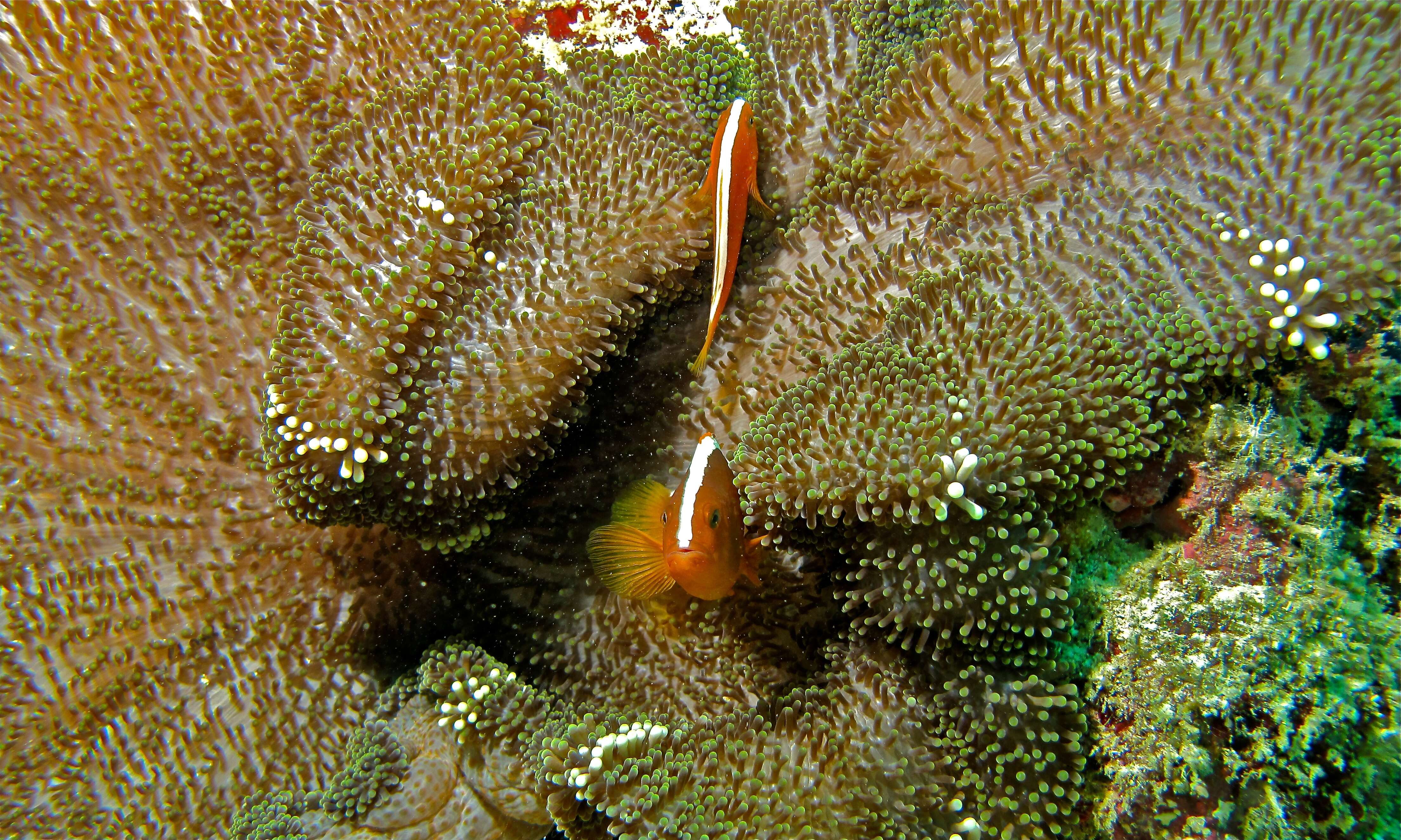
Amphiprion sandaracinos Allen, 1972 (Golden anemonefish)
Occurs in lagoon and outer reefs. Occurs in pairs and small groups . Monogamous . A protandrous hermaphrodite . Associated with the anemones: Heteractis crispa and Stichodactyla mertensii . Has been reared in captivity .
Amphiprion sebae Bleeker, 1853 (Sebae anemonefish)
Found in coastal waters and lagoons. It grows rather large . Associated with the anemone Stichodactyla haddoni .
Premnas biaculeatus (Bloch, 1790) (Spinecheek anemonefish)
Inhabits lagoon and seaward reefs , found mainly in protected coastal waters and lagoons. Typically found in pairs in which males are much smaller than females . Feeds primarily on zooplankton and benthic algae . Has been reared in captivity . Associated with the anemone Entacmaea quadricolor .
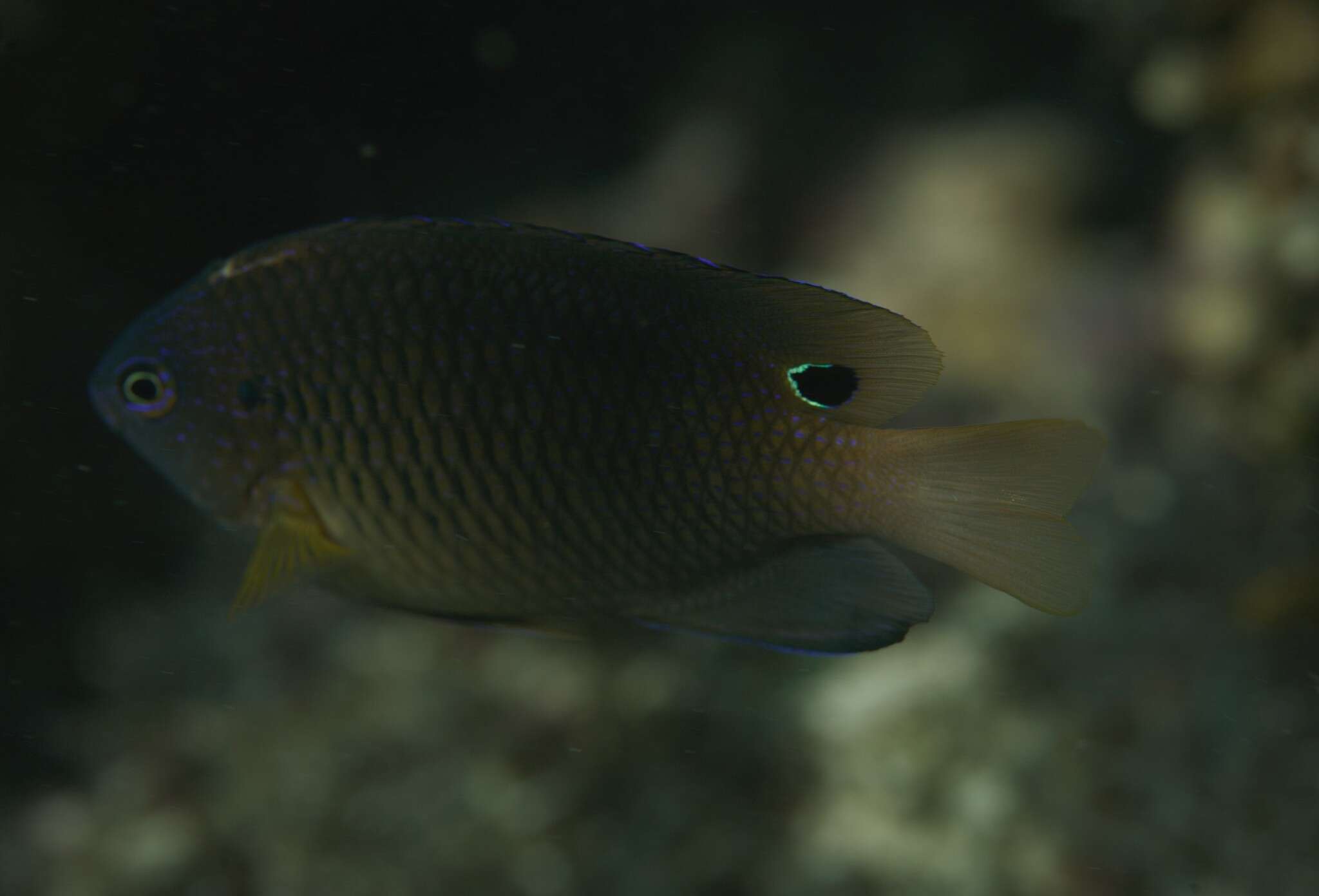
Pomacentrus amboinensis Bleeker, 1868 (Ambon damsel)
An ubiquitous species found in lagoons, coastal reefs, passages and outer reef slopes. Inhabits sandy areas around coral or rock outcrops or other protective shelter. Usually in small groups . Feeds primarily on algae, but also takes zooplankton. Has been reared in captivity (Ref. 35404.
Pomacentrus adelus Allen, 1991 (Obscure damsel)
Inhabits lagoon, coastal and seaward reefs , usually on open rubble patches .
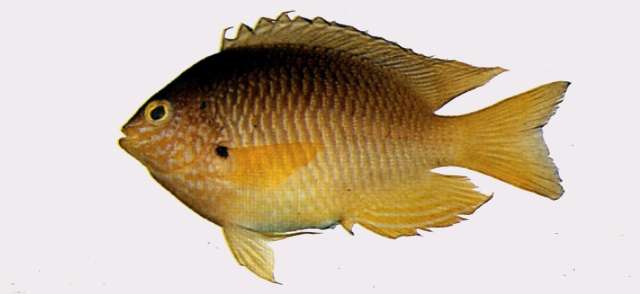
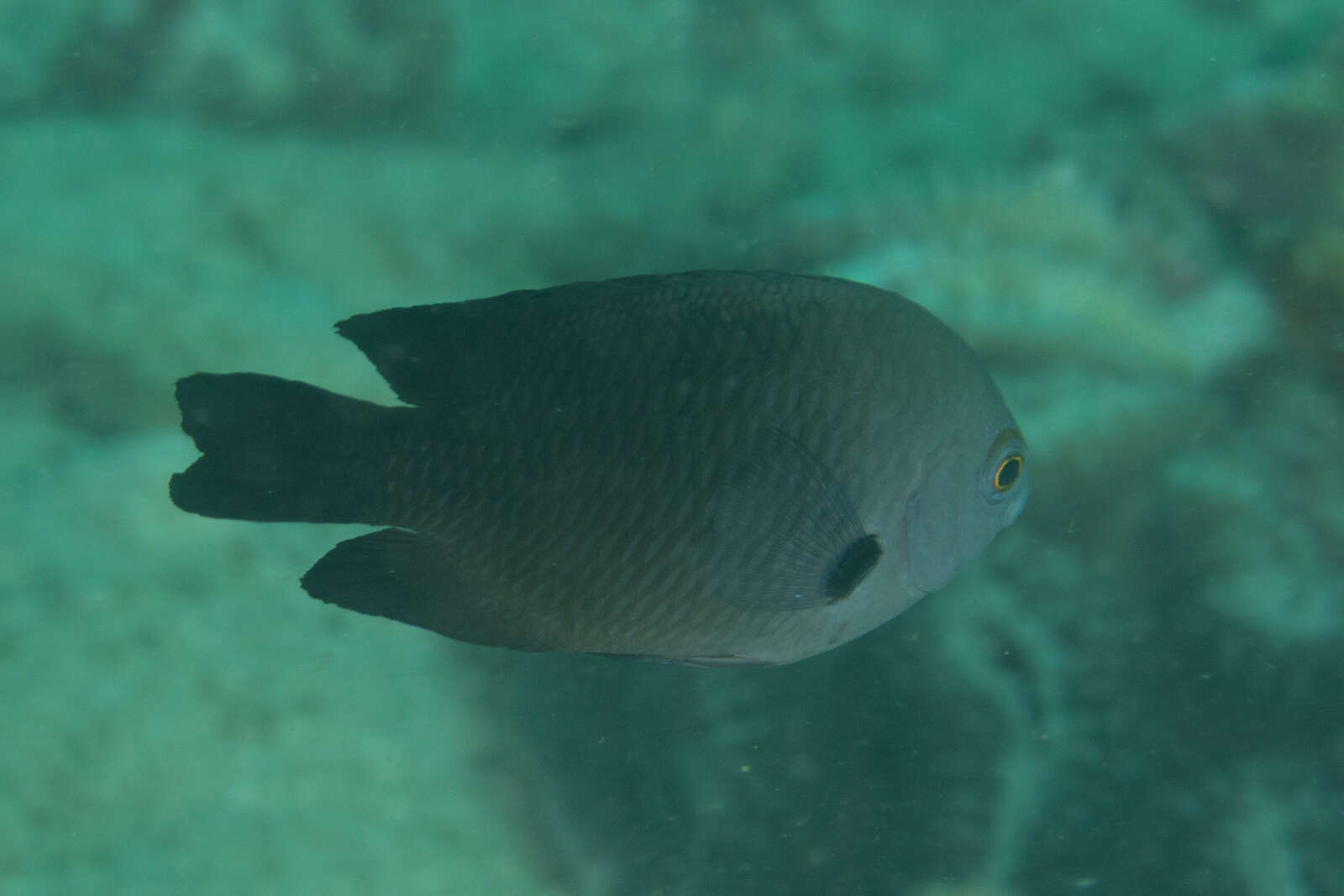
Neoglyphidodon nigroris (Cuvier, 1830) (Yellowfin damsel)
Two forms: long-tailed and black as adults occurs in the Andaman Sea, ranging east to western Bali and north to Japan. Second form, probably valid as N. xanthurus occurs in the rest of the West Pacific and the two overla...
Read More
Read More
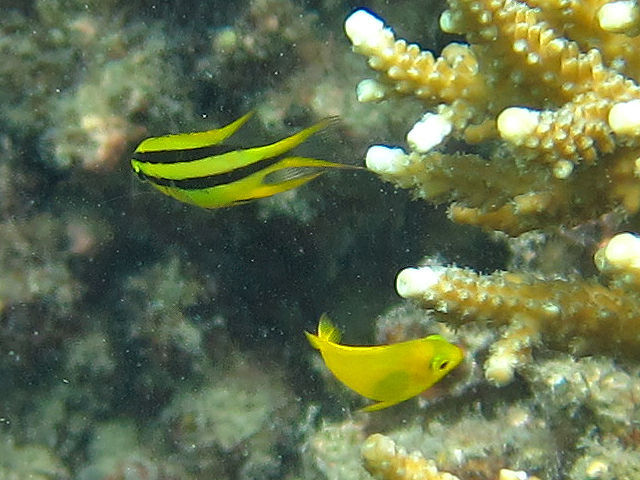
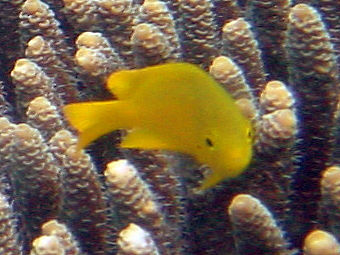
Pomacentrus moluccensis Bleeker, 1853 (Lemon damsel)
Inhabits clear lagoon and seaward reefs among branching corals. Occurs in small aggregations. Feeds mainly on algae and planktonic crustaceans.
Plectroglyphidodon lacrymatus (Quoy and Gaimard, 1825) (whitespeckled demoiselle)
Inhabits clear lagoon and seaward reefs, in areas with mixed coral and rubble or dead coral rocks. Feeds mainly on benthic algae and associated small invertebrates and fish eggs.
Chromis weberi Fowler and Bean, 1928 (Weber's chromis)
Occurs singly or in small to large aggregations in passes and steep outer reef slopes.
Dascyllus trimaculatus (Rüppell, 1829) (threespot humbug)
Inhabits coral and rocky reefs, juveniles often commensal with large sea anemones, sea urchins, or small coral heads . Occurs in small to large aggregations. Stomach contents include algae, copepods, and other planktonic crustaceans.
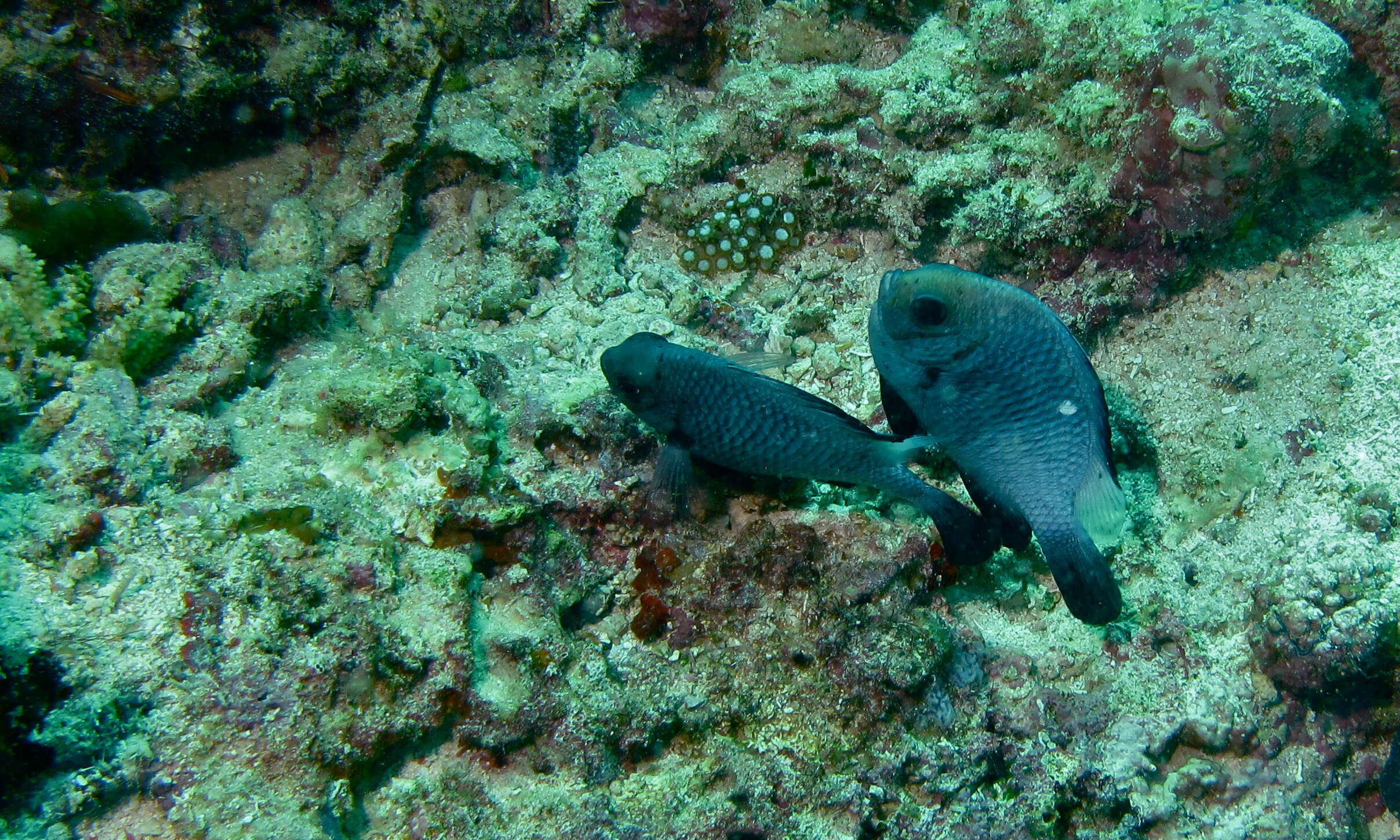
Pomacentrus brachialis Cuvier, 1830 (Charcoal damsel)
Found in passages and outer reef slopes ; also in current prone and clear water reef flats to 40 m depth . Occurs singly or in small groups . Feeds on zooplankton and benthic algae .
Dascyllus aruanus (Linnaeus, 1758) (black-and-white damselfish)
Territorial, inhabit shallow lagoon and subtidal reef flats. Form large aggregations above staghorn Acropora thickets or in smaller groups above isolated coral heads. Feed on zooplankton, benthic invertebrates, and algae...
Read More
Read More
Chrysiptera brownriggii (Bennett, 1828) (Surge demoiselle)
Occurs in rubble-strewn surge channels, the outermost reaches of exposed reef flats, and the upper submarine terrace at 12 meters. Territorial but generally occurs in groups, and remains close to shelter. Feeds mainly on benthic algae and small crustaceans .
Share on Social Networks
- Facebook:

personalize your shared text as well as its destination (wall, page...) or send as a private message to a friend
- Twitter: Tweet personalize your tweet
- Google Plus:
Direct link to this dive
- Long link:
- Short link:


 We are participating today in the startup contest Techcrunch Disrupt. Support Diveboard by voting for us!
























































































1st dive 2 tanker Datu Budas
Humid, hot, PC, flat water til big storm at end of day
light crowd on boat
1st Rock near Yoyongs Place, drop in along coral slopes and sand, North swim, back to boat
viz improving compared to previous weekends
multilevel, some solo