


 Beachnutts


 Philippines
-
Nº78
 Date: 2023-04-30 - 10:16
-
 Max Depth: 34.4m Duration: 78mins
Dive Location

- Temp: Surf 27°C Bottom 27°C
- Dive type : Recreational, Deep dive, Reef, Photo
- Visibility: Good Water: Salt
Specific gear used
- BCD: Scubapro - Glide Plus
- Camera: Olympus - TG6
- Computer: Oceanic - OCS
- Fins: Scubapro - Jet Fins
- Knife: Scuba MAx - folding
- Lift bag: ScubaMax - SMB
- Light: Sofirn - SD05
- Mask: Promate - Scope
- Regulator: Aqua Lung - Legend LX
- Wet suit: Blue Ocean - Diveskin
- Weights: 3.2 kg
Dive reviews
| Overall review | ||
| Dive difficulty | ||
| Marine life quality |
Recent Divers in Talicud island, Davao

Recent Pictures in Talicud island, Davao
Dive Shop & Buddies
 Dive with Weng

Link to this spot:
- Spot:
- Country:
- Area:
- Body of water:
Dive Profile
- 1. Air
- 10L Aluminium 207 → 21 bar
- Average depth: 23m
Data provided by EOL.org




Species Identified
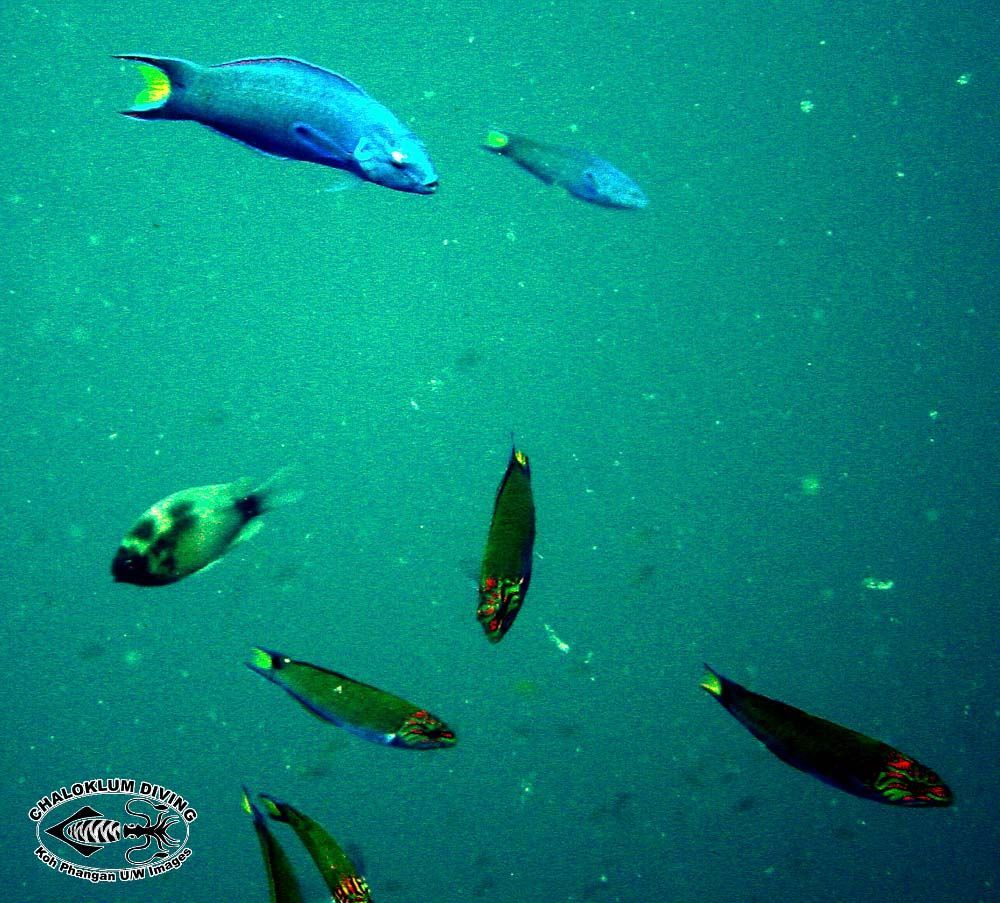
Thalassoma lunare (Linnaeus, 1758) (Blue wrasse)
Occurs in the upper portions of lagoon and coastal reefs, and in protected seaward reefs . Enters estuaries . Usually found on upper portions of ledges and heads . Feeds mainly on small benthic invertebrates and fish eggs . A protogynous hermaphrodite .
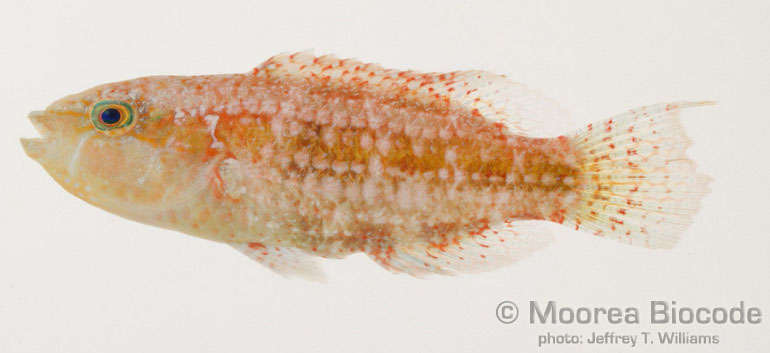
Oxycheilinus bimaculatus (Valenciennes, 1840) (Two-spot wrasse)
Inhabits outer reef slopes or deep clear lagoons among rubble or clumps of algae; also in seagrass beds . Often in sheltered estuaries and harbors . Benthic and benthopelagic .
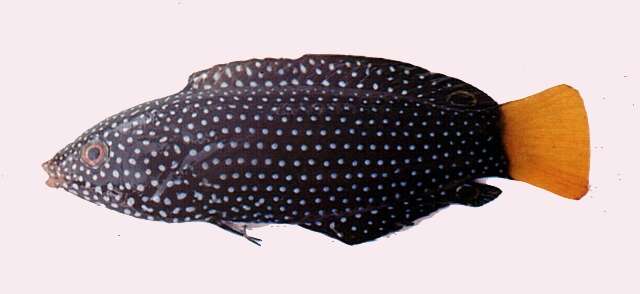
Anampses meleagrides Valenciennes, 1840 (Spotted wrasse)
Found in areas of mixed coral, rubble, consolidated limestone, and sand of seaward reefs; also in soft coral or sponge habitats . Minimum depth reported taken from Ref. 30874.
Halichoeres marginatus Rüppell, 1835 (Dusky wrasse)
Inhabit lagoon and seaward reefs, along the upper edges of coral-rich areas . Benthopelagic . Juveniles are encountered in exposed outer reef flats . Feed on a wide variety of small invertebrates as well as fish eggs.
Cirrhitops hubbardi (Schultz, 1943) (Sumitsukigonbe)
A shallow water carnivore occurring around rocky and coral reefs.
Cirrhitichthys guichenoti (Sauvage, 1880) (Épervier des Mascareignes)
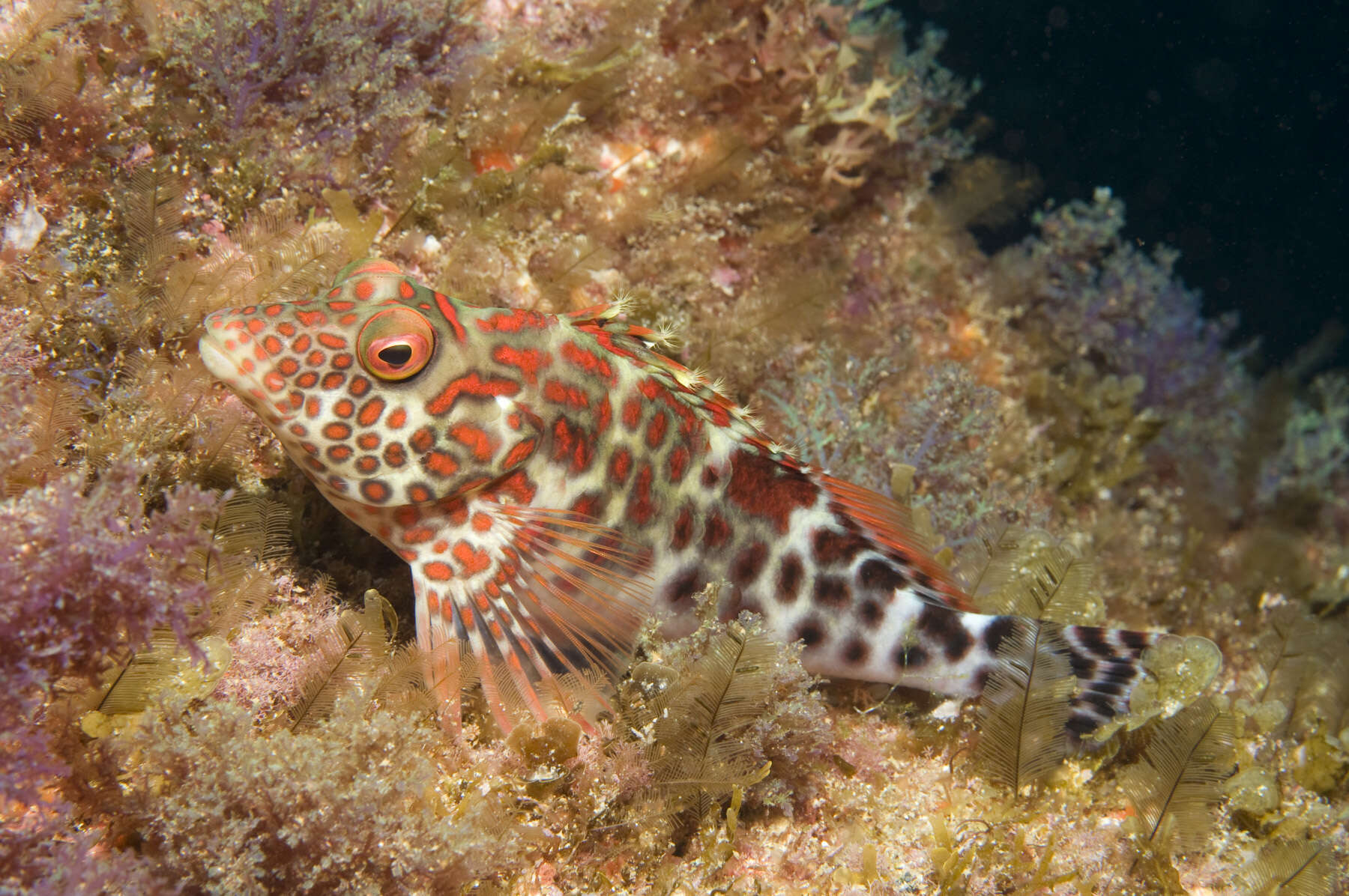
Notocirrhitus splendens (Ogilby, 1889) (Splendid hawkfish)
Inhabits seaward reefs, at the bases of coral heads or on hard bottom .
Halichoeres semicinctus (Ayres, 1859) (rock wrasse)
Chromis limbaughi Greenfield and Woods, 1980 (Damselfish)
Paraclinus mexicanus (Gilbert, 1904) (Blenny)
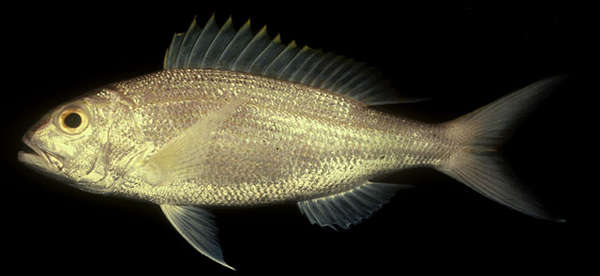
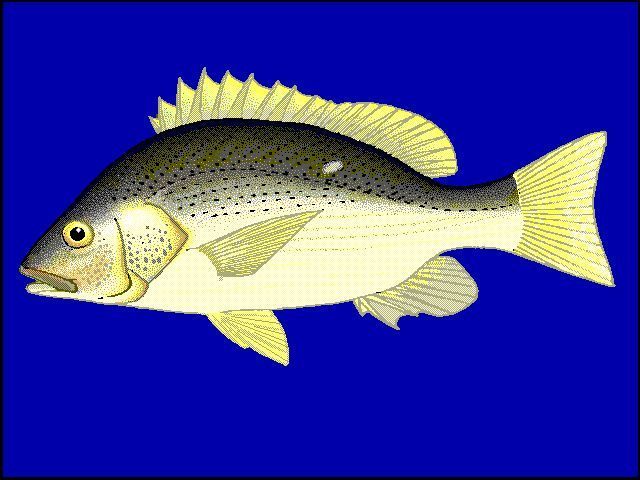
Pristipomoides typus Bleeker, 1852 (Goldband snapper)
Sharptooth snapper are deepwater fish inhabiting tropical and sub-tropical waters. They are schooling fish and live in areas of hard, rocky and uneven sea floor and steep off islands . Feed on benthic invertebrates and fishes.
Rhomboplites aurorubens (Cuvier, 1829) (Bastard snapper)
Found in moderately deep waters, most common over rock, gravel or sand bottoms near the edge of the continental and island shelves. Young fish occur in shallower depths . Often forms large schools, particularly the young...
Read More
Read More
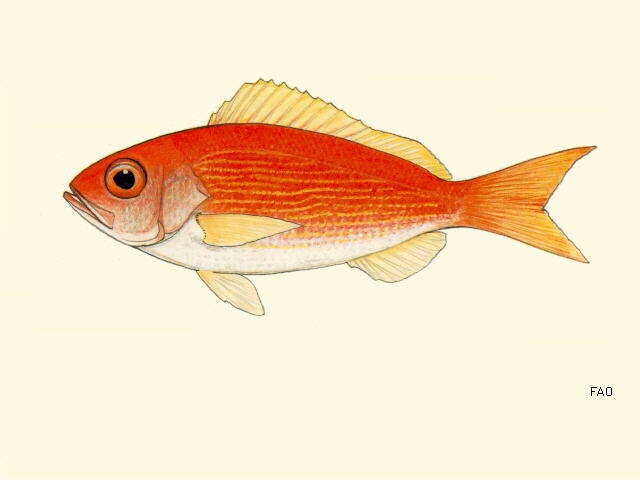
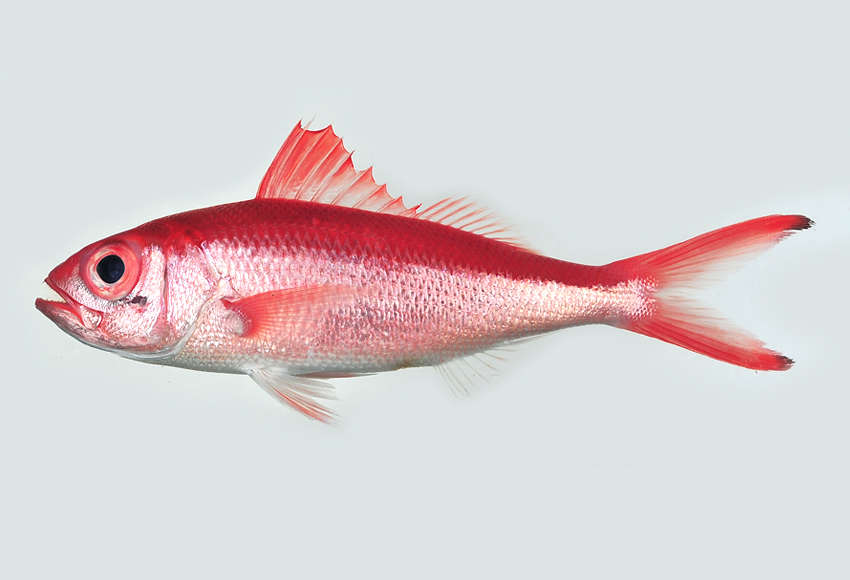
Etelis coruscans Valenciennes, 1862 (queen snapper)
Inhabits rocky bottoms of the continental shelf and continental slope . Benthopelagic . Feeds on small fishes, squids and crustaceans . Considered an important food fish in some areas. Marketed fresh and frozen . Highly valued for the quality of its flesh .
Lutjanus stellatus Akazaki, 1983 (star snapper)
Occurs in the vicinity of coral and rocky reefs. Usually found solitarily or in small groups. In Hong Kong live fish markets .
Share on Social Networks
- Facebook:

personalize your shared text as well as its destination (wall, page...) or send as a private message to a friend
- Twitter: Tweet personalize your tweet
- Google Plus:
Direct link to this dive
- Long link:
- Short link:


 We are participating today in the startup contest Techcrunch Disrupt. Support Diveboard by voting for us!
























































































First dive 2 tank boat dive datu Budas
Coral Garden near 3rd Rock, 2.5 Rock
Drop in same normal buoy, North swim, to depth then back up past boat, and back to boat
multilevel