


 Beachnutts


 Philippines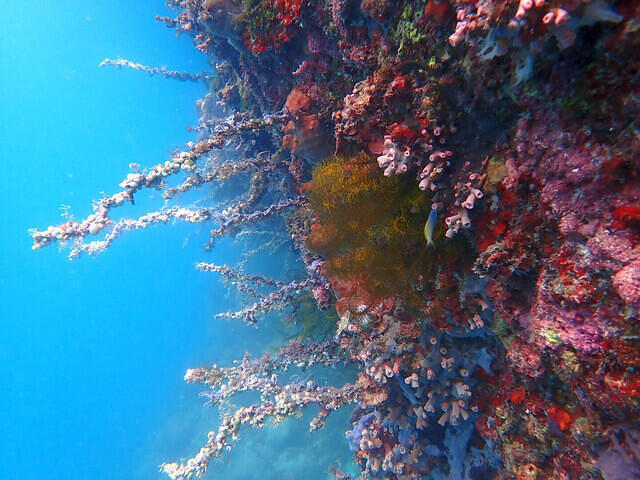
-
Nº149
 Date: 2024-09-29 - 12:44
-
 Max Depth: 19.2m Duration: 93mins
Dive Location

- Surface interval:62 mins
- Temp: Surf 28°C Bottom 28°C
- Dive type : Recreational, Reef, Photo
- Visibility: Average Water: Salt
Specific gear used
- BCD: Scubapro - Glide Plus
- Boots: Orca - Dive shoes
- Camera: Olympus - TG6
- Computer: Oceanic - OCS
- Fins: Scubapro - Go Rescue
- Lift bag: ScubaMax - SMB
- Mask: Promate - Scope
- Regulator: SEAC - Synchro
- Wet suit: Blue Ocean - Diveskin
- Weights: 3.2 kg
Dive reviews
| Overall review | ||
| Dive difficulty | ||
| Marine life quality |
Dive Shop & Buddies
 Dive with Blake Auge from Carabao Dive Center
 Dive buddies:
Reymar Tano,
Beachnutts
Dive buddies:
Reymar Tano,
Beachnutts

Link to this spot:
- Spot:
- Country:
- Area:
- Body of water:
Dive Profile
- 1. Air
- 10L Aluminium 207 → 21 bar
- Average depth: 12.8m
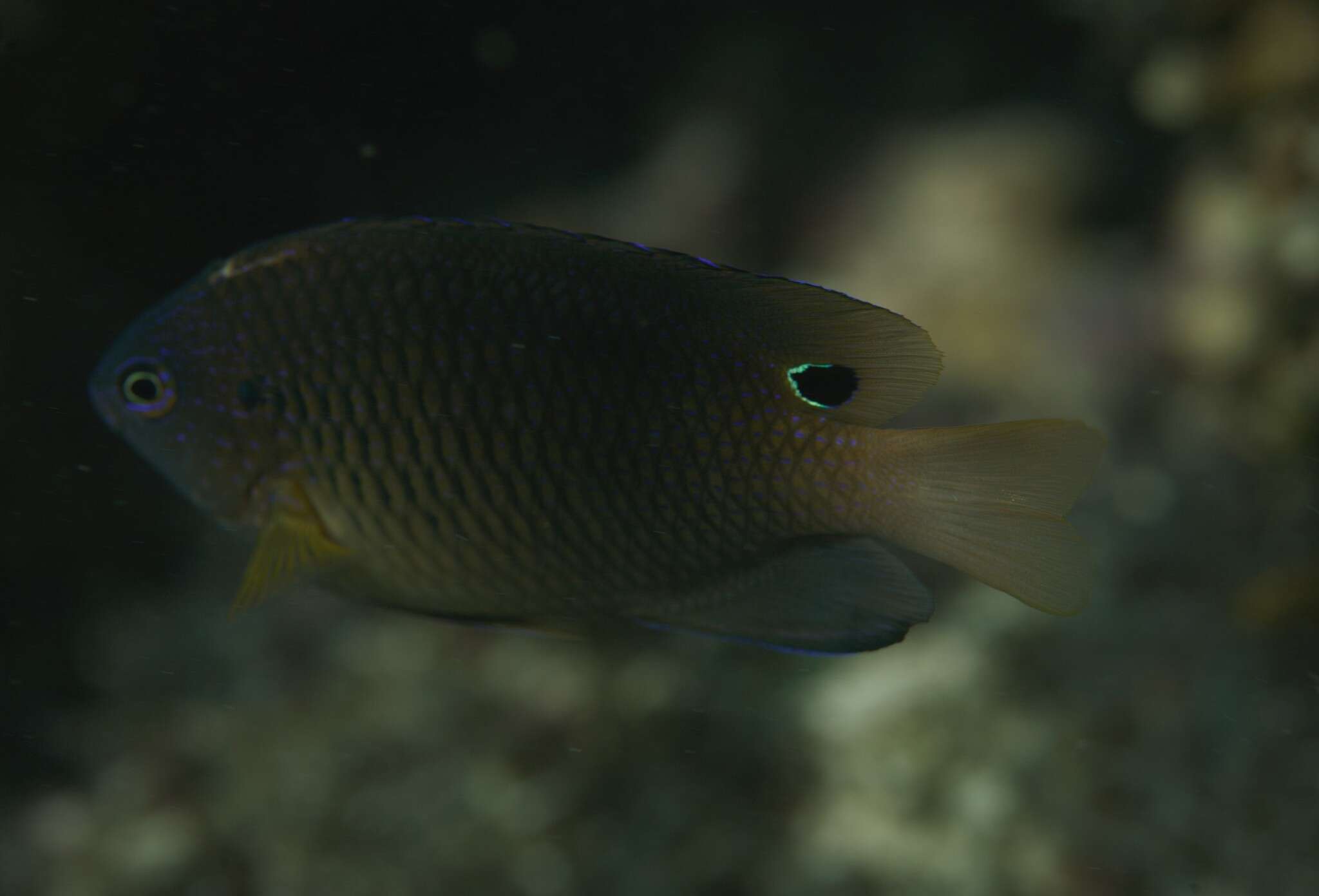
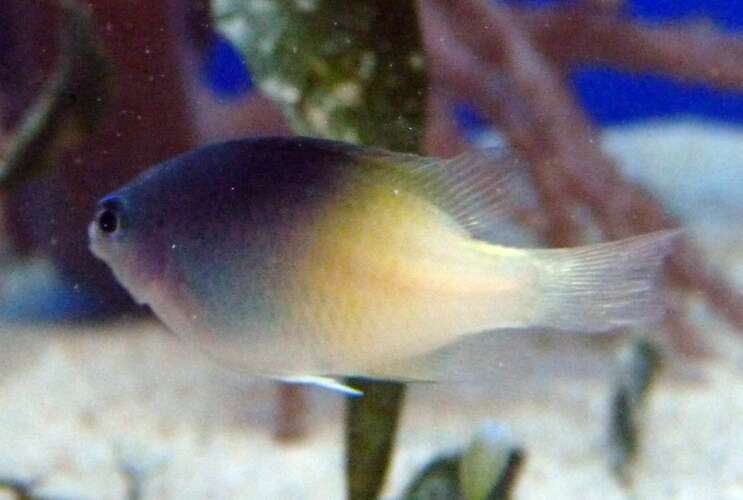
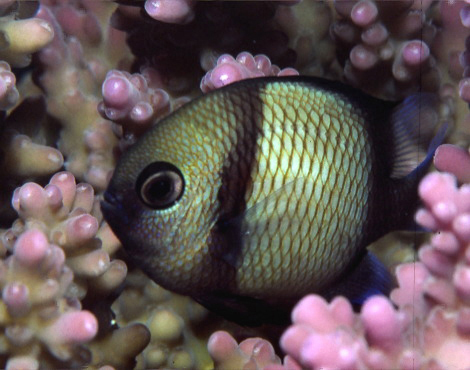
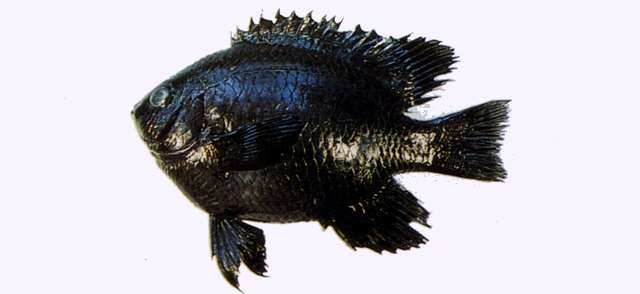
Data provided by EOL.org


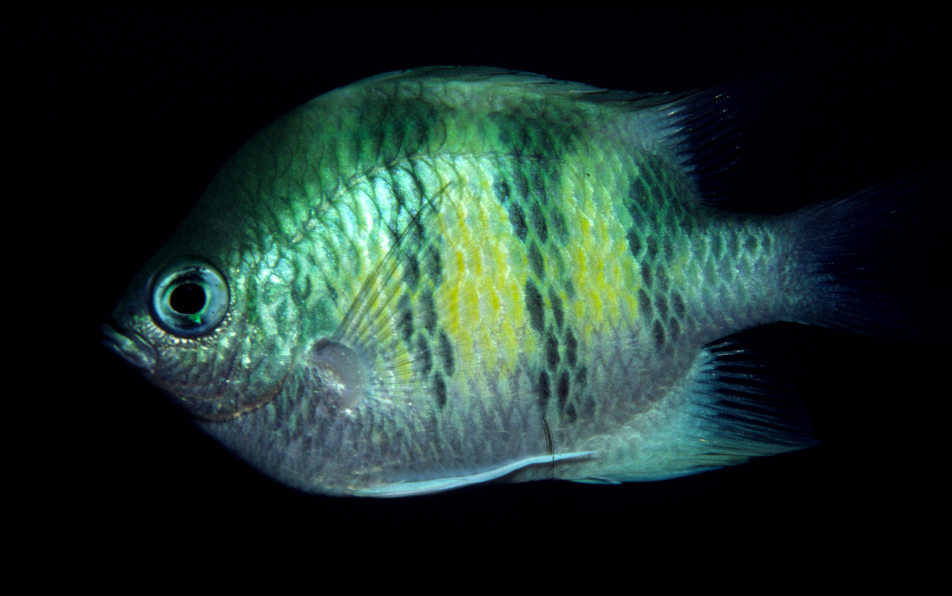

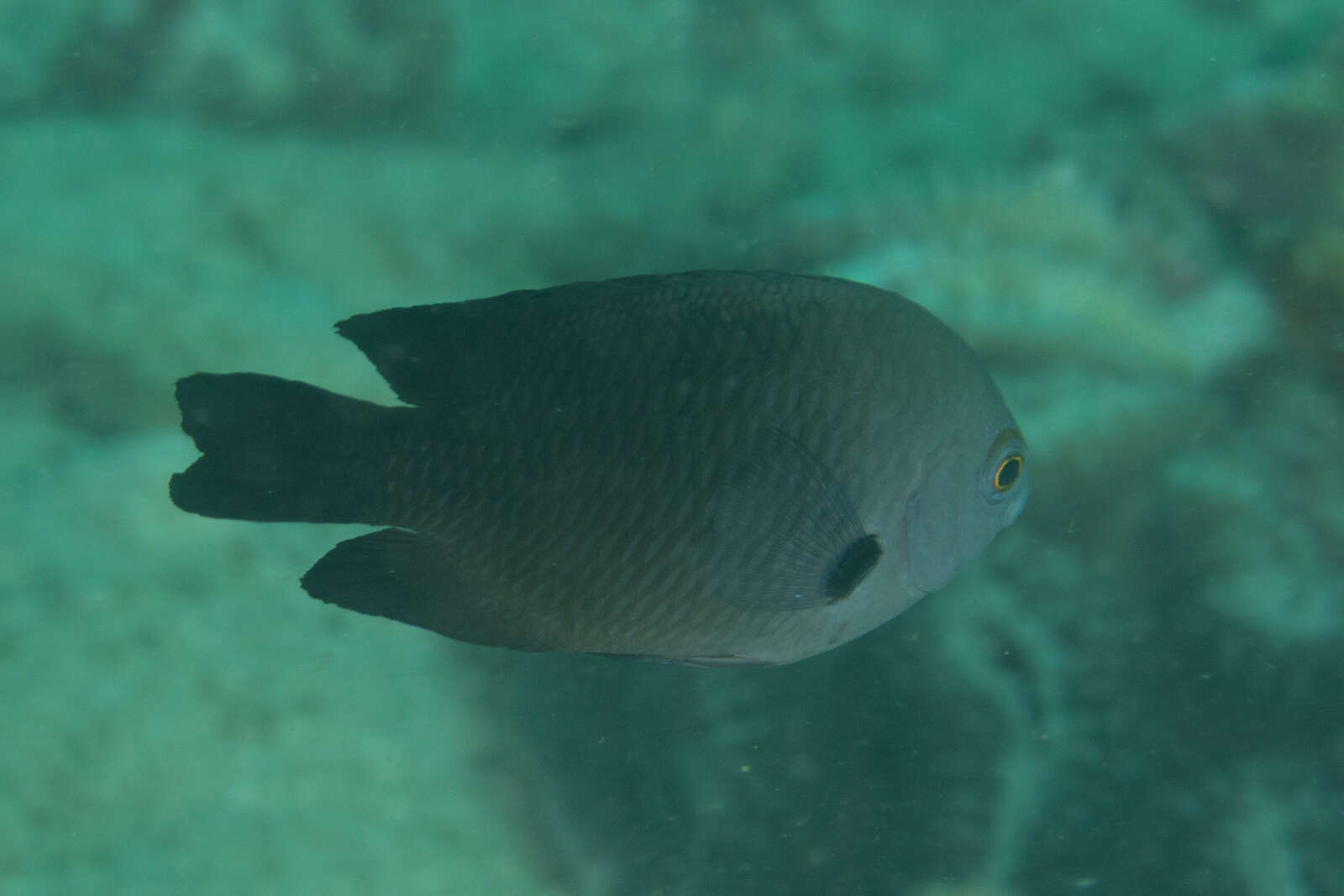
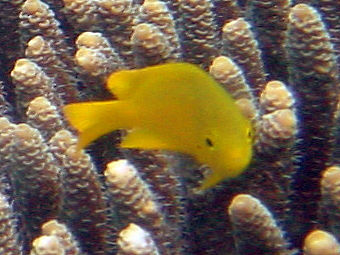
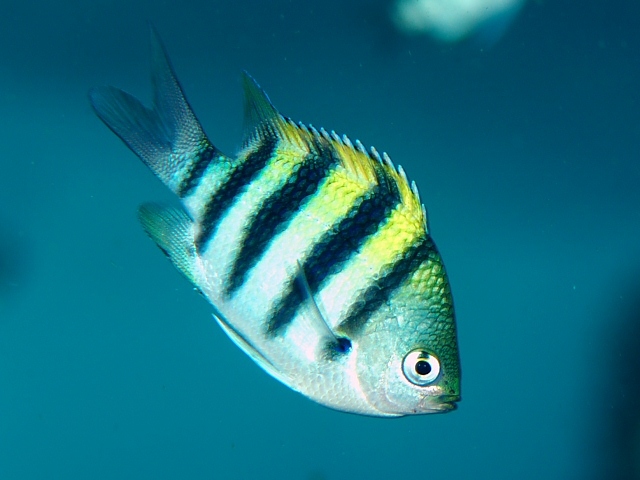





Species Identified
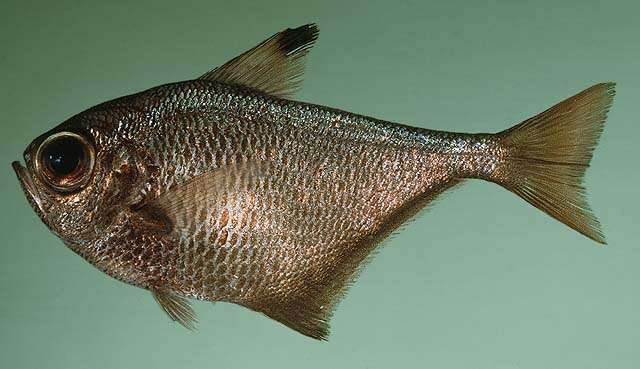
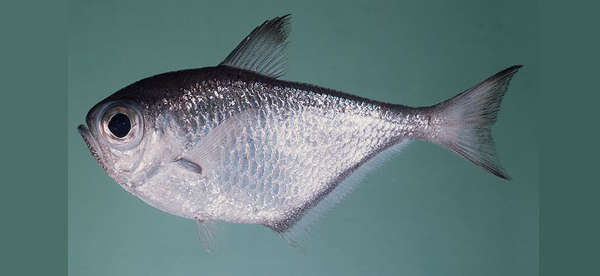
Pempheris mangula Cuvier, 1829 (Black-edged sweeper)
Usually solitary in caves or under large overhanging corals to about 20 m depth .
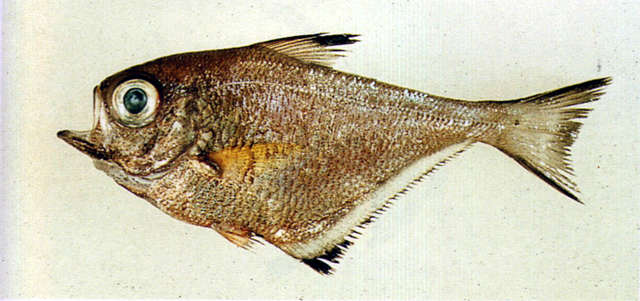
Pempheris vanicolensis Cuvier, 1831 (vanikolo sweeper)
Inhabits shallow rocky and coral reefs . Adults occur in large groups that stay in caves and in the shadows of coral overhangs during daytime. At night, they forage on planktonic organisms in open waters, returning to th...
Read More
Read More
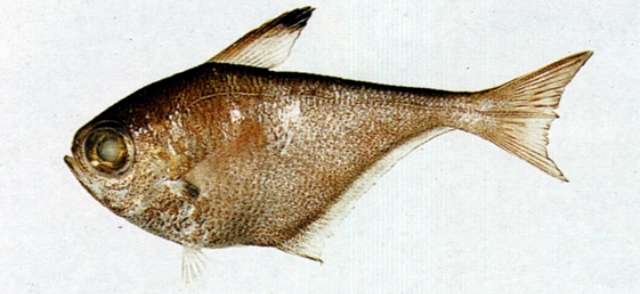
Pempheris oualensis Cuvier, 1831 (blacktip sweeper)
Occurs in clear, shallow lagoon and seaward reefs, quite common along the reef margin. Feeds on benthic and planktonic crustaceans, other small invertebrates, and fishes at night. By day, it forms aggregations in caves.
Pempheris schwenkii Bleeker, 1855 (Black-stripe sweeper)
Inhabits rocky and coral reefs . Found hiding in caves during the day and feeding on zooplankton at night. Solitary or in small groups .
Pempheris molucca Cuvier, 1829 (molucca sweeper)
Inhabits coral reefs and rocky areas . Enters estuaries . Feeds on crustaceans and polychaete worms .
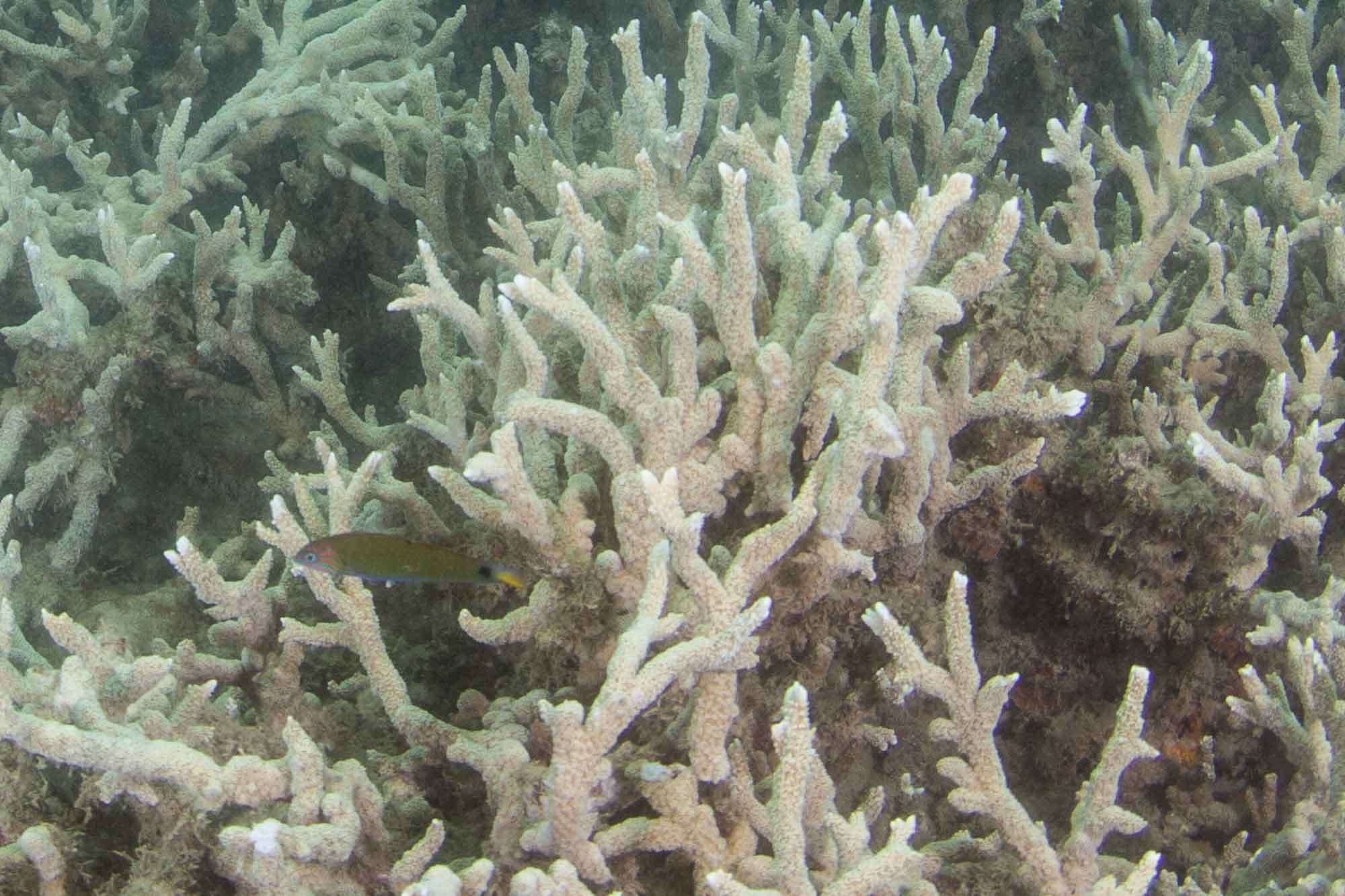
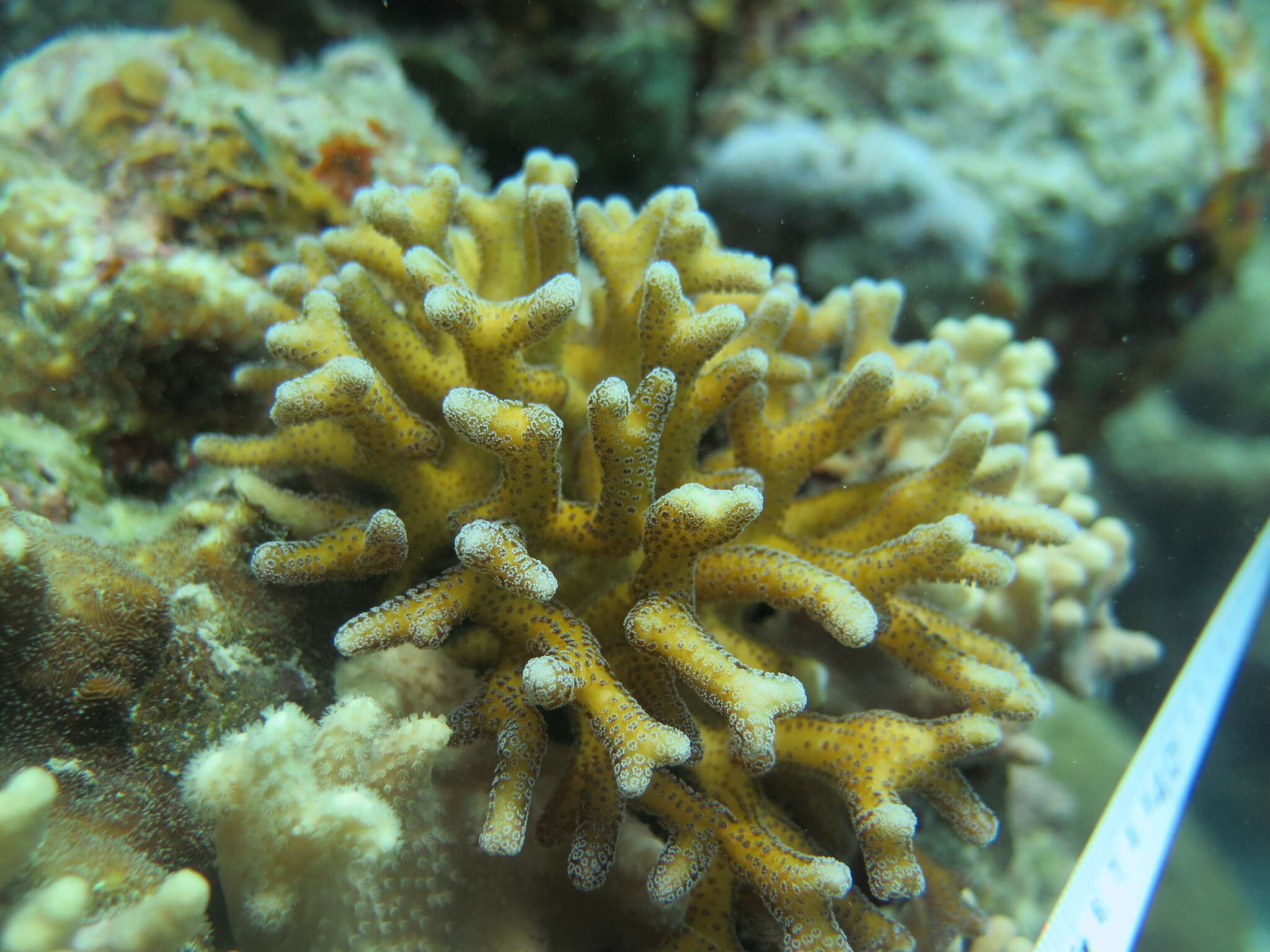
Montipora verrucosa (Lamarck, 1816) (Pore coral)
zooxanthellate
Pocillopora damicornis (Linnaeus, 1758) (Cauliflower coral)
zooxanthellate
Porites nigrescens Dana, 1846 (Hump coral)
zooxanthellate
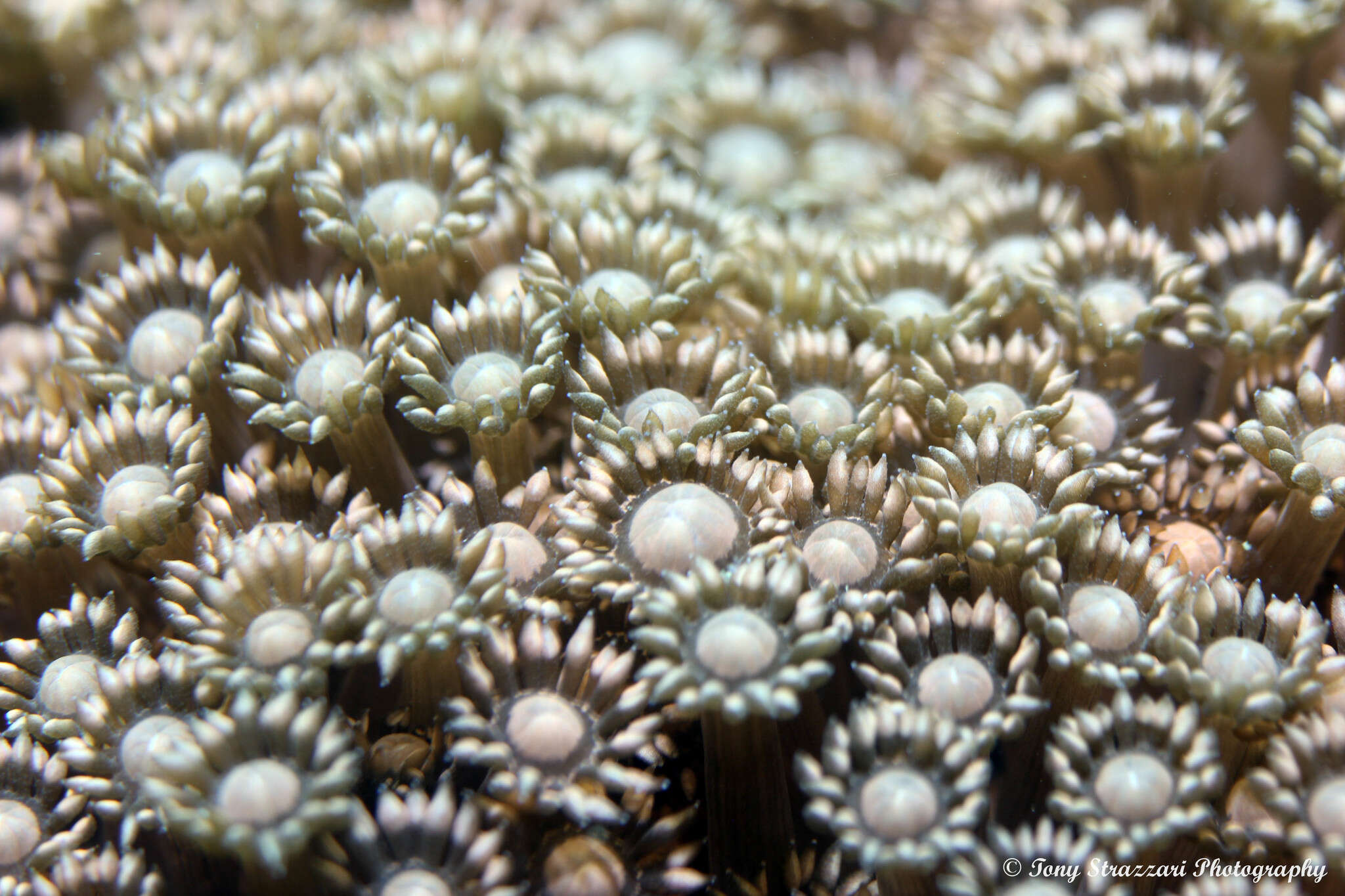
Goniopora tenuidens Quelch, 1886 (Anemone coral)
zooxanthellate
Seriatopora caliendrum Ehrenberg, 1834 (Bush coral)
zooxanthellate
Amblyglyphidodon curacao (Bloch, 1787) (Black-snouted sergeant-major)
Inhabits lagoons, coastal embayments, reef passages and outer reefs. Juveniles often found among Sarcophyton and Sinularia soft corals. Feeding aggregations are frequently observed over growths of the staghorn coral Acro...
Read More
Read More
Dascyllus aruanus (Linnaeus, 1758) (black-and-white damselfish)
Territorial, inhabit shallow lagoon and subtidal reef flats. Form large aggregations above staghorn Acropora thickets or in smaller groups above isolated coral heads. Feed on zooplankton, benthic invertebrates, and algae...
Read More
Read More
Pomacentrus brachialis Cuvier, 1830 (Charcoal damsel)
Found in passages and outer reef slopes ; also in current prone and clear water reef flats to 40 m depth . Occurs singly or in small groups . Feeds on zooplankton and benthic algae .
Pomacentrus moluccensis Bleeker, 1853 (Lemon damsel)
Inhabits clear lagoon and seaward reefs among branching corals. Occurs in small aggregations. Feeds mainly on algae and planktonic crustaceans.
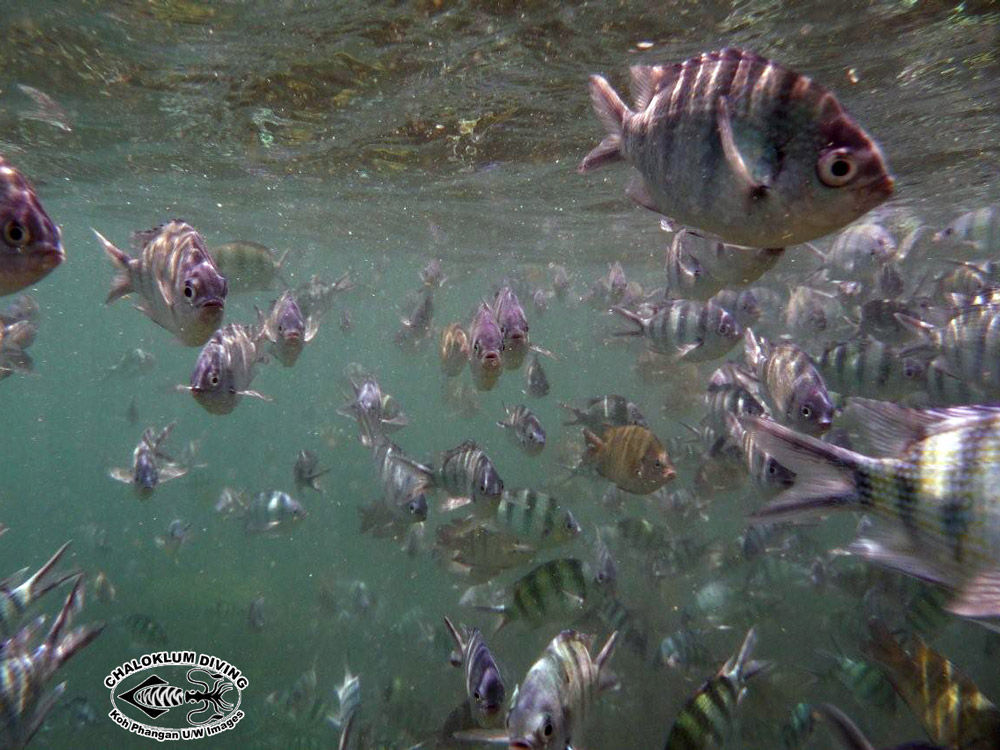
Abudefduf vaigiensis (Quoy and Gaimard, 1825) (Five finger)
Adults inhabit upper edge of outer reef slopes and inshore rocky reefs. Juveniles associated with drifting seaweed . Benthopelagic . Feed on zooplankton, benthic algae, and small invertebrates . Often in aggregations ...
Read More
Read More
Pomacentrus adelus Allen, 1991 (Obscure damsel)
Inhabits lagoon, coastal and seaward reefs , usually on open rubble patches .
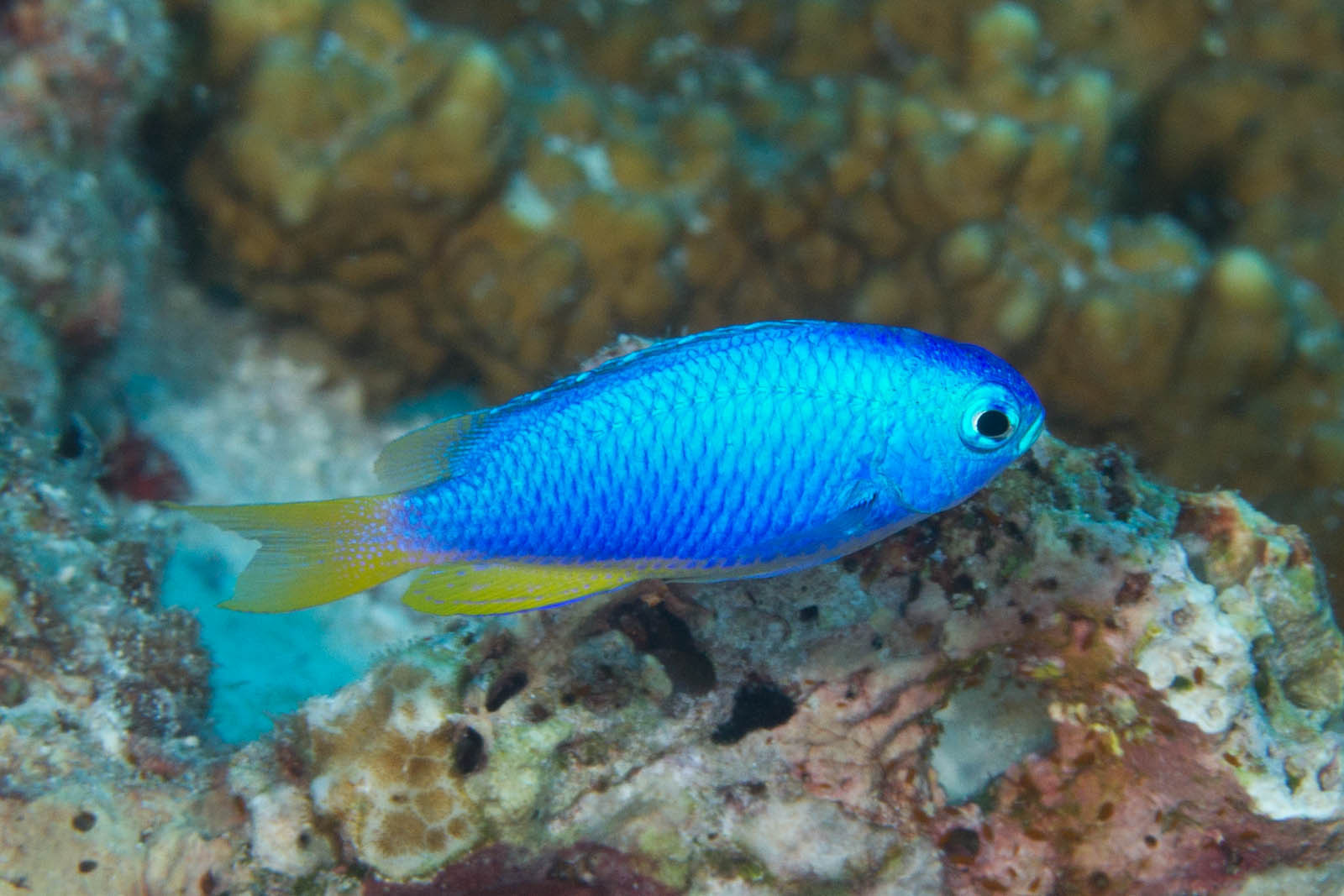
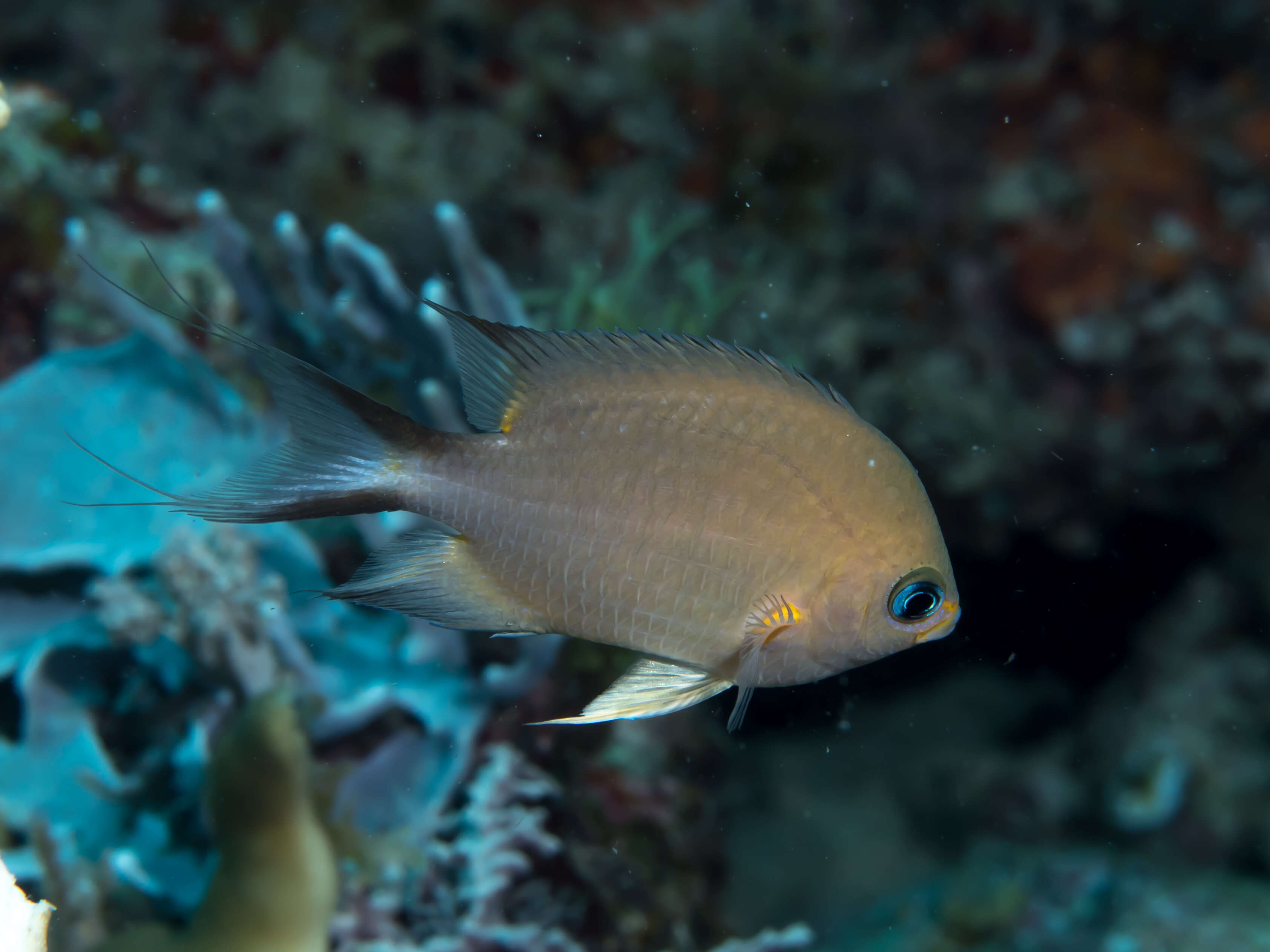
Chrysiptera rollandi (Whitley, 1961) (Rolland's demoiselle)
Occurs singly or in small groups in lagoons, harbors, and outer reef slopes. Found among corals and coral rubble . Feeds mainly on zooplankton.
Dascyllus reticulatus (Richardson, 1846) (twostriped damselfish)
Occurs in outer lagoon and seaward reefs. Inhabits branching coral heads, particularly Pocillopora eydouxi. Forms schools, often in silty habitats . Male prepares a nest by cleaning with its mouth a rock or coral surface where the female will attach the eggs .
Plectroglyphidodon dickii (Liénard, 1839) (Dick's damsel)
Inhabits coral-rich and surge areas of clear lagoon and seaward reefs . Commonly associated with Pocillopora or Acropora corals . Feeds on filamentous algae, small benthic invertebrates, and occasionally small fishes . Minimum depth range taken from Ref. 7247.
Neoglyphidodon melas (Cuvier, 1830) (black damselfish)
Found in coral-rich areas of lagoon and seaward reefs and usually associated with soft corals on which it feeds . Occur singly or in pairs . Juveniles are encountered in around staghorn Acropora corals . Adults often near Tridacna clams and may feed on their feces .
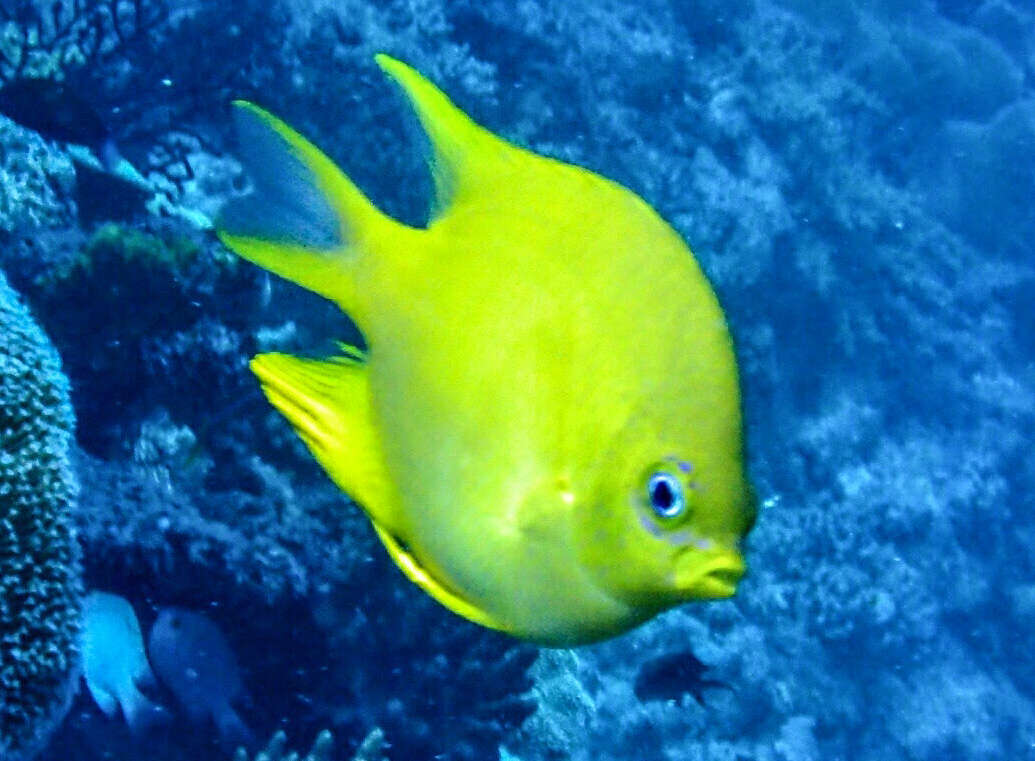
Amblyglyphidodon aureus (Cuvier, 1830) (Golden damsel)
Occurs in steep outer reef, occasionally in deep lagoons and along channel walls, usually in current prone habitats and where there are abundant gorgonian and long sea-whip corals on which they lay and guard eggs. Juvenil...
Read More
Read More
Pomacentrus simsiang Bleeker, 1856 (Blueback damsel)
Occurs singly or in small aggregations at slightly turbid areas of lagoon and coastal reefs. Feeds mainly on benthic algae.
Dischistodus melanotus (Bleeker, 1858) (Black-vent damsel)
Occurs in lagoon reefs and generally prefers small patch reefs with sand or rubble substrates . Feeds on benthic algae which it aggressively guards against other herbivores . Juveniles secretive in rubble .
Pomacentrus coelestis Jordan and Starks, 1901 (Neon damsel)
Abudefduf sexfasciatus (Lacepède, 1801) (Natal sergeant)
Inhabits inshore and offshore coral or rocky reefs. Also in shallow coastal reef flats or crests, usually where lots of tall soft corals or hydroid colonies are present . Feeds on zooplankton and algae and aggregates high in the water column .
Pomacentrus lepidogenys Fowler and Bean, 1928 (Scaly damsel)
Inhabits lagoons, passages, and outer reef slopes. Feeds on zooplankton in the water column, a short distance from the bottom. Occurs singly or in small groups.
Pomacentrus alexanderae Evermann and Seale, 1907 (Alexander's damsel)
Occur in lagoon, inshore, and offshore reefs . Usually seen solitary, often swimming well above substrate . Feed on algae, barnacle nauplii, copepods, fish eggs, and small gastropods.
Chromis amboinensis (Bleeker, 1871) (Ambon chromis)
Inhabits coral-rich areas of clear lagoon and seaward reefs. Abundant on steep outer reef slopes below 24 m, uncommon in lagoons. Juveniles in large branching corals, adults mainly in caves . Found in aggregations .
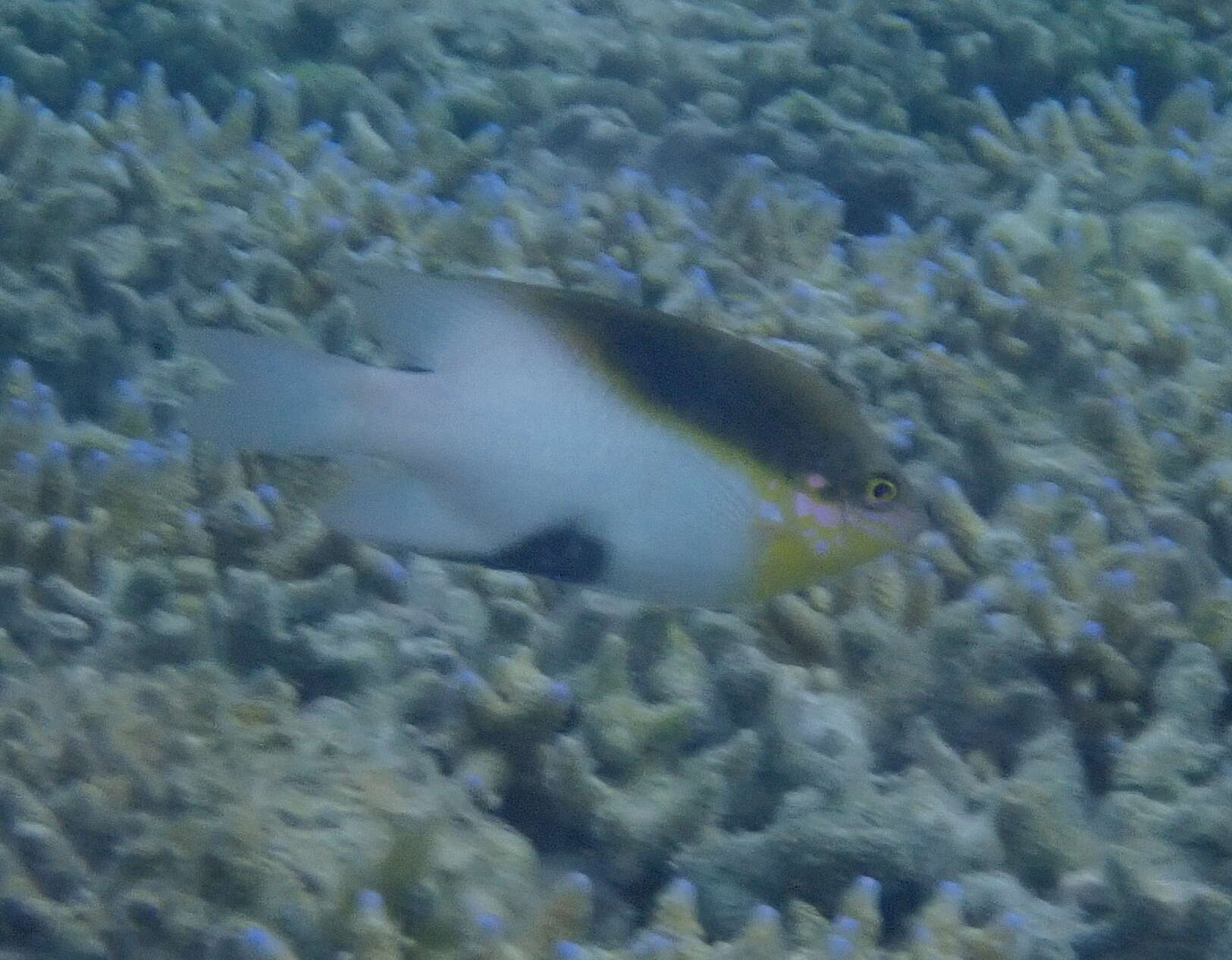
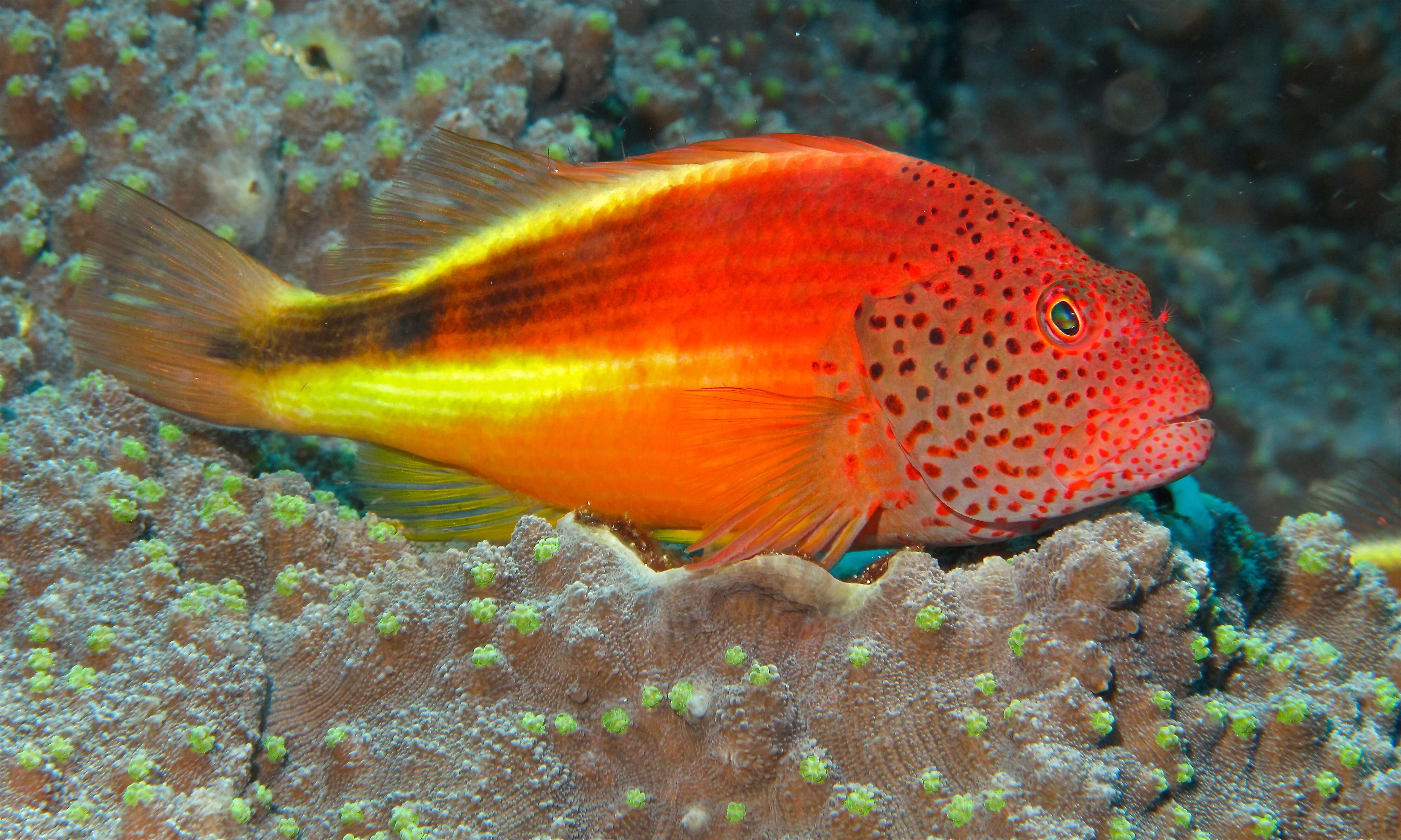
Paracirrhites forsteri (Schneider, 1801) (Blackside hawkfish)
Inhabits clear lagoon or seaward reefs to at least 33 m depth , but may venture very deep. Occurs openly on coral and soft-bottom habitats, occasionally in pairs . Benthic . Tends to perch on outermost branches of Stylo...
Read More
Read More
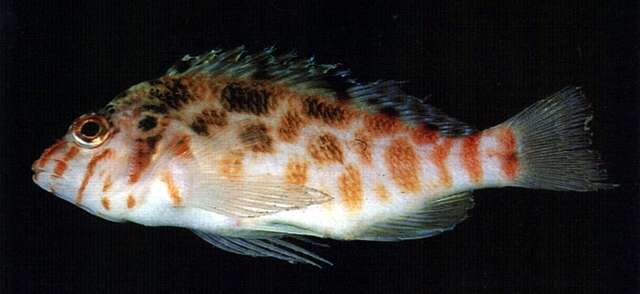
Cirrhitichthys aprinus (Cuvier, 1829) (Boar hawkfish)
A common species found in rocky and coral areas of subtidal coastal reefs . Enters shallow harbors and estuaries .
Cirrhitichthys oxycephalus (Bleeker, 1855) (Coral hawkfish)
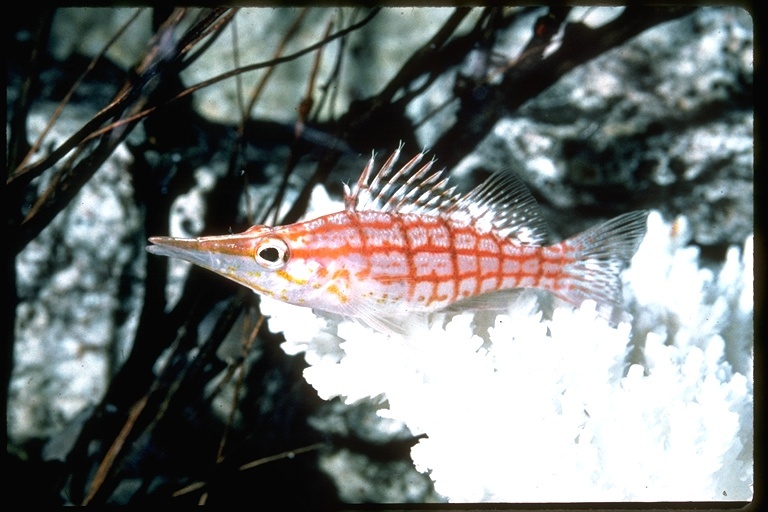
Oxycirrhites typus Bleeker, 1857 (Longnose hawkfish)
Share on Social Networks
- Facebook:

personalize your shared text as well as its destination (wall, page...) or send as a private message to a friend
- Twitter: Tweet personalize your tweet
- Google Plus:
Direct link to this dive
- Long link:
- Short link:


 We are participating today in the startup contest Techcrunch Disrupt. Support Diveboard by voting for us!
























































































2nd dive of 2 dive day aboard Dive Crew @ Dadatan Wall
Sardine Run Davao , cluds and runs on sardines in shallows at the point and towards Mansun
videos and photos
multilevel solo
swim out to wall turns and back to boat