


 Beachnutts



 Philippines
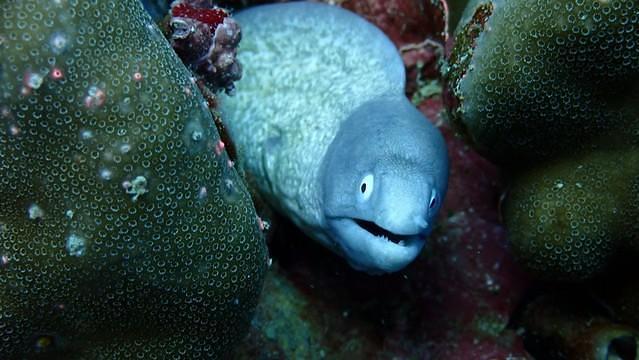
-
Nº104
 Date: 2023-10-08 - 09:48
-
 Max Depth: 21.9m Duration: 91mins
Dive Location

- Temp: Surf 27°C Bottom 27°C
- Dive type : Recreational, Reef, Photo
- Visibility: Average Water: Salt
Specific gear used
- BCD: Scubapro - Glide Plus
- Boots: Orca - Dive shoes
- Camera: Olympus - TG6
- Computer: Oceanic - OCS
- Fins: Scubapro - Jet Fins
- Lift bag: ScubaMax - SMB
- Light: Sofirn - SD05
- Mask: Promate - Scope
- Regulator: Aqualung - Legend
- Wet suit: Blue Ocean - Diveskin
- Weights: 3.2 kg
Dive reviews
| Overall review | ||
| Dive difficulty | ||
| Marine life quality |
Recent Divers in Talicud island, Davao
Recent Pictures in Talicud island, Davao
Dive Shop & Buddies
 Dive buddies:
Mike Tacansan,
Maeng,
Cesar,
Ton Ton

Link to this spot:
- Spot:
- Country:
- Area:
- Body of water:
Dive Profile
- 1. Air
- 10L Aluminium 207 → 28 bar
- Average depth: 14.6m
Data provided by EOL.org



Species Identified
Dascyllus aruanus (Linnaeus, 1758) (black-and-white damselfish)
Territorial, inhabit shallow lagoon and subtidal reef flats. Form large aggregations above staghorn Acropora thickets or in smaller groups above isolated coral heads. Feed on zooplankton, benthic invertebrates, and algae...
Read More
Read More
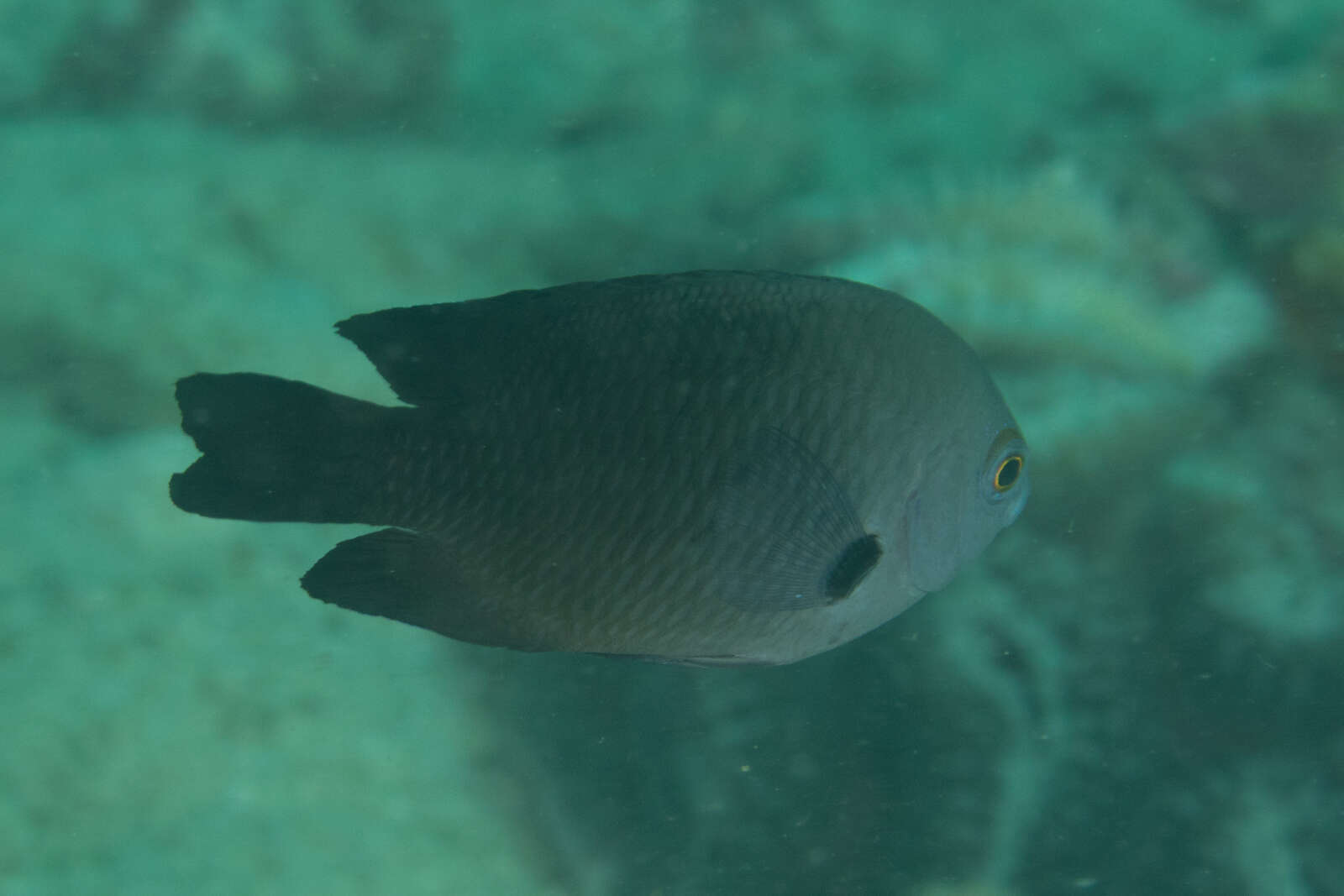
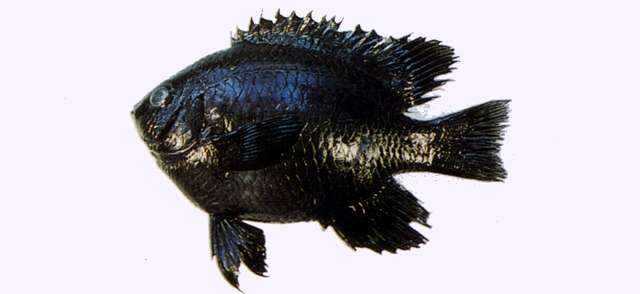
Pomacentrus brachialis Cuvier, 1830 (Charcoal damsel)
Found in passages and outer reef slopes ; also in current prone and clear water reef flats to 40 m depth . Occurs singly or in small groups . Feeds on zooplankton and benthic algae .
Neoglyphidodon nigroris (Cuvier, 1830) (Yellowfin damsel)
Two forms: long-tailed and black as adults occurs in the Andaman Sea, ranging east to western Bali and north to Japan. Second form, probably valid as N. xanthurus occurs in the rest of the West Pacific and the two overla...
Read More
Read More
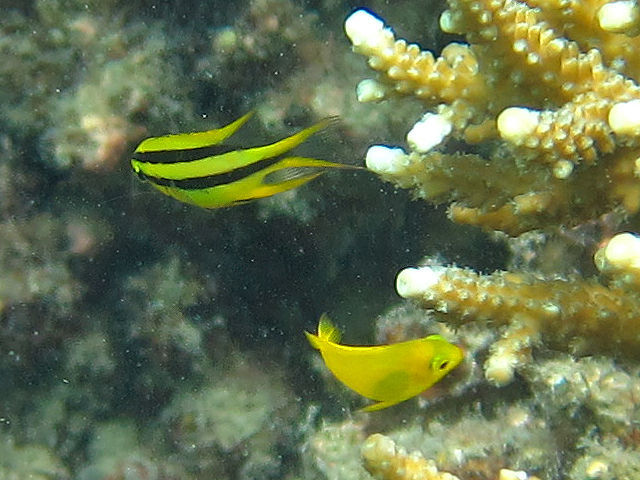
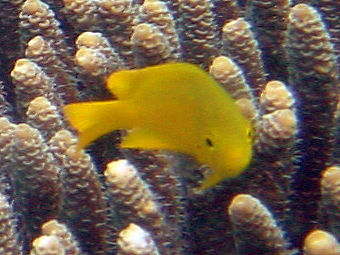
Pomacentrus moluccensis Bleeker, 1853 (Lemon damsel)
Inhabits clear lagoon and seaward reefs among branching corals. Occurs in small aggregations. Feeds mainly on algae and planktonic crustaceans.
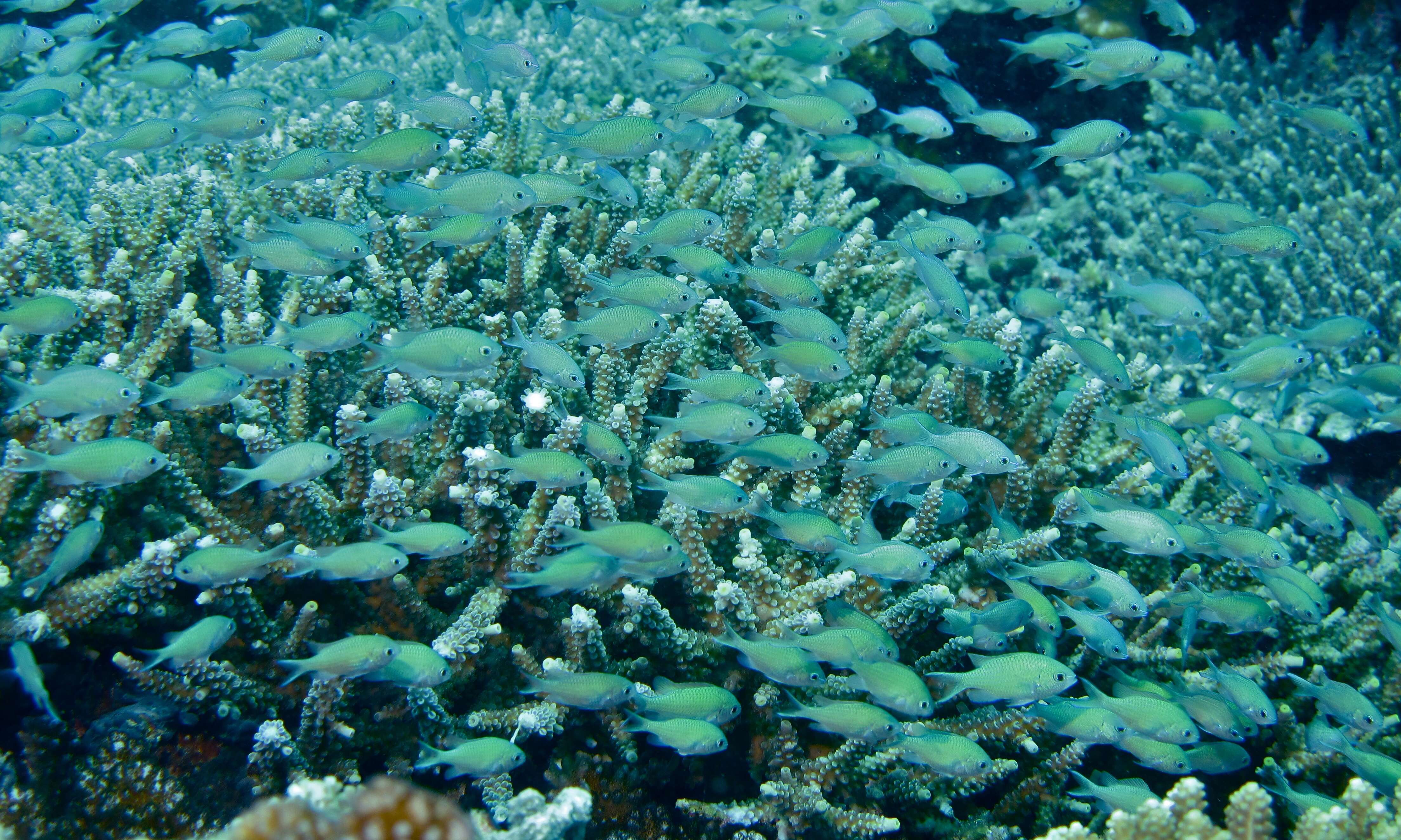
Chromis viridis (Cuvier, 1830) (blue-green chromis)
Found in large aggregations above thickets of branching Acropora corals in sheltered areas such as subtidal reef flats and lagoons. Juveniles closely tied to individual coral heads . Phytoplankton feeders. Breeding is d...
Read More
Read More
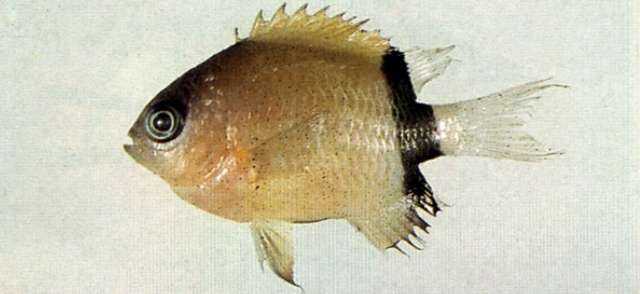
Chromis retrofasciata Weber, 1913 (Black-bar chromis)
Inhabits coral-rich areas of clear lagoon and seaward reefs. Occurs singly or in small groups and remains close to thickly branching coral shelter .
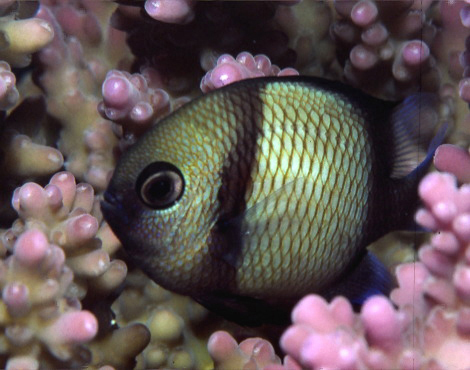
Dascyllus reticulatus (Richardson, 1846) (twostriped damselfish)
Occurs in outer lagoon and seaward reefs. Inhabits branching coral heads, particularly Pocillopora eydouxi. Forms schools, often in silty habitats . Male prepares a nest by cleaning with its mouth a rock or coral surface where the female will attach the eggs .
Neoglyphidodon melas (Cuvier, 1830) (black damselfish)
Found in coral-rich areas of lagoon and seaward reefs and usually associated with soft corals on which it feeds . Occur singly or in pairs . Juveniles are encountered in around staghorn Acropora corals . Adults often near Tridacna clams and may feed on their feces .
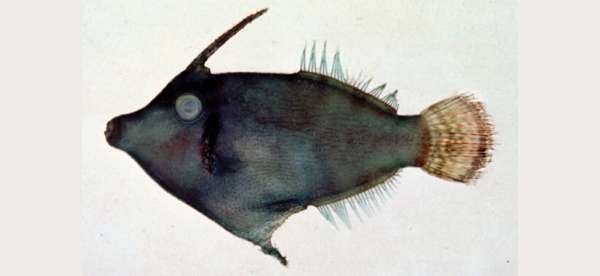
Pervagor melanocephalus (Bleeker, 1853) (Redtail filefish)
Inhabits clear coastal reefs and protected outer reef habitats with rich invertebrate growth . Prefers deeper reefs. Often in pairs . Secretive, adults are usually in pairs .
Oxymonacanthus longirostris (Bloch & Schneider, 1801) (Harlequin filefish)
Occurs in clear lagoon and seaward reefs from 0.5 to at least 30 m. Found in pairs or small groups and nests near bases of dead corals, often on clumps of algae. Monogamous . Feeds exclusively on Acropora polyps. Feeding takes place throughout the day becoming less towards the evening .
Paraluteres prionurus (Bleeker, 1851) (Blacksaddle filefish)
Inhabit clear lagoon and seaward reefs to at least 25 meters . Solitary or in small groups . Adults usually in pairs, but sometimes seen in small aggregations . Mimic the poisonous puffer, Canthigaster valentini which it greatly resembles. Feed on eggs, gastropods and grazes the substrate .
Nephthea cupressiformis Kükenthal, 1903
Sinularia flexibilis (Quoy & Gaimard, 1833)
Eleutherobia splendens (Thomson & Dean, 1931)
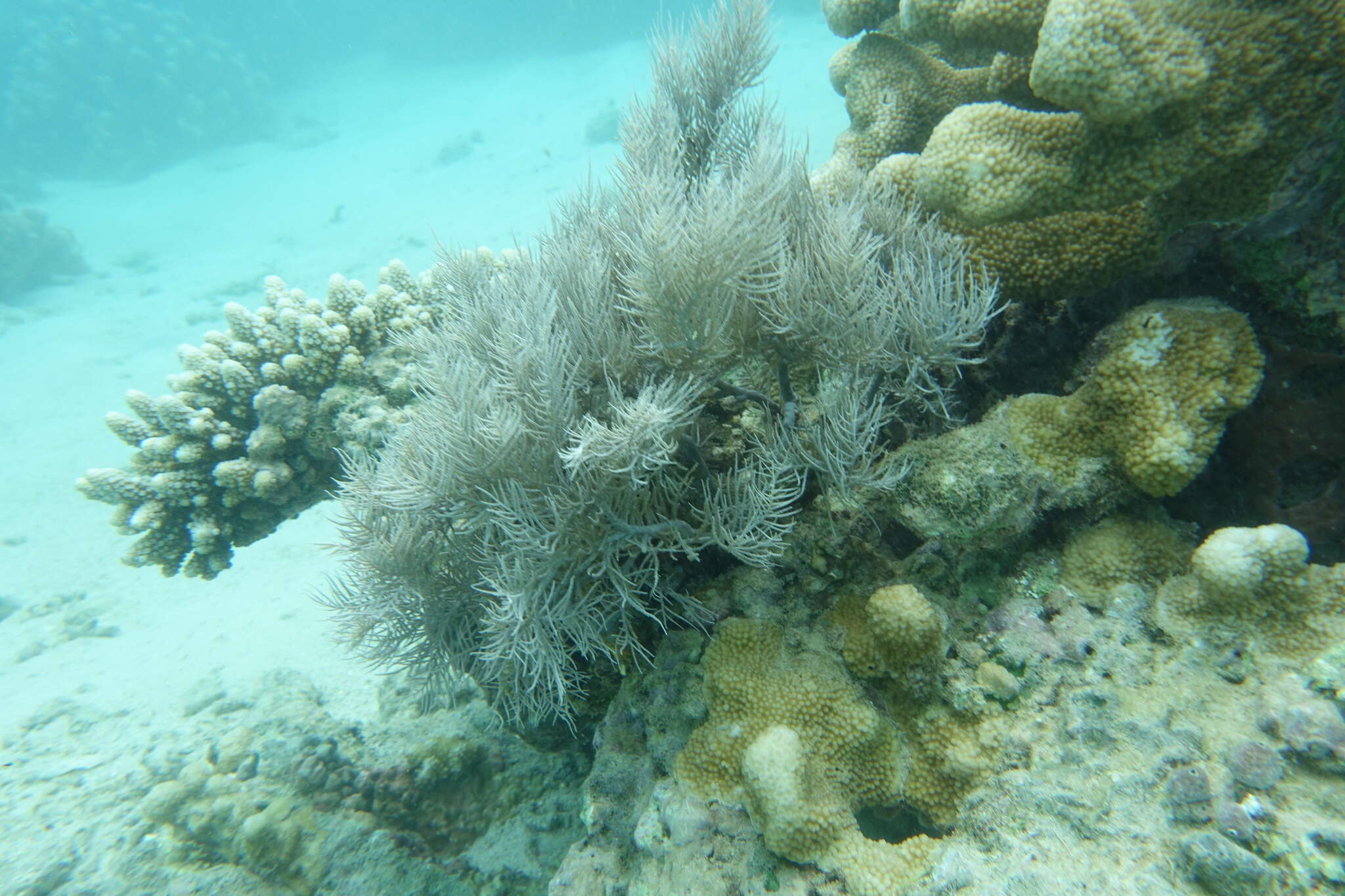
Callogorgia chariessa Bayer, 1982
Stephanogorgia diomedea Bayer & Muzik, 1976
Placogorgia dendritica Nutting, 1910
Plumigorgia hydroides Nutting, 1910
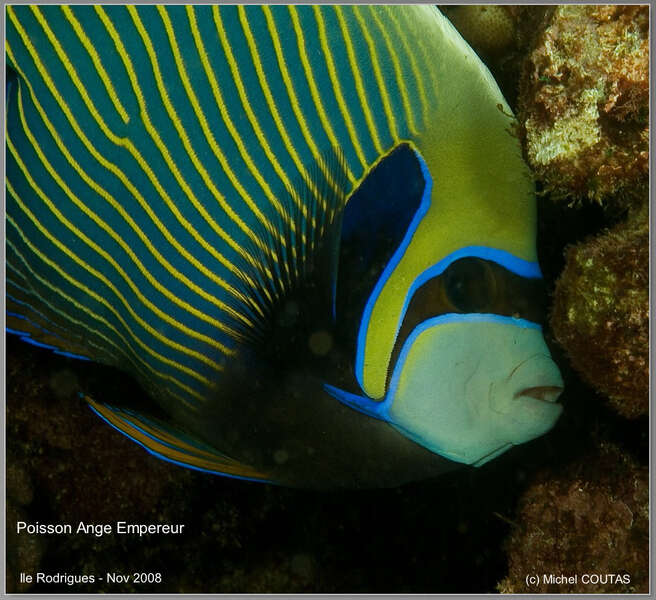
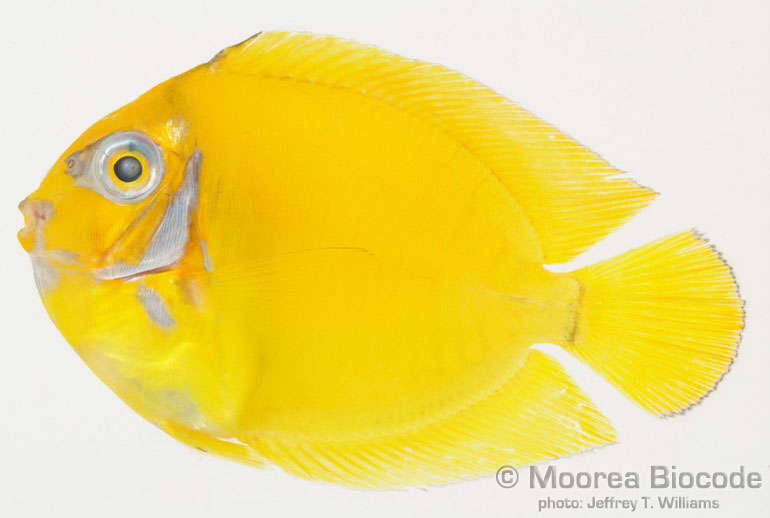
Pomacanthus imperator (Bloch, 1787) (Angel fish)
Juveniles are encountered under ledges, or in holes of outer lagoon patch reefs or semi-protected areas of exposed channels and outer reef flats. Subadults move to reef front holes and surge channels. Large adults inhabi...
Read More
Read More
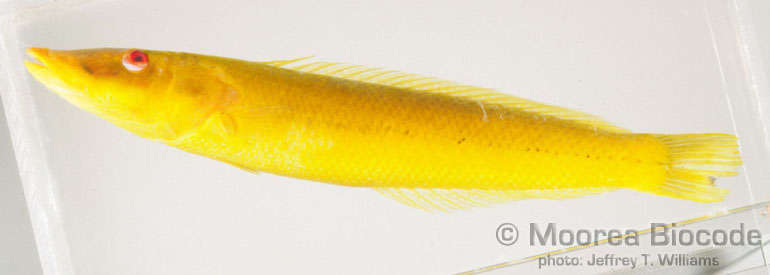
Cheilio inermis (Forsskål, 1775) (Sharp-nosed rainbowfish)
Inhabit seagrass beds and algal-covered flats, occasionally in lagoon and seaward reefs to a depth of at least 30 m . Benthopelagic . Usually solitary. Juveniles secretive in seagrasses or attached Sargassum; adults usu...
Read More
Read More
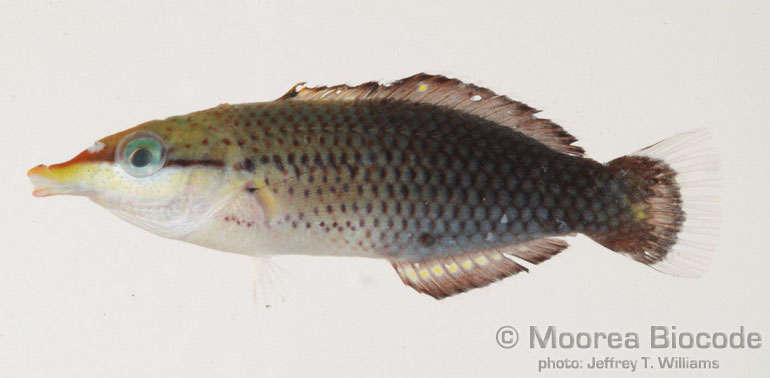
Gomphosus varius Lacepède, 1801 (Bird wrasse)
Found in coral-rich areas of lagoon and seaward reefs to a depth of at least 30 m . Benthopelagic . Feeds mainly on small benthic crustaceans, sometimes on small fishes, brittle stars, and mollusks .
Acanthurus nigricans (Linnaeus, 1758) (backsurgeonfish)
Acanthurus nigroris Valenciennes, 1835 (Bbuelined surgeonfish)
Inhabits clear lagoon and seaward reefs; often in areas with mixed coral, pavement, rubble and sand substrates . Benthopelagic . Occurs singly or in small groups . Feeds on filamentous algae, diatoms and fine algal film...
Read More
Read More
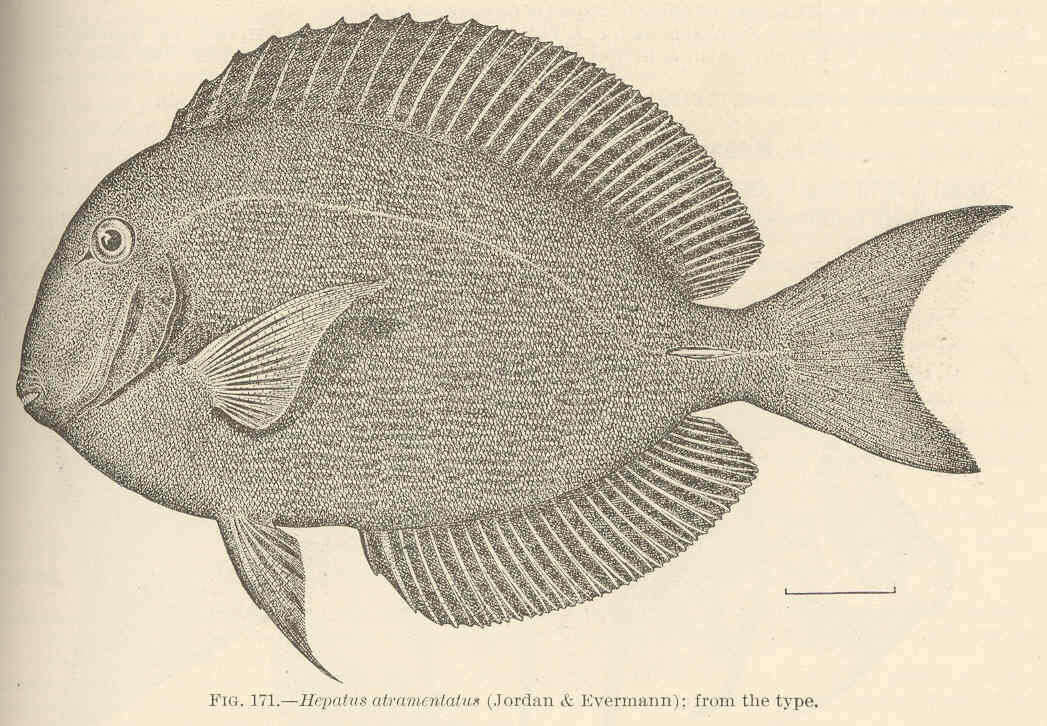
Acanthurus pyroferus Kittlitz, 1834 (Chocolate surgeonfish)
Occurs in lagoon and seaward reefs; prefers areas of mixed coral, rock, or sand at the base of reefs or ledges, Ref. 48637. Also on silty reefs . Found singly . Juveniles mimic Centropyge spp. , Ref. 48637. Presence of...
Read More
Read More
Share on Social Networks
- Facebook:

personalize your shared text as well as its destination (wall, page...) or send as a private message to a friend
- Twitter: Tweet personalize your tweet
- Google Plus:
Direct link to this dive
- Long link:
- Short link:


 We are participating today in the startup contest Techcrunch Disrupt. Support Diveboard by voting for us!
























































































1st dive two tanker aboard Datu Budas. Drop in offshore buoy at 3rd Rock. Large group with 2 spotters, out to depth up to shallows back to boat. multilevel