


 Beachnutts


 Philippines
-
Nº124
 Date: 2024-03-03 - 09:30
-
 Max Depth: 21.3m Duration: 82mins
Dive Location

- Temp: Surf 25°C Bottom 25°C
- Dive type : Recreational, Reef, Photo, Muck dive
- Visibility: Average Water: Salt
Specific gear used
- BCD: Scubapro - Glide Plus
- Boots: Orca - Dive shoes
- Camera: Olympus - TG6
- Compass:
- Computer: Oceanic - OCS
- Fins: Scubapro - Jet Fins
- Knife: Scuba MAx - folding
- Lift bag: ScubaMax - SMB
- Light: Sofirn - SD05
- Mask: Promate - Scope
- Regulator: Aqualung - Calypso
- Wet suit: Blue Ocean - Diveskin
- Weights: 3.2 kg
Dive reviews
| Overall review | ||
| Dive difficulty | ||
| Marine life quality |
Dive Shop & Buddies
 Dive with Blake Auge
 Dive buddies:
Beachnutts
Dive buddies:
Beachnutts

Link to this spot:
- Spot:
- Country:
- Area:
- Body of water:
Dive Profile
- 1. Air
- 10L Aluminium 207 → 28 bar
- Average depth: 14.2m
Data provided by EOL.org









Species Identified
Cheilinus trilobatus Lacepède, 1801 (Tripletail wrasse)
Adults inhabit lagoon and seaward reefs at depths of 1 to over 30 m, and relatively common along shallow reef margins with good coral cover . Usually solitary . Feed mainly on shelled benthic invertebrates such as mollus...
Read More
Read More
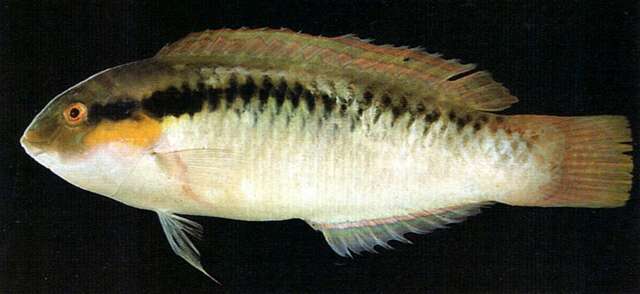
Halichoeres scapularis (Bennett, 1832) (Zigzag wrasse)
Common in shallow lagoons or bays; usually over sand, rubble, or seagrass bottom , rather than on coral reefs. Usually solitary and aggressive towards members of its own species. Feeds on small crustaceans by picking them off the sandy bottom .
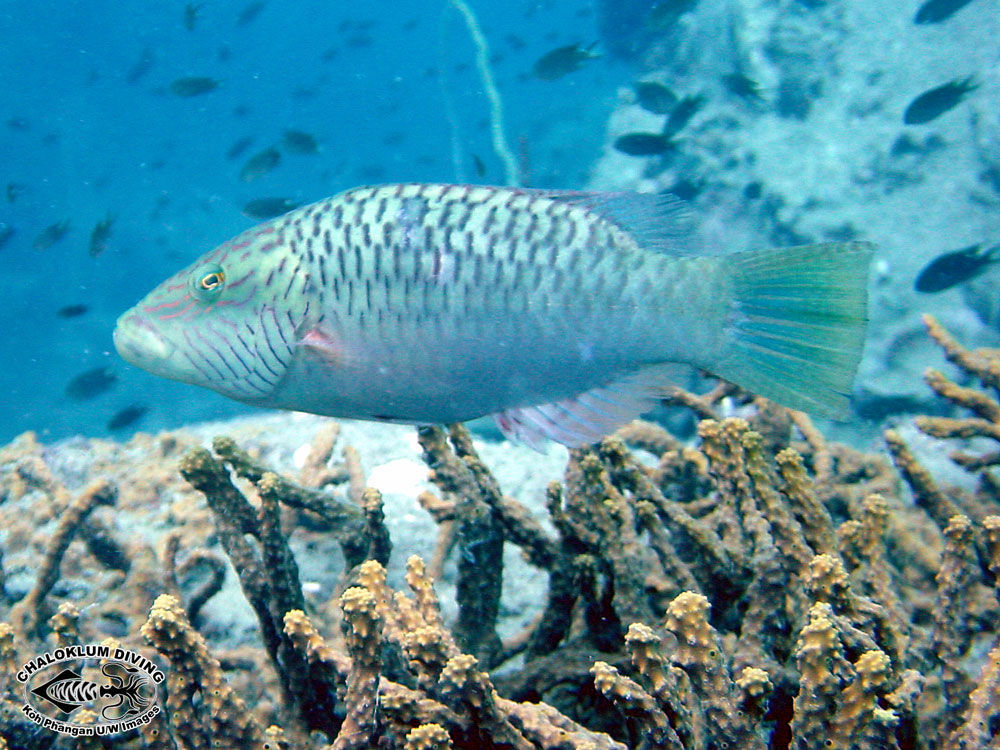
Oxycheilinus digramma (Lacepède, 1801) (Cheeklined wrasse)
Inhabits lagoon and sheltered seaward reefs in coral rich areas . Possibly to 120 m depths. Young is more inshore on sheltered reef crests or slopes, usually amongst soft corals or stinging hydrozoans . Feeds on hard-sh...
Read More
Read More
Labroides dimidiatus (Valenciennes, 1839) (Bluestreak cleaner wrasse)
Inhabits coral rich areas of inner lagoons and subtidal reef flats to seaward reefs . Feeds on crustacean ectoparasites and mucus of other fishes . Monogamous . A protogynous hermaphrodite . Stays in stations where oth...
Read More
Read More
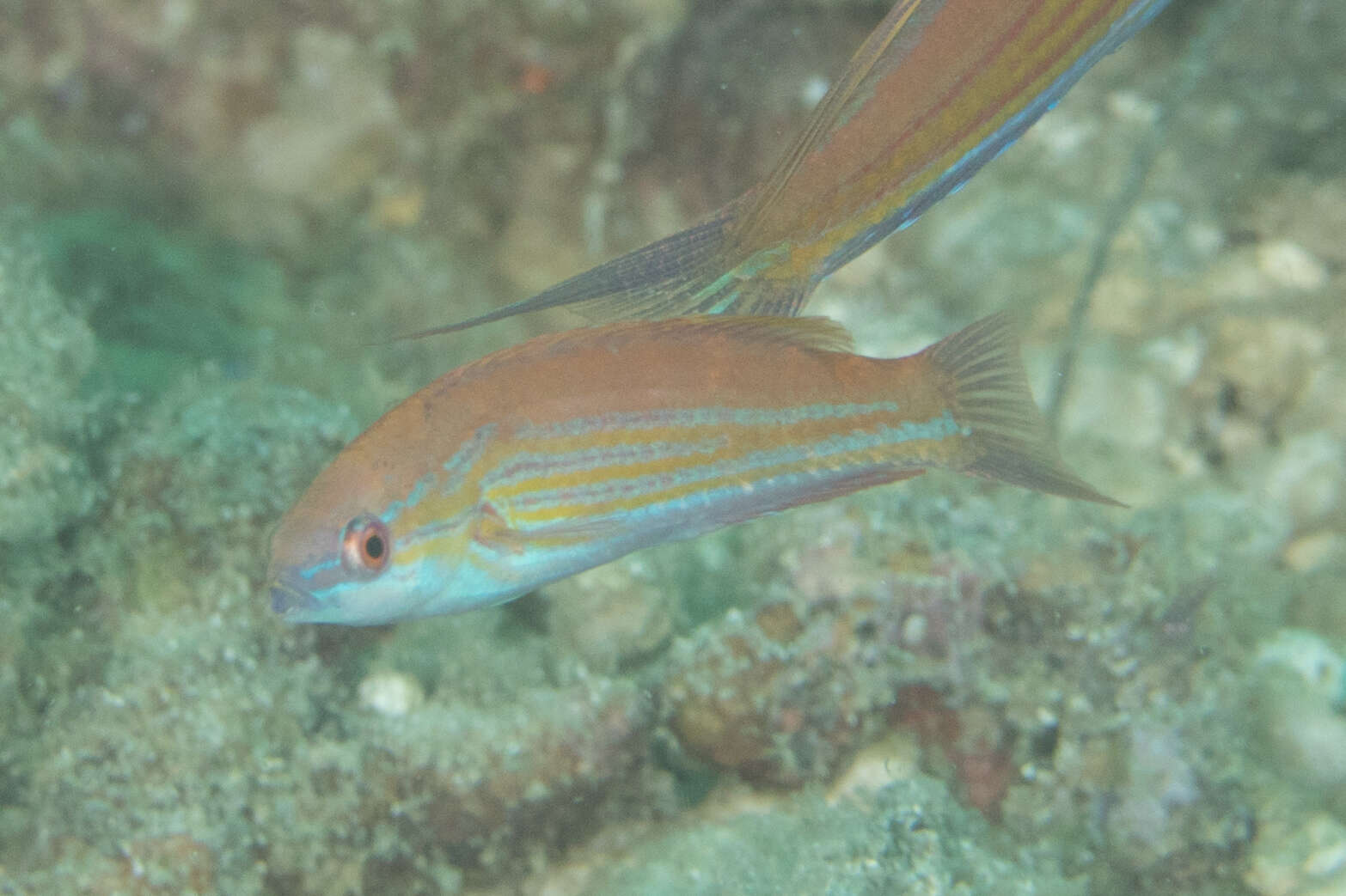
Paracheilinus filamentosus Allen, 1974 (Filamentous wrasse)
Found in rubble areas in passages and outer reef slopes. Also occurs in lagoons. Feeds on zooplankton and other benthic invertebrates. Some geographical variations of nuptial males that are influenced by the presence of...
Read More
Read More
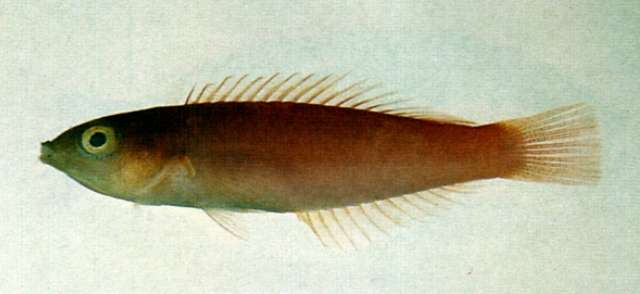
Pseudojuloides cerasinus (Snyder, 1904) (Smalltail wrasse)
Occurs in clear lagoon and seaward reefs; common over coral rubble with algal clumps or in areas dominated with live coral . Rarely seen at depths less than 21 m . Benthopelagic .
Halichoeres chloropterus (Bloch, 1791) (Pastel-green wrasse)
Inhabits shallow protected coral reefs and nearby silty sand and rubble bottoms . Feeds mainly on hard-shelled prey, including mollusks, crustaceans and sea urchins .
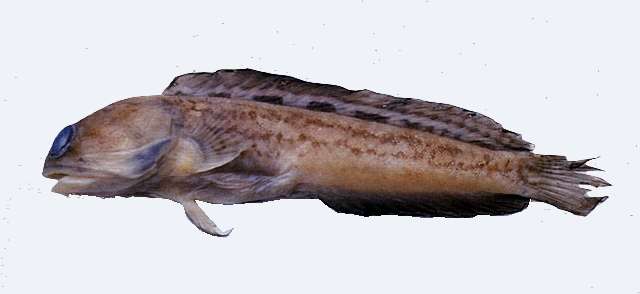
Opistognathus castelnaui Bleeker, 1860 (Blue-spotted jawfish)
Inhabits open sand and rubble substrates in about 20-25 meters . May be found in depths greater than 100 m . Mouthbrooders .
Centropyge multifasciata (Smith & Radcliffe, 1911) (Barred angelfish)
Inhabits ledges and caves and crevices of steep outer reef slopes; occasionally found in clear lagoon reefs. It is secretive and rarely goes out more than a few centimeters from an escape hole . Forms pairs or small grou...
Read More
Read More
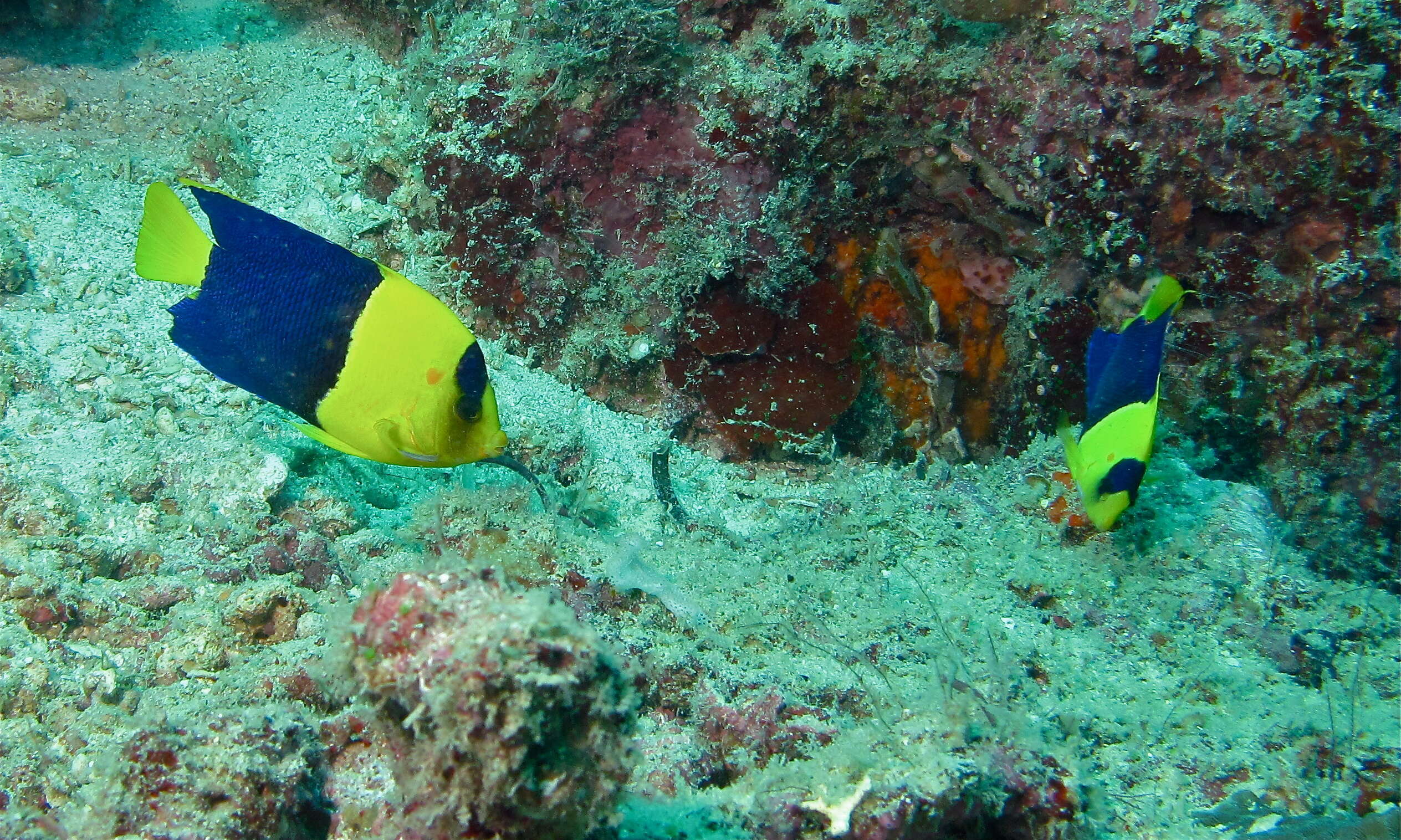
Centropyge bicolor (Bloch, 1787) (Bicolor angelfish)
Inhabits lagoon, channel, or protected seaward reef slopes, drop offs, coral and rubble areas . Usually in pairs or in small groups. Feeds on algae, small crustaceans and worms. Darts from one hiding place to the next. Commonly exported through the aquarium trade .
Centropyge tibicen (Cuvier, 1831) (Keyhole angelfish)
Relatively uncommon in mixed coral and rubble areas of lagoon and seaward reefs. The largest member of the genus . Feeds mainly on algae. Forms harems of 3-7 individuals. Frequently exported through the aquarium trade .
Cephalopholis cyanostigma (Valenciennes, 1828) (bluespotted rockcod)
Inhabits shallow protected coastal reefs, in seagrass beds, and in coral-rich areas . Feeds on crustaceans and fishes .
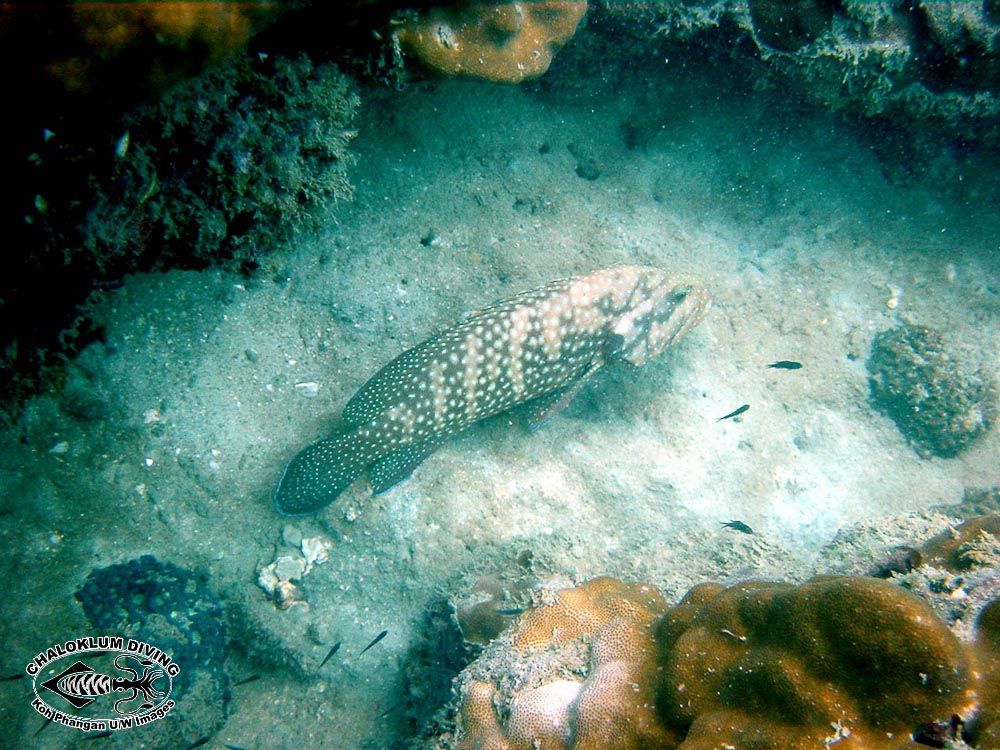
Cephalopholis argus Bloch and Schneider, 1801 (Grouper)
A generally common species found in a variety of coral habitats from tide pools to depths of at least 40 m; prefers the 1 to 10 m reef zone. Juvenile prefers shallow, protected coral thickets . Benthic and benthopelagi...
Read More
Read More
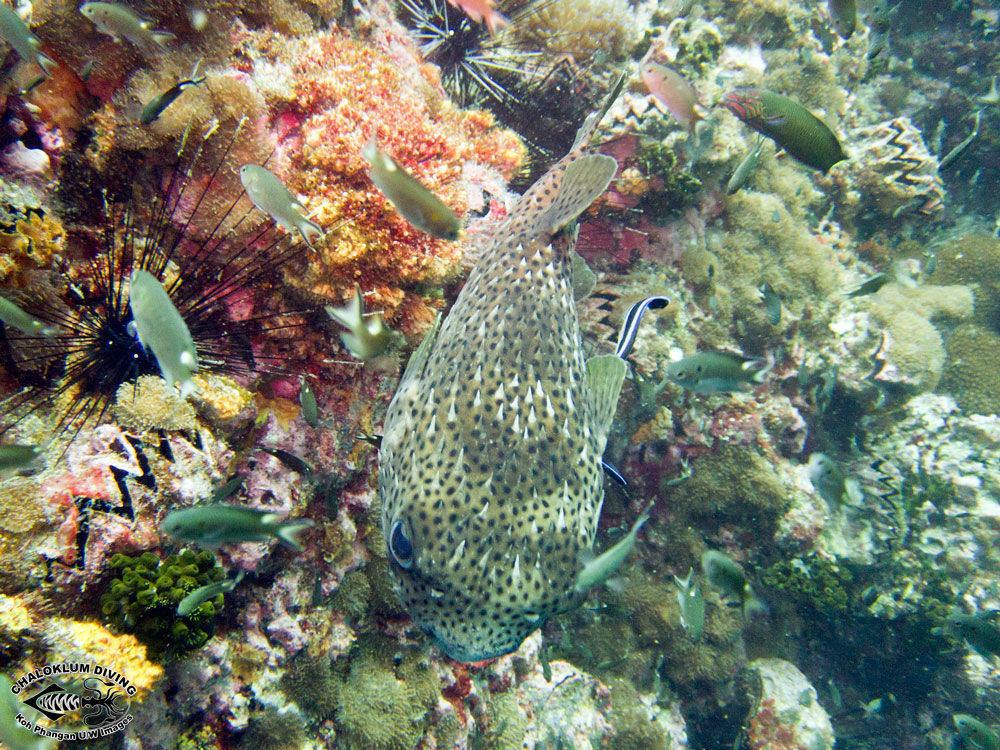
Diodon hystrix Linnaeus, 1758 (Spot-fin porcupinefish)
Amphiprion percula (Lacepède, 1802) (Orange clownfish)
Inhabits lagoon and seaward reefs . Each group of fish consists of a breeding pair and 0-4 non-breeders. Within each group there is a size-based hierarchy: the female is largest, the male is second largest, and the non-...
Read More
Read More
Amphiprion sebae Bleeker, 1853 (Sebae anemonefish)
Found in coastal waters and lagoons. It grows rather large . Associated with the anemone Stichodactyla haddoni .
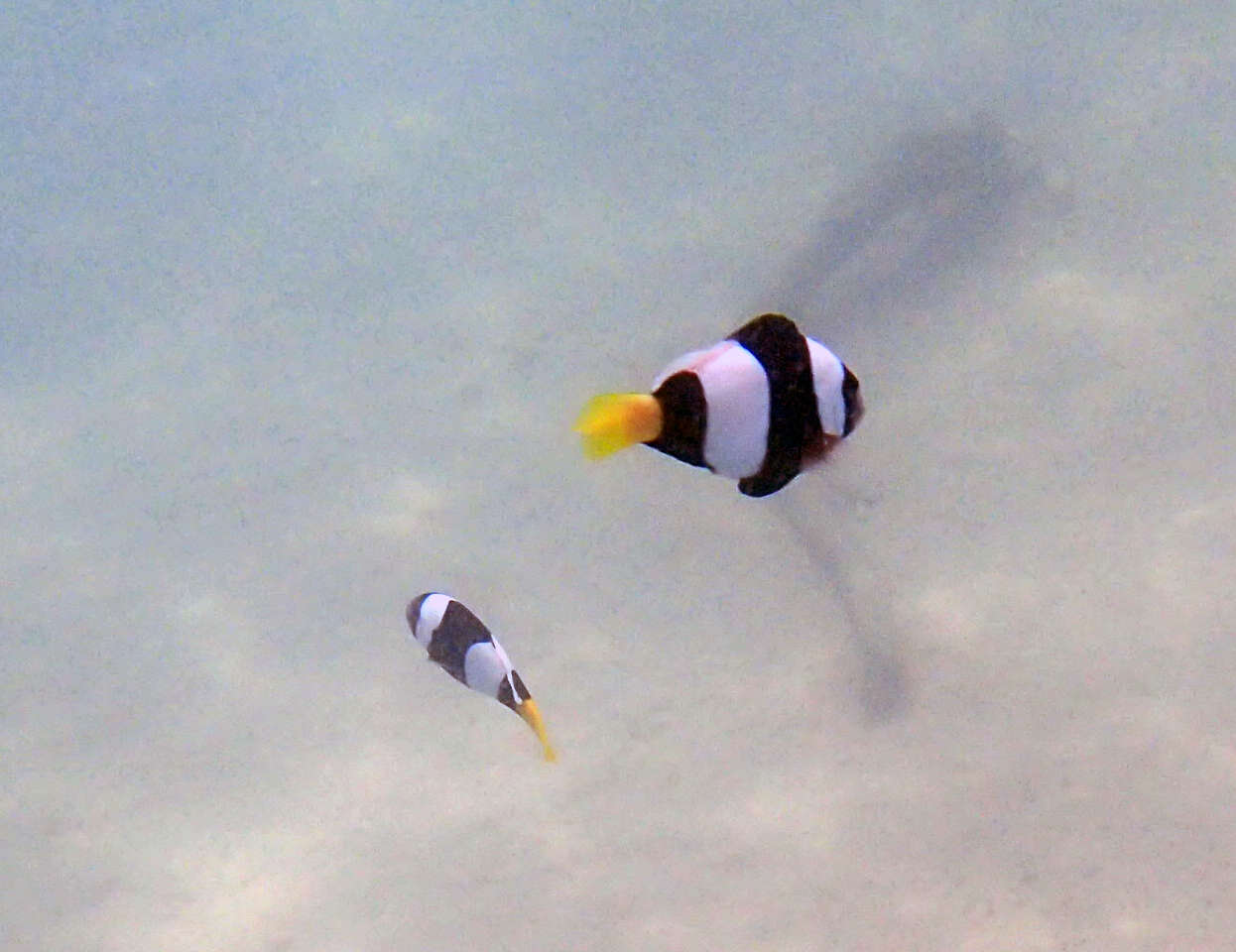
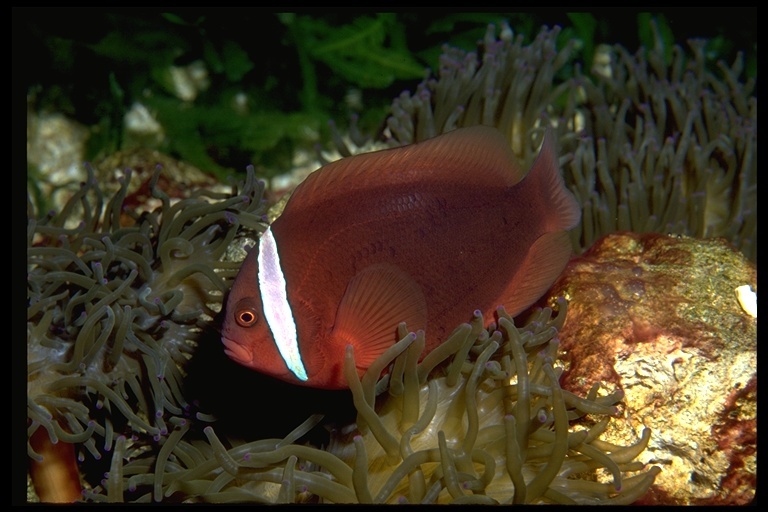
Amphiprion frenatus Brevoort, 1856 (oneband anemonefish)
Found in lagoon reefs and embayment. Monogamous , protandrous hermaphrodite . Associated with the anemone Entacmaea quadricolor . Has been reared in captivity .
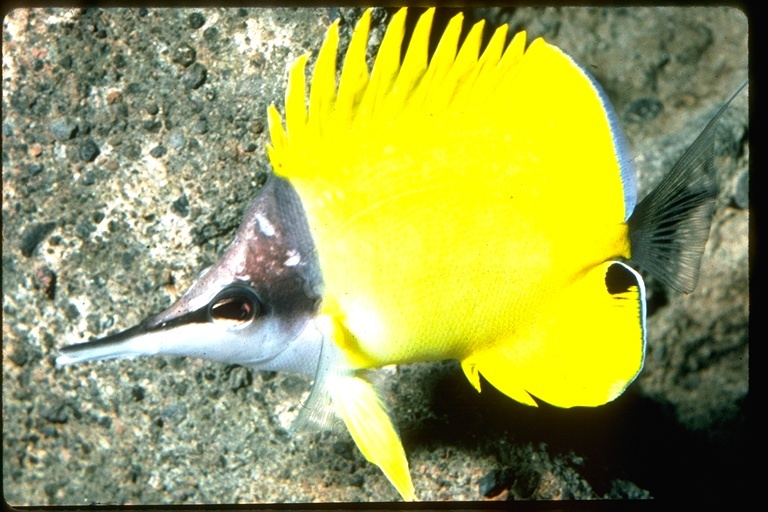
Forcipiger flavissimus Jordan & McGregor, 1898 (Butterflyfish)
Chaetodon trifascialis Quoy and Gaimard, 1825 (Chevron butterflyfish)
Territorial species which occur in shallow lagoon and semi-protected seaward reefs . Benthopelagic . Closely associated with tabular and staghorn Acropora corals upon which they feed on their polyps and mucus. Solitary ...
Read More
Read More
Lutjanus fulviflamma (Forsskål, 1775) (Dory snapper)
Inhabit coral reefs . Often in large aggregations with Lutjanus kasmira and Lutjanus lutjanus . Juveniles are sometimes found in mangrove estuaries or in the lower reaches of freshwater streams. Adults usually school on...
Read More
Read More
Lutjanus argentimaculatus (Forsskål, 1775) (Mangrove snapper)
A euryhaline species . Juveniles and young adults occur in mangrove estuaries, the lower reaches of freshwater streams and tidal creeks . Adults are often found in groups around coral reefs . Eventually migrate offshor...
Read More
Read More
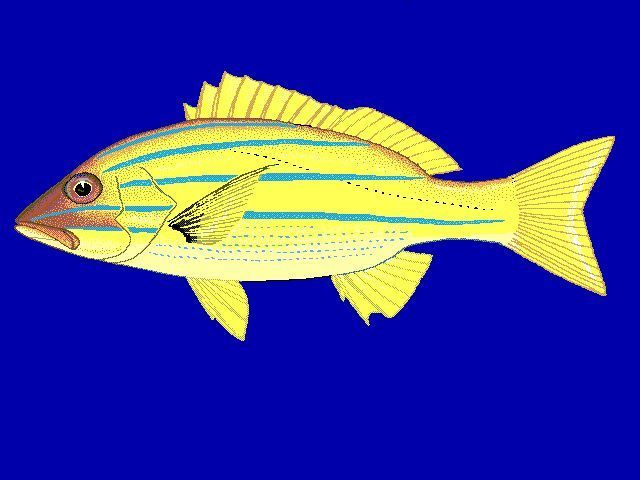
Lutjanus kasmira (Forsskål, 1775) (bluebanded sea perch)
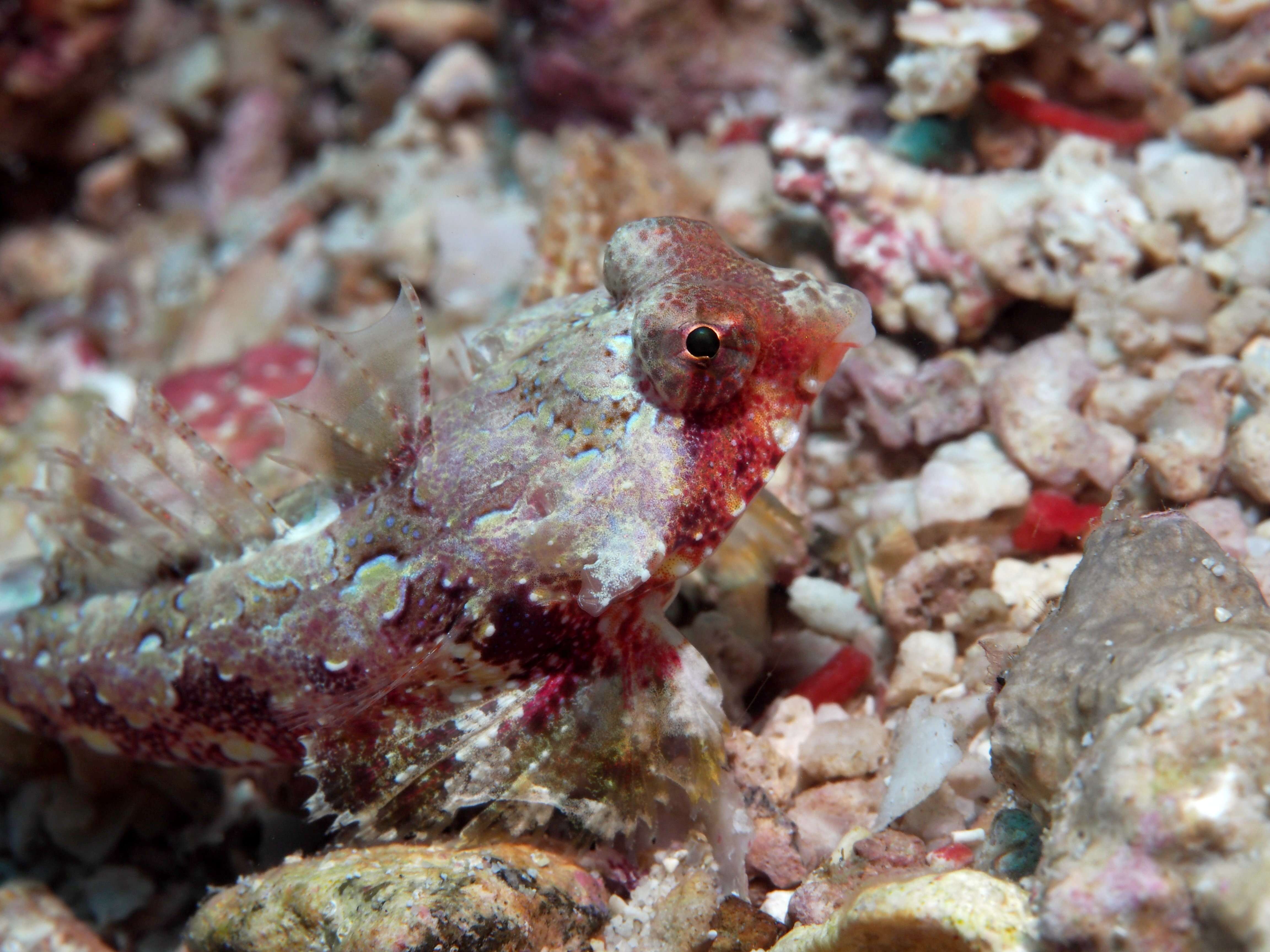
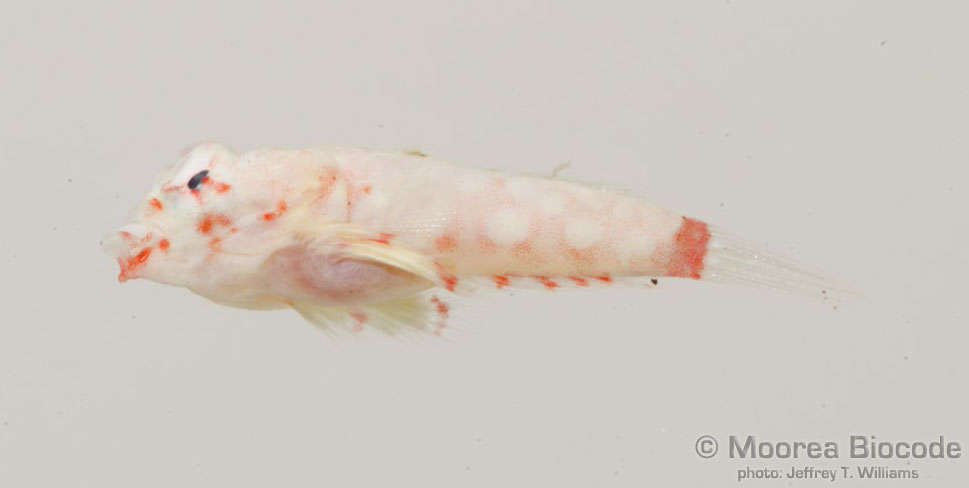
Synchiropus bartelsi Fricke, 1981 (Bartel's dragonet)
Inhabits sheltered algae reef habitats . Minimum depth from Ref. 58018.
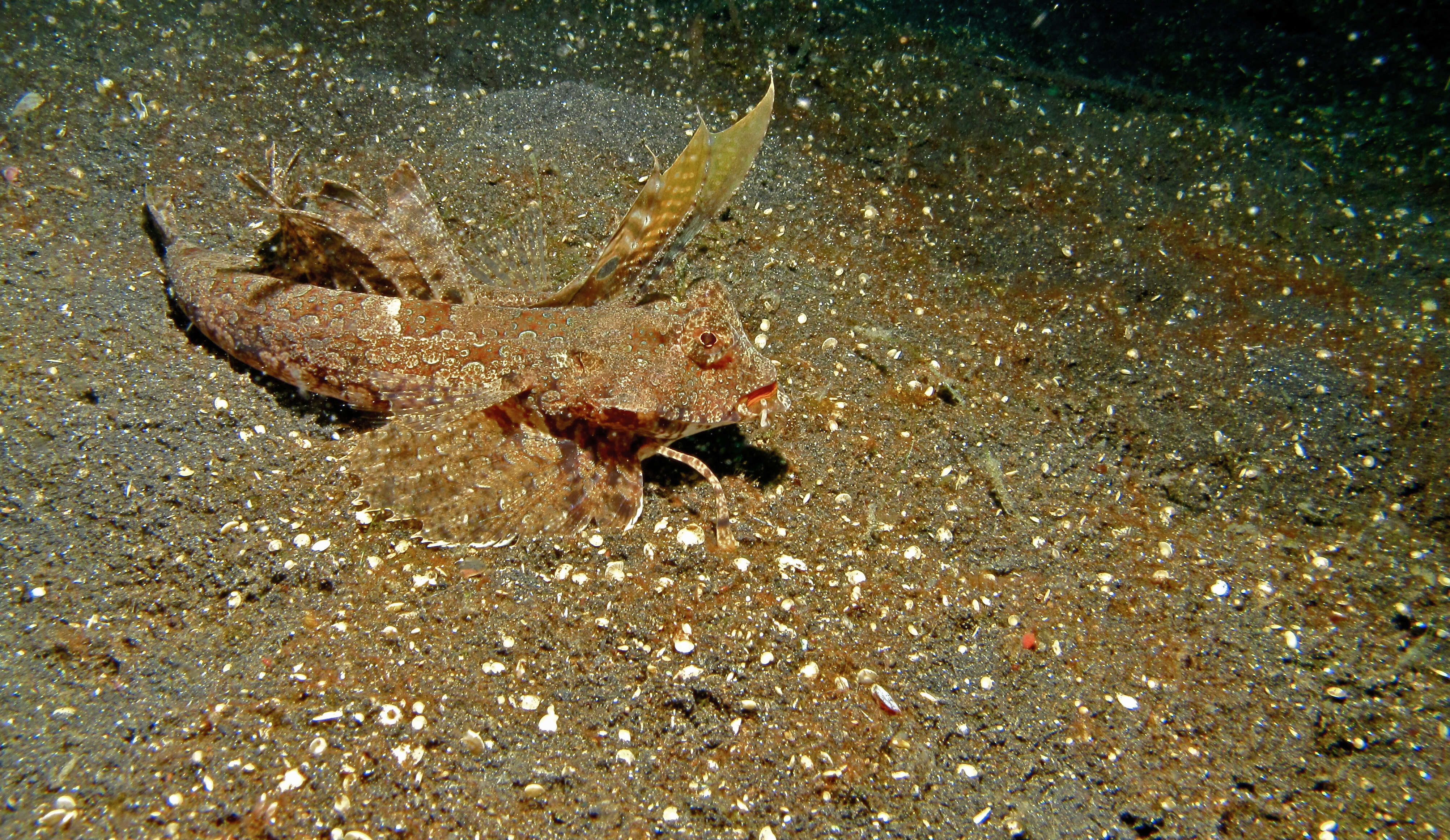
Dactylopus dactylopus (Valenciennes, 1837) (fingered dragonet)
Lives on sand-weed bottoms . Inhabits protected sand and mud flats and slopes at depths of 1 to 55 m ; also include estuaries and deep water .
Synchiropus ocellatus (Pallas, 1770) (Ocellated dragonet)
Inhabits sandy areas of lagoon and seaward reefs . Also in sheltered rocky reef habitats in few meters depth, usually in small loose groups .
Echidna nebulosa (Ahl, 1789) (Snowflake moray)
Found between rocks and corals of intertidal reef flats, also in shallow lagoon and seaward reefs to depths of at least 10 m . Are benthic . Feed mainly on crustaceans. Protogynous hermaphroditism unconfirmed for this species . Safely kept with small aquarium fishes .
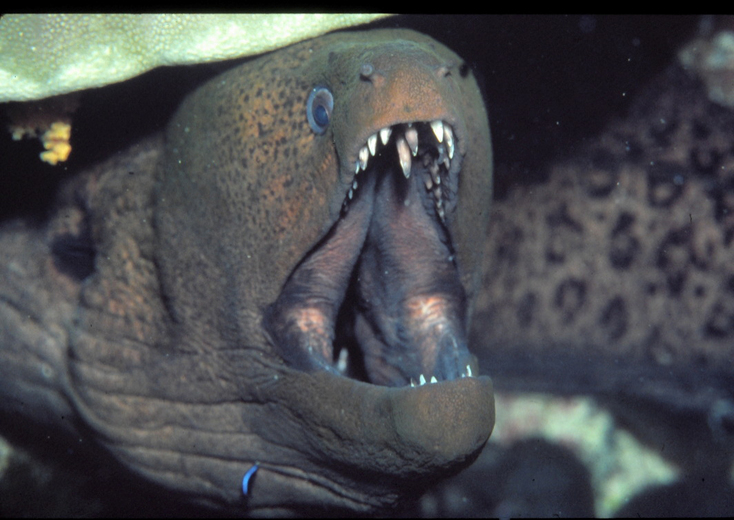
Gymnothorax undulatus (Lacepède, 1803) (Moray)
Share on Social Networks
- Facebook:

personalize your shared text as well as its destination (wall, page...) or send as a private message to a friend
- Twitter: Tweet personalize your tweet
- Google Plus:
Direct link to this dive
- Long link:
- Short link:


 We are participating today in the startup contest Techcrunch Disrupt. Support Diveboard by voting for us!
























































































Good conditions again at DBC , take advantage of the morning high tide
Dropmin end of pier stay in area of Nudiville on the N north west side
a bit silty, chalky on top this time, but very clear under 40 feet
found a few nudis, good variety, but same same
multilevel
lots of boats, need to avoid DBC on Sundays