


 Beachnutts



 Philippines
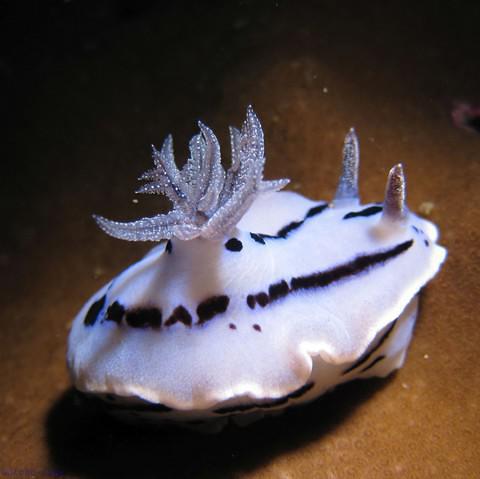
-
Nº54
 Date: 2022-12-24 - 12:00
-
 Max Depth: 21.6m Duration: 70mins
Dive Location

- Surface interval:69 mins
- Temp: Surf 27°C Bottom 27°C
- Dive type : Recreational, Reef, Photo, Wall
- Visibility: Excellent Water: Salt
Specific gear used
- BCD: Scubapro - Glide Plus
- Camera: Canon - Powershot SD780
- Computer: Oceanic - OCS
- Fins: Scubapro - Jet Fins
- Knife: Scuba MAx - folding
- Lift bag: ScubaMax - SMB
- Mask: Promate - Scope
- Regulator: Aqualung - Titan LX
- Wet suit: Blue Ocean - Diveskin
- Boots: Orca - Dive shoes
- Weights: 3.2 kg
Dive reviews
| Overall review | ||
| Dive difficulty | ||
| Marine life quality |
Recent Divers in Samal island, Davao
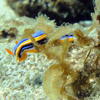
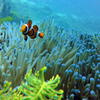
Recent Pictures in Samal island, Davao
Dive Shop & Buddies
 Dive with Mike Tacansan

Link to this spot:
- Spot:
- Country:
- Area:
- Body of water:
Dive Profile
- 1. Air
- 10L Aluminium 207 → 28 bar
- Average depth: 14.4m
Data provided by EOL.org







Species Identified
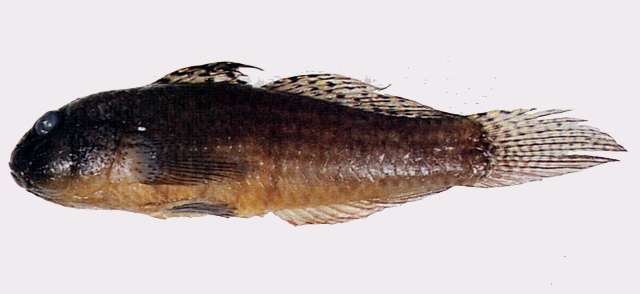
Exyrias puntang (Bleeker, 1851) (Puntang goby)
Inhabits muddy bottoms of shallow, turbid marine to brackish coastal inlets and estuaries. Also lives in shallow coastal waters, large tidal pools, mangroves, siltty lagoons and brackish lakes .
Istigobius perspicillatus (Herre, 1945) (Eye-line sand-goby)
Found in areas with rocky bottom, or in patchy reef, sand, and rubble areas, Ref. 48637.
Gobiosoma nudum (Meek & Hildebrand, 1928) (goby)
Halichoeres semicinctus (Ayres, 1859) (rock wrasse)
Cymolutes torquatus (Valenciennes, 1840) (Finescale razorfish)
Common over sandy areas of reef flats and shallow sandy lagoons to a depth of at least 6 m. Also found in estuaries. Usually in current zones such as tidal channels. Juveniles often with small outcrops of rubble and alg...
Read More
Read More
Suezichthys gracilis (Steindachner and Döderlein, 1887) (Slender wrasse)
Found around coral and rock patches in shallow protected sandy areas . Amphipods, small crustaceans, and polychaetes have been reported from the stomachs of Japanese specimens.
Chromis analis (Cuvier, 1830) (Brown puller)
Usually inhabits steep outer reef slopes and rocky bottoms. Found singly or in small groups. Uncommon .
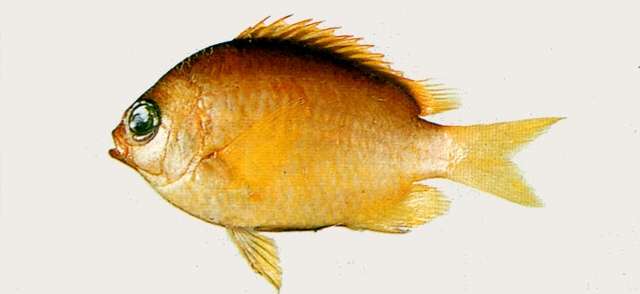
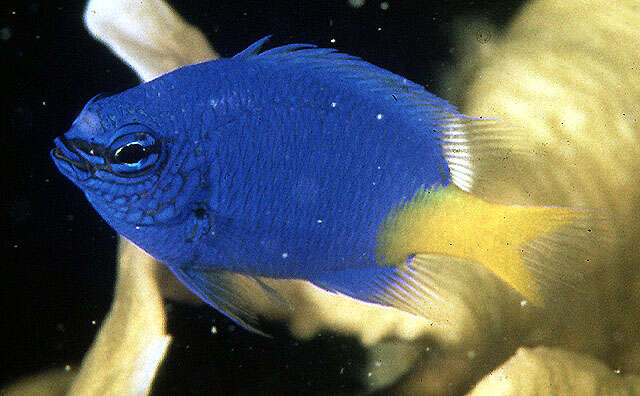
Chromis limbaughi Greenfield and Woods, 1980 (Damselfish)
Chrysiptera parasema (Fowler, 1918) (Goldtail demoiselle)
Inhabits coral-rich areas of sheltered lagoon and inshore coral reefs . Occurs in small groups on Acropora patches .
Microspathodon dorsalis (Gill, 1862) (Damselfish)
Helioseris cucullata (Ellis and Solander, 1786) (sunray lettuce coral)
zooxanthellate
Coeloseris mayeri Vaughan, 1918 (Tombstone coral)
zooxanthellate
Leptoseris amitoriensis Veron, 1990 (Porcelain coral)
zooxanthellate
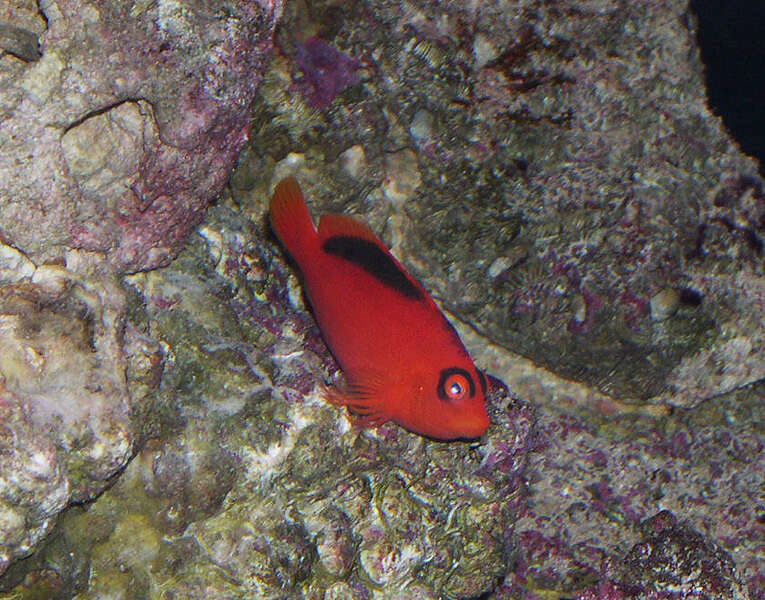
Neocirrhites armatus Castelnau, 1873 (Flame hawkfish)
Common along surge-swept reef fronts and submarine terraces to a depth of about 11 m. Usually seen hiding among branches of live corals . Retreats deep into the coral when approached . Oviparous, monogamous . Highly priced aquarium fish, requires well-oxygenated water and fades in captivity .
Amphiprion latezonatus Waite, 1900 (wide-band anemonefish)
Inhabits rocky and coral reefs . Has been reared in captivity . Associated with the anemone Heteractis crispa .
Amphiprion chrysopterus Cuvier, 1830 (Two-banded anemonefish)
Inhabits passages and outer reef slopes. Known to occur at 25°C. Feeds chiefly on planktonic copepods, algae, echiuroid and sipunculoid worms, and pelagic tunicates. Associated with the anemones: Entacmaea quadricolor,...
Read More
Read More
Chaetodon litus Randall and Caldwell, 1973 (White-tip butterflyfish)
Found in algal covered rocky reefs. Juveniles in tide pools, observed to pick bodies of other fishes for parasites . Oviparous . Form pairs during breeding .
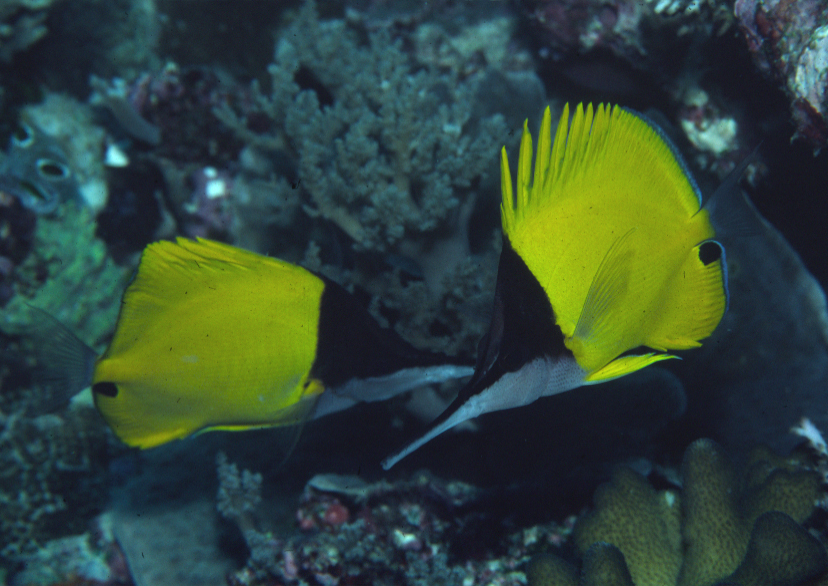
Forcipiger longirostris (Broussonet, 1782) (Big longnosed butterflyfish)
A generally uncommon species that inhabits seaward reefs to depths greater than 60 m . Benthopelagic . Feeds mainly on whole organisms such as small crustaceans. Usually seen in pairs. Oviparous , monogamous . Forms pairs during breeding . Sometimes dark brown instead of yellow .
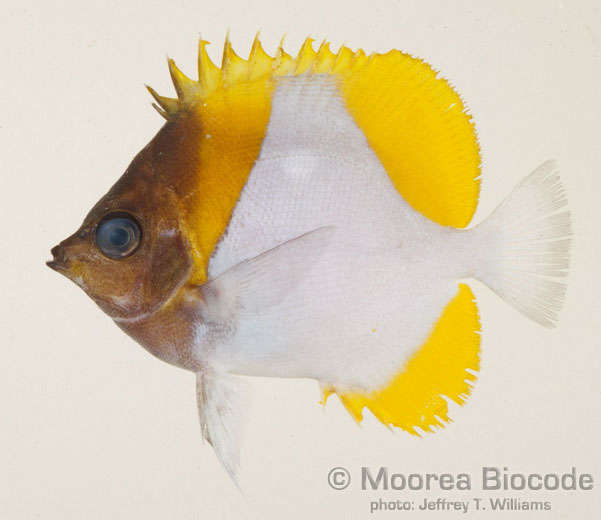
Hemitaurichthys polylepis (Bleeker, 1857) (Pyramid butterflyfish)
Occur in large schools that may extend several meters above the edges of steep current-swept outer reef slopes. Common . Benthopelagic . Feed on plankton . Oviparous . Form pairs during breeding .
Share on Social Networks
- Facebook:

personalize your shared text as well as its destination (wall, page...) or send as a private message to a friend
- Twitter: Tweet personalize your tweet
- Google Plus:
Direct link to this dive
- Long link:
- Short link:


 We are participating today in the startup contest Techcrunch Disrupt. Support Diveboard by voting for us!
























































































SI 1:09 Christmas Eve 2022 dives
2nd dive of day, multilevel
warm flat, moustly cloudu conditions, at North side Diaz Island
Drop in NW swim down wall swim N, back to shallows and boat
very calm and clear, nice dive