


 Beachnutts



 Philippines
-
Nº84
 Date: 2023-06-18 - 10:16
-
 Max Depth: 21.9m Duration: 82mins
Dive Location

- Temp: Surf 27°C Bottom 27°C
- Dive type : Recreational, Reef, Photo
- Visibility: Good Water: Salt
Specific gear used
- BCD: Oceanic - OceanPro
- Camera: Olympus - TG6
- Compass:
- Computer: Oceanic - OCS
- Fins: Scubapro - Jet Fins
- Knife: Scuba MAx - folding
- Lift bag: ScubaMax - SMB
- Mask: Promate - Scope
- Regulator: Aqualung - Titan LX
- Wet suit: Blue Ocean - Diveskin
- Weights: 3.2 kg
Dive reviews
| Overall review | ||
| Dive difficulty | ||
| Marine life quality |
Dive Shop & Buddies
 Dive with Ton Ton Akuino
 Dive buddies:
Ton Ton,
Maeng

Link to this spot:
- Spot:
- Country:
- Area:
- Body of water:
Dive Profile
- 1. Air
- 10L Aluminium 207 → 21 bar
- Average depth: 14.6m
Data provided by EOL.org








Species Identified
Munnopsurus ochotensis Gurjanova, 1933B
Austroniscus coronatus Schiecke & Modigh-Tota, 1976A
Astacilla tayronae Muller, 1993F
Xenanthura bacescui Negoescu, 1979B
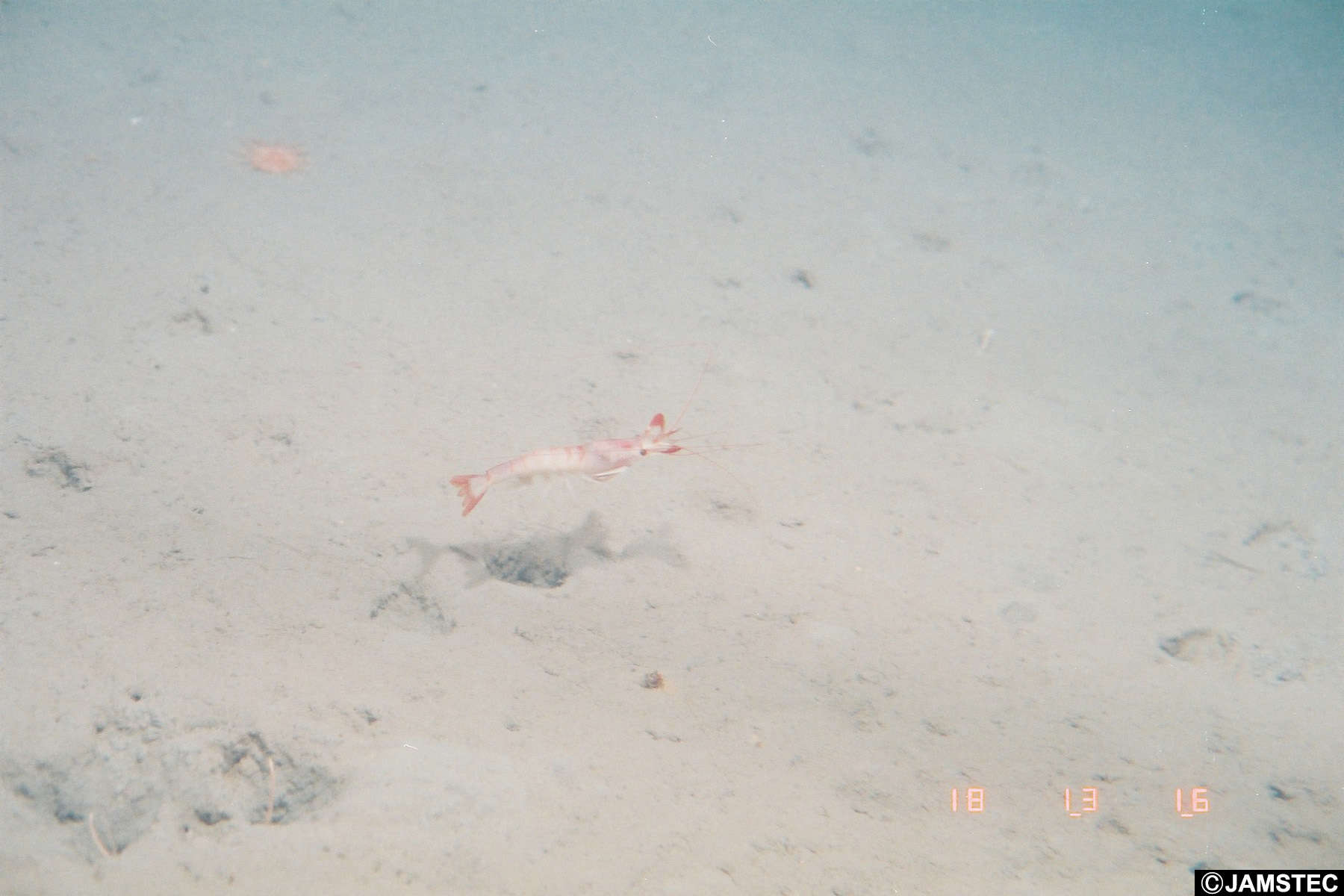
Aristeus virilis (Bate, 1881) (stout red shrimp)
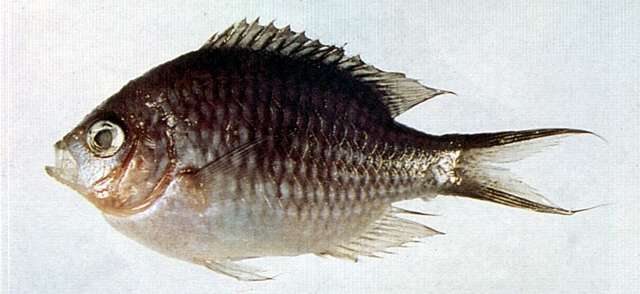
Amblyglyphidodon curacao (Bloch, 1787) (Black-snouted sergeant-major)
Inhabits lagoons, coastal embayments, reef passages and outer reefs. Juveniles often found among Sarcophyton and Sinularia soft corals. Feeding aggregations are frequently observed over growths of the staghorn coral Acro...
Read More
Read More
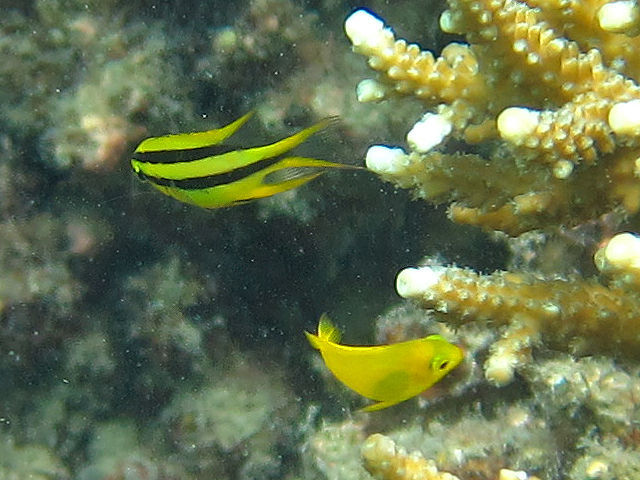
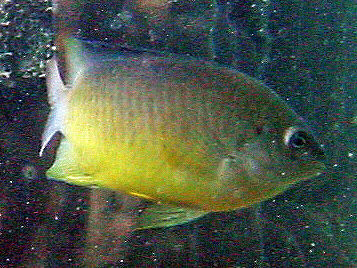
Pomacentrus moluccensis Bleeker, 1853 (Lemon damsel)
Inhabits clear lagoon and seaward reefs among branching corals. Occurs in small aggregations. Feeds mainly on algae and planktonic crustaceans.
Pomacentrus adelus Allen, 1991 (Obscure damsel)
Inhabits lagoon, coastal and seaward reefs , usually on open rubble patches .
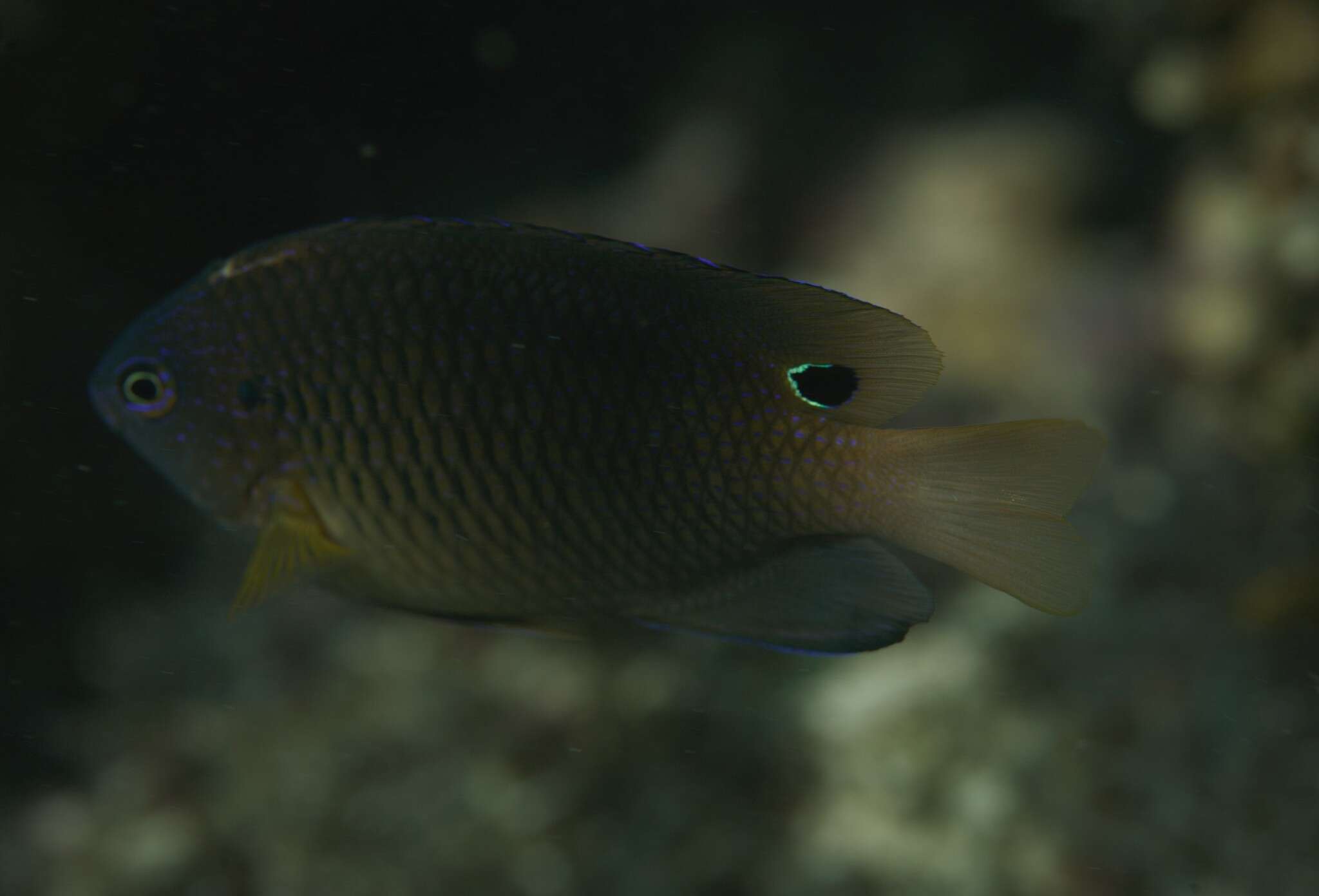
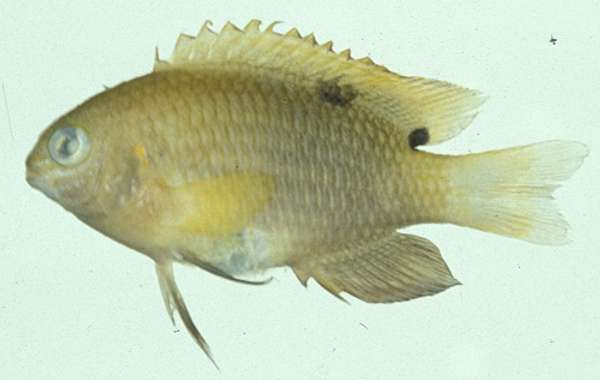
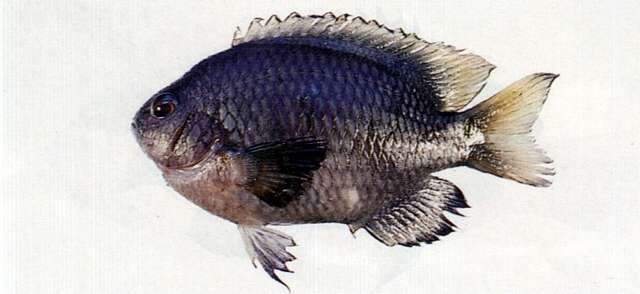
Neoglyphidodon nigroris (Cuvier, 1830) (Yellowfin damsel)
Two forms: long-tailed and black as adults occurs in the Andaman Sea, ranging east to western Bali and north to Japan. Second form, probably valid as N. xanthurus occurs in the rest of the West Pacific and the two overla...
Read More
Read More
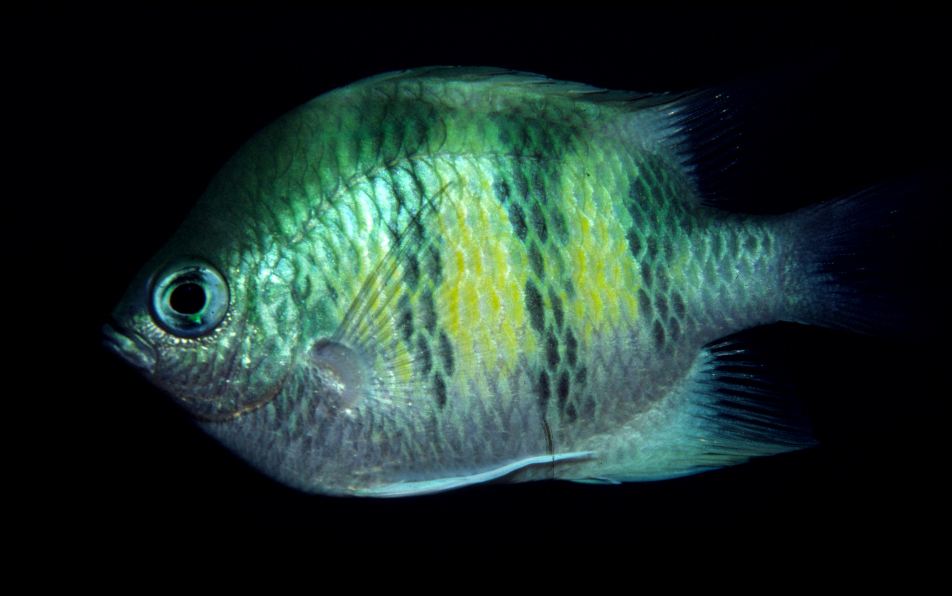
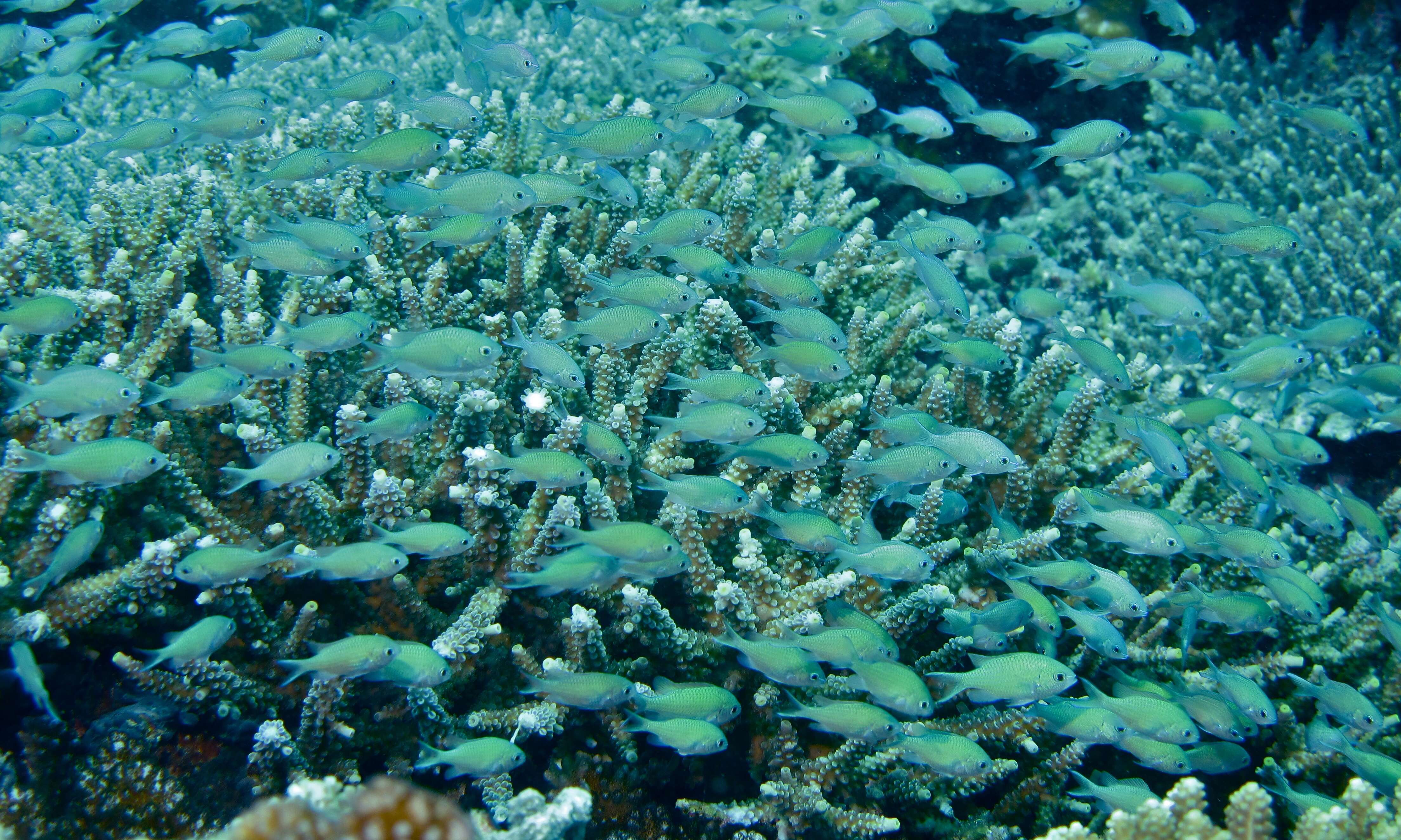
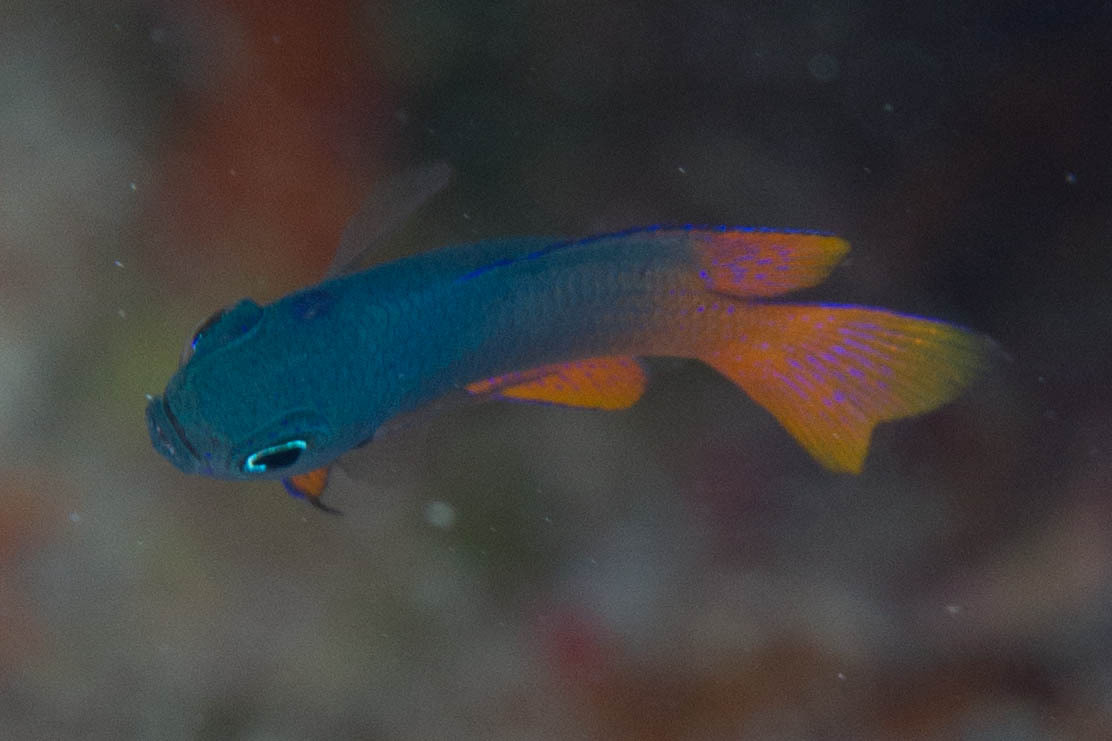
Chromis viridis (Cuvier, 1830) (blue-green chromis)
Found in large aggregations above thickets of branching Acropora corals in sheltered areas such as subtidal reef flats and lagoons. Juveniles closely tied to individual coral heads . Phytoplankton feeders. Breeding is d...
Read More
Read More
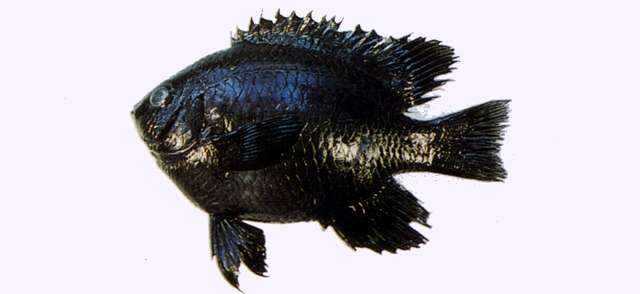
Neoglyphidodon melas (Cuvier, 1830) (black damselfish)
Found in coral-rich areas of lagoon and seaward reefs and usually associated with soft corals on which it feeds . Occur singly or in pairs . Juveniles are encountered in around staghorn Acropora corals . Adults often near Tridacna clams and may feed on their feces .
Chromis ternatensis (Bleeker, 1856) (Ternate chromis)
Schools above branching corals along upper margins of clear lagoon and outer reef slopes. Often associated with branching Acropora.
Pomacentrus simsiang Bleeker, 1856 (Blueback damsel)
Occurs singly or in small aggregations at slightly turbid areas of lagoon and coastal reefs. Feeds mainly on benthic algae.
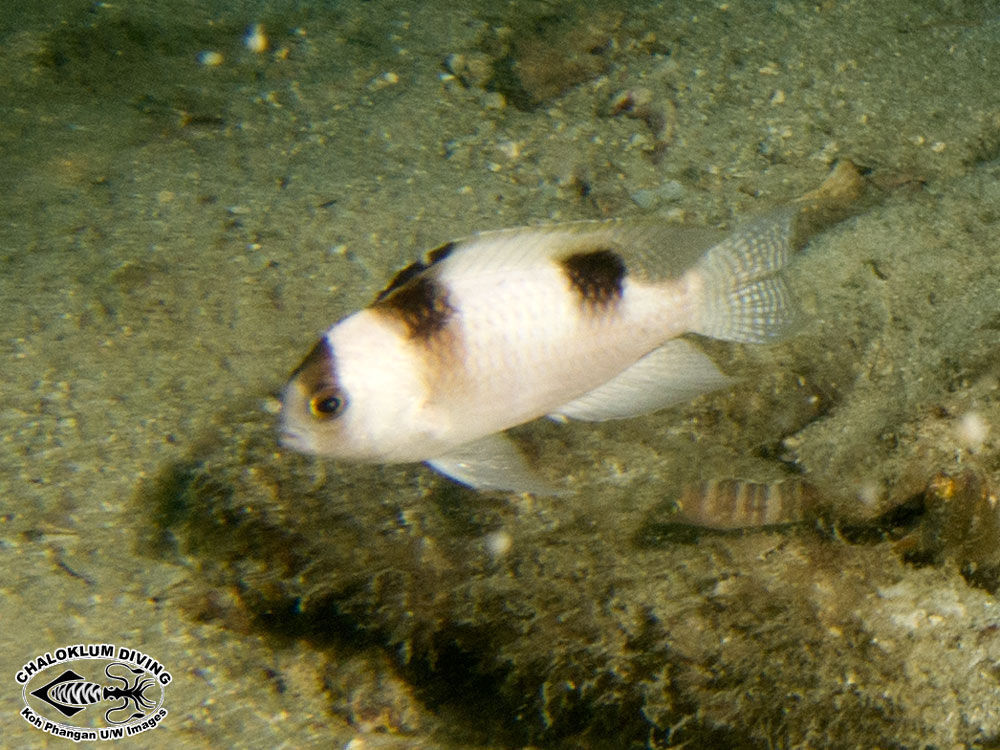
Dischistodus fasciatus (Cuvier, 1830) (Banded damsel)
Inhabits silty lagoon and coastal reefs around coral outcrops and seagrass beds . Often adjacent to clear mangrove coasts among rubble and Sargassum algae, to a few meters depth .
Chrysiptera unimaculata (Cuvier, 1830) (Onespot demoiselle)
Found solitarily or in small groups among coastal algal reefs, rubble or over open beach-rock of reef flats exposed to moderate surge and feeds mainly on benthic algae .
Pomacentrus philippinus Evermann and Seale, 1907 (Philippine damsel)
Occurs in lagoons, steep-sided channels, and seaward reefs from 2 to over 12 m . Usually found in groups off the sides of vertical drop-offs and overhanging ledges .
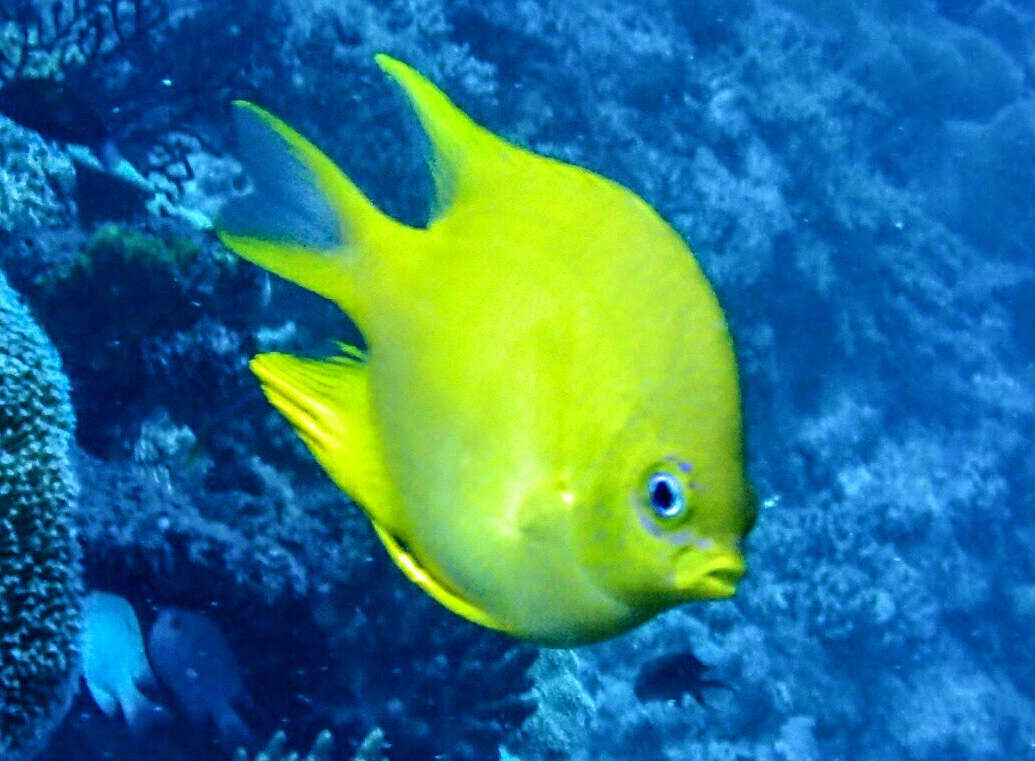
Amblyglyphidodon aureus (Cuvier, 1830) (Golden damsel)
Occurs in steep outer reef, occasionally in deep lagoons and along channel walls, usually in current prone habitats and where there are abundant gorgonian and long sea-whip corals on which they lay and guard eggs. Juvenil...
Read More
Read More
Dischistodus chrysopoecilus (Schlegel and Müller, 1839) (Lagoon damsel)
Found among coral outcrops and seagrass beds of silty areas of lagoon and coastal reefs , usually subtidal to a few meters depth .
Pomacentrus tripunctatus Cuvier, 1830 (Threespot damsel)
A shallow water species, solitary, in holes of small rocks on sandy bottom with coral rubbles. Inhabits shallow bays, silty coastal reefs and harbors with sparse coral and algal growth. Feeds mainly on benthic algae.
Pomacentrus chrysurus Cuvier, 1830 (Whitetail damsel)
Inhabits sandy areas of lagoons and inshore reefs around rock or coral outcrops. Feeds primarily on algae.
Cirrhitichthys falco Randall, 1963 (Dwarf hawkfish)
Shallow coastal to outer reef flats and slopes to 45 m depth . Common inhabitant of coral reefs, typically resting at the bases of coral heads . Studies indicate that it is haremic and spawns nightly . Occasionally in pairs .
Cirrhitichthys oxycephalus (Bleeker, 1855) (Coral hawkfish)
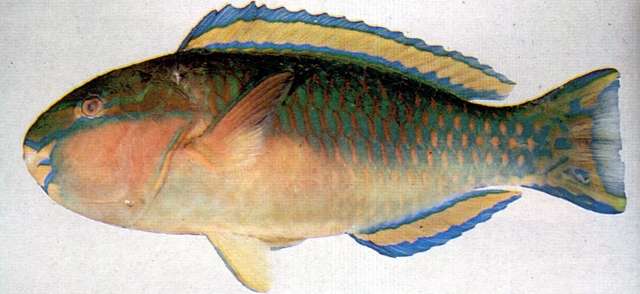
Chlorurus bleekeri (De Beaufort, 1940) (Bleeker's parrotfish)
Found in clear coastal and inner reefs ; in lagoons and channel reefs . Feed mainly on algae . Females usually in small groups and maybe mixed with other species when feeding; males solitary nearby .
Chlorurus japanensis (Bloch, 1789) (Palecheek parrotfish)
Inhabits seaward coral and rocky reefs ; inner reefs with rich coral habitat . Feeds on benthic algae . Caught mainly with traps, nets and other types of artisanal gear.
Chlorurus gibbus (Rüppell, 1829) (Heavybeak parrotfish)
Usually in groups on the outer reef . Caught with nets, and other types of artisanal gears.
Calotomus spinidens (Quoy and Gaimard, 1824) (Spinytooth parrotfish)
Found in coastal bays and deep lagoons . Inhabits seagrass beds or dense beds of algae. Well-camouflaged and easily overlooked . Feeds on these or the associated epiphytes. Caught nets and other types of artisanal gear.
Chlorurus sordidus (Forsskål, 1775) (Daisy parrotfish)
Scarus dubius Bennett, 1828 (Regal parrot)
Inhabits seaward reefs . Benthopelagic . Grazes on benthic algae. Protogynous .
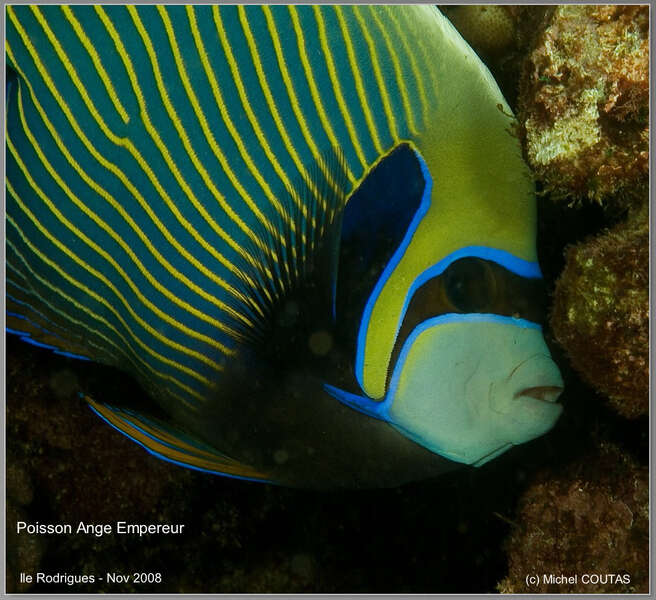
Pomacanthus imperator (Bloch, 1787) (Angel fish)
Juveniles are encountered under ledges, or in holes of outer lagoon patch reefs or semi-protected areas of exposed channels and outer reef flats. Subadults move to reef front holes and surge channels. Large adults inhabi...
Read More
Read More
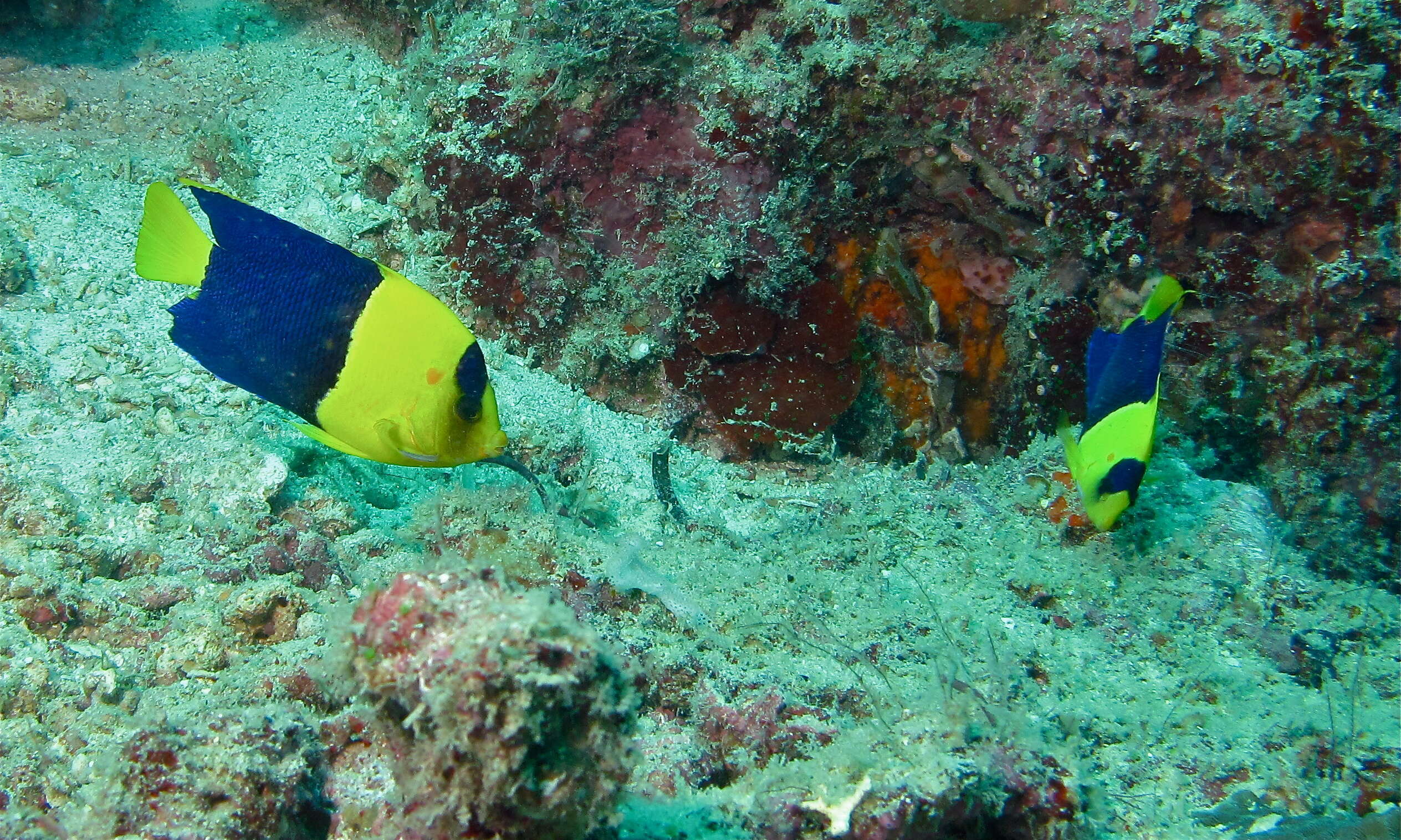
Centropyge bicolor (Bloch, 1787) (Bicolor angelfish)
Inhabits lagoon, channel, or protected seaward reef slopes, drop offs, coral and rubble areas . Usually in pairs or in small groups. Feeds on algae, small crustaceans and worms. Darts from one hiding place to the next. Commonly exported through the aquarium trade .
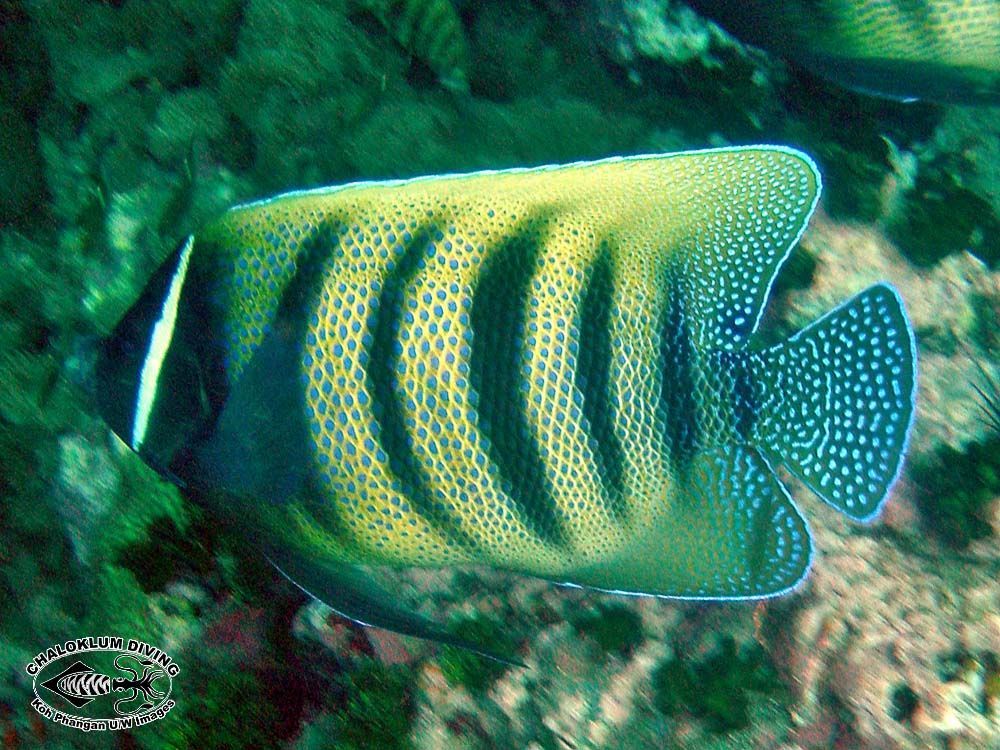
Pomacanthus sexstriatus (Cuvier, 1831) (Sixbar angelfish)
Juveniles prefer sheltered inner reefs while adults occur in areas of rich coral growth and high vertical relief of lagoon and seaward reefs. Adults semi-silty coastal to about 50 m depth, often seen in pairs . Occur sol...
Read More
Read More
Centropyge tibicen (Cuvier, 1831) (Keyhole angelfish)
Relatively uncommon in mixed coral and rubble areas of lagoon and seaward reefs. The largest member of the genus . Feeds mainly on algae. Forms harems of 3-7 individuals. Frequently exported through the aquarium trade .
Share on Social Networks
- Facebook:

personalize your shared text as well as its destination (wall, page...) or send as a private message to a friend
- Twitter: Tweet personalize your tweet
- Google Plus:
Direct link to this dive
- Long link:
- Short link:


 We are participating today in the startup contest Techcrunch Disrupt. Support Diveboard by voting for us!
























































































1st dive Father's Day 2 tanker aboard Datu Budas
mostly clear breezy small chop winds from NE
CGBR House reef end-to-end buoy block to bouy block , back to boat
multilevel, quiet underwater