


 Beachnutts


 Philippines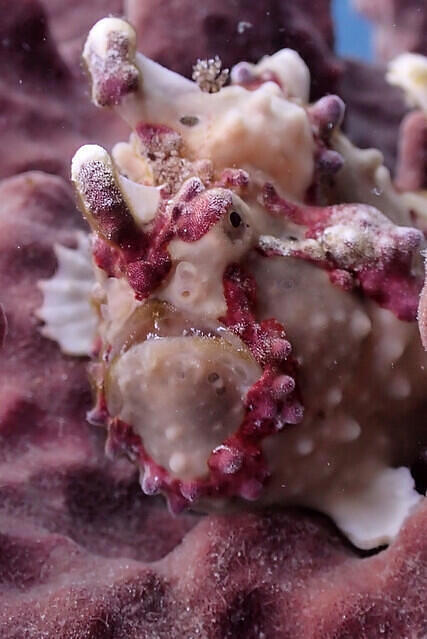
-
Nº164
 Date: 2025-02-16 - 10:25
-
 Max Depth: 20.1m Duration: 87mins
Dive Location

- Temp: Surf 26°C Bottom 26°C
- Dive type : Recreational, Reef, Photo
- Visibility: Good Water: Salt
Specific gear used
- BCD: Scubapro - Glide Plus
- Boots: Orca - Dive shoes
- Camera: Olympus - TG6
- Computer: Oceanic - OCS
- Fins: Scubapro - Go Rescue
- Knife: Scuba MAx - folding
- Lift bag: ScubaMax - SMB
- Light: Sofirn - SD05
- Mask: Promate - Scope
- Regulator: SEAC - Synchro
- Wet suit: Blue Ocean - Diveskin
- Weights: 3.2 kg
Dive reviews
| Overall review | ||
| Dive difficulty | ||
| Marine life quality |
Recent Divers in Talikud Island, Davao

Recent Pictures in Talikud Island, Davao
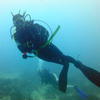
Dive Shop & Buddies
 Dive with Reymar Tano
 Dive buddies:
Maeng,
Max,
Beachnutts
Dive buddies:
Maeng,
Max,
Beachnutts

Link to this spot:
- Spot:
- Country:
- Area:
- Body of water:
Dive Profile
- 1. Air
- 10L Aluminium 207 → 21 bar
- Average depth: 13.4m
Data provided by EOL.org









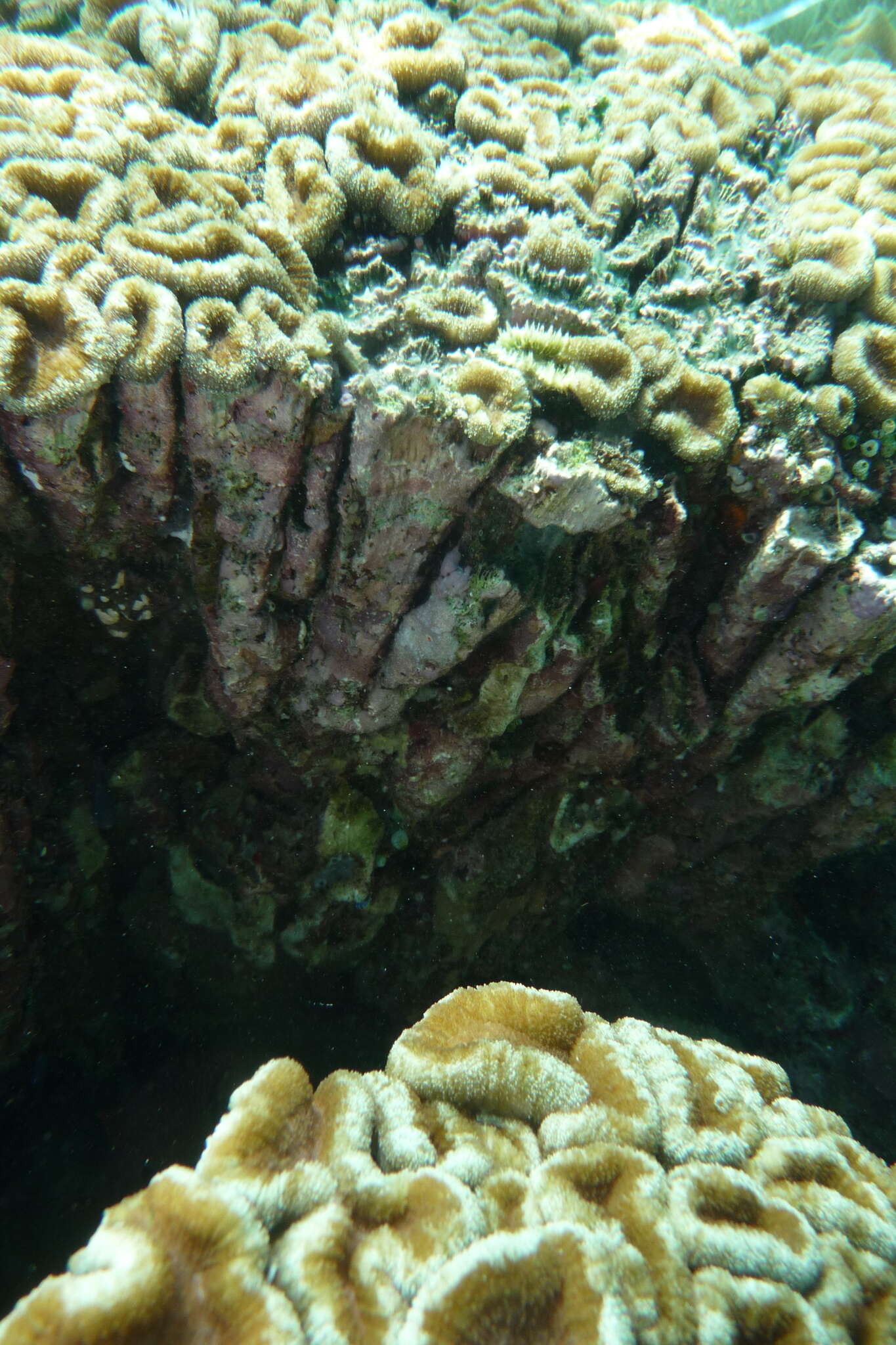
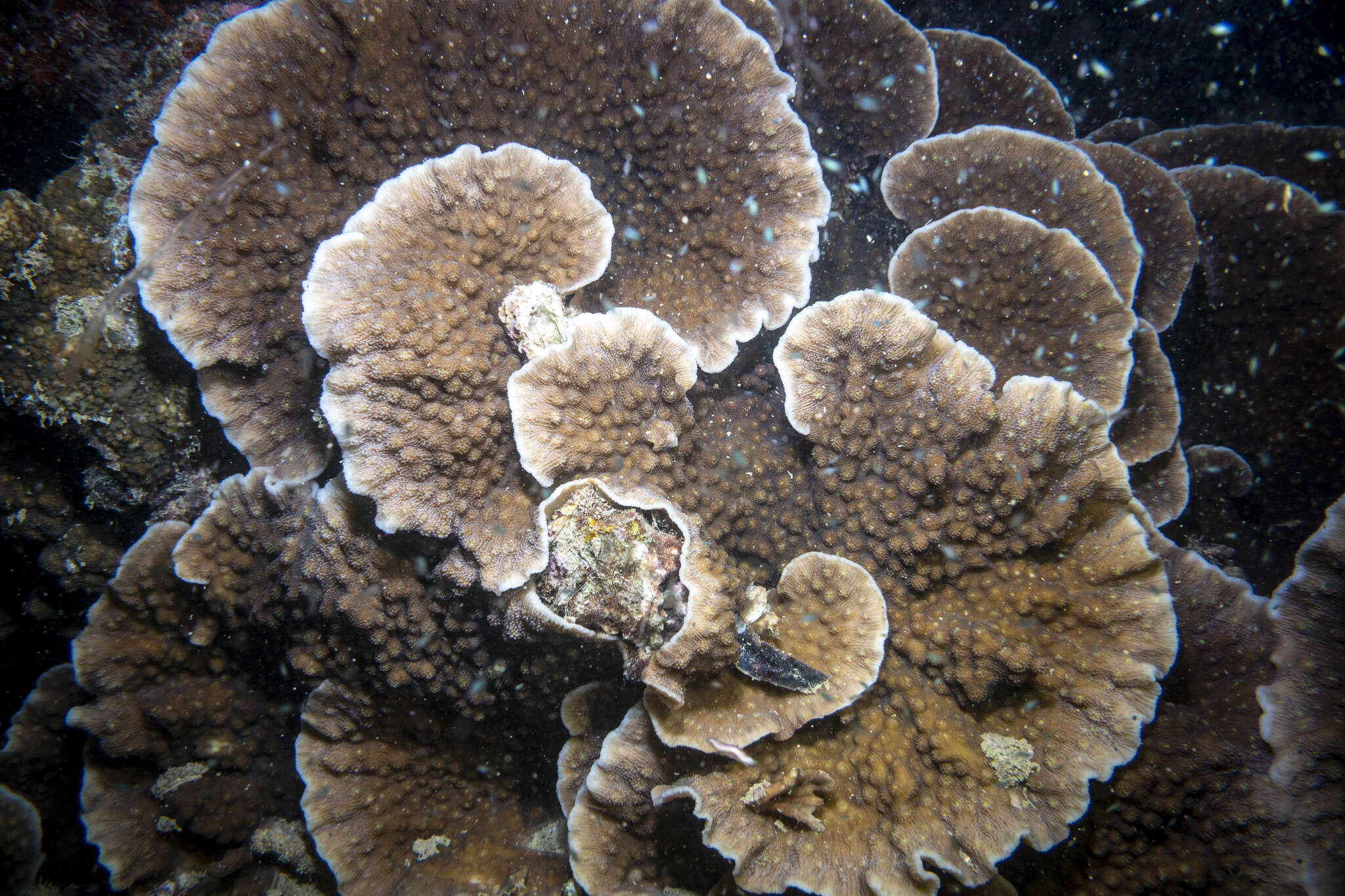
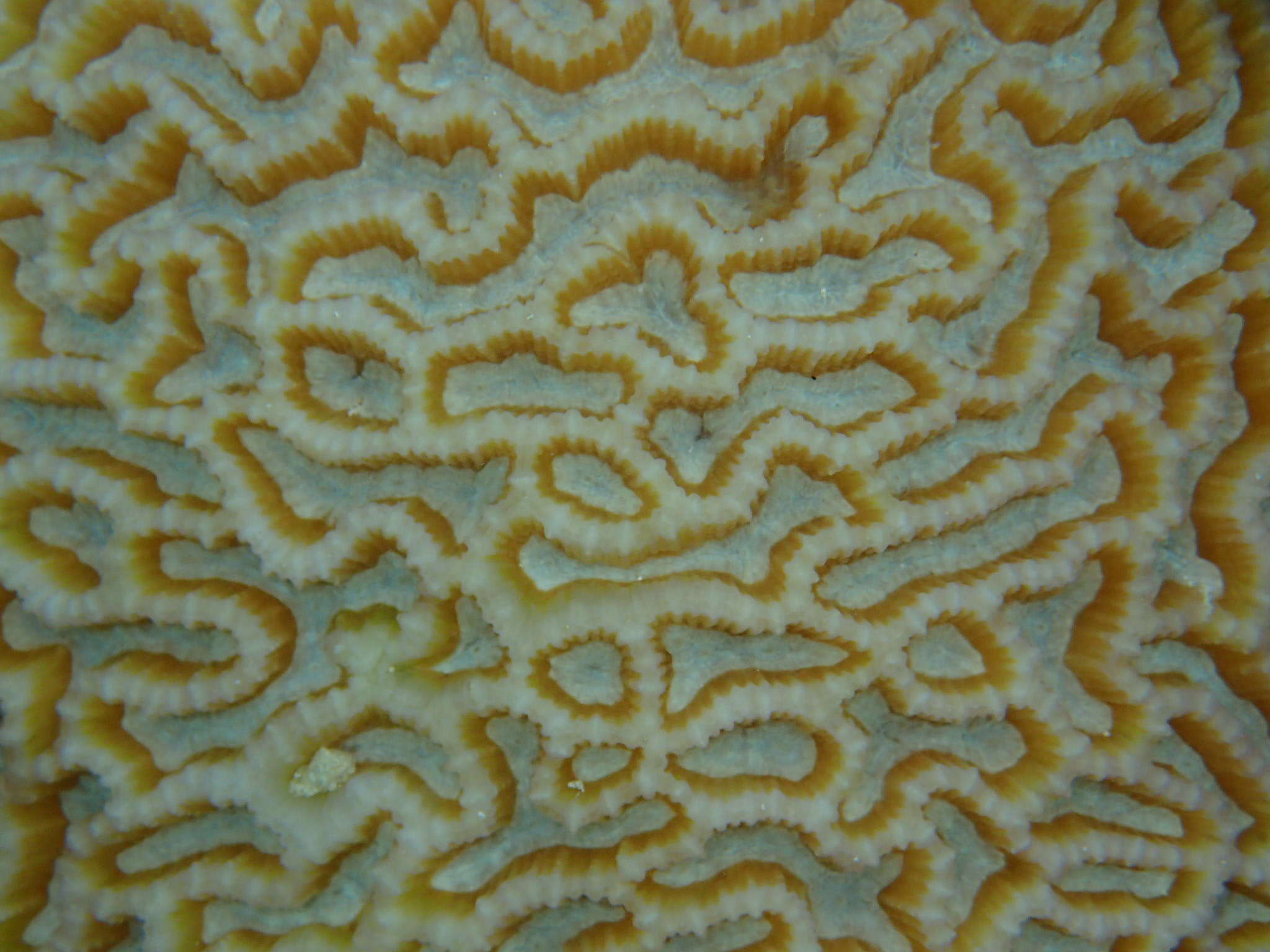

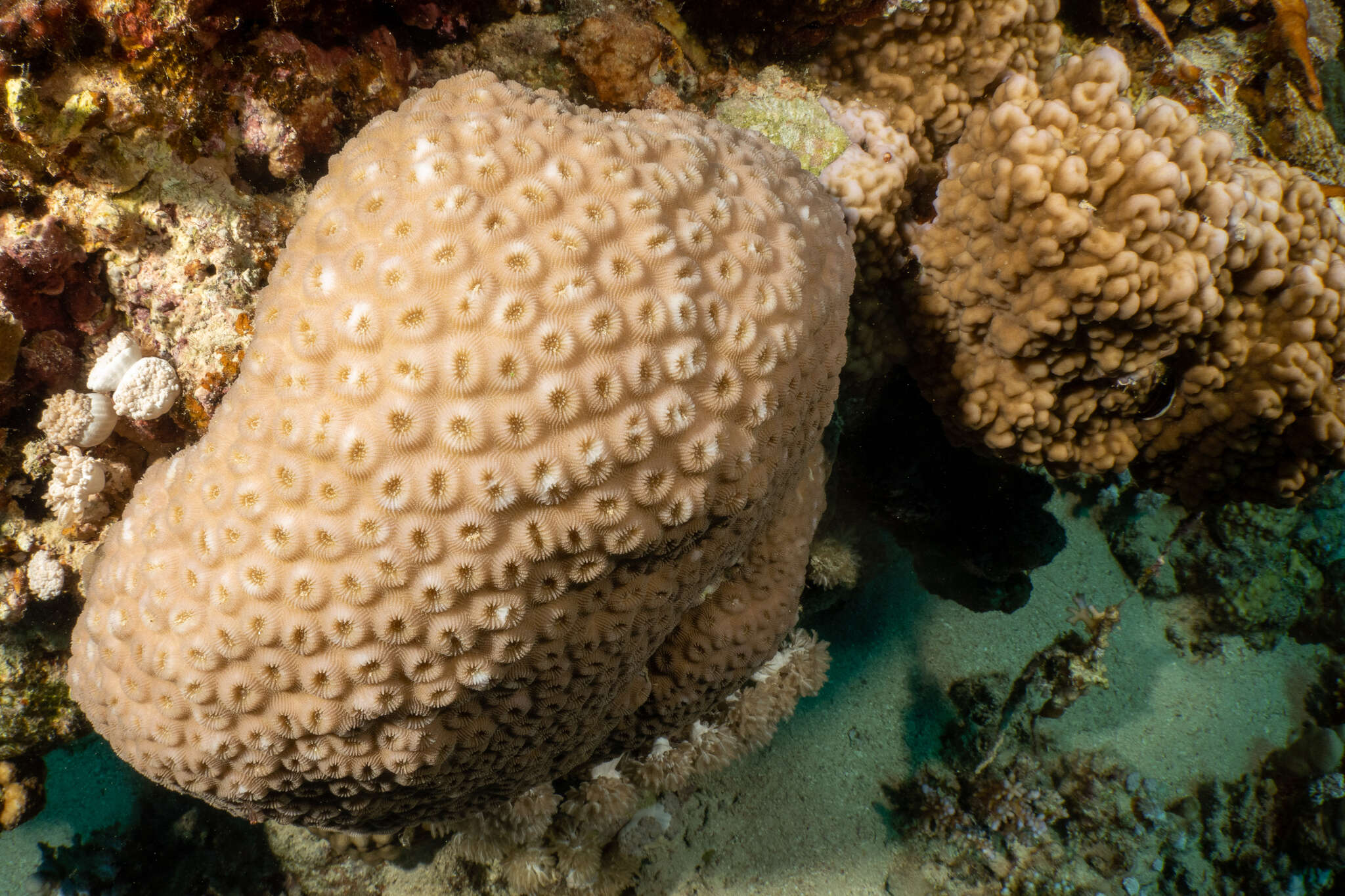
Species Identified
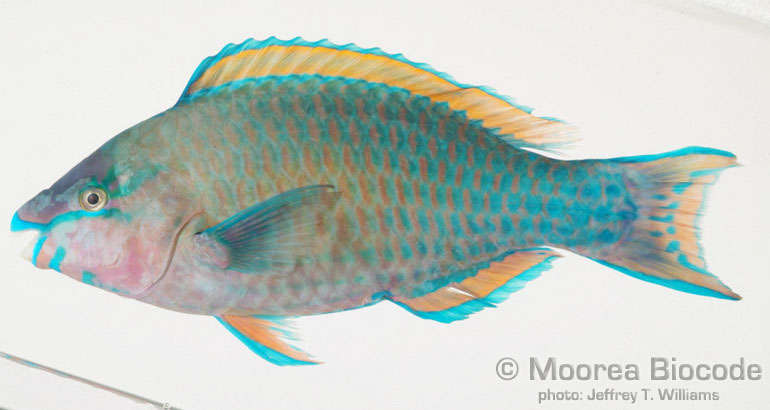
Scarus niger Forsskål, 1775 (loro)
Inhabits coral-rich areas of clear lagoons, channels, and outer reef slopes . Generally solitary . Juveniles in small groups on algae and coral reefs inshore . Feeds on benthic algae . Males maintain small harems and pair spawn .
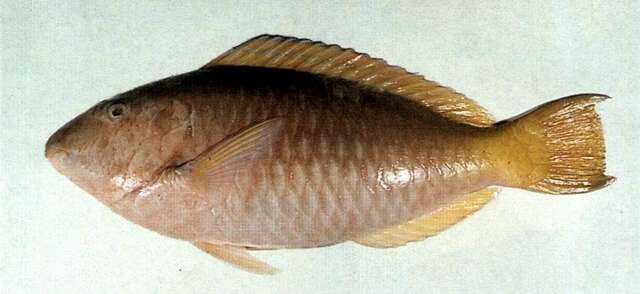
Scarus psittacus Forsskål, 1775 (Common parrotfish)
Inhabit reef flats and lagoon and seaward reefs to at least 25 m depth . Found over corals . Benthopelagic . Initial-phase fish stage usually form small feeding schools . Graze on benthic algae . Secrete a mucus cocoon .
Leptoscarus vaigiensis (Quoy and Gaimard, 1824) (Lama G. Cuvier, 1800)
Found in sheltered bays, harbors and lagoons . Inhabits seagrass areas or areas with hard substrates heavy with algal cover. Usually occur in small groups. Unlike other parrotfishes, males and females look very similar and do not change sex . Feeds on seagrasses and algae . Marketed fresh .
Scarus ghobban Forsskål, 1775 (Blue-barred parrotfish)
Hipposcarus longiceps (Valenciennes, 1840) (Pacific longnose parrotfish)
Inhabits turbid lagoons more than outer reef areas. Usually seen in aggregations; females usually in small groups . Large adults may occur to depths of at least 40 m.
Chlorurus bleekeri (De Beaufort, 1940) (Bleeker's parrotfish)
Found in clear coastal and inner reefs ; in lagoons and channel reefs . Feed mainly on algae . Females usually in small groups and maybe mixed with other species when feeding; males solitary nearby .
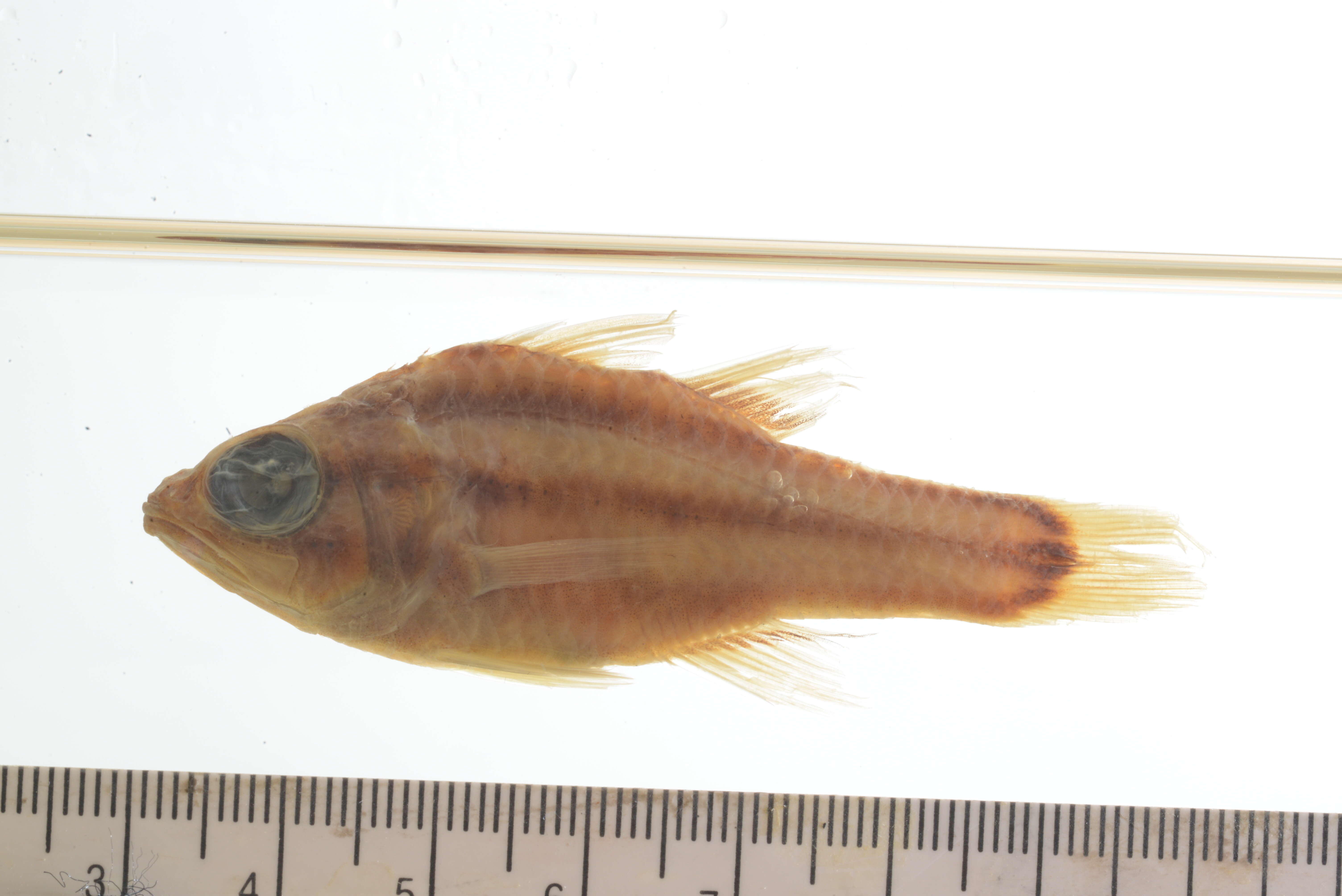
Apogon nigrofasciatus Lachner, 1953 (Blackstripe cardinalfish)
Occurs on reef flats and shallow lagoon reef, usually seen singly or in pairs under ledges or in crevices. Feed on small benthic invertebrates at night .
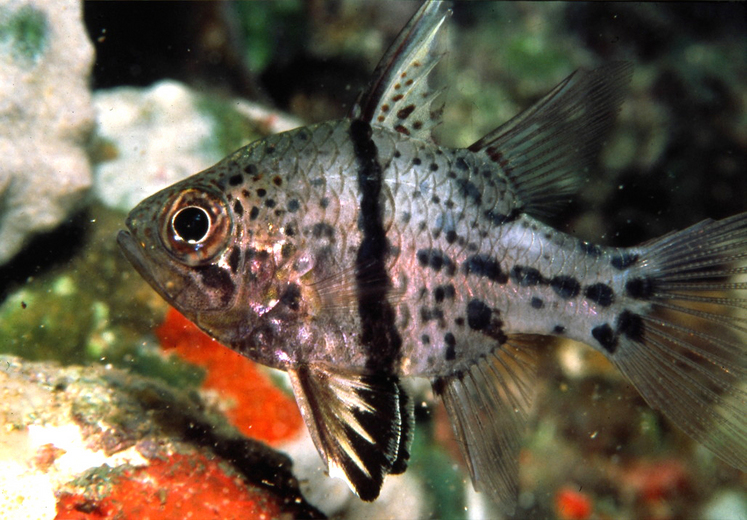
Sphaeramia orbicularis (Cuvier, 1828) (Orbiculate cardinalfish)
Restricted to coastal waters, forming small aggregations among mangroves, rocks, debris, or piers of shallow sheltered shorelines. Feeds at night , primarily on planktonic crustaceans. Courtship and spawning occur fortni...
Read More
Read More
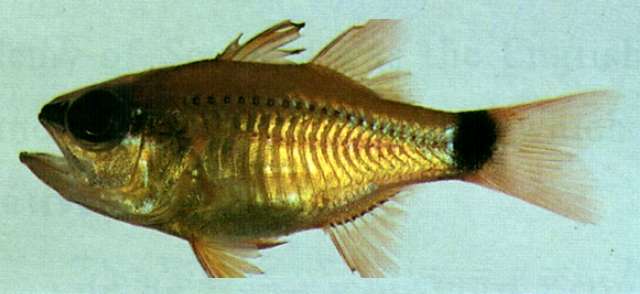
Apogon aureus (Lacepède, 1802) (Ringtailed cardinalfish)
Inhabits holes in rocks or under ledges in shallow waters. Known to occur in mixed aggregates with Apogon apogonoides during summer and autumn, but form separate aggregates in winter and spring .
Apogon compressus (Smith & Radcliffe, 1911) (Ochre-striped cardinalfish)
Found in small aggregates among or near mounds of branching corals such as Porites cylindrica or P. nigrescens . Nocturnal species . Has been reared in captivity .
Apogon fleurieu (Lacepède, 1802) (Cardinalfish)
Common in shallow coastal reefs with moderate currents . Also in tidal channels of estuaries . Adults usually in small schools comprising pairs .
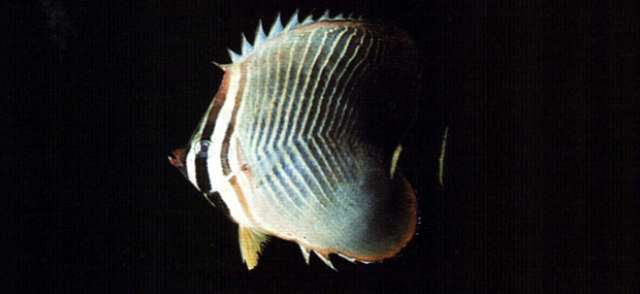
Chaetodon baronessa Cuvier, 1829 (Eastern triangular butterflyfish)
Occur in lagoon and seaward reefs. Feed exclusively on the polyps of the tubular Acropora corals. Swim in pairs and are territorial. Oviparous . Form pairs during breeding .
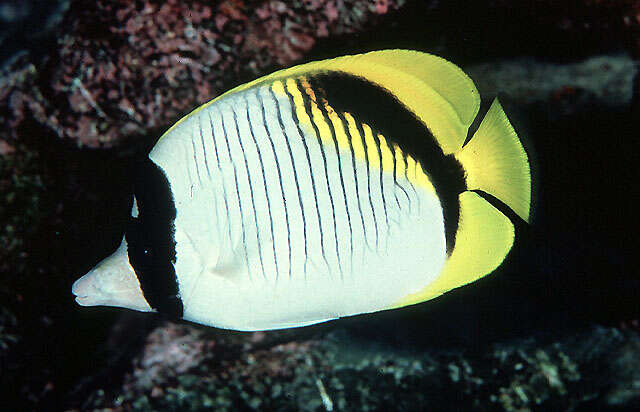
Chaetodon lineolatus Cuvier, 1831 (Line butterflyfish)
Occur in lagoon and seaward reefs, usually in pairs in coral rich areas . Benthopelagic . Feed mainly on coral polyps and anemones, but also on small invertebrates and algae . Largest species in the genus . Oviparous . Form pairs during breeding .
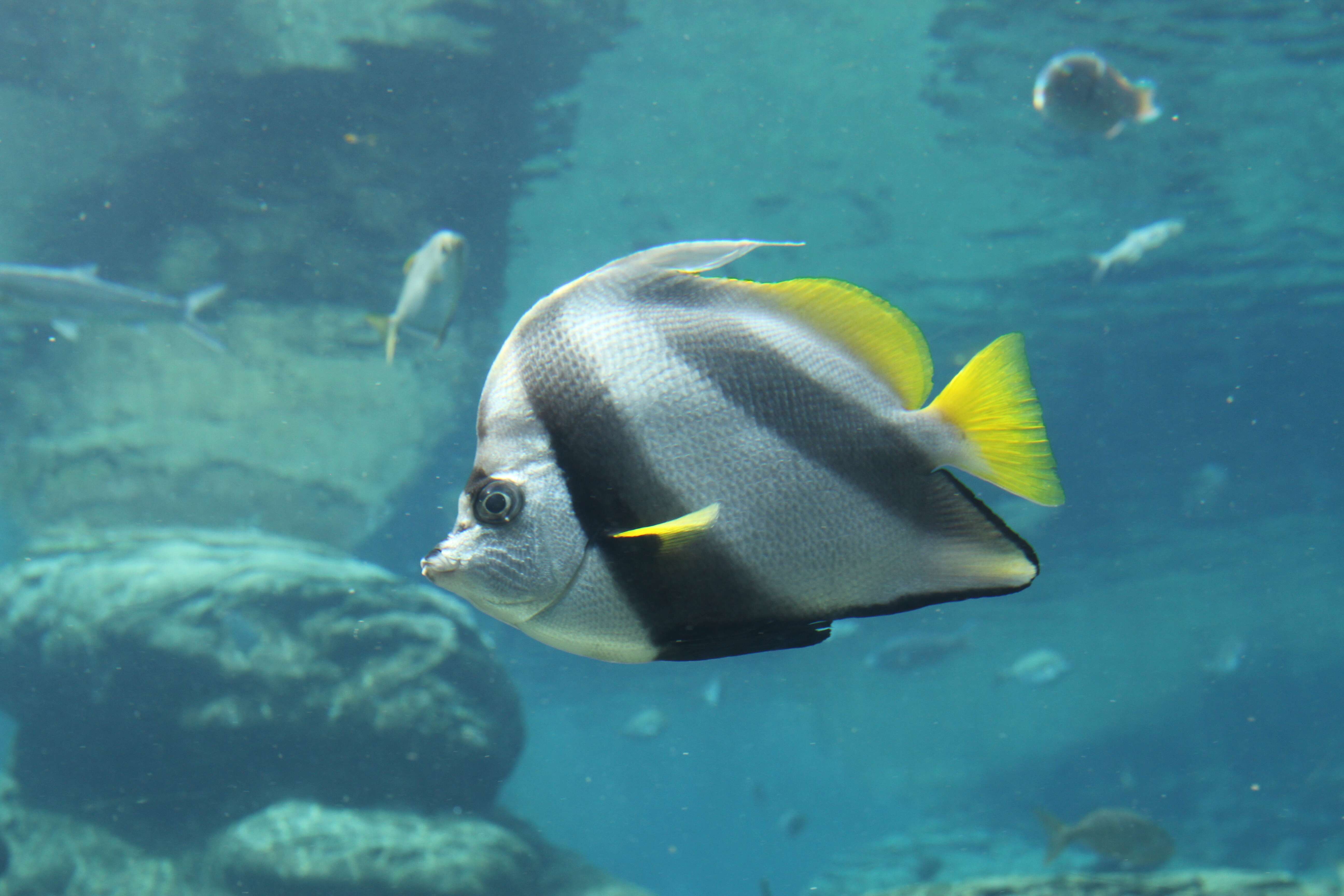
Heniochus diphreutes Jordan, 1903 (False moorish idol)
Occur primarily along outer reef slopes, in current channels. Juveniles in aggregations around isolated patch reefs, adults in large schools well above the bottom . In Indonesia, adults most common in depth 40-50 m, repo...
Read More
Read More
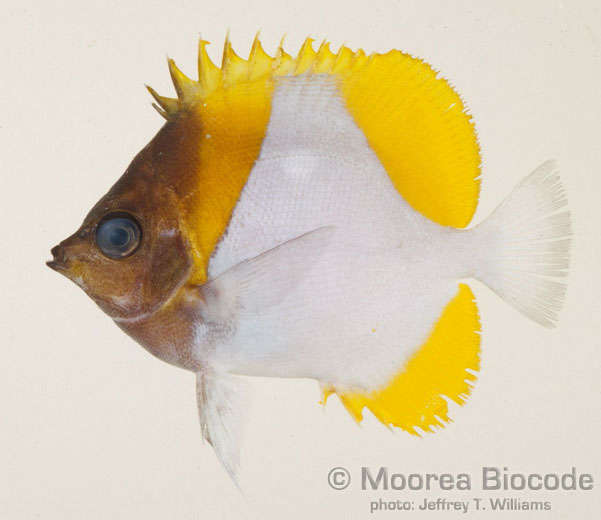
Hemitaurichthys polylepis (Bleeker, 1857) (Pyramid butterflyfish)
Occur in large schools that may extend several meters above the edges of steep current-swept outer reef slopes. Common . Benthopelagic . Feed on plankton . Oviparous . Form pairs during breeding .
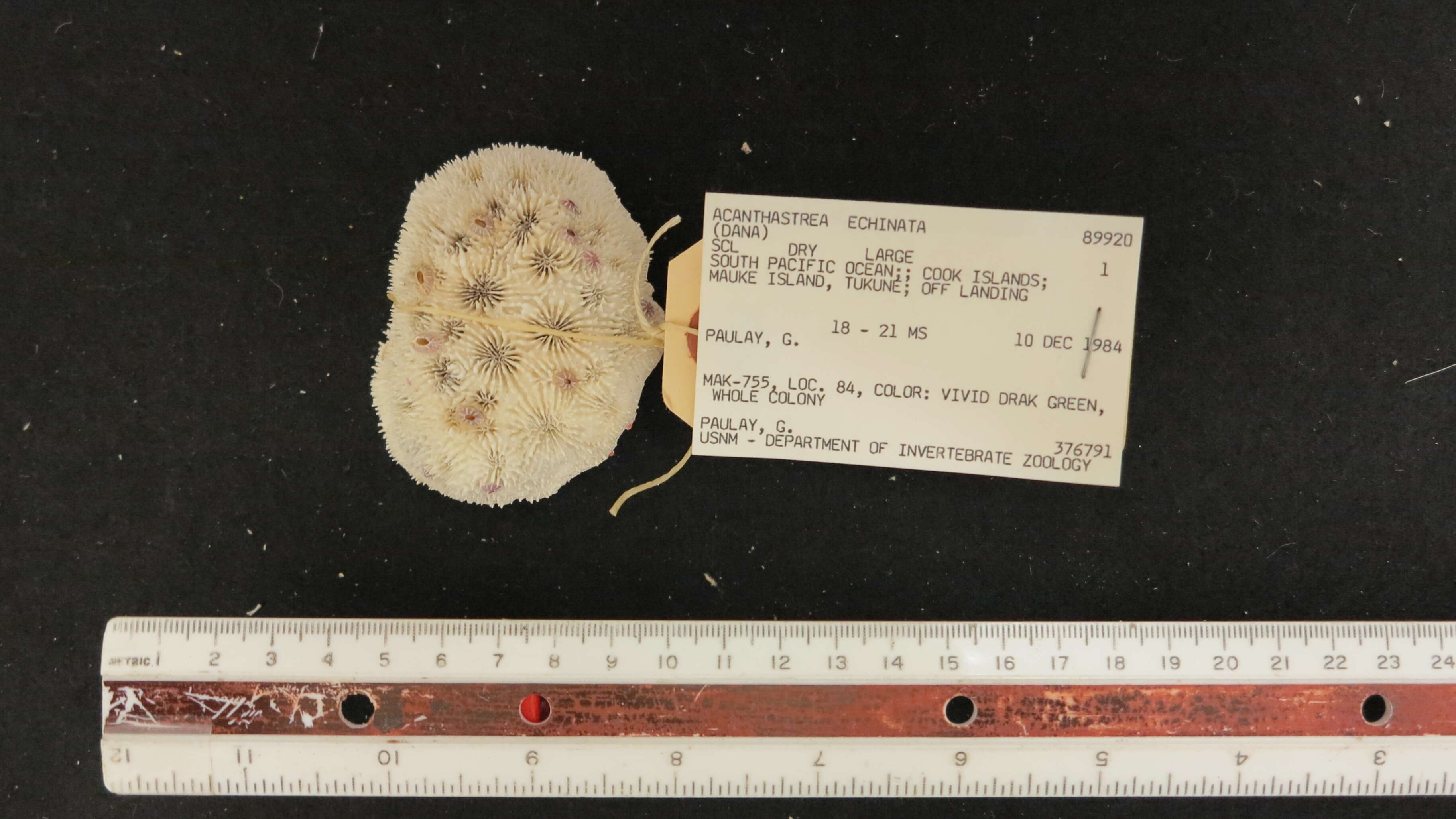
Acanthastrea echinata (Dana, 1846) (Starry cup coral)
zooxanthellate
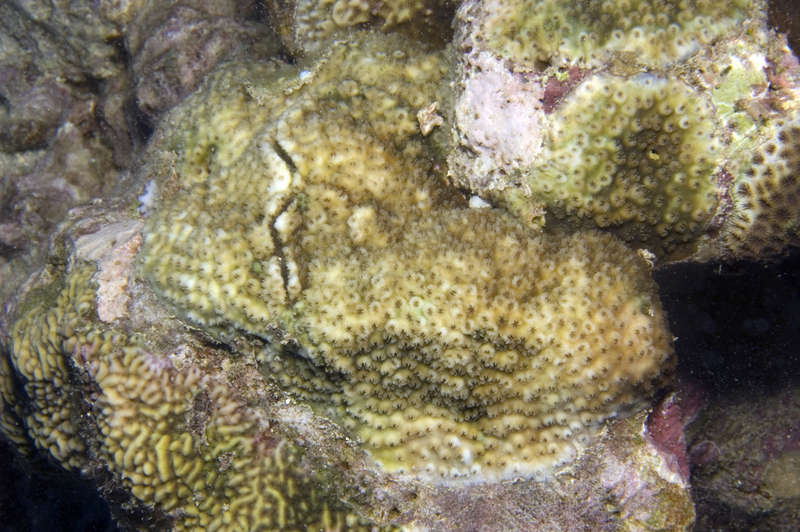
Leptastrea purpurea (Dana, 1846) (Crust coral)
zooxanthellate
Cynarina lacrymalis (Milne Edwards & Haime, 1848) (Solitary cup coral)
zooxanthellate
Cyphastrea serailia (Forskål, 1775) (Lesser knob coral)
zooxanthellate
Platygyra daedalea (Ellis and Solander, 1786) (Lesser valley coral)
zooxanthellate
Lobophyllia hemprichii (Ehrenberg, 1834) (Lobed cactus coral)
zooxanthellate
Echinopora lamellosa (Esper, 1795) (Hedgehog coral)
zooxanthellate
Symphyllia recta (Dana, 1846) (Sinuous cup coral)
zooxanthellate
Oulastrea crispata (Lamarck, 1816) (Zebra coral)
zooxanthellate
Favia laxa (Klunzinger, 1879) (Knob coral)
zooxanthellate
Lobophyllia hataii Yabe, Sugiyama and Eguchi, 1936 (Lobed cactus coral)
zooxanthellate
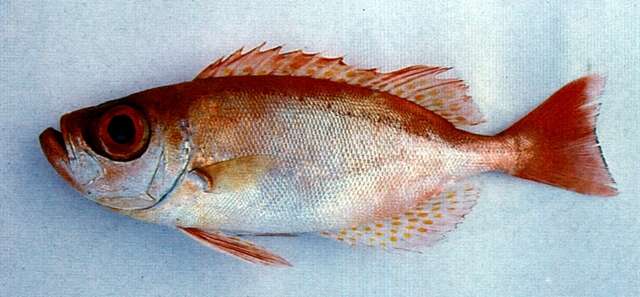
Priacanthus blochii Bleeker, 1853 (Paeony bulleye)
Occurs in lagoon and seaward reefs, under ledges or in caves by day ; often silty habitat . Rarely trawled .
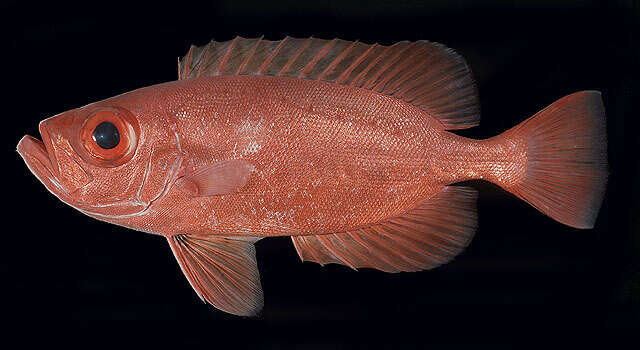
Priacanthus macracanthus Cuvier, 1829 (Red bigeye)
Occurs in inshore and offshore reefs from less than 20 m to more than 400 m depths. Apparently forms aggregations in open bottom areas and is very abundant in the South China Sea and Andaman Sea. Marketed fresh, whole. Sound production has been studied in this species.
Share on Social Networks
- Facebook:

personalize your shared text as well as its destination (wall, page...) or send as a private message to a friend
- Twitter: Tweet personalize your tweet
- Google Plus:
Direct link to this dive
- Long link:
- Short link:


 We are participating today in the startup contest Techcrunch Disrupt. Support Diveboard by voting for us!
























































































1st dive two-tanker aboard Datu Budas
Talikud Island/ Samal Island
Sol Del Sur Beach Resort offshore
Drop in offshore, exploring house reef , back to boat
highlight- Warty Frogfish on Barrel Sponge
Multilevel