


 Beachnutts


 Philippines
-
Nº49
 Date: 2022-11-27 - 01:03
-
 Max Depth: 14.3m Duration: 83mins
Dive Location

- Surface interval:83 mins
- Temp: Surf 27°C Bottom 27°C
- Dive type : Recreational, Training, Reef, Photo, Wall
- Visibility: Good Water: Salt
Specific gear used
- BCD: Scubapro - Glide Plus
- Camera: Olympus - TG6
- Computer: Oceanic - OCS
- Fins: Scubapro - Jet Fins
- Knife: Scuba MAx - folding
- Lift bag: ScubaMax - SMB
- Light: Sofirn - SD05
- Mask: Promate - Scope
- Regulator: Aqualung - Titan LX
- Wet suit: Blue Ocean - Diveskin
- Weights: 3.2 kg
Dive reviews
| Overall review | ||
| Dive difficulty | ||
| Marine life quality |
Recent Divers in Samal island, Davao
Recent Pictures in Samal island, Davao
Dive Shop & Buddies
 Dive with Maeng

Link to this spot:
- Spot:
- Country:
- Area:
- Body of water:
Dive Profile
- 1. Air
- 10L Aluminium 207 → 45 bar
- Average depth: 9.6m
Data provided by EOL.org




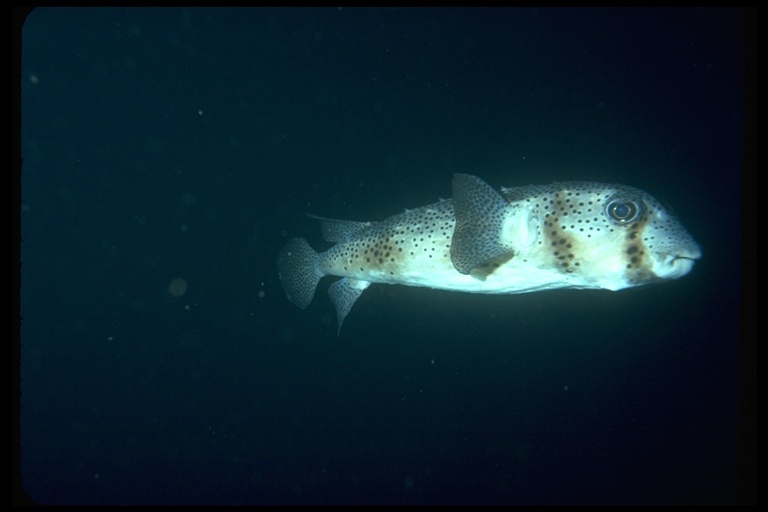


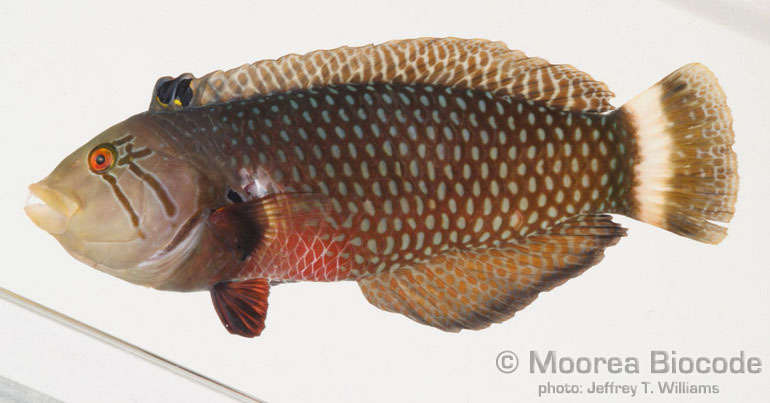

Species Identified
Arothron nigropunctatus (Bloch & Schneider, 1801) (Blackspotted puffer)
Inhabit coastal to outer reef crest and slopes with rich invertebrate growth. Adults often in pairs . Feed on corals , crustaceans, mollusks, sponges, tunicates and algae . Generally common .
Canthigaster rostrata (Bloch, 1786) (sharpnose puffer)
Inhabits reefs and marginal habitats such as seagrass beds . Diet consists of seagrass, sponges, crabs and other crustaceans, mollusks, polychaete worms, sea urchins, starfishes, hydroids and algae . Monogamous .
Canthigaster margaritata (Rüppell, 1829) (ocellated toby)
Common in tide pools near reefs and in shallow reef areas. Skin near dorsal and ventral ridge can be inflated, e.g. during territorial display among males .
Xenia tripartita Roxas, 1933
Xenia ternatana Schenk, 1896
Xenia stellifera Verseveldt, 1977
Xenia sansibariana May, 1899
Xenia schenki Roxas, 1933
Xenia sexseriata Verseveldt, 1977
Xenia spicata Li, 1982
Chaetodon multicinctus Garrett, 1863 (Pebbled butterfly)
Benthopelagic over reefs and rocks . Feed mainly on coral polyps, also polychaete worms and small shrimps. Usually seen in pairs. Oviparous . Form pairs during breeding .
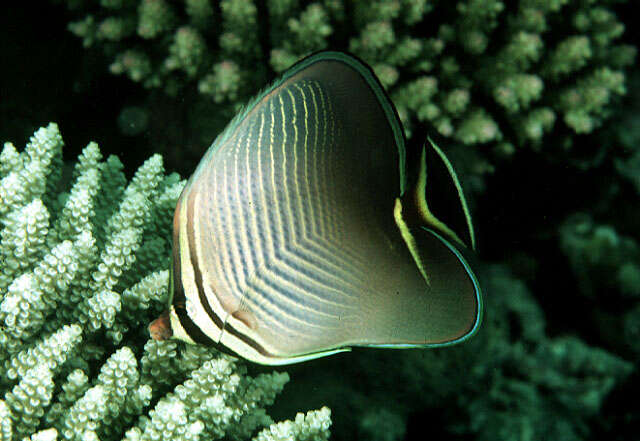
Chaetodon triangulum Cuvier, 1831 (Triangle butterflyfish)
Inhabit lagoon and seaward reefs . Closely associated with Acropora corals, particularly the staghorn variety. Territorial and in pairs . Juveniles solitary among coral branches . Feed mainly on coral polyps and theref...
Read More
Read More
Chaetodon xanthocephalus Bennett, 1833 (Goldheaded butterflyfish)
Hybrids with C. ephippium known. Usually solitary , but may form loose shoals of 5-6 individuals and usually found around isolated coral heads. Territorial and aggressive to other chaetodonts; omnivorous . Oviparous , monogamous . Form pairs during breeding .
Chilomycterus antennatus (Cuvier, 1816) (Bridled burrfish)
Occurs usually on or near coral reefs . Rare, most often found from seagrass beds .
Chilomycterus reticulatus (Linnaeus, 1758) (burrfish)
Cymolutes torquatus (Valenciennes, 1840) (Finescale razorfish)
Common over sandy areas of reef flats and shallow sandy lagoons to a depth of at least 6 m. Also found in estuaries. Usually in current zones such as tidal channels. Juveniles often with small outcrops of rubble and alg...
Read More
Read More
Pteragogus guttatus (Fowler and Bean, 1928) (Sneaky wrasse)
Found in sheltered inner reefs amongst broken coral and rubble. Usually seen in less than 10 m depth, staying well hidden in reefs, but sometimes swimming amongst the long-spined Diadema urchins or in thick algae coverage .
Novaculichthys taeniourus (Lacepède, 1801) (Rockmover wrasse)
Stethojulis balteata (Quoy and Gaimard, 1824) (Belted wrasse)
Occurs in reef flats and clear lagoon and seaward reefs . Benthopelagic . Feeds primarily on bivalves, polychaete worms, peanut worms, gastropods, various small crustaceans and foraminiferans .
Share on Social Networks
- Facebook:

personalize your shared text as well as its destination (wall, page...) or send as a private message to a friend
- Twitter: Tweet personalize your tweet
- Google Plus:
Direct link to this dive
- Long link:
- Short link:


 We are participating today in the startup contest Techcrunch Disrupt. Support Diveboard by voting for us!
























































































2nd dive, 2 dive boat trip multilevel
83 min SI
Drop in on South side Wishing Island near Big's Corner Wall
North swim along wall, reverse, up into shallows, back to boat
TG6 practice again, having dificulties
nice dive