


 Beachnutts


 Philippines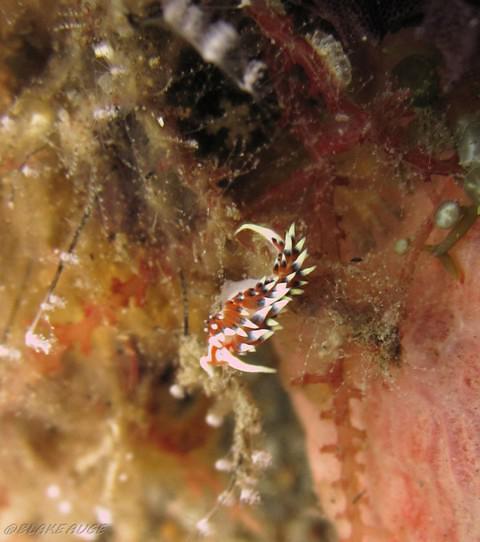
-
Nº30
 Date: 2022-06-18 - 11:14
-
 Max Depth: 23.2m Duration: 76mins
Dive Location

- Surface interval:1157 mins
- Temp: Surf 28°C Bottom 28°C
- Dive type : Recreational, Drift, Photo, Muck Dive
- Visibility: Good Water: Salt
Specific gear used
- BCD: Seac Sub - Portofino
- Camera: Canon - G12
- Camera: Canon - SD940
- Computer: Oceanic - OCS
- Fins: Scubapro - Jet Fins
- Mask: Cressi Sub - Big Eyes
- Regulator: Aqualung - Titan LX
- Wet suit: Blue Ocean - Diveskin
- Weights: 4.1 kg
Dive reviews
| Overall review | ||
| Dive difficulty | ||
| Marine life quality |
Recent Divers in Dauin-Dumaguete
Recent Pictures in Dauin-Dumaguete
Dive Shop & Buddies
 Dive with Alex Salboro

Link to this spot:
- Spot:
- Country:
- Area:
- Body of water:
Dive Profile
- 1. Air
- 10L Aluminium 207 → 24 bar
- Average depth: 15.4m
Data provided by EOL.org





Species Identified
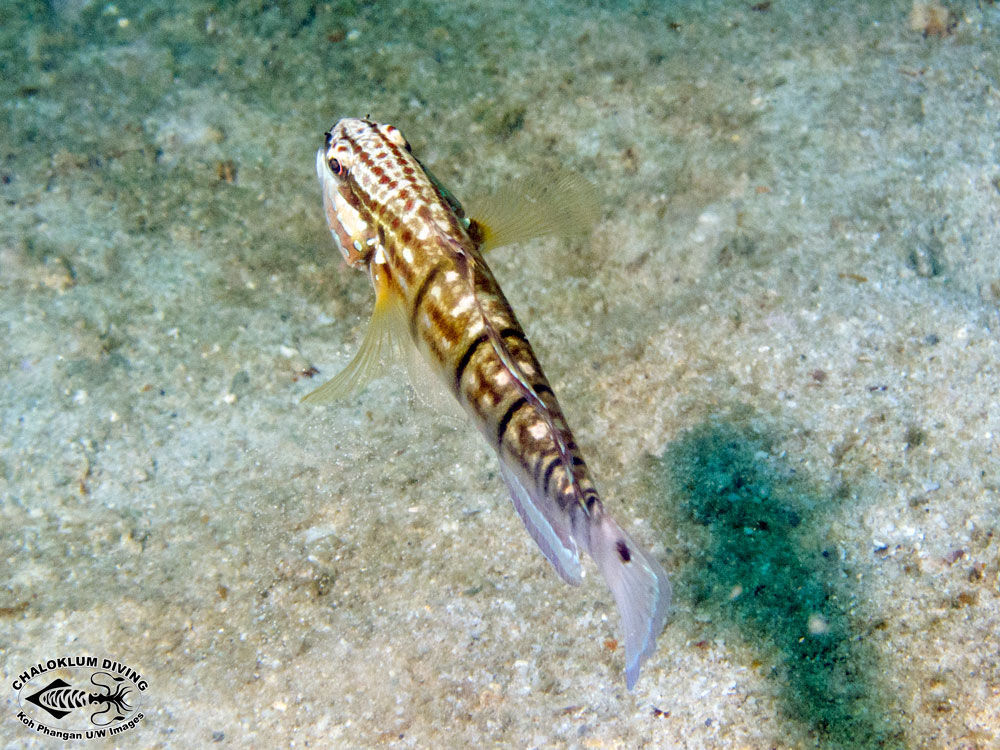
Amblygobius phalaena (Valenciennes, 1837) (Banded goby)
Adults inhabit coastal reefs and lagoons on sand and rubble margins of algal reefs and sometimes near seagrass beds . Feed by sifting mouthfuls of sand and expelling it through the gills, to capture small invertebrates, o...
Read More
Read More
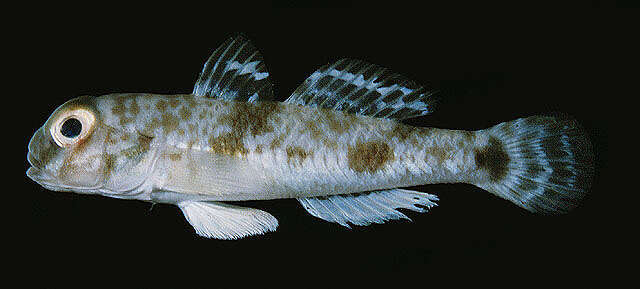
Yongeichthys criniger (Valenciennes, 1837) (horny goby)
Inhabits shallow to deep coastal mud or silty sand flats . Toxicity in this species is particularly high in the skin. Its toxicity varies with the locality and some specimens are nontoxic altogether .
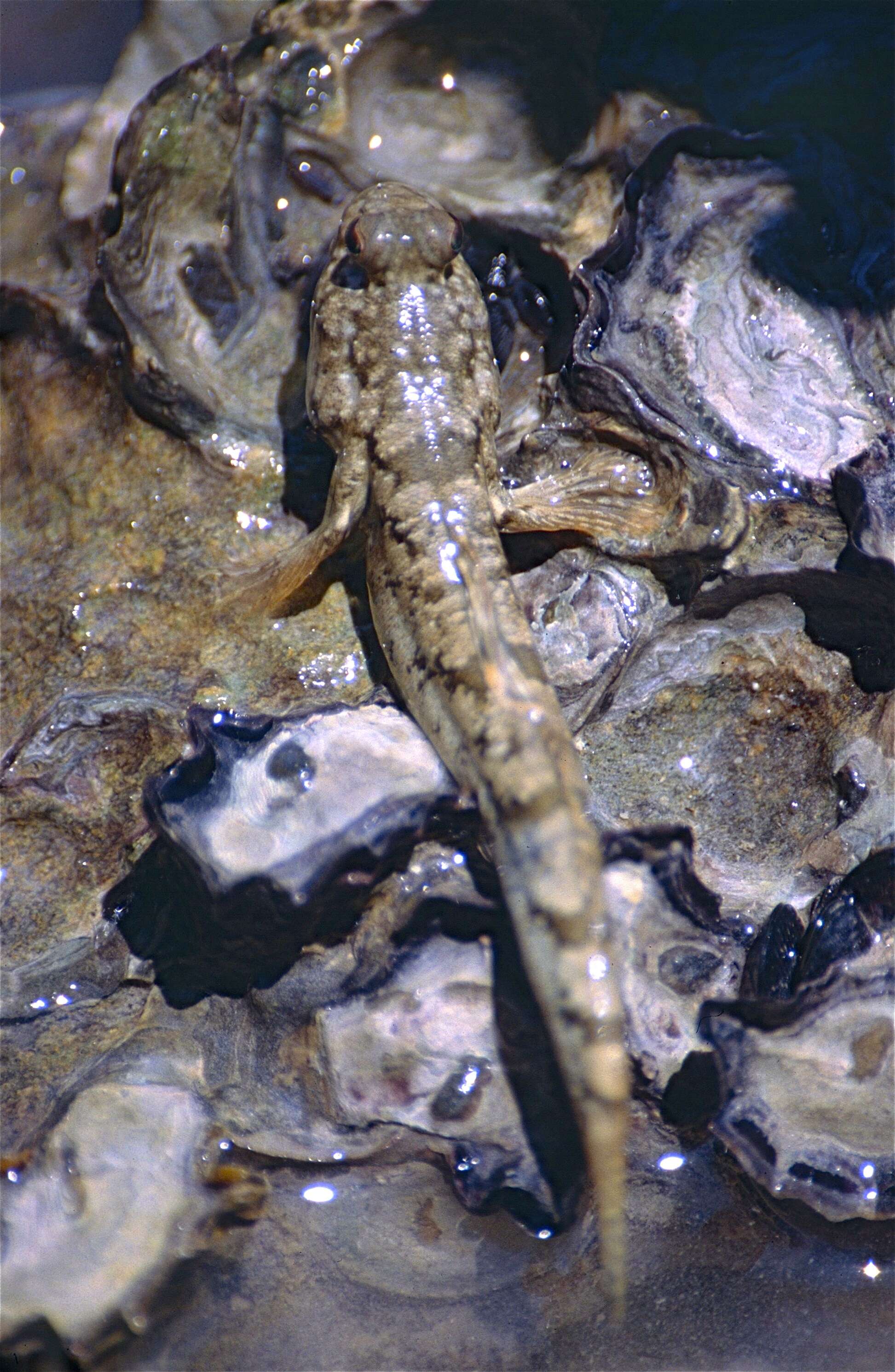
Periophthalmus kalolo Lesson, 1831 (Common mudskipper)
Amphibious air-breather that spends most of its time out of the water; able to meet its oxygen requirements as long as it stays wet. Typically resting on mud, rocks, or mangrove roots with their tails dipped in the water. Feeds on worms, crustaceans, and insects.
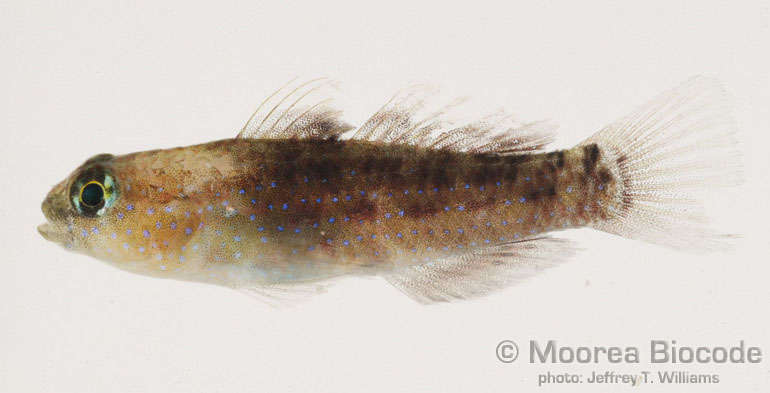
Asterropteryx ensifera (Bleeker, 1874) (Miller's damsel)
Found on coral rubble . Collected from river mouths . Feeds on zooplankton .
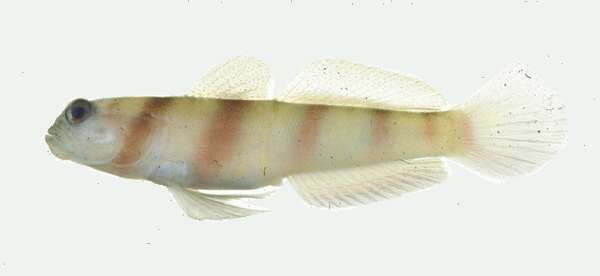
Amblyeleotris steinitzi (Klausewitz, 1974) (Steinitz' goby)
Inhabits sandy areas of outer lagoon and seaward reefs . Lives with a pale brown or marbled brown and white alpheid shrimp . Found in coastal sand slopes and estuaries and usually at modrate depth of about 20 meters on deeper slopes .
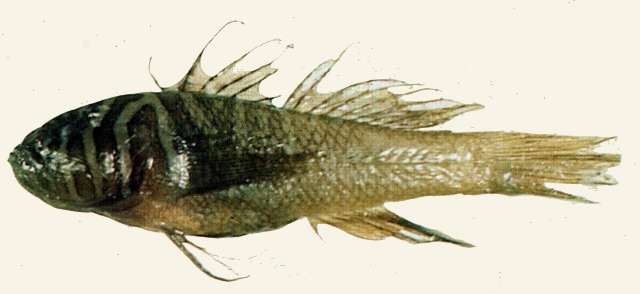
Priolepis semidoliata (Valenciennes, 1837) (Girdled goby)
Benthic in caves and crevices of seaward reefs .
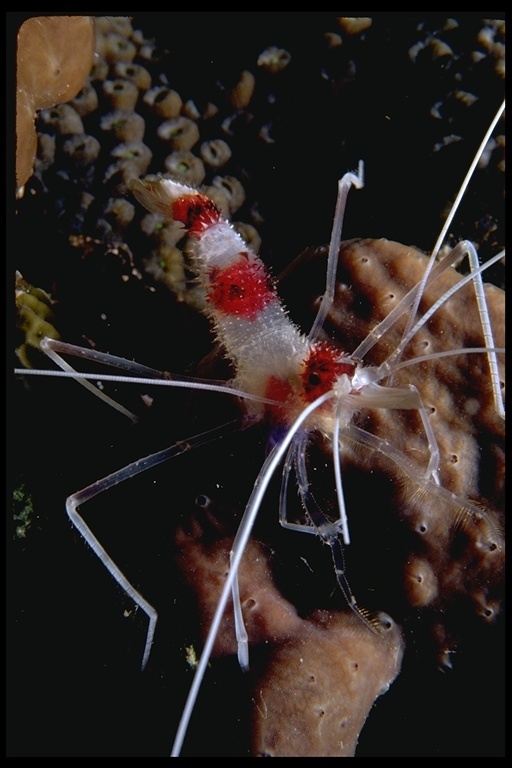
Stenopus hispidus (Olivier, 1811) (banded coral shrimp)
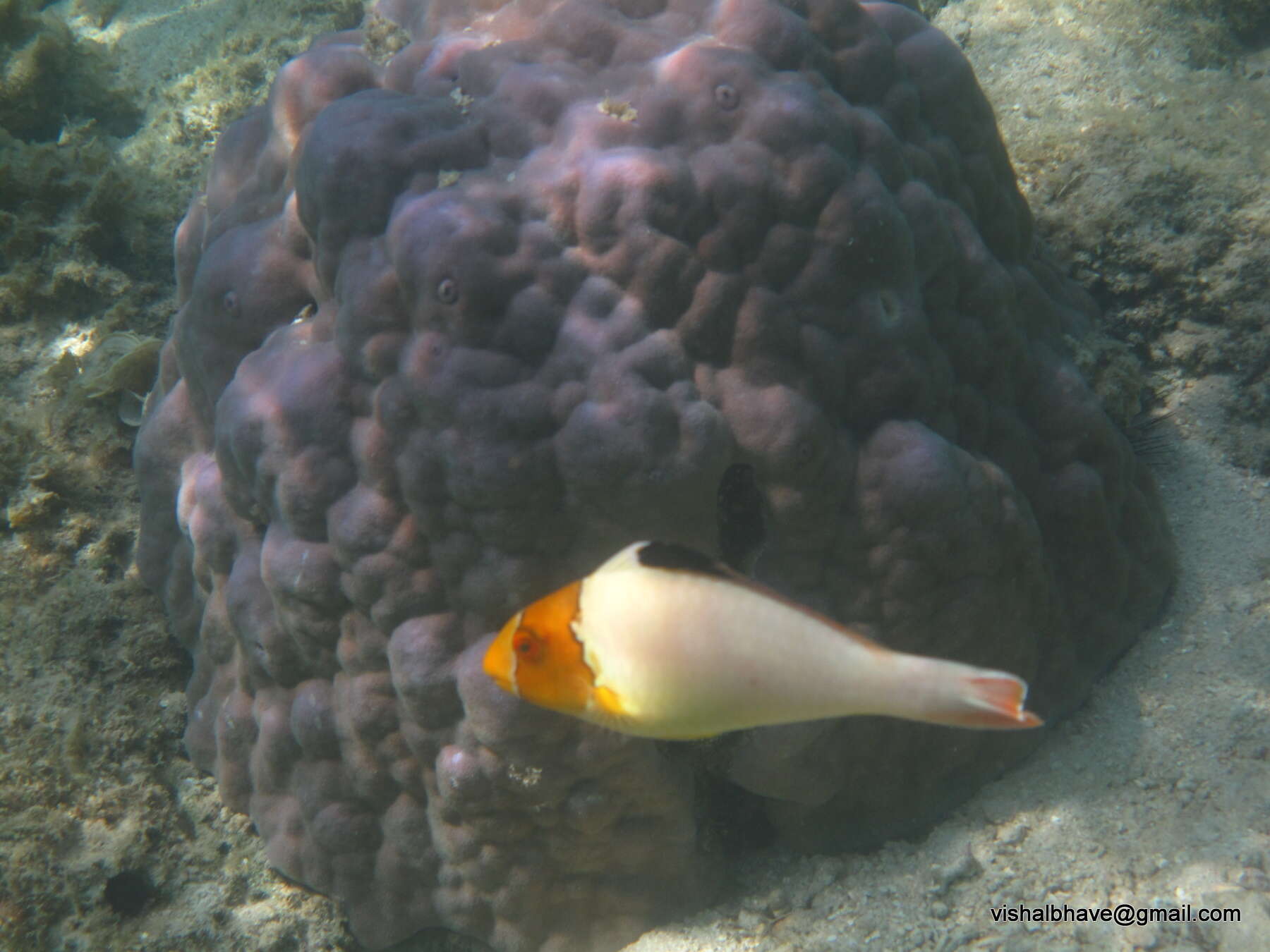
Cetoscarus bicolor (Rüppell, 1829) (Bicolour parrotfish)
Occurs in clear lagoon and seaward reefs . Juveniles usually solitary; adults form harems ; males are territorial. Goes to several changes during growth and very large females change sex to the brightly colored male. Sm...
Read More
Read More
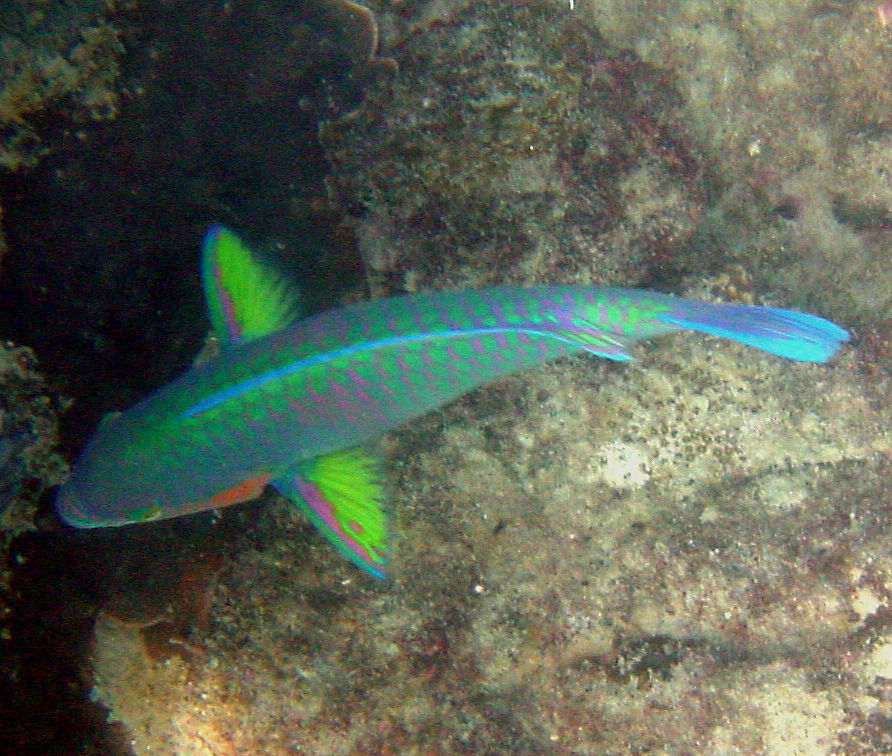
Scarus rivulatus Valenciennes, 1840 (Rivulated parrotfish)
Inhabits rocky and coral reefs from tidal pools to at least 10 m deep. Form schools with 30 to 40 individuals. Grazes on benthic algae and corals . Reproductively active terminal males become bicolored .
Chlorurus capistratoides (Bleeker, 1847) (Pink-margined parrotfish)
Found in clear coastal and inner reefs. Shallow coral and algae habitat. Usually mixes with other species when feeding .
Amphiprion ocellaris Cuvier, 1830 (false clown anemonefish)
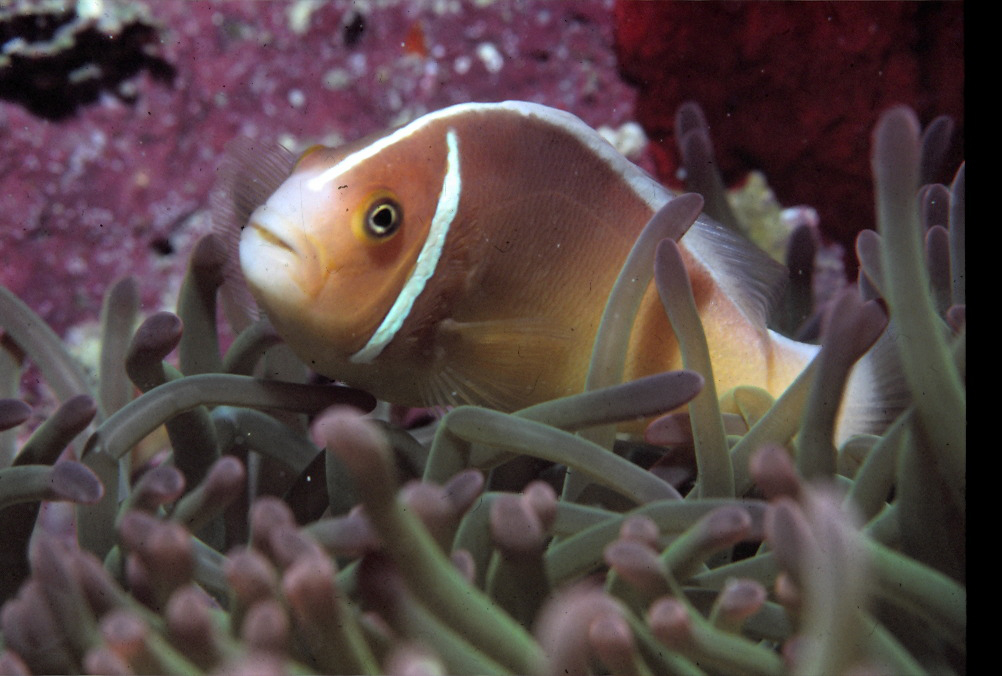
Amphiprion perideraion Bleeker, 1855 (False skunk-striped anemonefish)
Inhabits lagoon and seaward reefs . Mainly diurnal. Non-burrowing. Monogamous . A protandrous hermaphrodite . Associated with the anemones: Heteractis magnifica , Heteractis crispa, Macrodactyla doreensis, and Sticho...
Read More
Read More
Amphiprion percula (Lacepède, 1802) (Orange clownfish)
Inhabits lagoon and seaward reefs . Each group of fish consists of a breeding pair and 0-4 non-breeders. Within each group there is a size-based hierarchy: the female is largest, the male is second largest, and the non-...
Read More
Read More
Amphiprion chrysopterus Cuvier, 1830 (Two-banded anemonefish)
Inhabits passages and outer reef slopes. Known to occur at 25°C. Feeds chiefly on planktonic copepods, algae, echiuroid and sipunculoid worms, and pelagic tunicates. Associated with the anemones: Entacmaea quadricolor,...
Read More
Read More
Cirrhitus pinnulatus (Forster, 1801) (oopukai)
Inhabits reef fronts and rocky shorelines exposed to moderate to strong surge to depths of about 3 m . Benthic . Feeds primarily on crabs, also takes other crustaceans, small fishes, sea urchins or brittle stars. Marketed fresh .
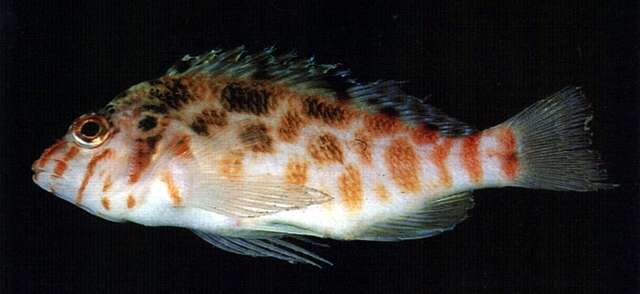
Cirrhitichthys aprinus (Cuvier, 1829) (Boar hawkfish)
A common species found in rocky and coral areas of subtidal coastal reefs . Enters shallow harbors and estuaries .
Share on Social Networks
- Facebook:

personalize your shared text as well as its destination (wall, page...) or send as a private message to a friend
- Twitter: Tweet personalize your tweet
- Google Plus:
Direct link to this dive
- Long link:
- Short link:


 We are participating today in the startup contest Techcrunch Disrupt. Support Diveboard by voting for us!
























































































Beach/ muck dive Dauin, Negros Island, Philippines
Dauin Pier
walk in from small parking area into windy choppy 2 ft breakers
swim over boulders and coral heads near pier, then current starts ripping so must drift then circle wide to get back to shallows. ok dive , much better without the current
Alex Salboro DM guide