


 Beachnutts


 Philippines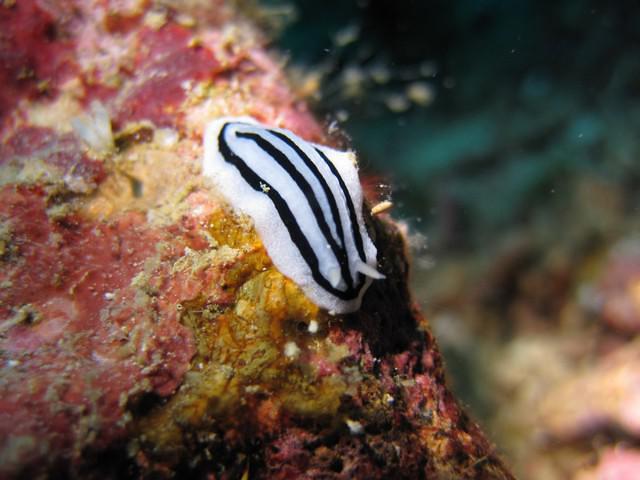
-
Nº59
 Date: 2023-01-21 - 01:19
-
 Max Depth: 24.1m Duration: 73mins
Dive Location

- Surface interval:76 mins
- Temp: Surf 27°C Bottom 27°C
- Dive type : Recreational, Reef, Photo
- Visibility: Average Water: Salt
Specific gear used
- BCD: Scubapro - Glide Plus
- Boots: Orca - Dive shoes
- Camera: Canon - Powershot SD780
- Computer: Oceanic - OCS
- Fins: Scubapro - Jet Fins
- Knife: Scuba MAx - folding
- Lift bag: ScubaMax - SMB
- Mask: Promate - Scope
- Regulator: Aqualung - Titan LX
- Wet suit: Blue Ocean - Diveskin
- Weights: 3.2 kg
Dive reviews
| Overall review | ||
| Dive difficulty | ||
| Marine life quality |
Recent Divers in Talicud island, Davao

Recent Pictures in Talicud island, Davao
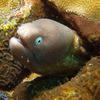
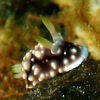
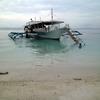
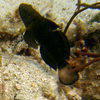
Dive Shop & Buddies
 Dive with Maeng from Scubaqua Dive Center

Link to this spot:
- Spot:
- Country:
- Area:
- Body of water:
Dive Profile
- 1. Air
- 10L Aluminium 207 → 21 bar
- Average depth: 16.1m
Data provided by EOL.org



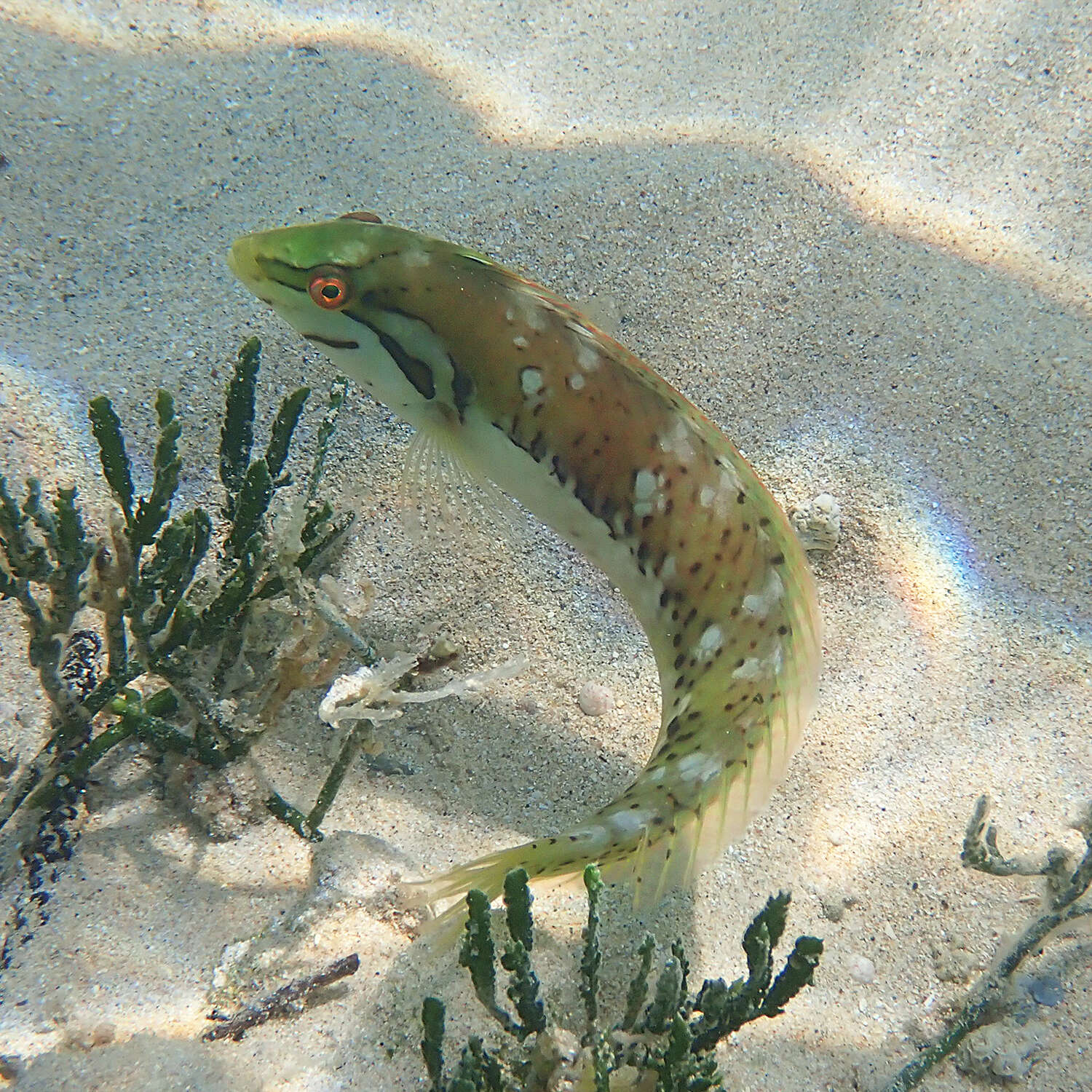
Species Identified
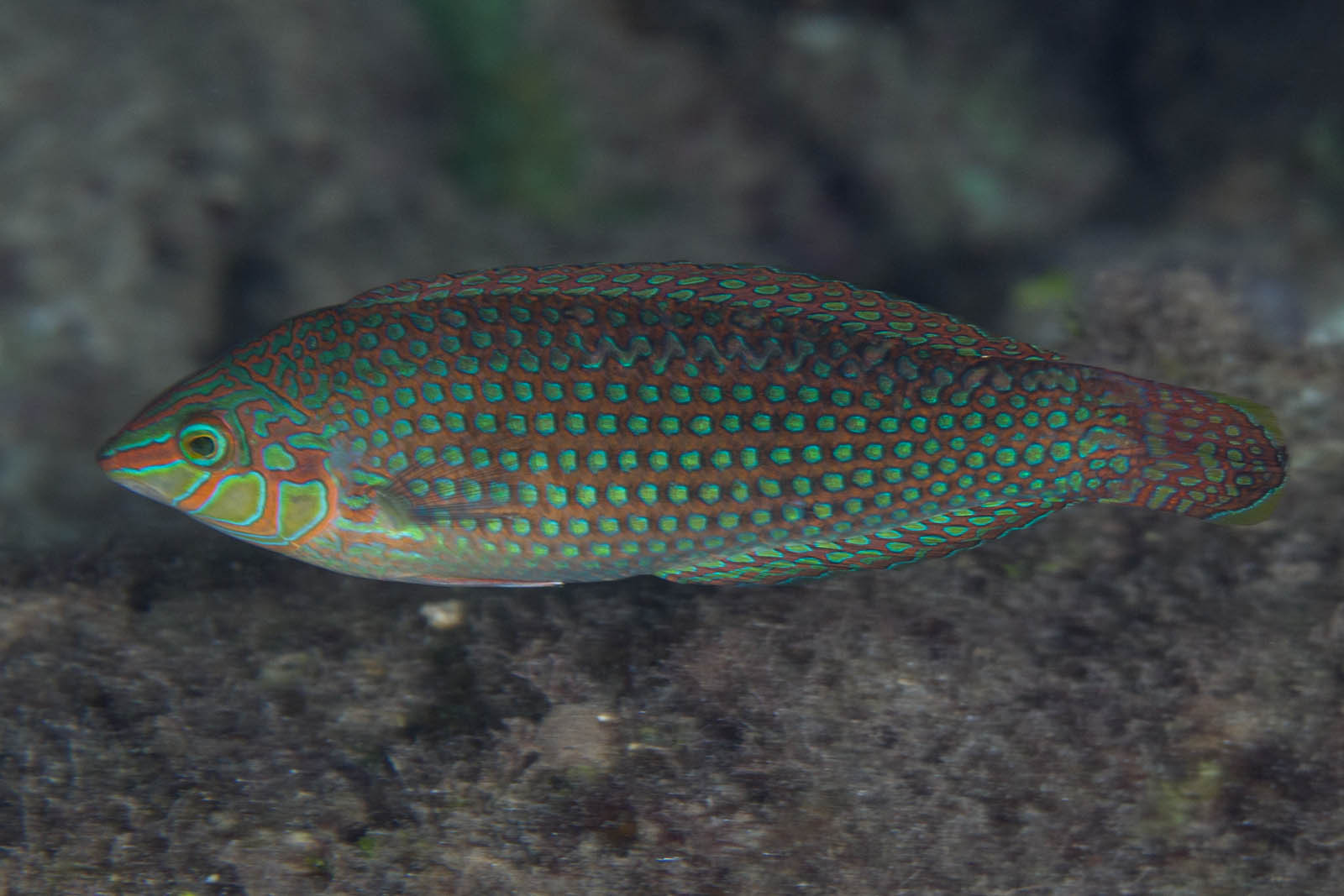
Halichoeres argus (Bloch and Schneider, 1801) (Argus wrasse)
Inhabits shallow coastal reefs and seagrass flats , also in algae-rocky reef flats and lagoons .
Halichoeres semicinctus (Ayres, 1859) (rock wrasse)
Xiphocheilus typus Bleeker, 1857 (Blue-banded wrasse)
Lives on flat sandy bottoms or rubble .
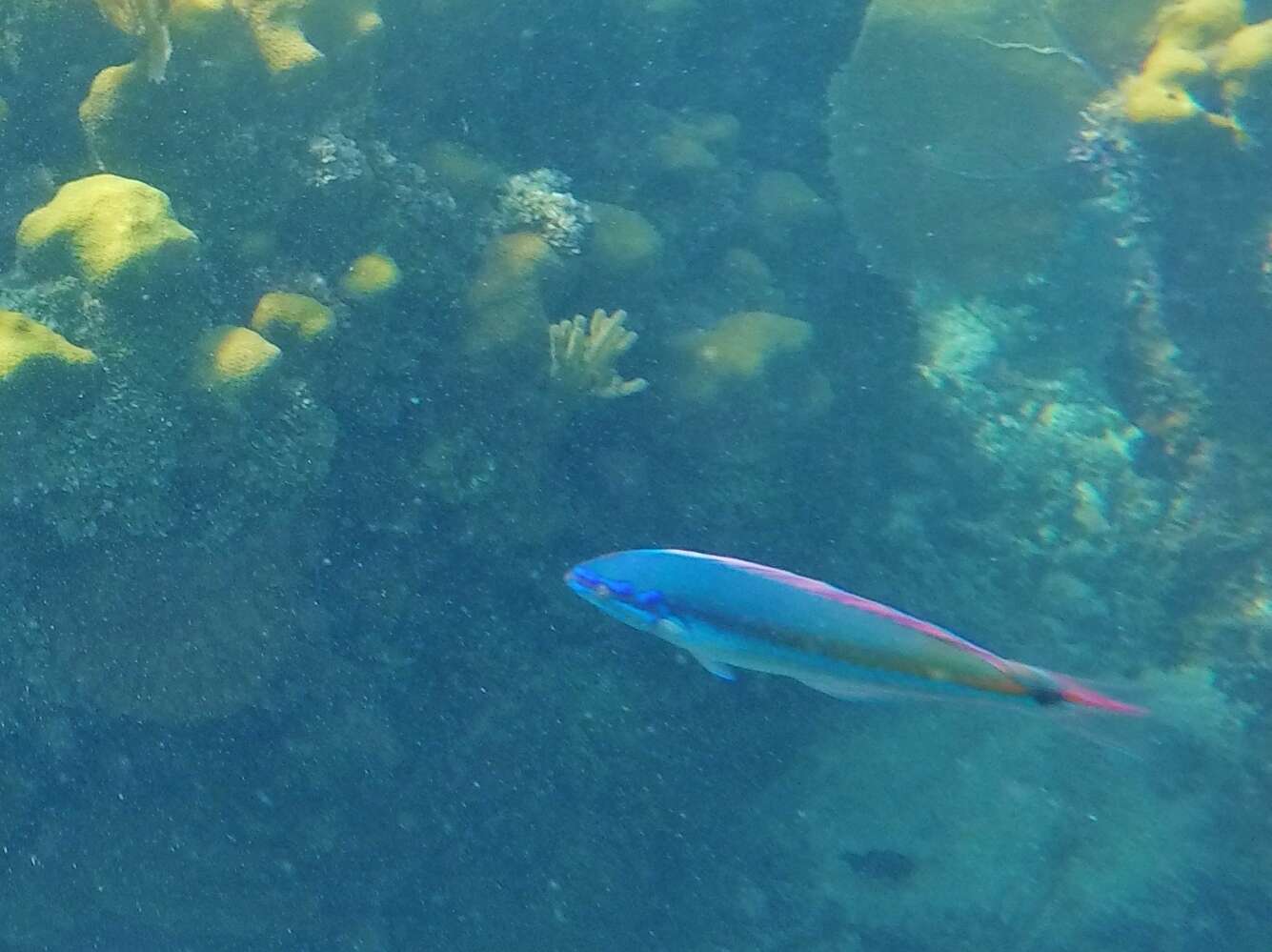
Halichoeres pictus (Poey, 1860) (painted wrasse)
Inhabits coral reefs, normally high above the bottom. Swims with worm-like movements. Feeds on various invertebrates. A protogynous hermaphrodite . Generally of no interest to fisheries because of its small average size .
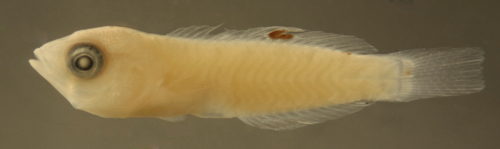
Halichoeres poeyi (Steindachner, 1867) (blackear wrasse)
Commonly found in clear seagrass beds; uncommon on reefs or muddy bays . A protogynous hermaphrodite . Generally of no interest to fisheries because of its small average size .
Cymolutes praetextatus (Quoy and Gaimard, 1834) (Knife razorfish)
Inhabits reef flats and shallow lagoons, in sandy, current-swept areas with rubble and weed . Capable of diving into the sand with the approach of danger. Rarely caught by fishers or aquarium collectors .
Novaculichthys macrolepidotus (Bloch, 1791) (Seagrass wrasse)
Found in seagrass beds and sandy algal flats of lagoons and mangrove channels. Secretive amongst the vegetation and well-camouflaged .
Share on Social Networks
- Facebook:

personalize your shared text as well as its destination (wall, page...) or send as a private message to a friend
- Twitter: Tweet personalize your tweet
- Google Plus:
Direct link to this dive
- Long link:
- Short link:


 We are participating today in the startup contest Techcrunch Disrupt. Support Diveboard by voting for us!
























































































Datu Budas 2 nd dive @ Angel's Cove towards Dizon Wall
Drop in SE side Angels Cove swim to depth to boulders area then top star of Dizon Wall. Short time at depth 10 mins to deco, rest of dive in shallows and back to boat
Large stonefish highlight