


 Beachnutts


 Philippines
-
Nº112
 Date: 2023-11-25 - 02:34
-
 Max Depth: 13.7m Duration: 84mins
Dive Location

- Surface interval:116 mins
- Temp: Surf 27°C Bottom 27°C
- Dive type : Recreational, Drift, Reef, Photo
- Visibility: Average Water: Salt
Specific gear used
- BCD: Scubapro - Glide Plus
- Boots: Orca - Dive shoes
- Camera: Olympus - TG6
- Computer: Oceanic - OCS
- Fins: Scubapro - Jet Fins
- Light: Sofirn - SD05
- Mask: Promate - Scope
- Regulator: Aqualung - Legend
- Wet suit: Blue Ocean - Diveskin
- Weights: 3.2 kg
Dive reviews
| Overall review | ||
| Dive difficulty | ||
| Marine life quality |
Dive Shop & Buddies
 Dive with Blake Auge

Link to this spot:
- Spot:
- Country:
- Area:
- Body of water:
Dive Profile
- 1. Air
- 10L Aluminium 207 → 21 bar
- Average depth: 9.1m
Data provided by EOL.org





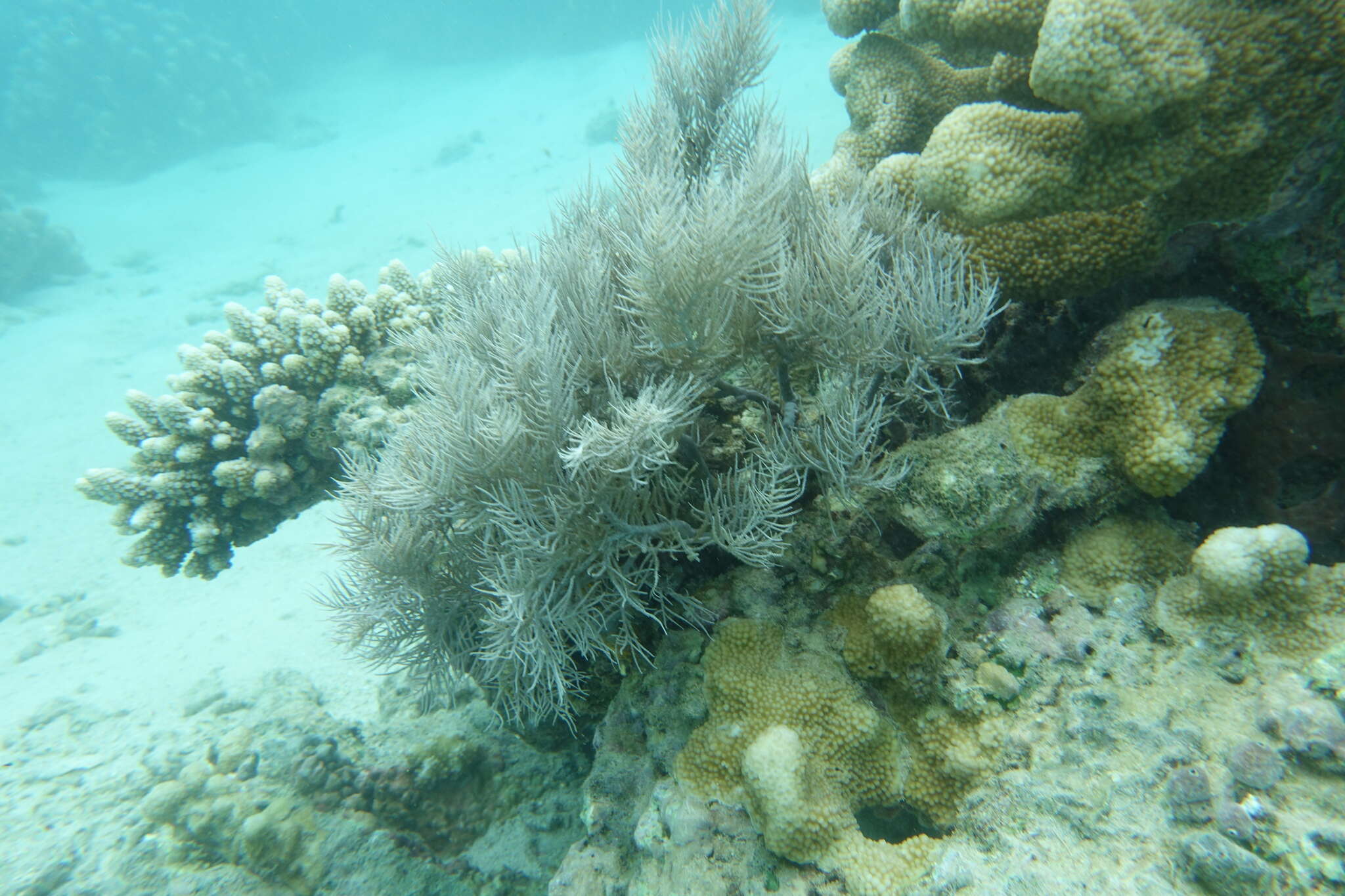
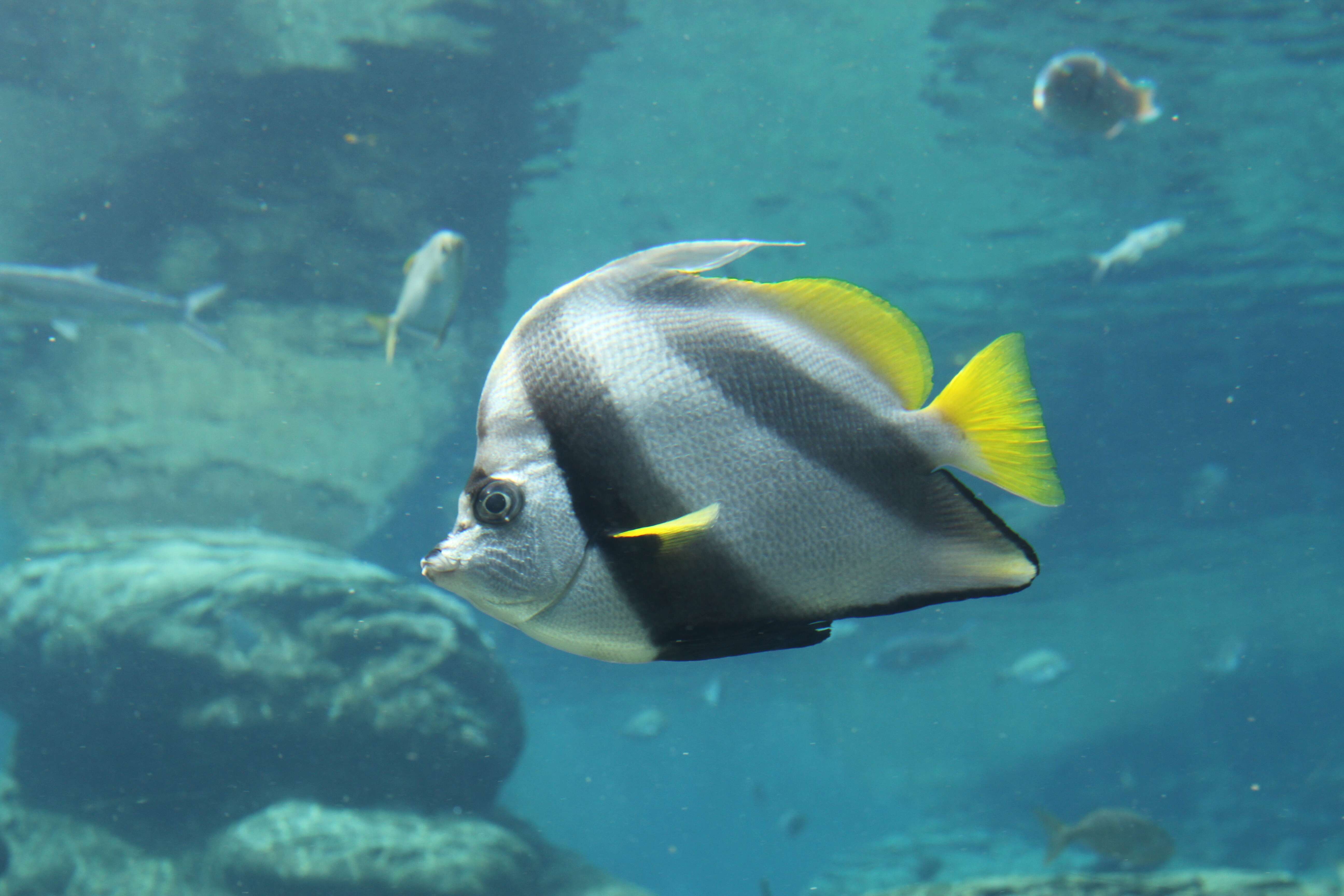

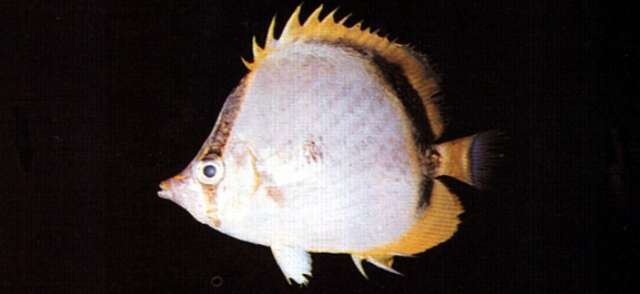
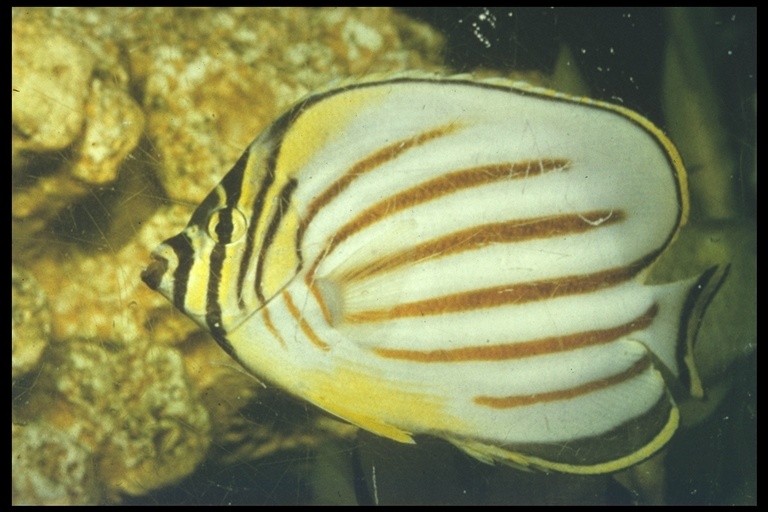

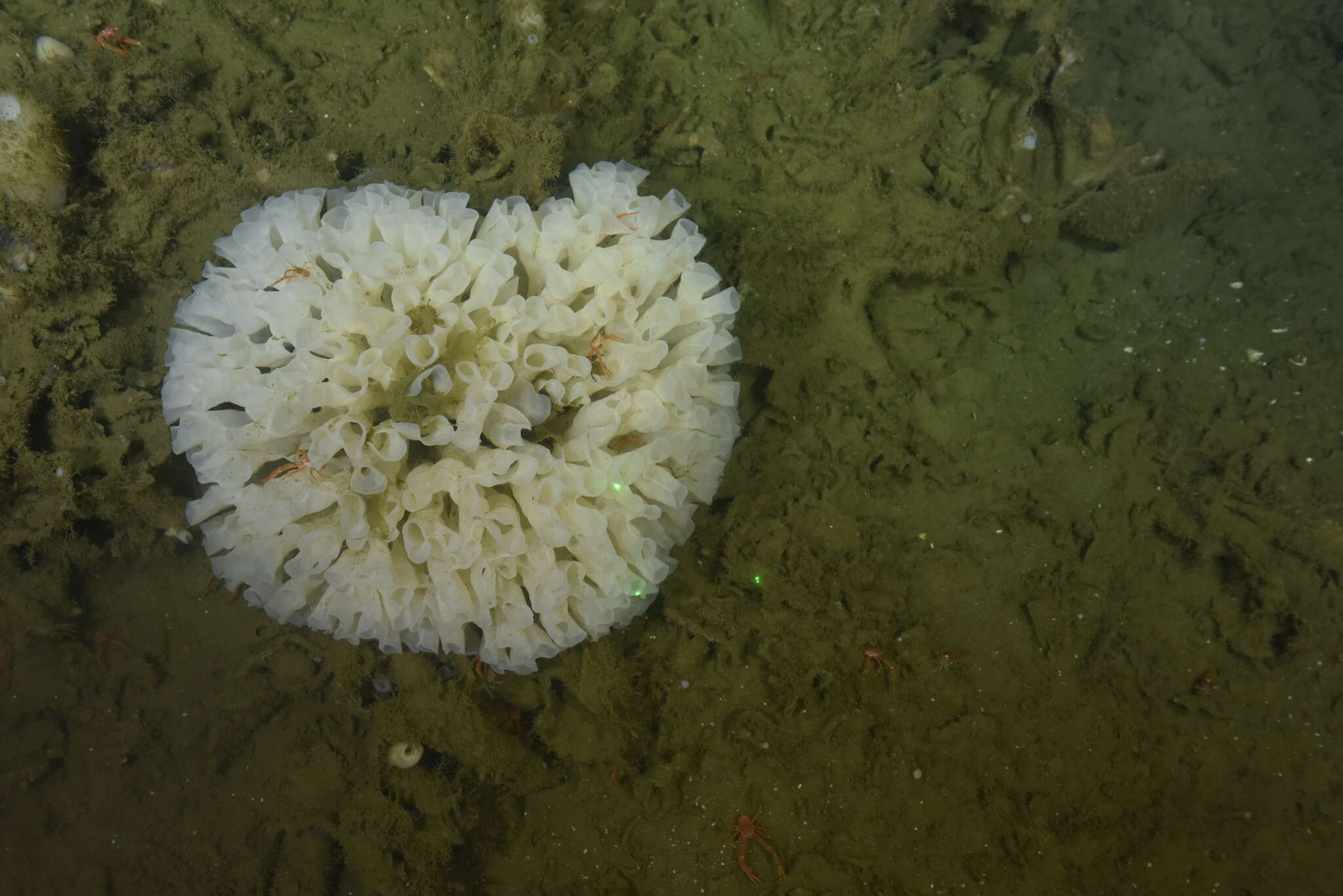


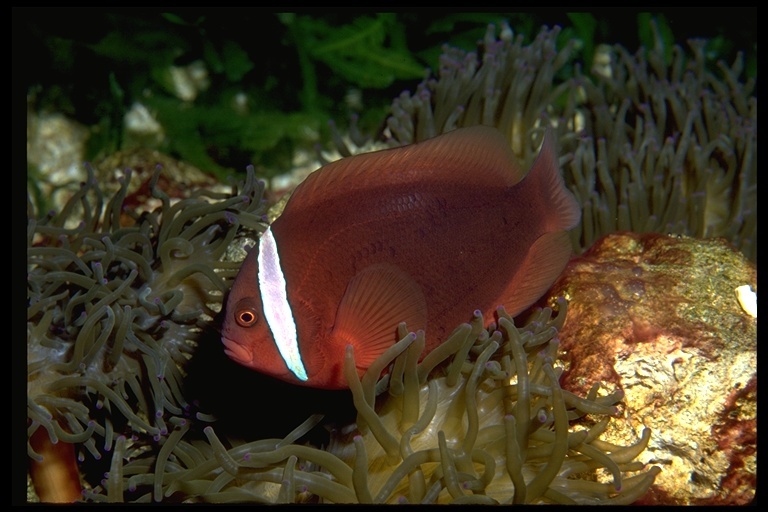

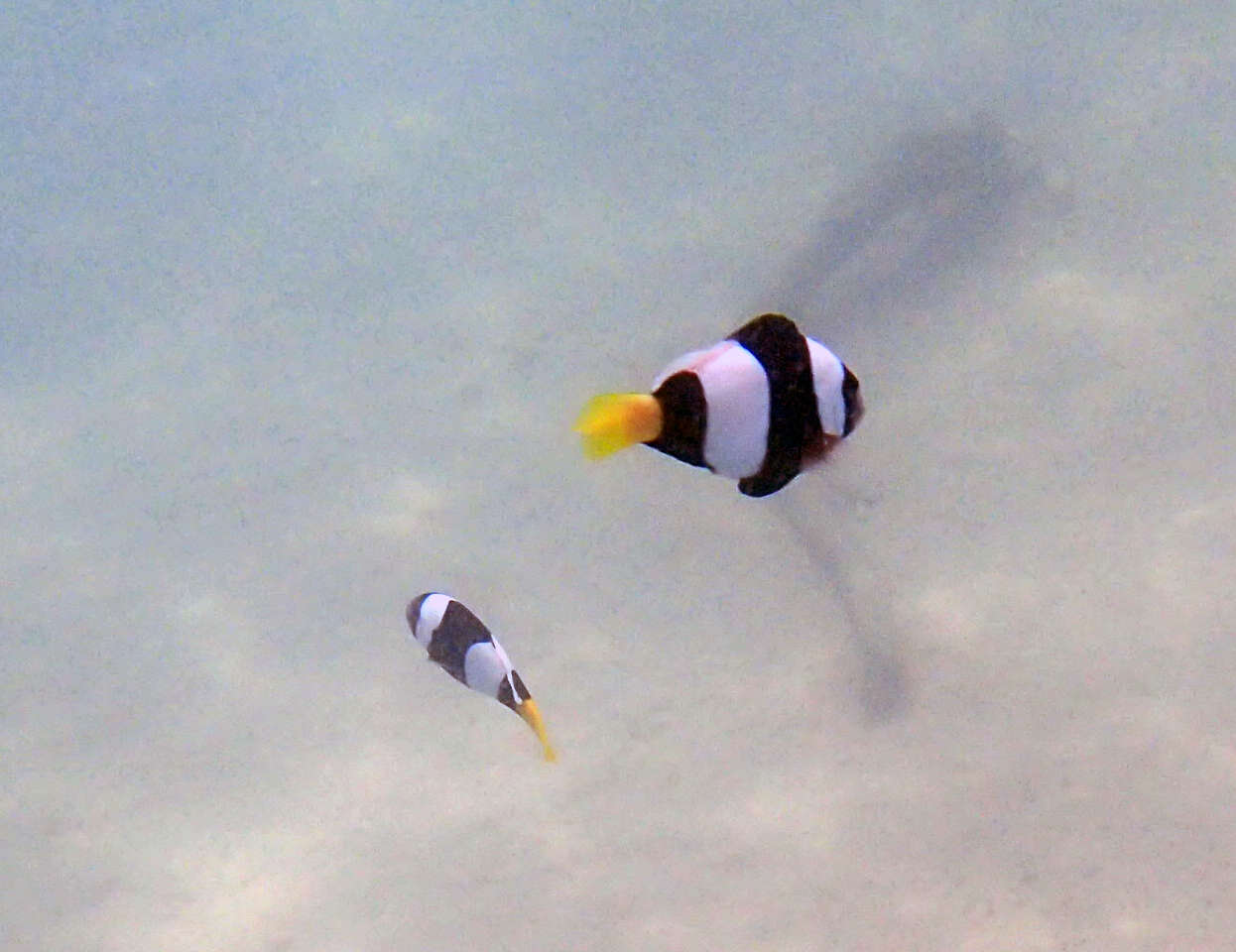
Species Identified
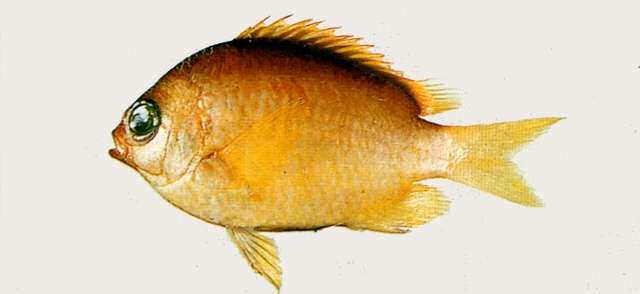
Amblyglyphidodon curacao (Bloch, 1787) (Black-snouted sergeant-major)
Inhabits lagoons, coastal embayments, reef passages and outer reefs. Juveniles often found among Sarcophyton and Sinularia soft corals. Feeding aggregations are frequently observed over growths of the staghorn coral Acro...
Read More
Read More
Dascyllus aruanus (Linnaeus, 1758) (black-and-white damselfish)
Territorial, inhabit shallow lagoon and subtidal reef flats. Form large aggregations above staghorn Acropora thickets or in smaller groups above isolated coral heads. Feed on zooplankton, benthic invertebrates, and algae...
Read More
Read More
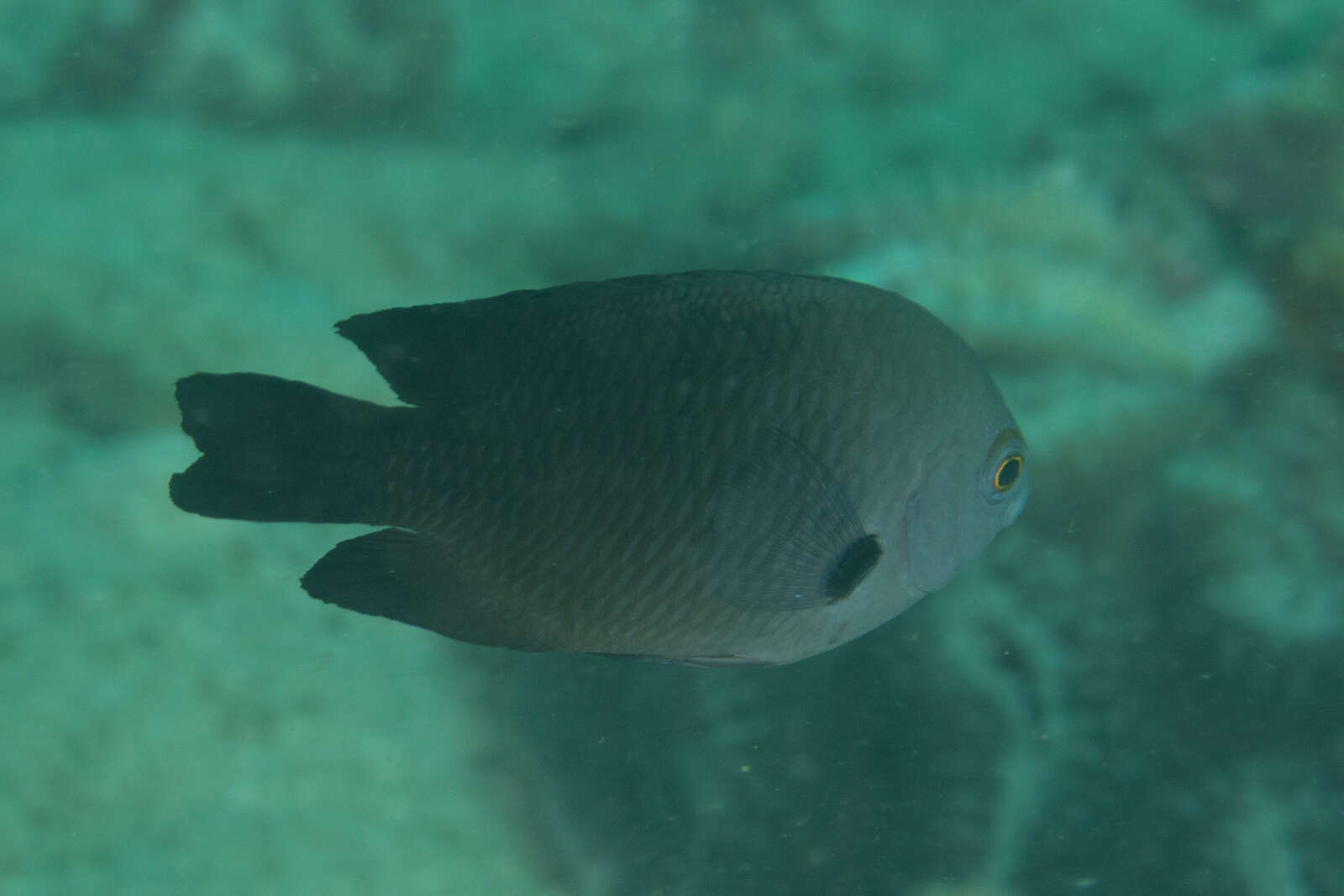
Pomacentrus brachialis Cuvier, 1830 (Charcoal damsel)
Found in passages and outer reef slopes ; also in current prone and clear water reef flats to 40 m depth . Occurs singly or in small groups . Feeds on zooplankton and benthic algae .
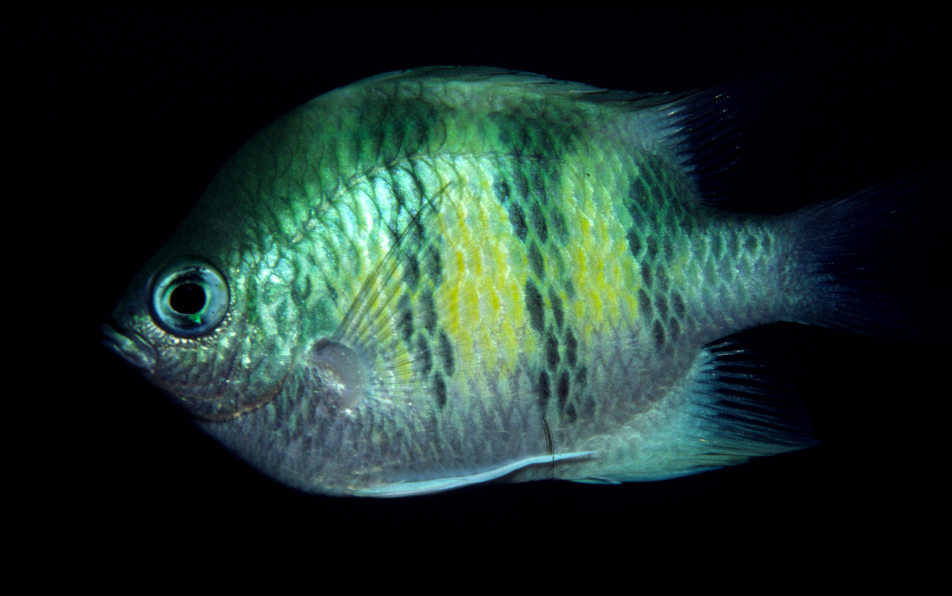
Chrysiptera biocellata (Quoy and Gaimard, 1825) (bluebanded damselfish)
Occurs in protected inner reef flats and shallow lagoons and channels, over rubble and rocky outcrops. Feeds primarily on filamentous algae.
Pomacentrus amboinensis Bleeker, 1868 (Ambon damsel)
An ubiquitous species found in lagoons, coastal reefs, passages and outer reef slopes. Inhabits sandy areas around coral or rock outcrops or other protective shelter. Usually in small groups . Feeds primarily on algae, but also takes zooplankton. Has been reared in captivity (Ref. 35404.
Chromis analis (Cuvier, 1830) (Brown puller)
Usually inhabits steep outer reef slopes and rocky bottoms. Found singly or in small groups. Uncommon .
Chrysiptera brownriggii (Bennett, 1828) (Surge demoiselle)
Occurs in rubble-strewn surge channels, the outermost reaches of exposed reef flats, and the upper submarine terrace at 12 meters. Territorial but generally occurs in groups, and remains close to shelter. Feeds mainly on benthic algae and small crustaceans .
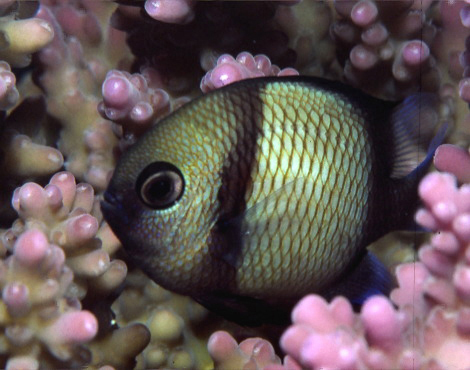
Dascyllus reticulatus (Richardson, 1846) (twostriped damselfish)
Occurs in outer lagoon and seaward reefs. Inhabits branching coral heads, particularly Pocillopora eydouxi. Forms schools, often in silty habitats . Male prepares a nest by cleaning with its mouth a rock or coral surface where the female will attach the eggs .
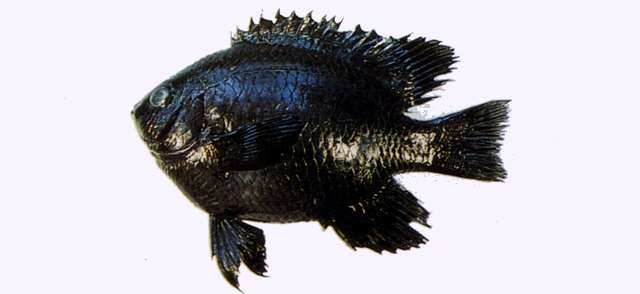
Neoglyphidodon melas (Cuvier, 1830) (black damselfish)
Found in coral-rich areas of lagoon and seaward reefs and usually associated with soft corals on which it feeds . Occur singly or in pairs . Juveniles are encountered in around staghorn Acropora corals . Adults often near Tridacna clams and may feed on their feces .
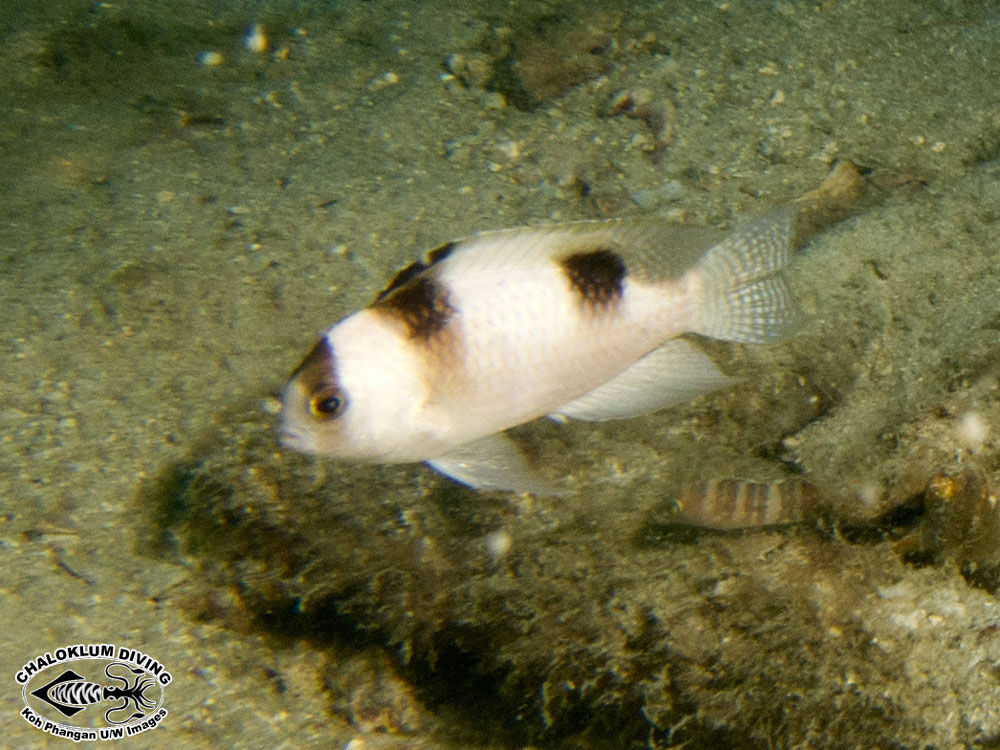
Dischistodus fasciatus (Cuvier, 1830) (Banded damsel)
Inhabits silty lagoon and coastal reefs around coral outcrops and seagrass beds . Often adjacent to clear mangrove coasts among rubble and Sargassum algae, to a few meters depth .
Dischistodus melanotus (Bleeker, 1858) (Black-vent damsel)
Occurs in lagoon reefs and generally prefers small patch reefs with sand or rubble substrates . Feeds on benthic algae which it aggressively guards against other herbivores . Juveniles secretive in rubble .
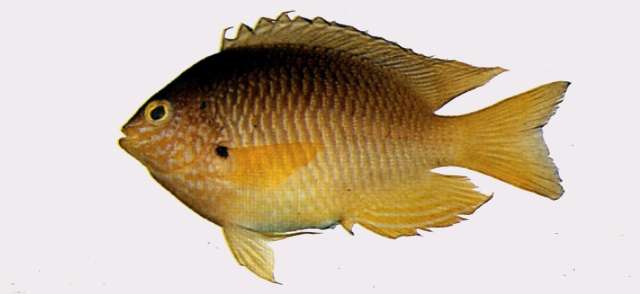
Pomacentrus lepidogenys Fowler and Bean, 1928 (Scaly damsel)
Inhabits lagoons, passages, and outer reef slopes. Feeds on zooplankton in the water column, a short distance from the bottom. Occurs singly or in small groups.
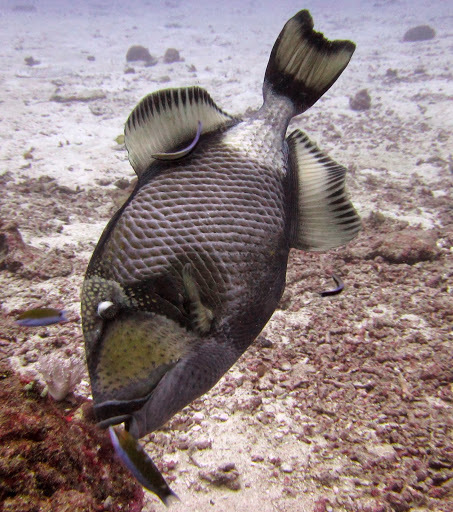
Balistoides viridescens (Bloch and Schneider, 1801) (Titan triggerfish)
Occur in lagoon, seaward reefs and sheltered inner reef slopes . Juveniles often associated with isolated patches of branching coral or rubble of shallow sandy protected areas. Adults occur singly or in pairs on the slo...
Read More
Read More
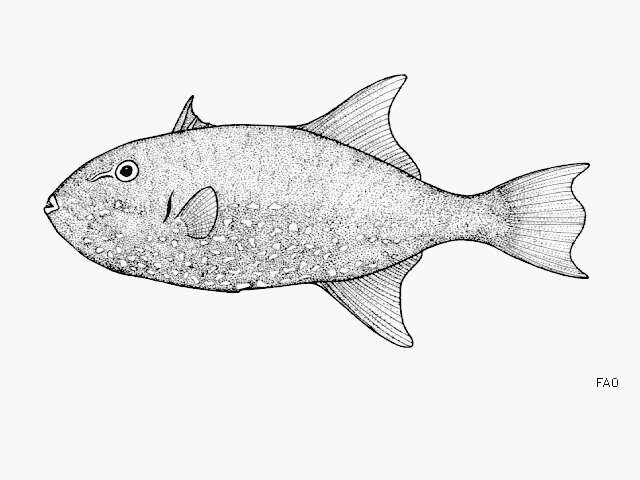
Canthidermis maculata (Bloch, 1786) (Spotted oceanic triggerfish)
Balistapus undulatus (Park, 1797) (Orange-lined triggerfish)
Occurs in coral-rich areas of deep lagoon and seaward reefs from the lower surge zone to at least 50 meters, Ref. 48637. Feeds on a variety of benthic organisms such as algae, echinoderms, fishes, mollusks, tunicates, spo...
Read More
Read More
Eleutherobia splendens (Thomson & Dean, 1931)
Subergorgia suberosa (Pallas, 1766)
Placogorgia dendritica Nutting, 1910
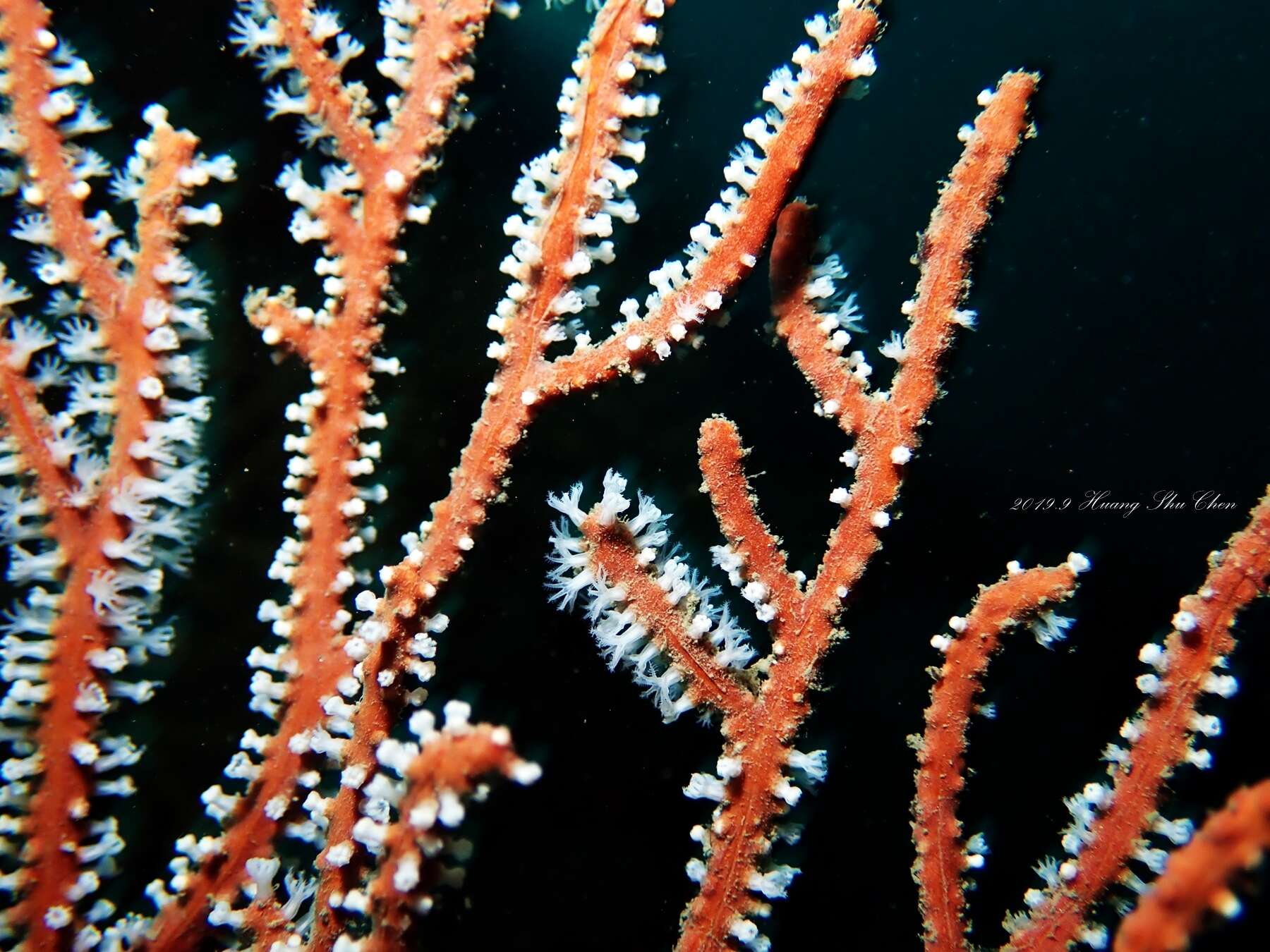
Chromonephthea franseni van Ofwegen, 2005
Plumigorgia hydroides Nutting, 1910
Heniochus diphreutes Jordan, 1903 (False moorish idol)
Occur primarily along outer reef slopes, in current channels. Juveniles in aggregations around isolated patch reefs, adults in large schools well above the bottom . In Indonesia, adults most common in depth 40-50 m, repo...
Read More
Read More
Chaetodon meyeri Bloch and Schneider, 1801 (Scrawled butterflyfish)
Chaetodon selene Bleeker, 1853 (Yellowdotted butterflyfish)
Inhabit coastal reefs, primarily on rubble slopes . Oviparous . Adults usually swim in pairs in search of small benthic invertebrates .
Chaetodon ornatissimus Cuvier, 1831 (Ornate butterflyfish)
Occur in clear waters and coral-rich areas of lagoon and seaward reefs. However, only common in seaward reefs . Benthopelagic . Juveniles are solitary, living among branching corals, while adults are almost always in pa...
Read More
Read More
Cephalopholis argus Bloch and Schneider, 1801 (Grouper)
A generally common species found in a variety of coral habitats from tide pools to depths of at least 40 m; prefers the 1 to 10 m reef zone. Juvenile prefers shallow, protected coral thickets . Benthic and benthopelagi...
Read More
Read More
Stelletta purpurea Ridley 1884
Axinyssa valida (Thiele, 1899)
Farrea occa (Bowerbank, 1862)
Stelletta clavosa Ridley, 1884
Dactylospongia elegans (Thiele, 1899)
Agelas ceylonica Dendy, 1905
Stylissa massa (Carter, 1887)
Scleritoderma nodosum Thiele, 1900
Amphiprion frenatus Brevoort, 1856 (oneband anemonefish)
Found in lagoon reefs and embayment. Monogamous , protandrous hermaphrodite . Associated with the anemone Entacmaea quadricolor . Has been reared in captivity .
Premnas biaculeatus (Bloch, 1790) (Spinecheek anemonefish)
Inhabits lagoon and seaward reefs , found mainly in protected coastal waters and lagoons. Typically found in pairs in which males are much smaller than females . Feeds primarily on zooplankton and benthic algae . Has been reared in captivity . Associated with the anemone Entacmaea quadricolor .
Amphiprion sebae Bleeker, 1853 (Sebae anemonefish)
Found in coastal waters and lagoons. It grows rather large . Associated with the anemone Stichodactyla haddoni .
Share on Social Networks
- Facebook:

personalize your shared text as well as its destination (wall, page...) or send as a private message to a friend
- Twitter: Tweet personalize your tweet
- Google Plus:
Direct link to this dive
- Long link:
- Short link:


 We are participating today in the startup contest Techcrunch Disrupt. Support Diveboard by voting for us!
























































































Multilevel
Front side of Talicud, East of Mansud Wall
drift / swim with Stuart from Australia.
some large coral formations, smone GIANT clams near a cool seamount
boat pickup