


 Beachnutts



 Philippines
-
Nº146
 Date: 2024-08-04 - 01:08
-
 Max Depth: 18.3m Duration: 79mins
Dive Location

- Surface interval:82 mins
- Temp: Surf 27°C Bottom 27°C
- Dive type : Recreational, Reef, Photo, Wall Dive
- Visibility: Good Water: Salt
Specific gear used
- BCD: Scubapro - Glide Plus
- Boots: Cressi Sub - Dive Shoes
- Camera: Olympus - TG6
- Compass:
- Computer: Oceanic - OCS
- Fins: Scubapro - Go Rescue
- Lift bag: ScubaMax - SMB
- Light: Sofirn - SD05
- Mask: Promate - Scope
- Regulator: Aqualung - Legend
- Wet suit: Blue Ocean - Diveskin
- Weights: 3.2 kg
Dive reviews
| Overall review | ||
| Dive difficulty | ||
| Marine life quality |
Recent Divers in Samal island, Davao
Recent Pictures in Samal island, Davao
Dive Shop & Buddies
 Dive with Ton Ton
 Dive buddies:
Ton Ton,
Beachnutts

Link to this spot:
- Spot:
- Country:
- Area:
- Body of water:
Dive Profile
- 1. Air
- 10L Aluminium 207 → 45 bar
- Average depth: 12.2m
Data provided by EOL.org



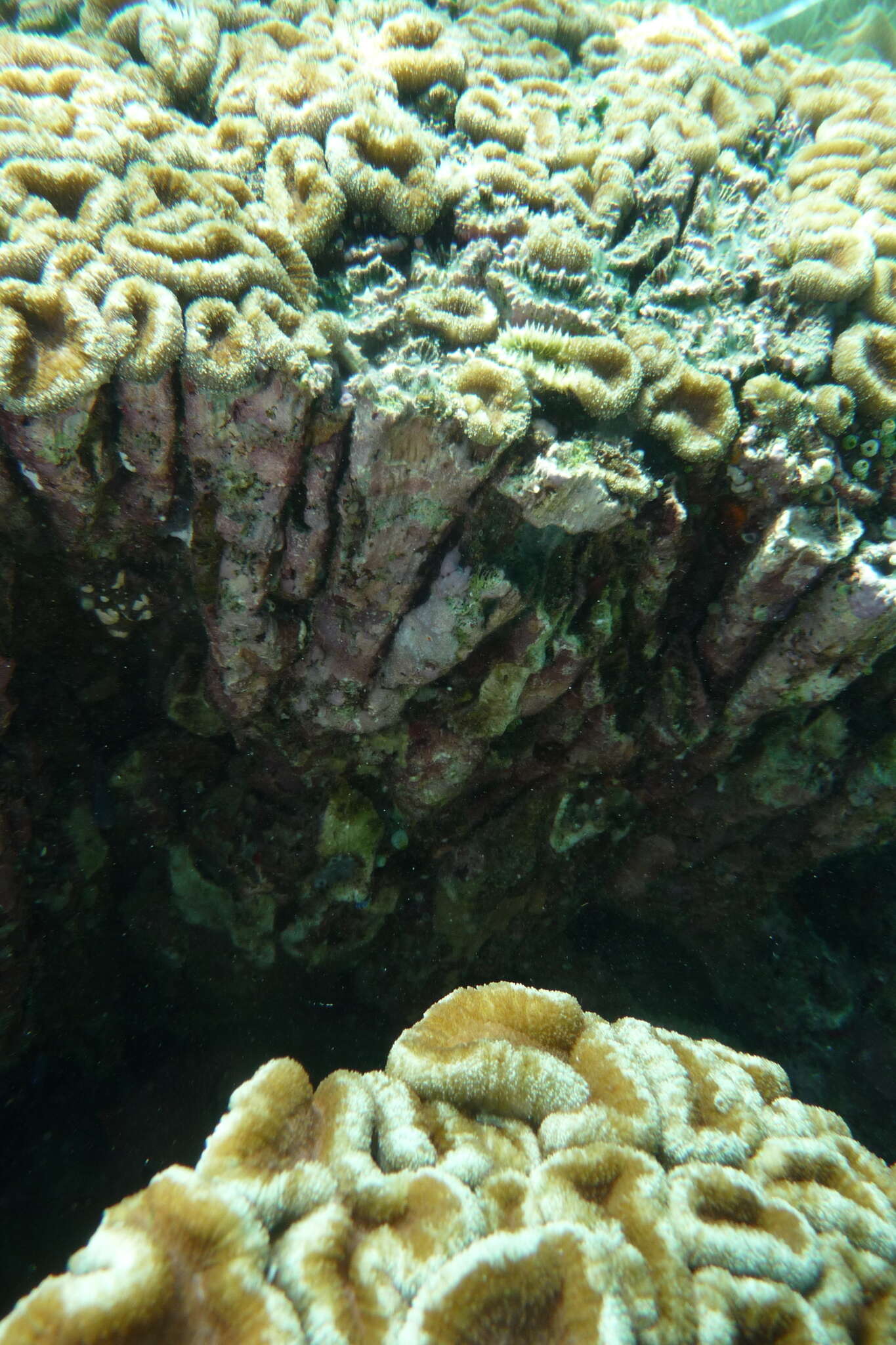
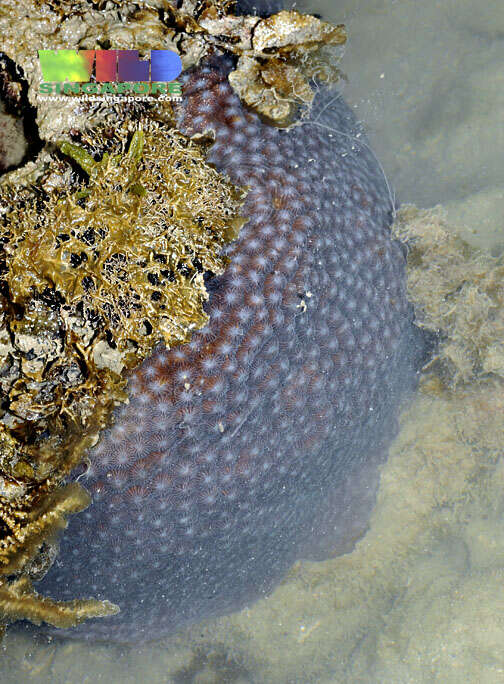

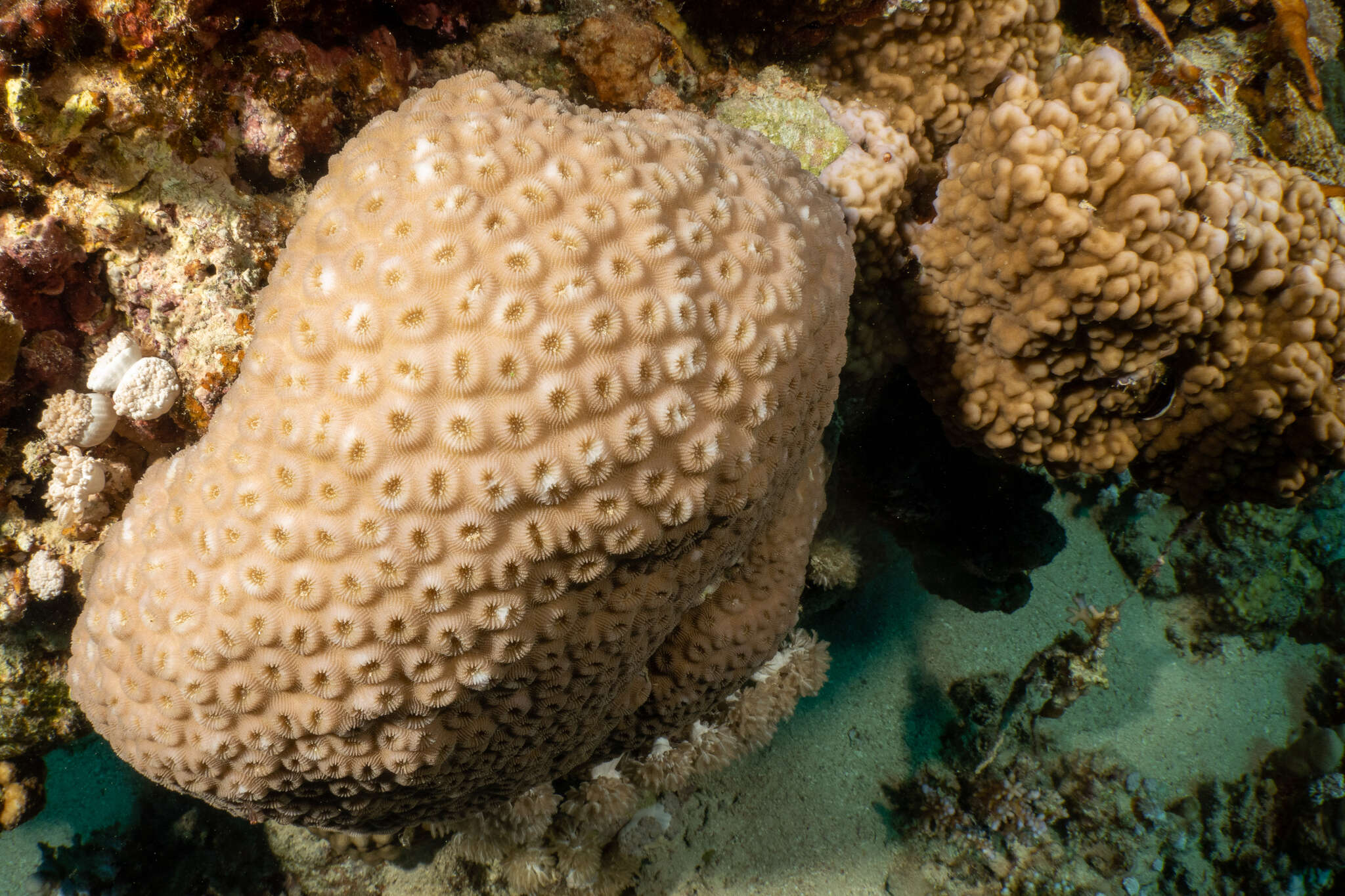
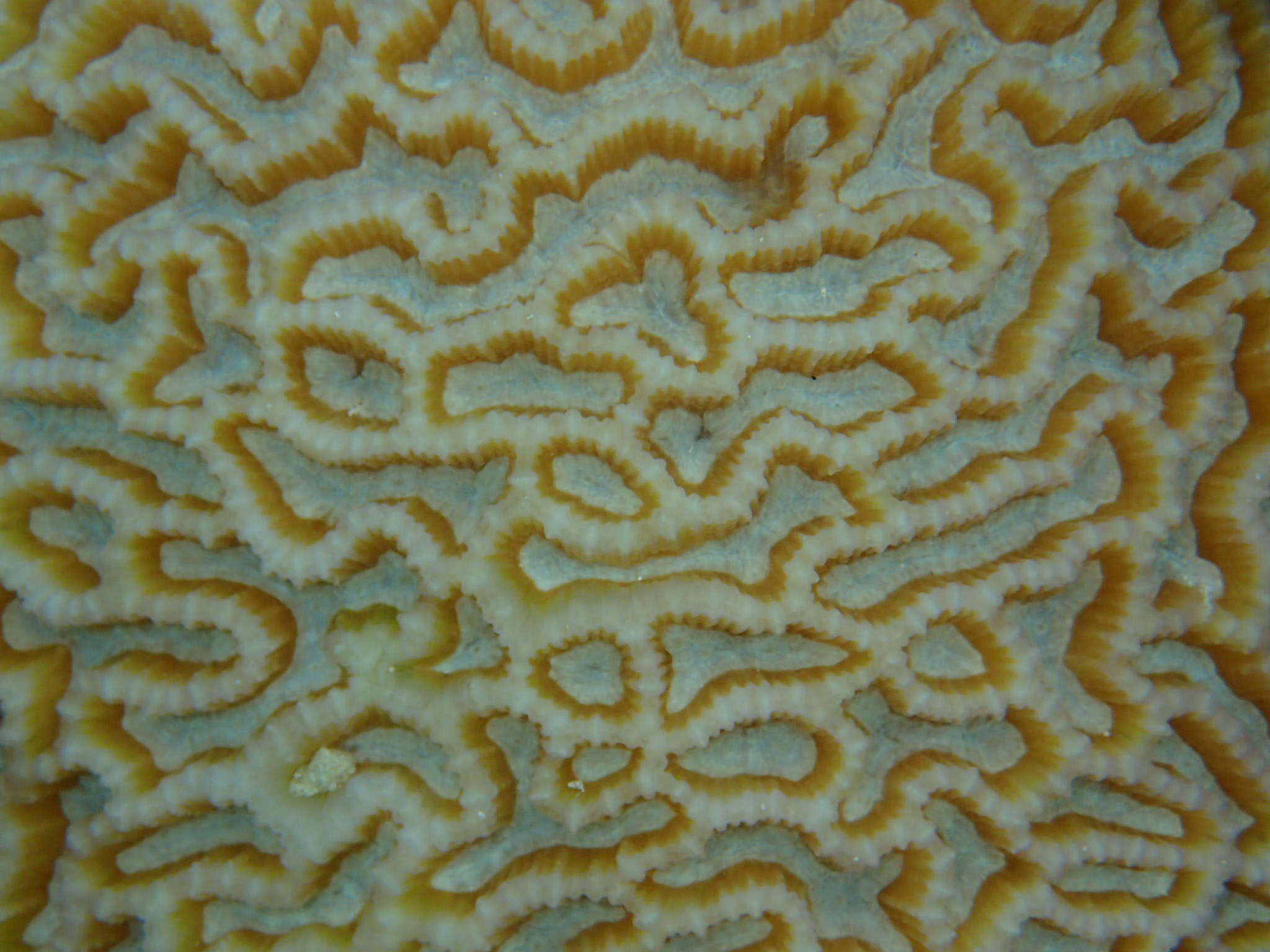

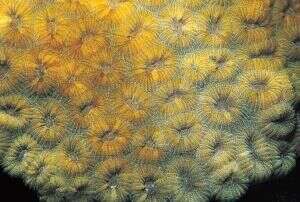


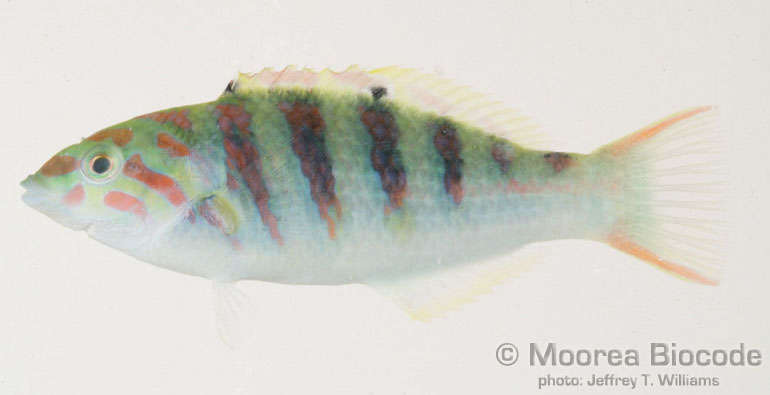

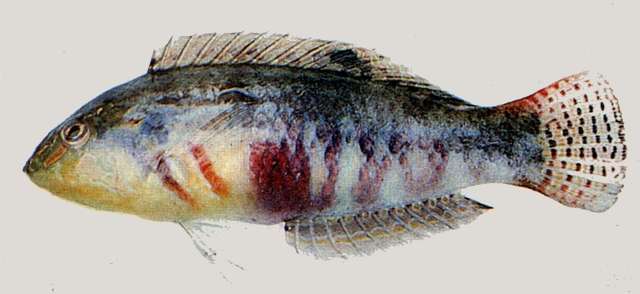
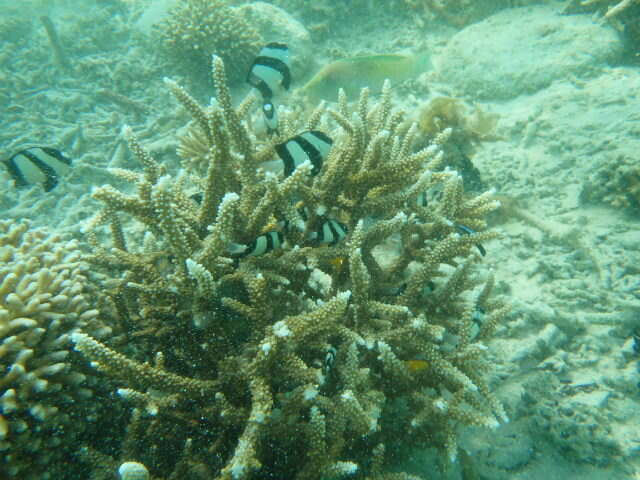

Species Identified
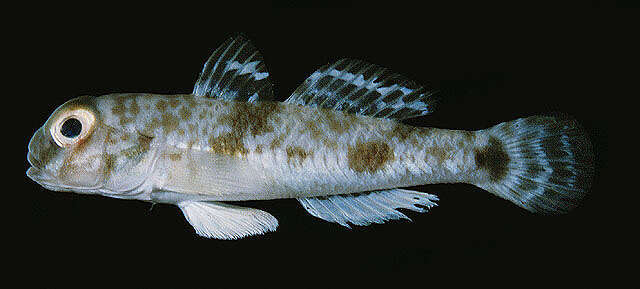
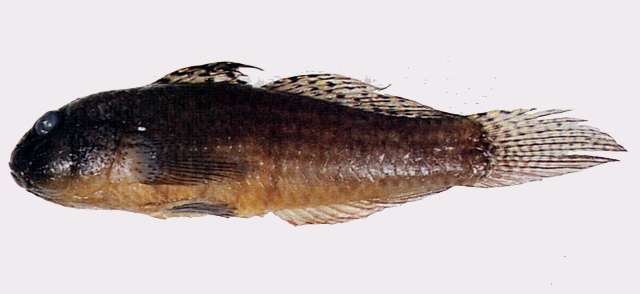
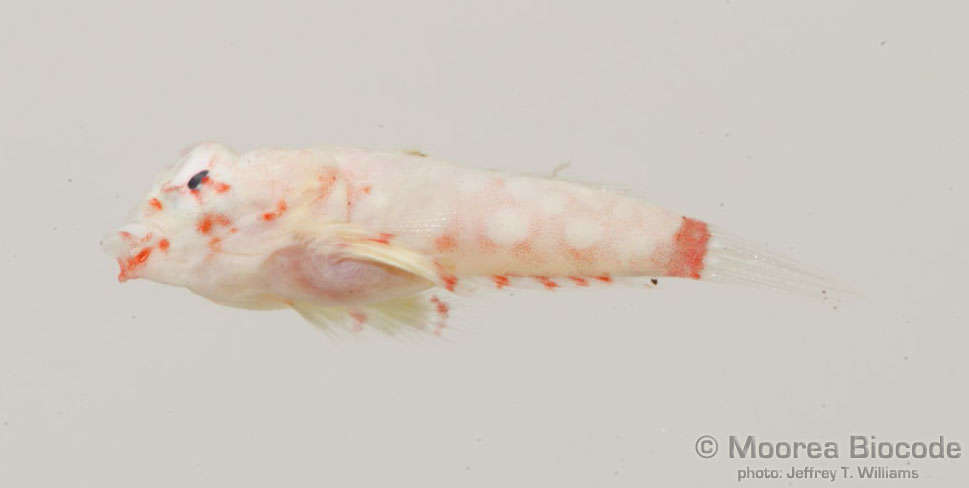
Bathygobius cyclopterus (Valenciennes, 1837) (roundfin goby)
Inhabits intertidal seaward reef flats .
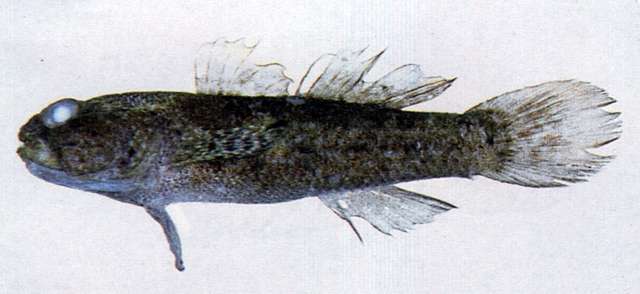
Yongeichthys criniger (Valenciennes, 1837) (horny goby)
Inhabits shallow to deep coastal mud or silty sand flats . Toxicity in this species is particularly high in the skin. Its toxicity varies with the locality and some specimens are nontoxic altogether .
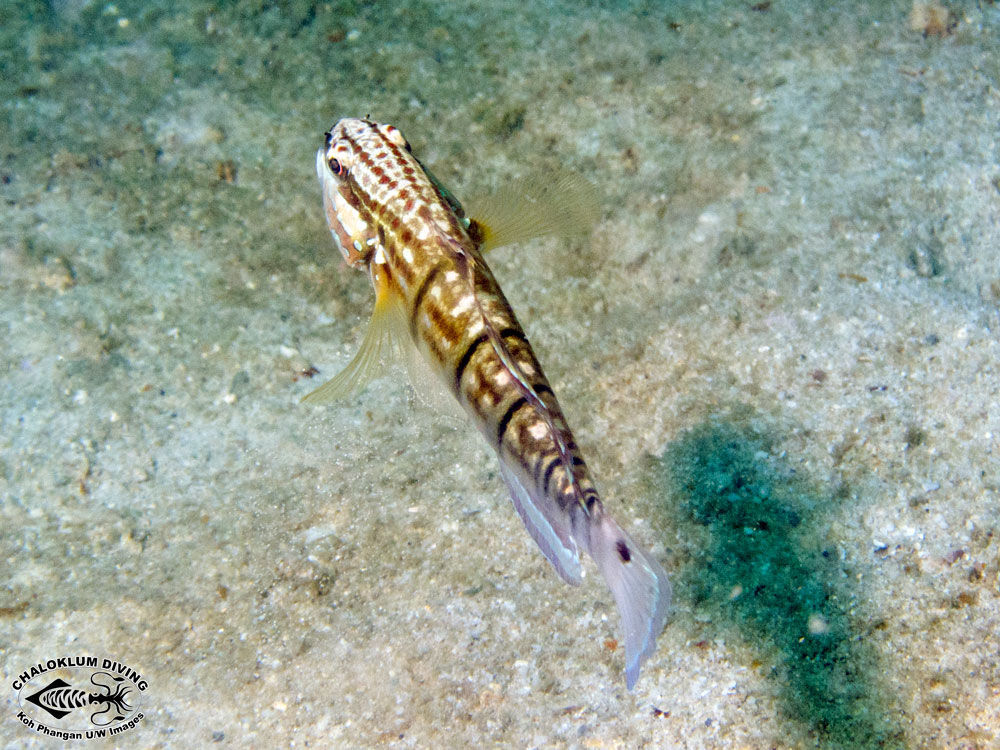
Amblygobius phalaena (Valenciennes, 1837) (Banded goby)
Adults inhabit coastal reefs and lagoons on sand and rubble margins of algal reefs and sometimes near seagrass beds . Feed by sifting mouthfuls of sand and expelling it through the gills, to capture small invertebrates, o...
Read More
Read More
Exyrias puntang (Bleeker, 1851) (Puntang goby)
Inhabits muddy bottoms of shallow, turbid marine to brackish coastal inlets and estuaries. Also lives in shallow coastal waters, large tidal pools, mangroves, siltty lagoons and brackish lakes .
Eviota melasma Lachner & Karnella, 1980 (Melasma pygmy goby)
Found on rocks of corals reefs in the infralittoral zone .
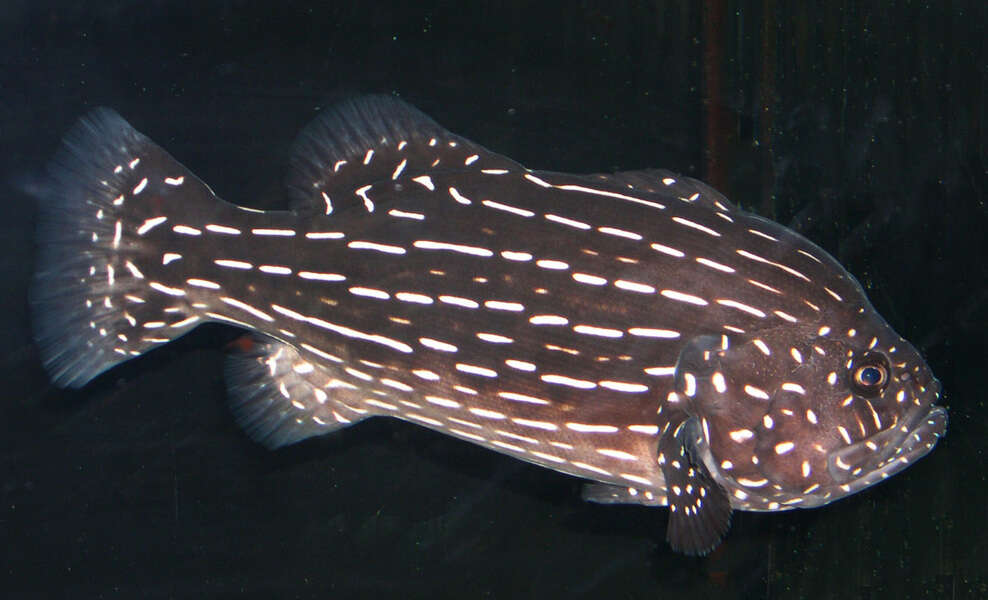
Grammistes sexlineatus (Thunberg, 1792) (Sixline soapfish)
Inhabits coastal waters over corals and rocky substrates . Usually hides beneath ledges and small caves during the day . Small juveniles have only two white stripes, dividing with growth into numerous lines. The lines b...
Read More
Read More
Lates calcarifer (Bloch, 1790) (Barramundi)
Found in coastal waters, estuaries and lagoons, in clear to turbid water . A diadromous fish, inhabiting rivers before returning to the estuaries to spawn. A protandrous hermaphrodite . Larvae and young juveniles live i...
Read More
Read More
Pseudanthias luzonensis (Katayama & Masuda, 1983) (Yellowlined anthias)
Occurs in coastal reefs, along deep slopes, usually in small aggregations. Also Ref. 48635.
Serranocirrhitus latus Watanabe, 1949 (Hawkfish anthias)
Occurs inshore near coral reefs . Also occurs in small groups near caves, ledges and drop-offs . Also a solitary species, sometimes in loose aggregations . Secretive, swims upside-down .
Lutjanus fulviflamma (Forsskål, 1775) (Dory snapper)
Inhabit coral reefs . Often in large aggregations with Lutjanus kasmira and Lutjanus lutjanus . Juveniles are sometimes found in mangrove estuaries or in the lower reaches of freshwater streams. Adults usually school on...
Read More
Read More
Lutjanus lemniscatus (Valenciennes, 1828) (Yellowstreaked snapper)
Inhabits offshore reefs and muddy habitats. Juveniles are sometimes found in the vicinity of coral reefs, often located close to the shore where silting is moderate and visibility is reduced. Adults usually very deep . Feeds on fishes and a variety of benthic invertebrates.
Favia speciosa (Dana, 1846) (Knob coral)
zooxanthellate
Cyphastrea microphthalma (Lamarck, 1816) (Lesser knob coral)
zooxanthellate
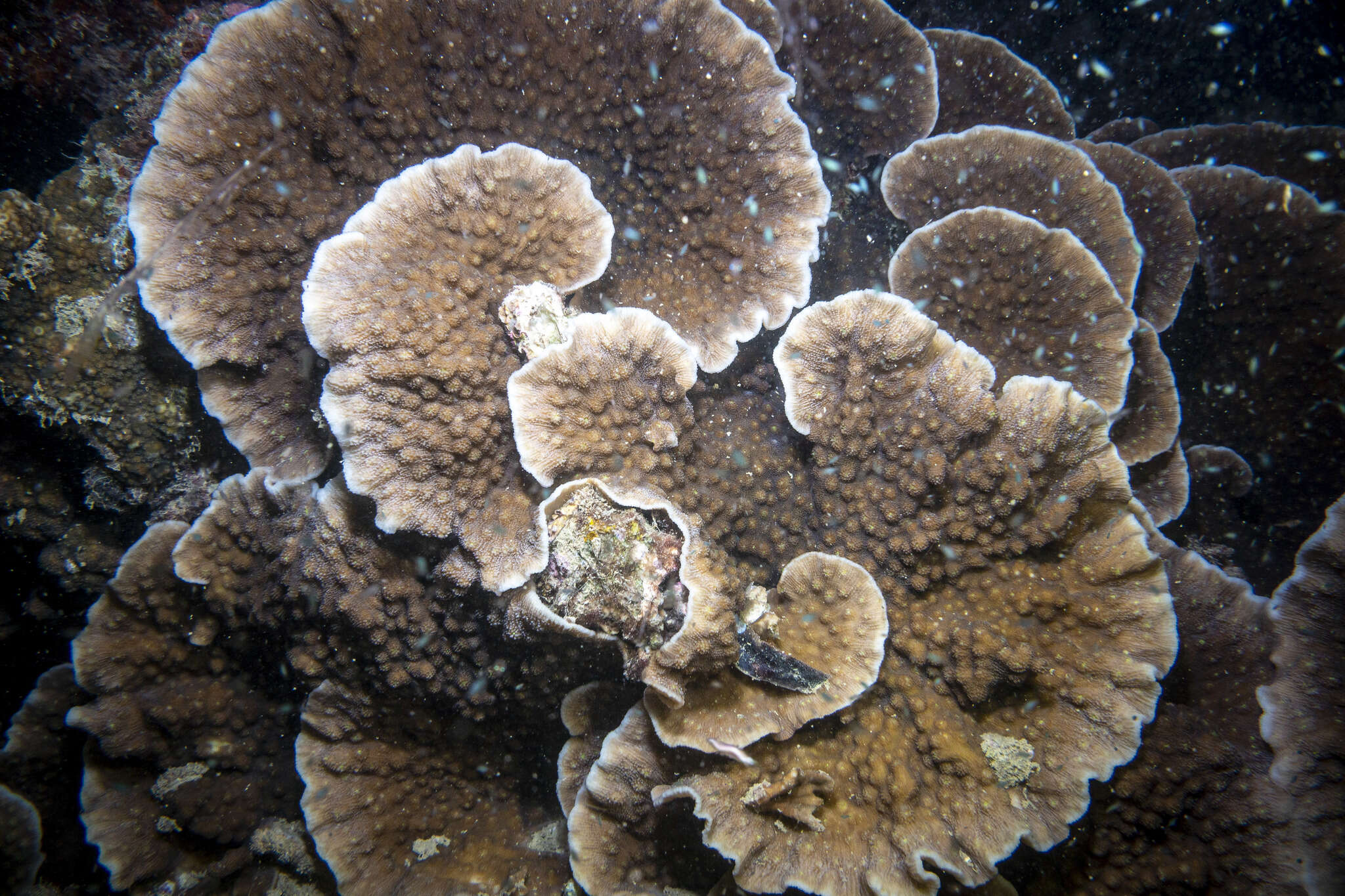
Echinopora lamellosa (Esper, 1795) (Hedgehog coral)
zooxanthellate
Lobophyllia hemprichii (Ehrenberg, 1834) (Lobed cactus coral)
zooxanthellate
Diploastrea heliopora (Lamarck, 1816) (Double-star coral)
zooxanthellate
Oulastrea crispata (Lamarck, 1816) (Zebra coral)
zooxanthellate
Favia laxa (Klunzinger, 1879) (Knob coral)
zooxanthellate
Symphyllia recta (Dana, 1846) (Sinuous cup coral)
zooxanthellate
Goniastrea retiformis (Lamarck, 1816) (Lesser star coral)
zooxanthellate
Favia favus (Forskål, 1775) (Knob coral)
zooxanthellate
Cirrhitichthys oxycephalus (Bleeker, 1855) (Coral hawkfish)
Pseudobalistes flavimarginatus (Rüppell, 1829) (Yellowmargin triggerfish)
Inhabits coastal to inner reefs and estuaries, often in silty habitats . Found on lagoon slope and floor , also coral reefs. Generally solitary or in pairs . Young form small aggregations when common while adults are us...
Read More
Read More
Sufflamen chrysopterum (Bloch & Schneider, 1801) (Halfmoon triggerfish)
Inhabit coastal to outer reefs. Habitats from silty lagoons to pristine outer reef walls . Occur in shallow lagoon and seaward reefs. Solitary and territorial. Feed on a wide variety of invertebrates. Also taken by drive-in nets . Oviparous . Monogamous .
Thalassoma hardwicke (Bennett, 1830) (Sixbar wrasse)
Occurs in shallow lagoon and seaward reefs, slopes and along drop-offs to moderate depths. Occurs in small, loose groups . Feeds on benthic and planktonic crustaceans, small fishes, and foraminiferans.
Diproctacanthus xanthurus (Bleeker, 1856) (Yellowtail tubelip)
Occur in coral rich areas of shallow lagoons and sheltered seaward reefs. Adults feed mainly on coral polyps while juveniles remove ectoparasites from small territorial fishes . Adults swim in small groups. Usually, only small juveniles clean other fishes .
Halichoeres nebulosus (Valenciennes, 1839) (Nebulous wrasse)
Inhabits reef flats, reef margins, and rocky shores . Mainly in inshore weedy areas but has been collected as deep as 40 m .
Halichoeres chloropterus (Bloch, 1791) (Pastel-green wrasse)
Inhabits shallow protected coral reefs and nearby silty sand and rubble bottoms . Feeds mainly on hard-shelled prey, including mollusks, crustaceans and sea urchins .
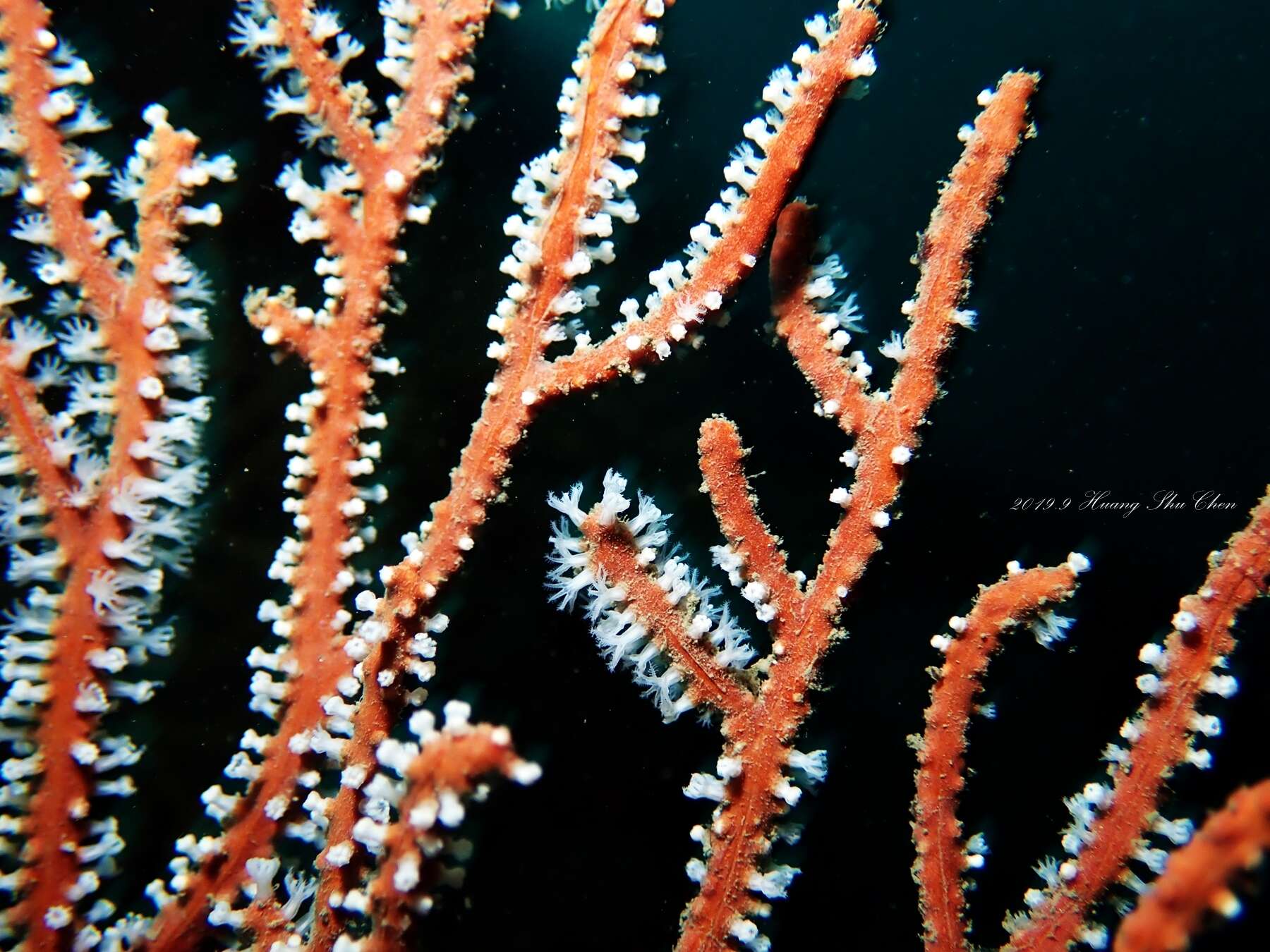
Subergorgia suberosa (Pallas, 1766)
Chrysogorgia flexilis (Wright & Studer, 1889)
Chromonephthea pellucida (Kükenthal, 1911)
Solenocaulon sterroclonium Germanos, 1895
Callogorgia flabellum (Ehrenberg, 1834)
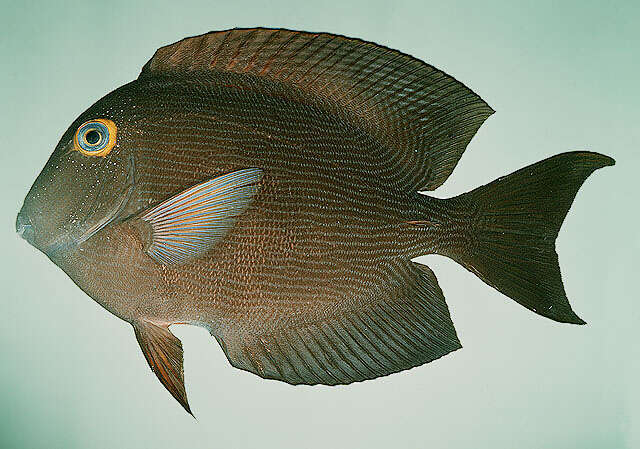
Ctenochaetus strigosus (Bennett, 1828) (Spotted surgeonfish)
Benthopelagic over coral, rock, and rubble . Solitary. Mainly diurnal . Feeds on detritus by whisking its comb-like teeth over the bottom as it closes its mouth .
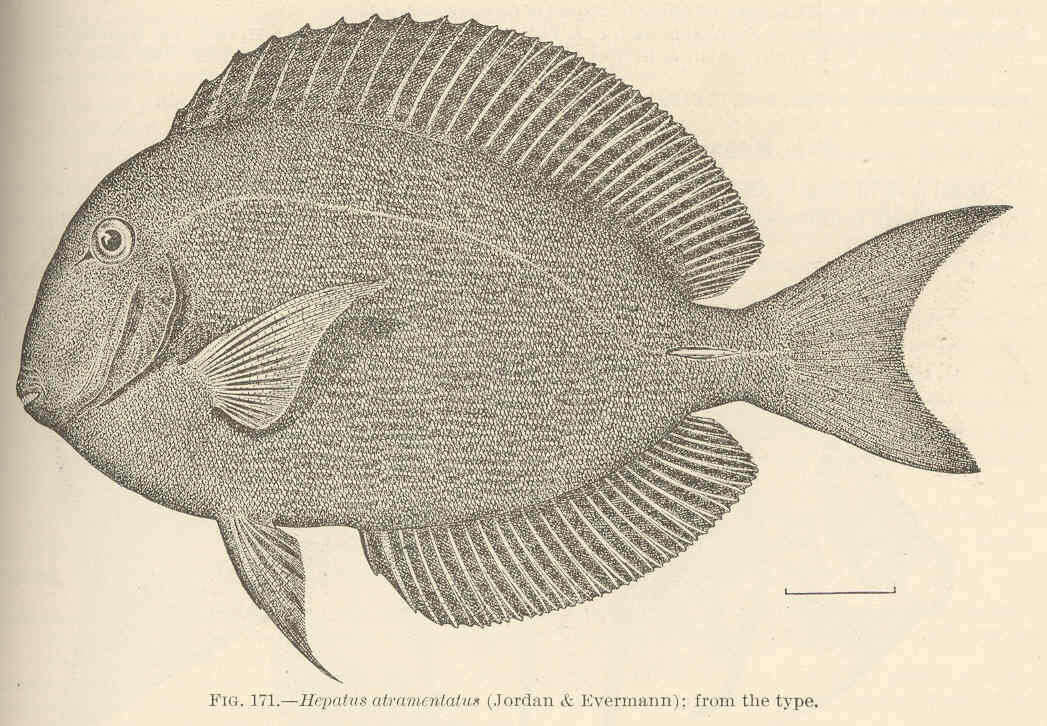
Acanthurus nigroris Valenciennes, 1835 (Bbuelined surgeonfish)
Inhabits clear lagoon and seaward reefs; often in areas with mixed coral, pavement, rubble and sand substrates . Benthopelagic . Occurs singly or in small groups . Feeds on filamentous algae, diatoms and fine algal film...
Read More
Read More
Synchiropus ocellatus (Pallas, 1770) (Ocellated dragonet)
Inhabits sandy areas of lagoon and seaward reefs . Also in sheltered rocky reef habitats in few meters depth, usually in small loose groups .
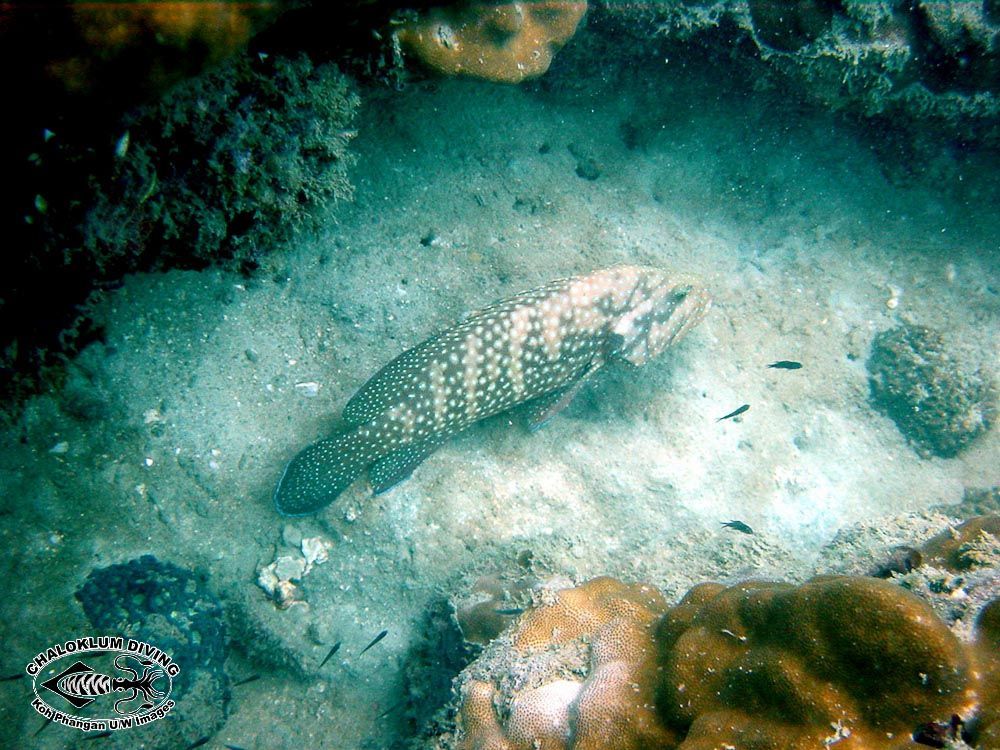
Epinephelus merra Bloch, 1793 (Dwarf spotted grouper)
Very common in shallow lagoon and semi-protected seaward reefs. Juveniles are common in thickets of staghorn Acropora corals. Feed on crustaceans and fishes. Increase of piscivory with age is observed in this species. ...
Read More
Read More
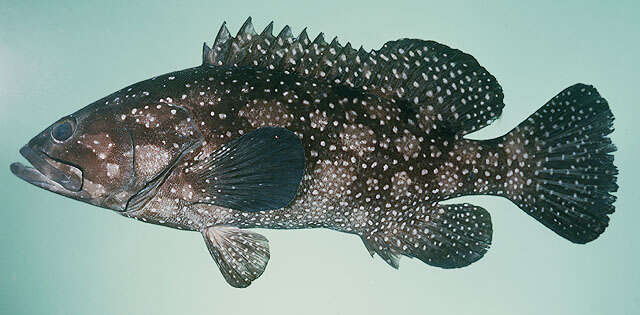
Epinephelus summana (Forsskål, 1775) (Summan grouper)
Occurs in shallow protected coral reefs and in lagoons or brackish-water environments . No published information on the biology of this species has been found . Sold fresh in local markets .
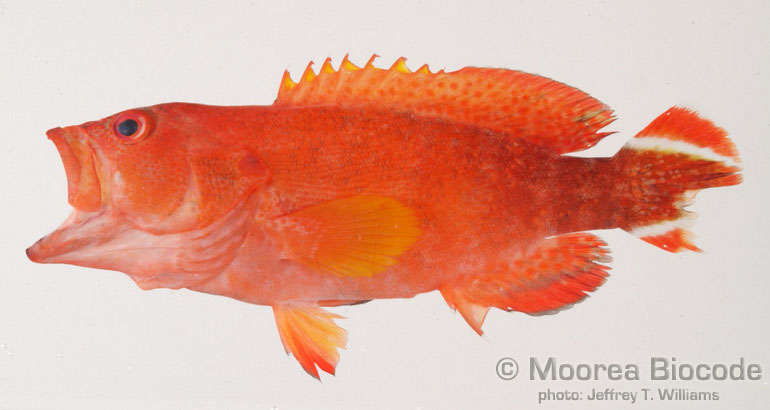
Cephalopholis urodeta (Forster, 1801) (Banded-tail coral-cod)
Inhabits clear, shallow waters of outer reef areas. Also found in lagoons, back-reef areas, and on the reef-top. Feeds on small fishes (68%) and crustaceans.
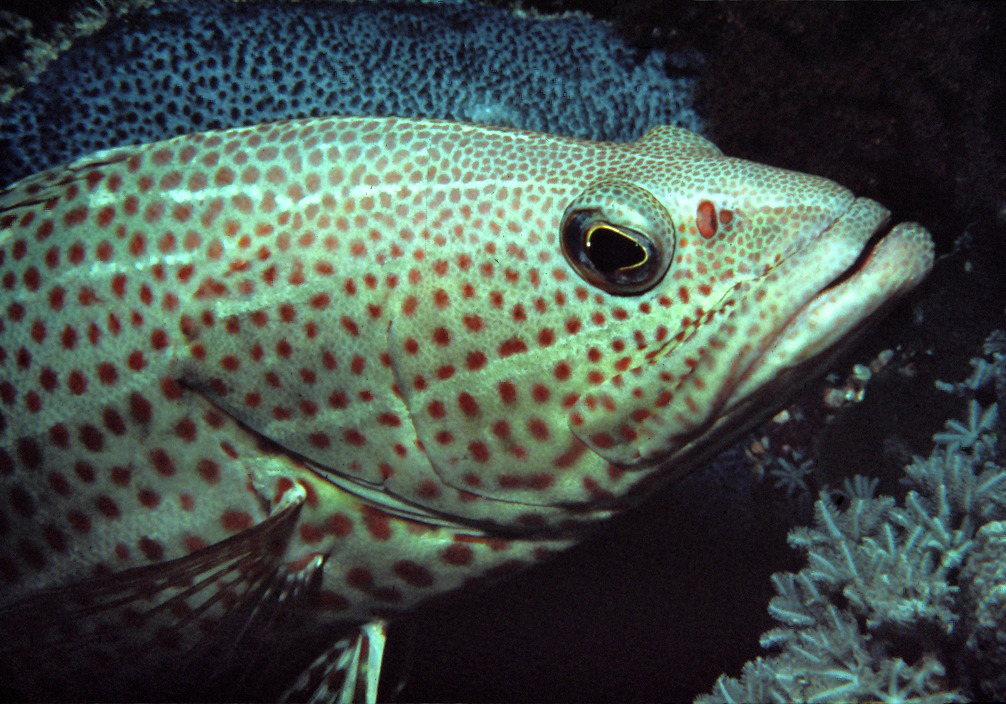
Cephalopholis cyanostigma (Valenciennes, 1828) (bluespotted rockcod)
Inhabits shallow protected coastal reefs, in seagrass beds, and in coral-rich areas . Feeds on crustaceans and fishes .
Share on Social Networks
- Facebook:

personalize your shared text as well as its destination (wall, page...) or send as a private message to a friend
- Twitter: Tweet personalize your tweet
- Google Plus:
Direct link to this dive
- Long link:
- Short link:


 We are participating today in the startup contest Techcrunch Disrupt. Support Diveboard by voting for us!
























































































2nd dive 2 tanker on Datu Budas w/ Scubaqua Davao Bings Corner
better viz than 1st dive at Marisa, drop in deep water near wall swim to wall and follow to North at end, then turn back to origin, but boat had moved, so PU
multilevel
last 20 mins of dive solo