


 Beachnutts



 Philippines
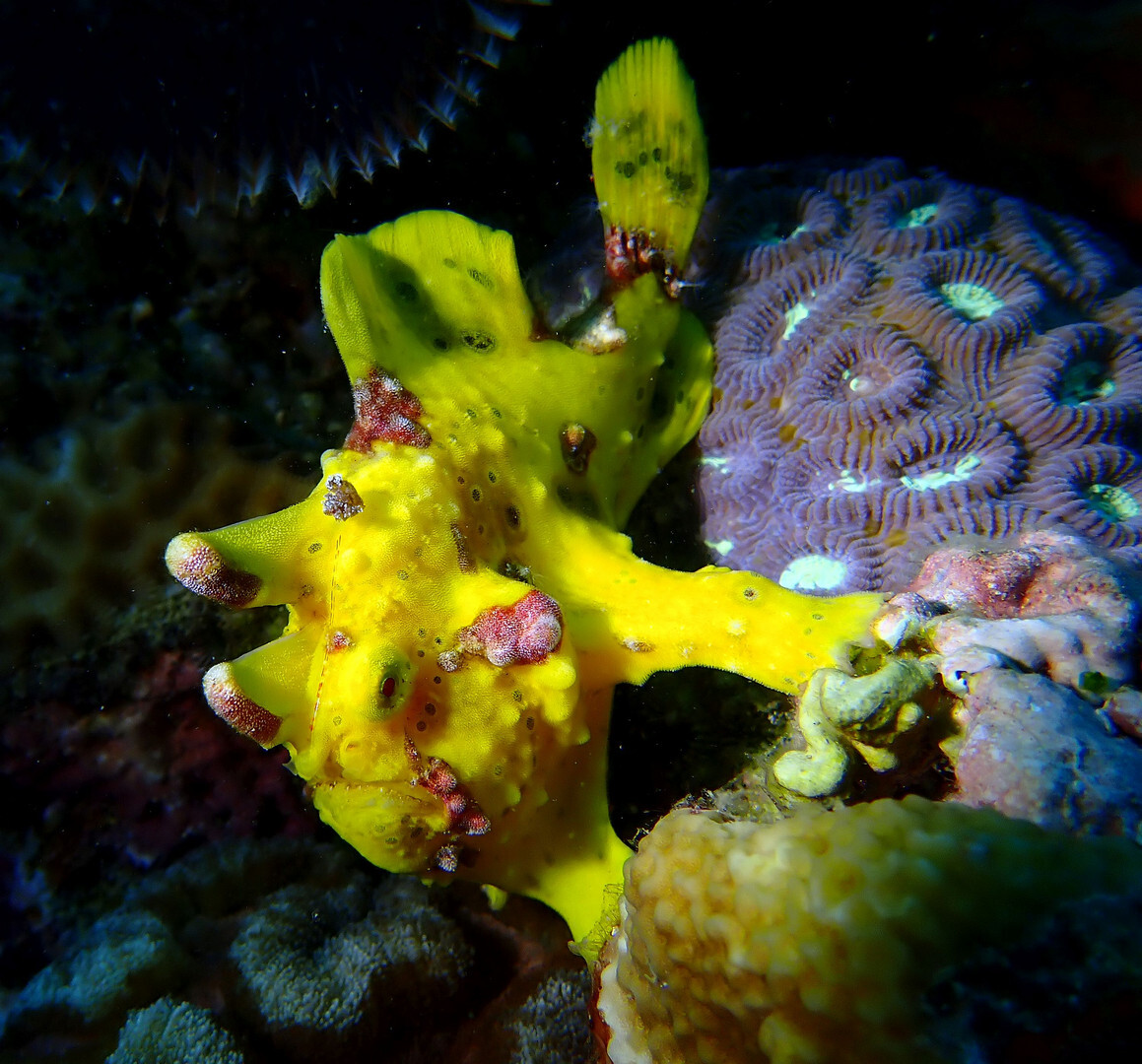
-
Nº195
 Date: 2026-03-01 - 10:13
-
 Max Depth: 23.2m Duration: 83mins
Dive Location

- Temp: Surf 26°C Bottom 26°C
- Dive type : Recreational, Reef, Photo
- Visibility: Average Water: Salt
Specific gear used
- BCD: Scubapro - Glide Plus
- Boots: Cressi Sub - Dive Shoes
- Computer: Oceanic - OCS
- Fins: Scubapro - Jet Fins
- Knife: Scuba MAx - folding
- Lift bag: ScubaMax - SMB
- Light: Sofirn - SD05
- Mask: Promate - Scope
- Regulator: Aqualung - Legend
- Wet suit: Blue Ocean - Diveskin
- Weights: 3.2 kg
Dive reviews
| Overall review | ||
| Dive difficulty | ||
| Marine life quality |
Recent Divers in Samal island, Davao
Recent Pictures in Samal island, Davao
Dive Shop & Buddies
 Dive with Pitan
 Dive buddies:
Reymar Tano,
Beachnutts

Link to this spot:
- Spot:
- Country:
- Area:
- Body of water:
Dive Profile
- 1. Air
- 10L Aluminium 207 → 28 bar
- Average depth: 15.4m
Data provided by EOL.org





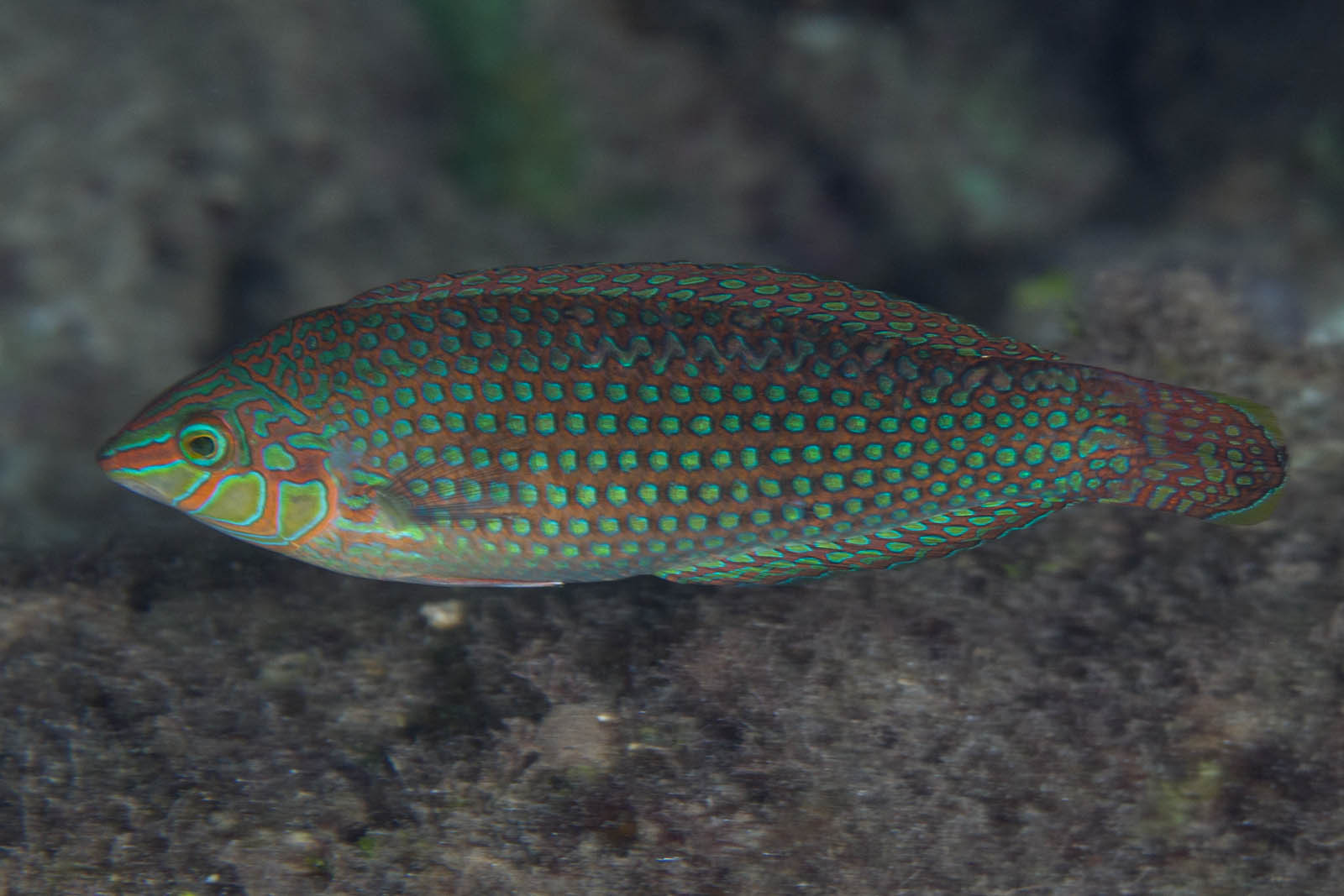
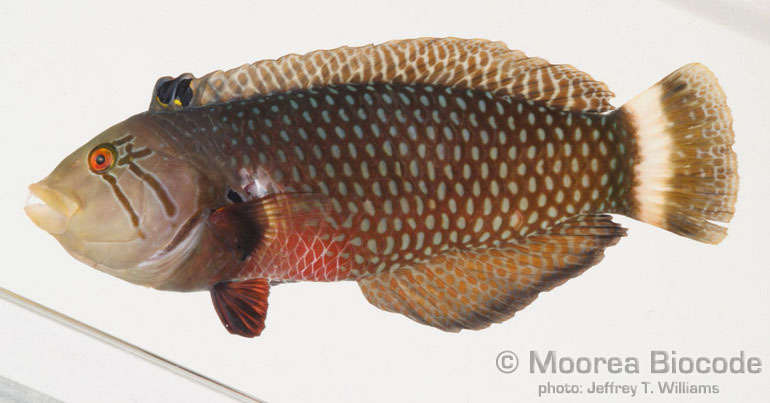


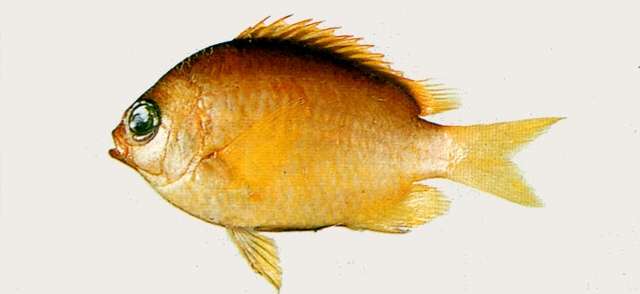


Species Identified
Cirripectes castaneus (Valenciennes, 1836) (Chestnut eyelash-blenny)
Occurs in wave-swept algal ridge of outer reef flats. Usually found on rocky and coralline substrates at depths less than 10 m. Usually seen in small loose groups spread over sections of reef . In the Red Sea, it has b...
Read More
Read More
Cirripectes polyzona (Bleeker, 1868) (Barred blenny)
Occur in algal ridge and ridge crests between surge channels of exposed seaward reefs to a depth of about 3 m . Benthic . Feed on algae and associated minute invertebrates like forams, ostracods, and gastropods. Oviparous . Eggs are demersal and adhesive .
Cirripectes quagga (Fowler & Ball, 1924) (Squiggly blenny)
Found in algal ridge and crests between surge channels of exposed seaward reefs . Usually taken in water less than 10 m deep, but has been collected at depths as great as 19 m in the Marquesas Islands . Benthic . Oviparous . Eggs are demersal and adhesive .
Alticus saliens (Lacepède, 1800) (Leaping blenny)
Intertidal, actively shuttling back and forth between rock pools and air . Live in moist shaded pockets of pitted limestone in the spray zone, leaping from hole to hole when disturbed . Breathe air when out of water . Oviparous . Eggs are demersal and adhesive .
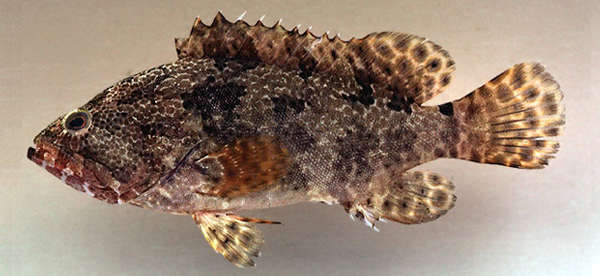
Epinephelus polyphekadion (Bleeker, 1849) (Camouflage grouper)
Usually found in coral-rich areas of lagoon and outer reefs; in caves and large crevices to swim through . Most abundant around islands, particularly atolls. Usually in small schools. Feeds mainly on crustaceans and fi...
Read More
Read More
Amphiprion chagosensis Allen, 1972 (Chagos anemonefish)
Primarily found in seaward reef slopes, but occasionally on lagoon reefs and reef tops .
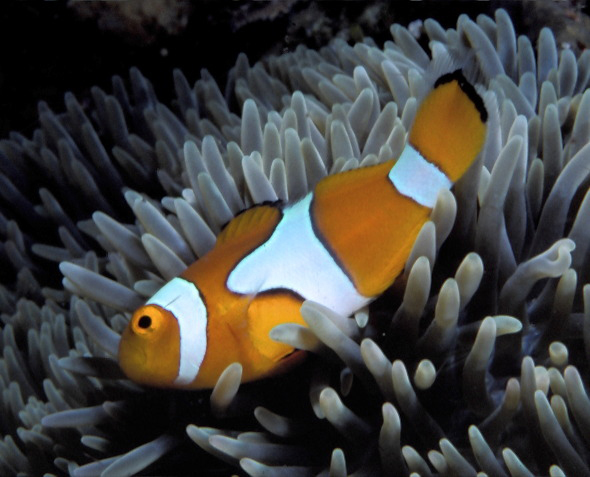
Amphiprion percula (Lacepède, 1802) (Orange clownfish)
Inhabits lagoon and seaward reefs . Each group of fish consists of a breeding pair and 0-4 non-breeders. Within each group there is a size-based hierarchy: the female is largest, the male is second largest, and the non-...
Read More
Read More
Premnas biaculeatus (Bloch, 1790) (Spinecheek anemonefish)
Inhabits lagoon and seaward reefs , found mainly in protected coastal waters and lagoons. Typically found in pairs in which males are much smaller than females . Feeds primarily on zooplankton and benthic algae . Has been reared in captivity . Associated with the anemone Entacmaea quadricolor .
Tautoga onitis (Linnaeus, 1758) (Black-fish)
Found close to shore on hard-bottom habitats, occasionally entering brackish water. Adult male territorial and active during the day to feed and rests in crevices at night. Prefers temperatures above 10°C. Spawning was ...
Read More
Read More
Oxyjulis californica (Günther, 1861) (senorita)
Live in kelp and other seaweeds and over rocks. Found usually at depths shallower than 23 m but also caught at depths up to 73 m. Often form small groups, frequently well off bottom. When disturbed often burrows in bott...
Read More
Read More
Halichoeres argus (Bloch and Schneider, 1801) (Argus wrasse)
Inhabits shallow coastal reefs and seagrass flats , also in algae-rocky reef flats and lagoons .
Novaculichthys taeniourus (Lacepède, 1801) (Rockmover wrasse)
Bodianus oxycephalus (Bleeker, 1862) (blackspot pigfish)
Choerodon robustus (Günther, 1862) (Robust tuskfish)
Usually solitary . Found on deeper coral and rocky reefs. Feeds mainly on hard-shelled prey including crustaceans, mollusks and sea urchins .
Labroides dimidiatus (Valenciennes, 1839) (Bluestreak cleaner wrasse)
Inhabits coral rich areas of inner lagoons and subtidal reef flats to seaward reefs . Feeds on crustacean ectoparasites and mucus of other fishes . Monogamous . A protogynous hermaphrodite . Stays in stations where oth...
Read More
Read More
Bodianus perditio (Quoy and Gaimard, 1834) (Golden-spot-hogfish)
Inhabits the vicinity of coral and rocky reefs, often over sand or rubble in deeper water. Feeds mainly on benthic invertebrates such as mollusks and crustaceans . An excellent food fish .
Stethojulis balteata (Quoy and Gaimard, 1824) (Belted wrasse)
Occurs in reef flats and clear lagoon and seaward reefs . Benthopelagic . Feeds primarily on bivalves, polychaete worms, peanut worms, gastropods, various small crustaceans and foraminiferans .
Chromis analis (Cuvier, 1830) (Brown puller)
Usually inhabits steep outer reef slopes and rocky bottoms. Found singly or in small groups. Uncommon .
Pomachromis exilis (Allen and Emery, 1973) (Slender reef-damsel)
Inhabits lagoon and seaward reefs. A planktivorous species .
Chromis limbaughi Greenfield and Woods, 1980 (Damselfish)
Share on Social Networks
- Facebook:

personalize your shared text as well as its destination (wall, page...) or send as a private message to a friend
- Twitter: Tweet personalize your tweet
- Google Plus:
Direct link to this dive
- Long link:
- Short link:


 We are participating today in the startup contest Techcrunch Disrupt. Support Diveboard by voting for us!
























































































1st dive 2 tanker aboard Riptide
Drop in swim to left looking for Eagle Rays and Frogs
multilevel, some solo
sillllty dive, poor viz
lots of fish activity but not much macro
wearing Scubapro T=Sport BCD not great fit