


 Beachnutts


 Philippines
-
Nº165
 Date: 2025-03-02 - 09:43
-
 Max Depth: 27.1m Duration: 83mins
Dive Location

- Temp: Surf 26°C Bottom 26°C
- Dive type : Recreational, Reef, Photo
- Visibility: Average Water: Salt
Specific gear used
- BCD: Scubapro - Glide Plus
- Boots: Orca - Dive shoes
- Camera: Olympus - TG6
- Computer: Oceanic - OCS
- Fins: Scubapro - Jet Fins
- Knife: Scuba MAx - folding
- Lift bag: ScubaMax - SMB
- Light: Sofirn - SD05
- Mask: Promate - Scope
- Regulator: SEAC - Synchro
- Wet suit: Blue Ocean - Diveskin
- Weights: 3.2 kg
Dive reviews
| Overall review | ||
| Dive difficulty | ||
| Marine life quality |
Recent Divers in Samal island, Davao

Recent Pictures in Samal island, Davao
Dive Shop & Buddies
 Dive buddies:
Earnest Damaso,
Reymar Tano,
Beachnutts
Dive buddies:
Earnest Damaso,
Reymar Tano,
Beachnutts

Link to this spot:
- Spot:
- Country:
- Area:
- Body of water:
Dive Profile
- 1. Air
- 10L Aluminium 207 → 34 bar
- Average depth: 18.1m
Data provided by EOL.org

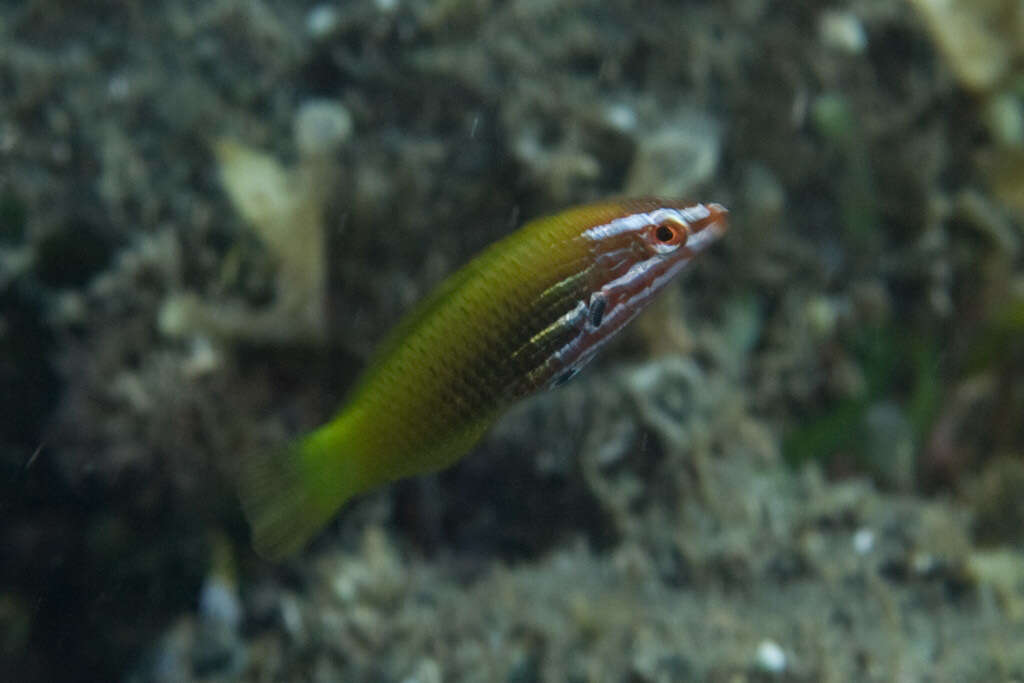
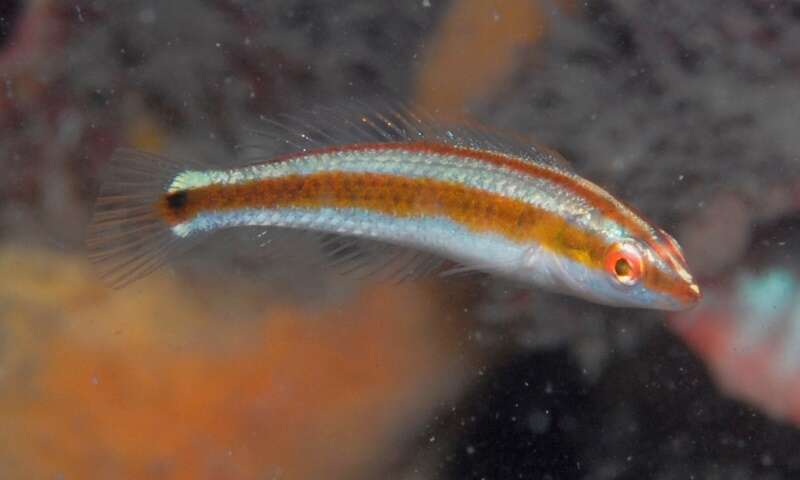
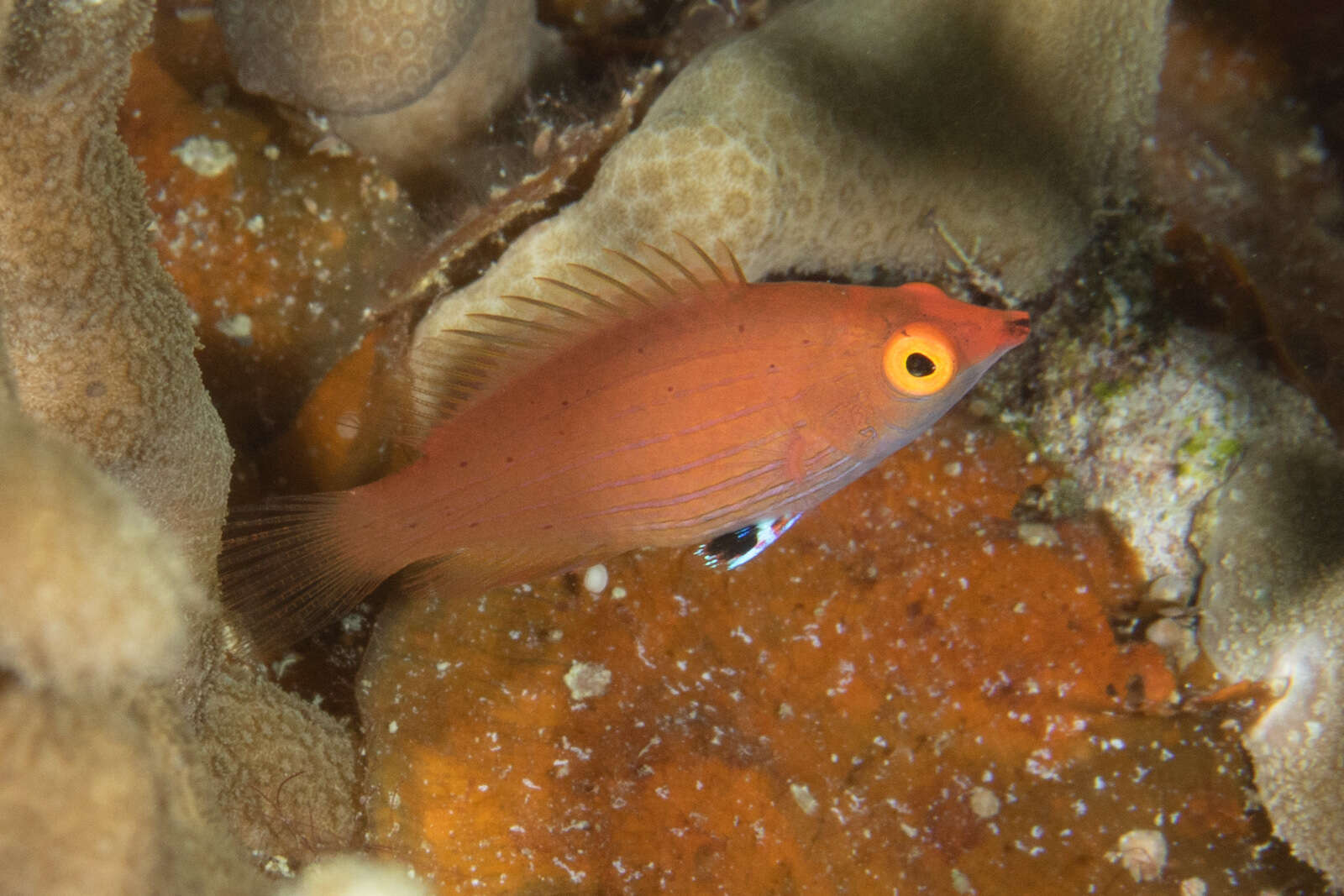
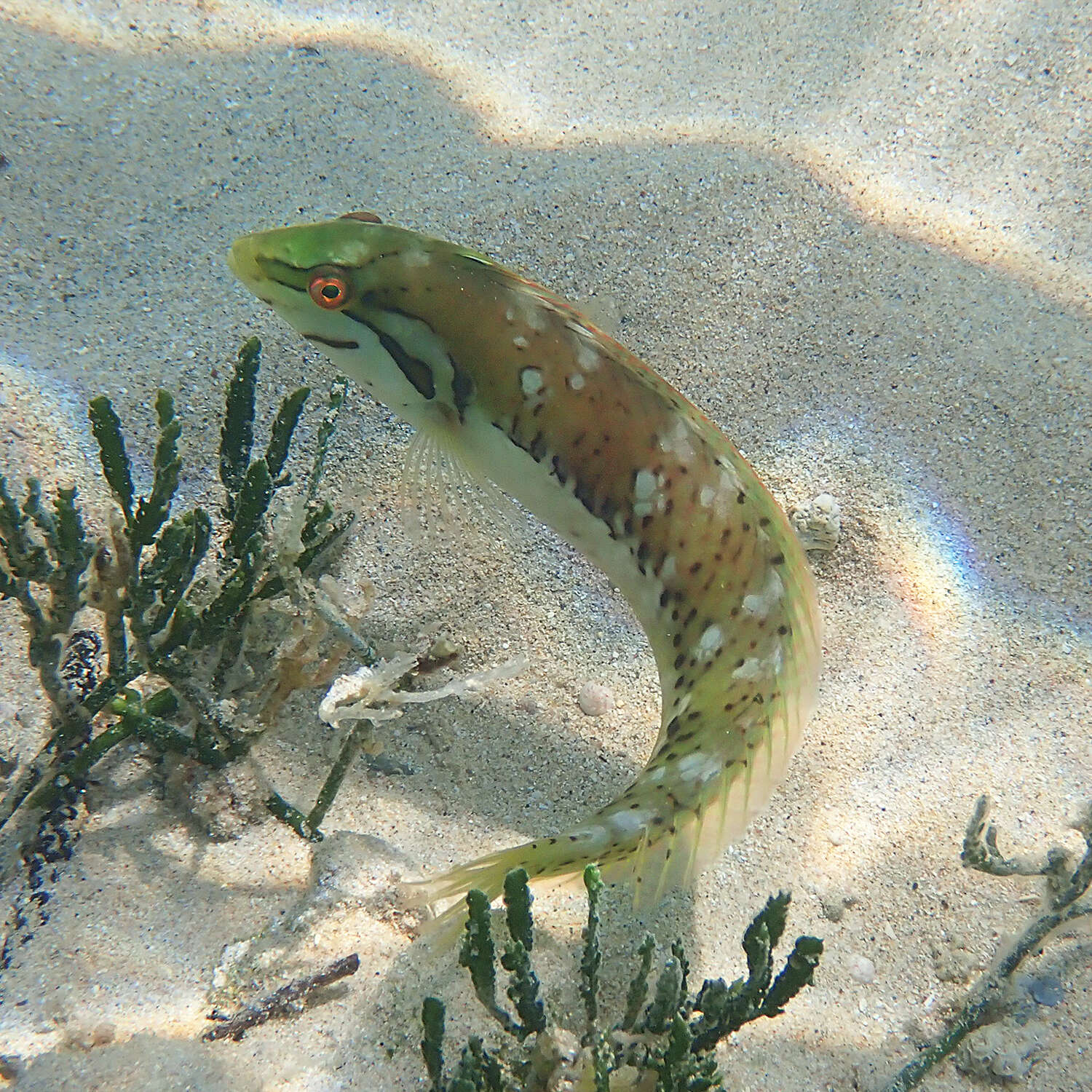

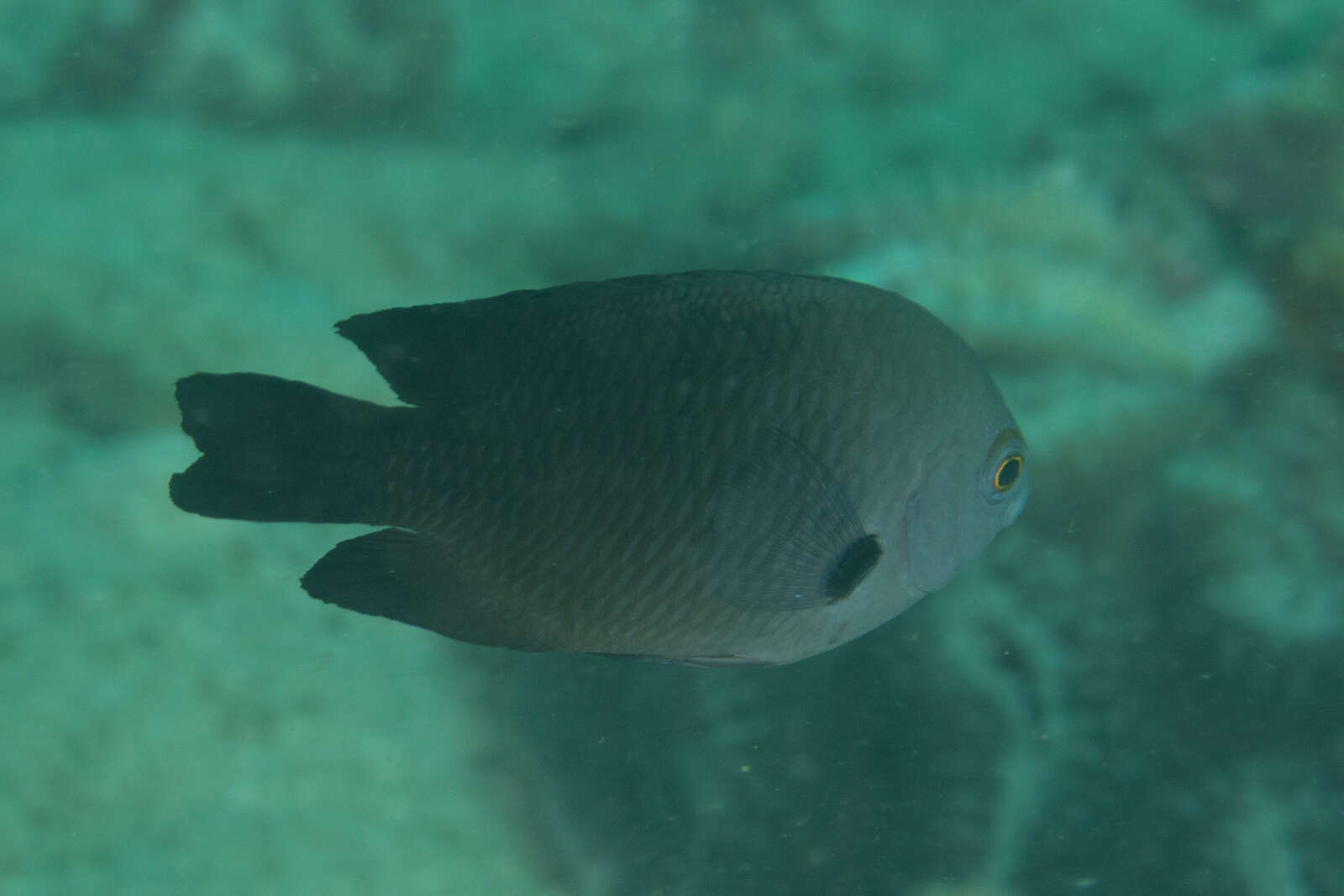
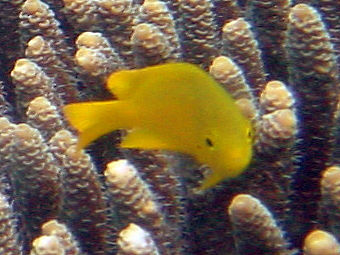
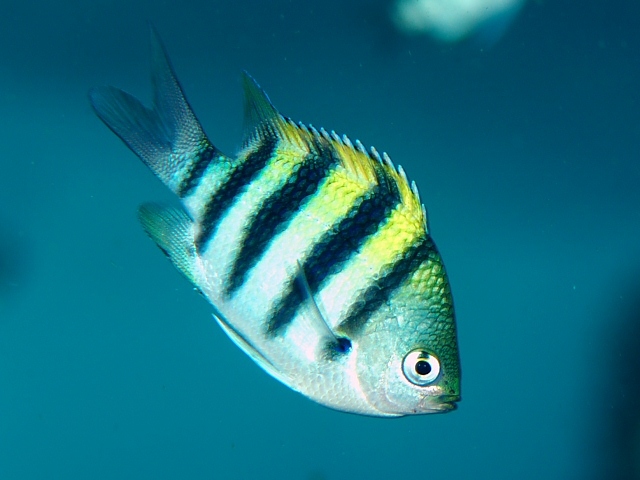
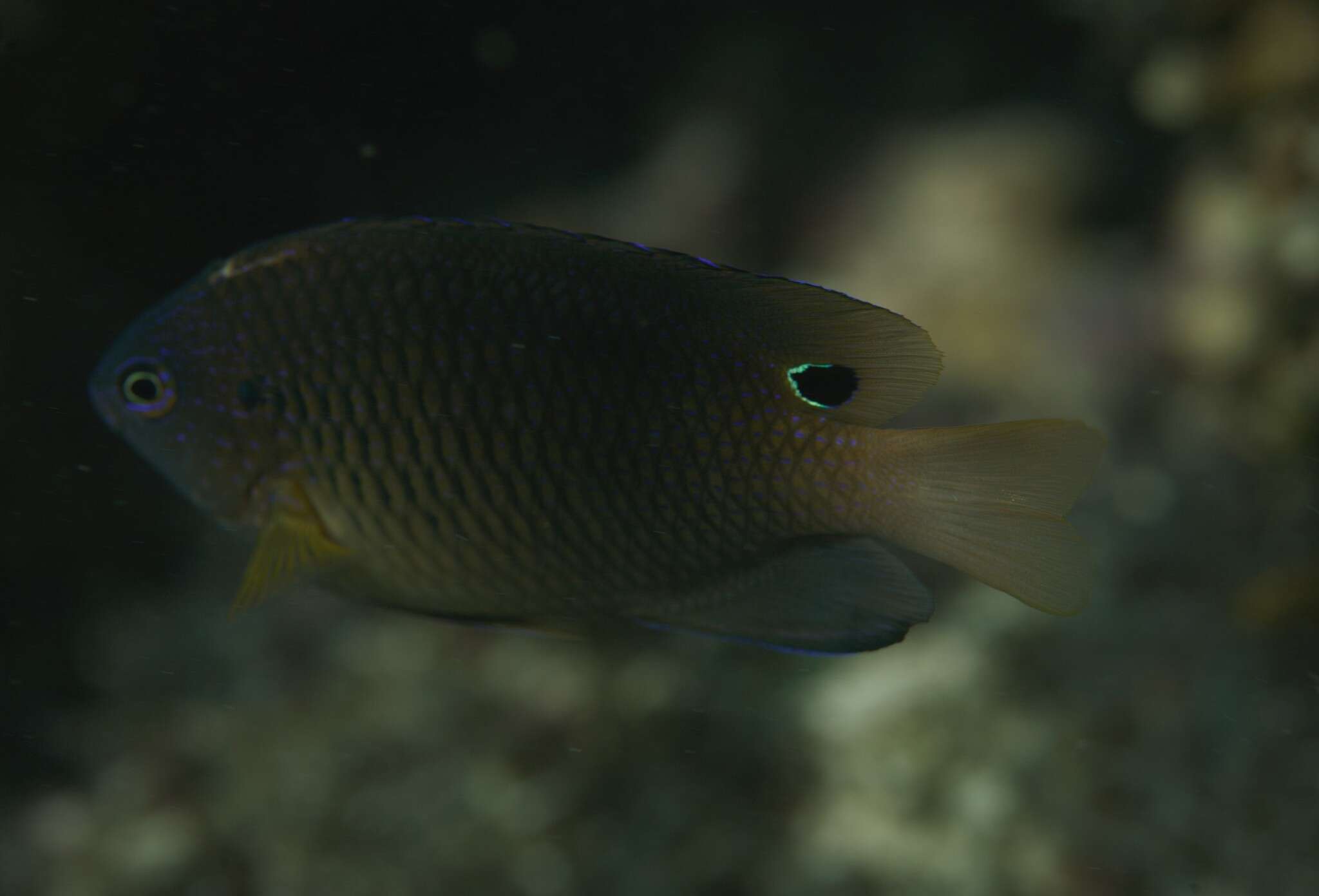
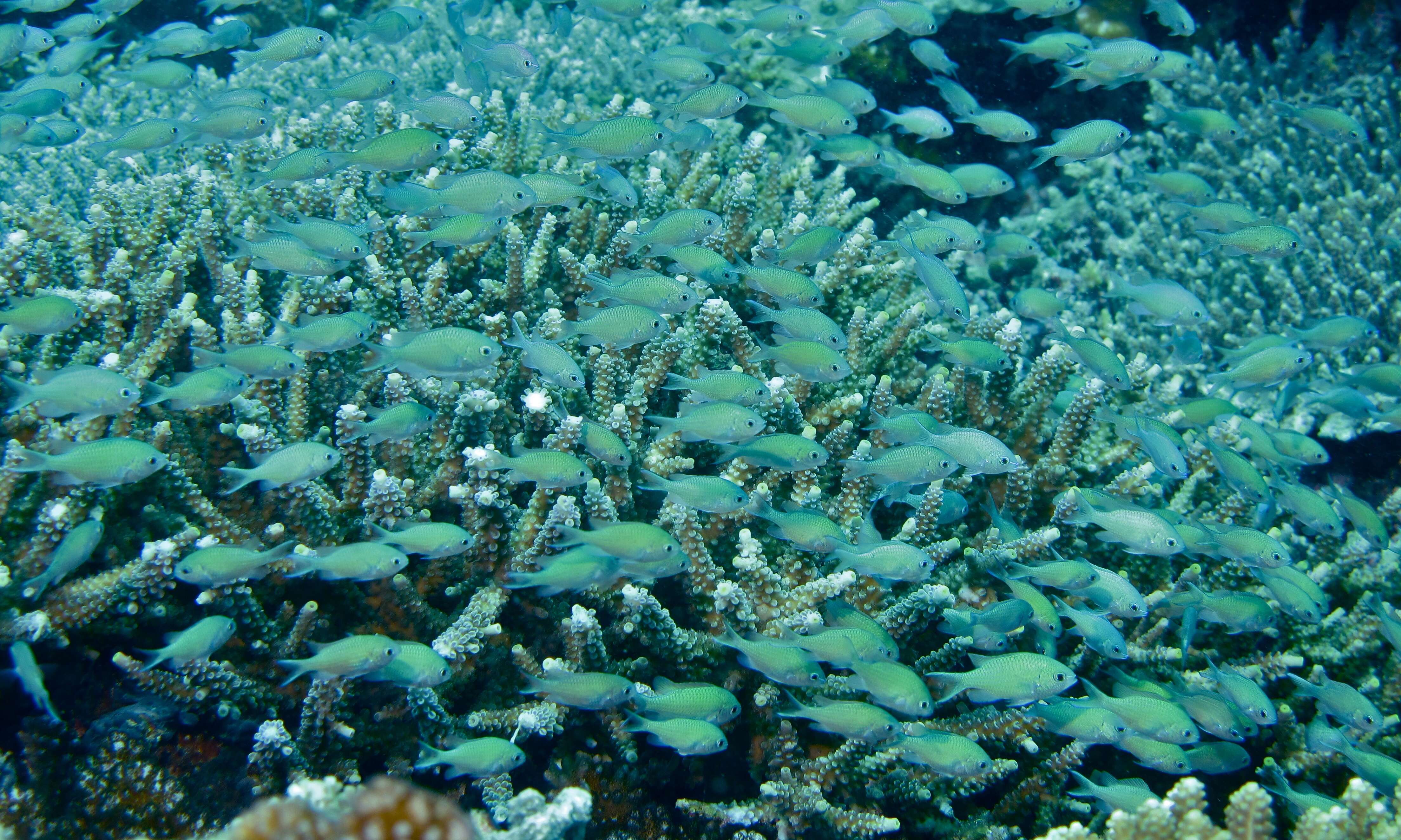
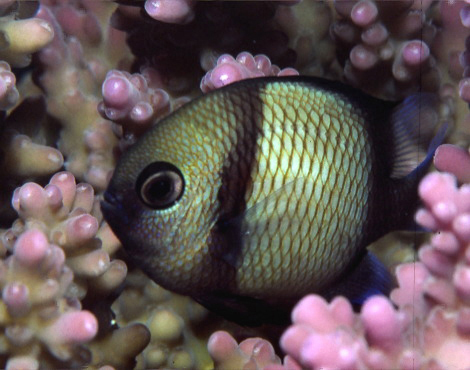
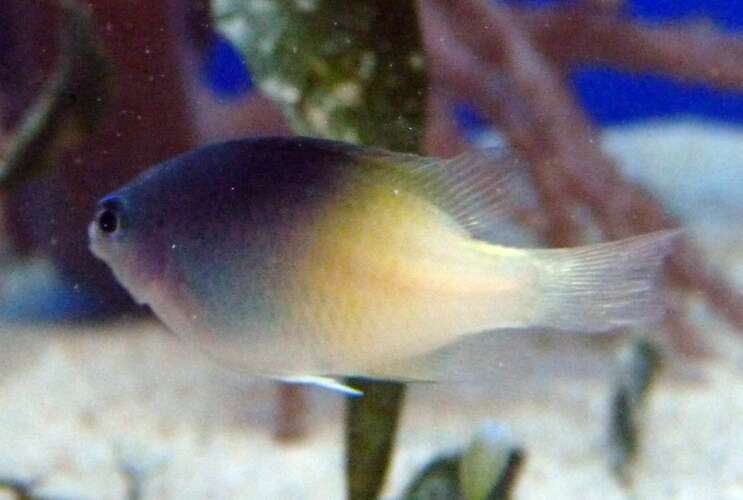





Species Identified
Halichoeres melanochir Fowler and Bean, 1928 (Black wrasse)
Inhabits coral reefs or shallow rocky areas.
Halichoeres podostigma (Bleeker, 1854) (Axil spot wrasse)
Inhabits outer reef flats and upper slopes of coastal reefs to depths over 25 m , with rich coral and hydrozoan growth. Usually seen solitary .
Halichoeres hartzfeldii (Bleeker, 1852) (Hartzfeld's wrasse)
Inhabits seaward reefs, prefers open expanses of sand or mixed sand, rubble, and pavement usually below 11 m. Occurs in loose groups of one male and numerous smaller females and juveniles. Small groups of females and males moving over large areas by themselves, regularly checking females .
Pseudocheilinops ataenia Schultz, 1960 (Pelvic-spot wrasse)
Mainly found in still coastal waters, where brittle corals grow high. Occurs in small groups that feed actively among the lower and dead parts of the corals with coralline algae. Easily overlooked because of its small si...
Read More
Read More
Novaculichthys macrolepidotus (Bloch, 1791) (Seagrass wrasse)
Found in seagrass beds and sandy algal flats of lagoons and mangrove channels. Secretive amongst the vegetation and well-camouflaged .
Dascyllus aruanus (Linnaeus, 1758) (black-and-white damselfish)
Territorial, inhabit shallow lagoon and subtidal reef flats. Form large aggregations above staghorn Acropora thickets or in smaller groups above isolated coral heads. Feed on zooplankton, benthic invertebrates, and algae...
Read More
Read More
Pomacentrus brachialis Cuvier, 1830 (Charcoal damsel)
Found in passages and outer reef slopes ; also in current prone and clear water reef flats to 40 m depth . Occurs singly or in small groups . Feeds on zooplankton and benthic algae .
Pomacentrus moluccensis Bleeker, 1853 (Lemon damsel)
Inhabits clear lagoon and seaward reefs among branching corals. Occurs in small aggregations. Feeds mainly on algae and planktonic crustaceans.
Abudefduf vaigiensis (Quoy and Gaimard, 1825) (Five finger)
Adults inhabit upper edge of outer reef slopes and inshore rocky reefs. Juveniles associated with drifting seaweed . Benthopelagic . Feed on zooplankton, benthic algae, and small invertebrates . Often in aggregations ...
Read More
Read More
Pomacentrus adelus Allen, 1991 (Obscure damsel)
Inhabits lagoon, coastal and seaward reefs , usually on open rubble patches .
Chromis viridis (Cuvier, 1830) (blue-green chromis)
Found in large aggregations above thickets of branching Acropora corals in sheltered areas such as subtidal reef flats and lagoons. Juveniles closely tied to individual coral heads . Phytoplankton feeders. Breeding is d...
Read More
Read More
Dascyllus reticulatus (Richardson, 1846) (twostriped damselfish)
Occurs in outer lagoon and seaward reefs. Inhabits branching coral heads, particularly Pocillopora eydouxi. Forms schools, often in silty habitats . Male prepares a nest by cleaning with its mouth a rock or coral surface where the female will attach the eggs .
Chrysiptera rollandi (Whitley, 1961) (Rolland's demoiselle)
Occurs singly or in small groups in lagoons, harbors, and outer reef slopes. Found among corals and coral rubble . Feeds mainly on zooplankton.
Chrysiptera cyanea (Quoy and Gaimard, 1825) (cornflower sargeantmajor)
Found amongst rubble and coral of clear sheltered lagoons and subtidal reef flats . Occurs in groups of a male and several females or juveniles . Feeds on algae, pelagic tunicates and copepods.
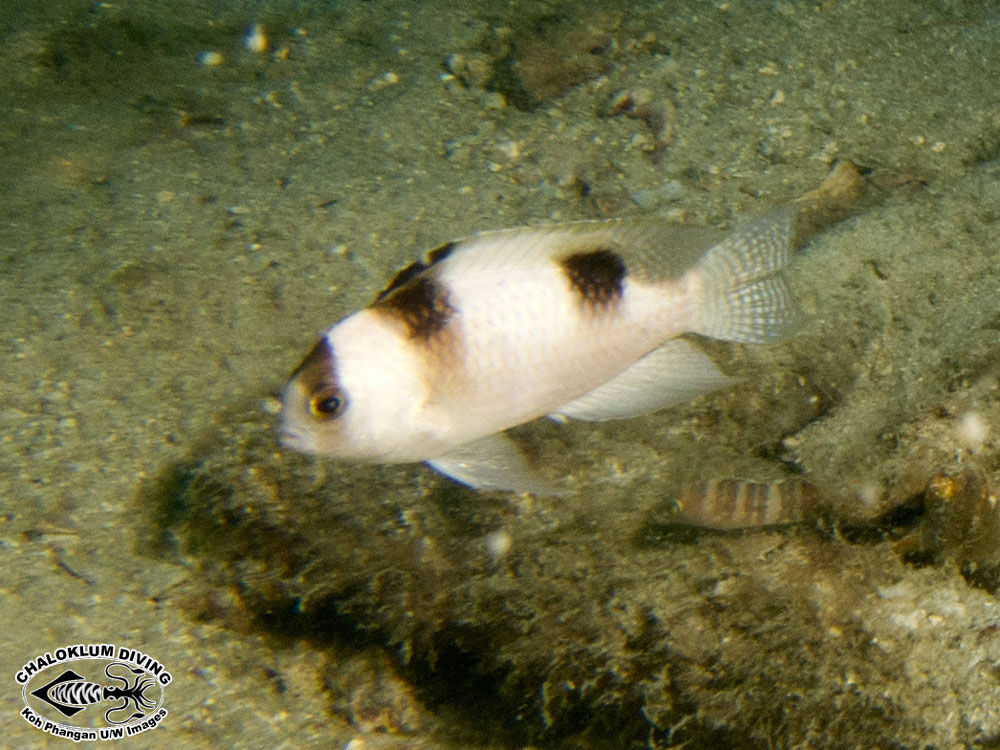
Dischistodus fasciatus (Cuvier, 1830) (Banded damsel)
Inhabits silty lagoon and coastal reefs around coral outcrops and seagrass beds . Often adjacent to clear mangrove coasts among rubble and Sargassum algae, to a few meters depth .
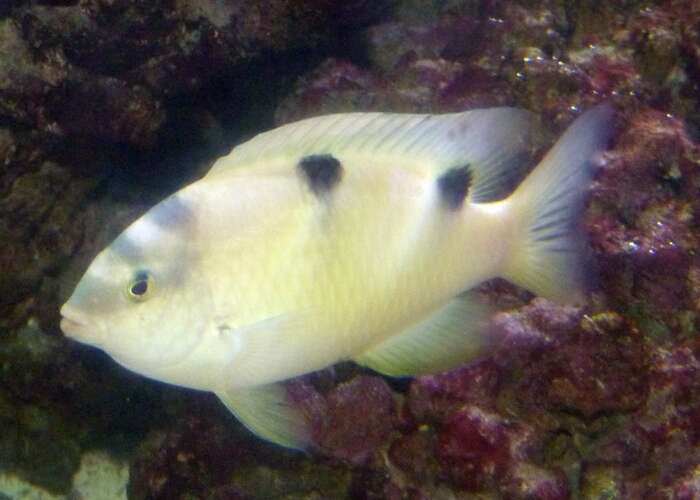
Dischistodus perspicillatus (Cuvier, 1830) (White damsel)
Occurs in small patch reefs of shallow lagoons, with algae or seagrass habitats. The stomach of several specimens examined contained mainly algae and detritus mixed with sand grains.
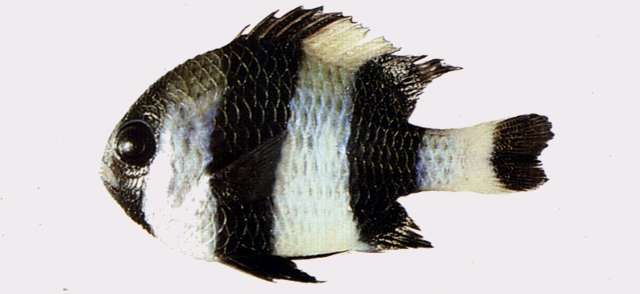
Dascyllus melanurus Bleeker, 1854 (blacktailed humbug)
Schooling species, inhabits sheltered lagoons, harbors and inlets. Also in somewhat open substrates with outcrops of Acropora corals . Often associated with small coral heads. Feeds on a variety of plankton, including l...
Read More
Read More
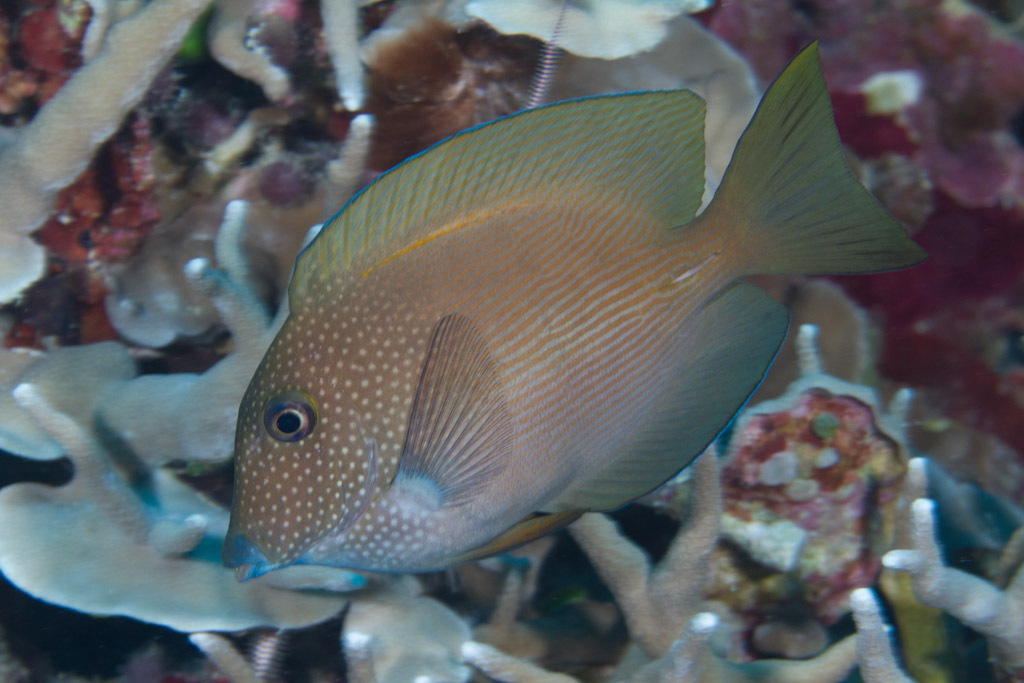
Ctenochaetus striatus (Quoy and Gaimard, 1825) (Striated surgeonfish)
Inhabits reef flats and lagoon and seaward reefs to a depth of over 30 m. Occurs over coral , rock, pavement, or rubble substrates. May occur singly or in small to very large, often mixed-species aggregations . Feeds on...
Read More
Read More
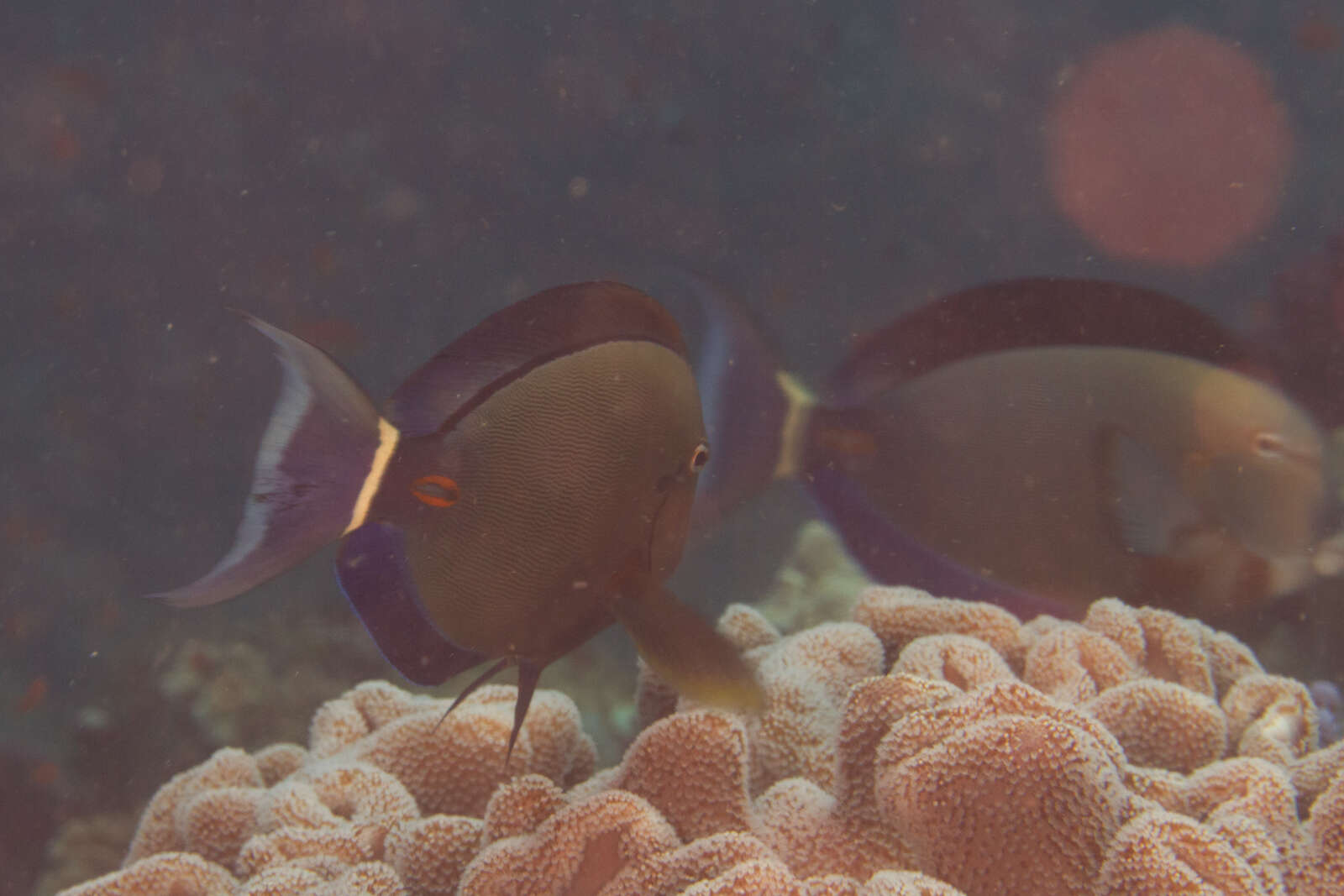
Ctenochaetus binotatus Randall, 1955 (Twospot surgeonfish)
Inhabits coral and rubble areas of deep lagoon and seaward reefs. Feeds by scooping film of detritus and unicellular algae that produce ciguatera toxin making this species a key link in the ciguatera food chain . Caught with nets .
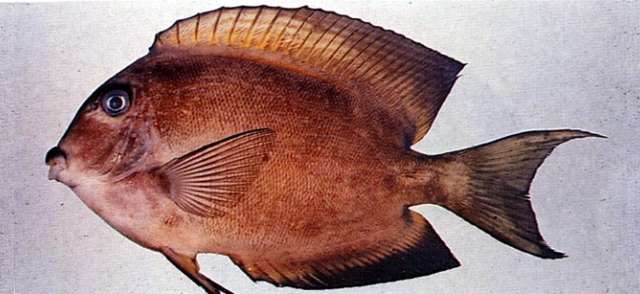
Acanthurus auranticavus Randall, 1956 (Orange-socket surgeonfish)
Inhabits shallow reefs, both in lagoons and outer reef areas. Frequently moves in groups. Juveniles found between soft corals in lagoons at depths of up to 2 m . Adults in groups, often mixed with other similar species .
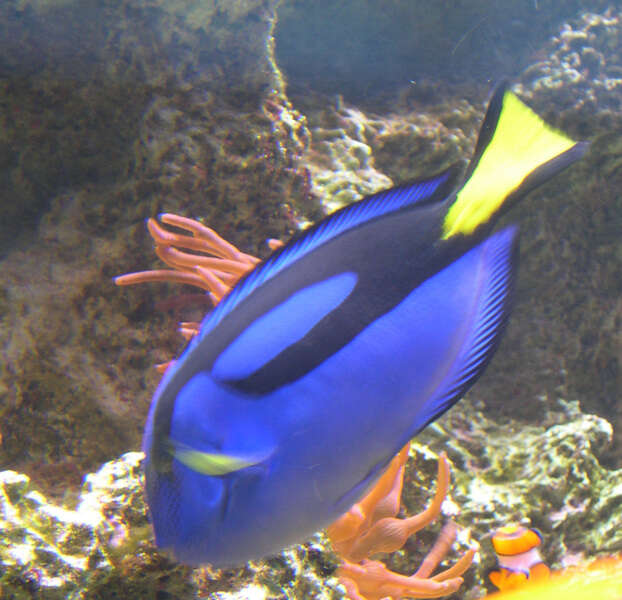
Paracanthurus hepatus (Linnaeus, 1766) (Palette surgeonfish)
Occur in clear, current-swept terraces of seaward reefs. Observed in loose aggregations 1 or 2 meters above the bottom; juveniles and subadults typical in groups near isolated Pocillopora eydouxi coral heads and when alar...
Read More
Read More
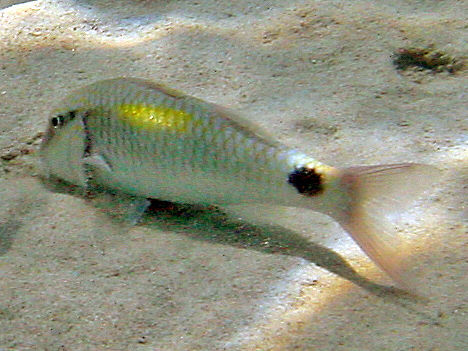
Parupeneus indicus (Shaw, 1803) (Indian goatfish)
Inhabit shallow sandy or silty areas of coastal and inner lagoon reefs . Occur singly or in schools . Large adults usually at moderate depths to about 30 m . Feed on benthic invertebrates; the diet including small crab...
Read More
Read More
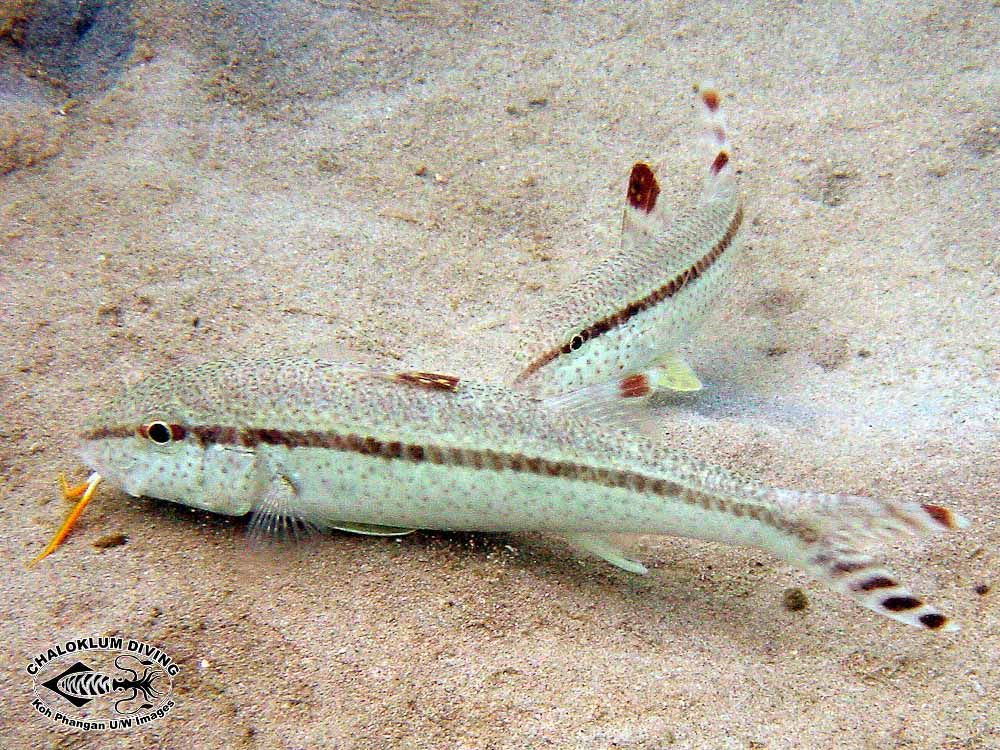
Upeneus tragula Richardson, 1846 (Freckled goatfish)
Found over sand and mud bottoms near coral reefs . Known to enter lower reaches of rivers. Generally solitary , but forms small to moderately large aggregations at all sizes . Minimum depth from Ref. 3470.
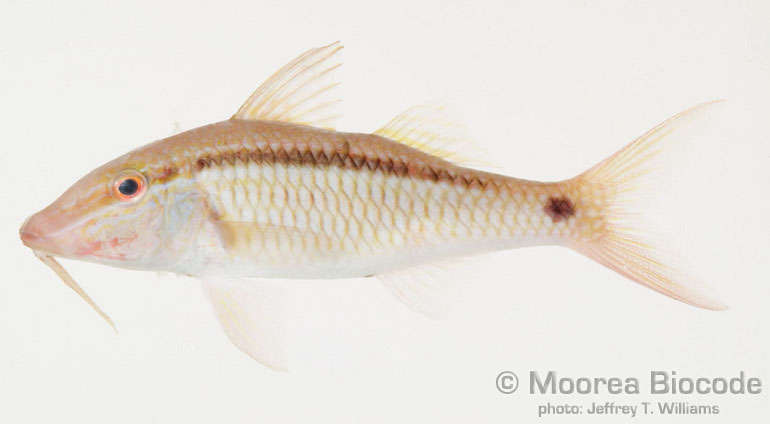
Parupeneus barberinus (Lacepède, 1801) (Dash-and-dot goatfish)
One of the most abundant species of Parupeneus . Inhabits large sand patches as well as sand and rubble areas of reef flats, and lagoon and seaward reefs to a depth of about 100 m. Forages on sand-dwelling invertebrates ...
Read More
Read More
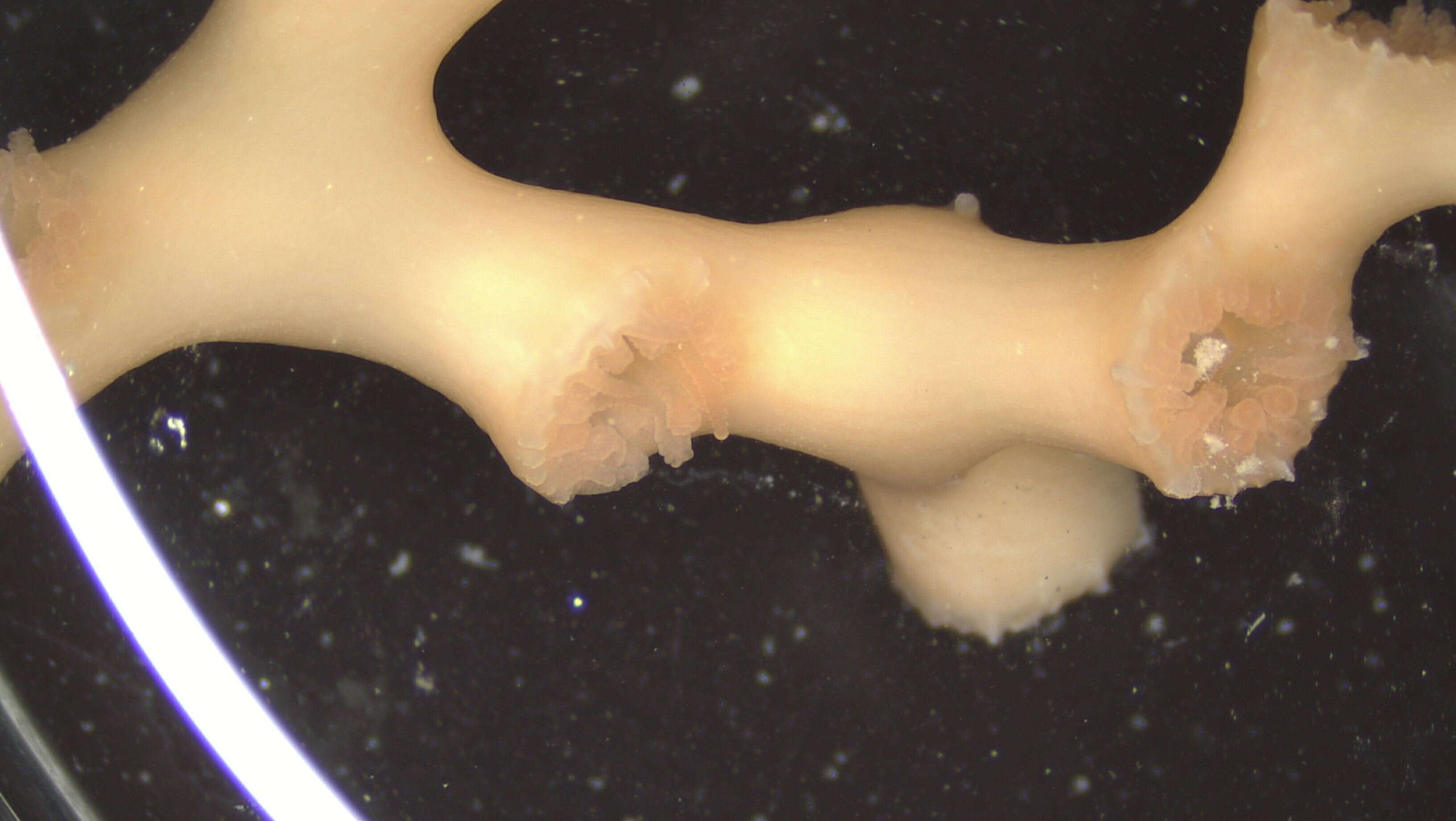
Madrepora oculata Linnaeus, 1758 (sikksakkorall)
azooxanthellate
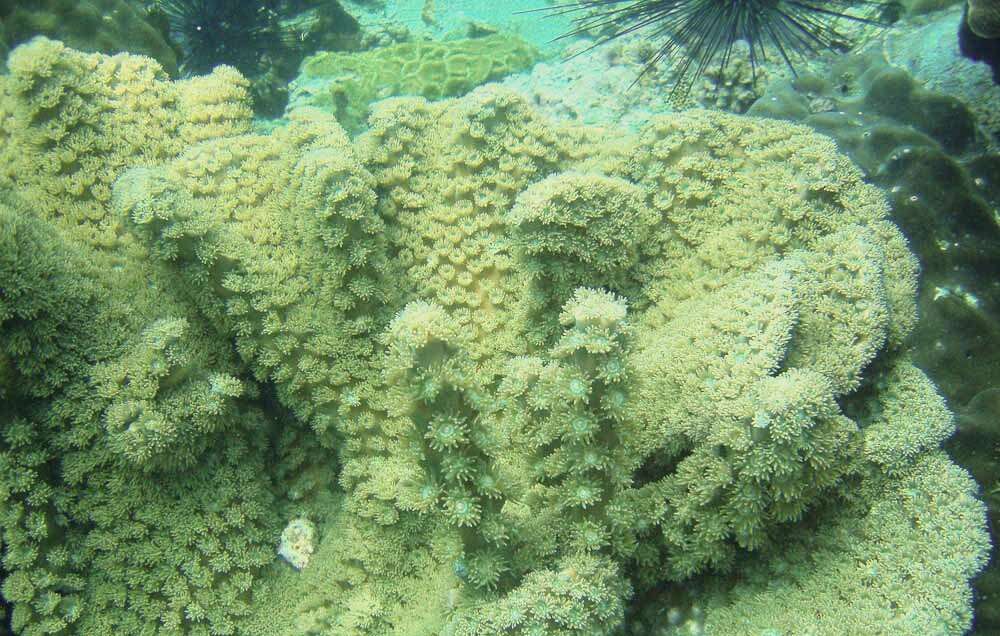
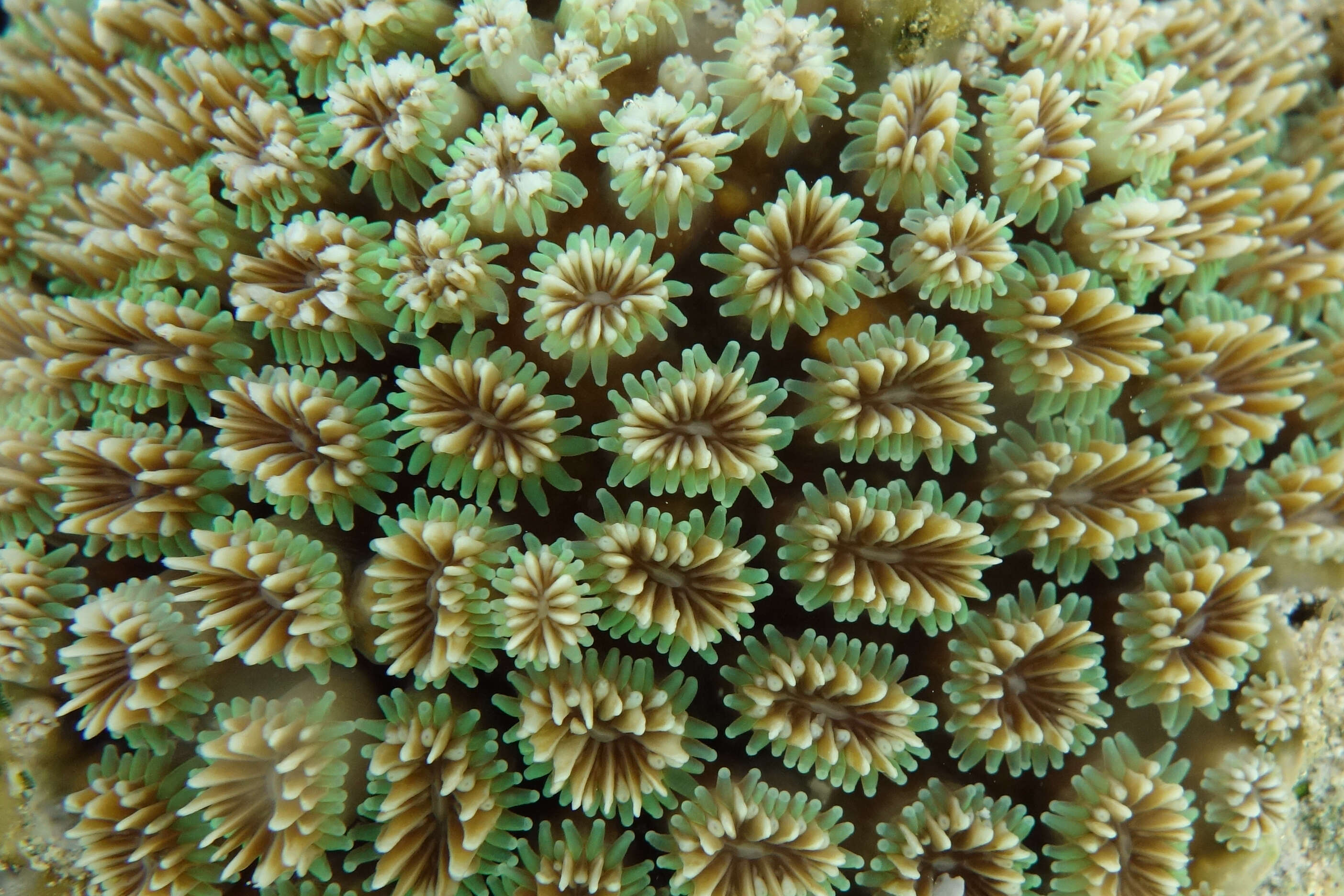
Galaxea astreata (Lamarck, 1816) (Octopus coral)
zooxanthellate
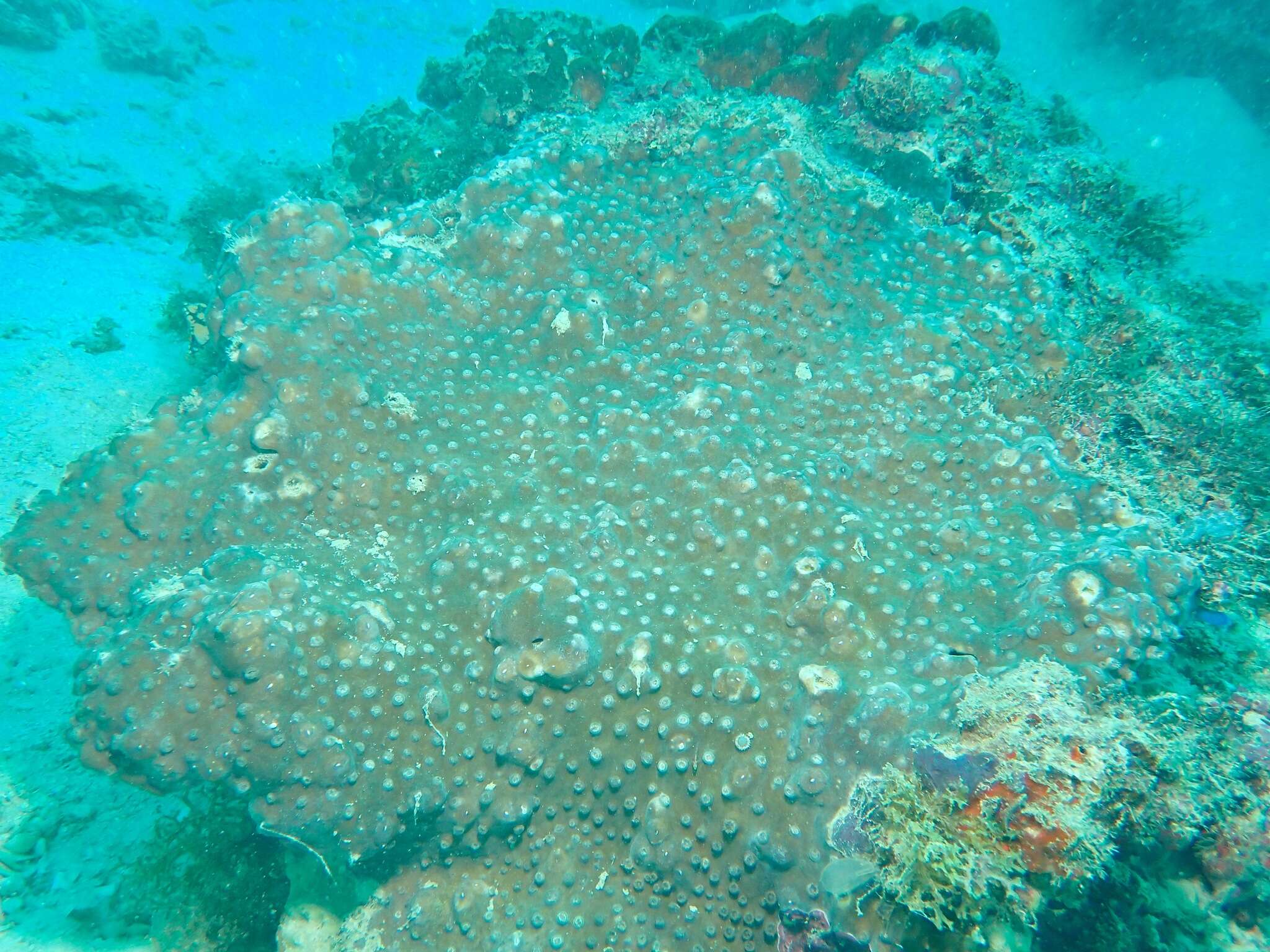
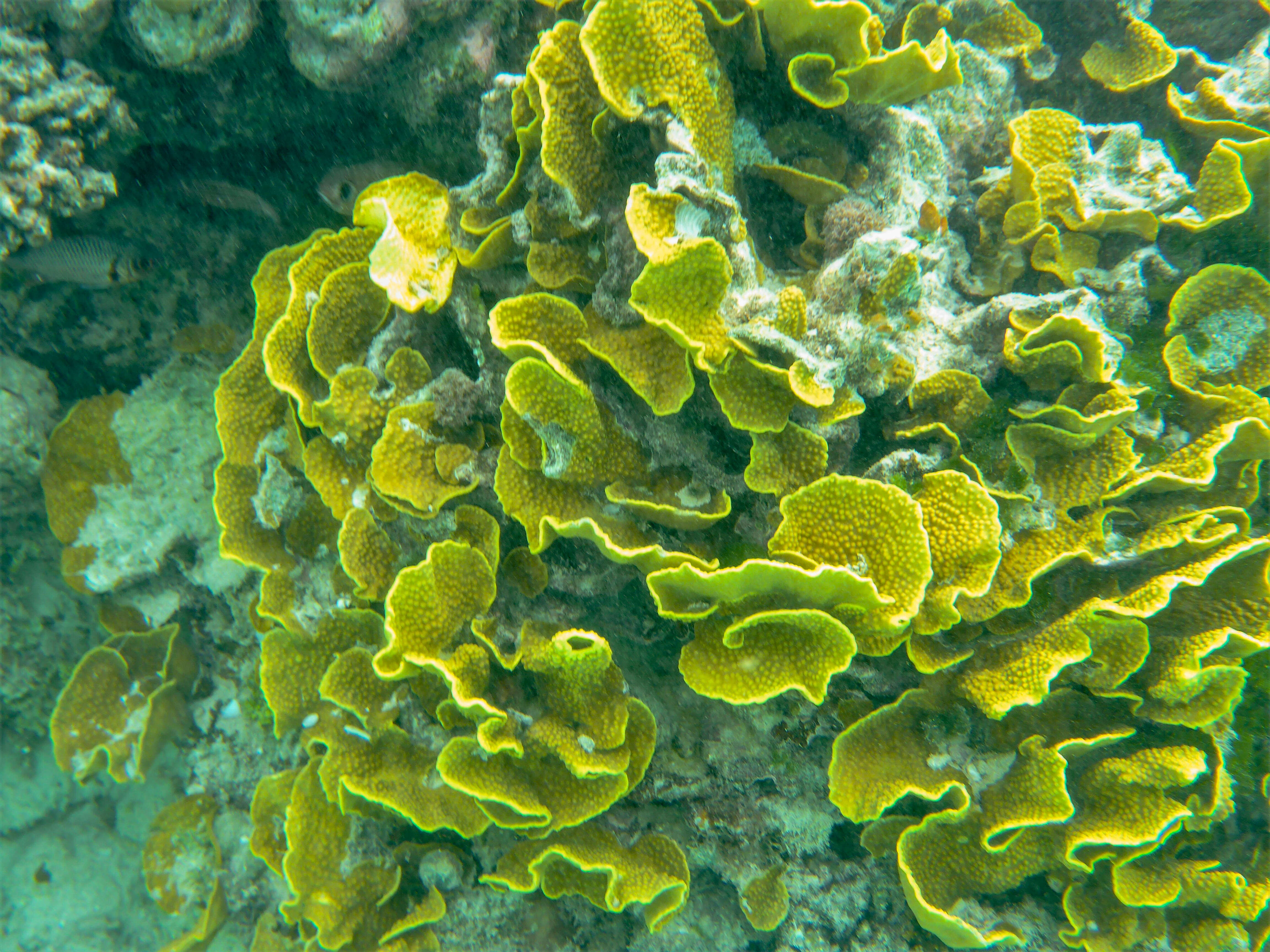
Turbinaria stellulata (Lamarck, 1816) (Disc coral)
zooxanthellate
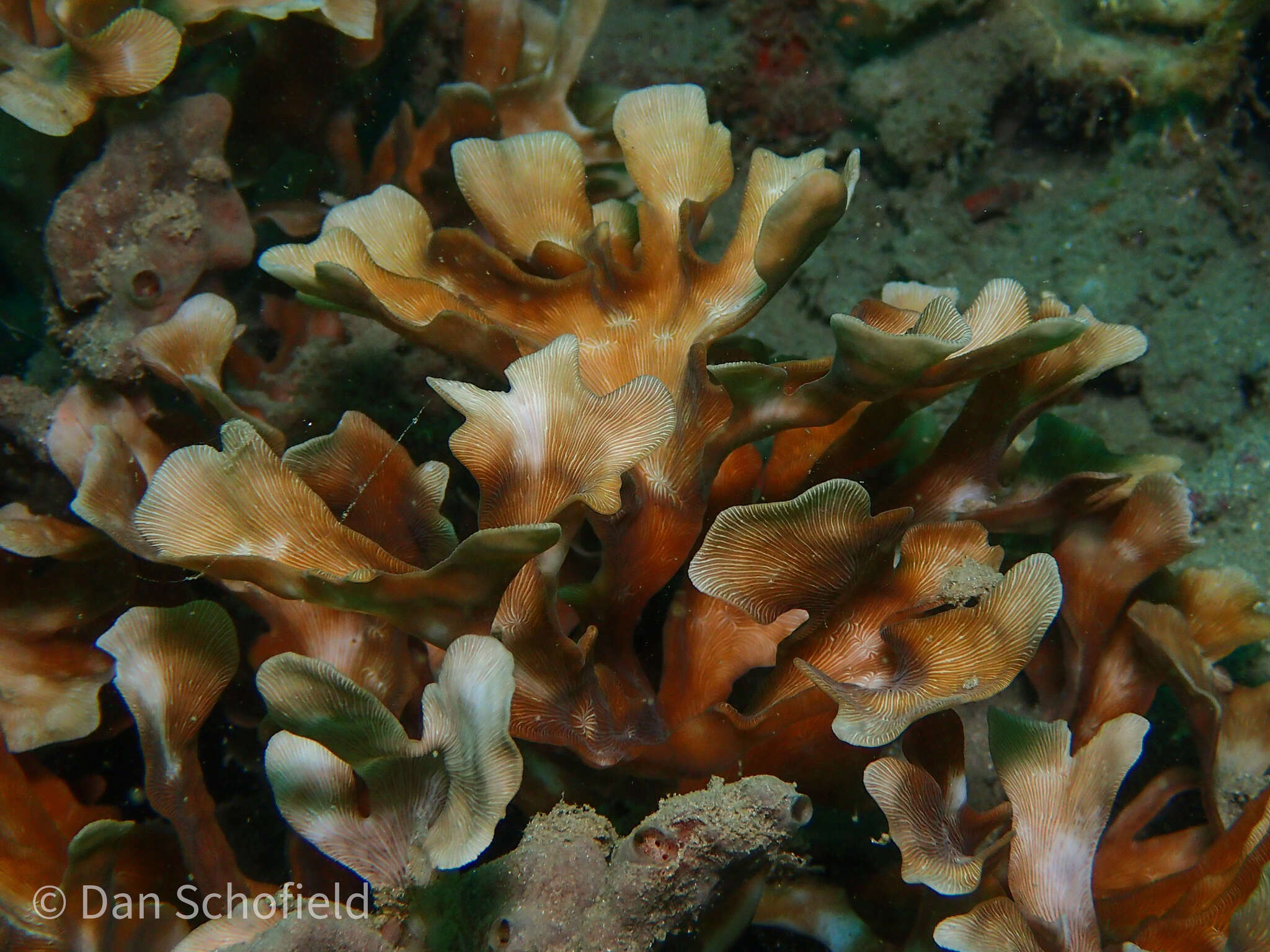
Pachyseris gemmae Nemenzo, 1955 (Serpent coral)
zooxanthellate
Turbinaria peltata (Esper, 1794) (Disc coral)
zooxanthellate
Tubastraea coccinea Lesson, 1829 (orange cup coral)
azooxanthellate
Galaxea fascicularis (Linnaeus, 1767) (Octopus coral)
zooxanthellate
Leptoseris papyracea (Dana, 1846) (Porcelain coral)
zooxanthellate
Pavona decussata (Dana, 1846) (Leaf coral)
zooxanthellate
Lutjanus fulviflamma (Forsskål, 1775) (Dory snapper)
Inhabit coral reefs . Often in large aggregations with Lutjanus kasmira and Lutjanus lutjanus . Juveniles are sometimes found in mangrove estuaries or in the lower reaches of freshwater streams. Adults usually school on...
Read More
Read More
Share on Social Networks
- Facebook:

personalize your shared text as well as its destination (wall, page...) or send as a private message to a friend
- Twitter: Tweet personalize your tweet
- Google Plus:
Direct link to this dive
- Long link:
- Short link:


 We are participating today in the startup contest Techcrunch Disrupt. Support Diveboard by voting for us!
























































































1st dive 2 tanker aboard Datu Budas
Drop in edge of Marisa 1 swim around on the right up to shallows, back to boat
mostly cloudy, humid, warm breezy with small chop
multilevel