


 Beachnutts


 Philippines
-
Nº98
 Date: 2023-08-29 - 12:19
-
 Max Depth: 19.2m Duration: 69mins
Dive Location

- Temp: Surf 27°C Bottom 27°C
- Dive type : Recreational, Reef, Photo, Muck
- Visibility: Bad Water: Salt
Specific gear used
- BCD: Scubapro - Glide Plus
- Camera: Olympus - TG6
- Computer: Aeris - White
- Computer: Oceanic - OCS
- Fins: Scubapro - Jet Fins
- Knife: Scuba MAx - folding
- Lift bag: ScubaMax - SMB
- Light: Sofirn - SD05
- Mask: Promate - Scope
- Regulator: Aqualung - Legend
- Wet suit: Blue Ocean - Diveskin
- Weights: 3.2 kg
Dive reviews
| Overall review | ||
| Dive difficulty | ||
| Marine life quality |
Dive Shop & Buddies
 Dive with Blake Auge
 Dive buddies:
Beachnutts
Dive buddies:
Beachnutts

Link to this spot:
- Spot:
- Country:
- Area:
- Body of water:
Dive Profile
- 1. Air
- 10L Aluminium 207 → 21 bar
- Average depth: 12.8m
Data provided by EOL.org



Species Identified
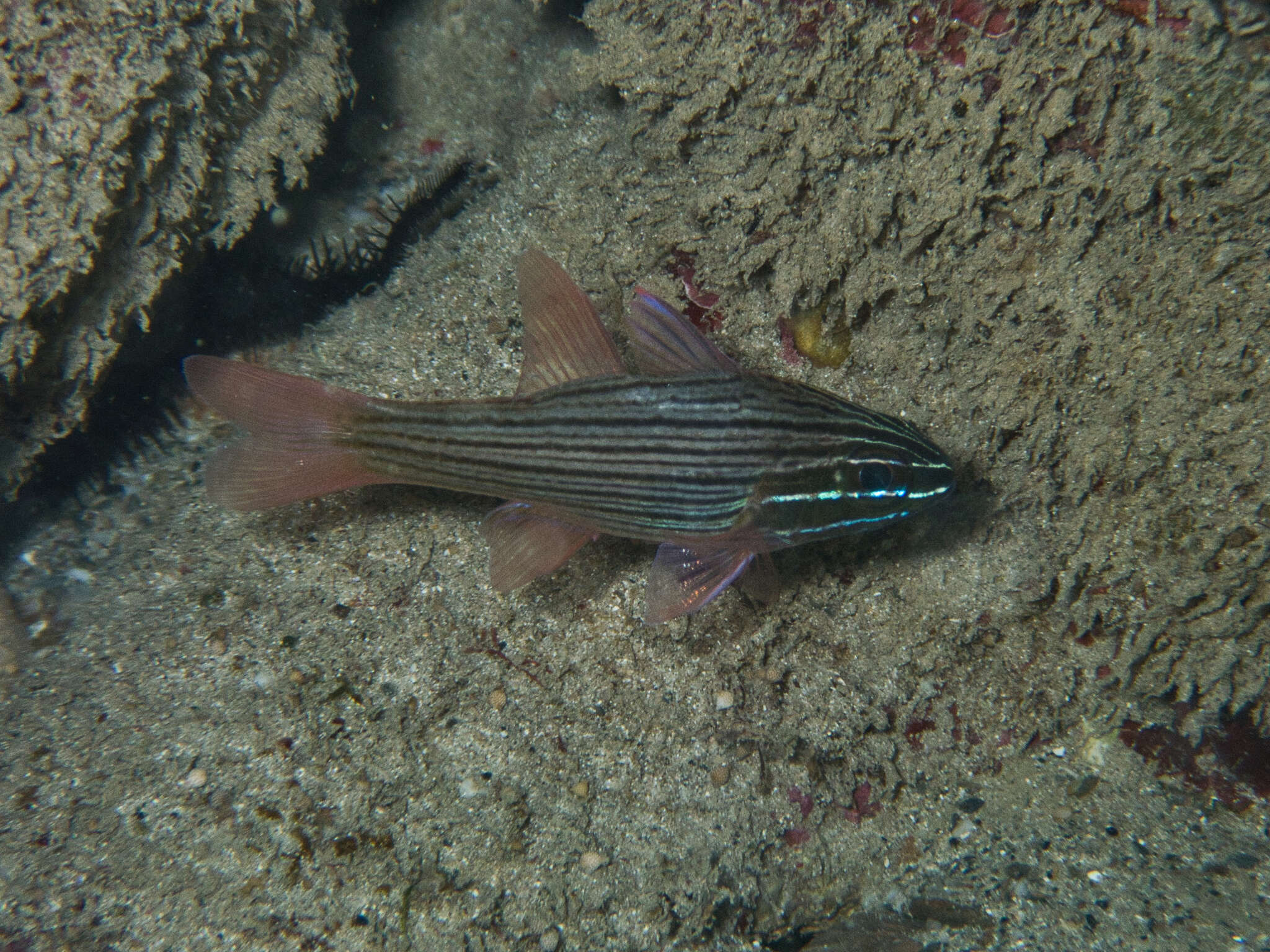
Apogon multilineatus (Bleeker, 1874) (Many-lined cardinalfish)
Found in deep and shallow lagoons with coral heads .
Apogon trimaculatus Cuvier, 1828 (Three-spot cardinalfish)
Inhabits inshore coral reefs . Nocturnal species .
Pseudocheilinus evanidus Jordan and Evermann, 1903 (Striated wrasse)
Found among patches of rubble or among branching coral of seaward reef slopes from 6 to at least 40 m . Benthopelagic . Rare in less than 20 m . Generally solitary and feeds on small benthic invertebrates .
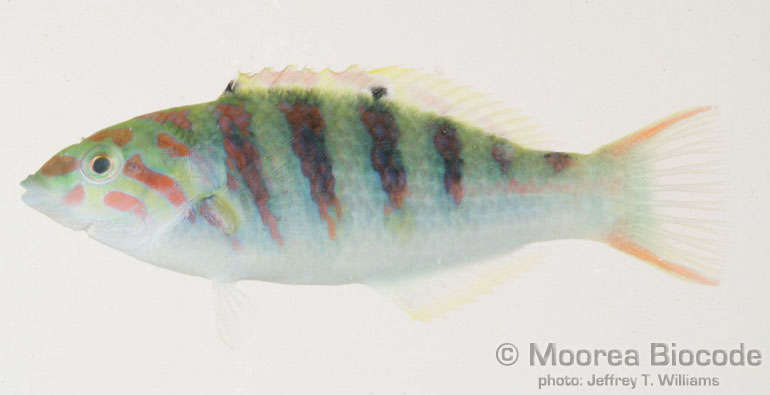
Thalassoma hardwicke (Bennett, 1830) (Sixbar wrasse)
Occurs in shallow lagoon and seaward reefs, slopes and along drop-offs to moderate depths. Occurs in small, loose groups . Feeds on benthic and planktonic crustaceans, small fishes, and foraminiferans.
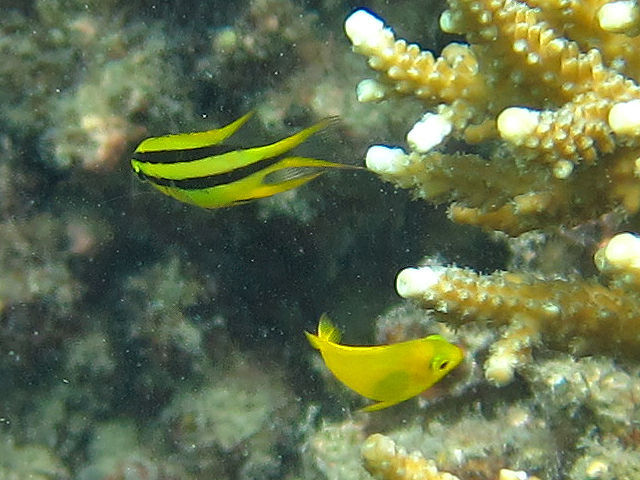
Neoglyphidodon nigroris (Cuvier, 1830) (Yellowfin damsel)
Two forms: long-tailed and black as adults occurs in the Andaman Sea, ranging east to western Bali and north to Japan. Second form, probably valid as N. xanthurus occurs in the rest of the West Pacific and the two overla...
Read More
Read More
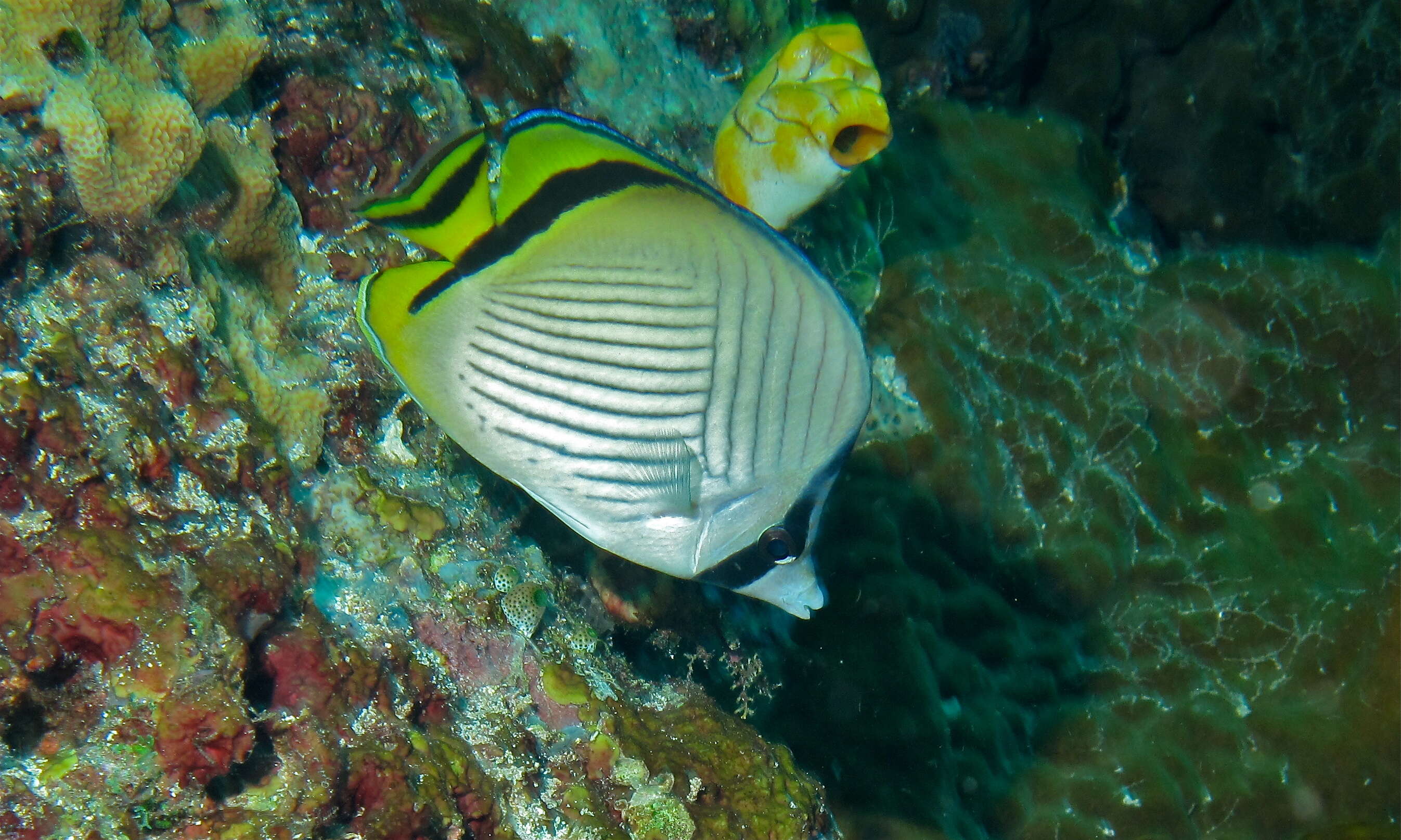
Chaetodon vagabundus Linnaeus, 1758 (Vagabond butterflyfish)
Found in reef flats, lagoon and seaward reefs and sometimes in turbid waters subject to freshwater runoff. Swim in pairs. Omnivorous, feed on algae, coral polyps, crustaceans and worms . Oviparous , monogamous . Stab...
Read More
Read More
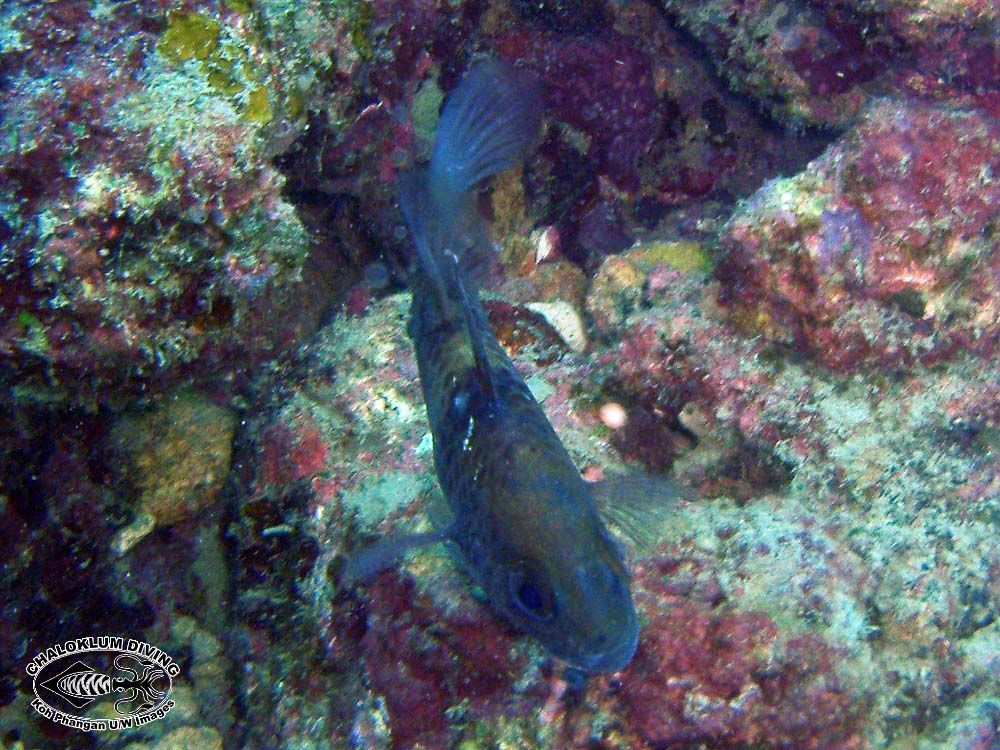
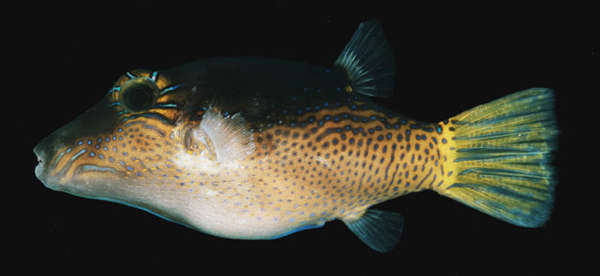
Canthigaster epilampra (Jenkins, 1903) (Lantern toby)
Inhabits outer reef slopes, generally at depths greater than 24 m, but also seen below 6 m . Benthopelagic . Solitary or paired. Feeds on mollusks, echinoderms, brachiopods, and filamentous algae .
Canthigaster ocellicincta Allen & Randall, 1977 (Shy toby)
Inhabits invertebrate-rich inshore reef to outer reef walls where usually in caves in depths of about 25 meters or more. Found singly or in pairs and on one occasion a small groups was observed among plate-corals on soft ...
Read More
Read More
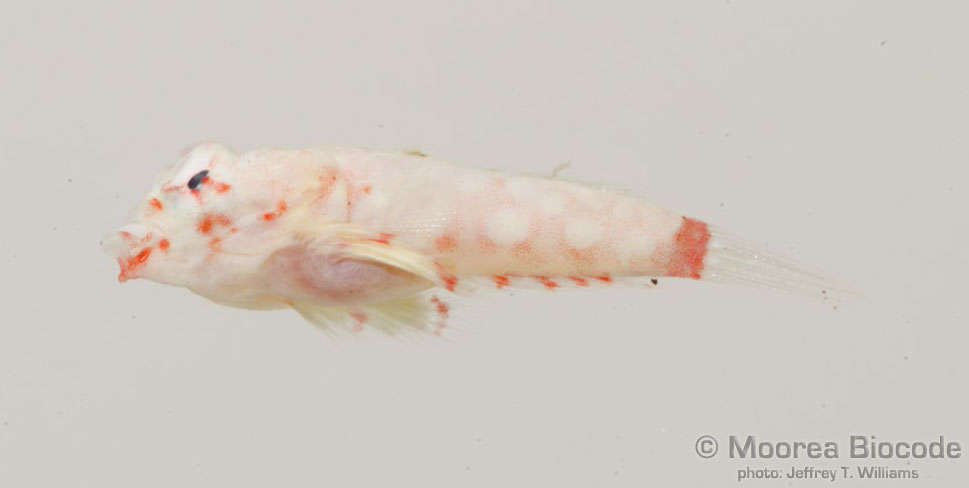
Synchiropus ocellatus (Pallas, 1770) (Ocellated dragonet)
Inhabits sandy areas of lagoon and seaward reefs . Also in sheltered rocky reef habitats in few meters depth, usually in small loose groups .
Balistapus undulatus (Park, 1797) (Orange-lined triggerfish)
Occurs in coral-rich areas of deep lagoon and seaward reefs from the lower surge zone to at least 50 meters, Ref. 48637. Feeds on a variety of benthic organisms such as algae, echinoderms, fishes, mollusks, tunicates, spo...
Read More
Read More
Share on Social Networks
- Facebook:

personalize your shared text as well as its destination (wall, page...) or send as a private message to a friend
- Twitter: Tweet personalize your tweet
- Google Plus:
Direct link to this dive
- Long link:
- Short link:


 We are participating today in the startup contest Techcrunch Disrupt. Support Diveboard by voting for us!
























































































single dive Davao Boat Club, high tide @ 10:48 am
try to dive 1-2 hours after mean high tide
conditions not good, silty, surge, trach, current, very very bad
manaaged 65 minutes, few photos, surface far from ext, long swim
multilevel, solo