


 Beachnutts


 Philippines
-
Nº173
 Date: 2025-04-20 - 12:39
-
 Max Depth: 21.6m Duration: 84mins
Dive Location

- Temp: Surf 27°C Bottom 27°C
- Dive type : Recreational, Reef, Photo
- Visibility: Good Water: Salt
Specific gear used
- Boots: Orca - Dive shoes
- Camera: Olympus - TG6
- Computer: Oceanic - OCS
- Fins: Scubapro - Jet Fins
- Knife: Scuba MAx - folding
- Lift bag: ScubaMax - SMB
- Mask: Promate - Scope
- Regulator: SEAC - Synchro
- Wet suit: Blue Ocean - Diveskin
- Weights: 3.2 kg
Dive reviews
| Overall review | ||
| Dive difficulty | ||
| Marine life quality |
Recent Divers in Talikud Island, Davao

Recent Pictures in Talikud Island, Davao
Dive Shop & Buddies
 Dive buddies:
Reymar Tano,
Eric Cembrano,
Beachnutts
Dive buddies:
Reymar Tano,
Eric Cembrano,
Beachnutts

Link to this spot:
- Spot:
- Country:
- Area:
- Body of water:
Dive Profile
- 1. Air
- 10L Aluminium 207 → 17 bar
- Average depth: 14.4m
Data provided by EOL.org

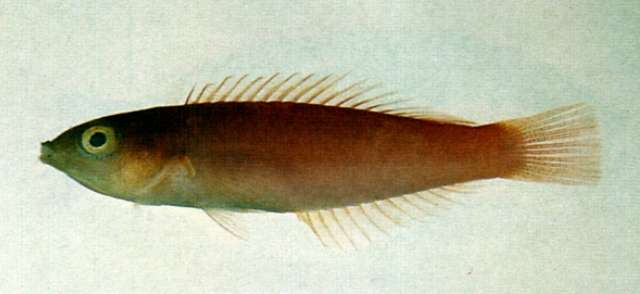


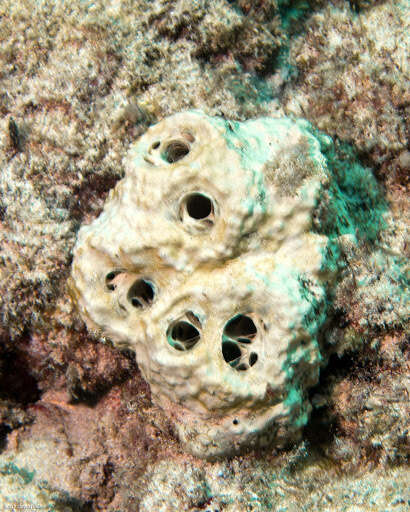

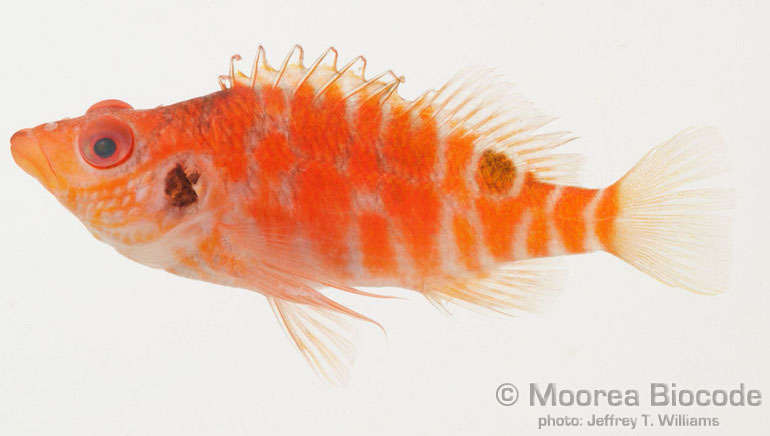


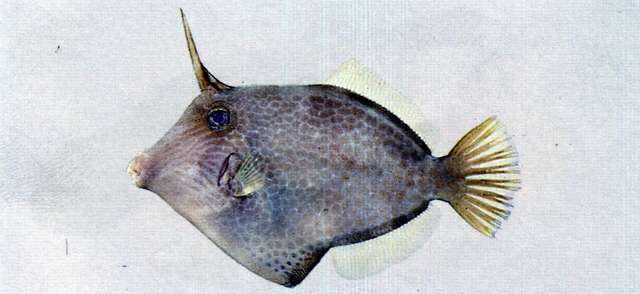



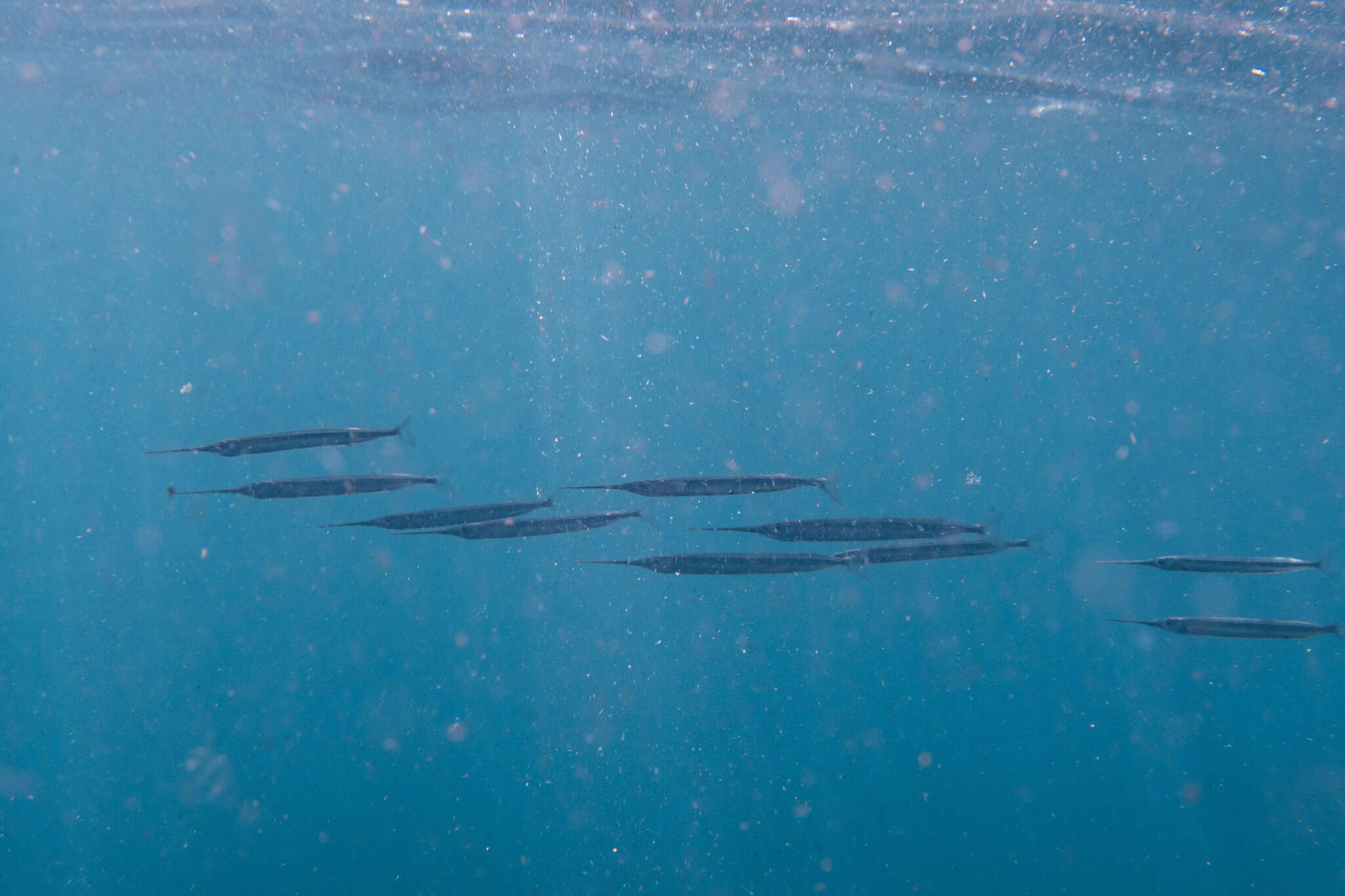

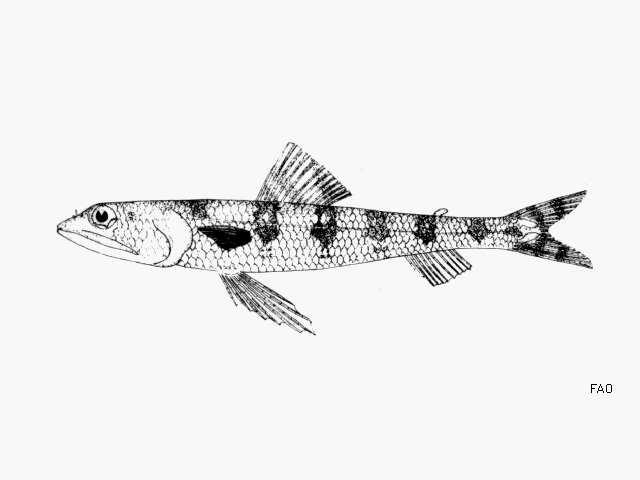
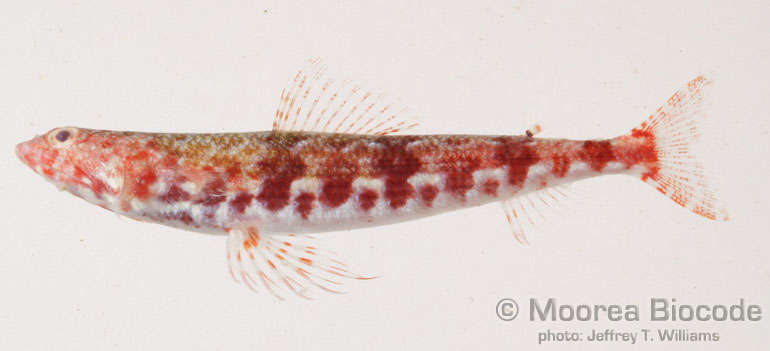
Species Identified
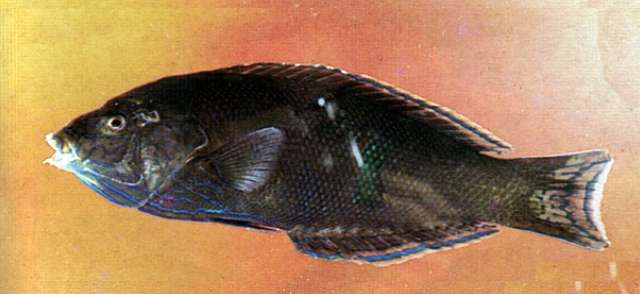
Cheilinus trilobatus Lacepède, 1801 (Tripletail wrasse)
Adults inhabit lagoon and seaward reefs at depths of 1 to over 30 m, and relatively common along shallow reef margins with good coral cover . Usually solitary . Feed mainly on shelled benthic invertebrates such as mollus...
Read More
Read More
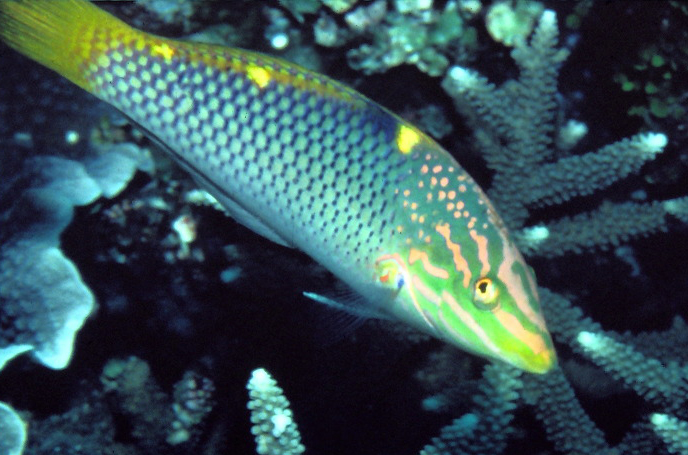
Halichoeres hortulanus (Lacepède, 1801) (Checkerboard wrasse)
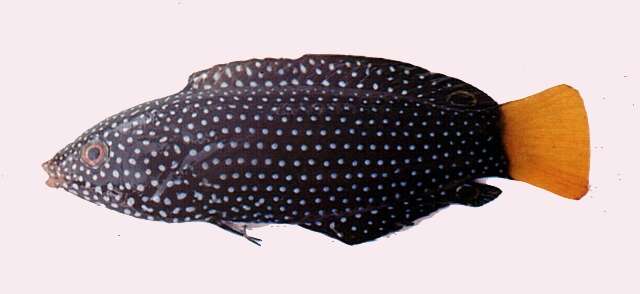
Anampses meleagrides Valenciennes, 1840 (Spotted wrasse)
Found in areas of mixed coral, rubble, consolidated limestone, and sand of seaward reefs; also in soft coral or sponge habitats . Minimum depth reported taken from Ref. 30874.
Anampses geographicus Valenciennes, 1840 (Geographic wrasse)
Inhabits shallow coral reefs. Often in weedy areas . Feeds on benthic invertebrates. Expatriate juveniles are transported by currents to subtropical zones during pelagic stages . Occasionally seen in fish markets or aquarium trade.
Pseudojuloides cerasinus (Snyder, 1904) (Smalltail wrasse)
Occurs in clear lagoon and seaward reefs; common over coral rubble with algal clumps or in areas dominated with live coral . Rarely seen at depths less than 21 m . Benthopelagic .
Pteragogus cryptus Randall, 1981 (Cryptic wrasse)
A secretive species occurring on coral reefs where it hides among soft corals and benthic algae. Feeds on benthic invertebrates. Monogamous . Rarely found in the aquarium trade.
Sphyraena flavicauda Rüppell, 1838 (Yellowtail barracuda)
Inhabits lagoon and sheltered seaward reefs ; also found in bays . Often schools on coastal reefs .
Liosina paradoxa Thiele, 1899
Agelas ceylonica Dendy, 1905
Oceanapia polysiphonia (Dendy, 1922)
Haliclona cribriformis (Ridley, 1884)
Erylus decumbens Lindgren, 1897
Biemna trirhaphis (Topsent, 1897)
Amblycirrhitus bimacula (Jenkins, 1903) (Twospot hawkfish)
A secretive species remaining in or near interstices of rock, coral, or rubble . Moderately common in seaward reefs in areas exposed to moderate surge or currents . Benthic . Minimum depth reported from Ref. 30874.
Cirrhitichthys falco Randall, 1963 (Dwarf hawkfish)
Shallow coastal to outer reef flats and slopes to 45 m depth . Common inhabitant of coral reefs, typically resting at the bases of coral heads . Studies indicate that it is haremic and spawns nightly . Occasionally in pairs .
Cirrhitichthys oxycephalus (Bleeker, 1855) (Coral hawkfish)
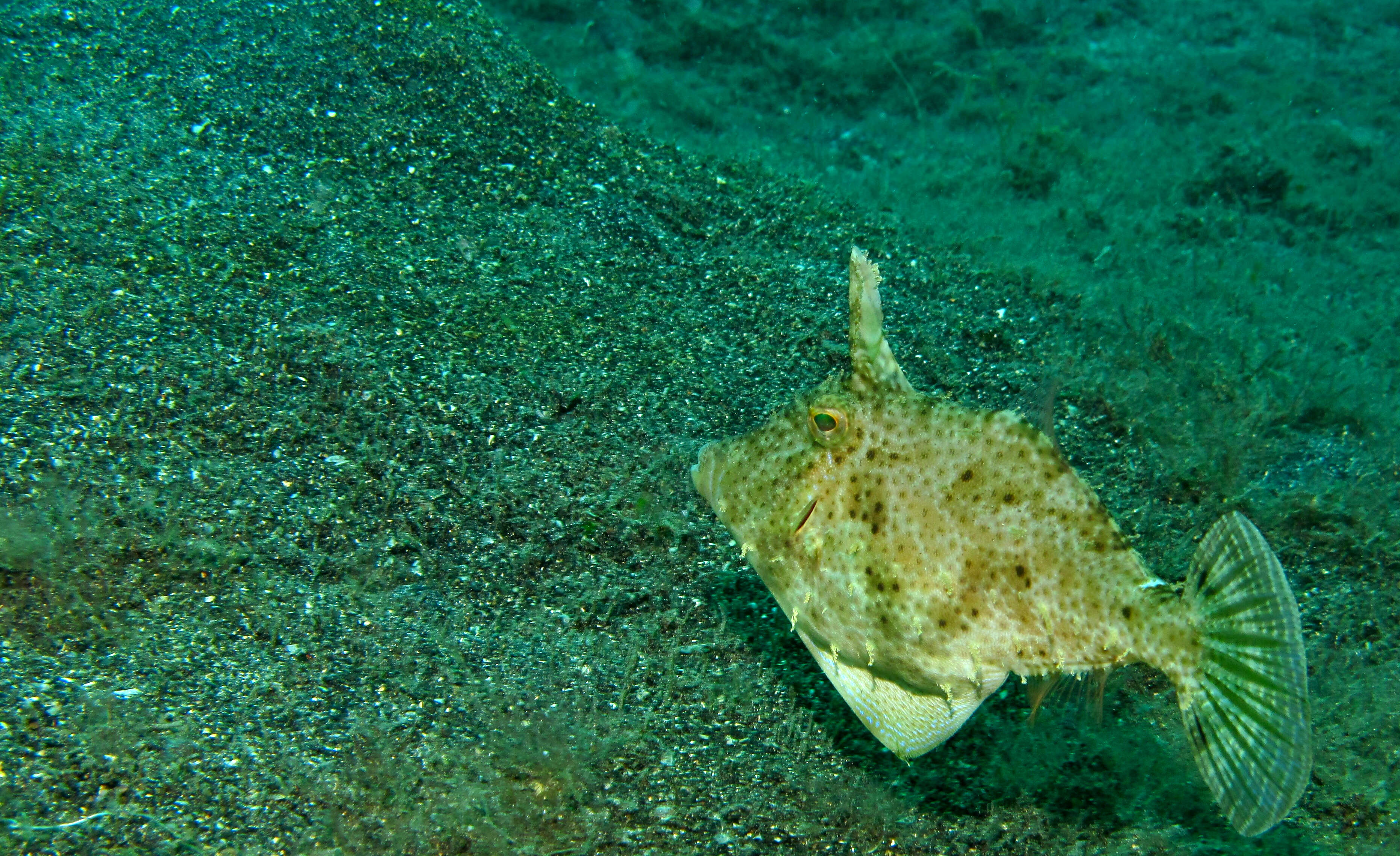
Cantherhines pardalis (Rüppell, 1837) (Honeycomb filefish)
Occurs on outer reef slopes to depths of 2 to more than 20 m , often silty habitats. Young float with loose surface weeds and adults are often with large Sargassum rafts during the wet season . Solitary. Feeds on benthic organisms . Somewhat secretive .
Pseudomonacanthus macrurus (Bleeker, 1857) (Strap-weed file-fish)
Inhabits shallow coastal algal reefs and estuaries. Adults are often in pairs .
Oxymonacanthus longirostris (Bloch & Schneider, 1801) (Harlequin filefish)
Occurs in clear lagoon and seaward reefs from 0.5 to at least 30 m. Found in pairs or small groups and nests near bases of dead corals, often on clumps of algae. Monogamous . Feeds exclusively on Acropora polyps. Feeding takes place throughout the day becoming less towards the evening .
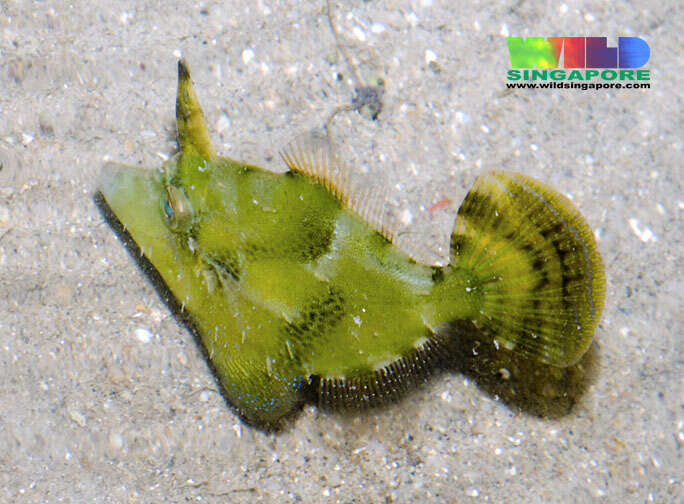
Monacanthus chinensis (Osbeck, 1765) (Fan-bellied leatherjacket)
Inhabits estuaries and on coastal and offshore reefs ; also on weed bottoms and on trawling grounds. Found on muddy or silty substrates . Is an omnivore which feeds mainly on seagrass, algae, gammarid amphipods and carid...
Read More
Read More
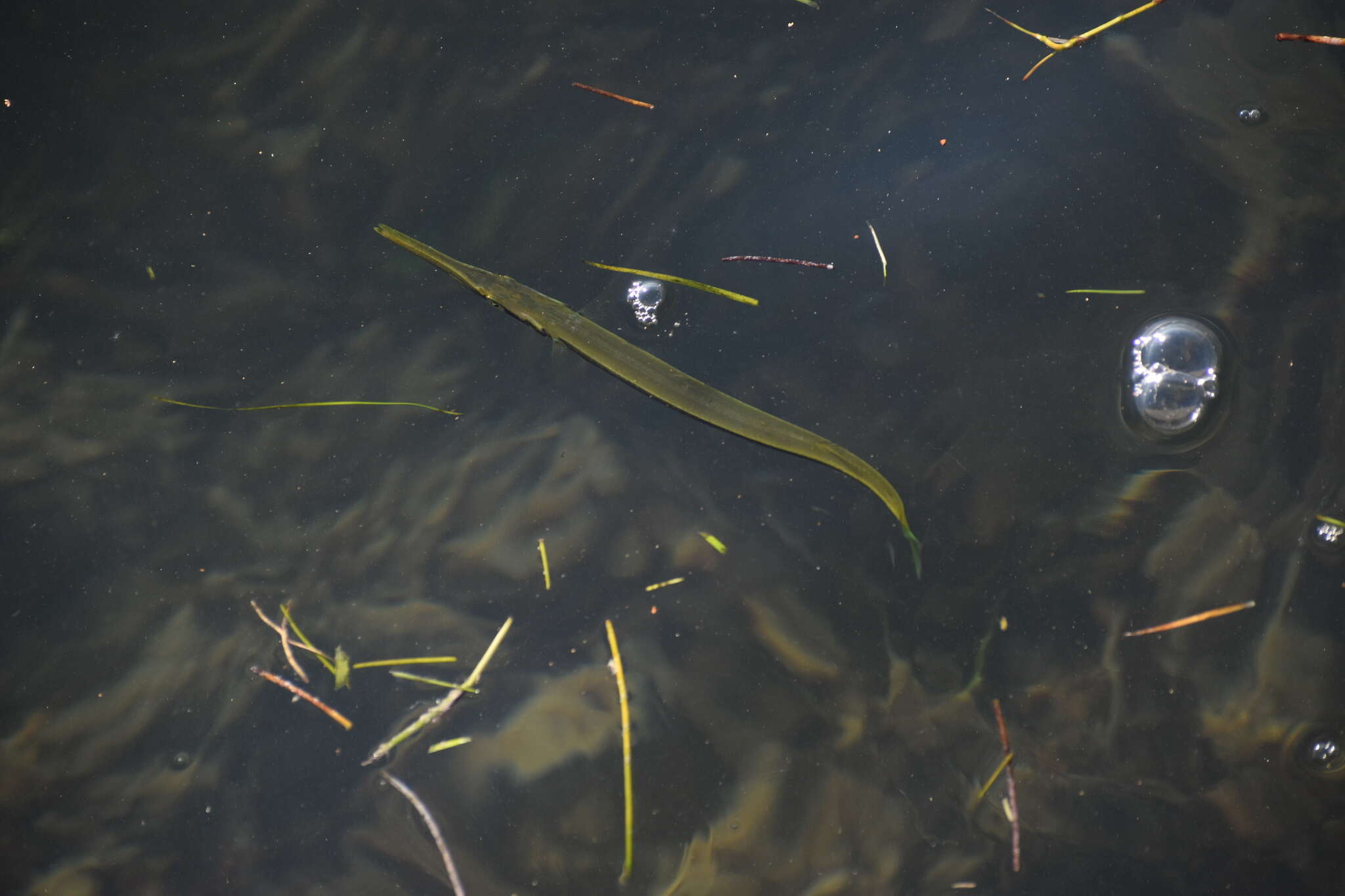
Strongylura timucu (Walbaum, 1792) (Atlantic needlefish)
Adults found on reef flats, in lagoons, or in freshwater . Juveniles found among floating algae . Feeds mainly on small fishes . Oviparous . Eggs may be found attached to objects in the water by tendrils on the egg'...
Read More
Read More
Trichonotus setiger Bloch and Schneider, 1801 (Spotted sand-diver)
Found in steep sand slopes in large aggregations . Hovers above clean sandy bottoms; darts into the sand when disturbed. Usually slightly silty habitat. Usually seen resting on substrate, leaving substrate to grab prey from zooplankton floating over, or when displaying .
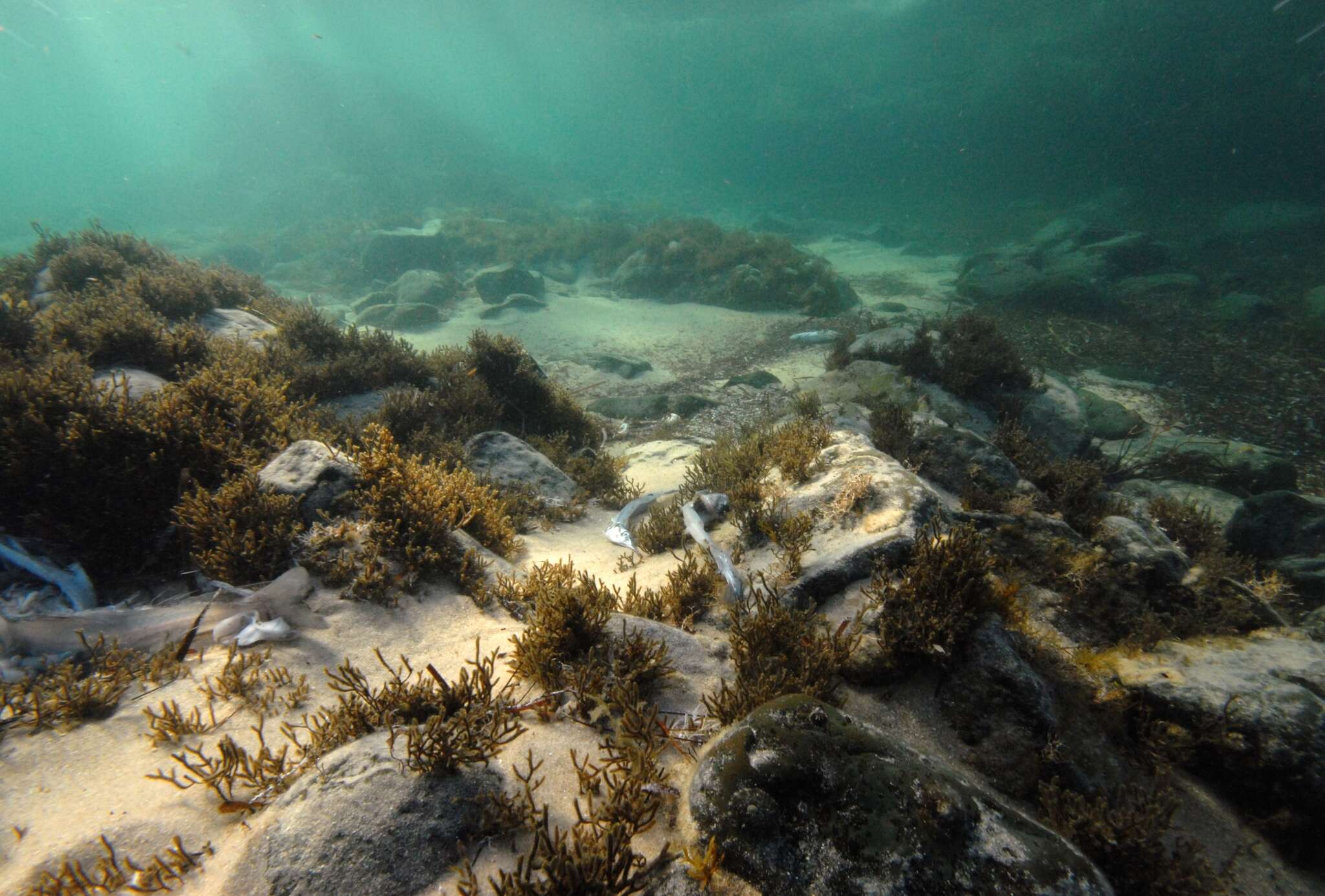
Hyporhamphus melanochir (Valenciennes, 1847) (Southern sea garfish)
Found inshore in surface waters of estuaries, bays, inlets and gulfs to a depth of about 20 m . In the South Australian gulfs, southern sea garfish may be found in deeper waters during the colder months . Generally herbi...
Read More
Read More
Chriodorus atherinoides Goode and Bean, 1882 (Hardhead)
Forms schools in bays and waterways, especially around seagrass beds.
Hyporhamphus australis (Steindachner, 1866) (sea garfish)
Found in sheltered bays, clear coastal waters and sometimes in estuaries . Generally herbivorous. Feed mainly on seagrasses and algal filaments . Eastern sea garfish also consume a high proportion of crustaceans . A sc...
Read More
Read More
Hyporhamphus limbatus (Valenciennes, 1847) (Congaturi halfbeak)
Coastal species. Found at surface levels of tidal freshwaters and brackish estuaries . Encountered in the Mekong as far upstream as Stung Treng and also found in the Great Lake, Cambodia . Feeds mainly on insects . Marketed fresh and dried salted.
Synodus synodus (Linnaeus, 1758) (Diamond lizardfish)
Primarily found in shallow inshore waters . Rests on hard surfaces rather than on sand . Also occurs in reef areas, but ventures into open shelf water as deep as 90 m . Caught with several types of artisanal gear. Reportedly good to eat, but not utilized widely .
Synodus variegatus (Lacepède, 1803) (Variegated lizardfish)
Inhabits deep lagoon and seaward reefs to depths over 40 m ; sometimes found on sandy bottoms concealing itself in the sand. Prefers to rest on hard surfaces and frequently occurs in pairs . Benthic . Feeds on small fis...
Read More
Read More
Share on Social Networks
- Facebook:

personalize your shared text as well as its destination (wall, page...) or send as a private message to a friend
- Twitter: Tweet personalize your tweet
- Google Plus:
Direct link to this dive
- Long link:
- Short link:


 We are participating today in the startup contest Techcrunch Disrupt. Support Diveboard by voting for us!
























































































Easter Sunday 4.20.25 two tank trip on Datu Budas
Easter Basket dive at SdS house reef
drop in with group swim to depth stop to photo small warty frogfish, lost group, solo looking for photos back to shallows and boat
multilevel
highlight courting Spiny Devilfish pair