


 Beachnutts


 Philippines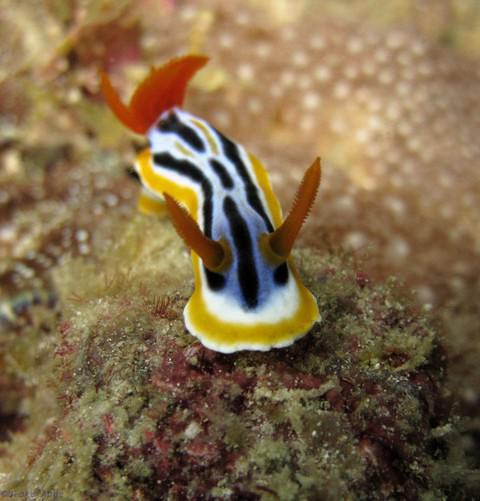
-
Nº60
 Date: 2023-01-29 - 01:08
-
 Max Depth: 22.9m Duration: 70mins
Dive Location

- Surface interval:78 mins
- Temp: Surf 26°C Bottom 26°C
- Dive type : Recreational, Reef, Photo
- Visibility: Good Water: Salt
Specific gear used
- BCD: Oceanic - OceanPro
- Camera: Canon - Powershot SD780
- Computer: Oceanic - OCS
- Fins: Scubapro - Jet Fins
- Knife: Scuba MAx - folding
- Lift bag: ScubaMax - SMB
- Mask: Promate - Scope
- Regulator: SEAC - Synchro
- Wet suit: Blue Ocean - Diveskin
- Weights: 3.2 kg
Dive reviews
| Overall review | ||
| Dive difficulty | ||
| Marine life quality |
Recent Divers in Talicud island, Davao

Recent Pictures in Talicud island, Davao
Dive Shop & Buddies
 Dive with Maeng
 Dive buddies:
Mike Tacansan
Dive buddies:
Mike Tacansan

Link to this spot:
- Spot:
- Country:
- Area:
- Body of water:
Dive Profile
- 1. Air
- 10L Aluminium 207 → 34 bar
- Average depth: 15.2m
Data provided by EOL.org






Species Identified
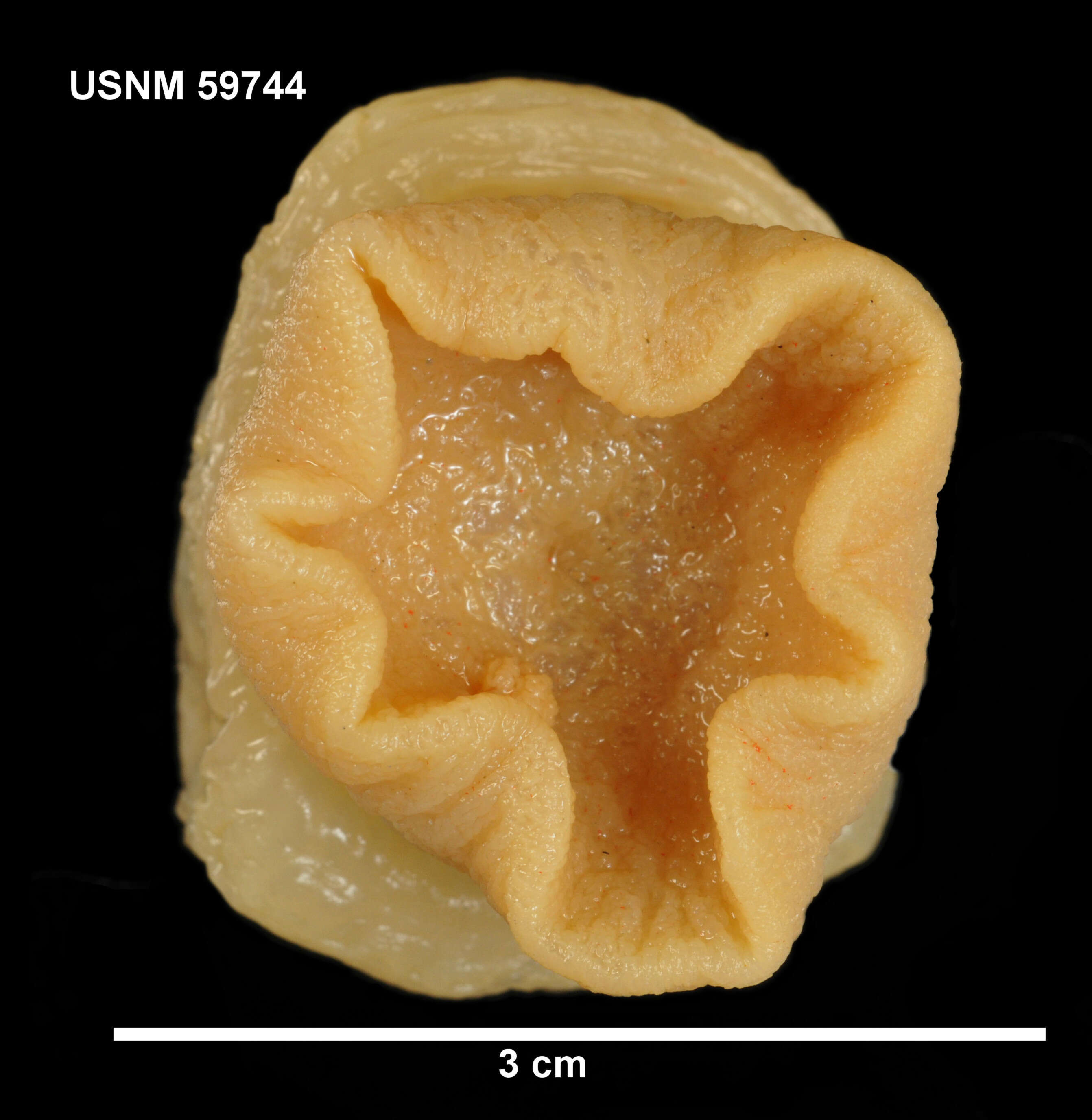
Haliclona griessingeri Van Lent & De Weerdt, 1987
Hyalonema bianchoratum Wilson, 1904
Ancorina brevidens Dendy & Frederick, 1924
Ancorina corticata Lévi, 1964
Jaspis duosaster Hoshino, 1981
Ancorina diplococcus Dendy, 1924
Ancorina fenimorea de Laubenfels, 1934
Ancorina nanosclera Lévi, 1967
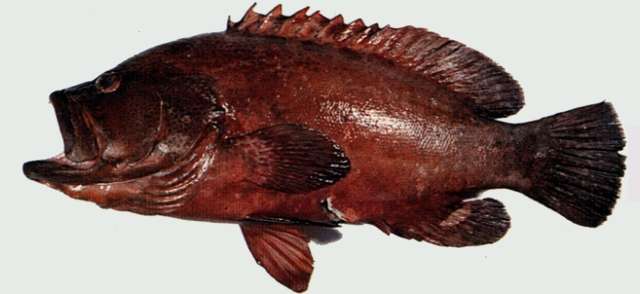
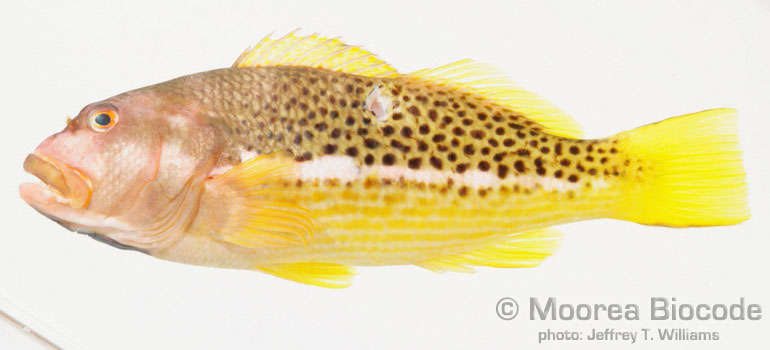
Epinephelus howlandi (Günther, 1873) (blacksaddle grouper)
Usually found over rocky areas or on coral reefs. Nothing has been published on its biology. Appears to be very rare and therefore of little commercial importance. In Hong Kong live fish markets .
Epinephelus longispinis (Kner, 1864) (Longspine grouper)
Inhabits coral reefs or rocky areas and occasionally on sandy bottom. Feeds mainly on crustaceans, especially crabs and stomatopods, rarely on small fishes, squids, and pelecypod flesh. Used in Chinese medicine .
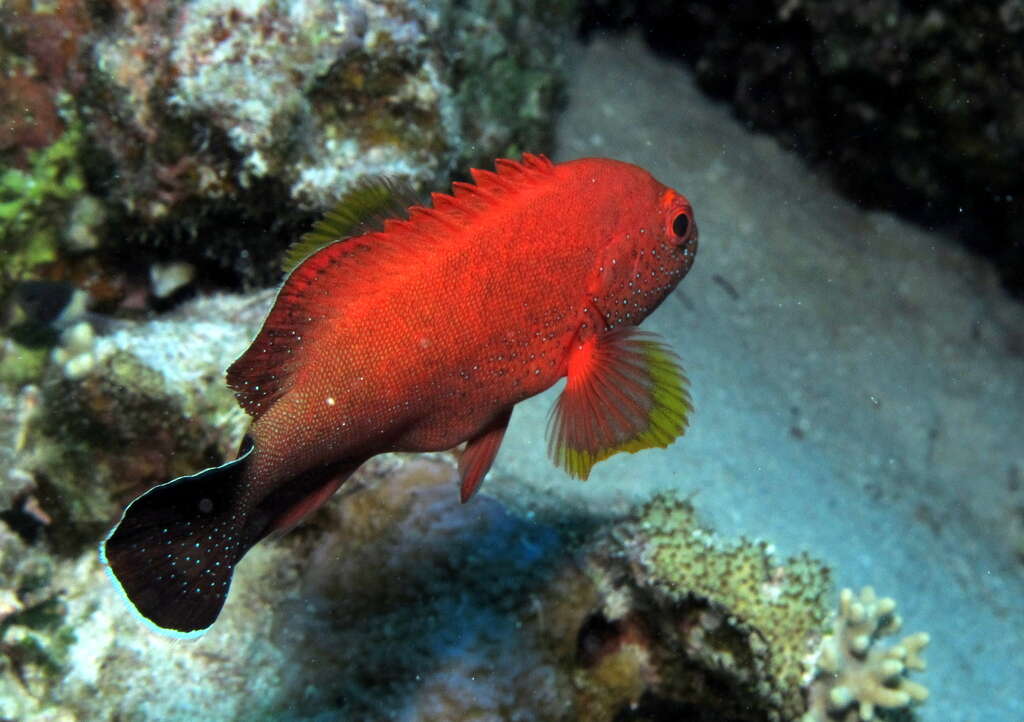
Cephalopholis sonnerati (Valenciennes, 1828) (Red coral rod)
Occurs in deep lagoon reefs and steep outer reef slopes; encountered in coastal areas with rocky substrates. Juveniles are usually found near sponges or coral heads . Adults usually at moderate depths with bommies with l...
Read More
Read More
Cephalopholis hemistiktos (Rüppell, 1830) (duskyfin grouper)
In the Red Sea, it is often found on patchy open reef areas. Feeds diurnally on fishes (64%, mostly pomacentrids) and crustaceans (36%). It is a monogamous species, the pair jointly defends a common territory of up to 62 square m .
Heteractis magnifica (Quoy and Gaimard, 1833) (Magnificent sea anemone)
Heteractis crispa (Hemprich and Ehrenberg in Ehrenberg, 1834) (Leathery sea anemone)
Aiptasiogeton pellucidus (Hollard, 1848)
Epiactis georgiana Carlgren, 1927
Heteractis malu (Haddon and Shackleton, 1893) (Delicate sea anemone)
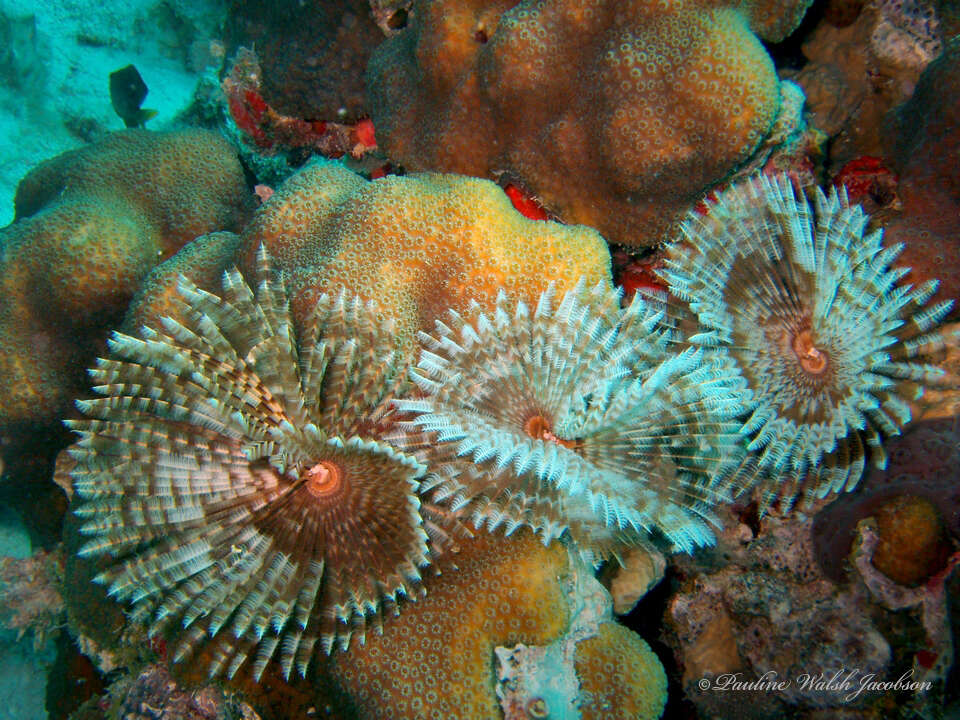
Sabellastarte magnifica (Shaw, 1800) (feather duster)
Paracirrhites hemistictus (Günther, 1874) (Whitespot hawkfish)
An uncommon species that inhabits exposed reef fronts and outer reef slopes to a depth of about 18 m where it perches on rocks and corals. Absent from most large continental islands . Minimum depth reported taken from Ref. 9710.
Cirrhitus pinnulatus (Forster, 1801) (oopukai)
Inhabits reef fronts and rocky shorelines exposed to moderate to strong surge to depths of about 3 m . Benthic . Feeds primarily on crabs, also takes other crustaceans, small fishes, sea urchins or brittle stars. Marketed fresh .
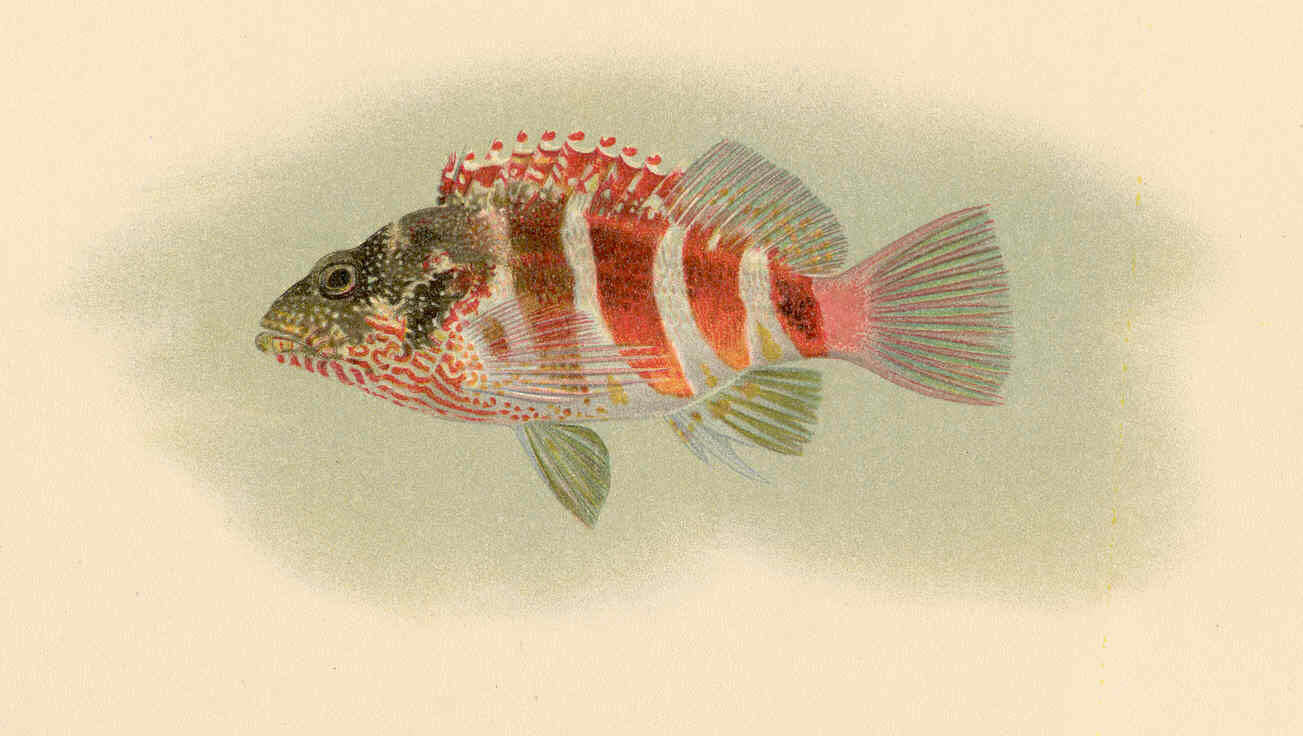
Cirrhitops fasciatus (Bennett, 1828) (Redbarred hawkfish)
Occurs on seaward reefs, in areas of moderate to rich coral growth. Typically at the bases of coral heads on hard bottoms . Benthic . Feeds about equally on small fishes, shrimps and crabs; to a lesser extent, on sipunculids and zooplankton .
Share on Social Networks
- Facebook:

personalize your shared text as well as its destination (wall, page...) or send as a private message to a friend
- Twitter: Tweet personalize your tweet
- Google Plus:
Direct link to this dive
- Long link:
- Short link:


 We are participating today in the startup contest Techcrunch Disrupt. Support Diveboard by voting for us!
























































































2nd dive friont of Coral Garden CGBR
drop in nearshore just North of resort, swim to depth, very nice corals and seamounts, nice dive
many chromodoris in the open
multilevel