


 Beachnutts



 Philippines
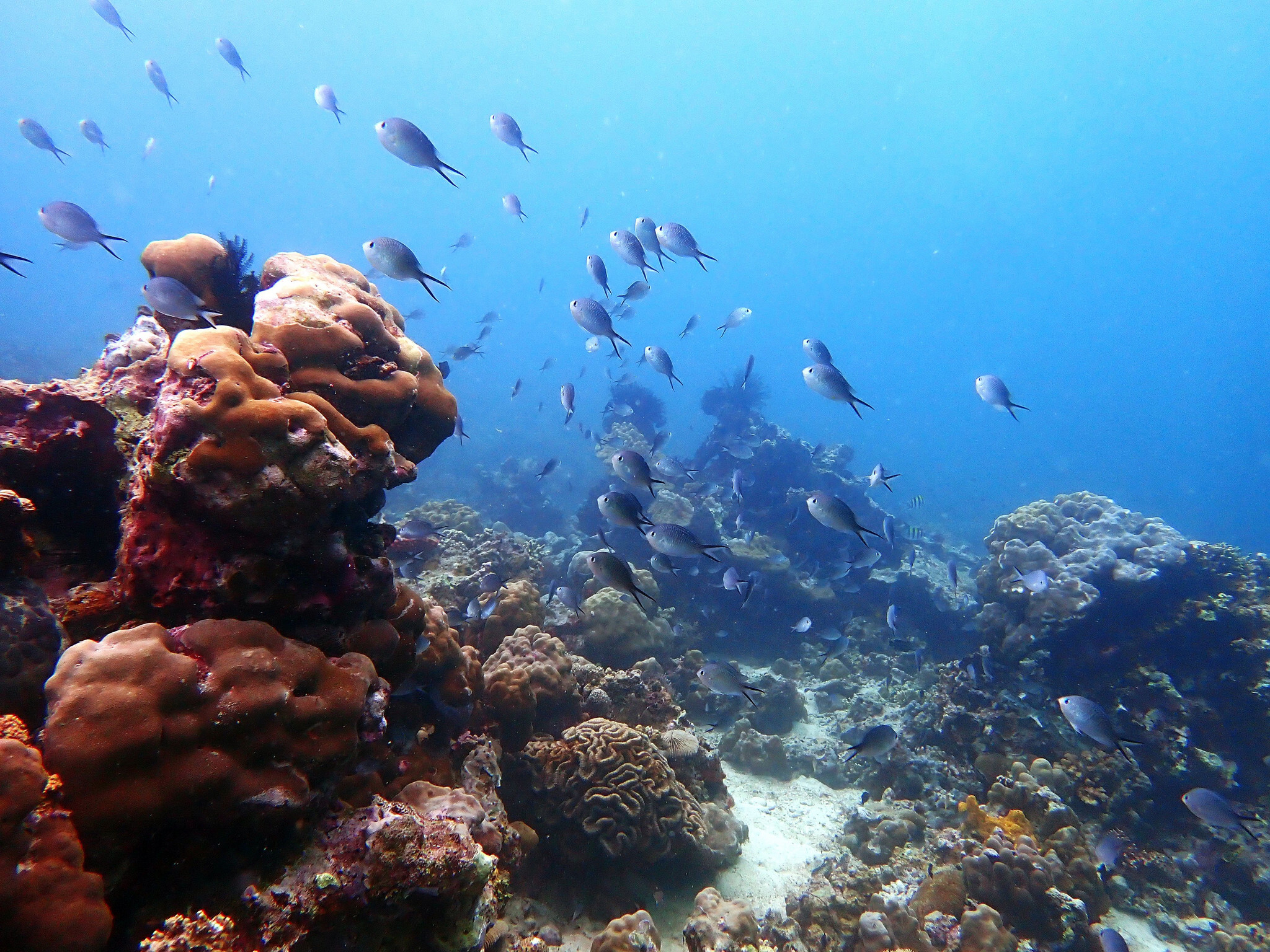
-
Nº195
 Date: 2026-02-22 - 01:04
-
 Max Depth: 17.7m Duration: 80mins
Dive Location

- Surface interval:73 mins
- Temp: Surf 26°C Bottom 26°C
- Dive type : Recreational, Reef, Photo
- Visibility: Average Water: Salt
Specific gear used
- BCD: Scubapro - Glide Plus
- Boots: Cressi Sub - Dive Shoes
- Camera: Olympus - TG6
- Compass:
- Compass: Aeris - Atmos console
- Computer: Oceanic - OCS
- Fins: Scubapro - Go Rescue
- Knife: Scuba MAx - folding
- Lift bag: ScubaMax - SMB
- Light: Cree - L2
- Mask: Promate - Scope
- Regulator: Aqualung - Legend
- Wet suit: Blue Ocean - Diveskin
- Weights: 3.2 kg
Dive reviews
| Overall review | ||
| Dive difficulty | ||
| Marine life quality |
Recent Divers in Talicud island, Davao
Recent Pictures in Talicud island, Davao
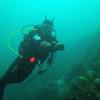
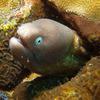
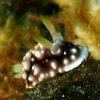
Dive Shop & Buddies
 Dive with Blake Auge
 Dive buddies:
Blake Auge,
Weng,
Beachnutts

Link to this spot:
- Spot:
- Country:
- Area:
- Body of water:
Dive Profile
- 1. Air
- 10L Aluminium 207 → 21 bar
- Average depth: 11.8m
Data provided by EOL.org



Species Identified
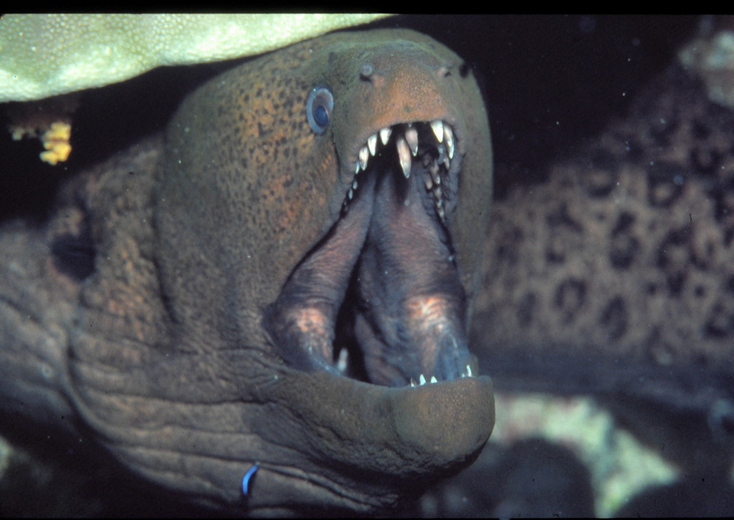
Gymnothorax undulatus (Lacepède, 1803) (Moray)
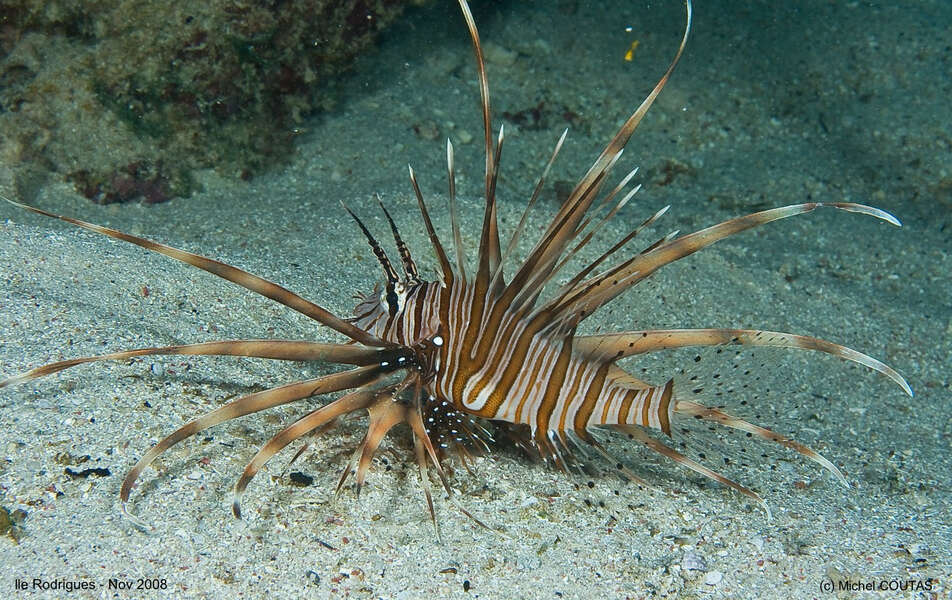
Pterois volitans (Linnaeus, 1758) (Red lionfish)
Dendrochirus zebra (Cuvier, 1829) (Zebra turkeyfish)
Found on coral, rubble, or rock bottoms of reef flats ; also in coastal to outer reef habitats in sheltered lagoons and in caves, sometimes in small aggregations. Usually shallow, from 3-60m but also reported to 80 m dep...
Read More
Read More
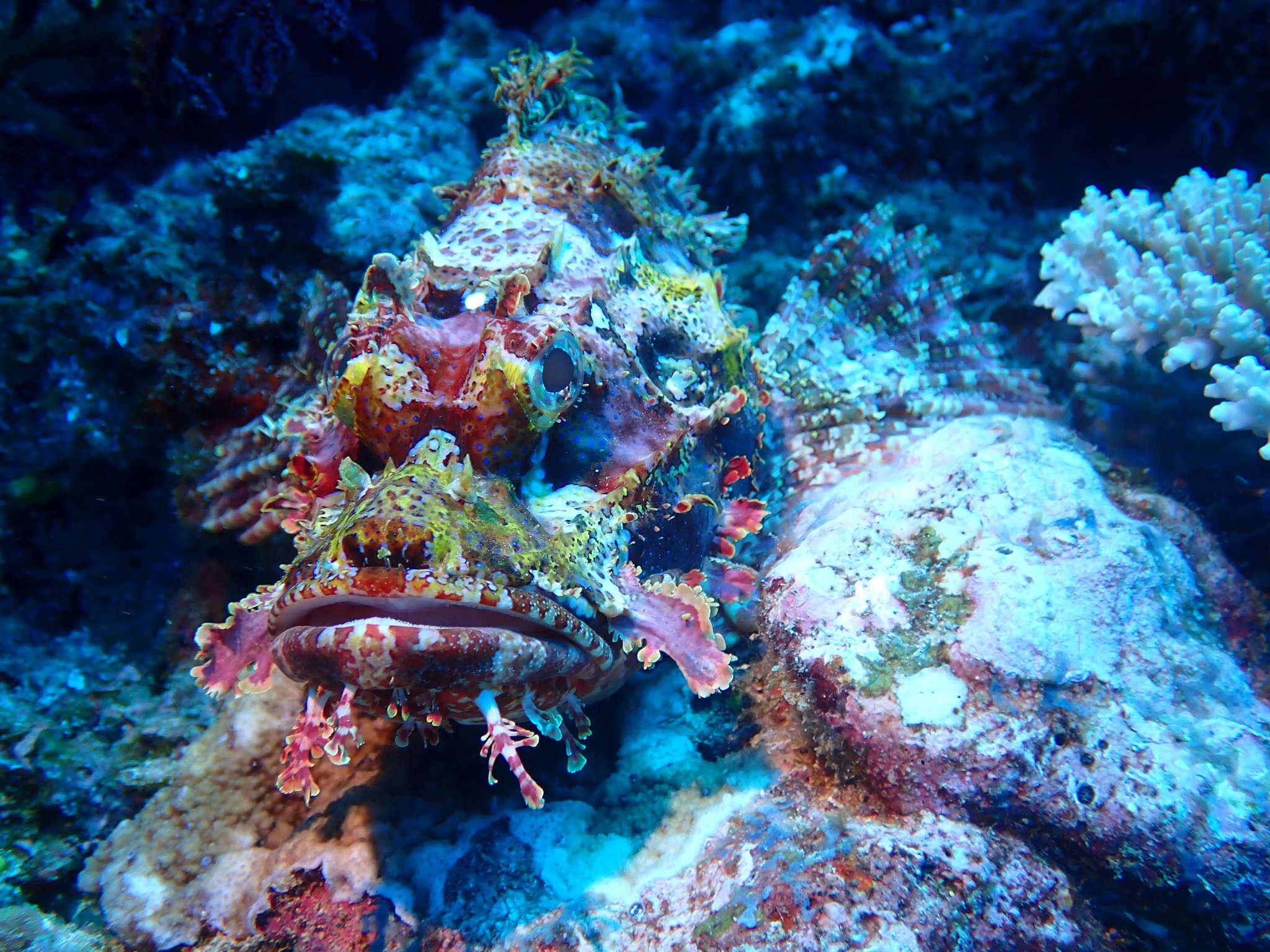
Scorpaenopsis papuensis (Cuvier, 1829) (Papuan scorpionfish)
Found in coral and rocky areas to depths over 40 m ; also in coastal sand slopes, estuaries and lagoons, often in algae covered rubble zones .
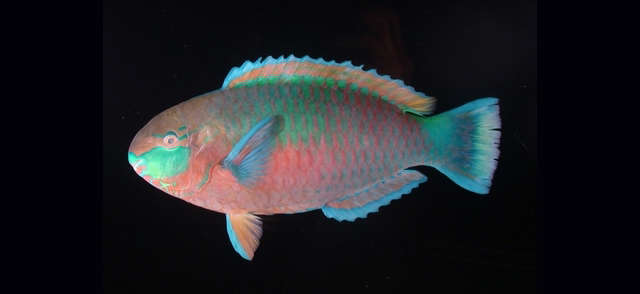
Scarus quoyi Valenciennes, 1840 (Quoy's parrotfish)
Inhabits coral-rich areas of outer channels and seaward reefs . Occurs singly or in small groups over intertidal flats to graze on algae during high water mark .
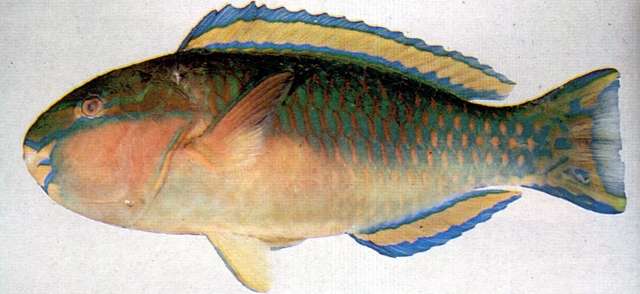
Chlorurus japanensis (Bloch, 1789) (Palecheek parrotfish)
Inhabits seaward coral and rocky reefs ; inner reefs with rich coral habitat . Feeds on benthic algae . Caught mainly with traps, nets and other types of artisanal gear.
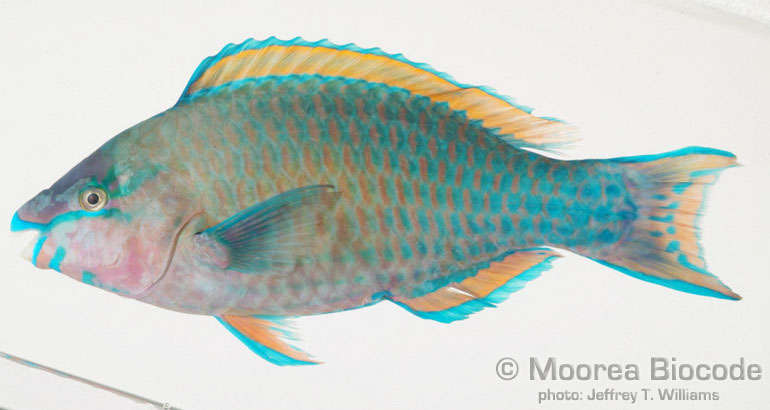
Chlorurus sordidus (Forsskål, 1775) (Daisy parrotfish)
Scarus psittacus Forsskål, 1775 (Common parrotfish)
Inhabit reef flats and lagoon and seaward reefs to at least 25 m depth . Found over corals . Benthopelagic . Initial-phase fish stage usually form small feeding schools . Graze on benthic algae . Secrete a mucus cocoon .
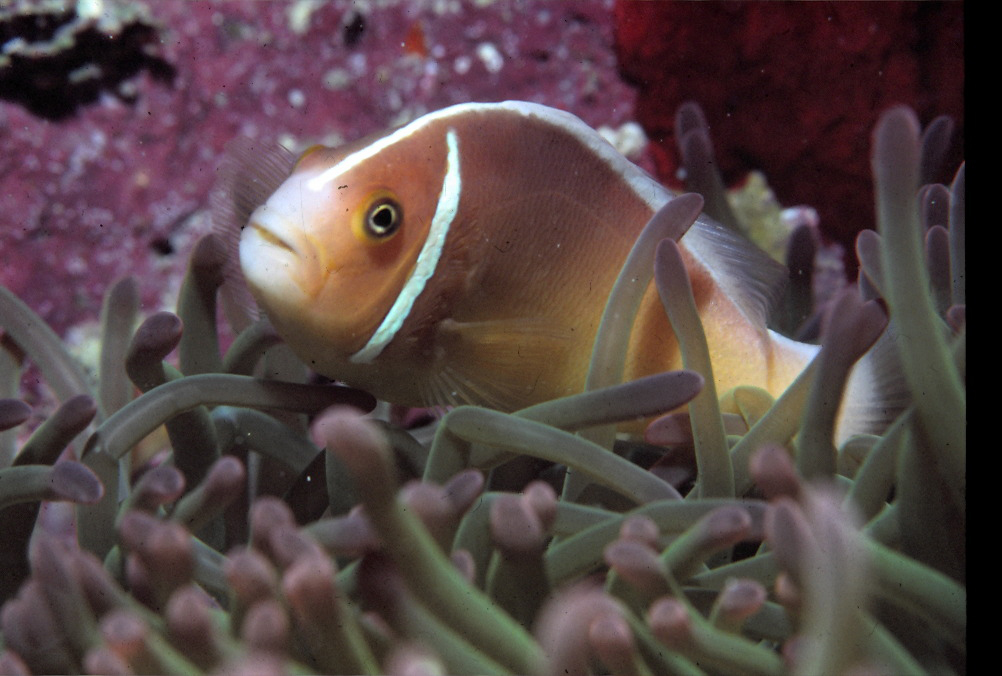
Amphiprion perideraion Bleeker, 1855 (False skunk-striped anemonefish)
Inhabits lagoon and seaward reefs . Mainly diurnal. Non-burrowing. Monogamous . A protandrous hermaphrodite . Associated with the anemones: Heteractis magnifica , Heteractis crispa, Macrodactyla doreensis, and Sticho...
Read More
Read More
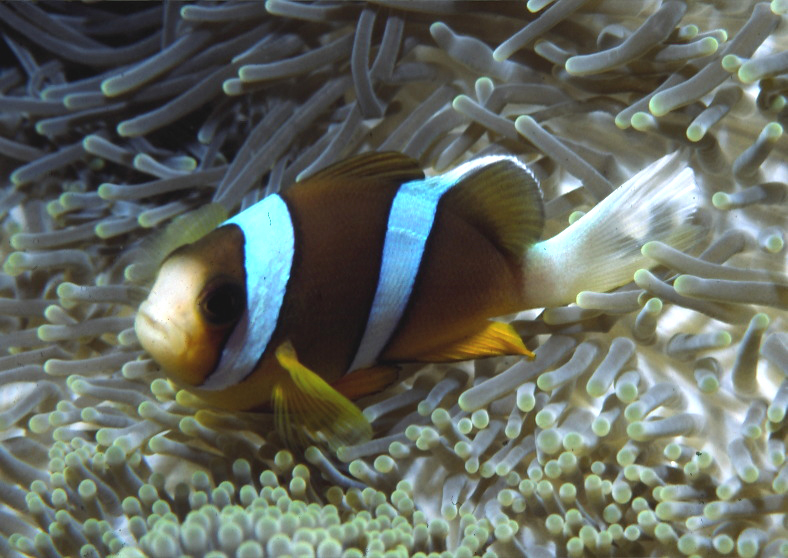
Amphiprion clarkii (Bennett, 1830) (Brown anemonefish)
Inhabits lagoons and outer reef slopes. Omnivorous. Oviparous, with elliptical eggs . Monogamous . Has been reared in captivity . Associated with the anemones: Cryptodendrum adhaesivum, Entacmaea quadricolor, Heterac...
Read More
Read More
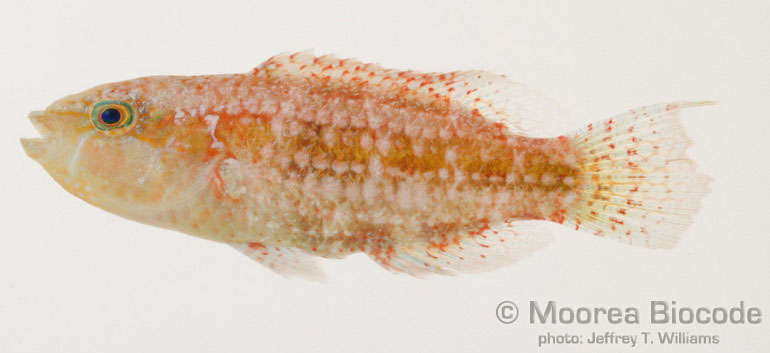
Oxycheilinus bimaculatus (Valenciennes, 1840) (Two-spot wrasse)
Inhabits outer reef slopes or deep clear lagoons among rubble or clumps of algae; also in seagrass beds . Often in sheltered estuaries and harbors . Benthic and benthopelagic .
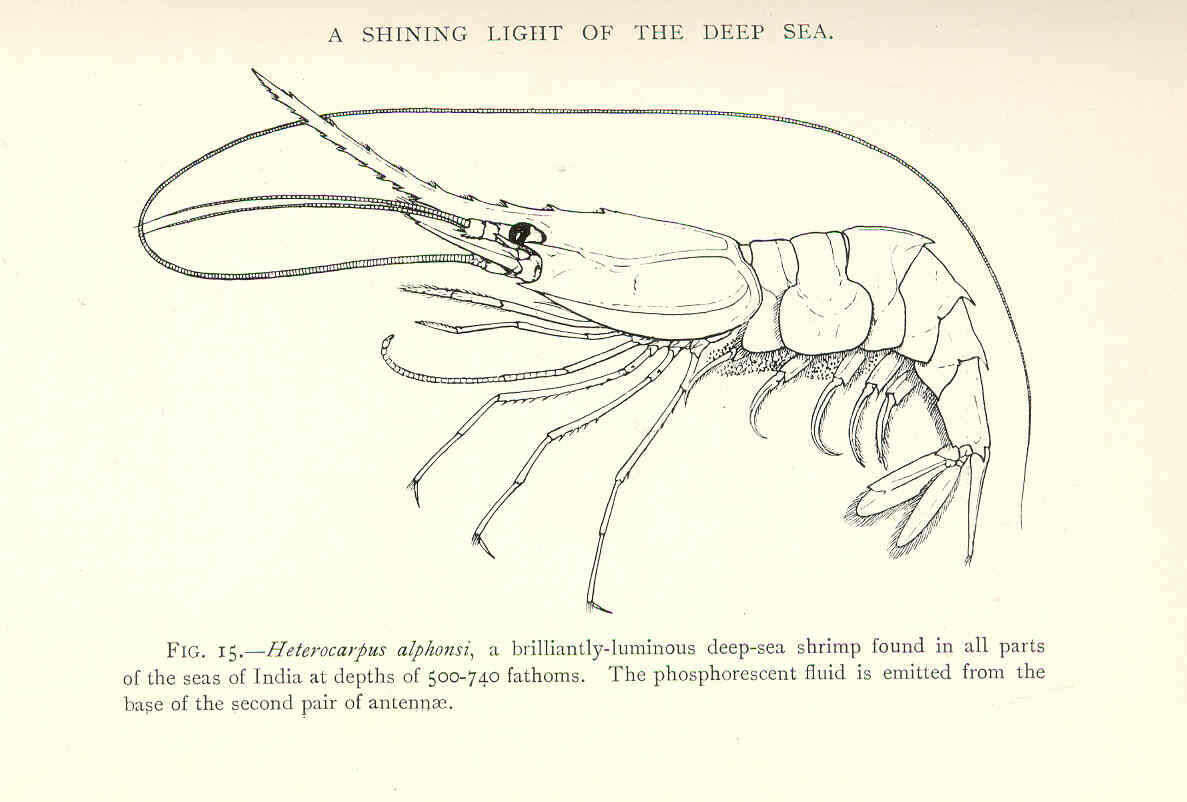
Heterocarpus dorsalis Bate, 1888 (madagascar nylon shrimp)
Parapenaeus investigatoris Alcock and Anderson, 1899 (explorer rose shrimp)
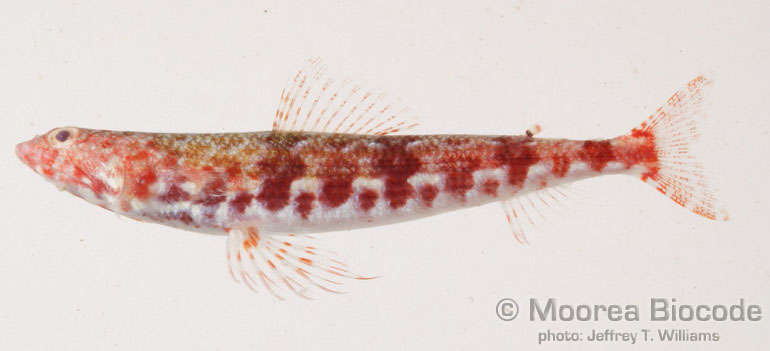
Synodus variegatus (Lacepède, 1803) (Variegated lizardfish)
Inhabits deep lagoon and seaward reefs to depths over 40 m ; sometimes found on sandy bottoms concealing itself in the sand. Prefers to rest on hard surfaces and frequently occurs in pairs . Benthic . Feeds on small fis...
Read More
Read More
Share on Social Networks
- Facebook:

personalize your shared text as well as its destination (wall, page...) or send as a private message to a friend
- Twitter: Tweet personalize your tweet
- Google Plus:
Direct link to this dive
- Long link:
- Short link:


 We are participating today in the startup contest Techcrunch Disrupt. Support Diveboard by voting for us!
























































































2 dive aboard the newly named Riptide formerly FHY
CGBR NW side with south swim and back to boat in shallows. Didnt see much.
multilevel
solo