


 Beachnutts



 Philippines
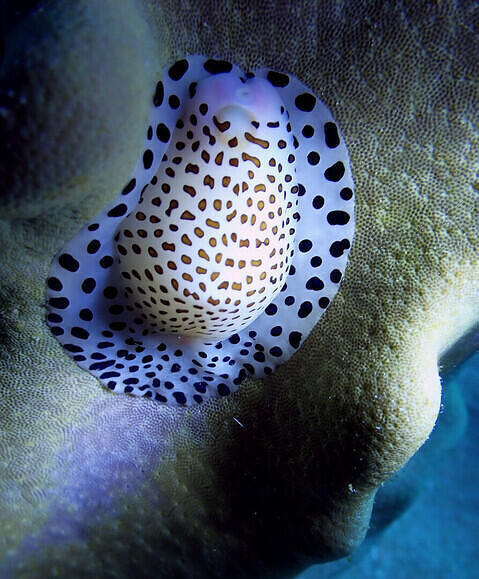
-
Nº163
 Date: 2025-01-26 - 01:49
-
 Max Depth: 18.9m Duration: 76mins
Dive Location

- Surface interval:91 mins
- Temp: Surf 27°C Bottom 27°C
- Dive type : Recreational, Reef, Photo
- Visibility: Bad Water: Salt
Specific gear used
- BCD: Scubapro - Glide Plus
- Camera: Olympus - TG6
- Computer: Oceanic - OCS
- Fins: Scubapro - Jet Fins
- Knife: Scuba MAx - folding
- Lift bag: ScubaMax - SMB
- Light: Sofirn - SD05
- Mask: Promate - Scope
- Regulator: SEAC - Synchro
- Wet suit: Blue Ocean - Diveskin
- Weights: 3.2 kg
Dive reviews
| Overall review | ||
| Dive difficulty | ||
| Marine life quality |
Recent Divers in Talikud Island, Davao
Recent Pictures in Talikud Island, Davao
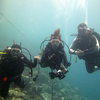
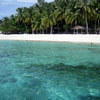
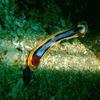
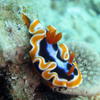
Dive Shop & Buddies
 Dive with Pitan
 Dive buddies:
Reymar Tano,
Maeng,
Beachnutts

Link to this spot:
- Spot:
- Country:
- Area:
- Body of water:
Dive Profile
- 1. Air
- 10L Aluminium 207 → 34 bar
- Average depth: 12.6m
Data provided by EOL.org
















Species Identified
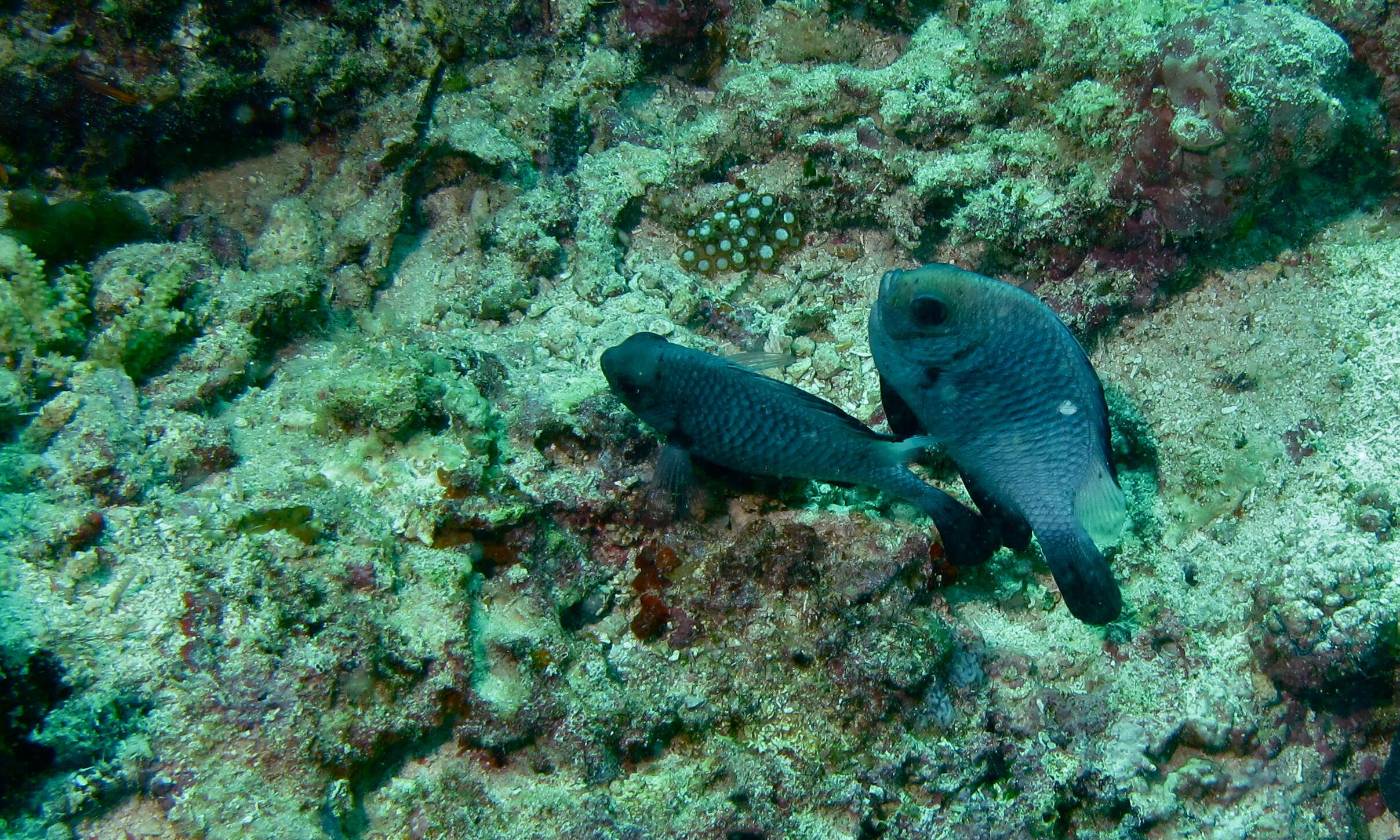
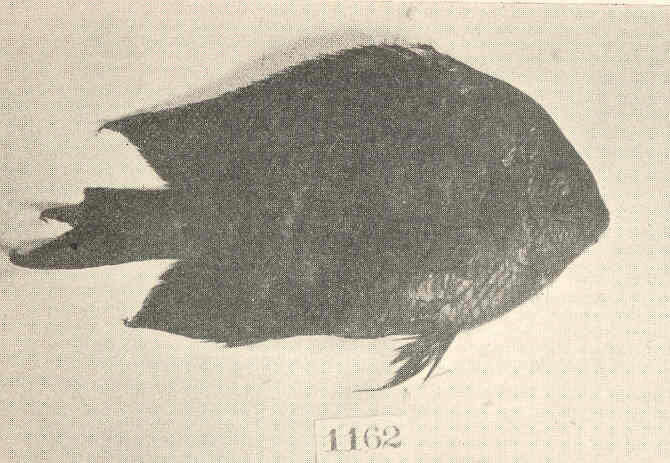
Dascyllus trimaculatus (Rüppell, 1829) (threespot humbug)
Inhabits coral and rocky reefs, juveniles often commensal with large sea anemones, sea urchins, or small coral heads . Occurs in small to large aggregations. Stomach contents include algae, copepods, and other planktonic crustaceans.
Plectroglyphidodon lacrymatus (Quoy and Gaimard, 1825) (whitespeckled demoiselle)
Inhabits clear lagoon and seaward reefs, in areas with mixed coral and rubble or dead coral rocks. Feeds mainly on benthic algae and associated small invertebrates and fish eggs.
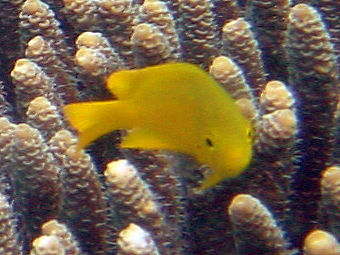
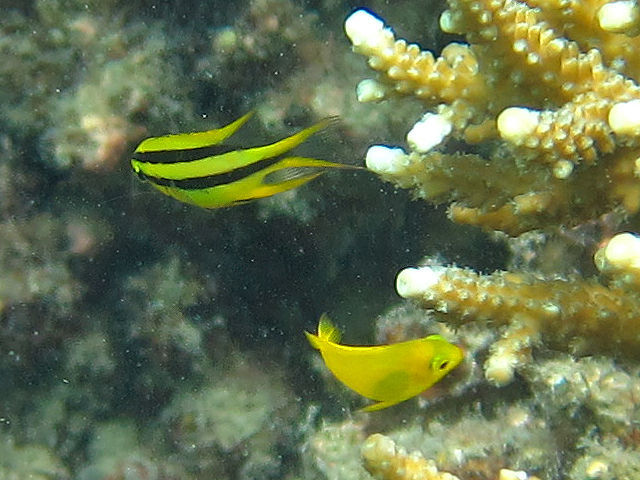
Pomacentrus moluccensis Bleeker, 1853 (Lemon damsel)
Inhabits clear lagoon and seaward reefs among branching corals. Occurs in small aggregations. Feeds mainly on algae and planktonic crustaceans.
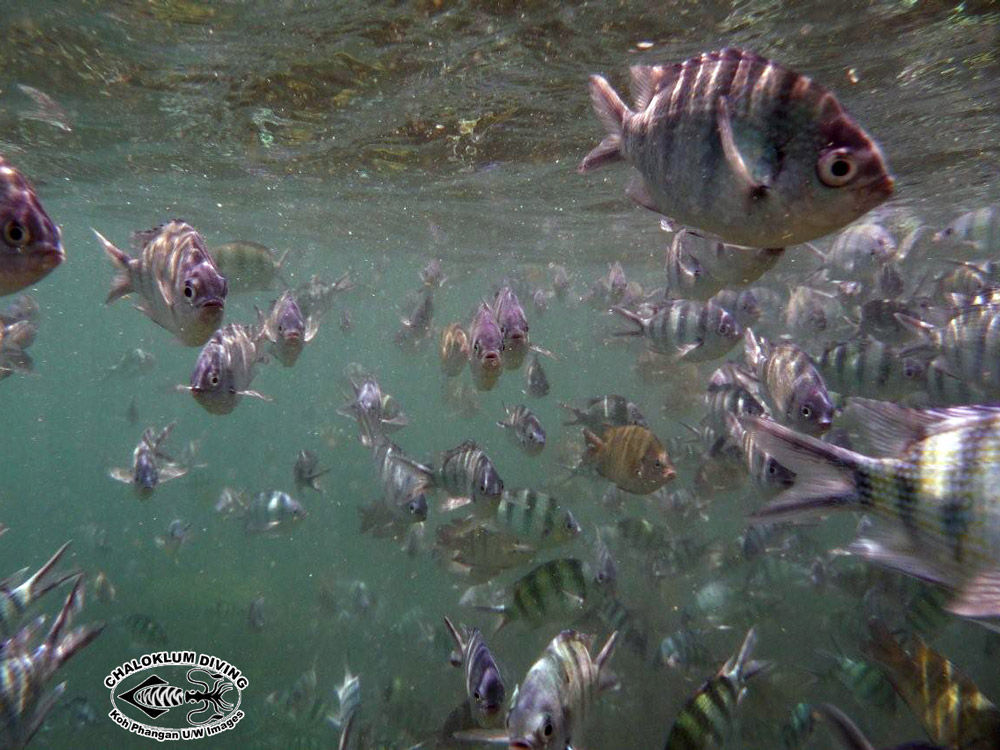
Abudefduf vaigiensis (Quoy and Gaimard, 1825) (Five finger)
Adults inhabit upper edge of outer reef slopes and inshore rocky reefs. Juveniles associated with drifting seaweed . Benthopelagic . Feed on zooplankton, benthic algae, and small invertebrates . Often in aggregations ...
Read More
Read More
Neoglyphidodon nigroris (Cuvier, 1830) (Yellowfin damsel)
Two forms: long-tailed and black as adults occurs in the Andaman Sea, ranging east to western Bali and north to Japan. Second form, probably valid as N. xanthurus occurs in the rest of the West Pacific and the two overla...
Read More
Read More
Chrysiptera cyanea (Quoy and Gaimard, 1825) (cornflower sargeantmajor)
Found amongst rubble and coral of clear sheltered lagoons and subtidal reef flats . Occurs in groups of a male and several females or juveniles . Feeds on algae, pelagic tunicates and copepods.
Dischistodus chrysopoecilus (Schlegel and Müller, 1839) (Lagoon damsel)
Found among coral outcrops and seagrass beds of silty areas of lagoon and coastal reefs , usually subtidal to a few meters depth .
Pomacentrus simsiang Bleeker, 1856 (Blueback damsel)
Occurs singly or in small aggregations at slightly turbid areas of lagoon and coastal reefs. Feeds mainly on benthic algae.
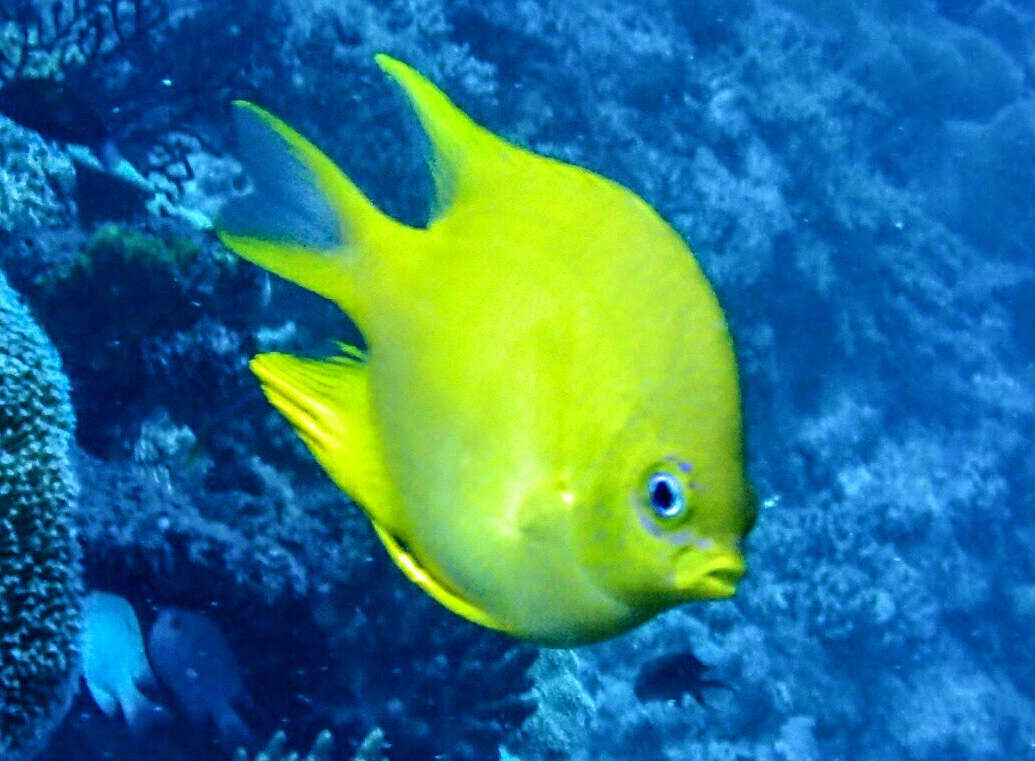
Amblyglyphidodon aureus (Cuvier, 1830) (Golden damsel)
Occurs in steep outer reef, occasionally in deep lagoons and along channel walls, usually in current prone habitats and where there are abundant gorgonian and long sea-whip corals on which they lay and guard eggs. Juvenil...
Read More
Read More
Pomacentrus chrysurus Cuvier, 1830 (Whitetail damsel)
Inhabits sandy areas of lagoons and inshore reefs around rock or coral outcrops. Feeds primarily on algae.
Acanthochromis polyacanthus (Bleeker, 1855) (Spiny chromis)
Inhabits inshore and offshore coral reefs . Also found in harbors, lagoons and outer reef slopes. The only pomacentrid species that lacks a pelagic larval stage. One of the very few marine fishes where fry are guarded b...
Read More
Read More
Pomacentrus lepidogenys Fowler and Bean, 1928 (Scaly damsel)
Inhabits lagoons, passages, and outer reef slopes. Feeds on zooplankton in the water column, a short distance from the bottom. Occurs singly or in small groups.
Pomacentrus alexanderae Evermann and Seale, 1907 (Alexander's damsel)
Occur in lagoon, inshore, and offshore reefs . Usually seen solitary, often swimming well above substrate . Feed on algae, barnacle nauplii, copepods, fish eggs, and small gastropods.
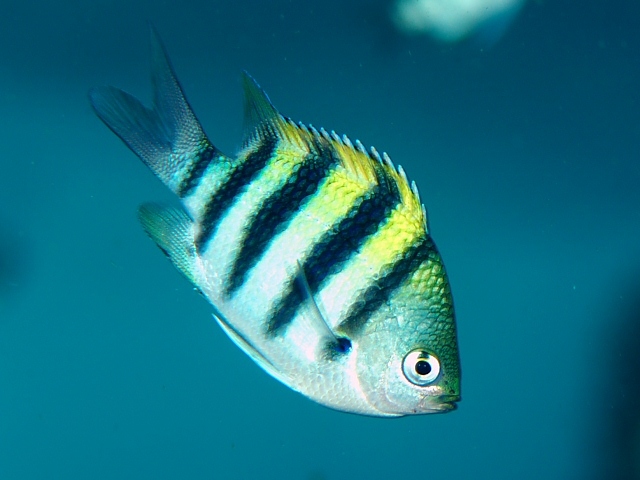
Abudefduf sexfasciatus (Lacepède, 1801) (Natal sergeant)
Inhabits inshore and offshore coral or rocky reefs. Also in shallow coastal reef flats or crests, usually where lots of tall soft corals or hydroid colonies are present . Feeds on zooplankton and algae and aggregates high in the water column .
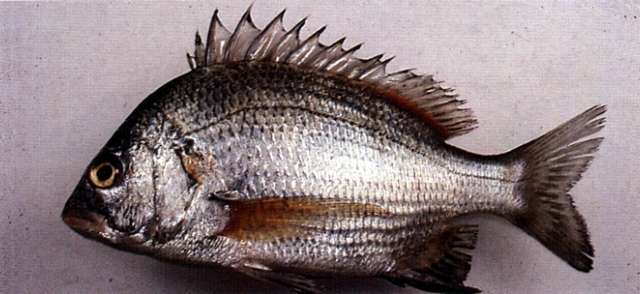
Acanthopagrus berda (Forsskål, 1775) (Picnic seabream)
Mainly in brackish waters of estuaries and inlets, coastal rivers and tidal creeks, occasionally entering lower sections of freshwater streams . Juveniles inhabit protected bays and estuaries . Usually occurs singly or s...
Read More
Read More
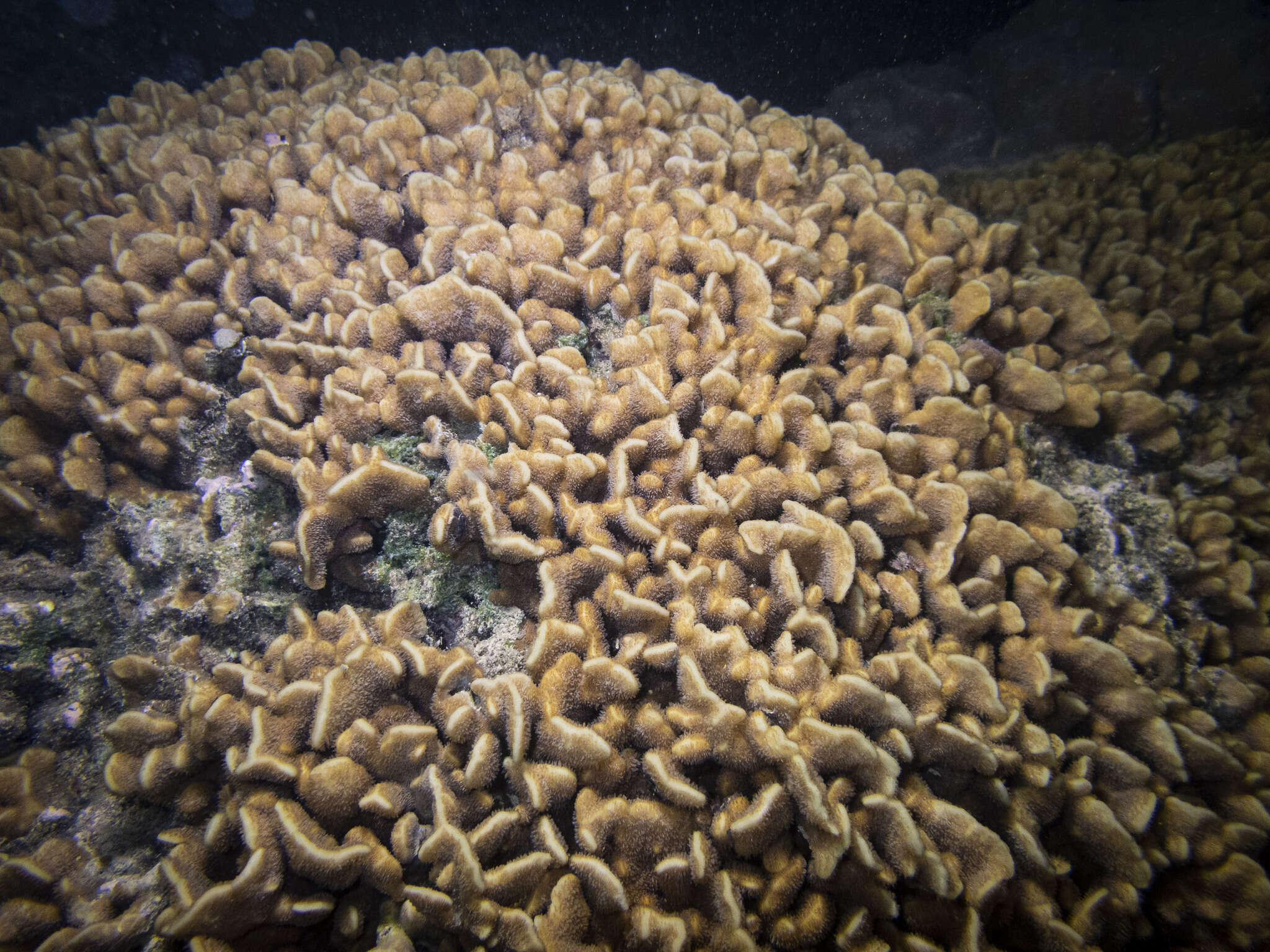
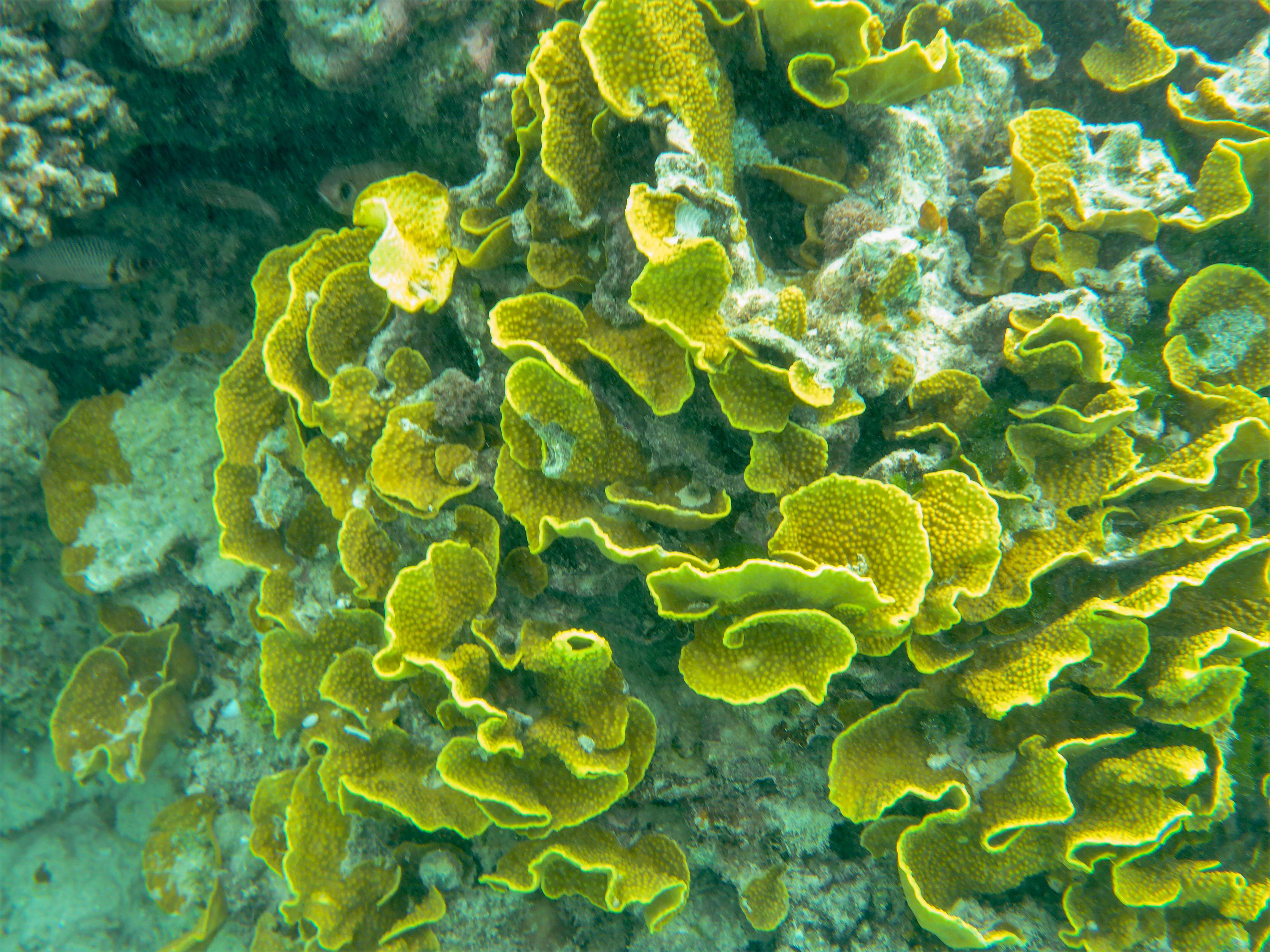
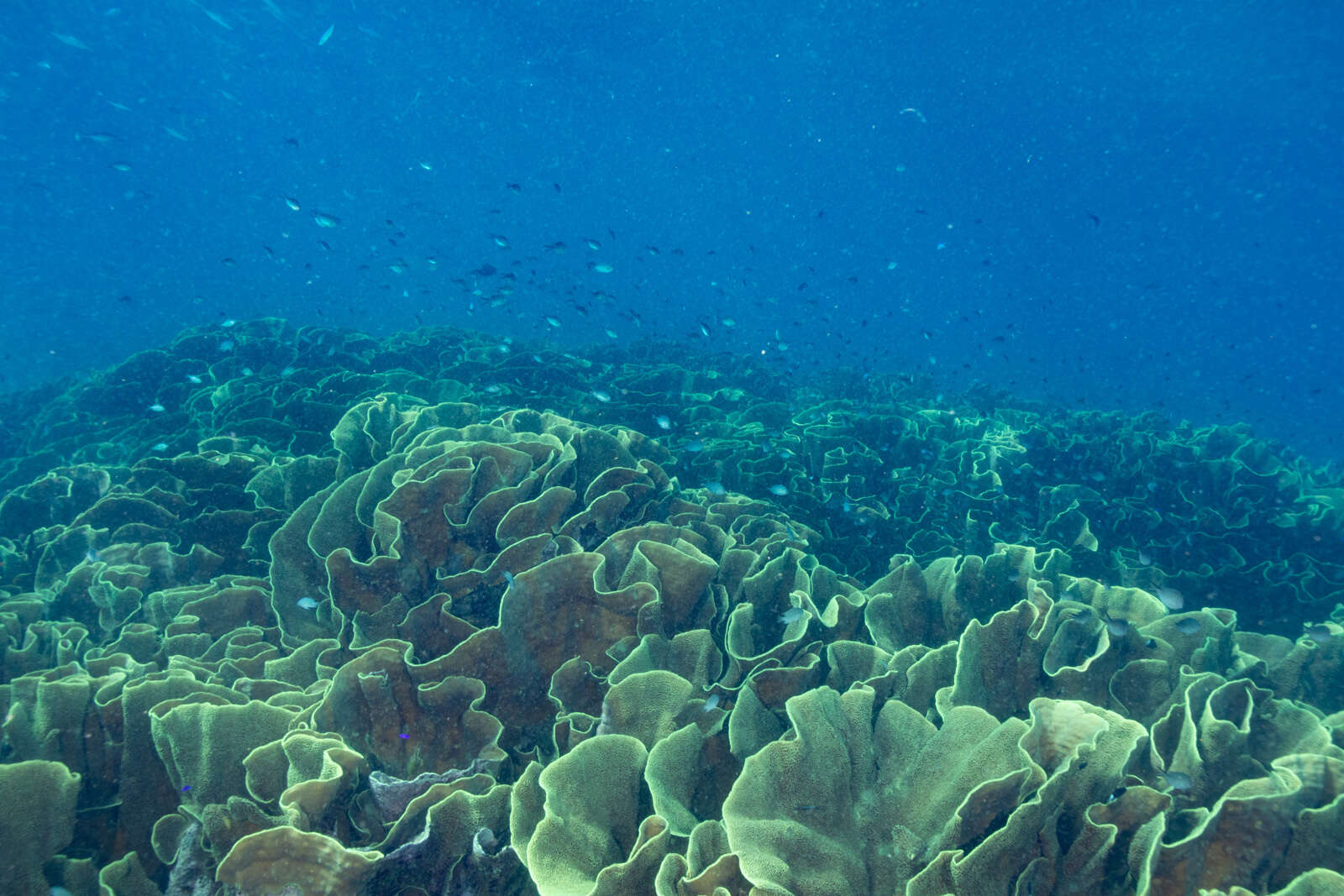
Pavona frondifera Lamarck, 1816 (Leaf coral)
zooxanthellate
Pavona decussata (Dana, 1846) (Leaf coral)
zooxanthellate
Pavona venosa (Ehrenberg, 1834) (Leaf coral)
zooxanthellate
Pachyseris gemmae Nemenzo, 1955 (Serpent coral)
zooxanthellate
Pachyseris speciosa (Dana, 1846) (Serpent coral)
zooxanthellate
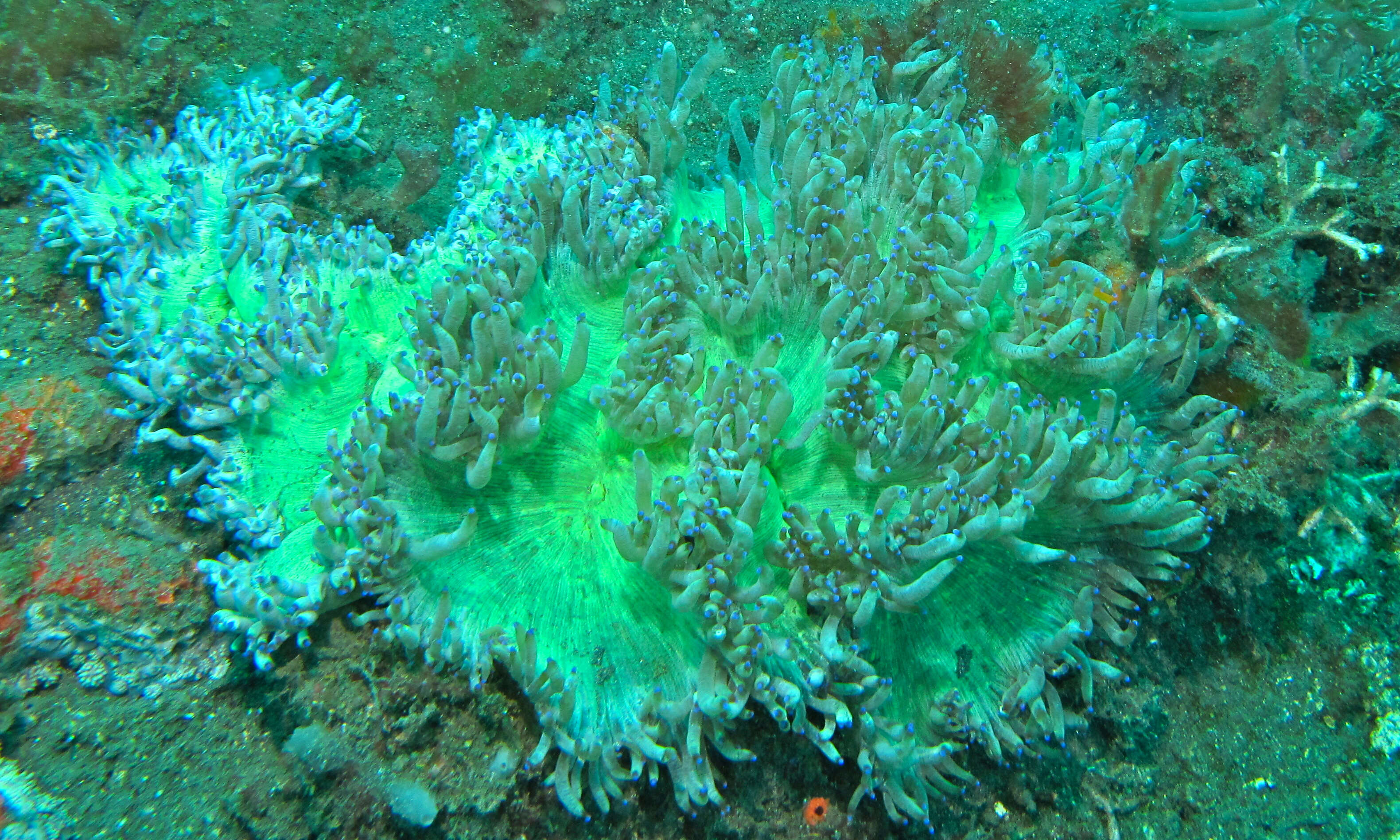
Catalaphyllia jardinei (Saville-Kent, 1893) (Wonder coral)
zooxanthellate
Turbinaria frondens (Dana, 1846) (Disc coral)
zooxanthellate
Deltocyathus philippinensis Cairns and Zibrowius, 1997
azooxanthellate
Cirrhitichthys falco Randall, 1963 (Dwarf hawkfish)
Shallow coastal to outer reef flats and slopes to 45 m depth . Common inhabitant of coral reefs, typically resting at the bases of coral heads . Studies indicate that it is haremic and spawns nightly . Occasionally in pairs .
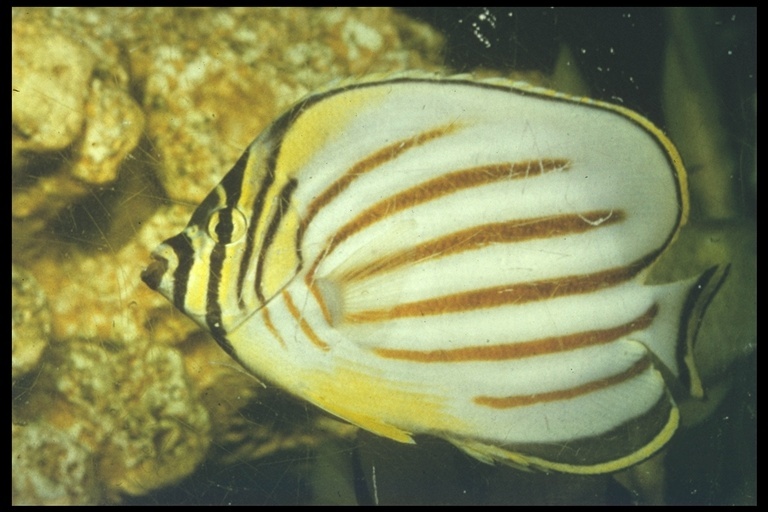
Chaetodon ornatissimus Cuvier, 1831 (Ornate butterflyfish)
Occur in clear waters and coral-rich areas of lagoon and seaward reefs. However, only common in seaward reefs . Benthopelagic . Juveniles are solitary, living among branching corals, while adults are almost always in pa...
Read More
Read More
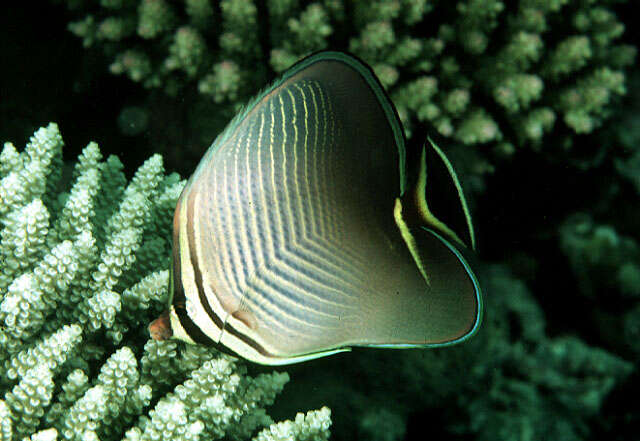
Chaetodon triangulum Cuvier, 1831 (Triangle butterflyfish)
Inhabit lagoon and seaward reefs . Closely associated with Acropora corals, particularly the staghorn variety. Territorial and in pairs . Juveniles solitary among coral branches . Feed mainly on coral polyps and theref...
Read More
Read More
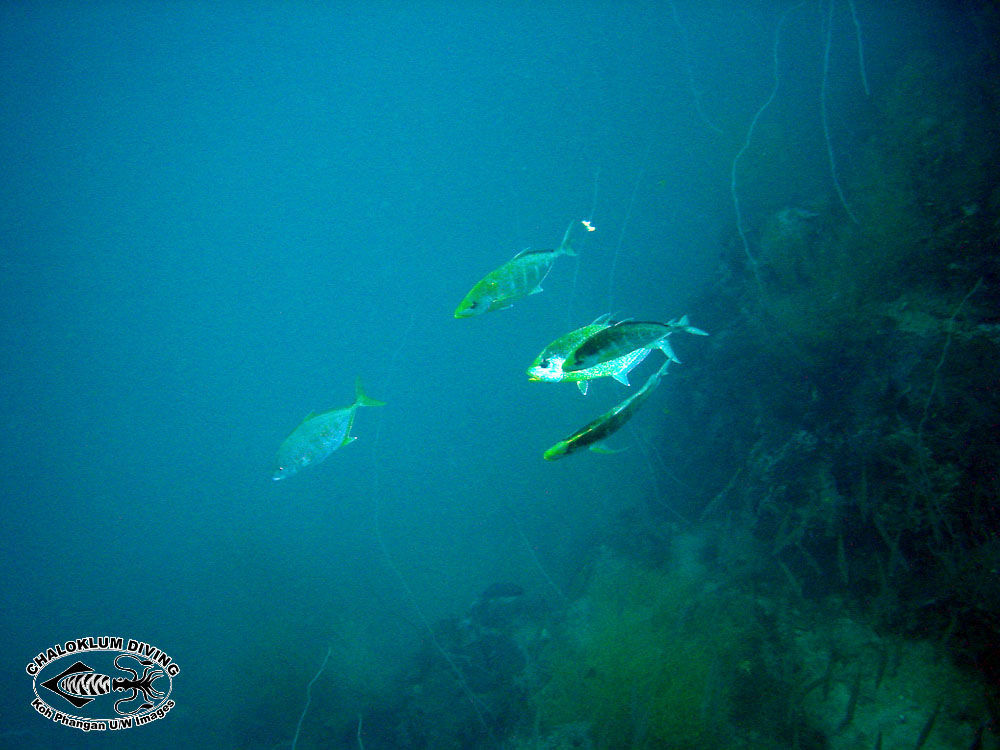
Carangoides bajad (Forsskål, 1775) (Orangespotted trevally)
Common along coastal reef slopes or around large coral heads in lagoons . A xanthic form often seen in muddy bays mixes in schools . Juveniles solitary in sheltered coastal basys .
Ulua mentalis (Cuvier, 1833) (Longrakered trevally)
Found in coastal waters . Juveniles feed on benthic crustaceans while adults feed on crustaceans and fish .
Carangoides malabaricus (Bloch & Schneider, 1801) (Malabar trevally)
Occurs in the continental shelf . Found near rocks and coral reefs, juveniles in sandy bays. Feeds on crustaceans, small squids, and fish . Marketed fresh, may be dried or salted .
Alepes kleinii (Bloch, 1793) (Razorbelly scad)
Found inshore and in coastal waters throughout its range. Feed mainly on planktonic crustaceans and larval fishes. Marketed fresh and dried salted.
Carangoides oblongus (Cuvier, 1833) (Coachwhip trevally)
Inhabits coastal waters . Usually in small schools .
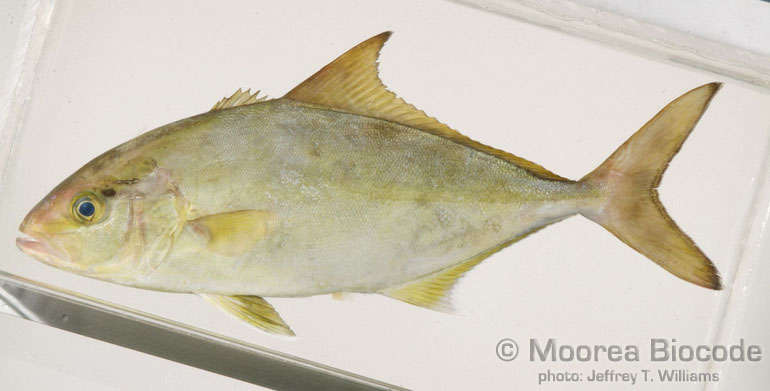
Seriola rivoliana Valenciennes, 1833 (Pacific amberjack)
Carangoides fulvoguttatus (Forsskål, 1775) (Yellowspotted trevally)
Prefers rocky and coral reef areas, but also found on offshore banks . Found singly or in large schools . Feeds on small invertebrates and fish .
Lutjanus fulviflamma (Forsskål, 1775) (Dory snapper)
Inhabit coral reefs . Often in large aggregations with Lutjanus kasmira and Lutjanus lutjanus . Juveniles are sometimes found in mangrove estuaries or in the lower reaches of freshwater streams. Adults usually school on...
Read More
Read More
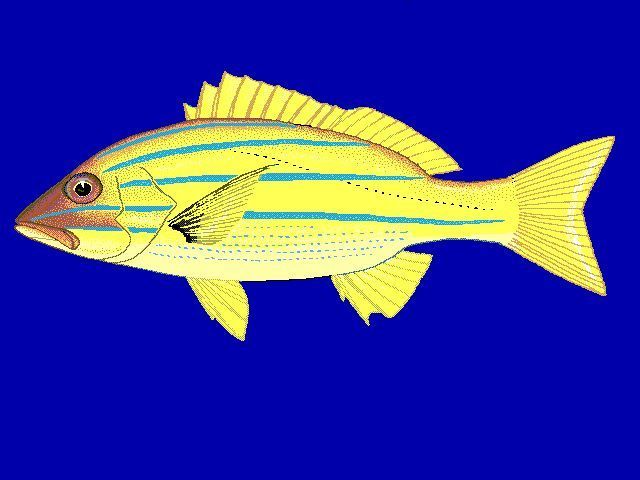
Lutjanus quinquelineatus (Bloch, 1790) (blue-banded sea perch)
Inhabits sheltered lagoons and exposed, outer slope coral reefs. Frequently encountered in large aggregations including 100 or more individuals. Juveniles solitary and shallow in protected bays with algae and rubble subs...
Read More
Read More
Lutjanus kasmira (Forsskål, 1775) (bluebanded sea perch)
Chlorurus troschelii (Bleeker, 1853) (Troschel's parrotfish)
Inhabits clear shallow seaward reefs, in areas with high coral cover .
Chlorurus capistratoides (Bleeker, 1847) (Pink-margined parrotfish)
Found in clear coastal and inner reefs. Shallow coral and algae habitat. Usually mixes with other species when feeding .
Scarus forsteni (Bleeker, 1861) (Forsten's parrotfish)
Often found on exposed outer lagoon and seaward reefs, usually in rich coral habitats. Generally solitary. In Hong Kong live fish markets .
Scarus flavipectoralis Schultz, 1958 (Yellowfin parrotfish)
Inhabits lagoon and channel reefs, usually deeper 20 m .
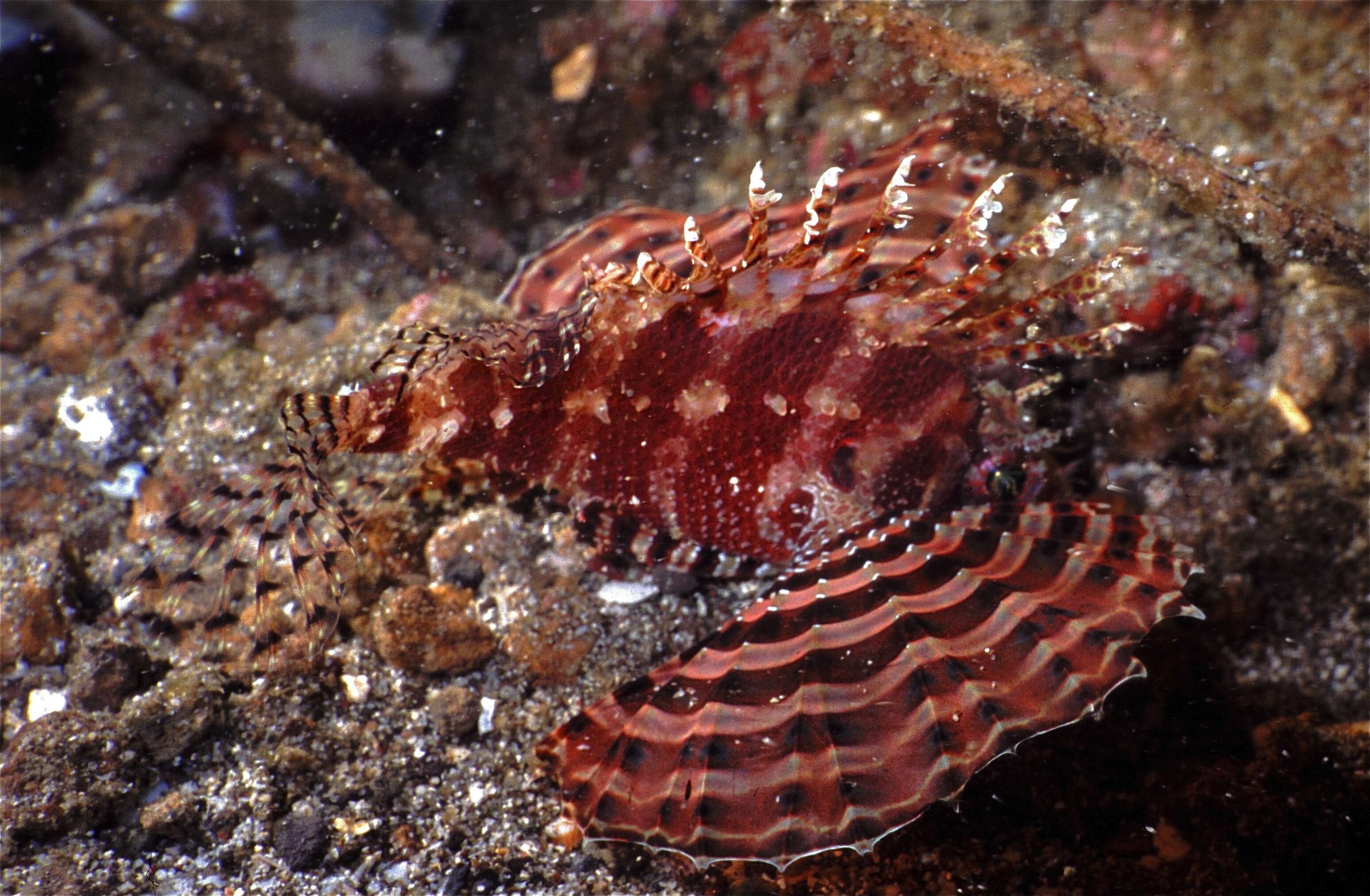
Dendrochirus zebra (Cuvier, 1829) (Zebra turkeyfish)
Found on coral, rubble, or rock bottoms of reef flats ; also in coastal to outer reef habitats in sheltered lagoons and in caves, sometimes in small aggregations. Usually shallow, from 3-60m but also reported to 80 m dep...
Read More
Read More
Scorpaenopsis possi Randall & Eschmeyer, 2001 (Poisson-scorpion de Poos)
Dendrochirus brachypterus (Cuvier, 1829) (Shortfin turkeyfish)
Common in reef flats and shallow lagoons, in areas with weed-covered rocks on sandy substrates. Adults often found on sponges and juveniles are sometimes found in small aggregations on remote bommies with 10 or so individuals . Nocturnal. Feeds on small crustaceans .
Pterois russelii Bennett, 1831 (Plaintail turkeyfish)
Found on muddy substrates, from well-protected shallow estuaries to quiet, deep offshore reefs .
Share on Social Networks
- Facebook:

personalize your shared text as well as its destination (wall, page...) or send as a private message to a friend
- Twitter: Tweet personalize your tweet
- Google Plus:
Direct link to this dive
- Long link:
- Short link:


 We are participating today in the startup contest Techcrunch Disrupt. Support Diveboard by voting for us!
























































































2nd dive after leaving East side of Smal due to impending weather??...over to Talicud and Coral Garden front of Sol del Sur Resort. Not very clear and not much spotted.
multilevel