


 Beachnutts



 Philippines
-
Nº132
 Date: 2024-04-28 - 08:10
-
 Max Depth: 20.1m Duration: 82mins
Dive Location

- Temp: Surf 27°C Bottom 27°C
- Dive type : Recreational, Reef, Photo, Muck Dive
- Visibility: Bad Water: Salt
Specific gear used
- BCD: Scubapro - Glide Plus
- Boots: Orca - Dive shoes
- Camera: Olympus - TG6
- Compass:
- Computer: Oceanic - OCS
- Fins: Scubapro - Jet Fins
- Knife: Scuba MAx - folding
- Lift bag: ScubaMax - SMB
- Light: Sofirn - SD05
- Mask: Promate - Scope
- Wet suit: Blue Ocean - Diveskin
- Weights: 3.2 kg
Dive reviews
| Overall review | ||
| Dive difficulty | ||
| Marine life quality |
Dive Shop & Buddies
 Dive with Blake Auge
 Dive buddies:
Beachnutts

Link to this spot:
- Spot:
- Country:
- Area:
- Body of water:
Dive Profile
- 1. Air
- 10L Aluminium 207 → 17 bar
- Average depth: 13.4m
Data provided by EOL.org











Species Identified
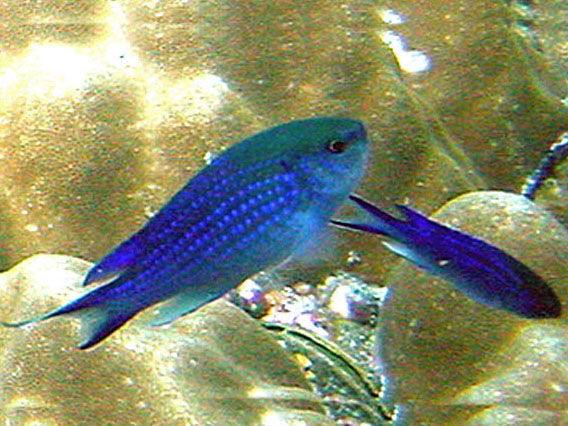
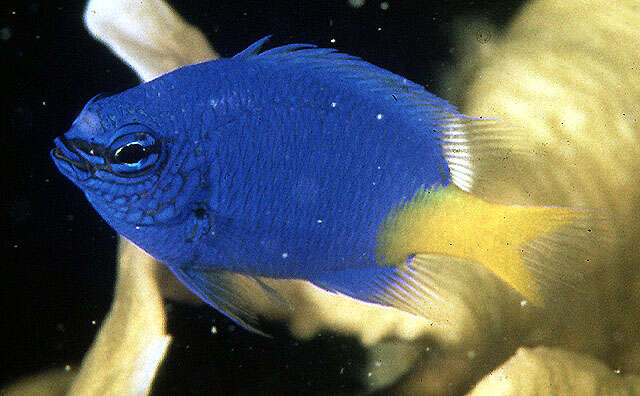
Pomacentrus pavo (Bloch, 1787) (Sapphire damsel)
Inhabits sandy areas of lagoon reefs, around isolated patch reefs, coral heads, or rubble. Usually in groups . Commonly found around jetty structures . Feeds on zooplankton and filamentous algae.
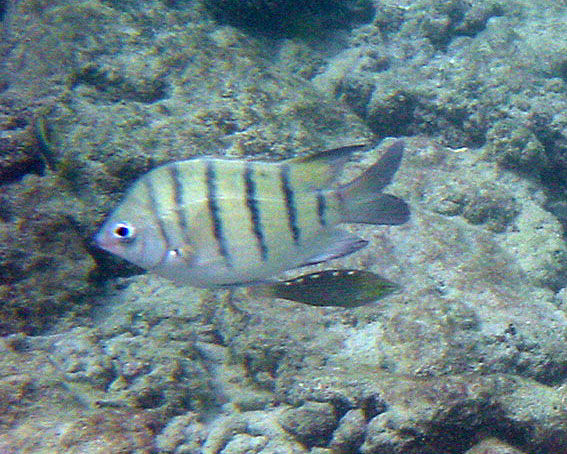
Abudefduf bengalensis (Bloch, 1787) (Bengal sergeant)
Occurs singly or in small groups in inshore reef and lagoon environments. Feeds on algae, gastropods, and small crabs. Highly territorial .
Dischistodus chrysopoecilus (Schlegel and Müller, 1839) (Lagoon damsel)
Found among coral outcrops and seagrass beds of silty areas of lagoon and coastal reefs , usually subtidal to a few meters depth .
Plectroglyphidodon sindonis (Jordan and Evermann, 1903) (Rock damselfish)
Found in very shallow water in the surge zone of exposed rocky shores . Benthopelagic . Feeds mainly on benthic algae and occasionally on small invertebrates .
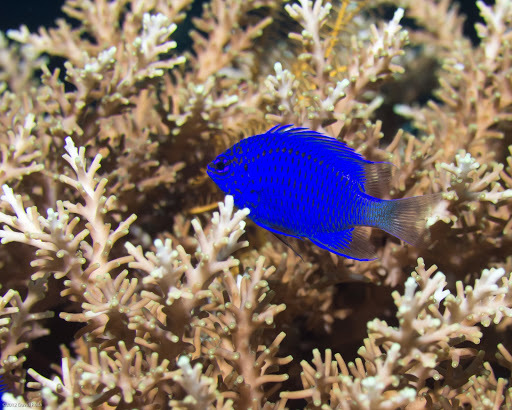
Pomacentrus simsiang Bleeker, 1856 (Blueback damsel)
Occurs singly or in small aggregations at slightly turbid areas of lagoon and coastal reefs. Feeds mainly on benthic algae.
Neopomacentrus sororius Randall & Allen, 2005
Collected and observed on coral reefs or rocky bottom .
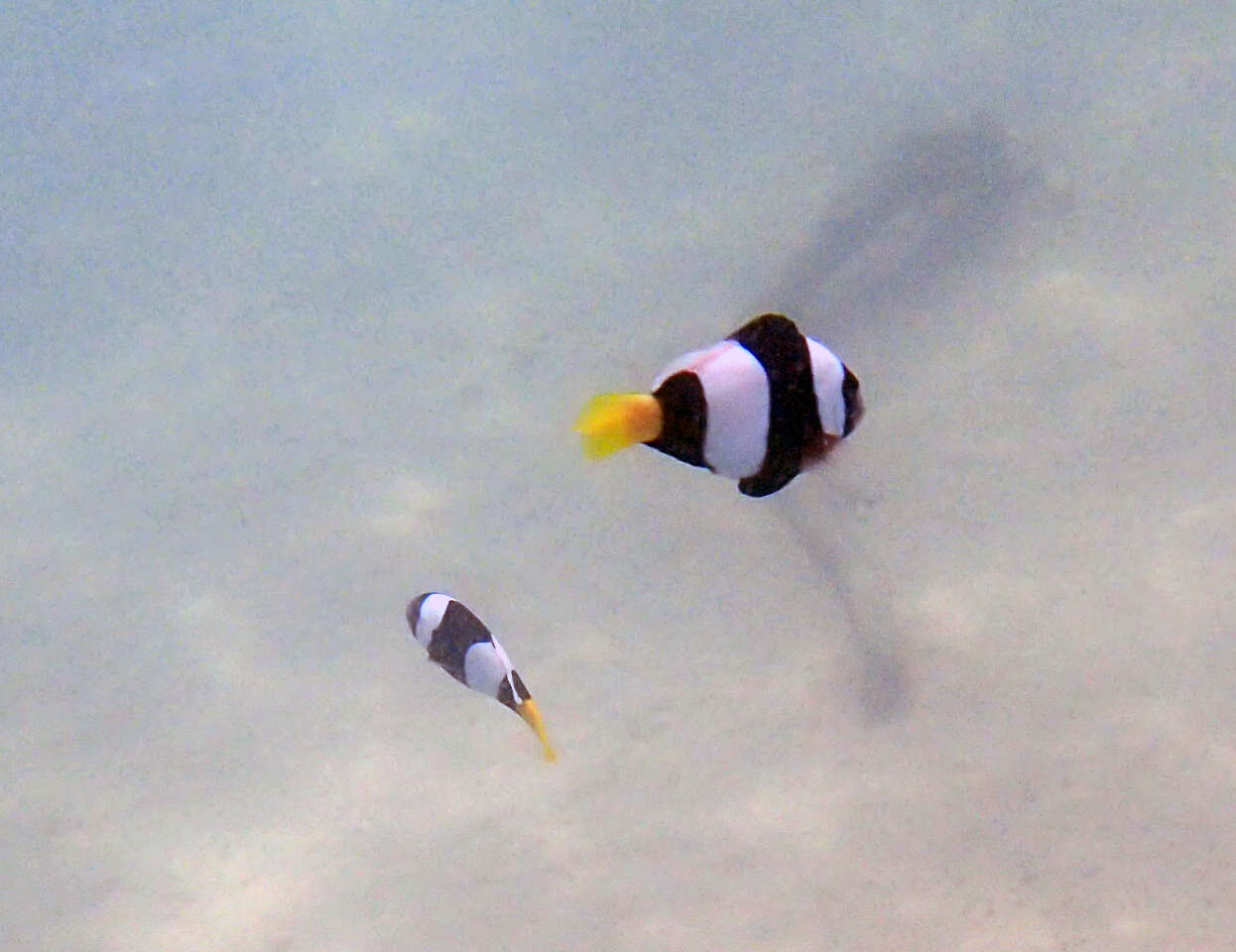
Chrysiptera springeri (Allen and Lubbock, 1976) (Springer's demoiselle)
Inhabit coral-rich areas of sheltered lagoon and inshore coral reefs . Seen with similar yellow-tailed species, often on the same coral patches. Mostly found in aggregations on coastal reef slopes with low Acropora patches on sand to 30 m .
Chrysiptera parasema (Fowler, 1918) (Goldtail demoiselle)
Inhabits coral-rich areas of sheltered lagoon and inshore coral reefs . Occurs in small groups on Acropora patches .
Chrysiptera notialis (Allen, 1975) (Southern demoiselle)
Inhabits outer rocky reefs.
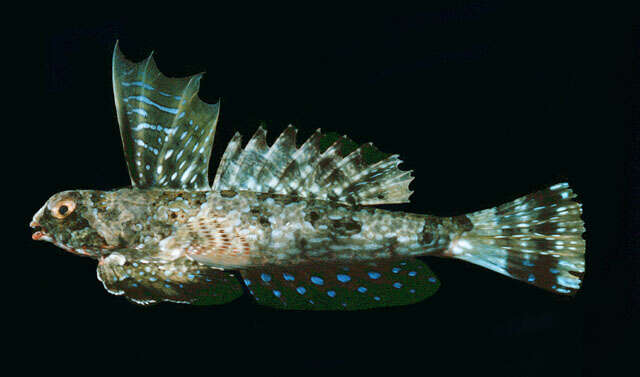
Synchiropus rameus (McCulloch, 1926) (High-finned dragonet)
Lives on trawling grounds, often found on sand or rubble bottoms.
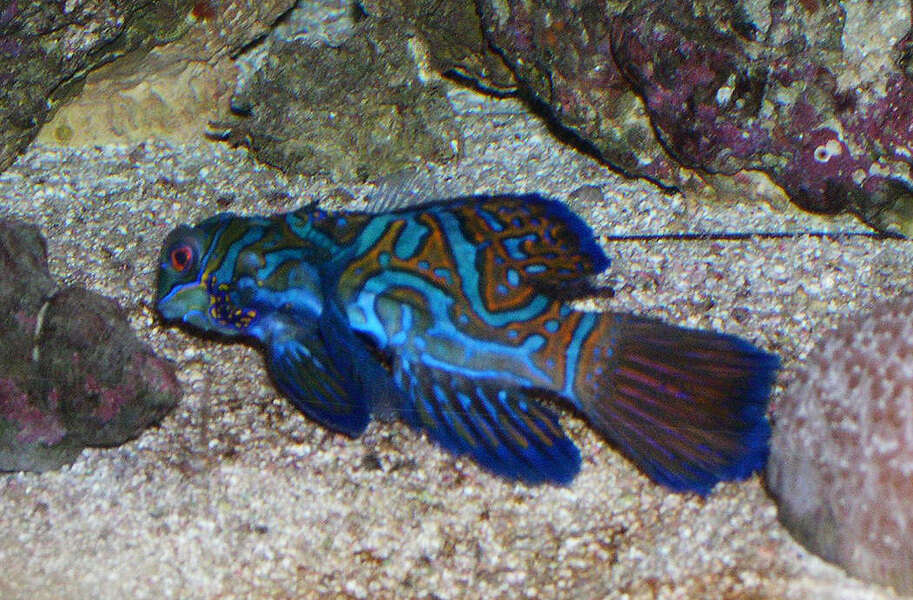
Synchiropus splendidus (Herre, 1927) (mandarinfish)
Inhabits shallow protected lagoons and inshore reefs . Found on silty bottoms with coral and rubble . Usually in small groups spread over small area . Minimum depth reported from Ref. 27115. Has been reared in captivity . Well-known aquarium fish. .
Synchiropus lineolatus (Valenciennes, 1837) (线纹连鳍)
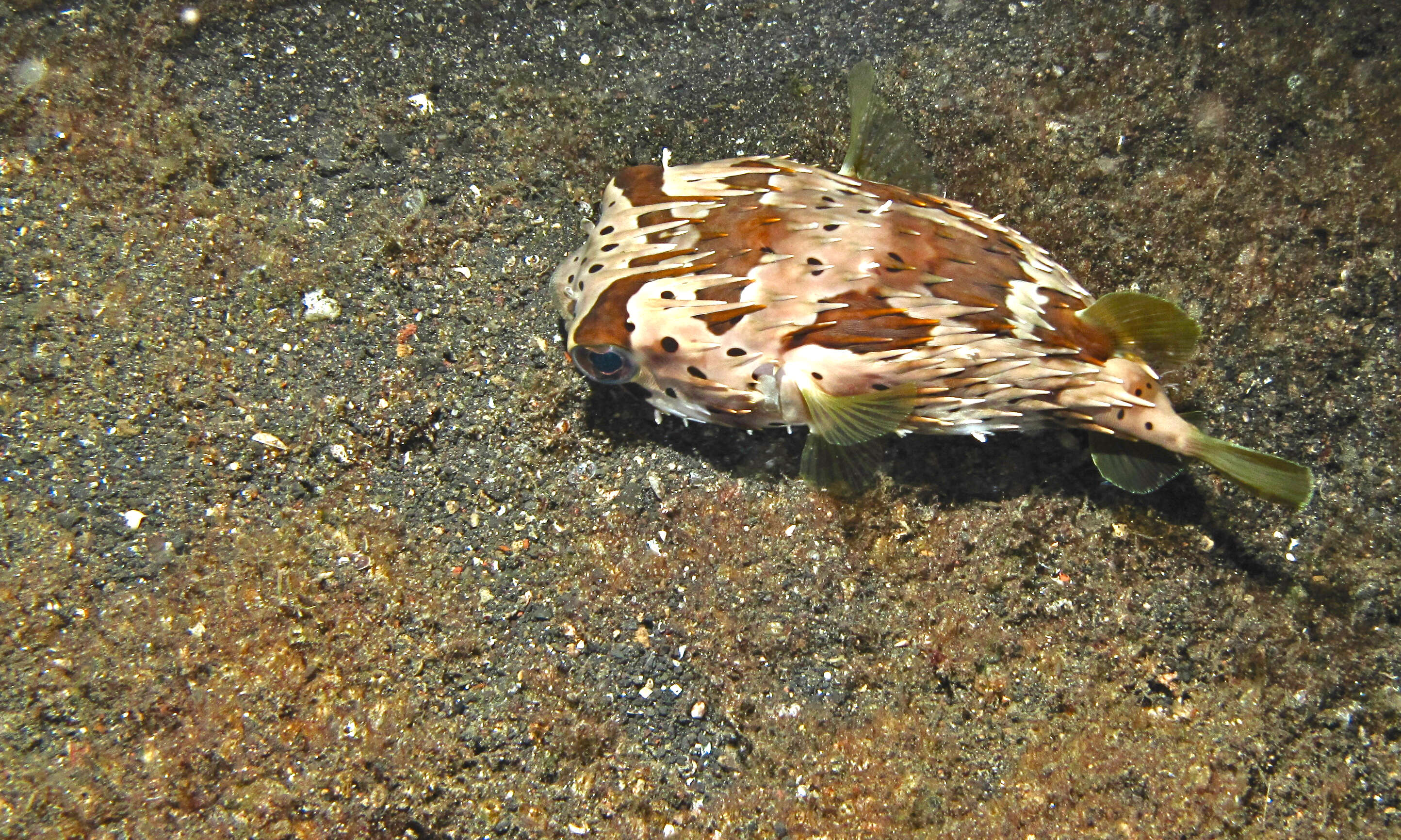
Diodon liturosus Shaw, 1804 (Black-blotched porcupinefish)
Inhabits reef edges and slopes . Hides in caves and ledges during the day and forages at night . Also found below plate-corals during the day and often deep, ranging to at least 40 meters depth. Juveniles occur in lagoo...
Read More
Read More
Diodon holocanthus Linnaeus, 1758 (Long-spine porcupinefish)
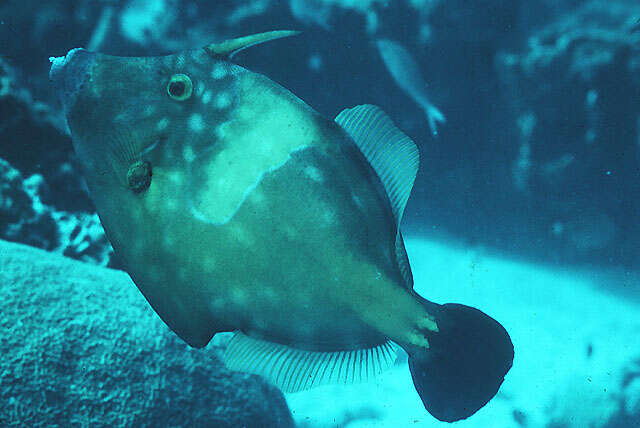
Stephanolepis hispidus (Linnaeus, 1766) (Common filefish)
Found on sand or mud bottoms. Associated with Sargassum . Adults feed on benthic invertebrates . Edible but generally rejected by fishers .
Cantherhines macrocerus (Hollard, 1853) (chivo)
Inhabits coral reefs or rocky bottoms . Found among gorgonians. Occurs in pairs . Feeds mainly on sponges, gorgonians, and algae but also eats hydroids and stinging coral .
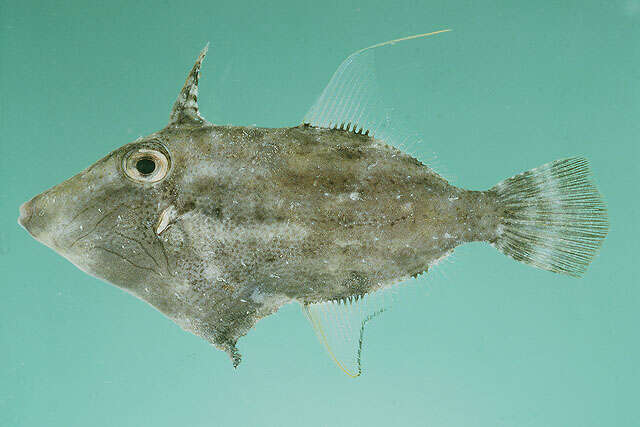
Pervagor marginalis Hutchins, 1986 (缘前角鲀)
Occurs in rocky reefs to depths of 25 m.
Paramonacanthus nematophorus (Günther, 1870) (线纹副单角鲀)
Thamnaconus fajardoi Smith, 1953 (Spotted filefish)
Found in deep waters.
Brissus brissus (Leske, 1778)
Cuthona veronicae (A. E. Verrill, 1880)
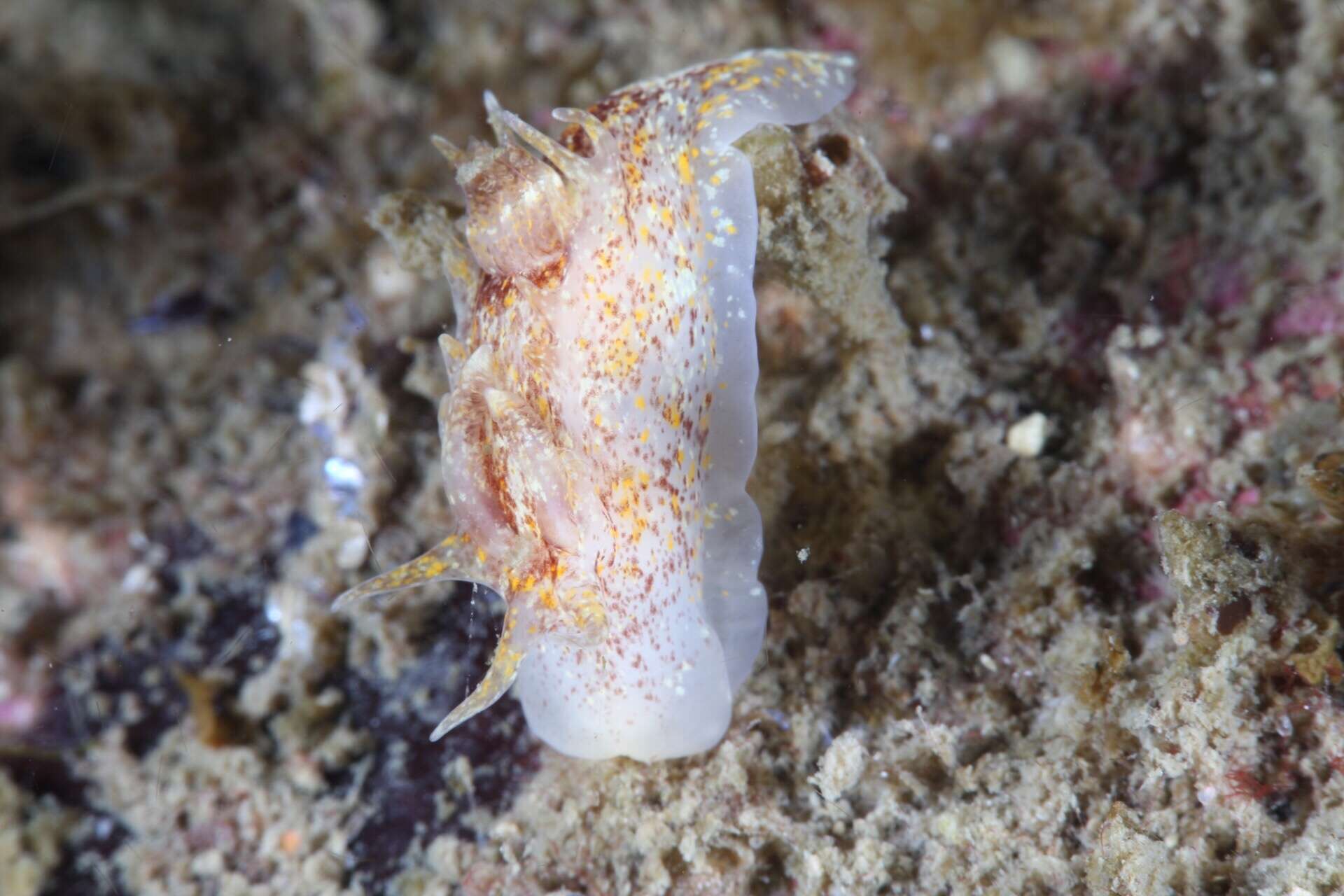
Okenia quadricornis (Montagu, 1815) (seasquirt okenia)
Doto formosa A. E. Verrill, 1875
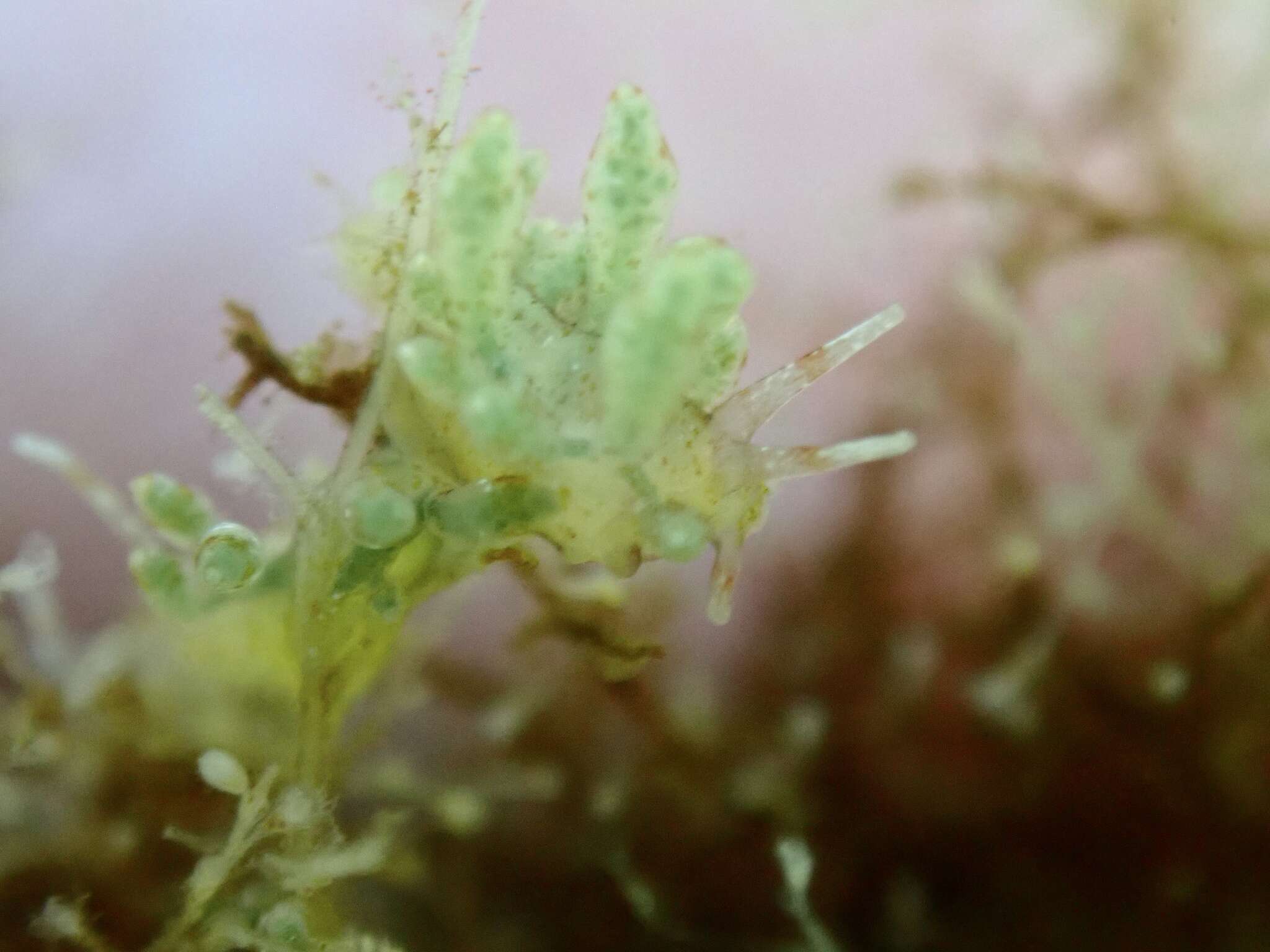
Eubranchus olivaceus (O'Donoghue, 1922) (green balloon aeolis)
Amphiprion thiellei Burgess, 1981 (Thielle's anemonefish)
Habitat information unavailable.
Amphiprion omanensis Allen & Mee, 1991 (Oman anemonefish)
Inhabits inshore reefs; information on host anemone species lacking.
Amphiprion sebae Bleeker, 1853 (Sebae anemonefish)
Found in coastal waters and lagoons. It grows rather large . Associated with the anemone Stichodactyla haddoni .
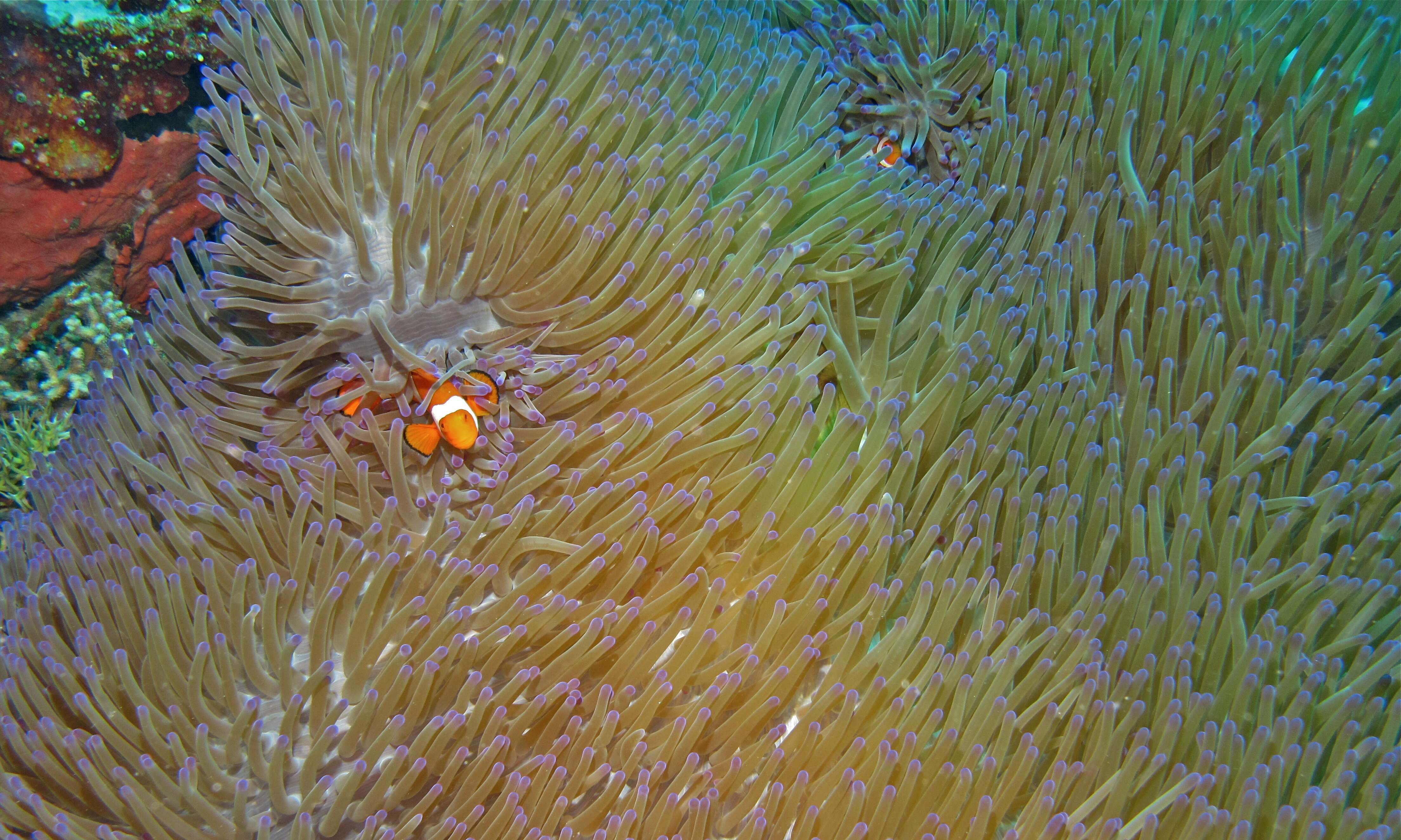
Amphiprion ocellaris Cuvier, 1830 (false clown anemonefish)
Premnas biaculeatus (Bloch, 1790) (Spinecheek anemonefish)
Inhabits lagoon and seaward reefs , found mainly in protected coastal waters and lagoons. Typically found in pairs in which males are much smaller than females . Feeds primarily on zooplankton and benthic algae . Has been reared in captivity . Associated with the anemone Entacmaea quadricolor .
Share on Social Networks
- Facebook:

personalize your shared text as well as its destination (wall, page...) or send as a private message to a friend
- Twitter: Tweet personalize your tweet
- Google Plus:
Direct link to this dive
- Long link:
- Short link:


 We are participating today in the startup contest Techcrunch Disrupt. Support Diveboard by voting for us!
























































































BDAY DIVE #54 DBC
Breezy Hot mostly cloudy. morning dive to kick off happy birthday. End of pier mostly N side and middle
some current and blowing sand/silt, not great
high tide 7:35am
multilevel SOLO
HIGHLIGHT at least 7 swallow tail headslugs on floating red algae