


 Beachnutts



 Philippines
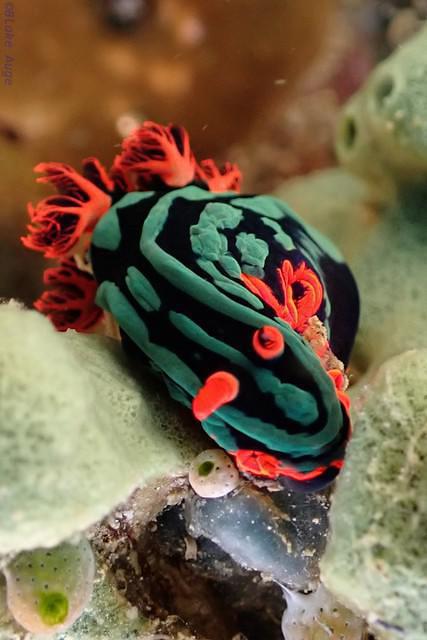
-
Nº71
 Date: 2023-03-19 - 10:05
-
 Max Depth: 24.7m Duration: 79mins
Dive Location

- Temp: Surf 25°C Bottom 25°C
- Dive type : Recreational, Reef, Photo
- Visibility: Good Water: Salt
Specific gear used
- BCD: Scubapro - Glide Plus
- Camera: Olympus - TG6
- Computer: Oceanic - OCS
- Fins: Scubapro - Jet Fins
- Mask: Promate - Scope
- Regulator: Aqualung - Titan LX
- Wet suit: Blue Ocean - Diveskin
- Weights: 3.2 kg
Dive reviews
| Overall review | ||
| Dive difficulty | ||
| Marine life quality |
Recent Divers in Samal island, Davao
Recent Pictures in Samal island, Davao
Dive Shop & Buddies
 Dive with Mik Tacansan
 Dive buddies:
Mike Tacansan

Link to this spot:
- Spot:
- Country:
- Area:
- Body of water:
Dive Profile
- 1. Air
- 10L Aluminium 207 → 21 bar
- Average depth: 16.5m
Data provided by EOL.org





Species Identified
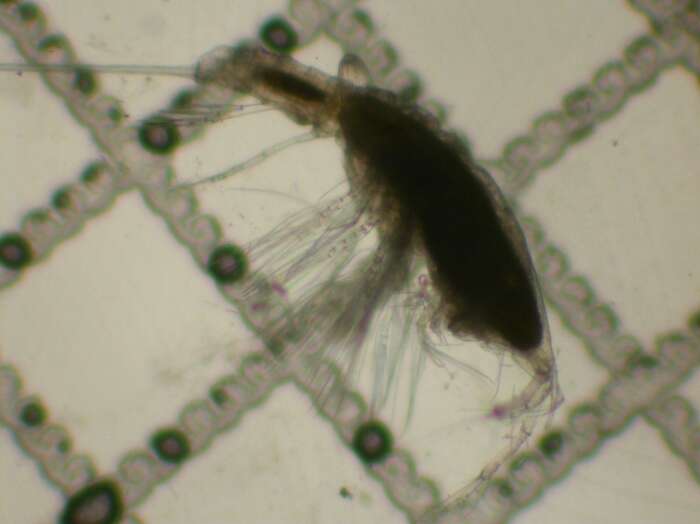
Aegisthus mucronatus Giesbrecht, 1891
Plesionika martia (A. Milne-Edwards, 1883) (golden shrimp)
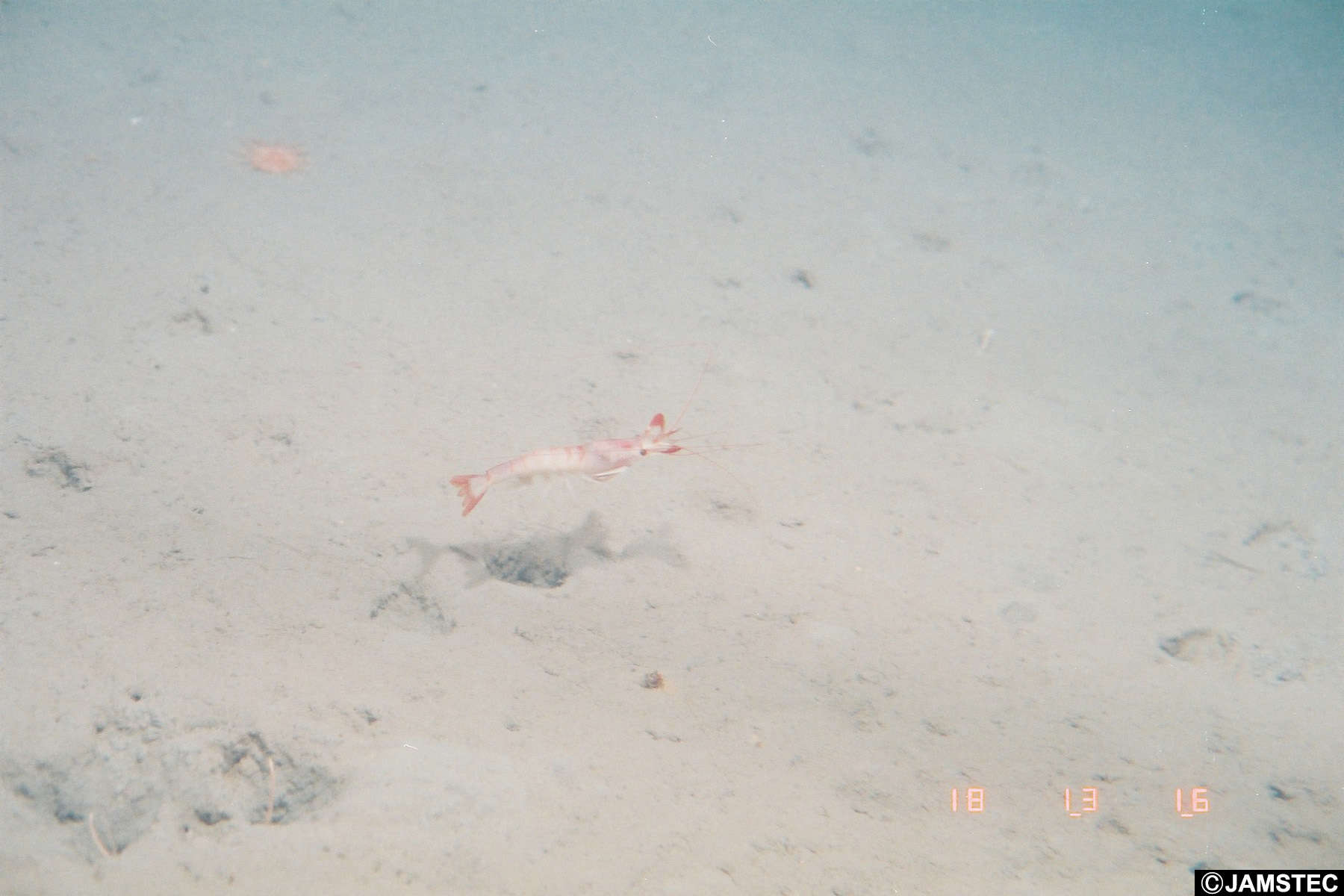
Aristeus virilis (Bate, 1881) (stout red shrimp)
Arnoglossus brunneus (Fowler, 1934) (Brown lefteye flounder)
Feeds on bottom-living animals.
Synaptura marginata Boulenger, 1900 (White-margined sole)
Occurs in shallow coastal waters. Feeds mainly on bottom-living invertebrates. Marketed fresh.
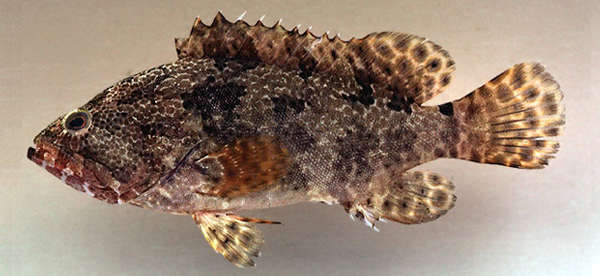
Epinephelus fasciatus (Forsskål, 1775) (Blacktip grouper)
Common in outer reef slopes at depths below 15 m, also occurs in protected bays and lagoons as shallow as 4 m. May also be found down to a depth of 160 m. At Madagascar it feeds night and day on brachyuran crabs, fishes,...
Read More
Read More
Epinephelus polyphekadion (Bleeker, 1849) (Camouflage grouper)
Usually found in coral-rich areas of lagoon and outer reefs; in caves and large crevices to swim through . Most abundant around islands, particularly atolls. Usually in small schools. Feeds mainly on crustaceans and fi...
Read More
Read More
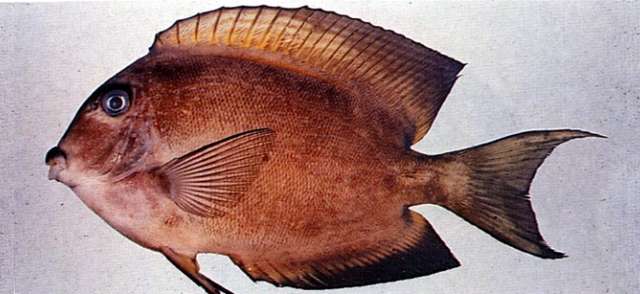
Ctenochaetus binotatus Randall, 1955 (Twospot surgeonfish)
Inhabits coral and rubble areas of deep lagoon and seaward reefs. Feeds by scooping film of detritus and unicellular algae that produce ciguatera toxin making this species a key link in the ciguatera food chain . Caught with nets .
Cirripectes perustus Smith, 1959 (Flaming blenny)
Inhabits shallow seaward reefs, from the intertidal zone to 25 m depth . Widely distributed but rarely collected. Oviparous . Eggs are demersal and adhesive .
Synodus jaculum Russell & Cressey, 1979 (Lighthouse lizardfish)
Inhabits coral reefs. Commonly found on sand or rubble near coral heads. Frequently caught with S. variegatus and S. englemani, using artisanal gear and trawls. Sold fresh and dried salted in markets.
Share on Social Networks
- Facebook:

personalize your shared text as well as its destination (wall, page...) or send as a private message to a friend
- Twitter: Tweet personalize your tweet
- Google Plus:
Direct link to this dive
- Long link:
- Short link:


 We are participating today in the startup contest Techcrunch Disrupt. Support Diveboard by voting for us!
























































































Nice, beautiful day, sunny, breezy cooler, but mostly flat water. Drop in At shallows Marisa, swim left hand to seamount, great canyons, corals, lots of fish activity.
@ tank boat dives Datu Budas
**lots of dead fish from apparent cyanide fishing incident earlier