


 Beachnutts


 Philippines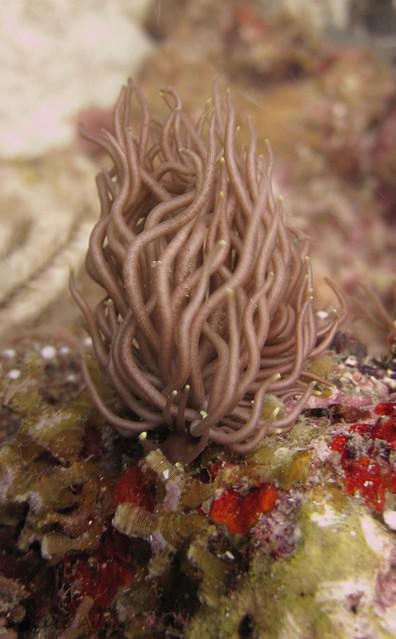
-
Nº36
 Date: 2022-08-07 - 02:07
-
 Max Depth: 20.1m Duration: 79mins
Dive Location

- Surface interval:131 mins
- Temp: Surf 27°C Bottom 27°C
- Dive type : Recreational, Reef, Photo
- Visibility: Average Water: Salt
Specific gear used
- BCD: Scubapro - Glide Plus
- Camera: Canon - Powershot SD780
- Computer: Oceanic - OCS
- Fins: Scubapro - Jet Fins
- Knife: Scuba MAx - folding
- Mask: Promate - Scope
- Regulator: Aqua Lung - Legend LX
- Wet suit: Blue Ocean - Diveskin
- Weights: 3.2 kg
Dive reviews
| Overall review | ||
| Dive difficulty | ||
| Marine life quality |
Recent Divers in Talicud island, Davao

Recent Pictures in Talicud island, Davao
Dive Shop & Buddies
 Dive with Mike Tacansan
 Dive buddies:
Max
Dive buddies:
Max

Link to this spot:
- Spot:
- Country:
- Area:
- Body of water:
Dive Profile
- 1. Air
- 10L Aluminium 214 → 23 bar
- Average depth: 13.4m
Data provided by EOL.org





Species Identified
Balistapus undulatus (Park, 1797) (Orange-lined triggerfish)
Occurs in coral-rich areas of deep lagoon and seaward reefs from the lower surge zone to at least 50 meters, Ref. 48637. Feeds on a variety of benthic organisms such as algae, echinoderms, fishes, mollusks, tunicates, spo...
Read More
Read More
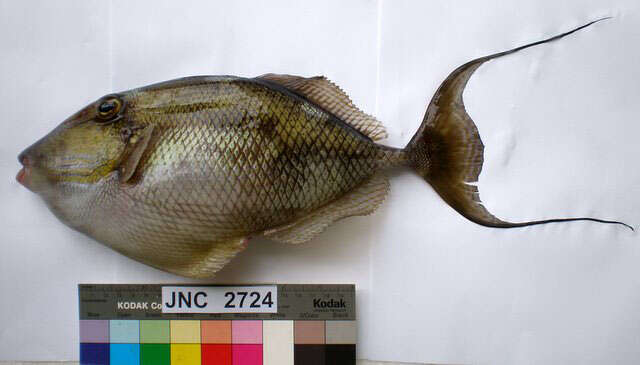
Abalistes filamentosus Matsuura & Yoshino, 2004 (Triggerfish)
Rhinecanthus assasi (Forsskål, 1775) (Picasso triggerfish)
Inhabits shallow sandy and rubble areas of coral reefs . Juveniles are commonly found on reef flats . Feeds on benthic invertebrates . Caught with artisanal gear, mainly pots .
Paraclinus cingulatus (Evermann and Marsh, 1899) (Coral blenny)
Occurs in pockets of coral rubble on reefs or in tide pools.
Paraclinus grandicomis (Rosén, 1911) (horned blenny)
Associated with mollusks, sponges, and anemones .
Paraclinus integripinnis (Smith, 1880) (reef finspot)
Inhabits tide pools and rocky areas. The few stomachs which have been examined contained isopods and amphipods .
Paraclinus fasciatus (Steindachner, 1876) (banded blenny)
Occurs in protected shallow waters, in coral, rock or sand bottoms especially in seagrass beds.
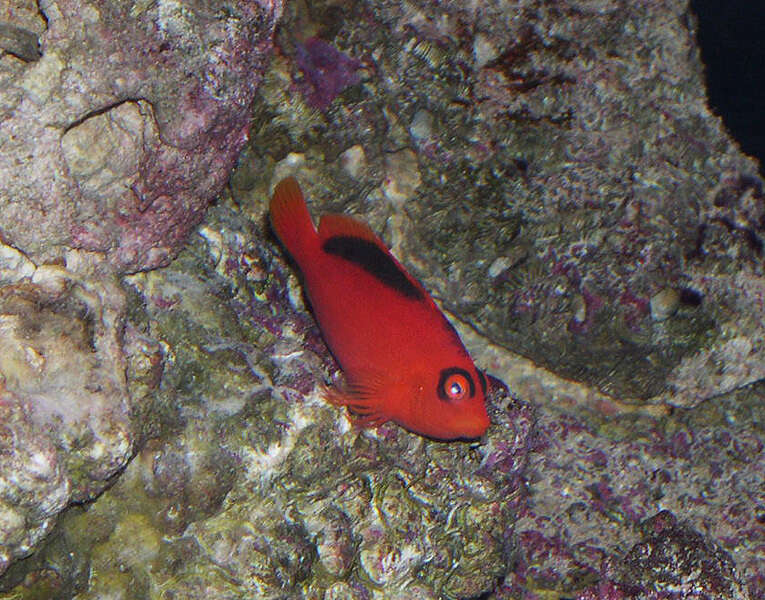
Neocirrhites armatus Castelnau, 1873 (Flame hawkfish)
Common along surge-swept reef fronts and submarine terraces to a depth of about 11 m. Usually seen hiding among branches of live corals . Retreats deep into the coral when approached . Oviparous, monogamous . Highly priced aquarium fish, requires well-oxygenated water and fades in captivity .
Amphiprion ocellaris Cuvier, 1830 (false clown anemonefish)
Premnas biaculeatus (Bloch, 1790) (Spinecheek anemonefish)
Inhabits lagoon and seaward reefs , found mainly in protected coastal waters and lagoons. Typically found in pairs in which males are much smaller than females . Feeds primarily on zooplankton and benthic algae . Has been reared in captivity . Associated with the anemone Entacmaea quadricolor .
Share on Social Networks
- Facebook:

personalize your shared text as well as its destination (wall, page...) or send as a private message to a friend
- Twitter: Tweet personalize your tweet
- Google Plus:
Direct link to this dive
- Long link:
- Short link:


 We are participating today in the startup contest Techcrunch Disrupt. Support Diveboard by voting for us!
























































































SI 2:11 Multilevel
2nd Dive Angel's Cove Talikud Island @West Boulders
Drop in NW bouy swim to slope at entrance of Boulders section Angel's Cove swim to depth and rounding to South swim started to feel current and lessening viz, reverse to the Cove and shallows, back to boat.
Largest Yellow Tipped Phyllodesmium I've seen