


 Beachnutts


 Philippines
-
Nº162
 Date: 2025-01-26 - 10:55
-
 Max Depth: 24.7m Duration: 84mins
Dive Location

- Temp: Surf 27°C Bottom 27°C
- Dive type : Recreational, Reef, Photo
- Visibility: Excellent Water: Salt
Specific gear used
- BCD: Scubapro - Glide Plus
- Boots: Orca - Dive shoes
- Camera: Olympus - TG6
- Computer: Oceanic - OCS
- Fins: Scubapro - Jet Fins
- Lift bag: ScubaMax - SMB
- Light: Sofirn - SD05
- Mask: Promate - Scope
- Regulator: SEAC - Synchro
- Wet suit: Blue Ocean - Diveskin
- Weights: 3.2 kg
Dive reviews
| Overall review | ||
| Dive difficulty | ||
| Marine life quality |
Recent Divers in Samal island, Davao

Recent Pictures in Samal island, Davao
Dive Shop & Buddies
 Dive with Pitan
 Dive buddies:
Reymar Tano,
Beachnutts
Dive buddies:
Reymar Tano,
Beachnutts

Link to this spot:
- Spot:
- Country:
- Area:
- Body of water:
Dive Profile
- 1. Air
- 10L Aluminium 207 → 28 bar
- Average depth: 16.5m
Data provided by EOL.org

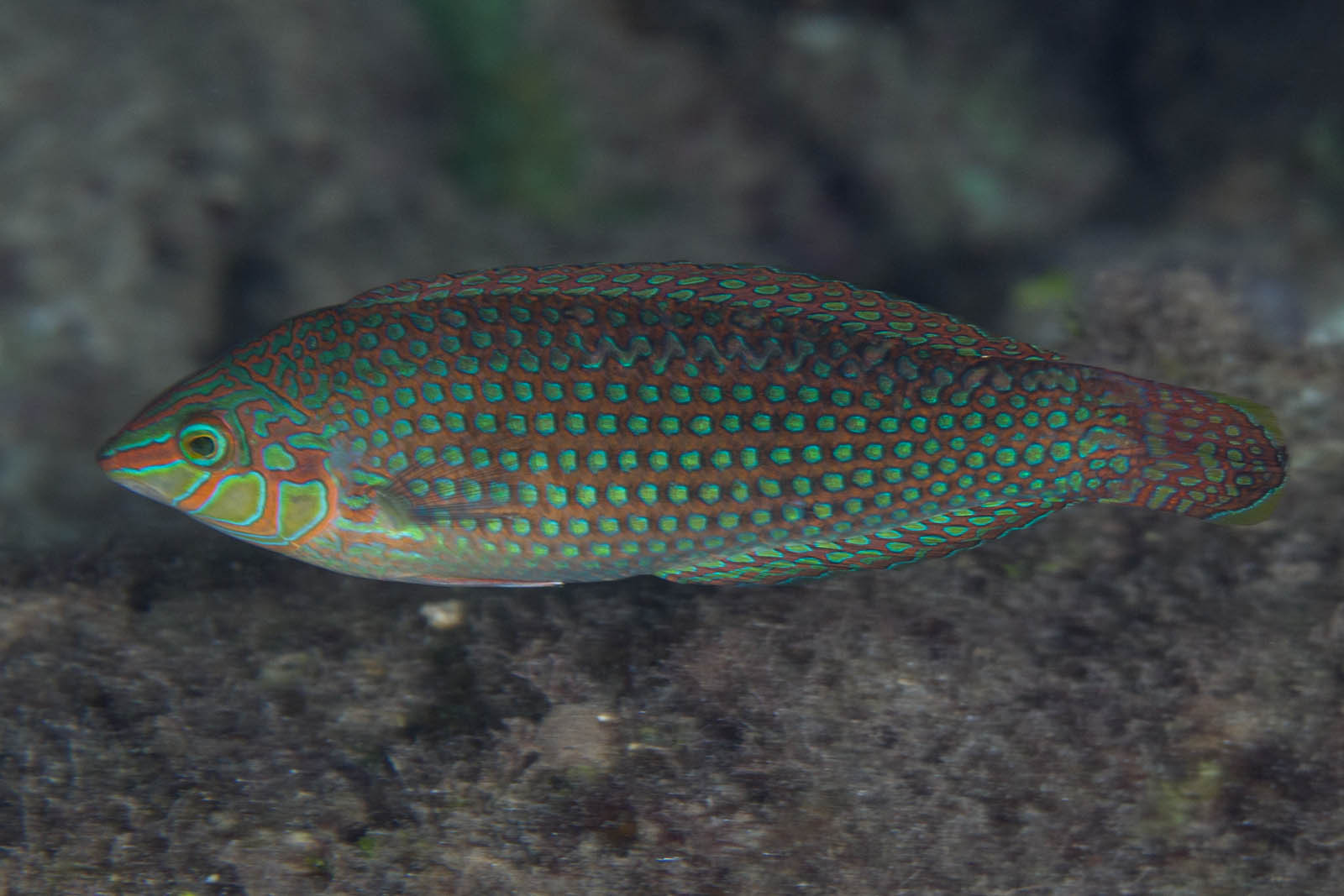
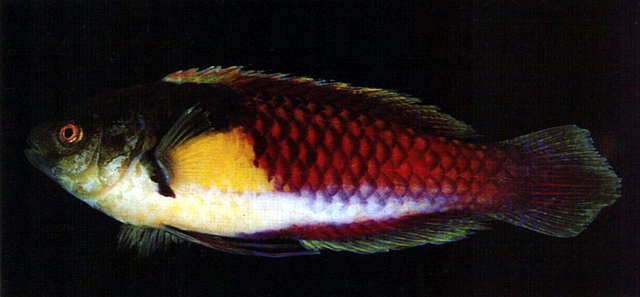
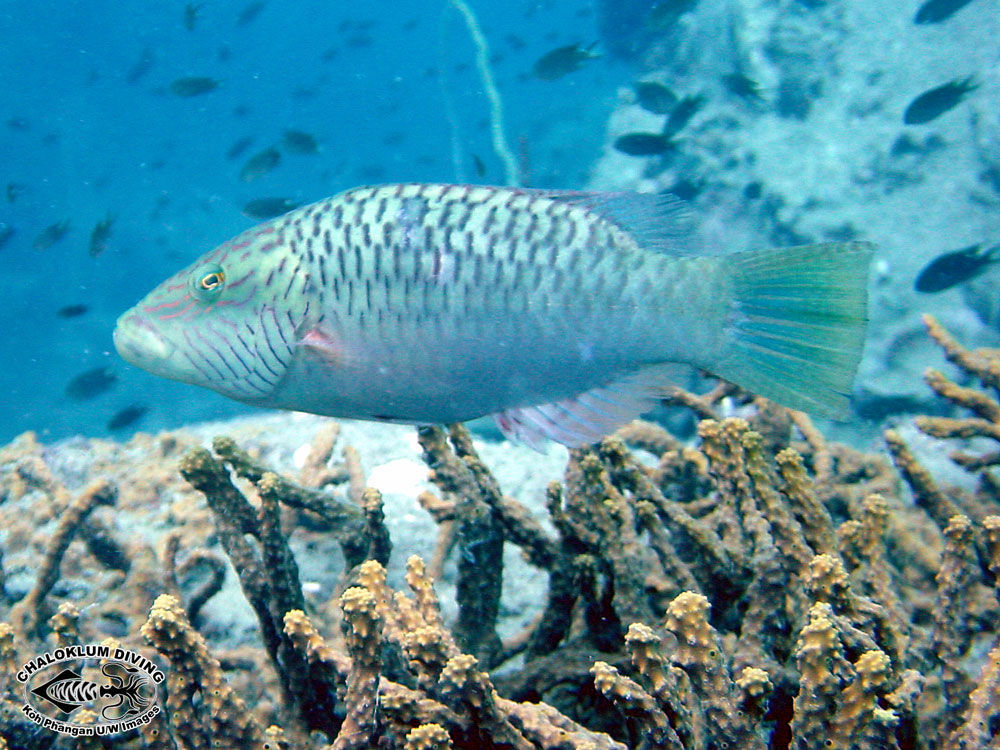
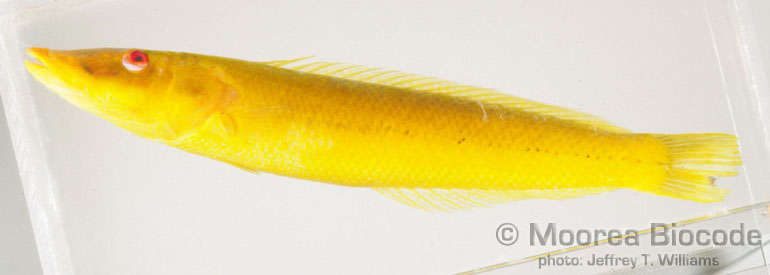
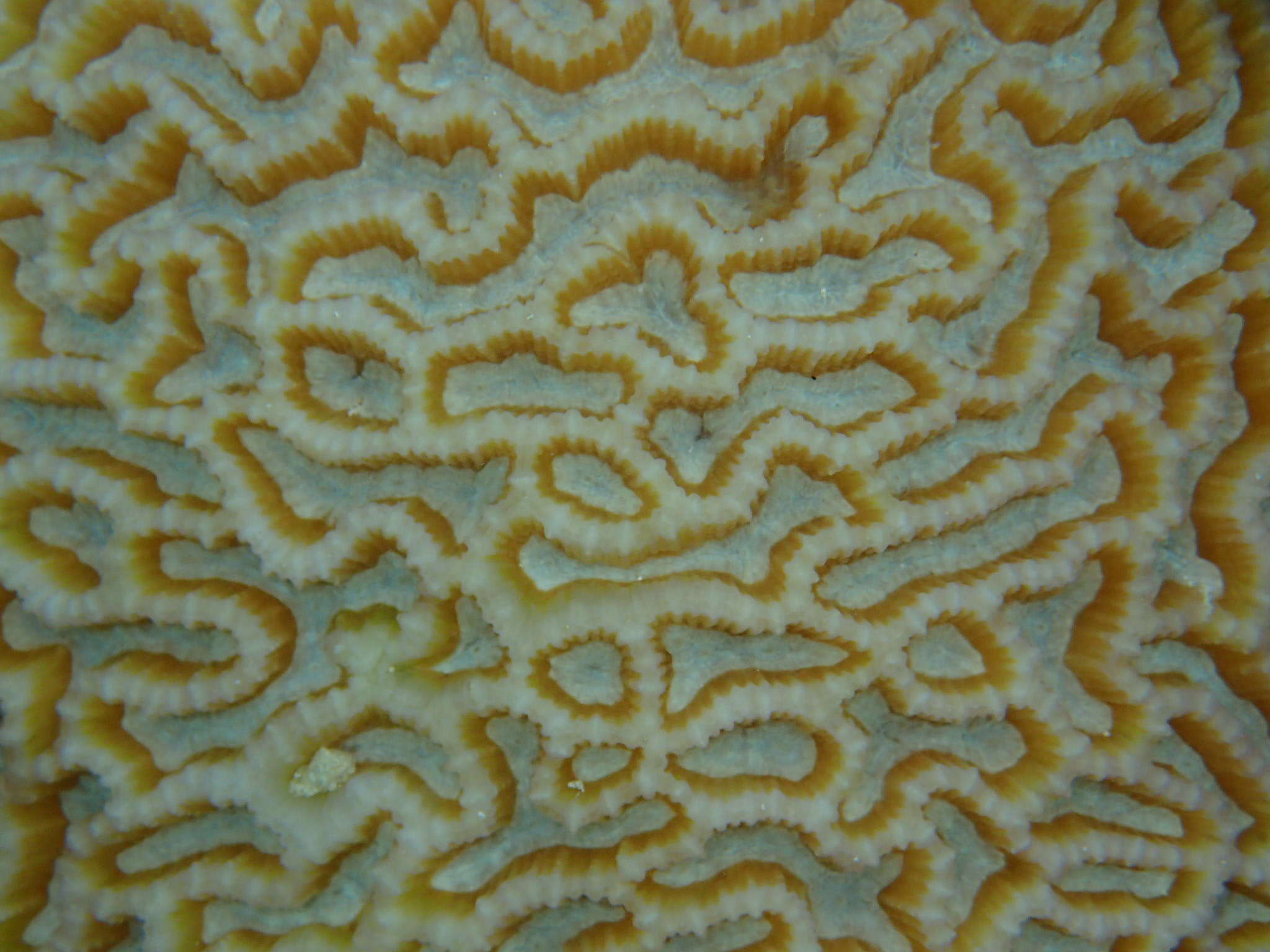
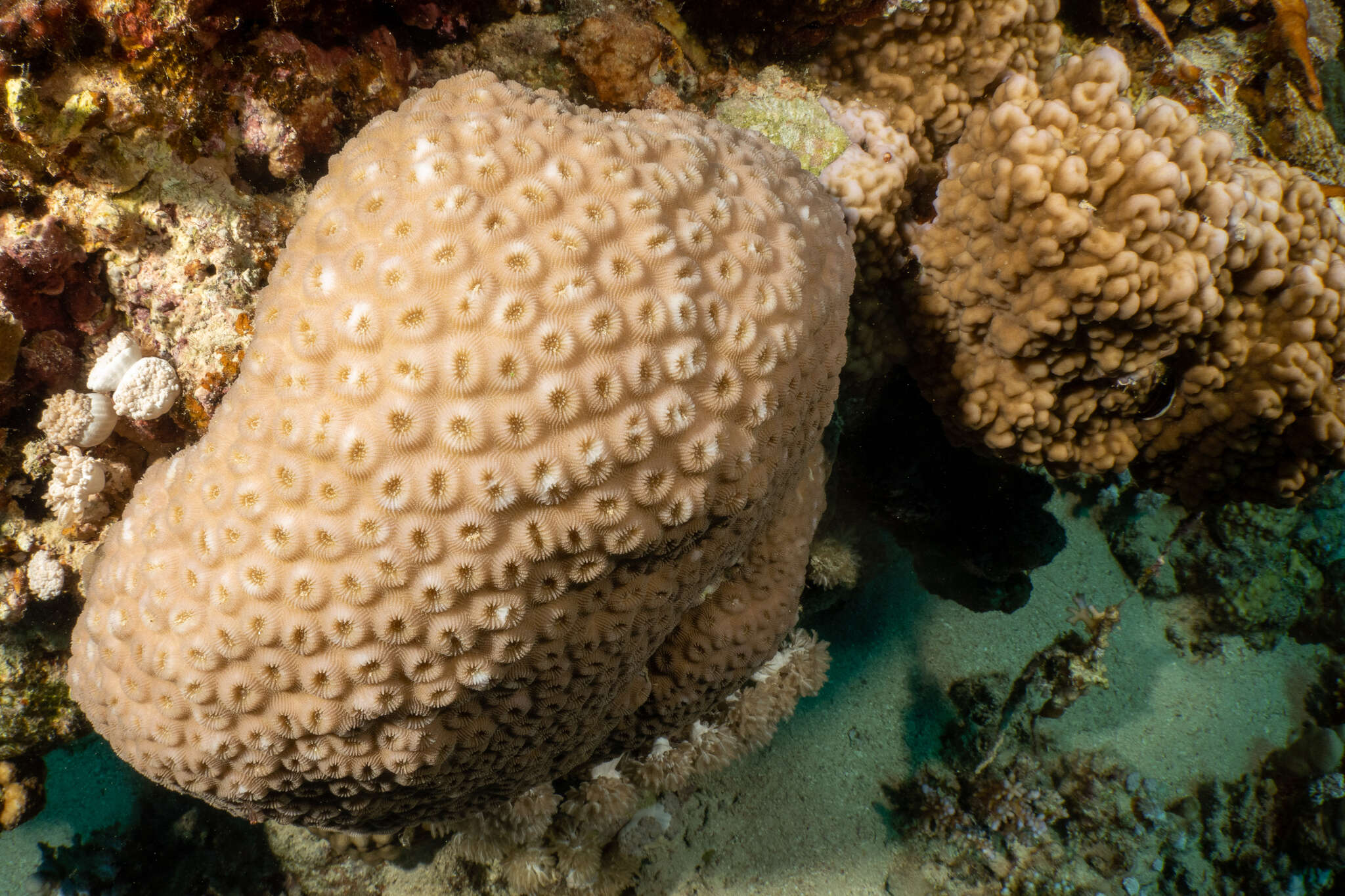


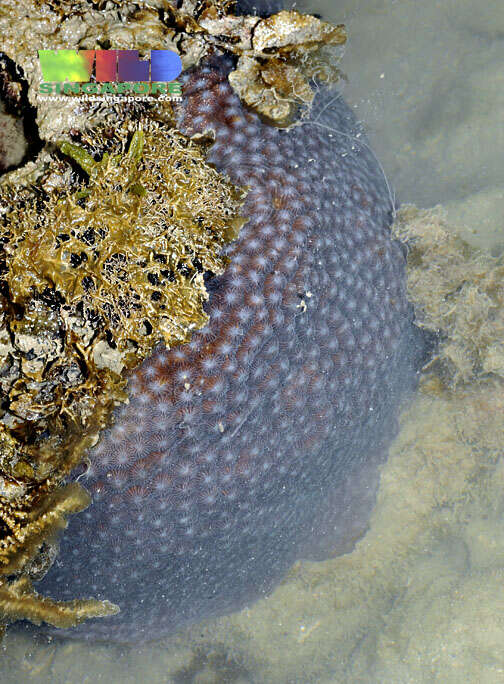
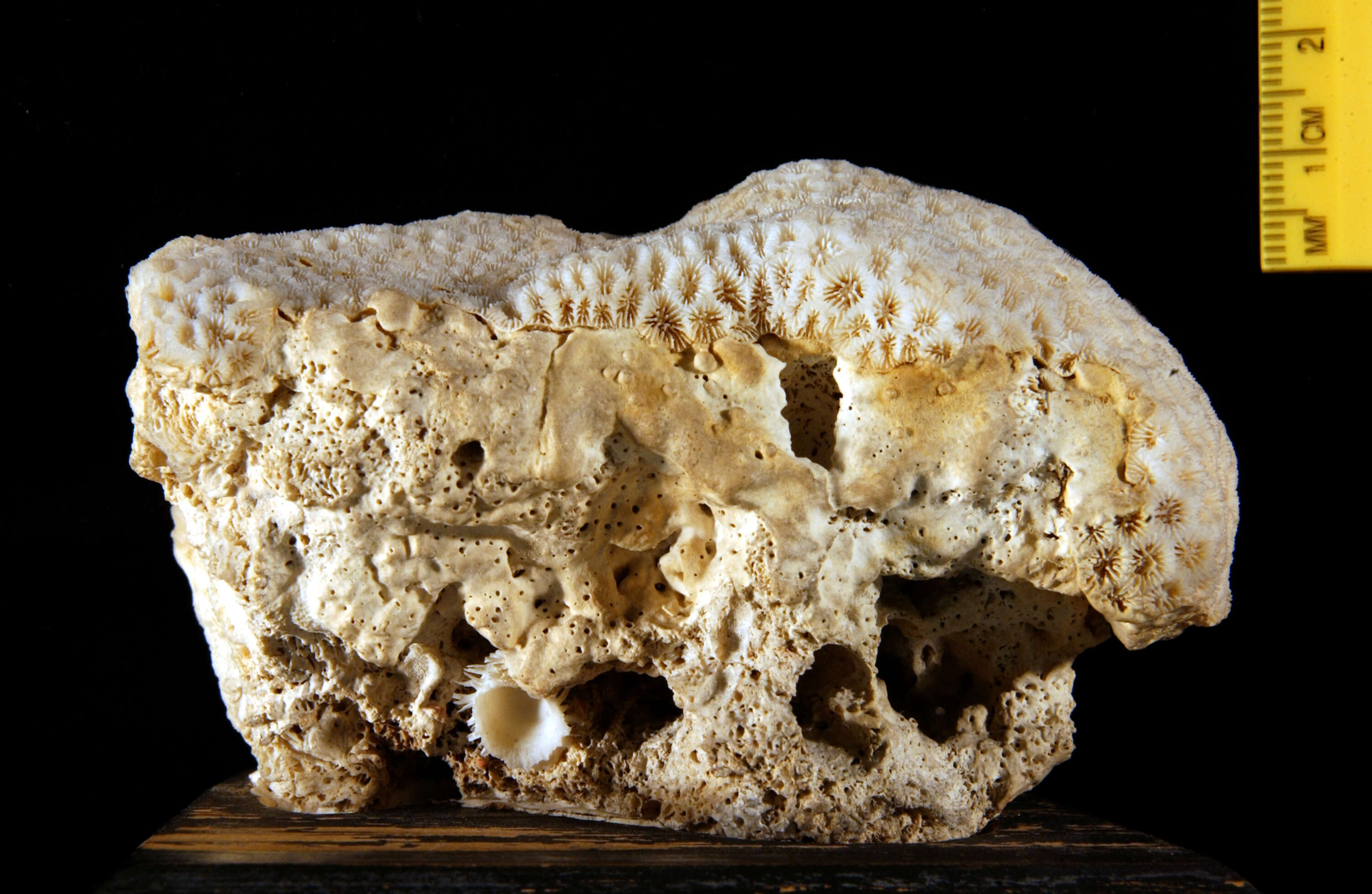

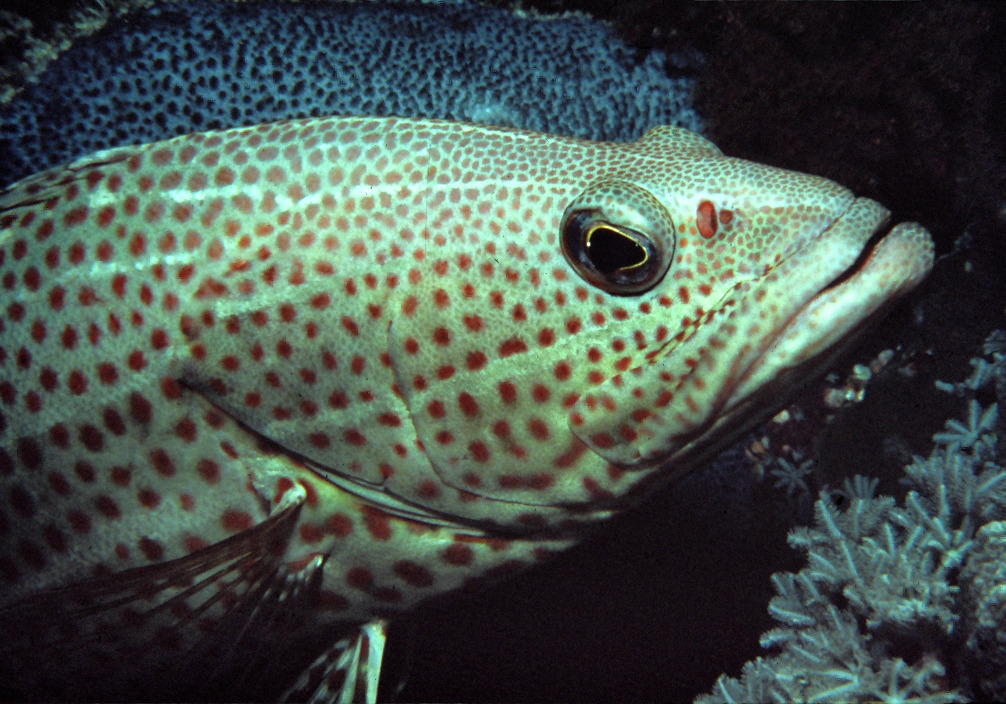


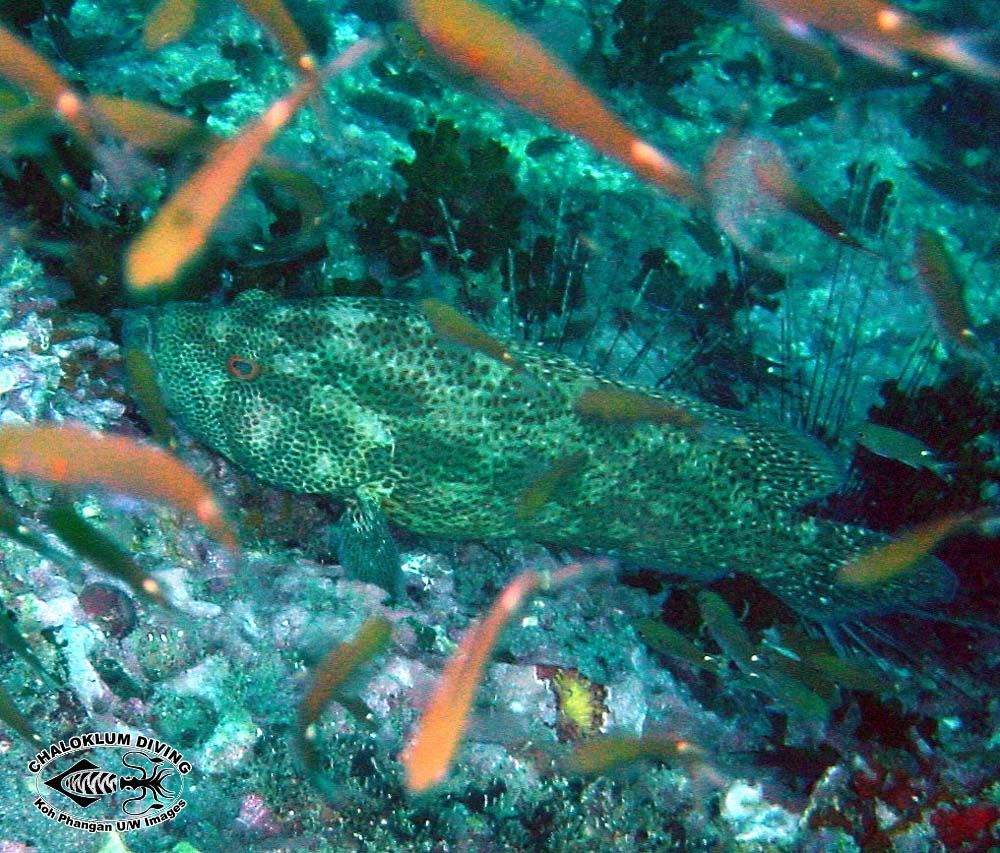

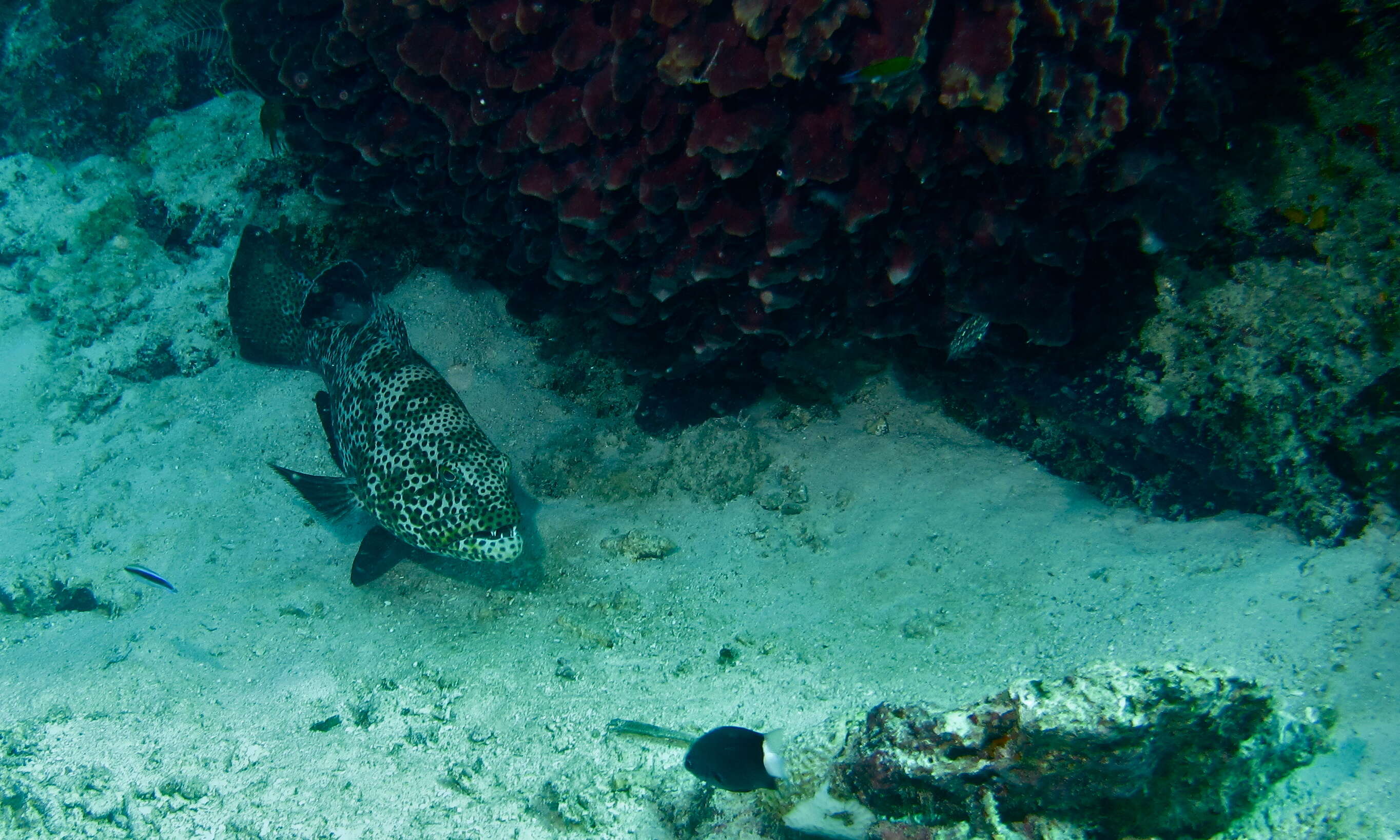

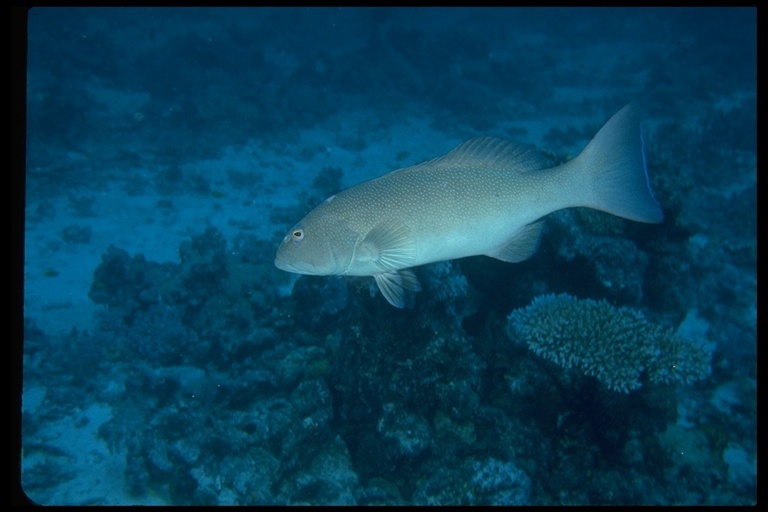


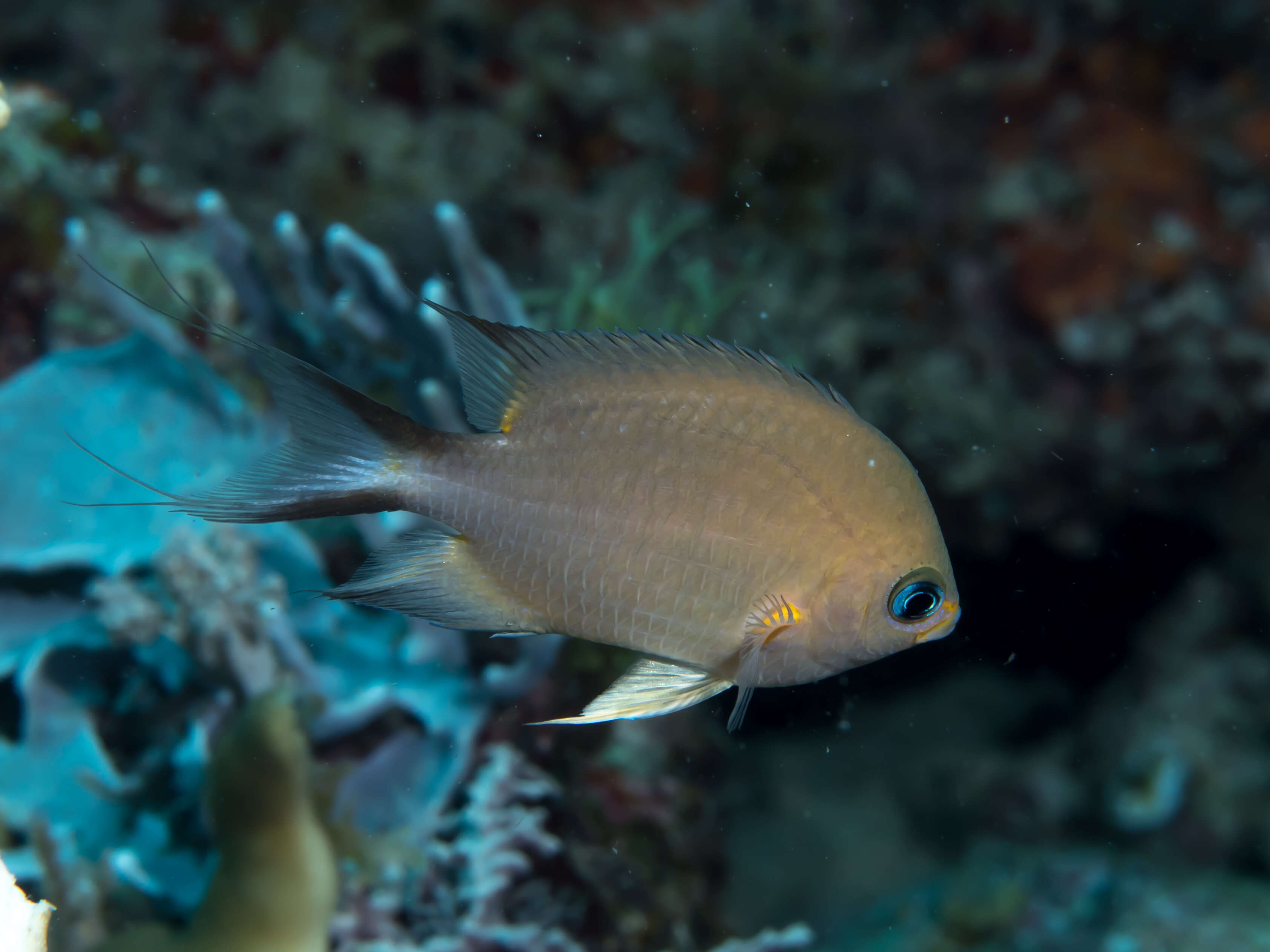
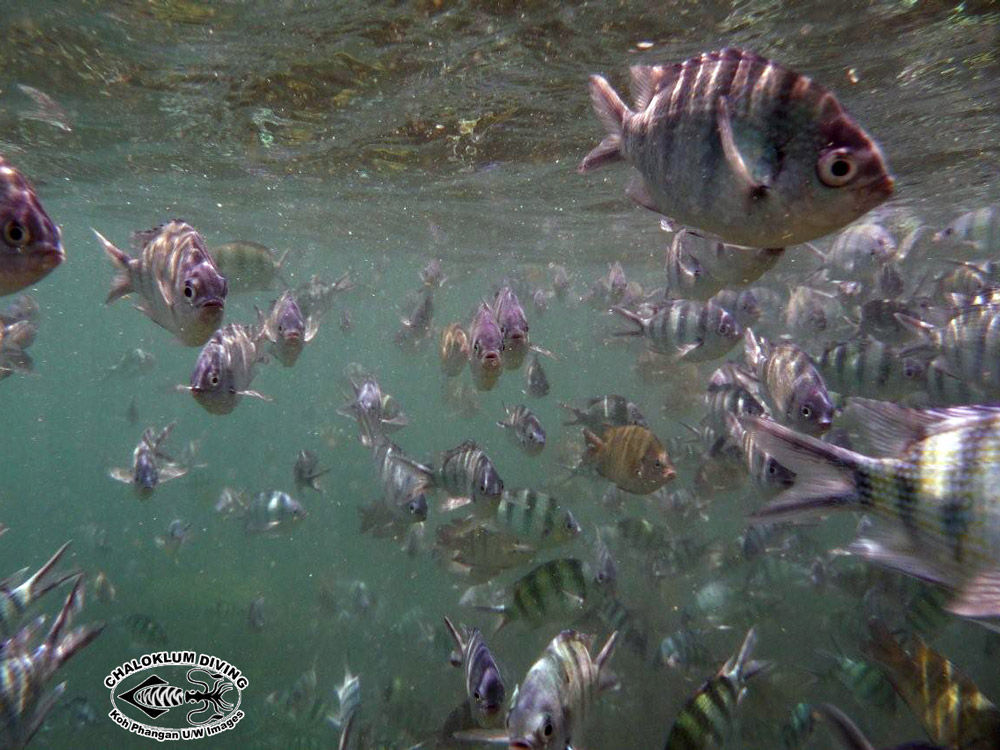
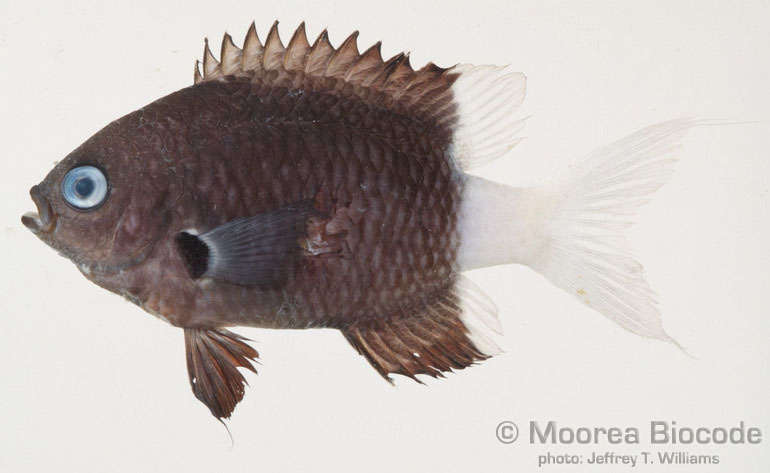
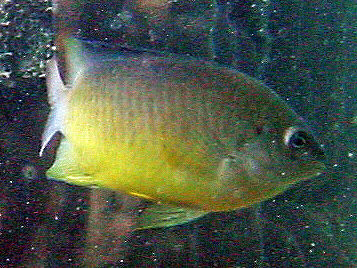

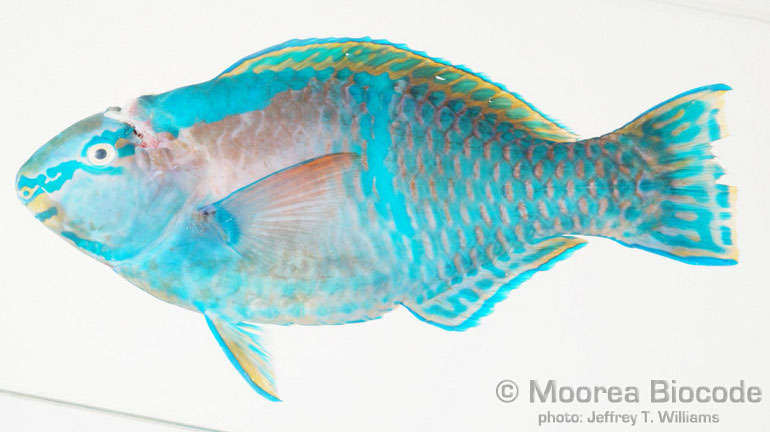
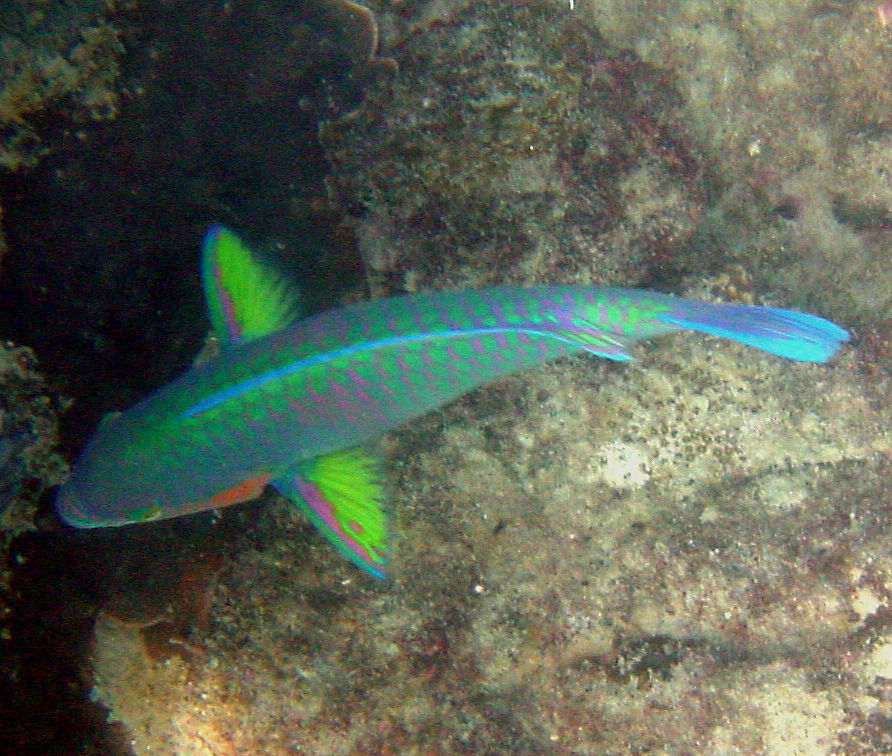
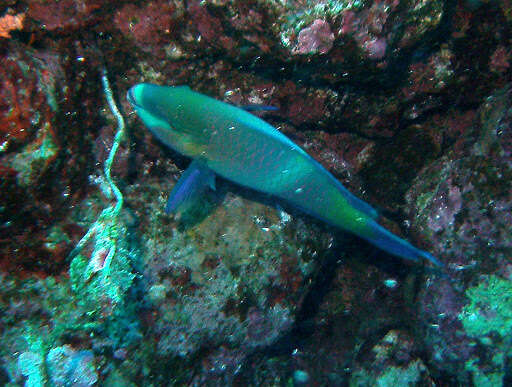


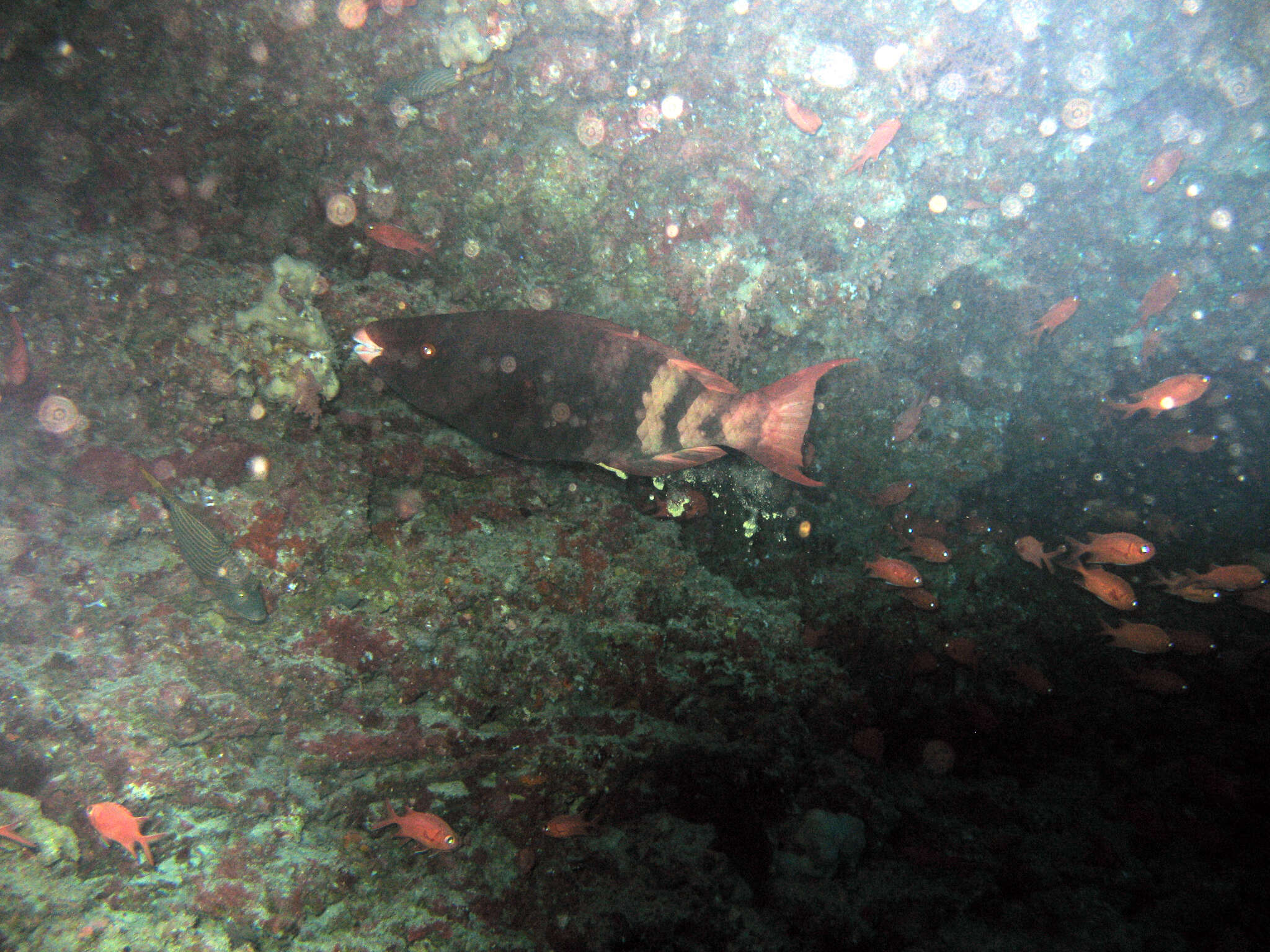
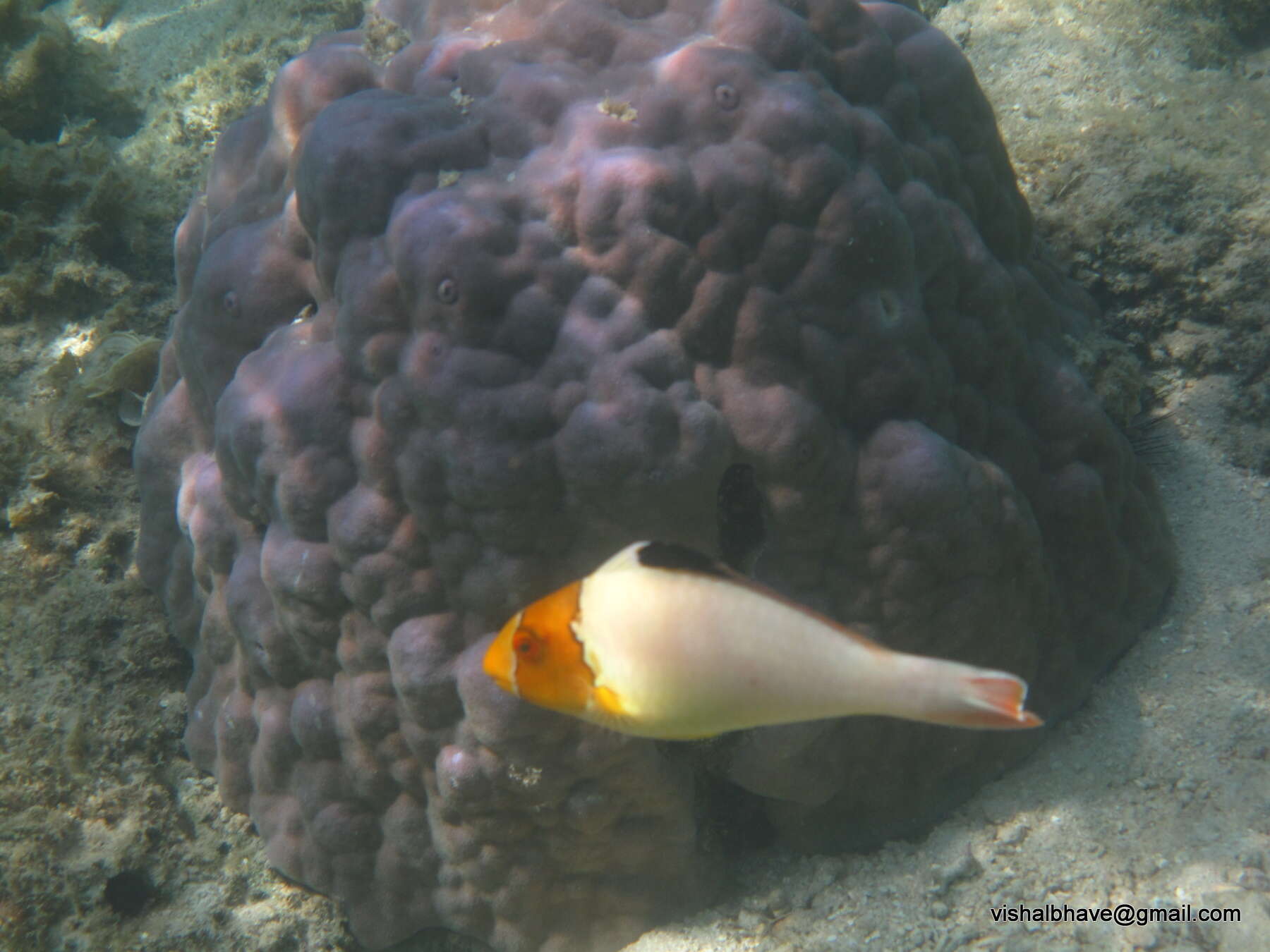
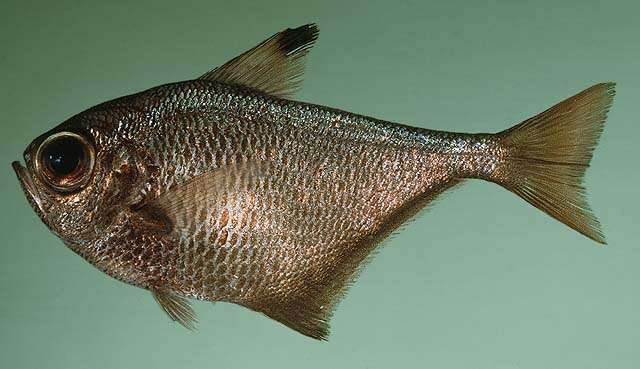
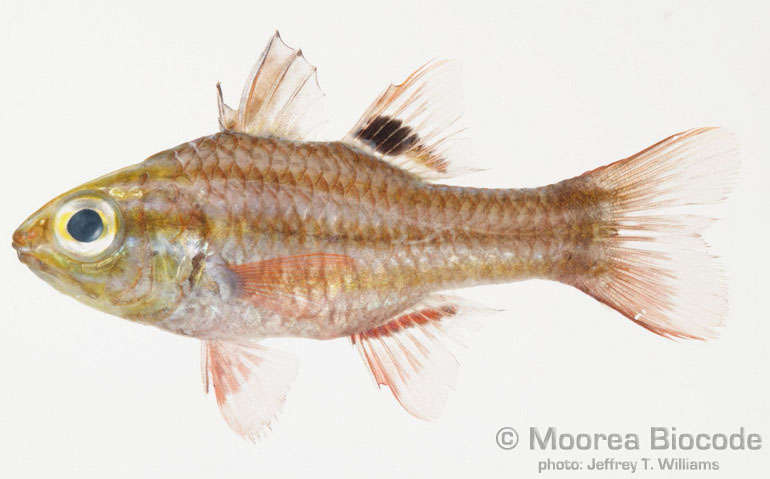


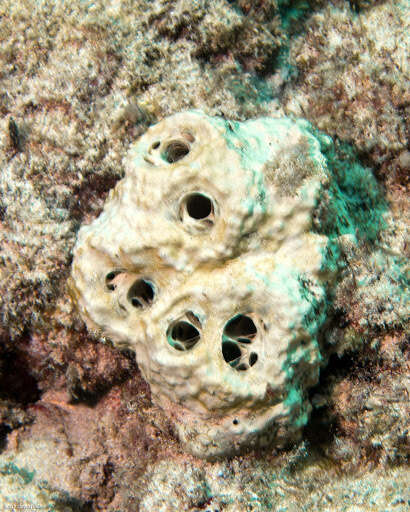
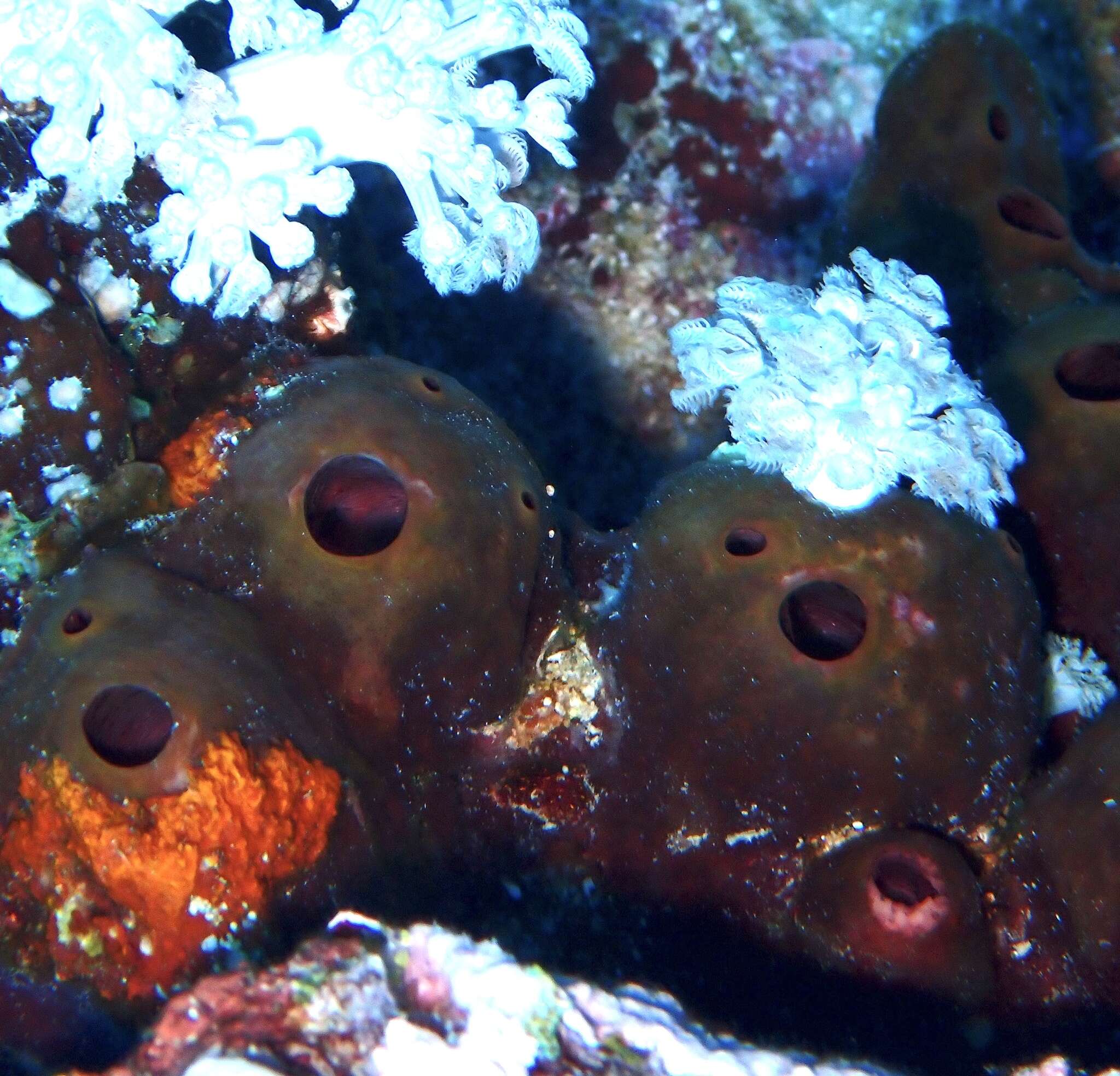
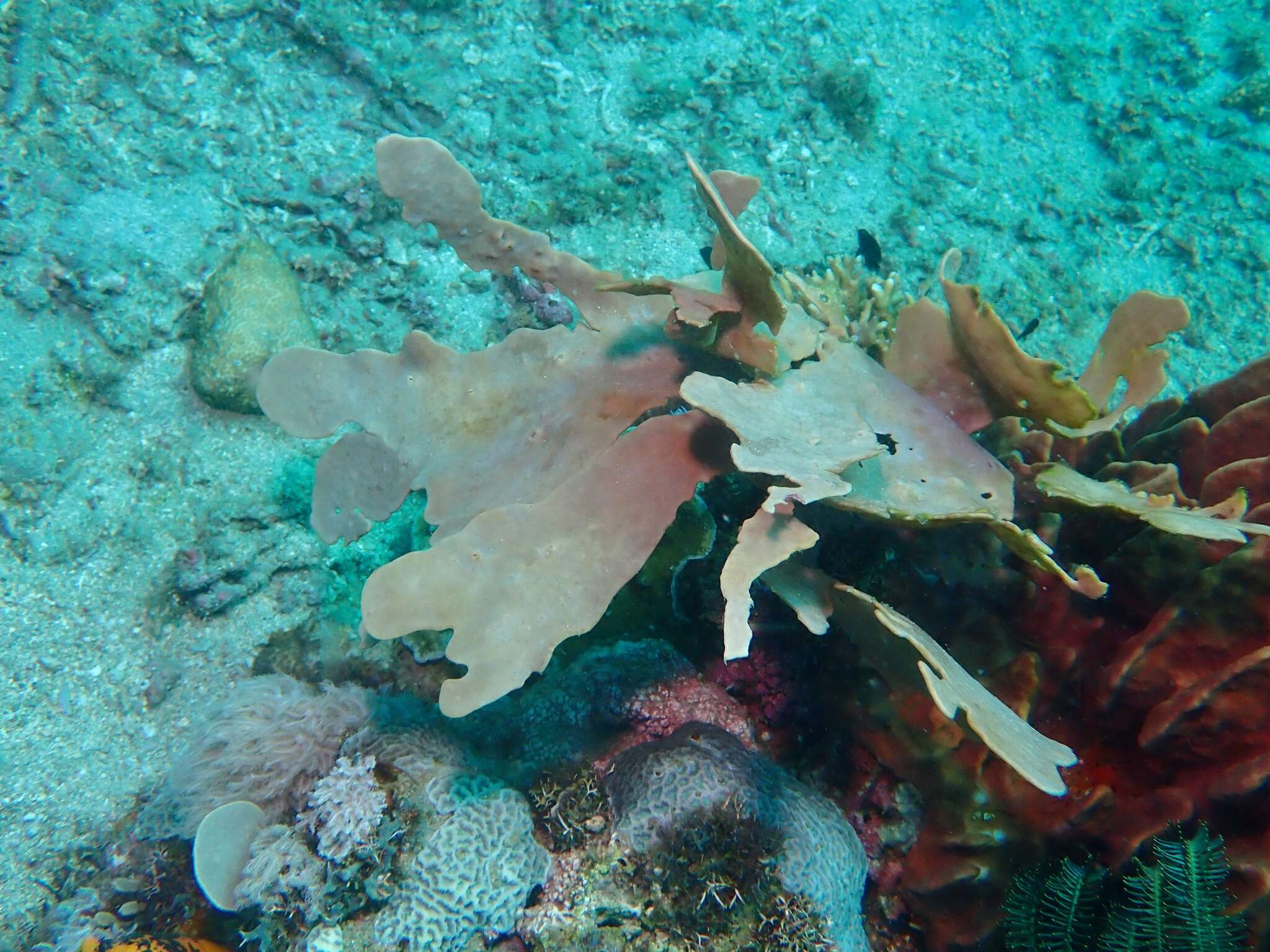
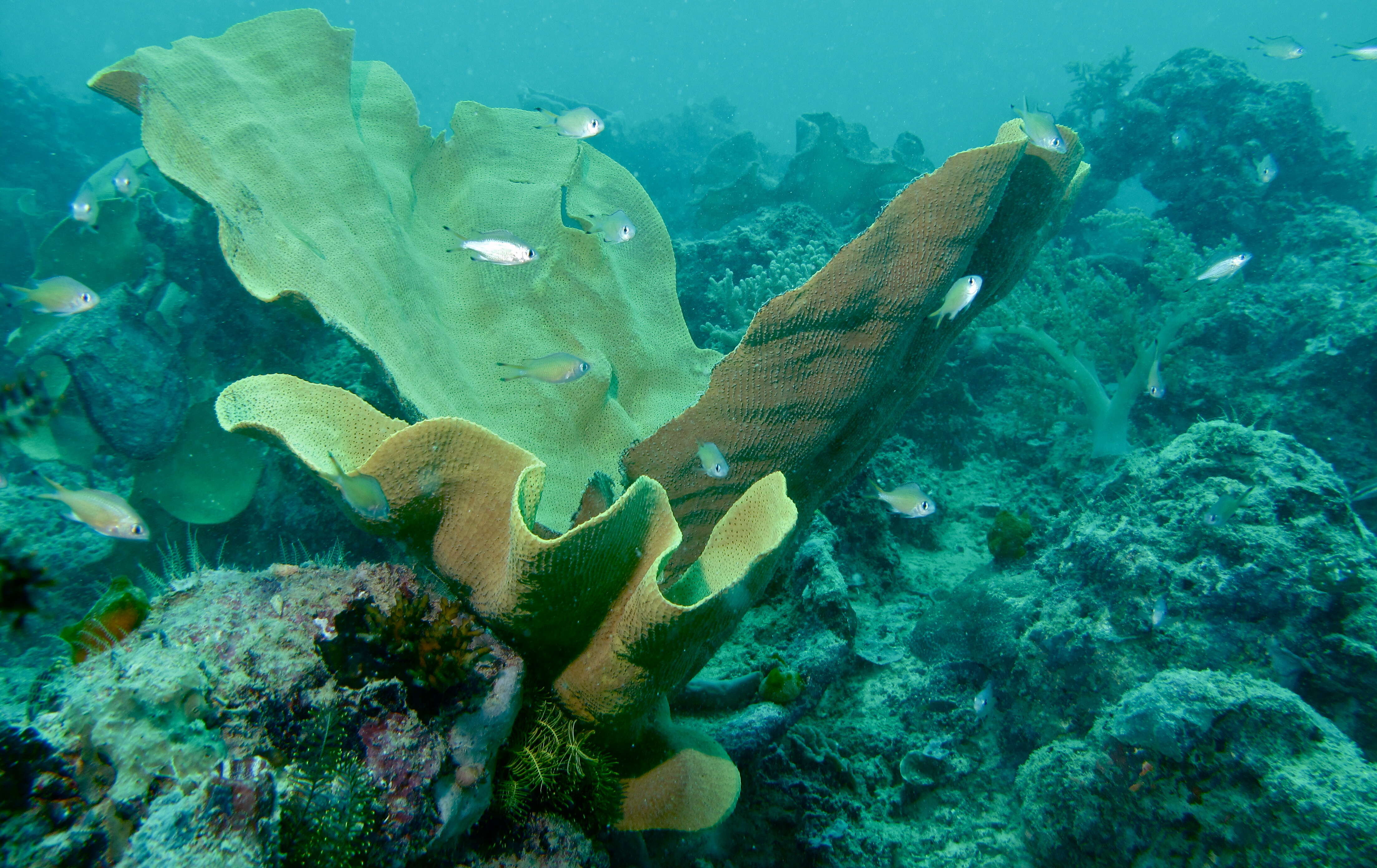
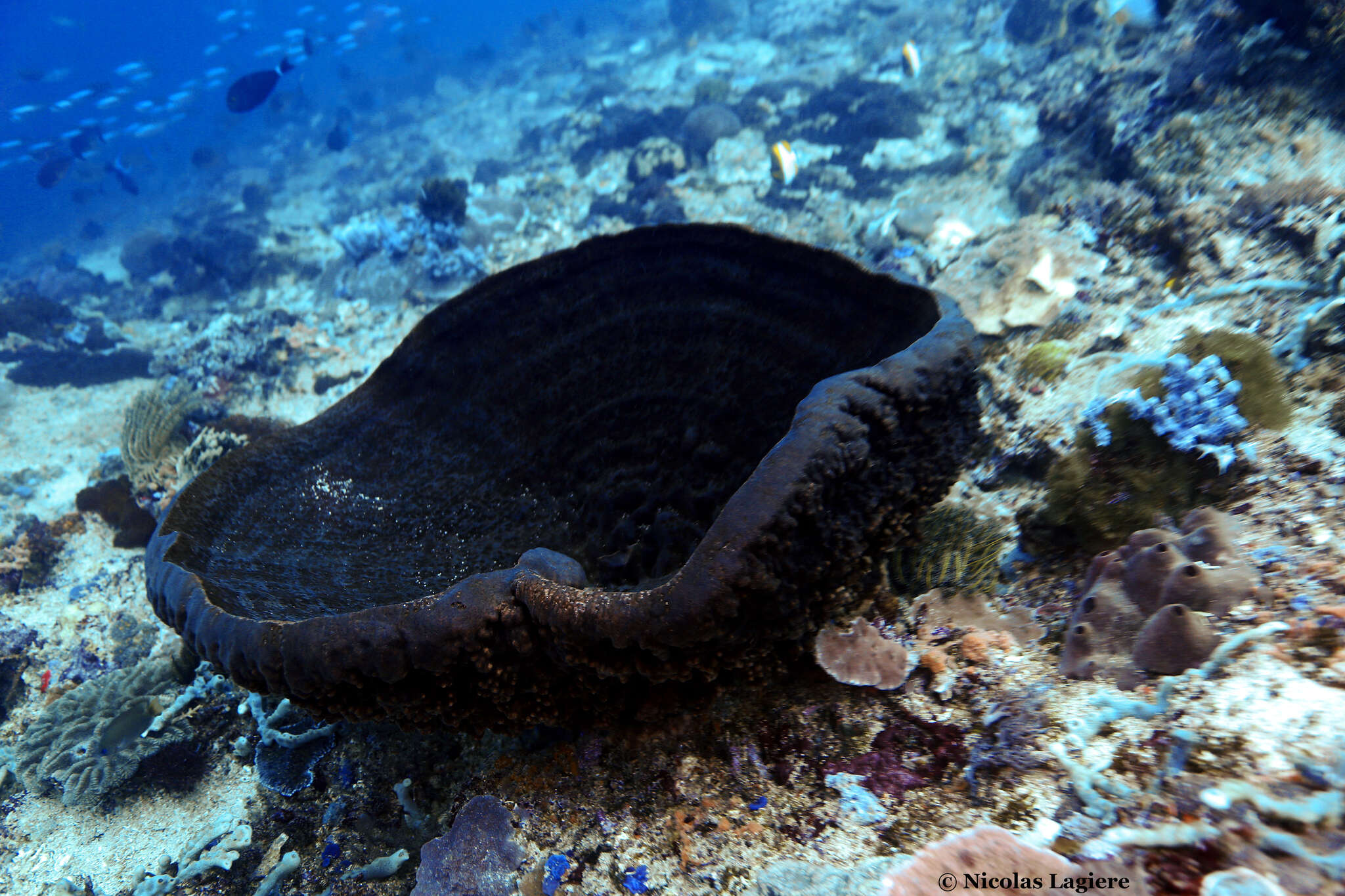
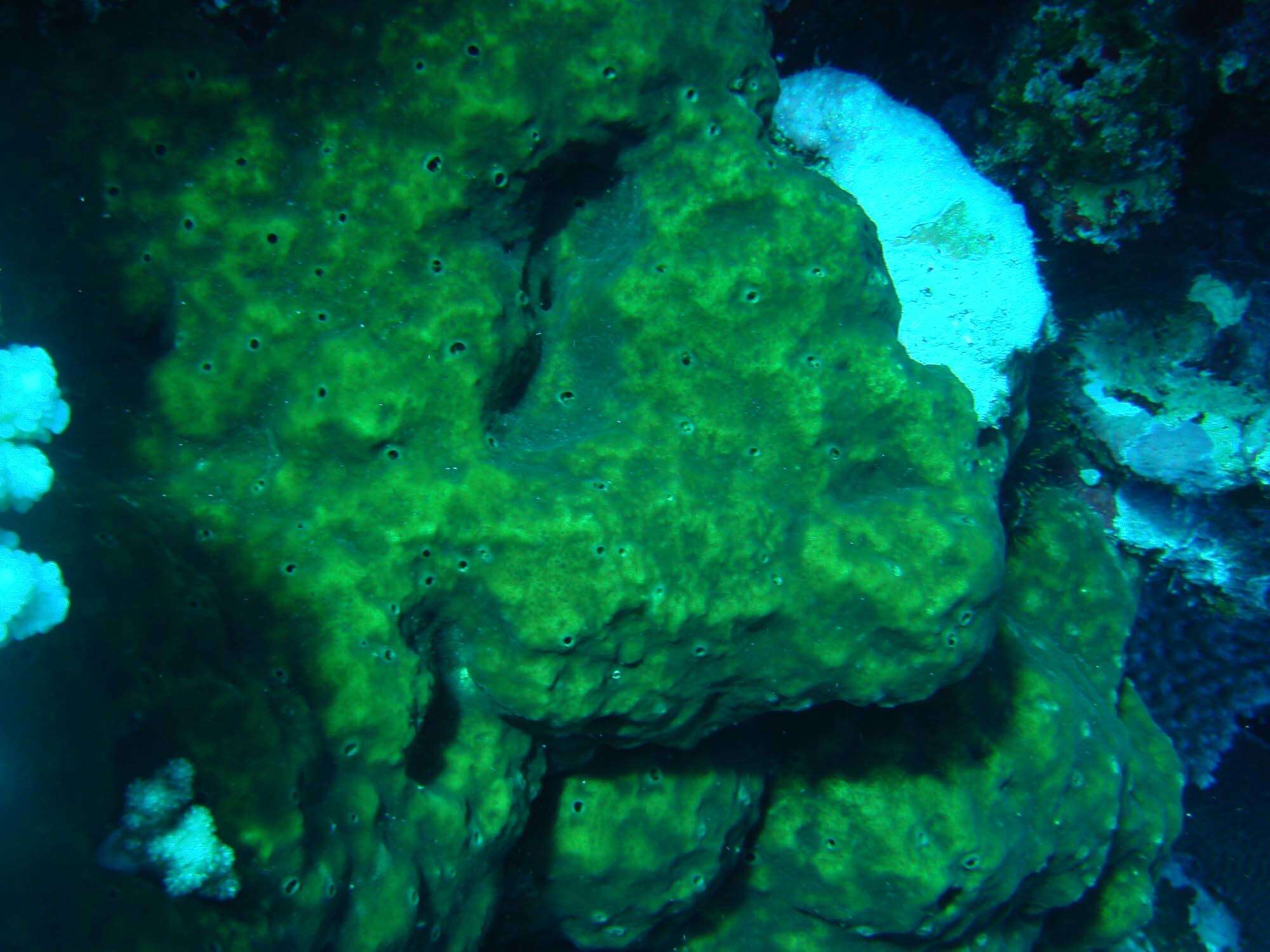
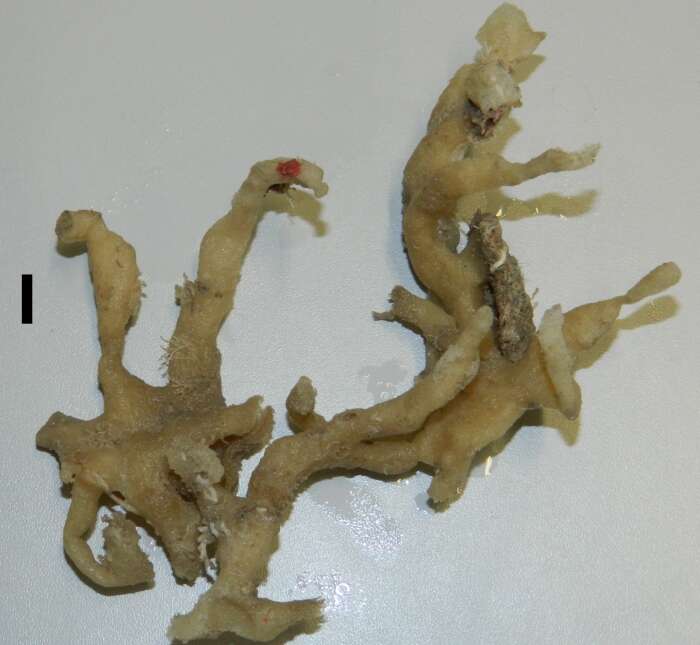

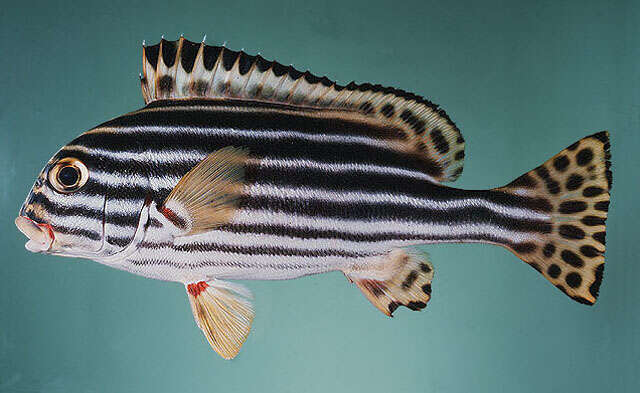
Species Identified
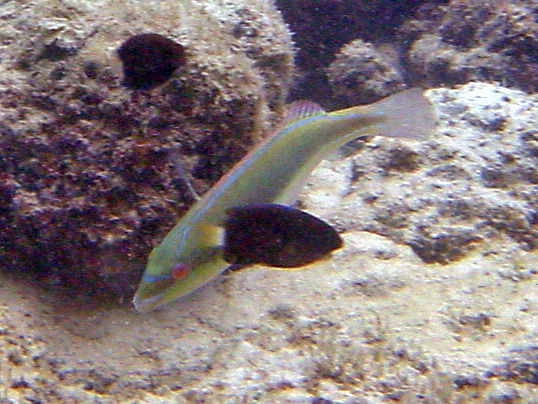
Stethojulis interrupta (Bleeker, 1851) (One-line rainbowfish)
Coastal to outer reef crests. In Japan, it is found in areas of mixed sand, rock and coral . Occurs in small groups to about 20 m depth . Feeds by sorting small animals from mouthfuls of sand and detritus.
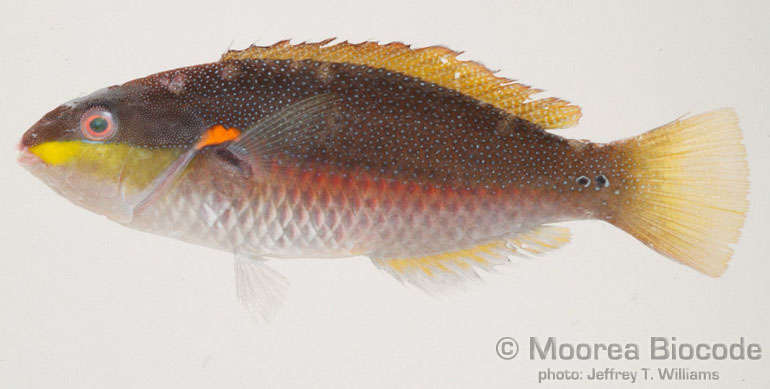
Stethojulis bandanensis (Bleeker, 1851) (Red shoulder wrasse)
Halichoeres melanurus (Bleeker, 1851) (Tail-spot wrasse)
Found mostly on shallow coral reefs and rocky shores . Found over 15 m depth . Feed on small invertebrates such as polychaetes, copepods, isopods and forams .
Epibulus insidiator (Pallas, 1770) (Slingjaw wrasse)
Inhabit coral-rich areas of lagoon and seaward reefs . Benthopelagic . Generally solitary . Feed on small coral-dwelling crustaceans and fishes . Capable of drift migration along with floating leaves . Adults usually ...
Read More
Read More
Halichoeres argus (Bloch and Schneider, 1801) (Argus wrasse)
Inhabits shallow coastal reefs and seagrass flats , also in algae-rocky reef flats and lagoons .
Cirrhilabrus cyanopleura (Bleeker, 1851) (Blueside wrasse)
Forms aggregations 1 to 2 m above coral or rocky bottoms along edges of lagoon, channel, and outer reef slopes. Feeds on zooplankton in the water column. Sometimes form large schools .
Oxycheilinus digramma (Lacepède, 1801) (Cheeklined wrasse)
Inhabits lagoon and sheltered seaward reefs in coral rich areas . Possibly to 120 m depths. Young is more inshore on sheltered reef crests or slopes, usually amongst soft corals or stinging hydrozoans . Feeds on hard-sh...
Read More
Read More
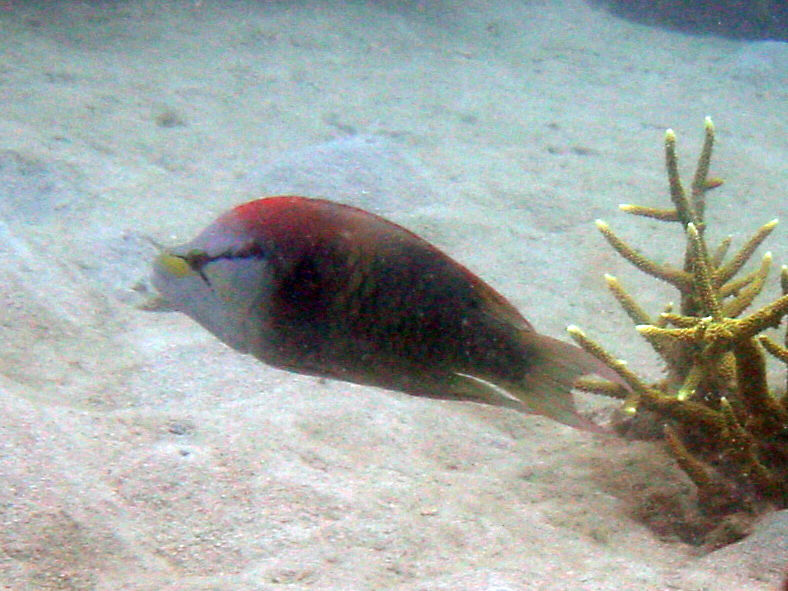
Cheilio inermis (Forsskål, 1775) (Sharp-nosed rainbowfish)
Inhabit seagrass beds and algal-covered flats, occasionally in lagoon and seaward reefs to a depth of at least 30 m . Benthopelagic . Usually solitary. Juveniles secretive in seagrasses or attached Sargassum; adults usu...
Read More
Read More
Symphyllia recta (Dana, 1846) (Sinuous cup coral)
zooxanthellate
Favia laxa (Klunzinger, 1879) (Knob coral)
zooxanthellate
Lobophyllia hataii Yabe, Sugiyama and Eguchi, 1936 (Lobed cactus coral)
zooxanthellate
Favia pallida (Dana, 1846) (Knob coral)
zooxanthellate
Platygyra pini Chevalier, 1975 (Lesser valley coral)
zooxanthellate
Montastraea valenciennesi (Milne Edwards & Haime, 1848) (False knob coral)
zooxanthellate
Oulastrea crispata (Lamarck, 1816) (Zebra coral)
zooxanthellate
Diploastrea heliopora (Lamarck, 1816) (Double-star coral)
zooxanthellate
Goniastrea edwardsi Chevalier, 1971 (Lesser star coral)
zooxanthellate
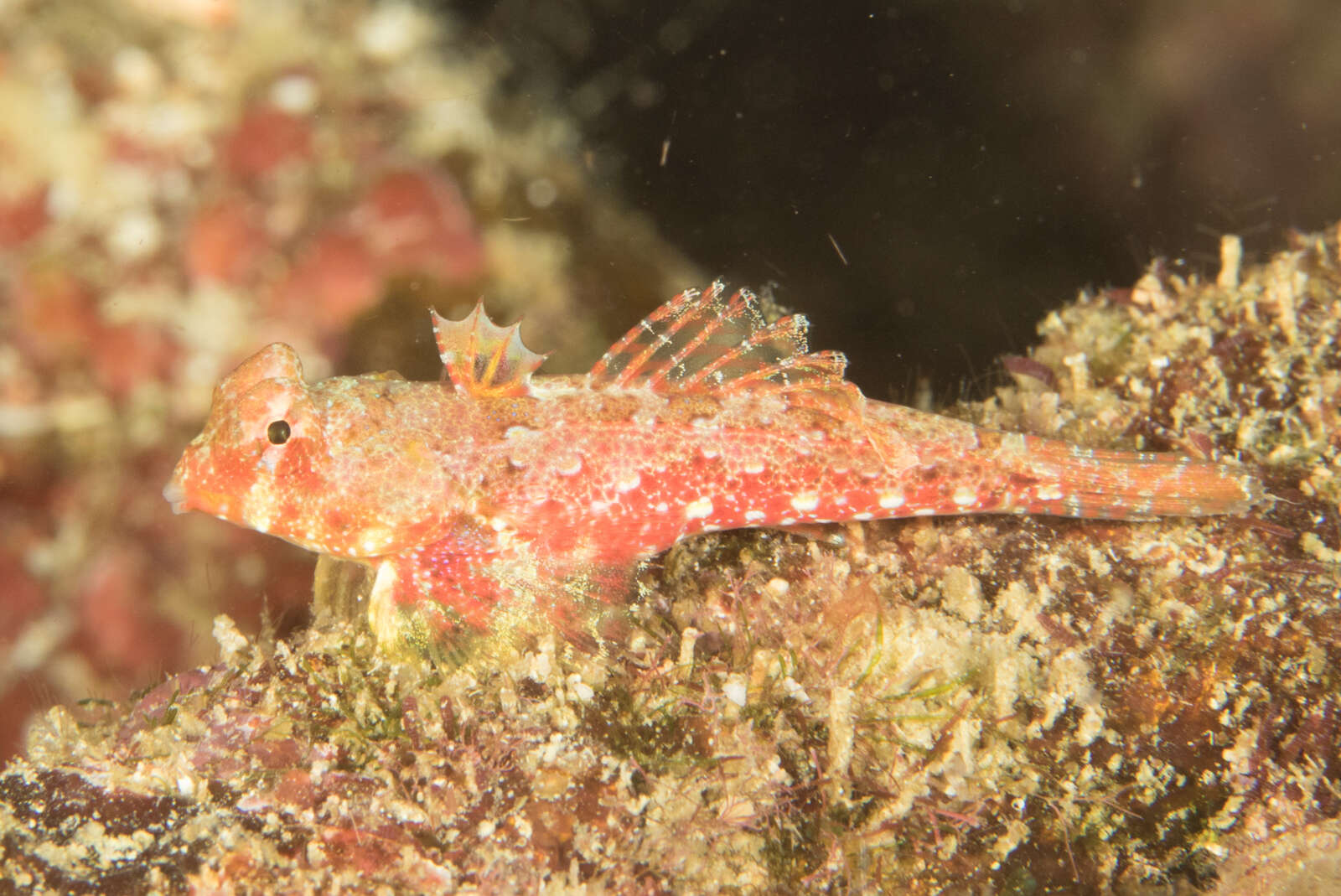
Synchiropus morrisoni Schultz, 1960 (Morrison's dragonet)
Occurs in algal covered rocks of seaward reefs; rarely in less than 25 m in most coral reef areas .
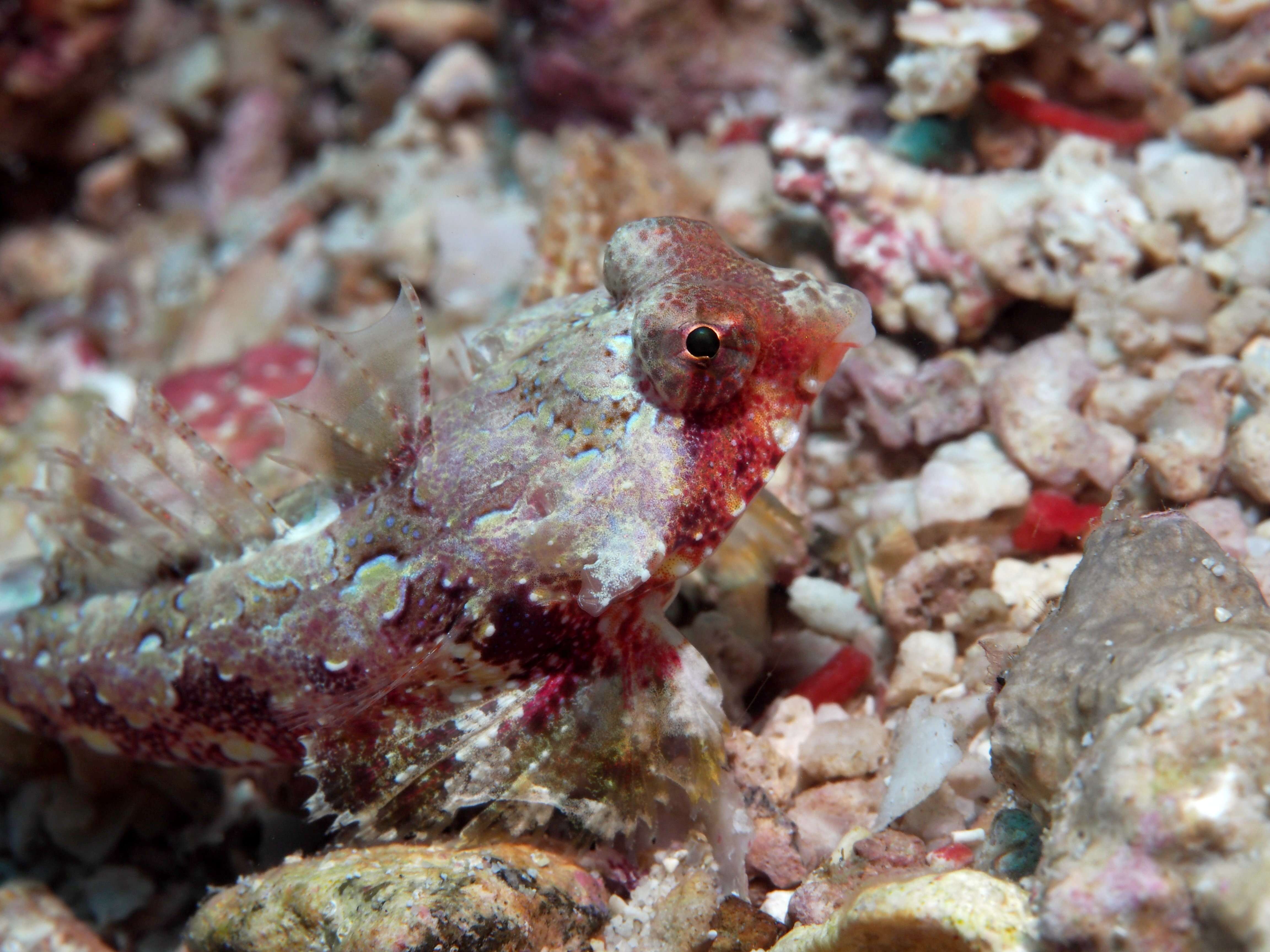
Synchiropus bartelsi Fricke, 1981 (Bartel's dragonet)
Inhabits sheltered algae reef habitats . Minimum depth from Ref. 58018.
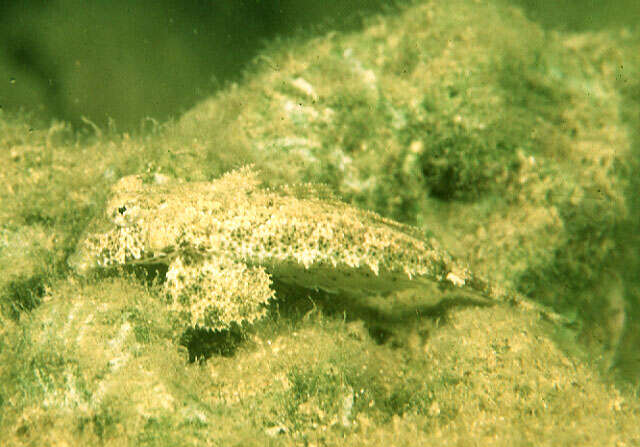
Anaora tentaculata Gray, 1835 (Tentacled dragonet)
Inhabits sand of shallow reefs, from tide pools to as deep as 30 m . Also inhabits sheltered reef lagoon habitats, usually in on algae reef near seagrass beds .
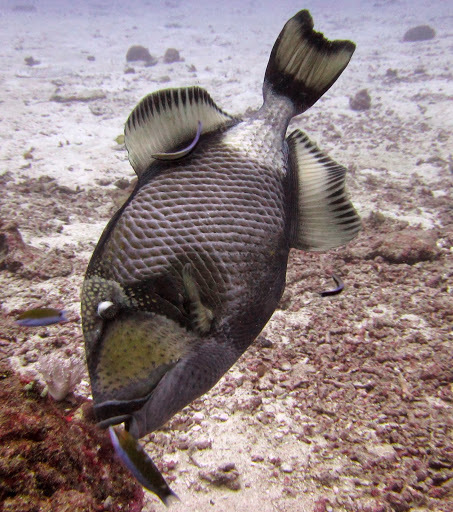
Balistoides viridescens (Bloch and Schneider, 1801) (Titan triggerfish)
Occur in lagoon, seaward reefs and sheltered inner reef slopes . Juveniles often associated with isolated patches of branching coral or rubble of shallow sandy protected areas. Adults occur singly or in pairs on the slo...
Read More
Read More
Balistapus undulatus (Park, 1797) (Orange-lined triggerfish)
Occurs in coral-rich areas of deep lagoon and seaward reefs from the lower surge zone to at least 50 meters, Ref. 48637. Feeds on a variety of benthic organisms such as algae, echinoderms, fishes, mollusks, tunicates, spo...
Read More
Read More
Epinephelus merra Bloch, 1793 (Dwarf spotted grouper)
Very common in shallow lagoon and semi-protected seaward reefs. Juveniles are common in thickets of staghorn Acropora corals. Feed on crustaceans and fishes. Increase of piscivory with age is observed in this species. ...
Read More
Read More
Cephalopholis argus Bloch and Schneider, 1801 (Grouper)
A generally common species found in a variety of coral habitats from tide pools to depths of at least 40 m; prefers the 1 to 10 m reef zone. Juvenile prefers shallow, protected coral thickets . Benthic and benthopelagi...
Read More
Read More
Epinephelus cyanopodus (Richardson, 1846) (Yellowfin grouper)
Usually found around isolated coral heads in lagoons or bays, but also caught on outer reef area. According to Myers it usually swims out in the open, several meters above the bottom. It is readily caught by anglers at ...
Read More
Read More
Epinephelus ongus (Bloch, 1790) (specklefin rockcod)
Inhabits inner coastal and lagoon reefs, also in brackish waters where it occurs in ledges and caves . Adults usually in 20+ m depth .
Epinephelus howlandi (Günther, 1873) (blacksaddle grouper)
Usually found over rocky areas or on coral reefs. Nothing has been published on its biology. Appears to be very rare and therefore of little commercial importance. In Hong Kong live fish markets .
Plectropomus areolatus (Rüppell, 1830) (squaretail coraltrout)
Adults inhabit lagoon and seaward reefs, in areas with rich coral growth. Most frequently encountered in channels along the reef front . Often a shy fish . Feed exclusively on fishes . Misidentified as P. leopardus in...
Read More
Read More
Epinephelus corallicola (Valenciennes, 1828) (Malabar grouper)
Common in shallow silty reefs, sometimes in estuarine areas. The ovary was well developed in an examined fish of 30 cm SL.
Plectropomus maculatus (Bloch, 1790) (Bar-cheeked trout)
Found in protected coastal reef in mixed algae and coral habitat . Common on inshore coastal reefs but absent in clear offshore reefs . Juveniles have a demersal existence in shallow water in reef habitats, especially ar...
Read More
Read More
Pomacentrus lepidogenys Fowler and Bean, 1928 (Scaly damsel)
Inhabits lagoons, passages, and outer reef slopes. Feeds on zooplankton in the water column, a short distance from the bottom. Occurs singly or in small groups.
Pomacentrus alexanderae Evermann and Seale, 1907 (Alexander's damsel)
Occur in lagoon, inshore, and offshore reefs . Usually seen solitary, often swimming well above substrate . Feed on algae, barnacle nauplii, copepods, fish eggs, and small gastropods.
Chromis amboinensis (Bleeker, 1871) (Ambon chromis)
Inhabits coral-rich areas of clear lagoon and seaward reefs. Abundant on steep outer reef slopes below 24 m, uncommon in lagoons. Juveniles in large branching corals, adults mainly in caves . Found in aggregations .
Abudefduf sexfasciatus (Lacepède, 1801) (Natal sergeant)
Inhabits inshore and offshore coral or rocky reefs. Also in shallow coastal reef flats or crests, usually where lots of tall soft corals or hydroid colonies are present . Feeds on zooplankton and algae and aggregates high in the water column .
Pomacentrus littoralis Cuvier, 1830 (Smoky damsel)
Inhabits rock, rubble or coral reefs usually inshore. Visits reefs submerged by high tides. Occurs in small loose groups or solitary .
Chrysiptera brownriggii (Bennett, 1828) (Surge demoiselle)
Occurs in rubble-strewn surge channels, the outermost reaches of exposed reef flats, and the upper submarine terrace at 12 meters. Territorial but generally occurs in groups, and remains close to shelter. Feeds mainly on benthic algae and small crustaceans .
Chromis delta Randall, 1988 (Deep-reef chromis)
Inhabits steep outer reef slopes with rich coral growth. Occurs singly or in small groups and remains close to shelter, often at the entrance of large caves or near its ceiling .
Chromis margaritifer Fowler, 1946 (Chocolate dip)
Usually seen singly or in small groups on coastal reefs, amongst mixed algae-coral reef or rocky reefs . Found on exposed seaward reefs; less abundant in lagoons and channels. Feeds on zooplankton.
Acanthochromis polyacanthus (Bleeker, 1855) (Spiny chromis)
Inhabits inshore and offshore coral reefs . Also found in harbors, lagoons and outer reef slopes. The only pomacentrid species that lacks a pelagic larval stage. One of the very few marine fishes where fry are guarded b...
Read More
Read More
Pomacentrus chrysurus Cuvier, 1830 (Whitetail damsel)
Inhabits sandy areas of lagoons and inshore reefs around rock or coral outcrops. Feeds primarily on algae.
Scarus festivus Valenciennes, 1840 (Festive parrotfish)
Found in clear lagoon and seaward reefs . Feeds on benthic algae .
Scarus schlegeli (Bleeker, 1861) (Yellowband parrotfish)
Inhabits lagoon and seaward reefs from 1 to over 50 m depth. Adults are common in areas with rich coral and high vertical relief . Juveniles may school with other species. Form feeding aggregations on rubble and mixed r...
Read More
Read More
Scarus rivulatus Valenciennes, 1840 (Rivulated parrotfish)
Inhabits rocky and coral reefs from tidal pools to at least 10 m deep. Form schools with 30 to 40 individuals. Grazes on benthic algae and corals . Reproductively active terminal males become bicolored .
Scarus ferrugineus Forsskål, 1775 (Rusty parrotfish)
Inhabits protected coral slopes . Individuals in the terminal phase form harems . Feeds mainly on benthic algae .
Chlorurus capistratoides (Bleeker, 1847) (Pink-margined parrotfish)
Found in clear coastal and inner reefs. Shallow coral and algae habitat. Usually mixes with other species when feeding .
Chlorurus troschelii (Bleeker, 1853) (Troschel's parrotfish)
Inhabits clear shallow seaward reefs, in areas with high coral cover .
Scarus caudofasciatus (Günther, 1862) (Redbarred parrotfish)
Inhabits steep outer reef slopes . Solitary and wary species . Caught with nets and other kinds of artisanal gear. Mainly sold fresh.
Cetoscarus bicolor (Rüppell, 1829) (Bicolour parrotfish)
Occurs in clear lagoon and seaward reefs . Juveniles usually solitary; adults form harems ; males are territorial. Goes to several changes during growth and very large females change sex to the brightly colored male. Sm...
Read More
Read More
Pempheris mangula Cuvier, 1829 (Black-edged sweeper)
Usually solitary in caves or under large overhanging corals to about 20 m depth .
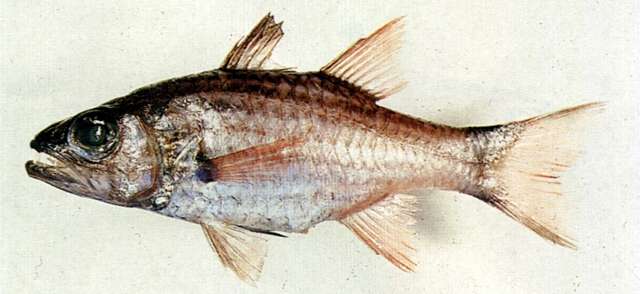
Apogon taeniophorus Regan, 1908 (Reef-flat cardinalfish)
Occurs inshore . Found in holes or ledges of outer reef flats in areas exposed to surge , to depths of about 10 m . Nocturnal .
Cheilodipterus macrodon (Lacepède, 1802) (bigtooth percelle)
Common in outer reef slopes in 4-30 m depth; in caves and ledges of clear lagoon and seaward reefs from 0.5 to at least 40 m, generally hovering solitarily in midwater . Adults usually in pairs or small groups comprising ...
Read More
Read More
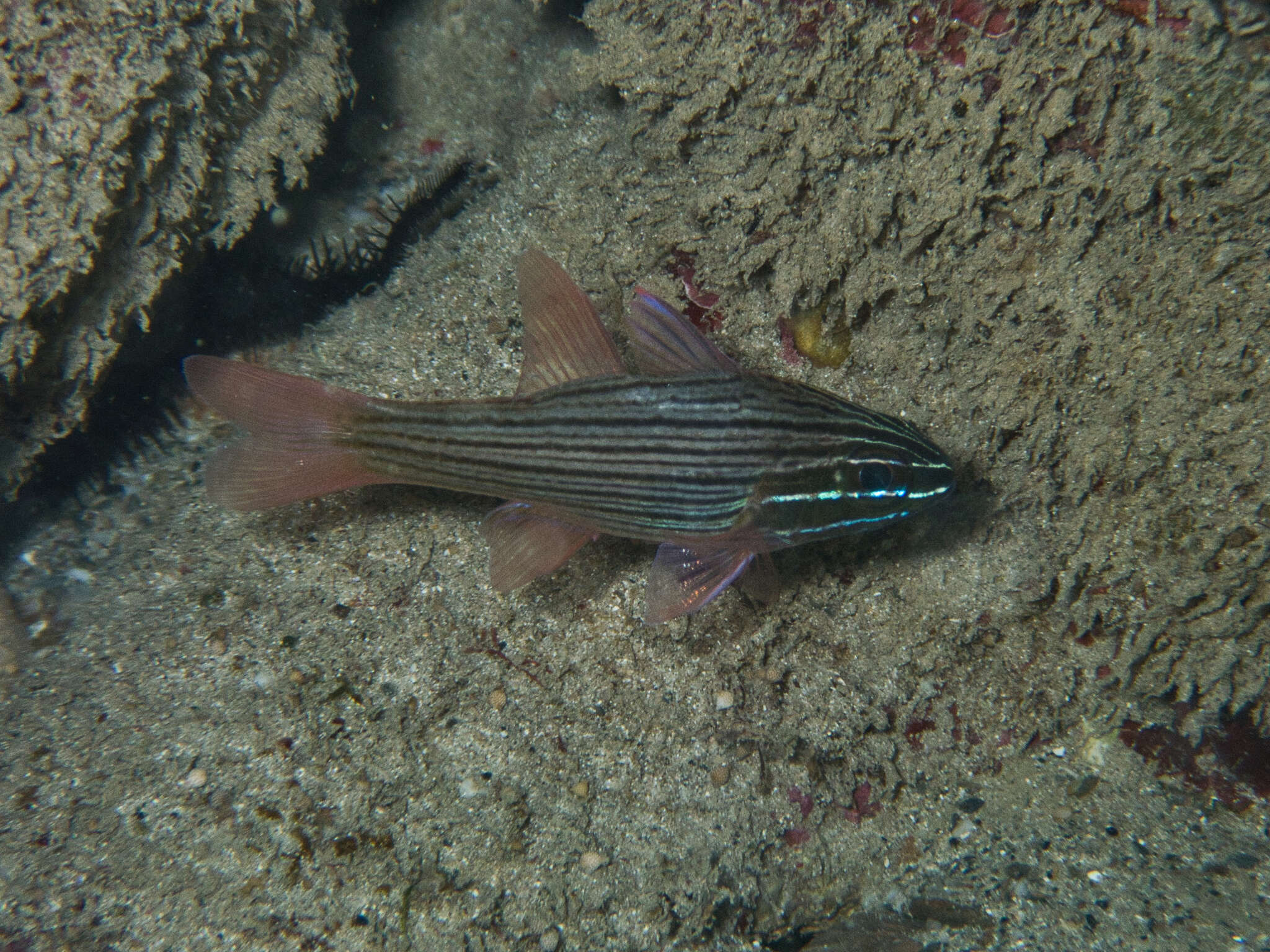
Apogon multilineatus (Bleeker, 1874) (Many-lined cardinalfish)
Found in deep and shallow lagoons with coral heads .
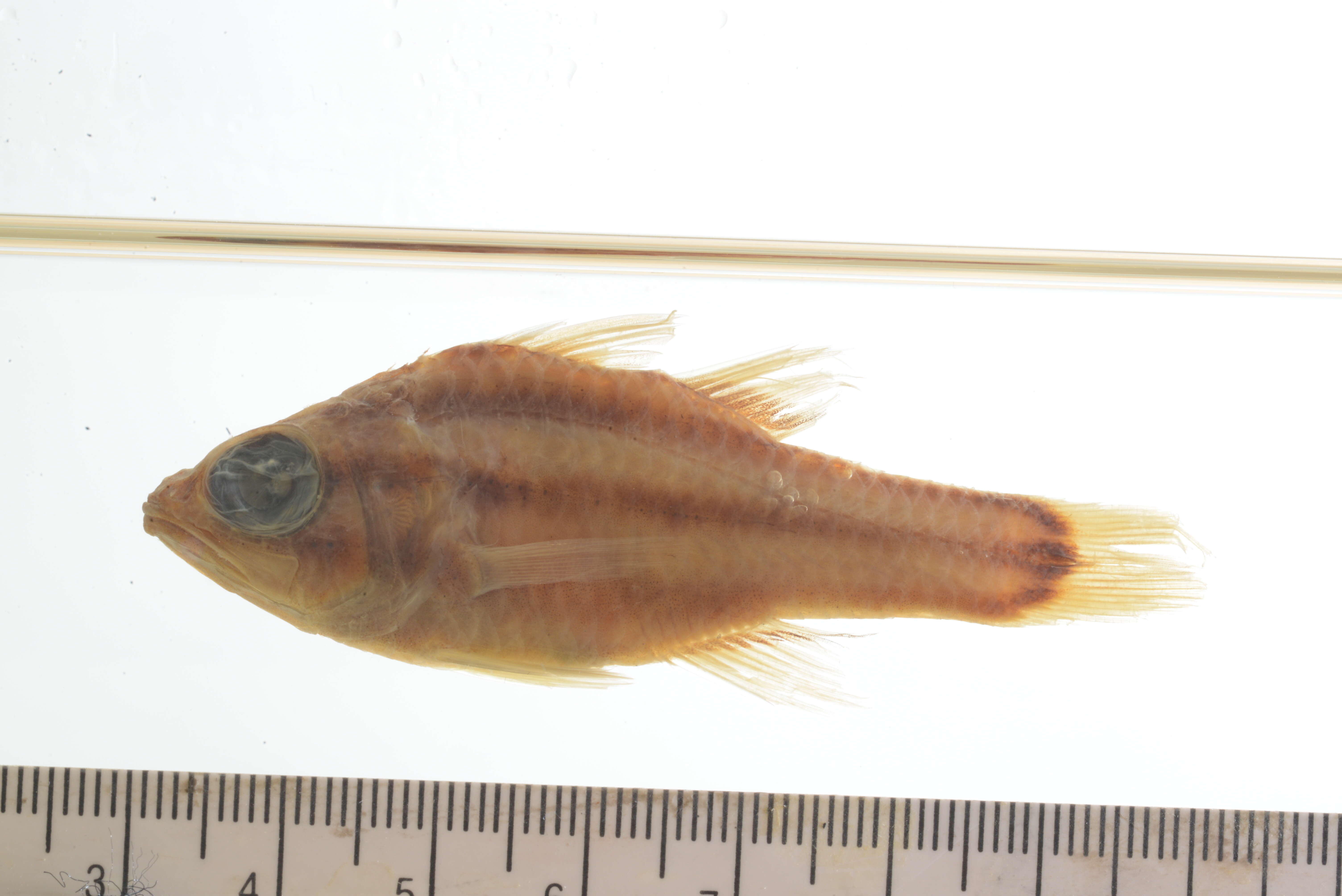
Apogon nigrofasciatus Lachner, 1953 (Blackstripe cardinalfish)
Occurs on reef flats and shallow lagoon reef, usually seen singly or in pairs under ledges or in crevices. Feed on small benthic invertebrates at night .
Stylissa massa (Carter, 1887)
Stelletta clavosa Ridley, 1884
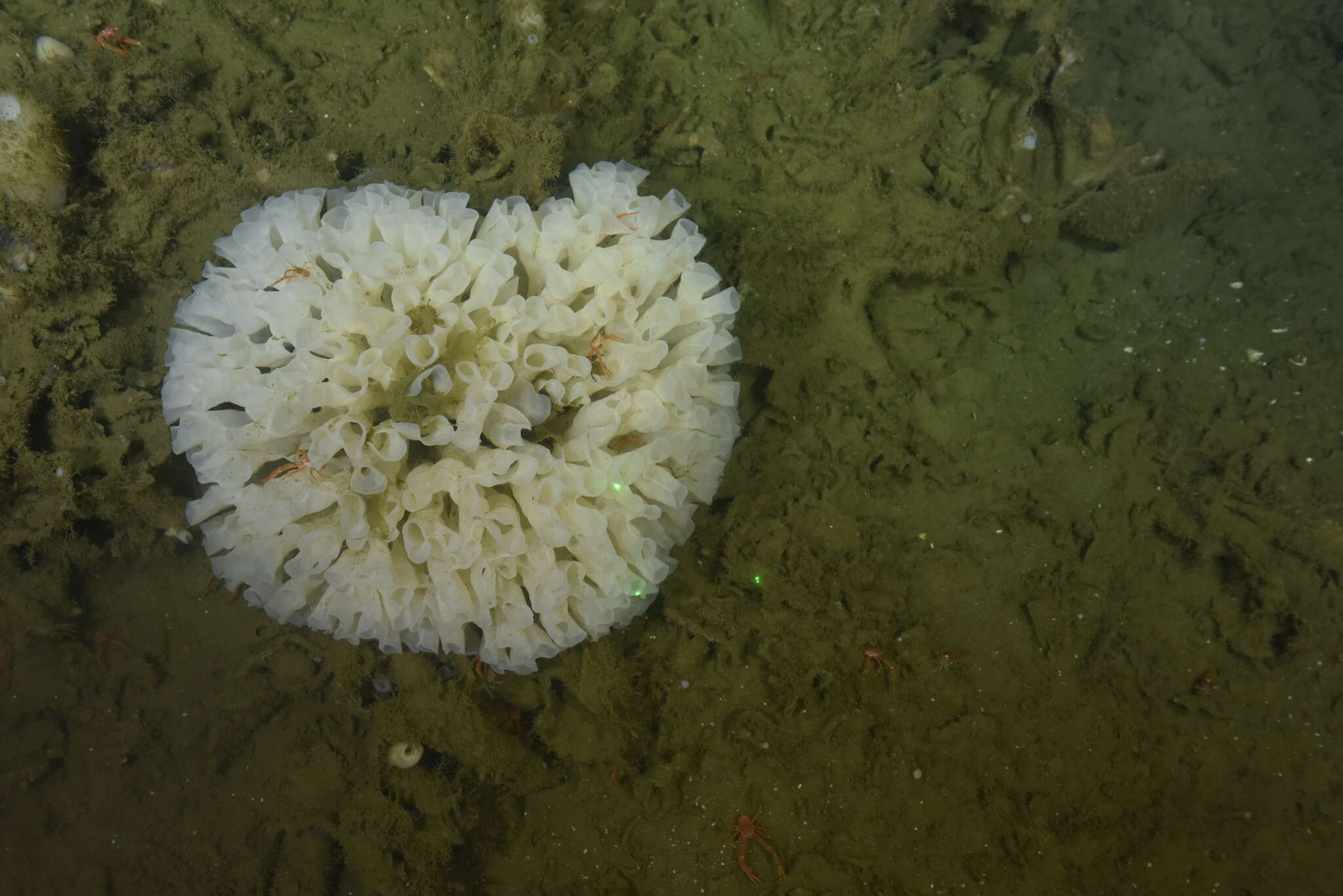
Farrea occa (Bowerbank, 1862)
Liosina paradoxa Thiele, 1899
Theonella swinhoei Gray, 1868
Phyllospongia papyracea (Esper, 1794)
Ianthella basta (Pallas 1766)
Petrosia lignosa Wilson, 1925
Cliona orientalis Thiele, 1900
Gelliodes hamata Thiele, 1903
Chondrilla australiensis Carter, 1873
Agelas mauritiana (Carter, 1883)
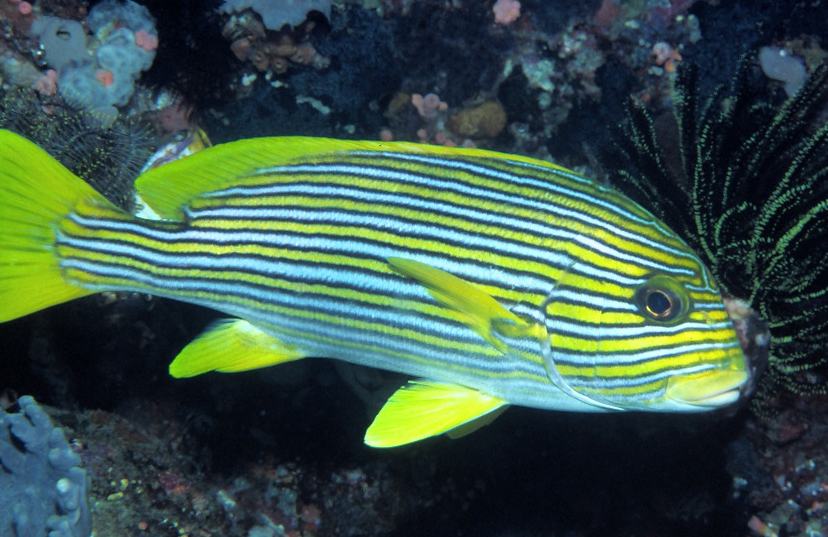
Plectorhinchus vittatus (Linnaeus, 1758) (Oriental sweetlips)
Inhabits coral reefs and inshore rocky reefs . Juveniles solitary, inhabits clear shallow protected lagoon; adults may be solitary or occur in aggregations .
Plectorhinchus polytaenia (Bleeker, 1852) (Ribboned sweetlips)
Occurs on coastal and seaward reefs. Adults on deep, current-prone slopes with rich invertebrate growth; juveniles on sheltered reefs nearby . Found singly or in small groups, usually under ledges by day . Mainly speared. Caught throughout its range; not common. Rarely marketed in India .
Plectorhinchus orientalis (Bloch, 1793) (oriental sweetlip)
Inhabits seaward reefs. Juveniles occur in clear sheltered areas. Usually solitary but occasionally found in large groups .
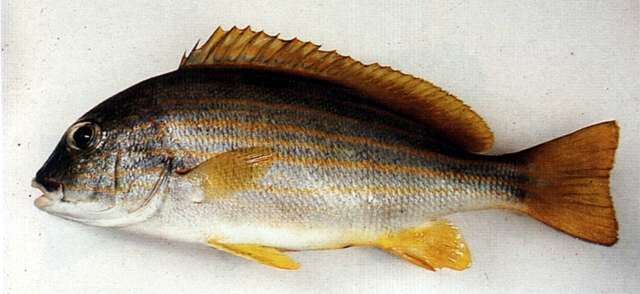
Plectorhinchus chrysotaenia (Bleeker, 1855) (goldenlined sweetlips)
In coastal reef slopes, inner reefs and deep lagoon . Prefers sheltered reefs and during the day either solitary or in large inactive aggregations .
Share on Social Networks
- Facebook:

personalize your shared text as well as its destination (wall, page...) or send as a private message to a friend
- Twitter: Tweet personalize your tweet
- Google Plus:
Direct link to this dive
- Long link:
- Short link:


 We are participating today in the startup contest Techcrunch Disrupt. Support Diveboard by voting for us!
























































































1st Dive Samal Island to the other side White Rock dive site. Drop in near shore front of the white rock, north and west swim along bottom of sloping reef, back up over slope, back to boat.
solo 2nd half, multilevel
breezy choppy, but hot sun on surface, expected rough weather later
multilevel