


 Beachnutts



 Philippines
-
Nº42
 Date: 2022-10-09 - 01:31
-
 Max Depth: 22.9m Duration: 78mins
Dive Location

- Surface interval:106 mins
- Temp: Surf 28°C Bottom 28°C
- Dive type : Recreational, Drift, Reef, Photo, Wall
- Visibility: Average Water: Salt
Specific gear used
- BCD: Scubapro - Glide Plus
- Camera: Canon - Powershot SD780
- Computer: Oceanic - OCS
- Fins: Scubapro - Jet Fins
- Mask: Promate - Scope
- Regulator: Aqualung - Titan LX
- Wet suit: Blue Ocean - Diveskin
- Weights: 3.2 kg
Dive reviews
| Overall review | ||
| Dive difficulty | ||
| Marine life quality |
Recent Divers in Talikud Island, Davao
Recent Pictures in Talikud Island, Davao
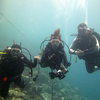
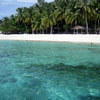
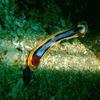
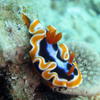
Dive Shop & Buddies
 Dive with Blake Auge

Link to this spot:
- Spot:
- Country:
- Area:
- Body of water:
Dive Profile
- 1. Air
- 10L Aluminium 207 → 59 bar
- Average depth: 15.2m
Data provided by EOL.org








Species Identified
Sardinella aurita Valenciennes, 1847 (Spanish sardine)
Schools in coastal waters from inshore to edge of shelf. Prefers clear saline water with a minimum temperature below 24°C. Juveniles tend to stay in nursery areas, but on maturity rejoin adult stocks offshore. Strongly ...
Read More
Read More
Apogon tchefouensis Fang 1942
Apogon lativittatus Randall, 2001 (cardinalfishes)
Secretive species found in areas with rocky bottom along exposed shores .
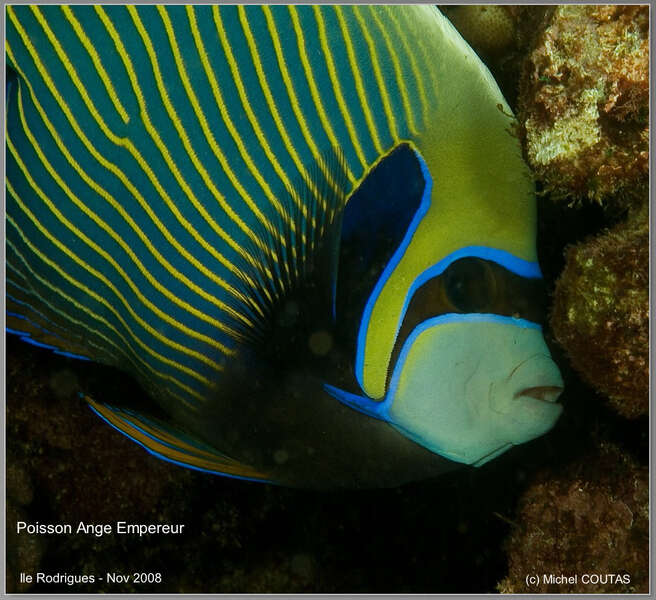
Pomacanthus imperator (Bloch, 1787) (Angel fish)
Juveniles are encountered under ledges, or in holes of outer lagoon patch reefs or semi-protected areas of exposed channels and outer reef flats. Subadults move to reef front holes and surge channels. Large adults inhabi...
Read More
Read More
Genicanthus caudovittatus (Günther, 1860) (Zebra angelfish)
Inhabits shallow waters in the Red Sea; deeper in the Andaman Sea, usually at depths of 40 m or more. Caudal fin tips very long . A single male is usually seen with several females, commonly on steep slopes. Feeds on planktonic food several meters above the bottom.
Chaetodon adiergastos Seale, 1910 (Philippine butterflyfish)
Inhabit coral reefs and occurs in pairs or groups, usually near soft coral . Juveniles solitary and found on shallow protected reefs or in estuaries . Oviparous . Form pairs during breeding . Have never been imported although they can be easily maintained in a tank.
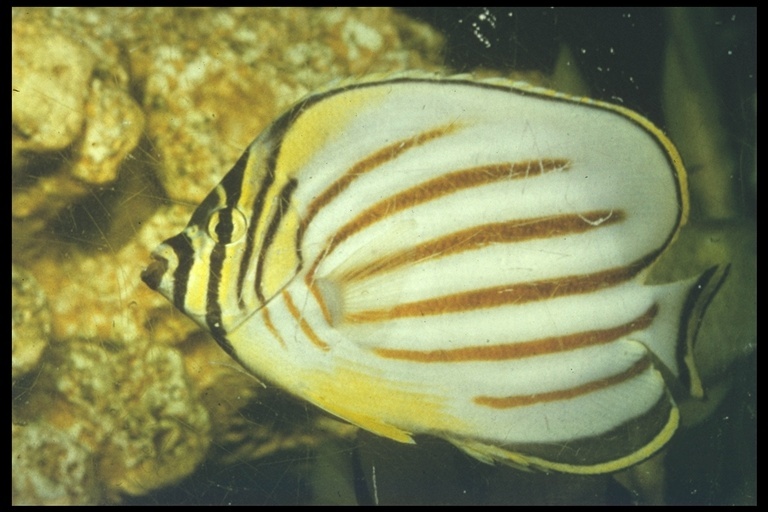
Chaetodon ornatissimus Cuvier, 1831 (Ornate butterflyfish)
Occur in clear waters and coral-rich areas of lagoon and seaward reefs. However, only common in seaward reefs . Benthopelagic . Juveniles are solitary, living among branching corals, while adults are almost always in pa...
Read More
Read More
Prognathodes falcifer (Hubbs and Rechnitzer, 1958) (Butterflyfish)
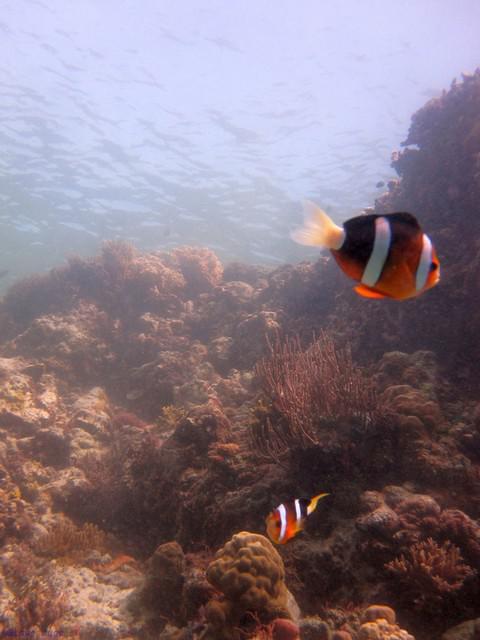
Premnas biaculeatus (Bloch, 1790) (Spinecheek anemonefish)
Inhabits lagoon and seaward reefs , found mainly in protected coastal waters and lagoons. Typically found in pairs in which males are much smaller than females . Feeds primarily on zooplankton and benthic algae . Has been reared in captivity . Associated with the anemone Entacmaea quadricolor .
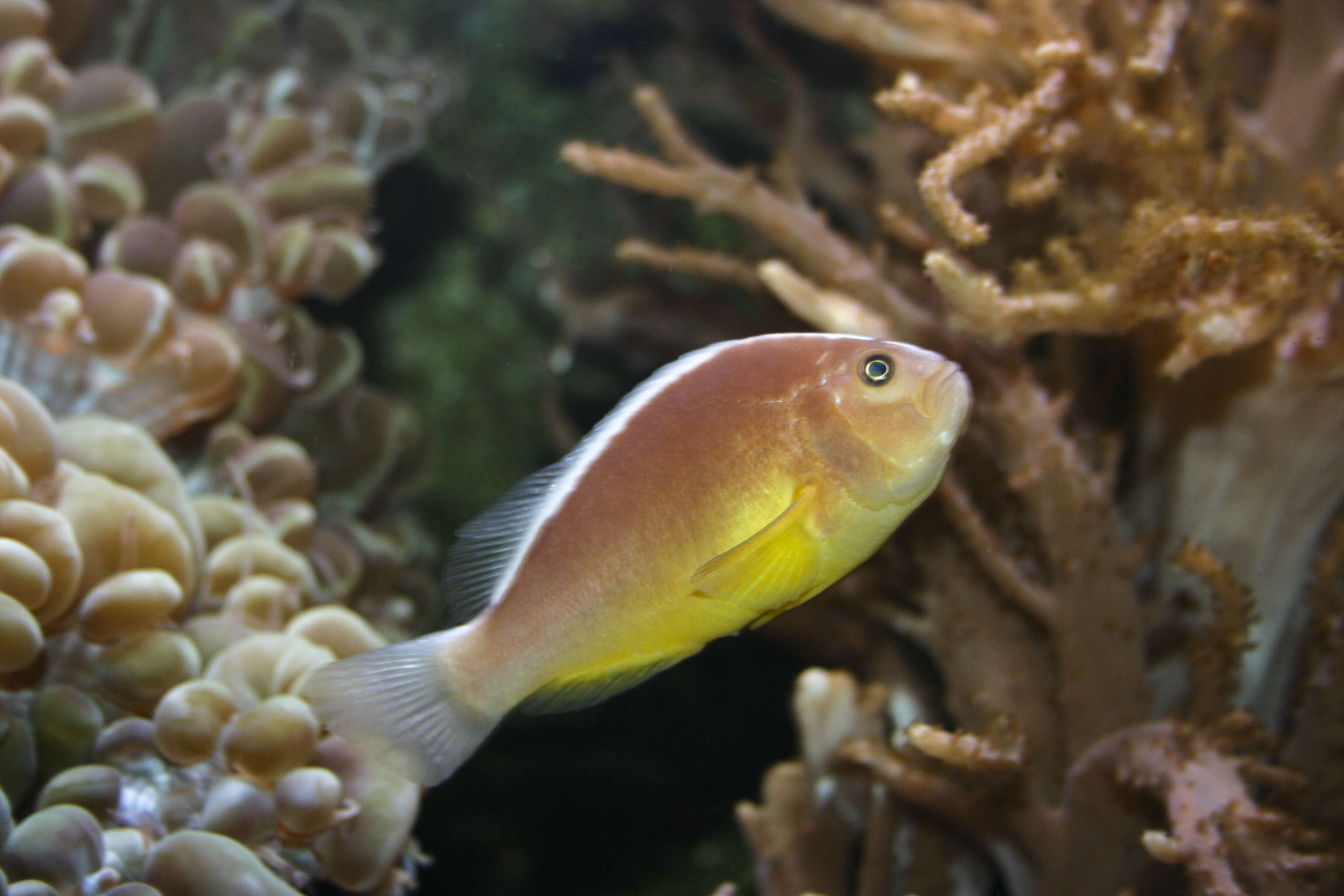
Amphiprion akallopisos Bleeker, 1853 (skunk-stripe anemonefish)
Found in shallow inshore reef habitats, often in strong current zones to about 15 m depth . Are protandrous hermaphrodites . Each pair is monogamous . Each anemone with a large female, a smaller functional male and seve...
Read More
Read More
Heteractis malu (Haddon and Shackleton, 1893) (Delicate sea anemone)
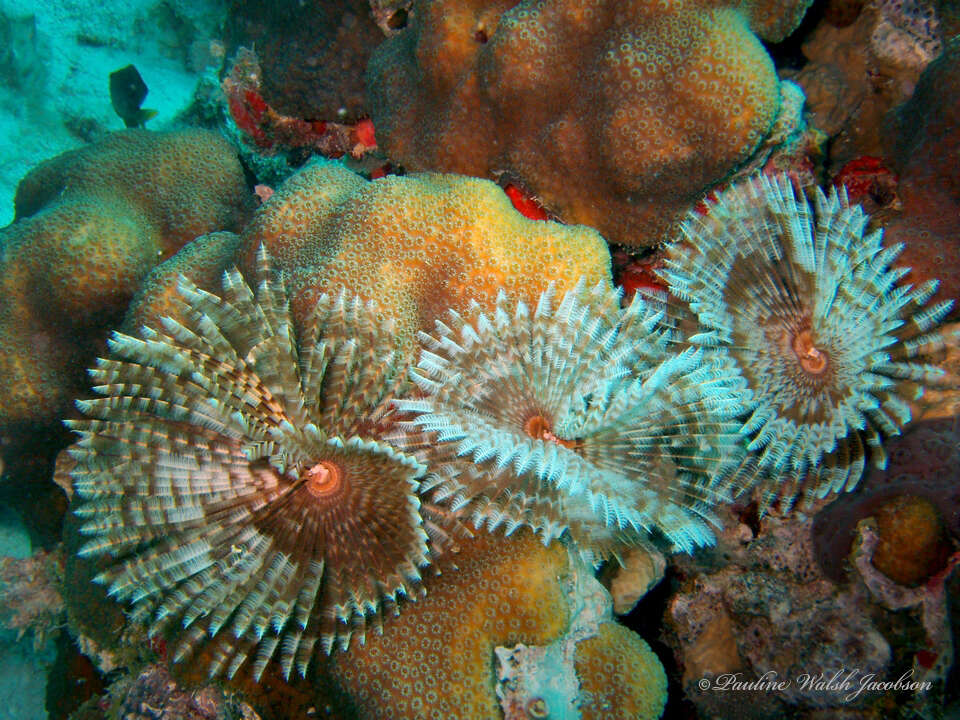
Sabellastarte magnifica (Shaw, 1800) (feather duster)
Heteractis magnifica (Quoy and Gaimard, 1833) (Magnificent sea anemone)
Isotealia dubia (Wassilieff, 1908)
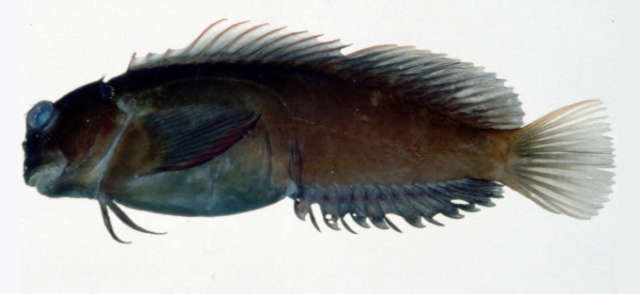
Cirripectes variolosus (Valenciennes, 1836) (collared blenny)
Inhabit exposed seaward reefs where it usually shelters at bases or among the branches of Pocilloporid corals . Benthic . Oviparous. Eggs are demersal and adhesive .
Share on Social Networks
- Facebook:

personalize your shared text as well as its destination (wall, page...) or send as a private message to a friend
- Twitter: Tweet personalize your tweet
- Google Plus:
Direct link to this dive
- Long link:
- Short link:


 We are participating today in the startup contest Techcrunch Disrupt. Support Diveboard by voting for us!
























































































2nd dive multilevel
Mansud wall
drop in near new barge pier, trash everywhere in area, especially floating plastic . Surface is flat, very calm. Hot, mostly sunny
Drift dive to near Dapia Point boat pick up swim/ drift
large schools of sardines running
much of wall especially near the point is destroyed