


 Beachnutts



 Philippines
-
Nº184
 Date: 2025-09-28 - 10:24
-
 Max Depth: 20.7m Duration: 64mins
Dive Location

- Temp: Surf 27°C Bottom 27°C
- Dive type : Recreational, Reef, Photo, Cleanup Dive
- Visibility: Good Water: Salt
Specific gear used
- BCD: Scubapro - Glide Plus
- Boots: Orca - Dive shoes
- Camera: Canon - G12
- Camera: Olympus - TG6
- Compass:
- Computer: Oceanic - OCS
- Fins: Scubapro - Jet Fins
- Lift bag: ScubaMax - SMB
- Light: Sofirn - SD05
- Mask: Promate - Scope
- Regulator: SEAC - Synchro
- Wet suit: Blue Ocean - Diveskin
- Weights: 3.2 kg
Dive reviews
| Overall review | ||
| Dive difficulty | ||
| Marine life quality |
Dive Shop & Buddies
 Dive buddies:
Reymar Tano,
Blake Auge,
Maeng,
Beachnutts

Link to this spot:
- Spot:
- Country:
- Area:
- Body of water:
Dive Profile
- 1. Air
- 10L Aluminium 207 → 41 bar
- Average depth: 13.8m
Data provided by EOL.org




Species Identified
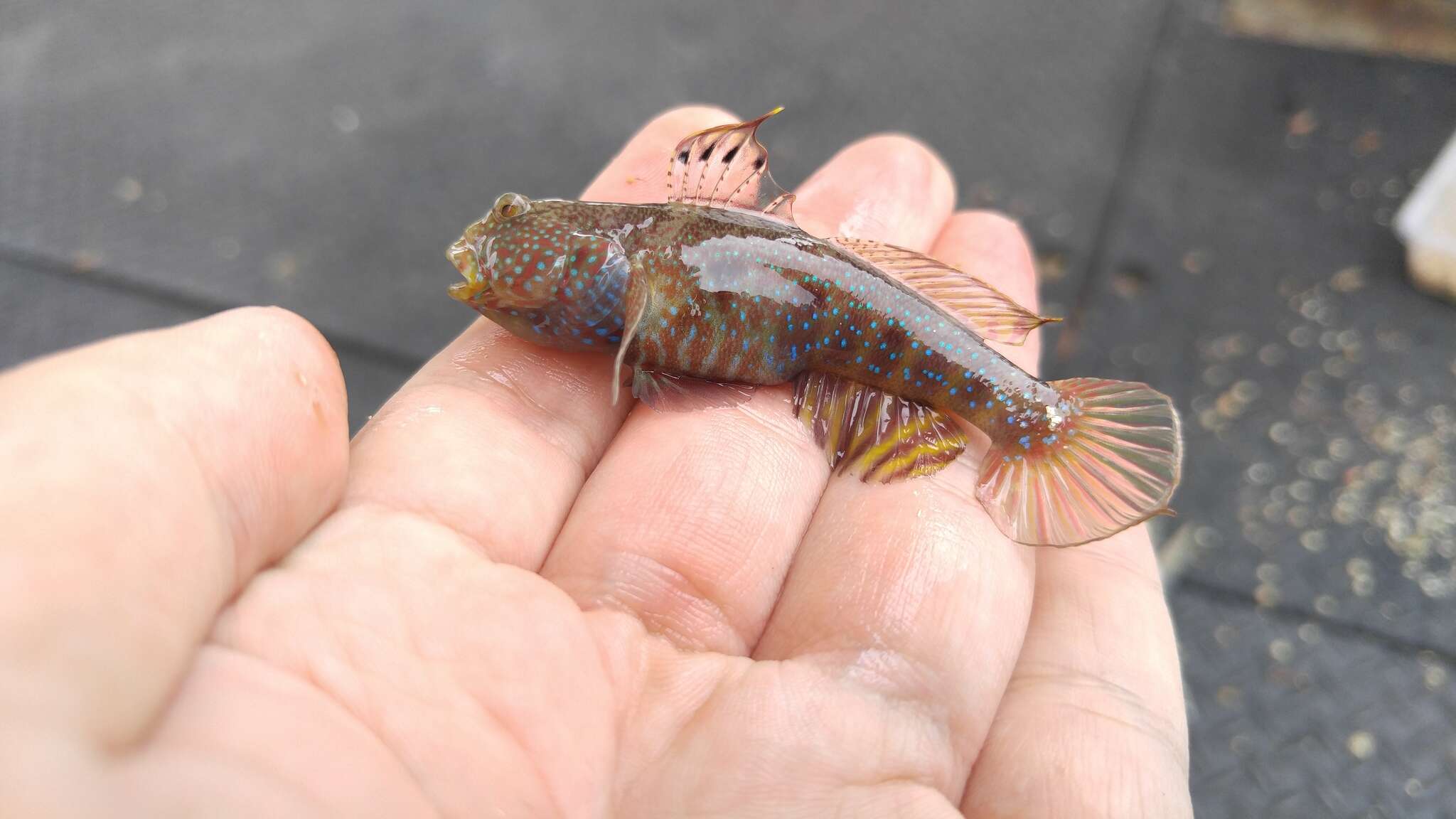
Cryptocentrus caeruleomaculatus (Herre, 1933) (Blue-speckled prawn-goby)
Occurs in shallow lagoons and coastal bays, usually in areas with runoffs, Ref. 48637.
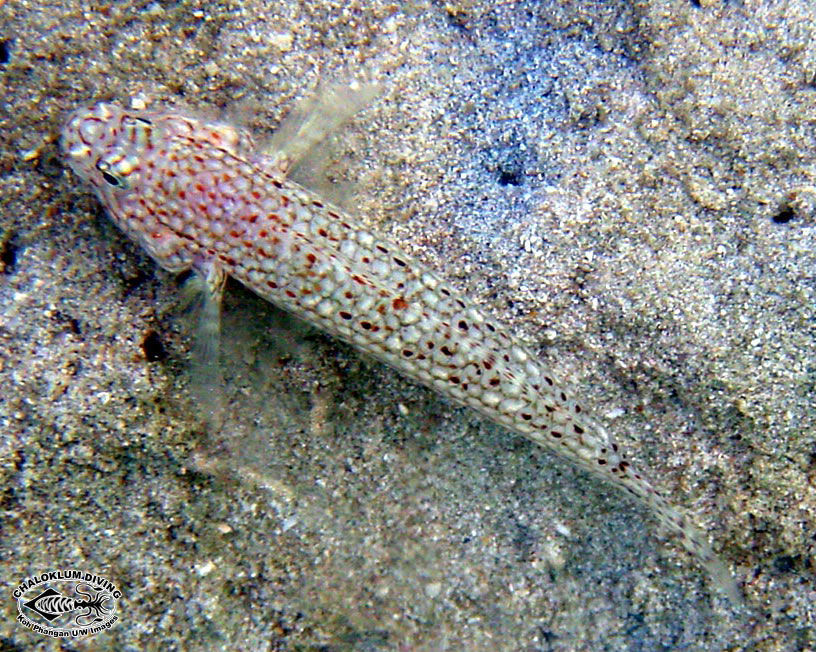
Istigobius ornatus (Rüppell, 1830) (ornate goby)
A common species that inhabits mangroves and silty, rocky areas; occasionally found in rubble reef areas. Only single individuals were observed; many individuals found scattered over a small area . Found primarily in low...
Read More
Read More
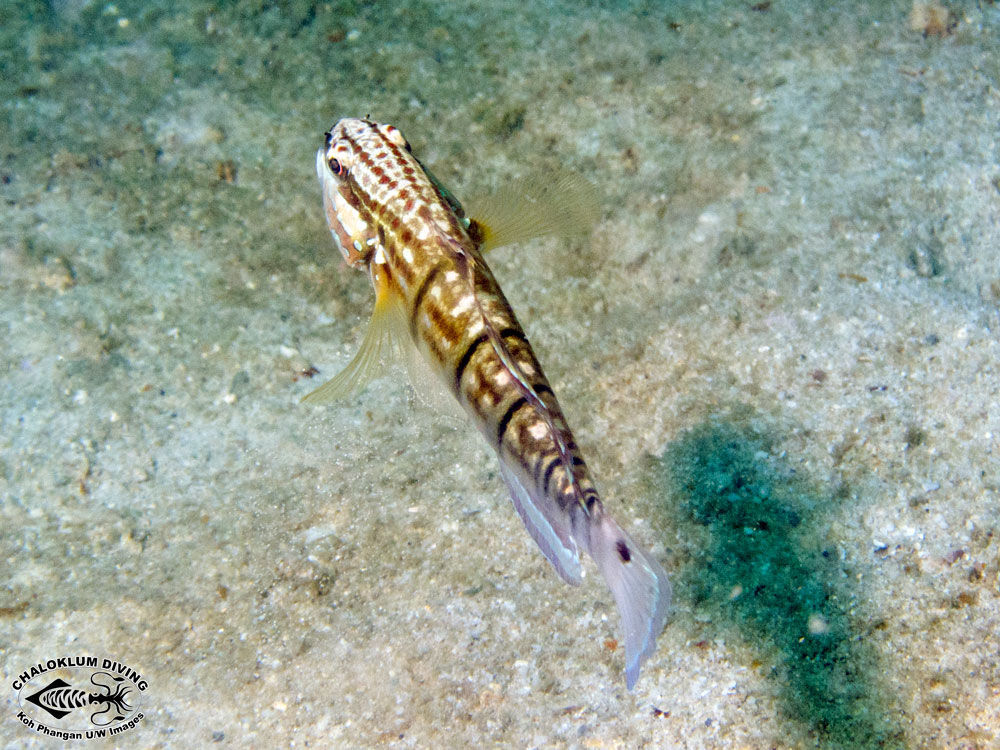
Amblygobius phalaena (Valenciennes, 1837) (Banded goby)
Adults inhabit coastal reefs and lagoons on sand and rubble margins of algal reefs and sometimes near seagrass beds . Feed by sifting mouthfuls of sand and expelling it through the gills, to capture small invertebrates, o...
Read More
Read More
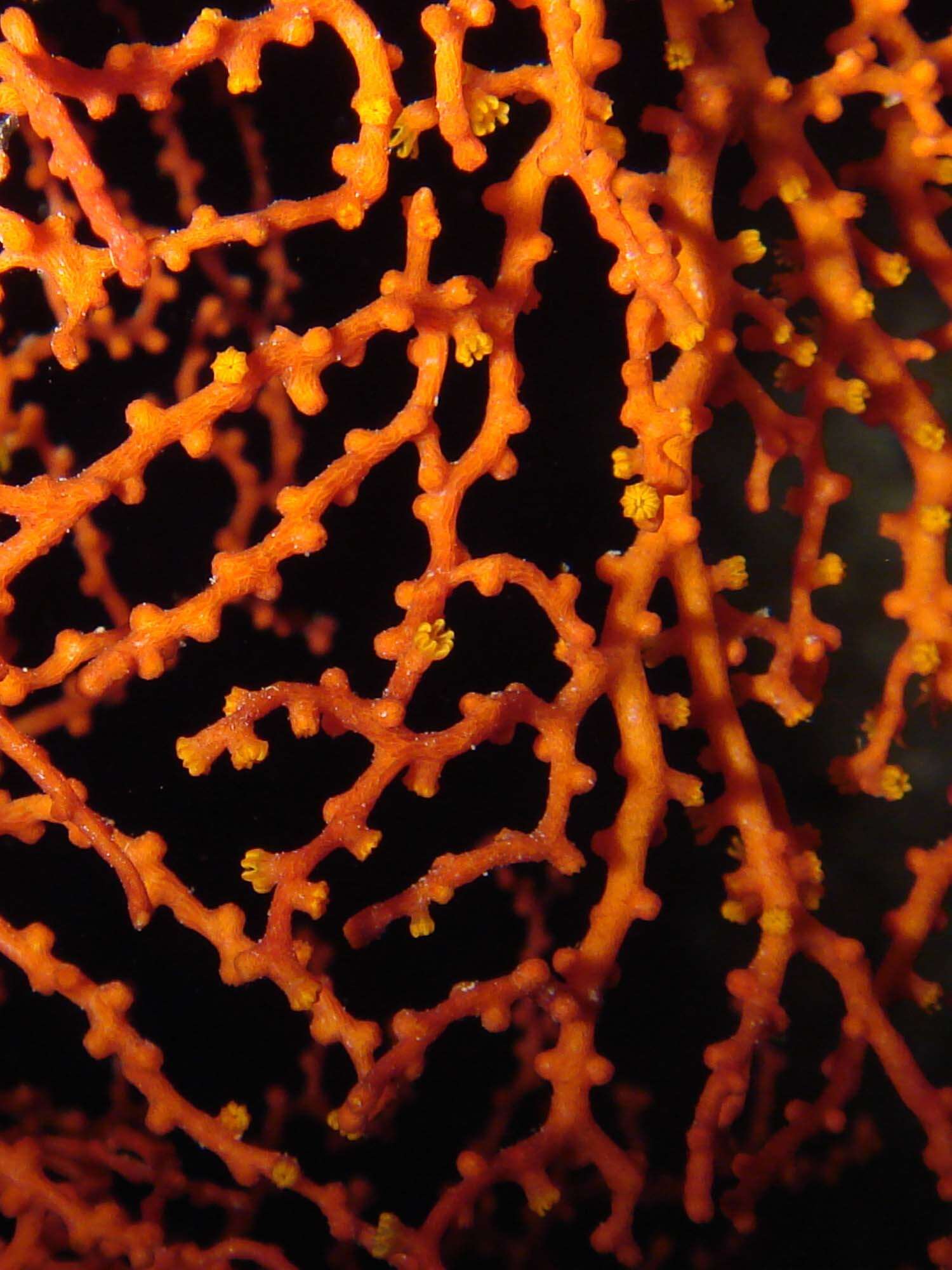
Bellonella petila Verseveldt & Bayer, 1988
Muricella grandis Nutting, 1910
Echinomuricea coronalis Germanos, 1896
Chrysogorgia flexilis (Wright & Studer, 1889)
Chromonephthea grasshoffi van Ofwegen, 2005
Apogon hartzfeldii Bleeker, 1852 (Hartzfeld's cardinalfish)
Benthic and nocturnal species which occurs inshore . Found in small groups among debris or corals of sheltered reef flats and shallow lagoons ; also among massing long-spined urchins .
Apogon melas Bleeker, 1848 (Black cardinalfish)
Found in shallow well protected coastal bays, commonly found under jetties, hiding in dark areas ; also in inshore rocky areas and among branching coral .
Apogon monospilus Fraser, Randall & Allen, 2002 (Yellow-eye cardinalfish)
Nocturnal species which inhabits coral reef . Most specimens were collected from deeper waters .
Apogon aureus (Lacepède, 1802) (Ringtailed cardinalfish)
Inhabits holes in rocks or under ledges in shallow waters. Known to occur in mixed aggregates with Apogon apogonoides during summer and autumn, but form separate aggregates in winter and spring .
Dascyllus aruanus (Linnaeus, 1758) (black-and-white damselfish)
Territorial, inhabit shallow lagoon and subtidal reef flats. Form large aggregations above staghorn Acropora thickets or in smaller groups above isolated coral heads. Feed on zooplankton, benthic invertebrates, and algae...
Read More
Read More
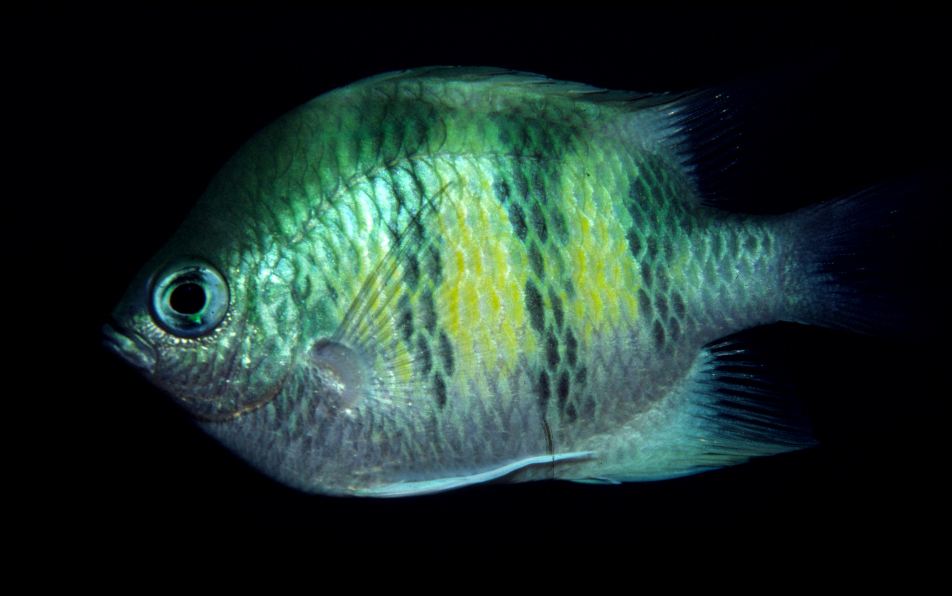
Amblyglyphidodon curacao (Bloch, 1787) (Black-snouted sergeant-major)
Inhabits lagoons, coastal embayments, reef passages and outer reefs. Juveniles often found among Sarcophyton and Sinularia soft corals. Feeding aggregations are frequently observed over growths of the staghorn coral Acro...
Read More
Read More
Plectroglyphidodon lacrymatus (Quoy and Gaimard, 1825) (whitespeckled demoiselle)
Inhabits clear lagoon and seaward reefs, in areas with mixed coral and rubble or dead coral rocks. Feeds mainly on benthic algae and associated small invertebrates and fish eggs.
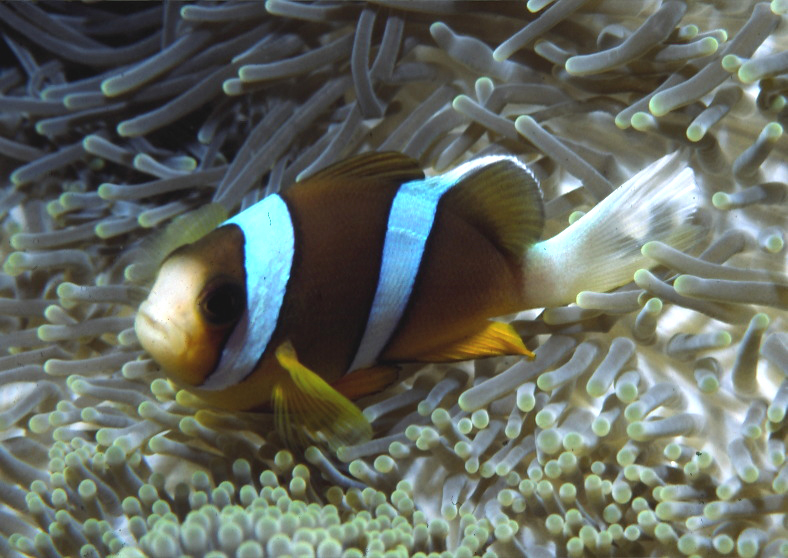
Amphiprion clarkii (Bennett, 1830) (Brown anemonefish)
Inhabits lagoons and outer reef slopes. Omnivorous. Oviparous, with elliptical eggs . Monogamous . Has been reared in captivity . Associated with the anemones: Cryptodendrum adhaesivum, Entacmaea quadricolor, Heterac...
Read More
Read More
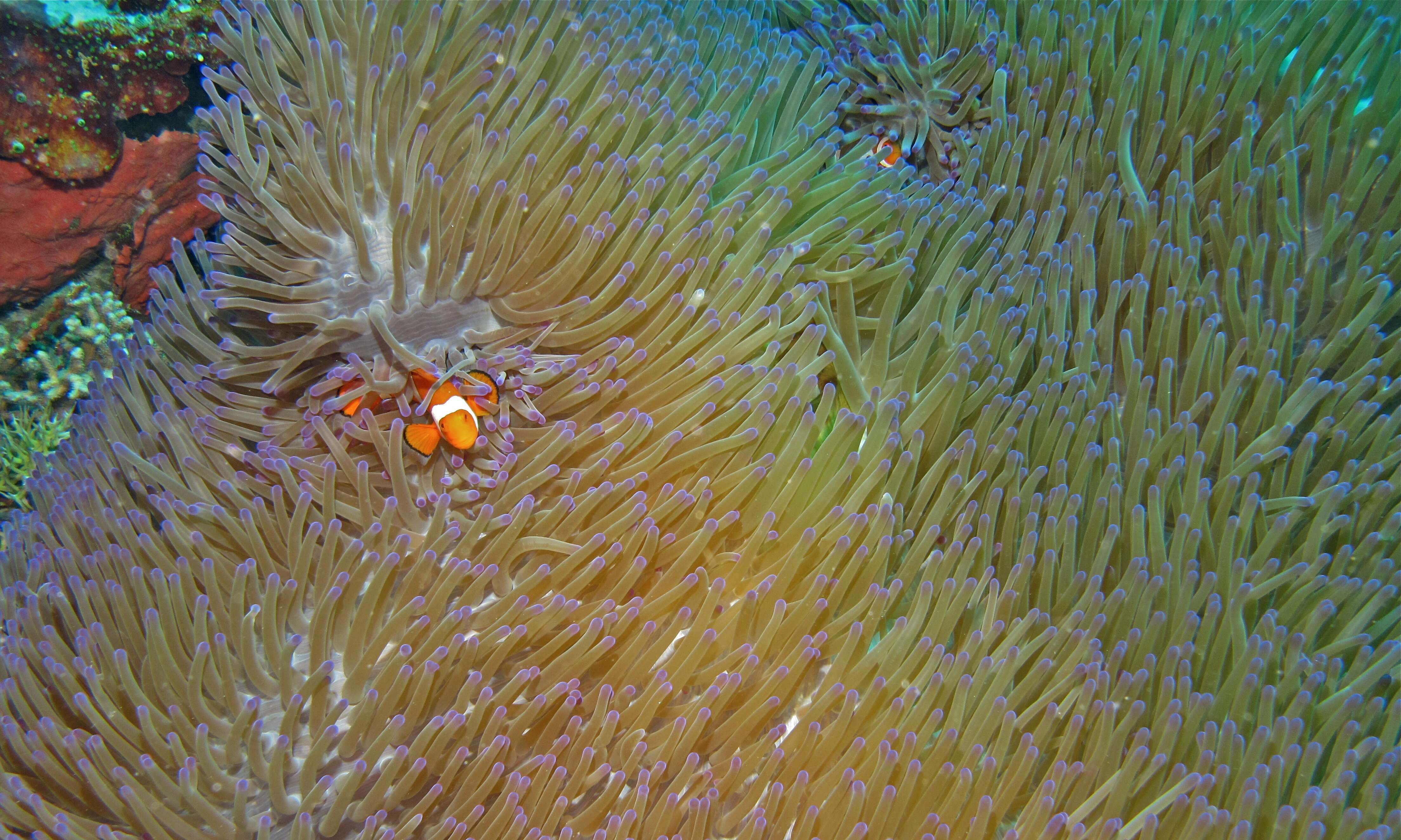
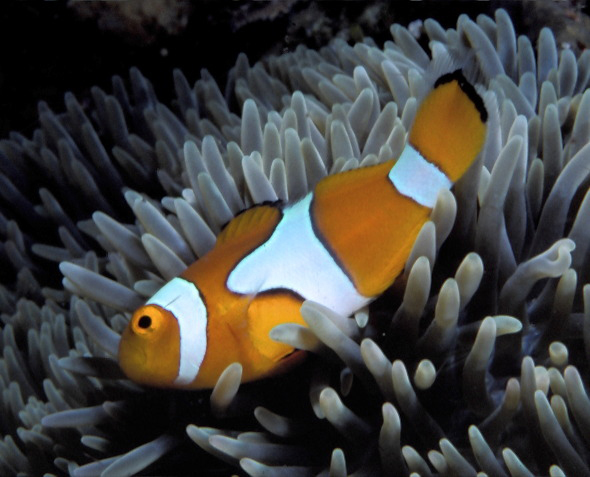
Amphiprion ocellaris Cuvier, 1830 (false clown anemonefish)
Amphiprion percula (Lacepède, 1802) (Orange clownfish)
Inhabits lagoon and seaward reefs . Each group of fish consists of a breeding pair and 0-4 non-breeders. Within each group there is a size-based hierarchy: the female is largest, the male is second largest, and the non-...
Read More
Read More
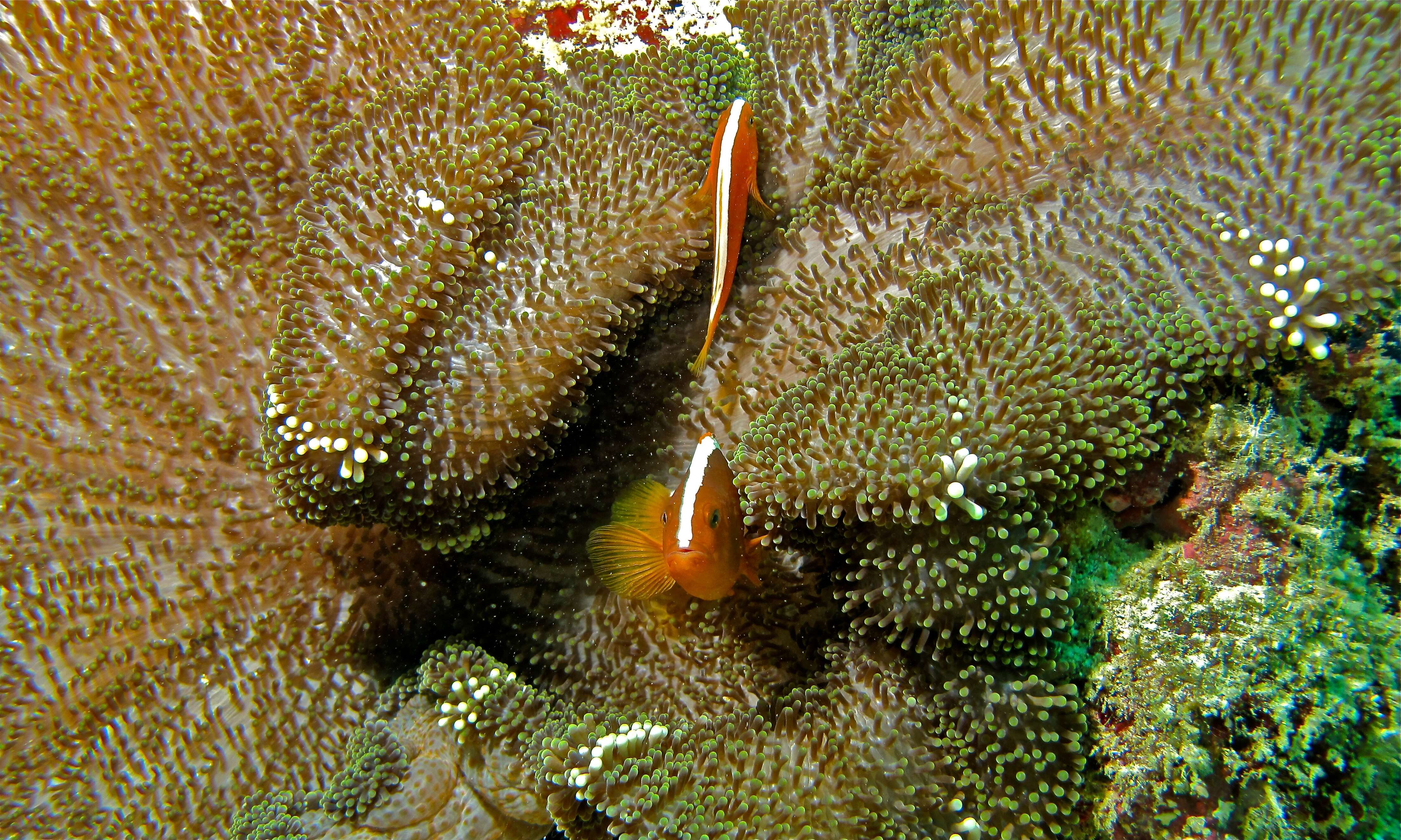
Amphiprion sandaracinos Allen, 1972 (Golden anemonefish)
Occurs in lagoon and outer reefs. Occurs in pairs and small groups . Monogamous . A protandrous hermaphrodite . Associated with the anemones: Heteractis crispa and Stichodactyla mertensii . Has been reared in captivity .
Share on Social Networks
- Facebook:

personalize your shared text as well as its destination (wall, page...) or send as a private message to a friend
- Twitter: Tweet personalize your tweet
- Google Plus:
Direct link to this dive
- Long link:
- Short link:


 We are participating today in the startup contest Techcrunch Disrupt. Support Diveboard by voting for us!
























































































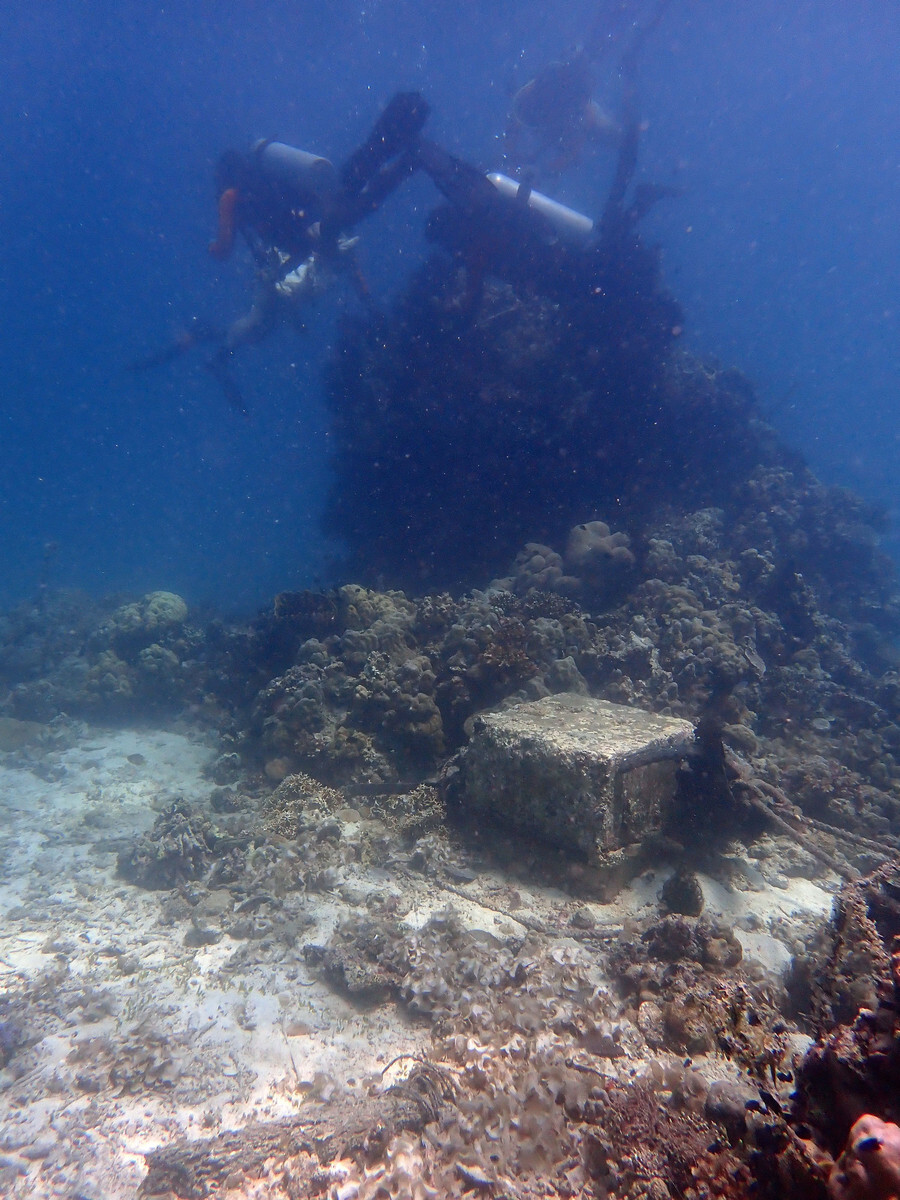
Barangay Santa Cruz Beach and Underwater cleanup
1st dive 2 dive day
partner with Philippines Coast Gurd divers and leading single diver for photos and cleanup
multilevel