


 Beachnutts



 Philippines
-
Nº192
 Date: 2026-01-25 - 10:19
-
 Max Depth: 23.2m Duration: 77mins
Dive Location

- Temp: Surf 26°C Bottom 26°C
- Dive type : Recreational, Reef, Photo
- Visibility: Average Water: Salt
Specific gear used
- BCD: Scubapro - Glide Plus
- Boots: Orca - Dive shoes
- Camera: Olympus - TG6
- Compass:
- Computer: Oceanic - OCS
- Fins: Scubapro - Go Rescue
- Lift bag: ScubaMax - SMB
- Light: Sofirn - SD05
- Mask: Promate - Scope
- Regulator: Aqua Lung - Legend LX
- Wet suit: Blue Ocean - Diveskin
- Weights: 3.2 kg
Dive reviews
| Overall review | ||
| Dive difficulty | ||
| Marine life quality |
Recent Divers in Samal island, Davao
Recent Pictures in Samal island, Davao
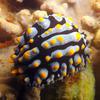
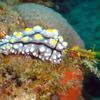
Dive Shop & Buddies
 Dive with Pitan
 Dive buddies:
Reymar Tano,
Beachnutts

Link to this spot:
- Spot:
- Country:
- Area:
- Body of water:
Dive Profile
- 1. Air
- 10L Aluminium 207 → 34 bar
- Average depth: 15.4m
Data provided by EOL.org





Species Identified
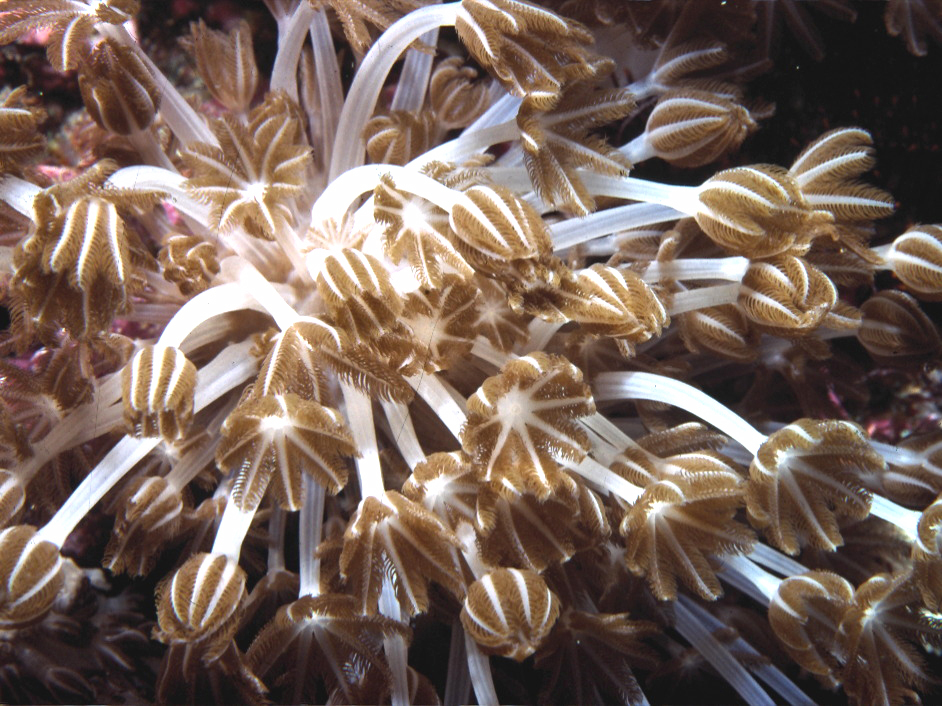
Xenia actuosa Verseveldt & Tursch, 1979
Xenia viridus Schenk, 1896
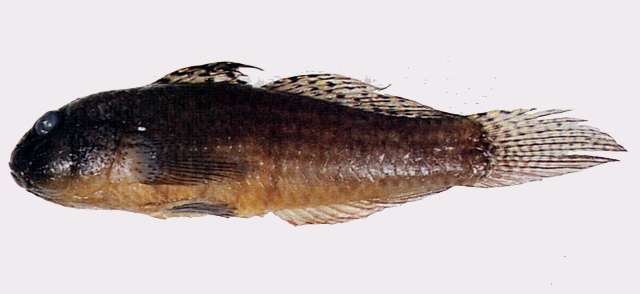
Exyrias puntang (Bleeker, 1851) (Puntang goby)
Inhabits muddy bottoms of shallow, turbid marine to brackish coastal inlets and estuaries. Also lives in shallow coastal waters, large tidal pools, mangroves, siltty lagoons and brackish lakes .
Amblygobius albimaculatus (Rüppell, 1830) (Butterfly goby)
Epibenthic and littoral, entering estuaries and lagoons . Usually seen in pairs, hovering a short distance above the substratum. Monogamous . t builds its burrow in sand or silty sand by moving out mouthfuls of sediment .
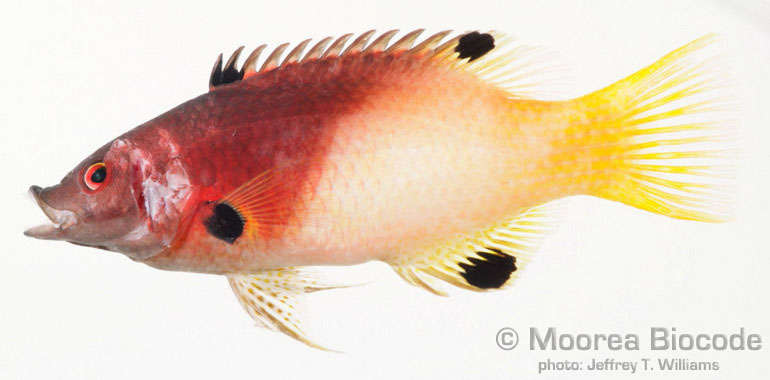
Bodianus axillaris (Bennett, 1832) (Axilspot hogfish)
Inhabits clear lagoon and seaward reefs. Juveniles occur solitary in caves or under ledges and act as cleaners by picking at bodies of other fishes . Feeds mainly on benthic, hard-shelled, invertebrates such as mollusks...
Read More
Read More
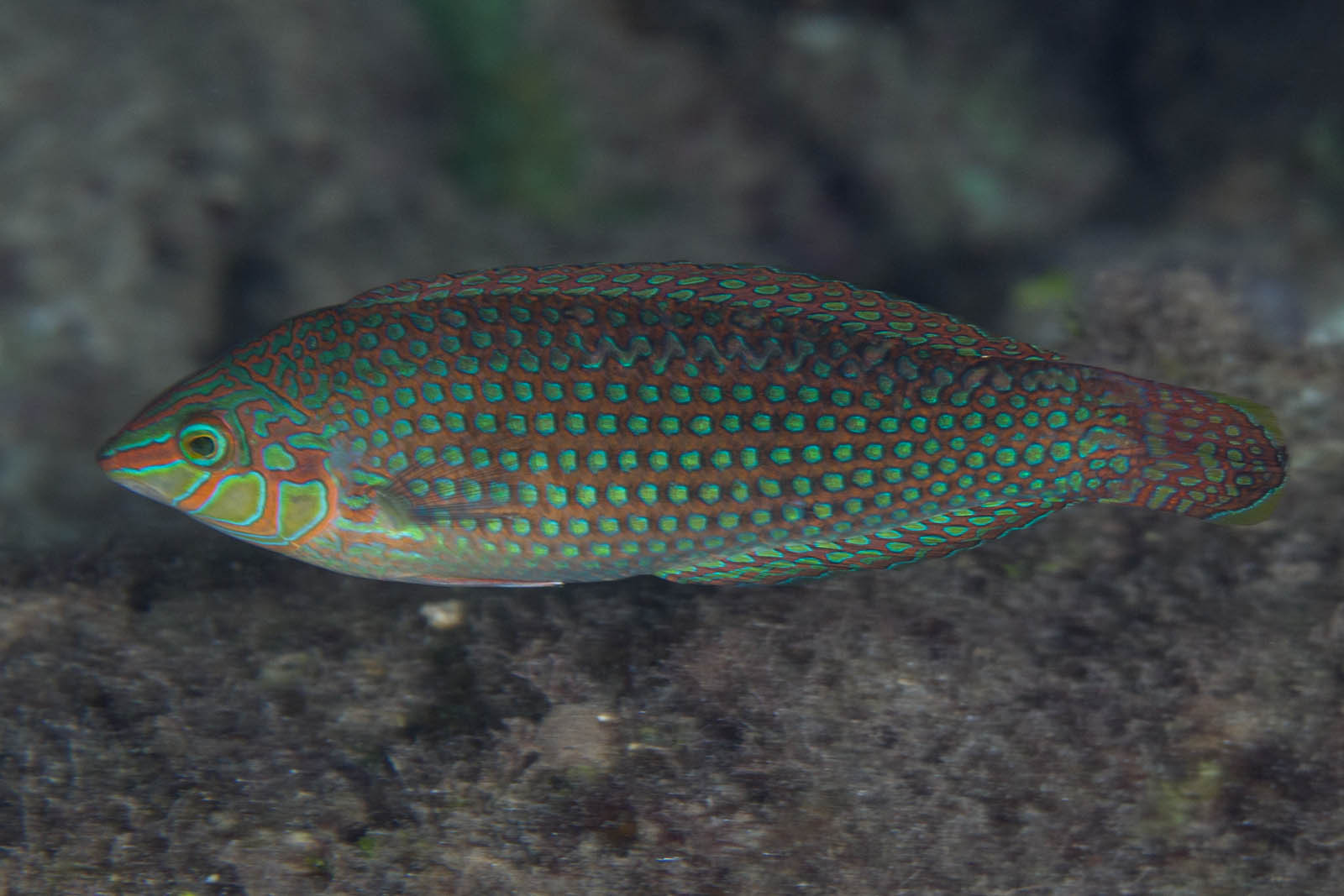
Halichoeres argus (Bloch and Schneider, 1801) (Argus wrasse)
Inhabits shallow coastal reefs and seagrass flats , also in algae-rocky reef flats and lagoons .
Bodianus diana (Lacepède, 1801) (Diana's hogfish)
Found in coral rich areas of seaward reefs . Juveniles often shelter near black corals and gorgonians; also frequent cave ceilings . Feeds mainly on benthic invertebrates such as mollusks and crustaceans. Juveniles regularly remove parasites from other fishes .
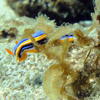
Catriona rickettsi Behrens, 1984
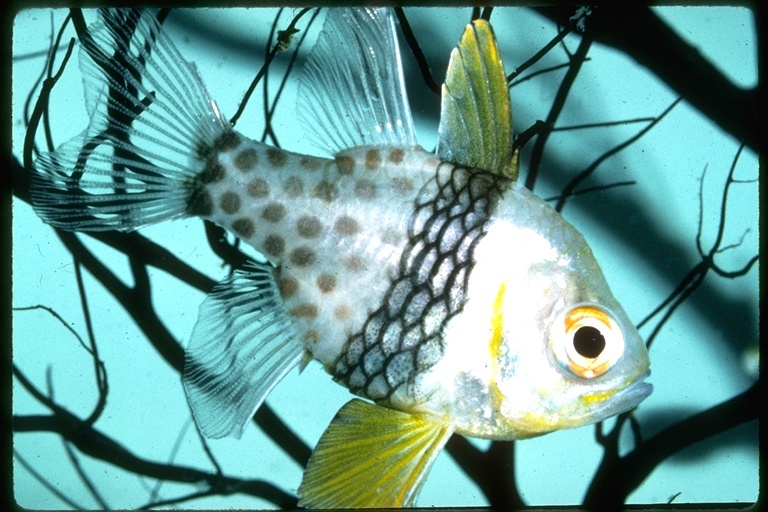
Sphaeramia nematoptera (Bleeker, 1856) (Pajama cardinalfish)
Forms aggregations among the branches of Porites nigrescens and P. cylindrica in sheltered bays and lagoons . Disperses at night to feed close to the bottom . Has been reared in captivity . Popular aquarium fish .
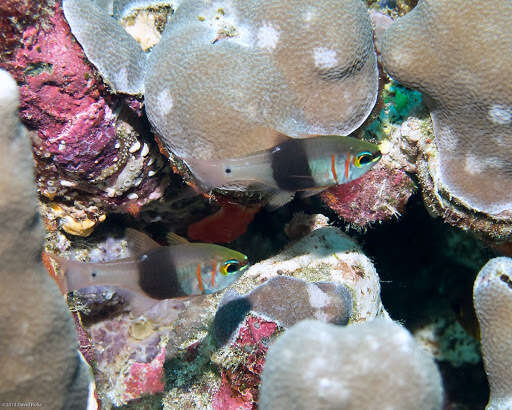
Archamia zosterophora (Bleeker, 1856) (Blackbelted cardinalfish)
Forms dense aggregations above or among the branches of Porites cylindrica and other branching corals of sheltered lagoons and inshore bays ; over sandy bottom at depths of 1-40 meters . Nocturnal species .
Archamia fucata (Cantor, 1849) (Orangelined cardinalfish)
Inhabits continental and insular shelves; on coral and rocky reefs in sheltered bays and lagoon, patch reefs, with muddy, sandy and silty bottoms or coral rubble, and mangroves ; typically forming dense aggregations at the entrance of caves and among branching corals . Nocturnal species .
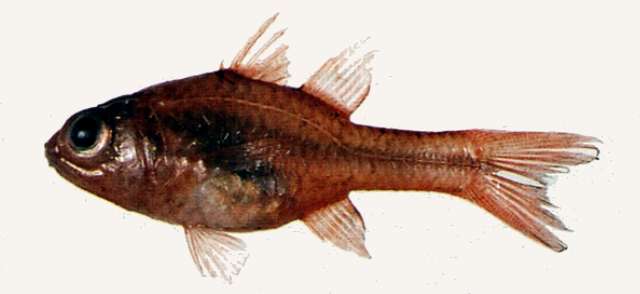
Apogon erythrinus Snyder, 1904 (Ruby cardinalfish)
Found in shallow water and observed to be active only at night, near the bottom, and never far from its shelter . Benthopelagic .
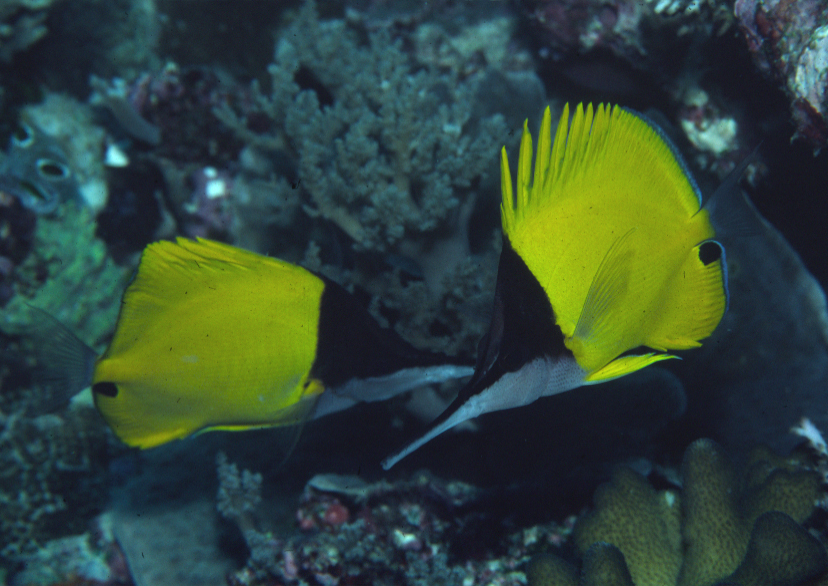
Forcipiger longirostris (Broussonet, 1782) (Big longnosed butterflyfish)
A generally uncommon species that inhabits seaward reefs to depths greater than 60 m . Benthopelagic . Feeds mainly on whole organisms such as small crustaceans. Usually seen in pairs. Oviparous , monogamous . Forms pairs during breeding . Sometimes dark brown instead of yellow .
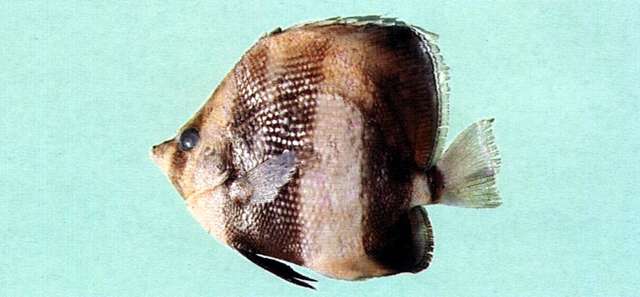
Coradion chrysozonus (Cuvier, 1831) (Goldengirdled coralfish)
Found in coastal to outer reef drop-offs with rich invertebrate growth to 60 m depth; may also occur in areas with sparse coral growth. Feed on sponges . Oviparous . Form pairs during breeding .
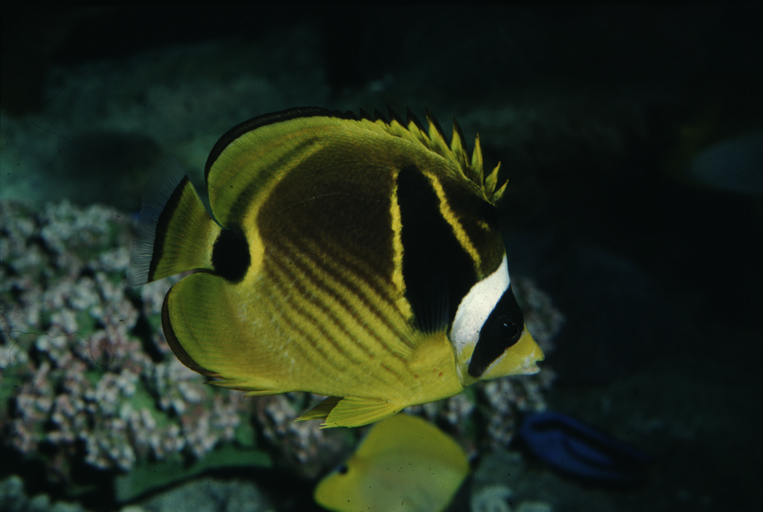
Chaetodon lunula (Lacepède, 1802) (Butterflyfish)
Share on Social Networks
- Facebook:

personalize your shared text as well as its destination (wall, page...) or send as a private message to a friend
- Twitter: Tweet personalize your tweet
- Google Plus:
Direct link to this dive
- Long link:
- Short link:


 We are participating today in the startup contest Techcrunch Disrupt. Support Diveboard by voting for us!
























































































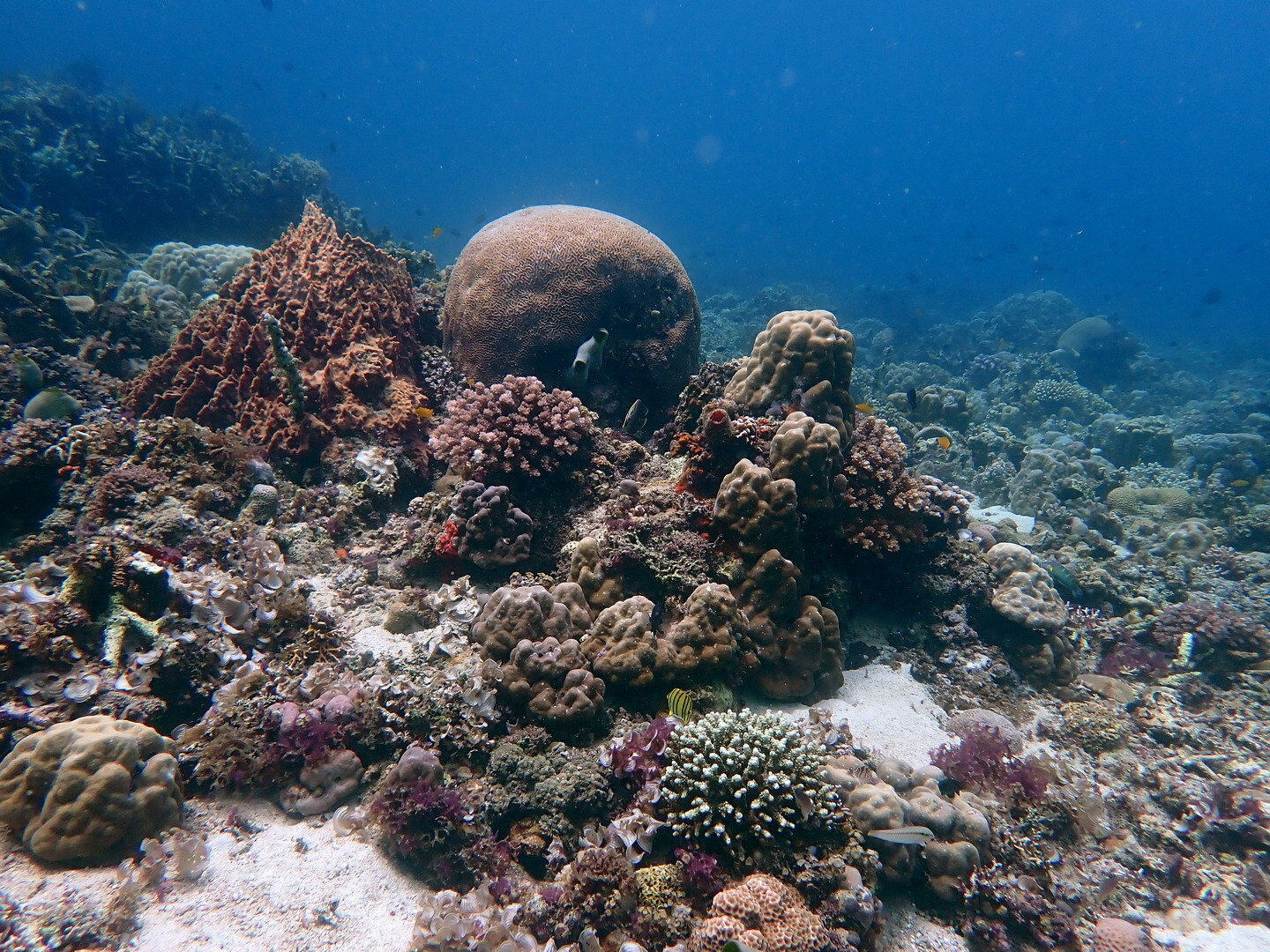
1st dive after ear infection, 2 tanker aboard Waling Waling
waves and wind at Talicud so dives only at PF Samal area
multilevel
some solo