


 Beachnutts


 Philippines
-
Nº144
 Date: 2024-07-26 - 11:49
-
 Max Depth: 19.8m Duration: 67mins
Dive Location

- Surface interval:97 mins
- Temp: Surf 28°C Bottom 28°C
- Dive type : Recreational, Reef, Photo
- Visibility: Excellent Water: Salt
Specific gear used
- BCD: Aqualung - PRO HD
- Camera: Olympus - TG6
- Computer: Oceanic - OCS
- Fins: Scubapro - Go Rescue
- Knife: Scuba MAx - folding
- Lift bag: ScubaMax - SMB
- Light: Sofirn - SD05
- Mask: Promate - Scope
- Regulator: Aqualung - Legend
- Wet suit: Blue Ocean - Diveskin
- Boots: Cressi Sub - Dive Shoes
- Weights: 3.2 kg
Dive reviews
| Overall review | ||
| Dive difficulty | ||
| Marine life quality |
Recent Divers in Camiguin

Recent Pictures in Camiguin
Dive Shop & Buddies
 Dive with Rebecca

Link to this spot:
- Spot:
- Country:
- Area:
- Body of water:
Dive Profile
- 1. Air
- 10L Aluminium 207 → 45 bar
- Average depth: 13.2m
Data provided by EOL.org
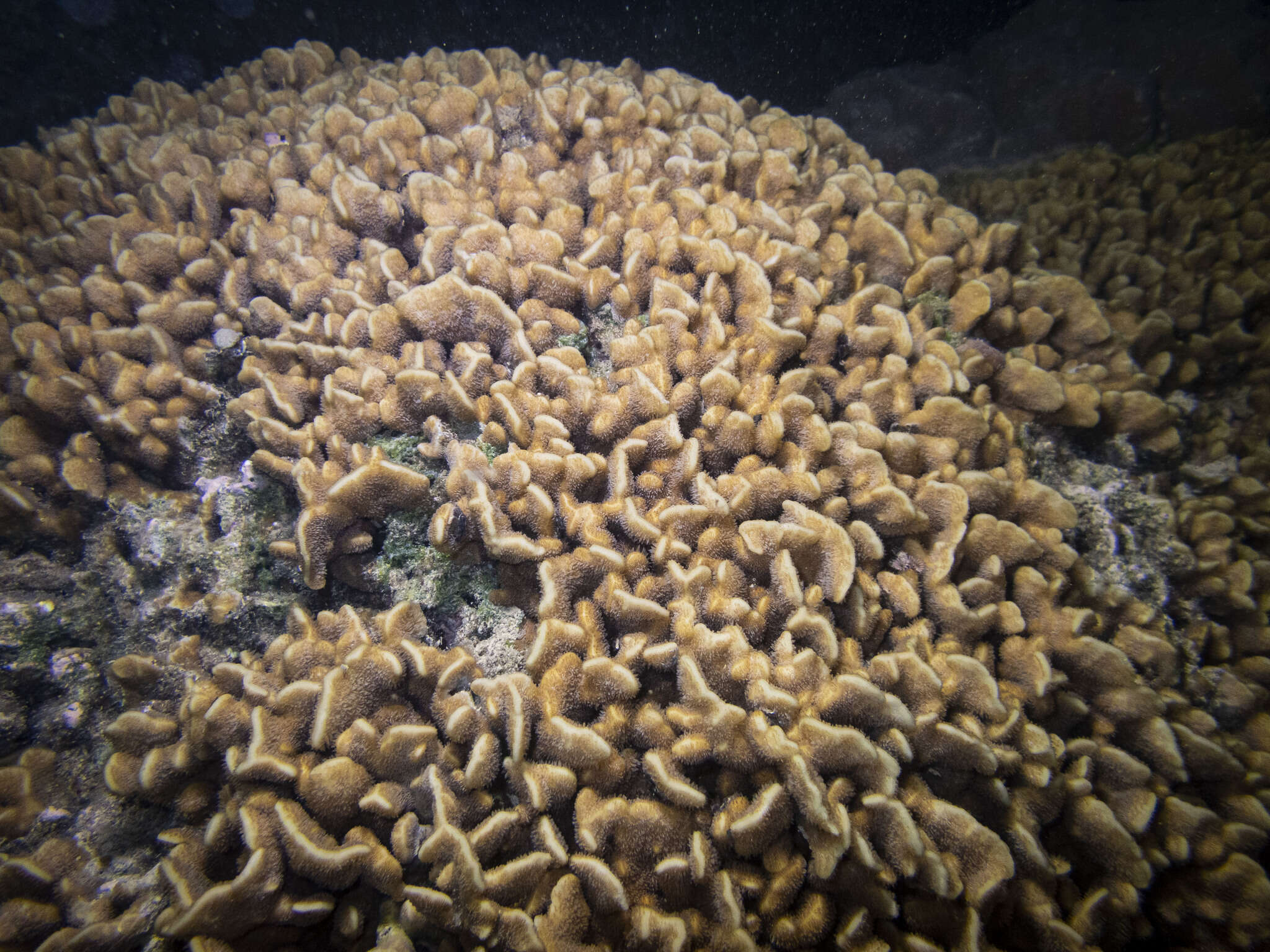
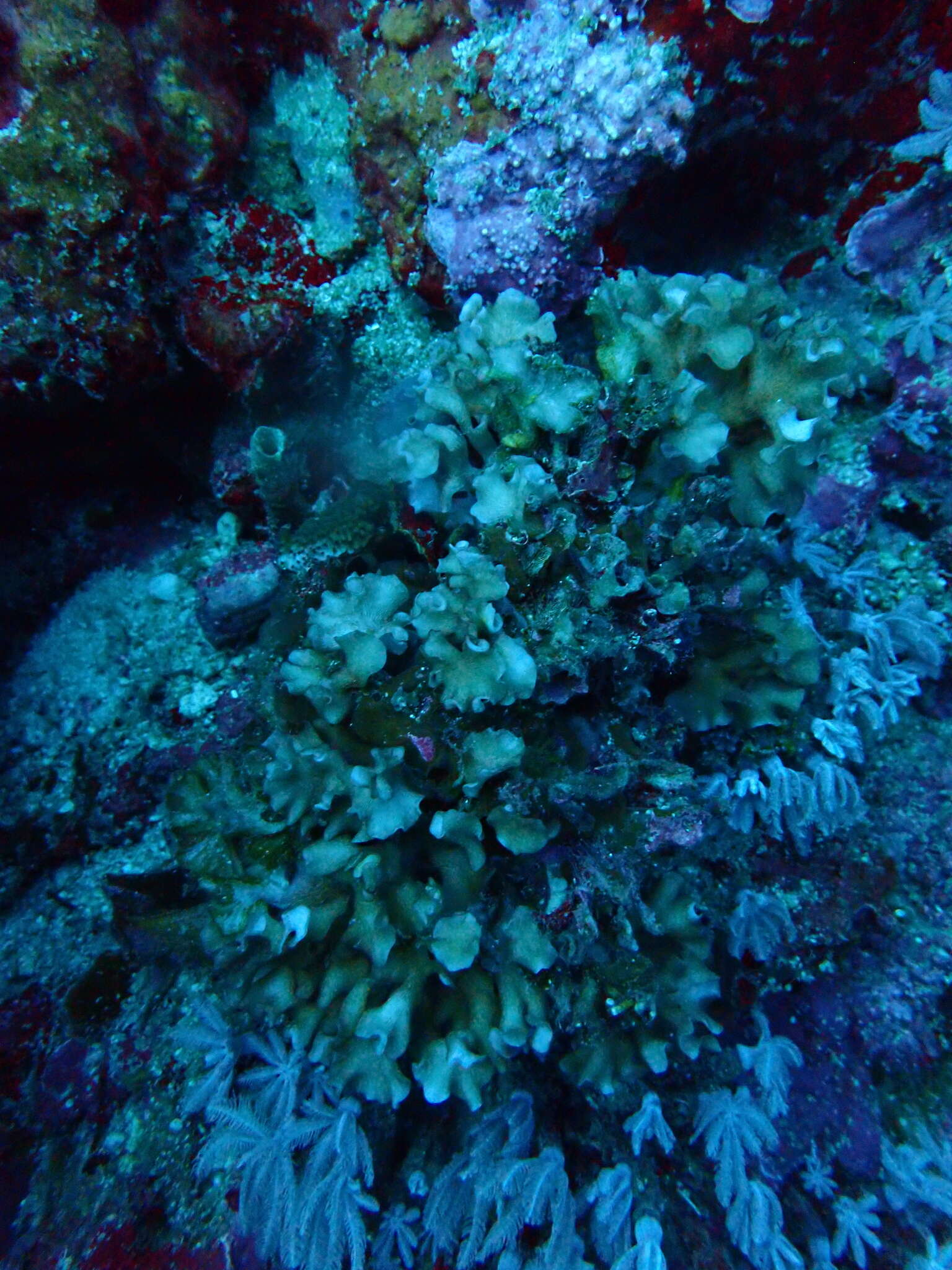
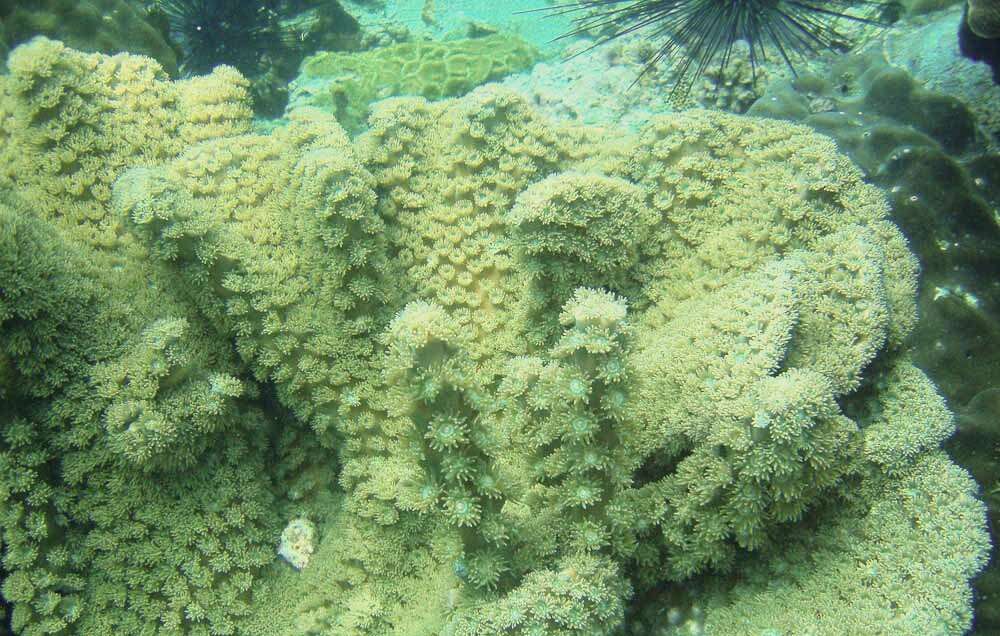


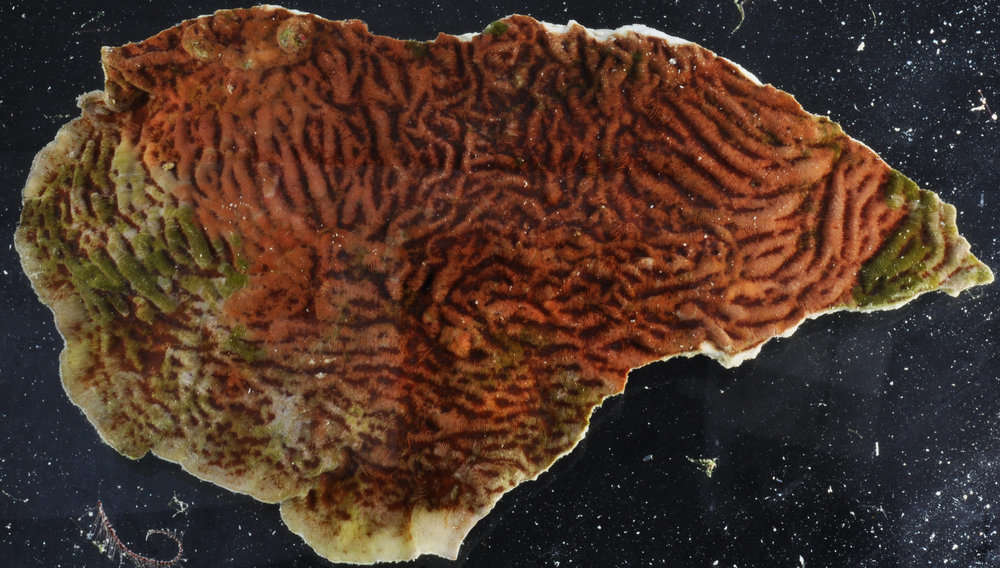








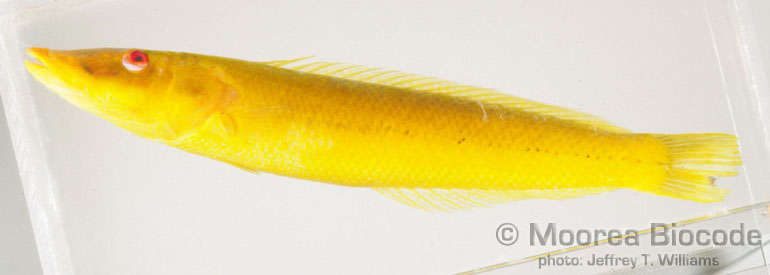

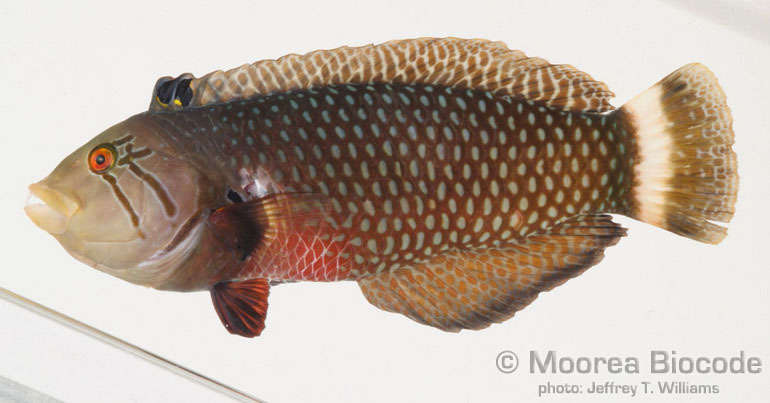
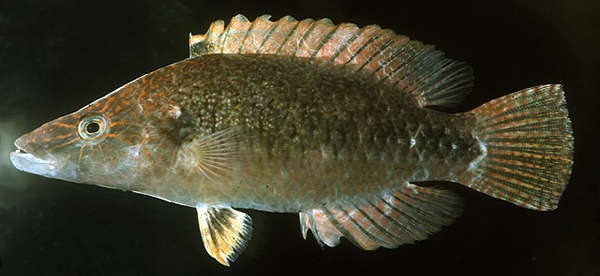

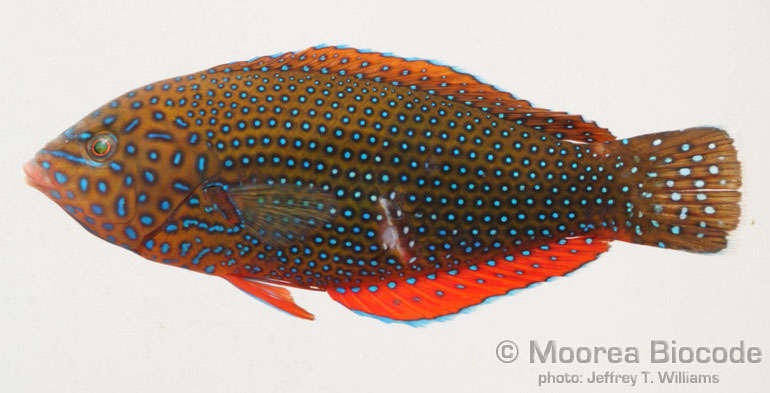

Species Identified
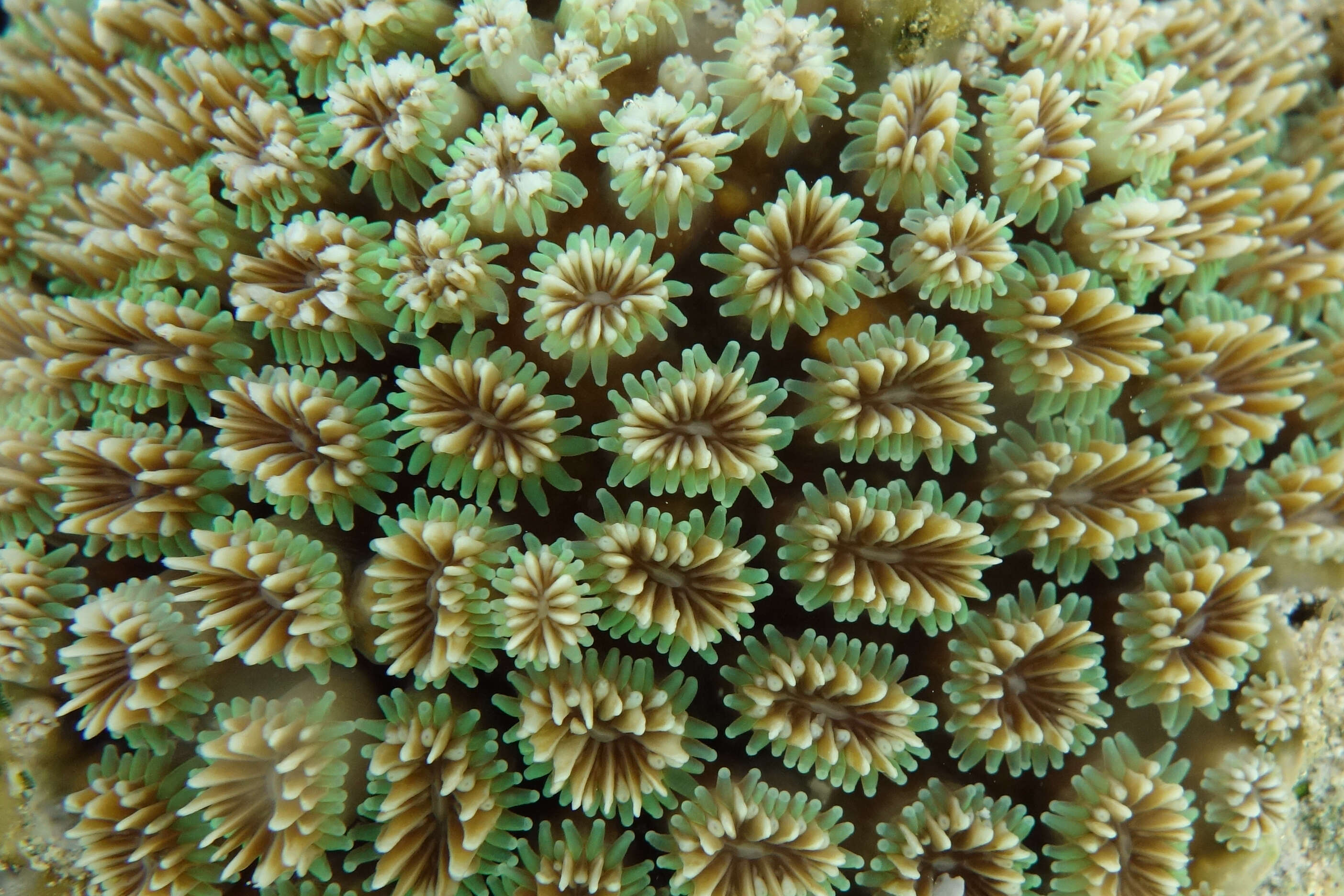
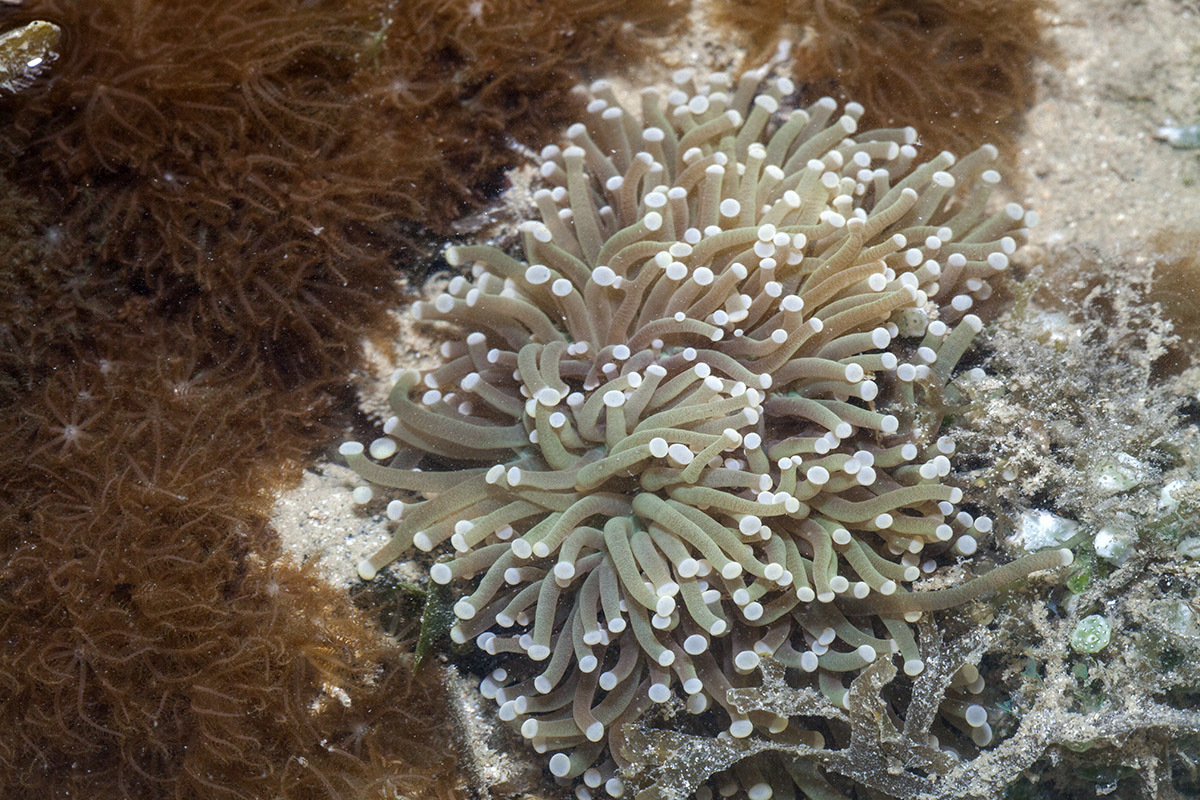
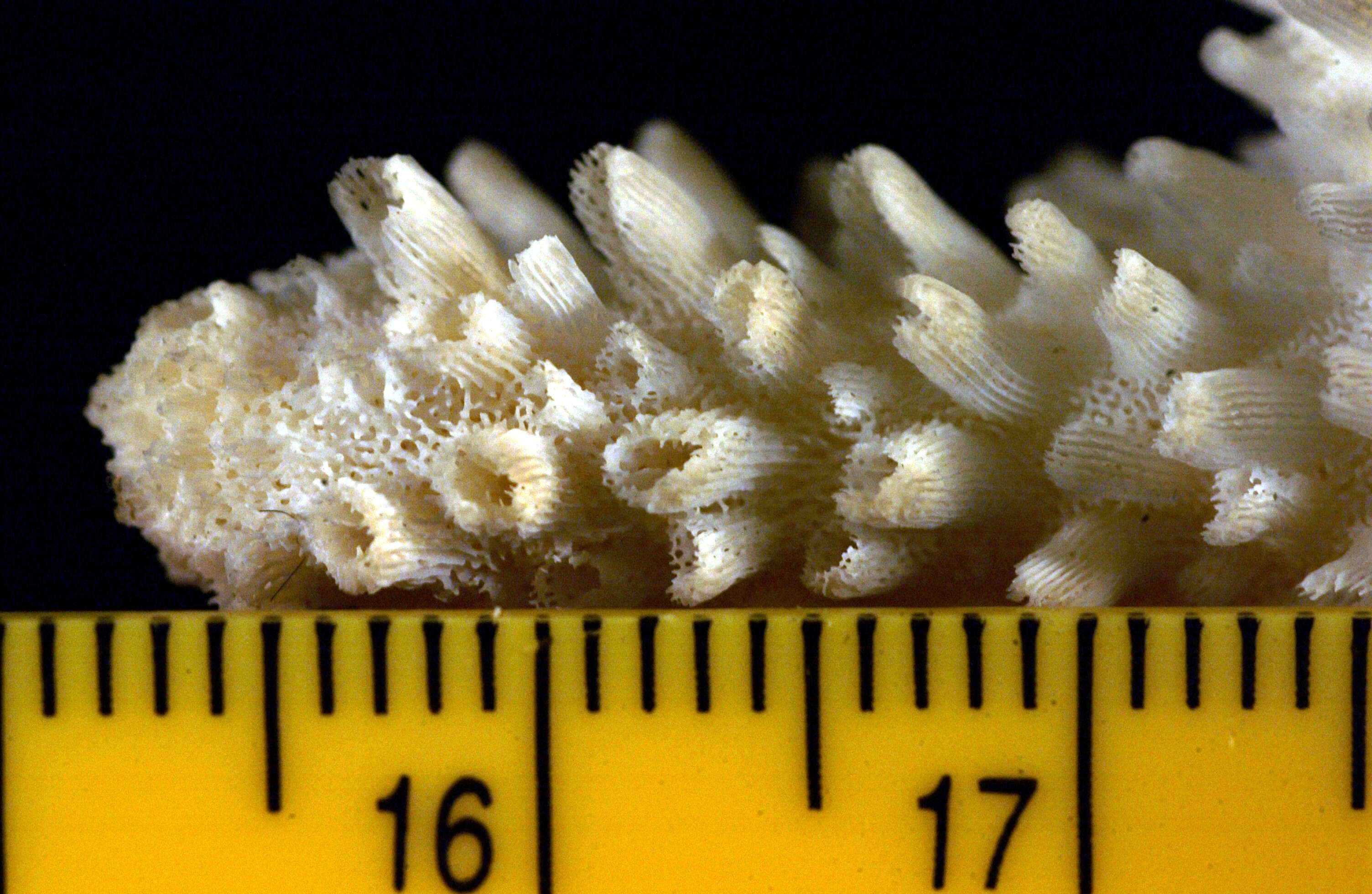
Galaxea fascicularis (Linnaeus, 1767) (Octopus coral)
zooxanthellate
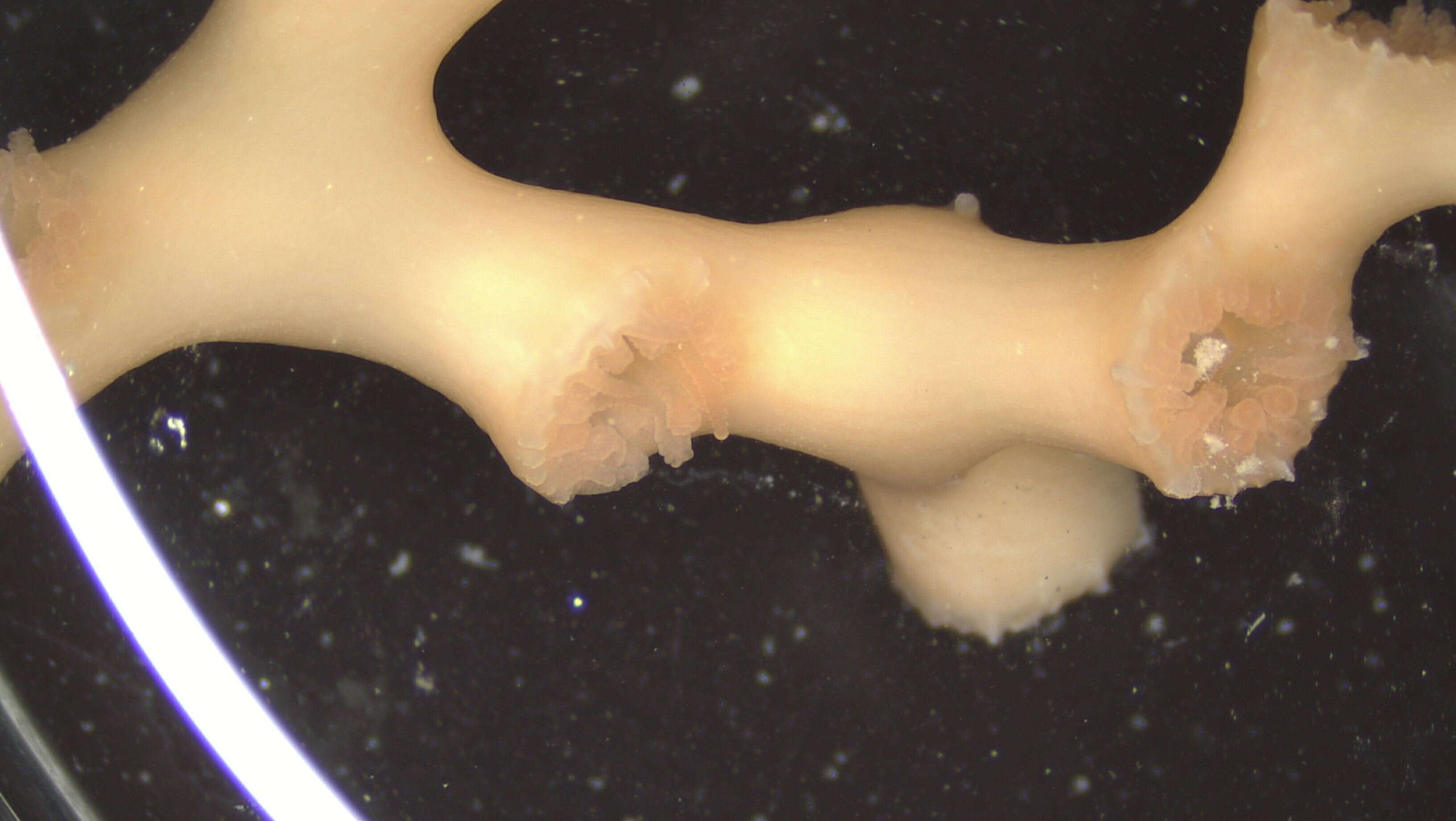
Madrepora oculata Linnaeus, 1758 (sikksakkorall)
azooxanthellate
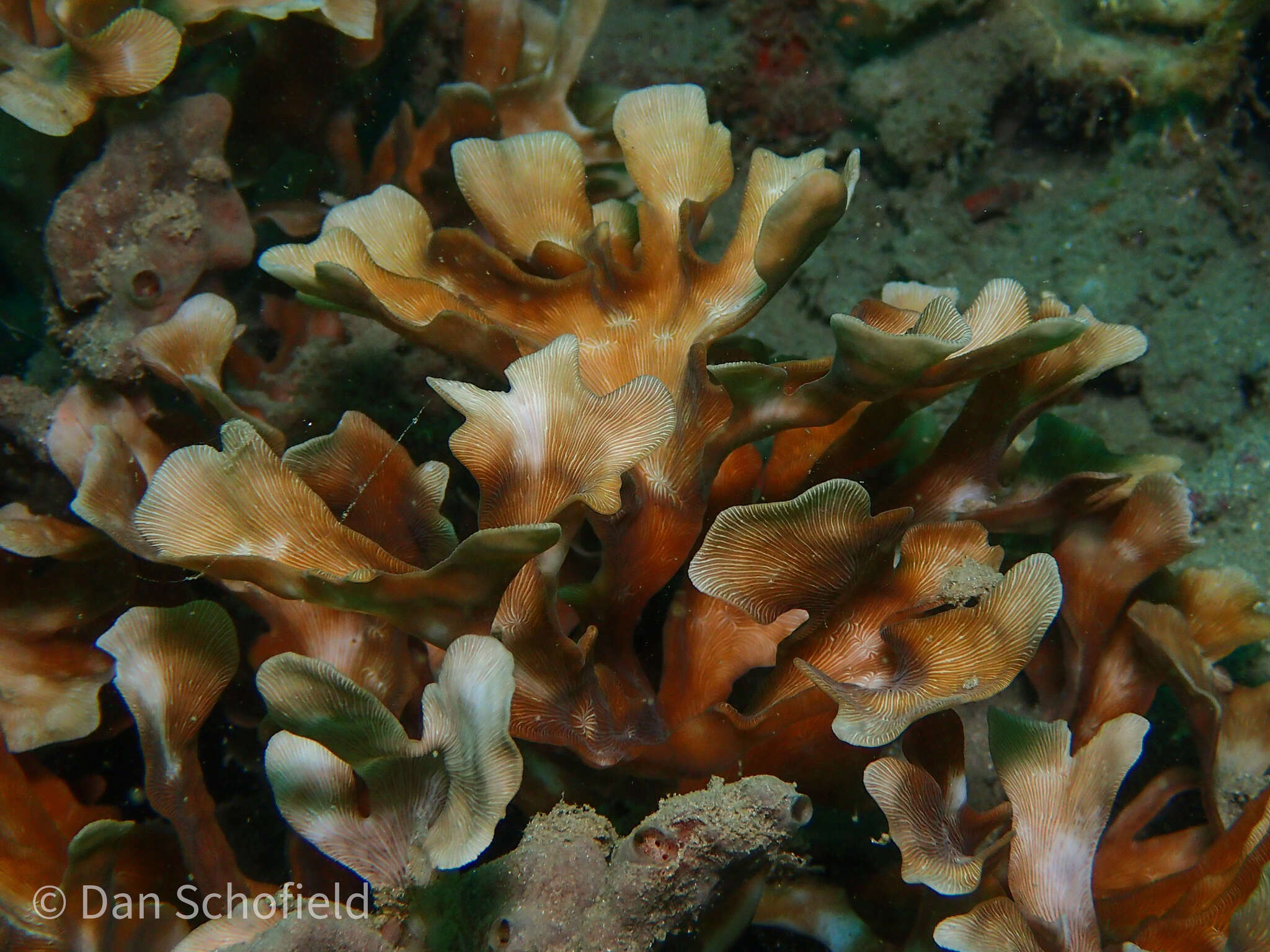
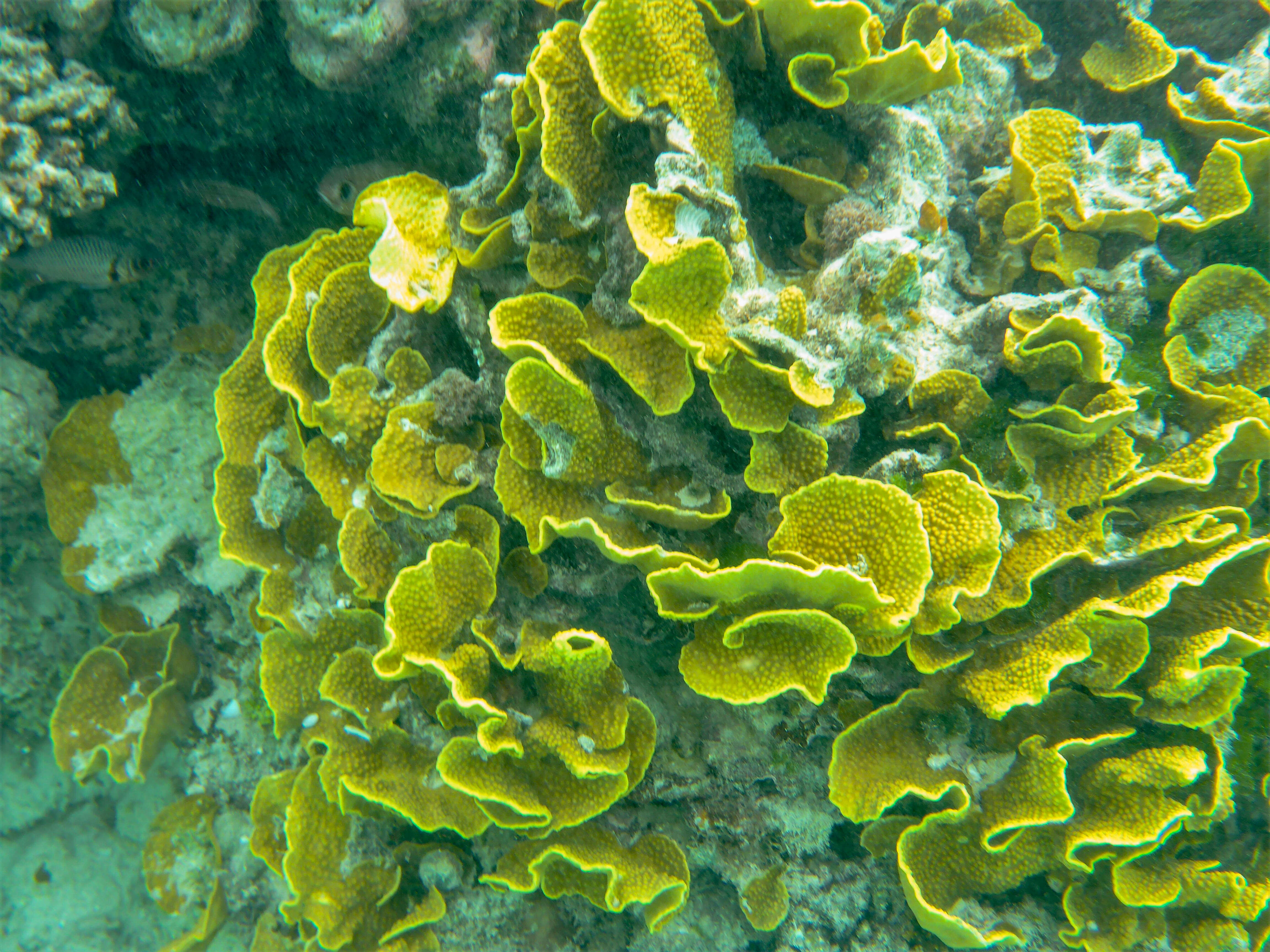
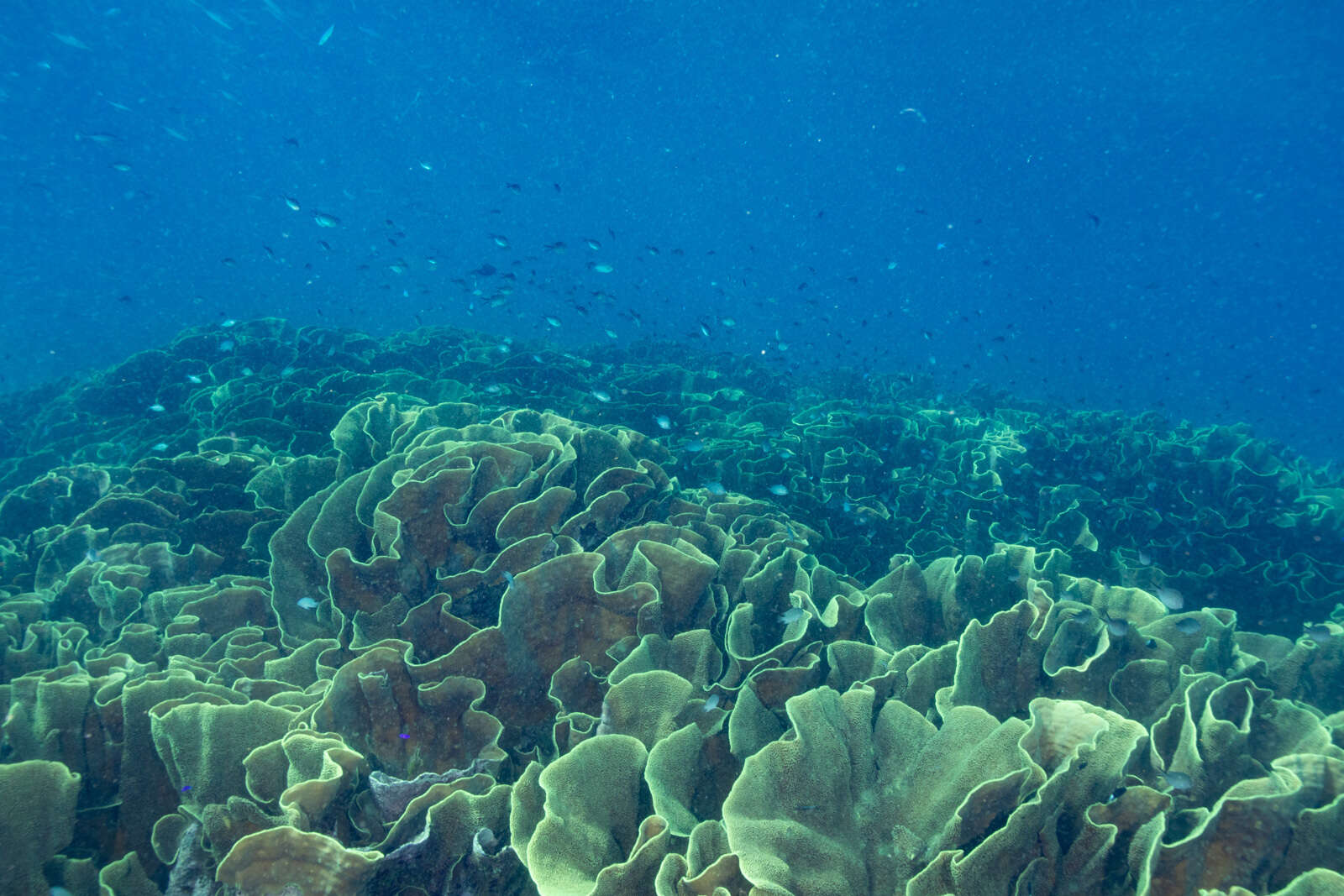
Leptoseris papyracea (Dana, 1846) (Porcelain coral)
zooxanthellate
Pavona frondifera Lamarck, 1816 (Leaf coral)
zooxanthellate
Leptoseris gardineri Van der Horst, 1921 (Porcelain coral)
zooxanthellate
Turbinaria peltata (Esper, 1794) (Disc coral)
zooxanthellate
Pachyseris speciosa (Dana, 1846) (Serpent coral)
zooxanthellate
Pachyseris gemmae Nemenzo, 1955 (Serpent coral)
zooxanthellate
Galaxea astreata (Lamarck, 1816) (Octopus coral)
zooxanthellate
Leptoseris mycetoseroides Wells, 1954 (Porcelain coral)
zooxanthellate
Euphyllia glabrescens (Chamisso and Eysenhardt, 1821) (Joker coral)
zooxanthellate
Pavona decussata (Dana, 1846) (Leaf coral)
zooxanthellate
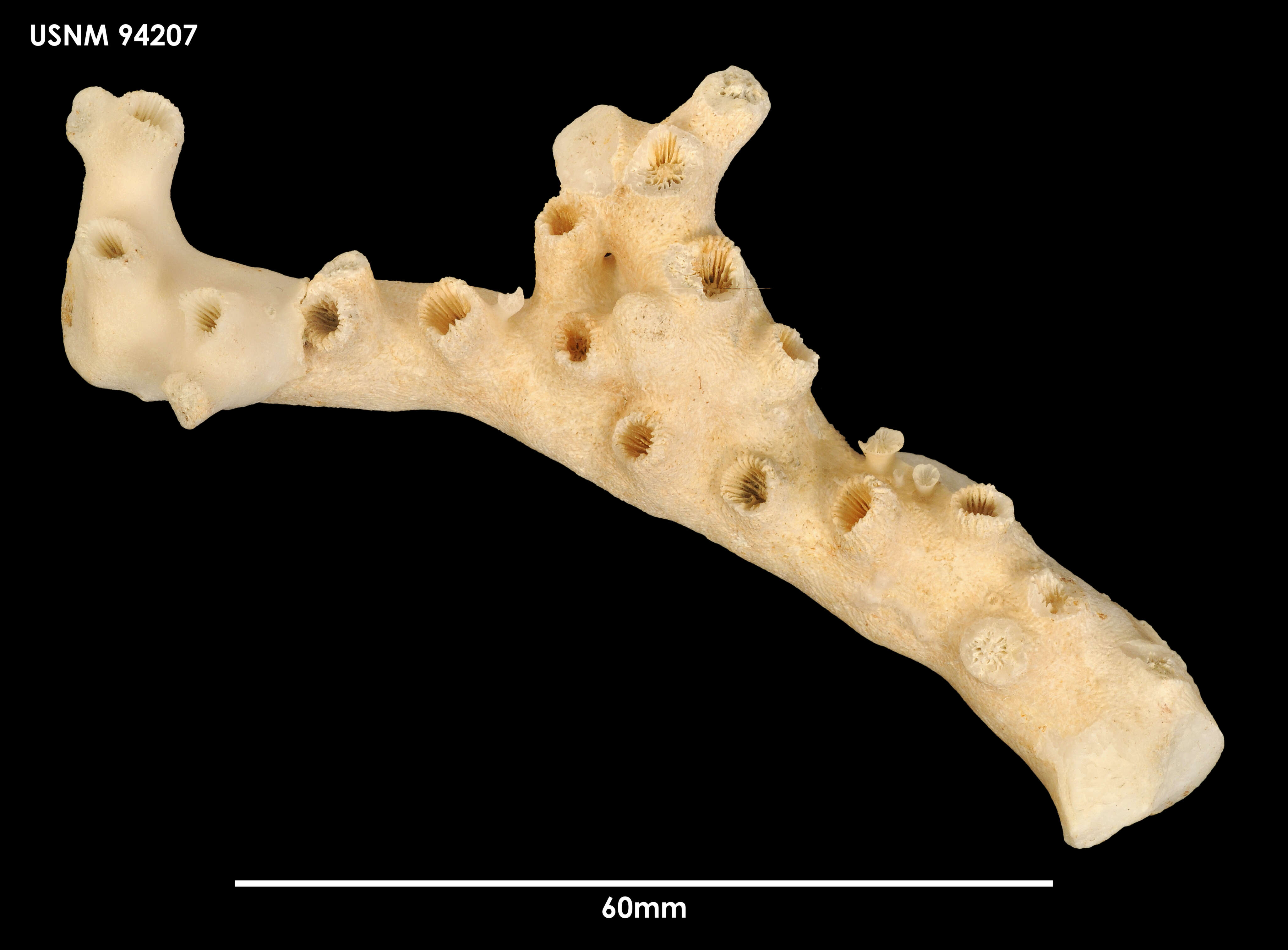
Enallopsammia rostrata (Pourtalès, 1878)
azooxanthellate
Pavona venosa (Ehrenberg, 1834) (Leaf coral)
zooxanthellate
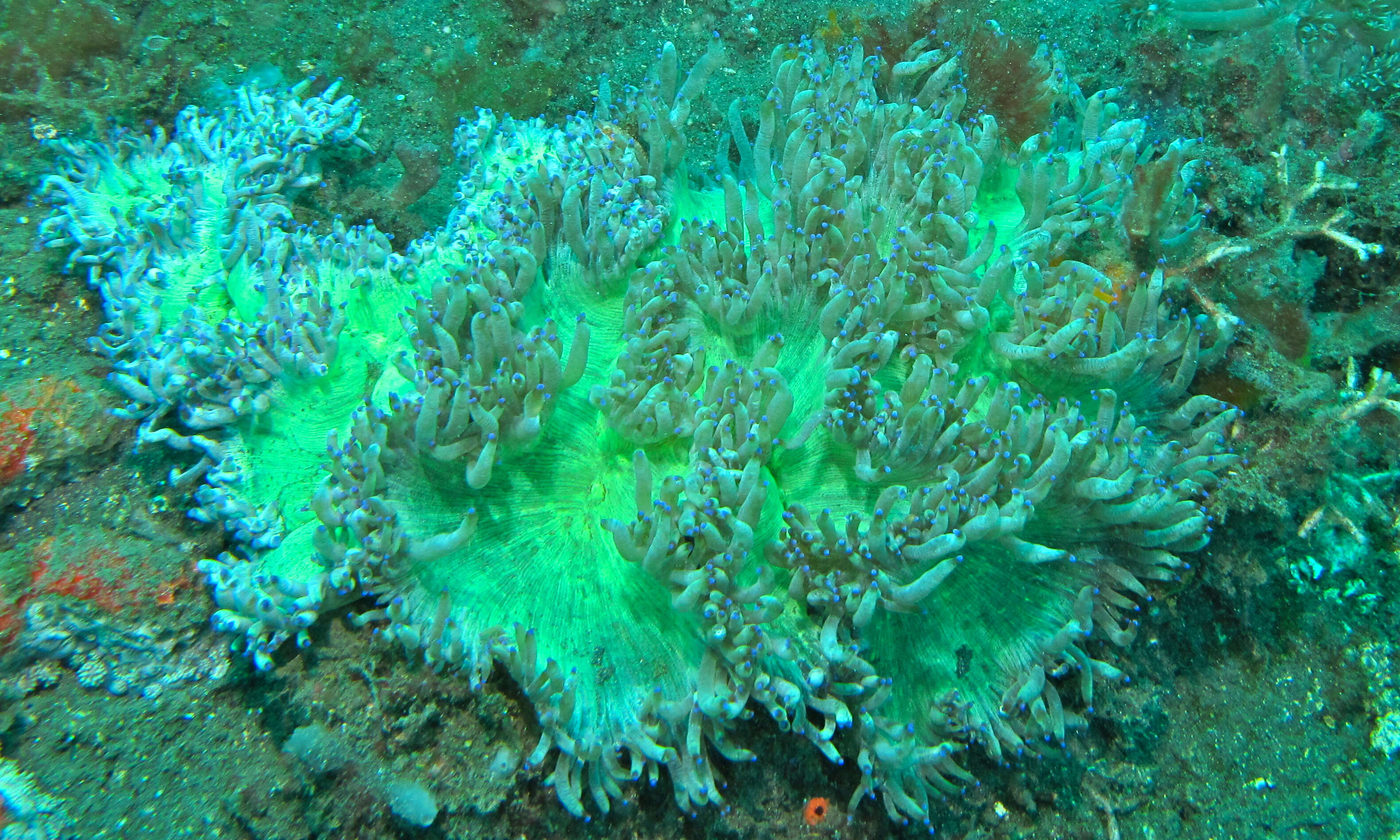
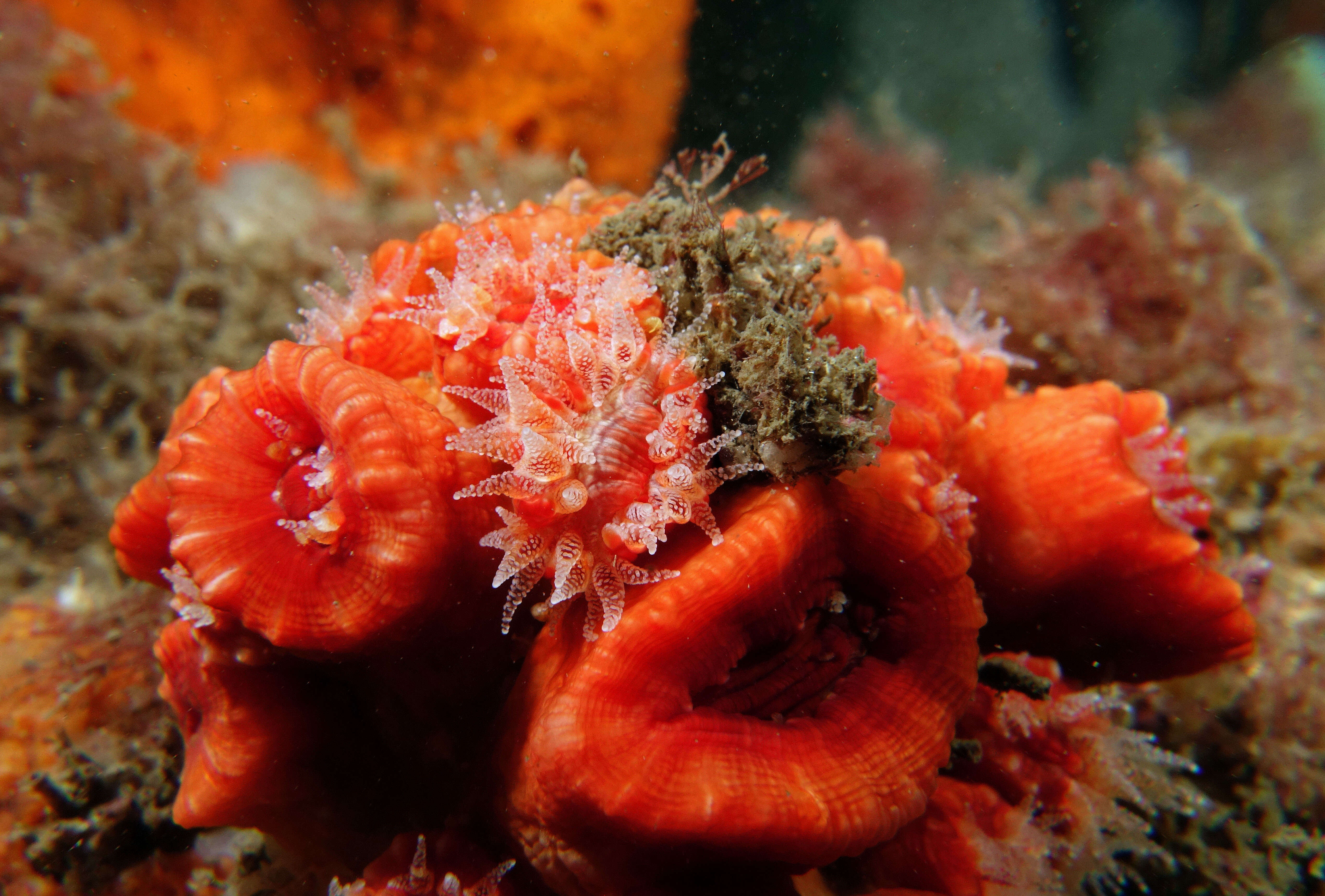
Catalaphyllia jardinei (Saville-Kent, 1893) (Wonder coral)
zooxanthellate
Pachyseris rugosa (Lamarck, 1801) (Serpent coral)
zooxanthellate
Turbinaria frondens (Dana, 1846) (Disc coral)
zooxanthellate
Madrepora arbuscula (Moseley, 1881)
azooxanthellate
Dendrophyllia ijimai Yabe and Eguchi, 1934
azooxanthellate
Tubastraea faulkneri Wells, 1982
azooxanthellate
Heterocyathus sulcatus (Verrill, 1866) (Striped bum coral)
azooxanthellate and zooxanthellate
Heterocyathus alternatus Verrill, 1865 (Striped bum coral)
azooxanthellate
Deltocyathus magnificus Moseley, 1876
azooxanthellate
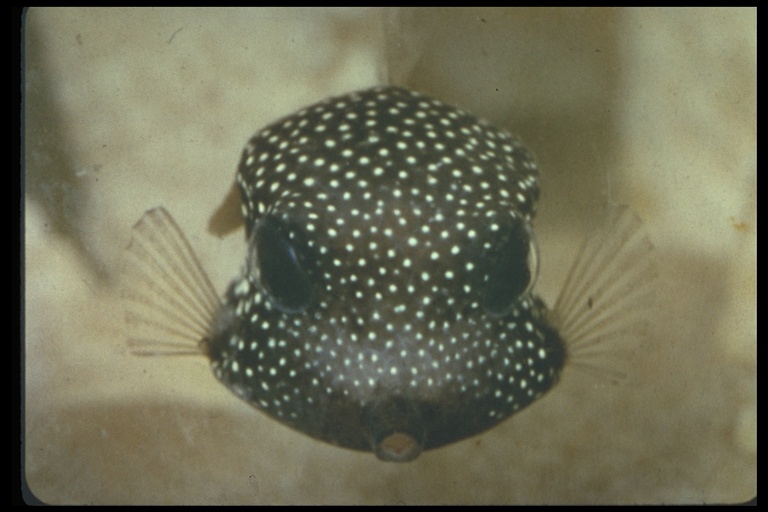
Ostracion meleagris Shaw, 1796 (pahu)
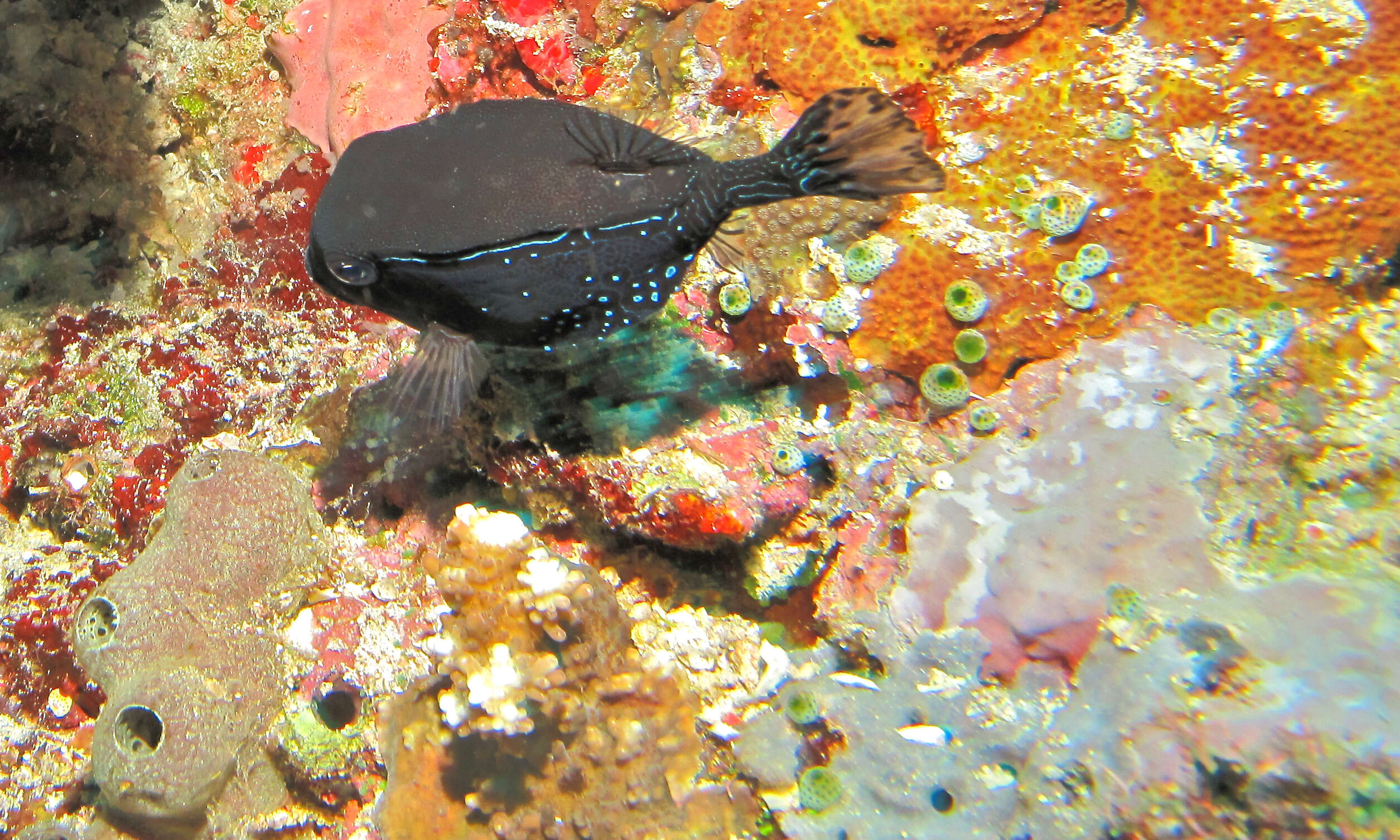
Ostracion solorensis Bleeker, 1853 (Reticulate boxfish)
Inhabits clear coastal reefs in rich invertebrate habitat on shallow crests or upper zone of slopes to about 15 meters depth . Relatively uncommon inhabitant of coral rich areas of seaward reefs. Sexually dimorphic .
Apogon aureus (Lacepède, 1802) (Ringtailed cardinalfish)
Inhabits holes in rocks or under ledges in shallow waters. Known to occur in mixed aggregates with Apogon apogonoides during summer and autumn, but form separate aggregates in winter and spring .
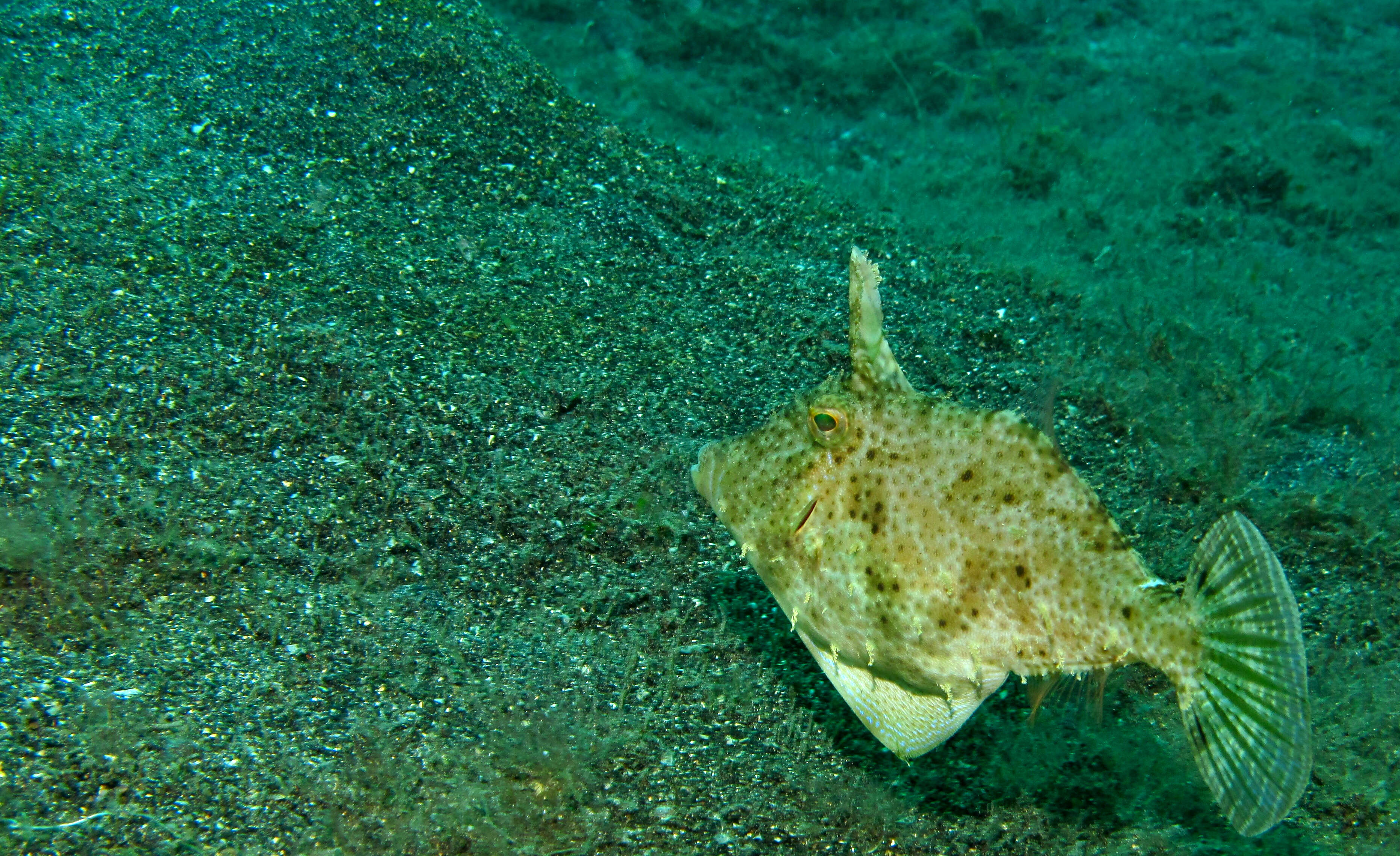
Pseudomonacanthus macrurus (Bleeker, 1857) (Strap-weed file-fish)
Inhabits shallow coastal algal reefs and estuaries. Adults are often in pairs .
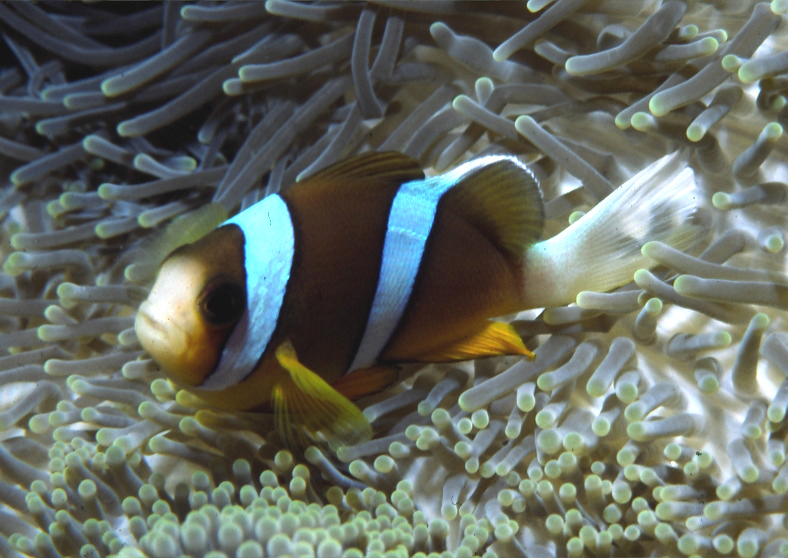
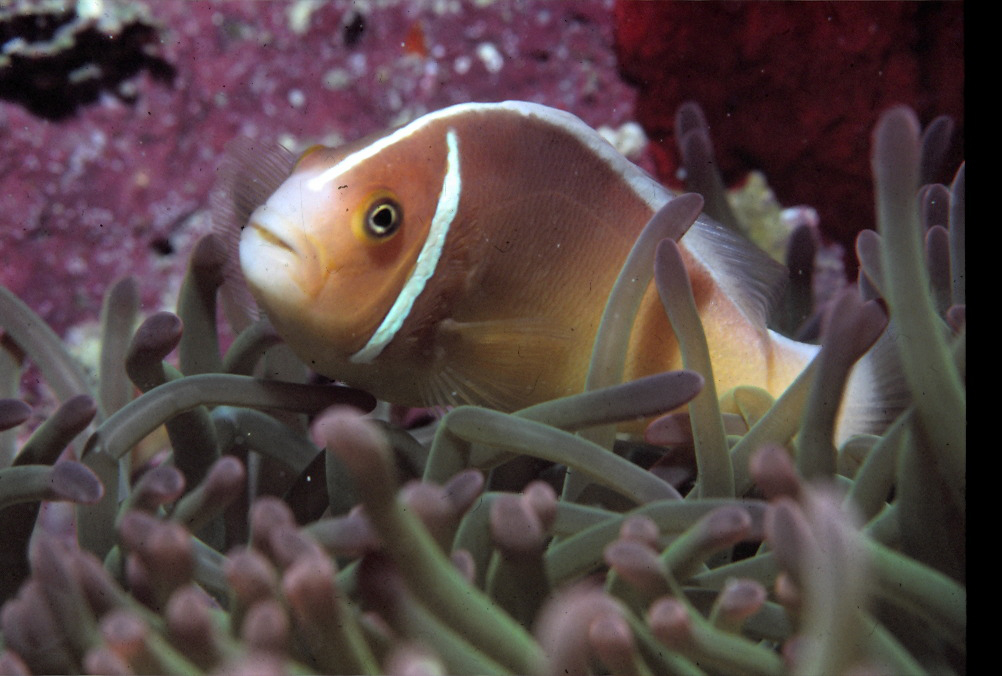
Amphiprion clarkii (Bennett, 1830) (Brown anemonefish)
Inhabits lagoons and outer reef slopes. Omnivorous. Oviparous, with elliptical eggs . Monogamous . Has been reared in captivity . Associated with the anemones: Cryptodendrum adhaesivum, Entacmaea quadricolor, Heterac...
Read More
Read More
Amphiprion frenatus Brevoort, 1856 (oneband anemonefish)
Found in lagoon reefs and embayment. Monogamous , protandrous hermaphrodite . Associated with the anemone Entacmaea quadricolor . Has been reared in captivity .
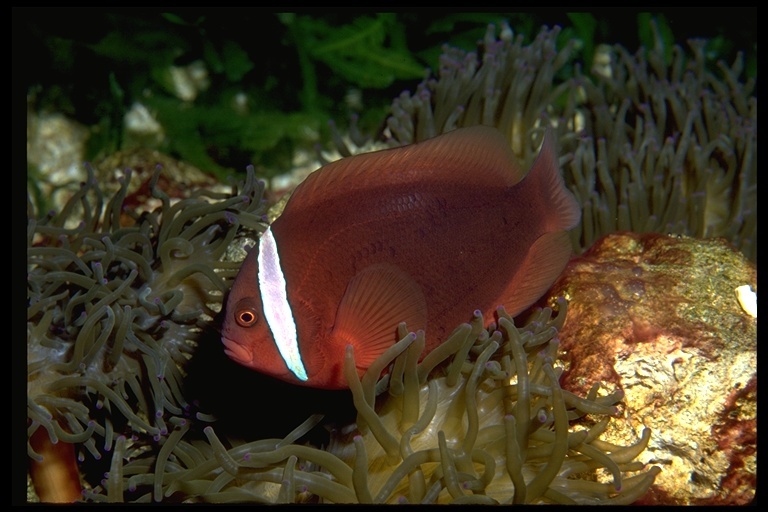
Amphiprion perideraion Bleeker, 1855 (False skunk-striped anemonefish)
Inhabits lagoon and seaward reefs . Mainly diurnal. Non-burrowing. Monogamous . A protandrous hermaphrodite . Associated with the anemones: Heteractis magnifica , Heteractis crispa, Macrodactyla doreensis, and Sticho...
Read More
Read More
Amphiprion chrysopterus Cuvier, 1830 (Two-banded anemonefish)
Inhabits passages and outer reef slopes. Known to occur at 25°C. Feeds chiefly on planktonic copepods, algae, echiuroid and sipunculoid worms, and pelagic tunicates. Associated with the anemones: Entacmaea quadricolor,...
Read More
Read More
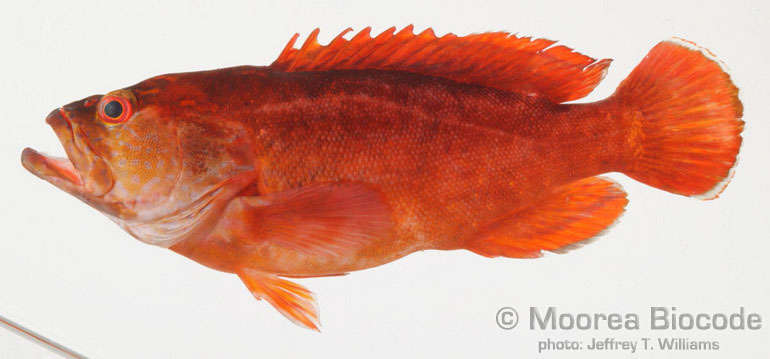
Cephalopholis urodeta (Forster, 1801) (Banded-tail coral-cod)
Inhabits clear, shallow waters of outer reef areas. Also found in lagoons, back-reef areas, and on the reef-top. Feeds on small fishes (68%) and crustaceans.
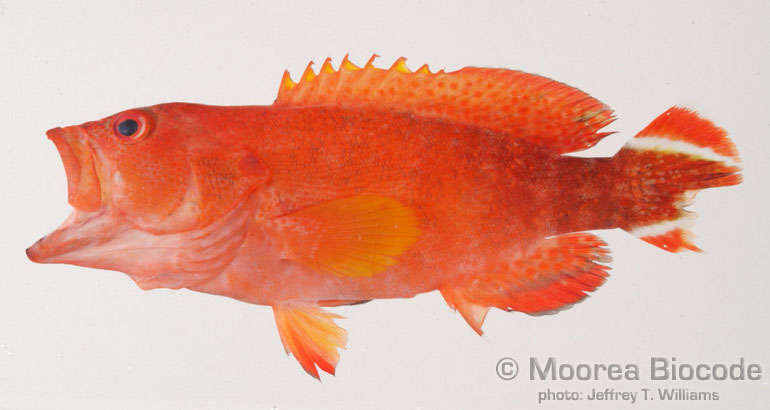
Cephalopholis spiloparaea (Valenciennes, 1828) (Orange-red pigmy grouper)
Perhaps the most common grouper on Indo-Pacific coral reefs found below 40 m. The species is only known from insular localities except those collected from Pinda, Mozambique. Apparently, nothing is known of the biology of this species. The small size (
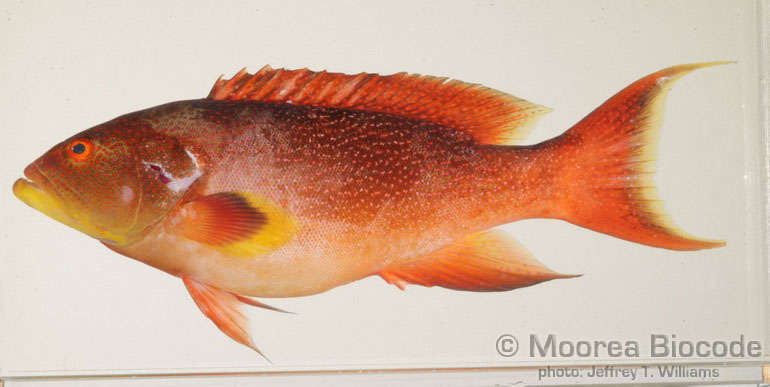
Variola louti (Forsskål, 1775) (lunartailed rockcod)
Usually seen in clear-water areas at depths below 15 m, and prefers islands and offshore reefs rather than continental shores. Feeds mainly on fishes, and on crabs, shrimps and stomatopods. It is highly appreciated for t...
Read More
Read More
Epinephelus sexfasciatus (Valenciennes, 1828) (Sixbar rockcod)
Common on silty sand or mud bottoms. Its preference for soft-bottom habitats may account for its restricted distribution and absence at oceanic islands. Feeds on small fishes and crustaceans.
Cirrhitichthys oxycephalus (Bleeker, 1855) (Coral hawkfish)
Salarias fasciatus (Bloch, 1786) (Jewelled blenny)
Cheilinus trilobatus Lacepède, 1801 (Tripletail wrasse)
Adults inhabit lagoon and seaward reefs at depths of 1 to over 30 m, and relatively common along shallow reef margins with good coral cover . Usually solitary . Feed mainly on shelled benthic invertebrates such as mollus...
Read More
Read More
Cheilio inermis (Forsskål, 1775) (Sharp-nosed rainbowfish)
Inhabit seagrass beds and algal-covered flats, occasionally in lagoon and seaward reefs to a depth of at least 30 m . Benthopelagic . Usually solitary. Juveniles secretive in seagrasses or attached Sargassum; adults usu...
Read More
Read More
Coris gaimard (Quoy and Gaimard, 1824) (dahlia)
Found in areas of mixed coral, sand and rubble of exposed outer reef flats, lagoon and seaward reefs . Benthopelagic . Feeds mainly on mollusks, crabs, and hermit crabs, and occasionally on tunicates and forams .
Novaculichthys taeniourus (Lacepède, 1801) (Rockmover wrasse)
Oxycheilinus celebicus (Bleeker, 1853) (Celebes wrasse)
Inhabits coral-rich areas of protected reefs , with a rich mix of soft and brittle hard corals and other invertebrates .
Halichoeres marginatus Rüppell, 1835 (Dusky wrasse)
Inhabit lagoon and seaward reefs, along the upper edges of coral-rich areas . Benthopelagic . Juveniles are encountered in exposed outer reef flats . Feed on a wide variety of small invertebrates as well as fish eggs.
Anampses caeruleopunctatus Rüppell, 1829 (Bluespotted wrasse)
Found on the surge zone of coral reefs or rocky coasts . Occur singly or in pairs . Tiny juveniles swim with head towards the bottom and slowly undulate the body, looking like a floating leaf in the current . Young feed...
Read More
Read More
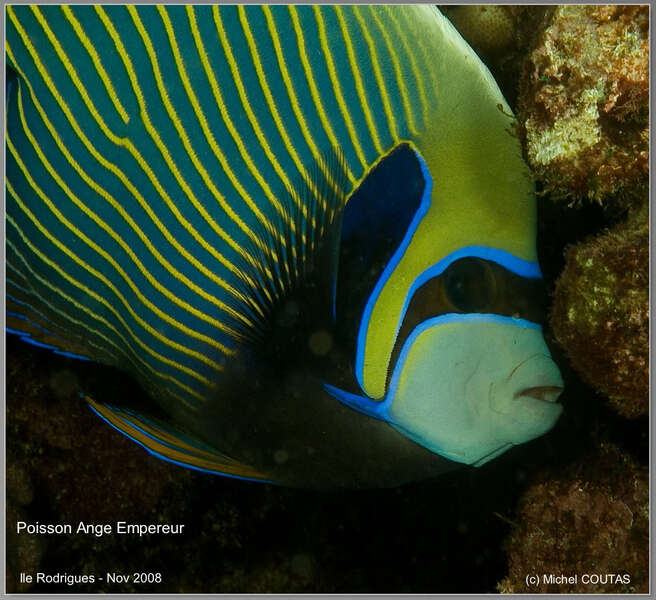
Pomacanthus imperator (Bloch, 1787) (Angel fish)
Juveniles are encountered under ledges, or in holes of outer lagoon patch reefs or semi-protected areas of exposed channels and outer reef flats. Subadults move to reef front holes and surge channels. Large adults inhabi...
Read More
Read More
Centropyge tibicen (Cuvier, 1831) (Keyhole angelfish)
Relatively uncommon in mixed coral and rubble areas of lagoon and seaward reefs. The largest member of the genus . Feeds mainly on algae. Forms harems of 3-7 individuals. Frequently exported through the aquarium trade .
Share on Social Networks
- Facebook:

personalize your shared text as well as its destination (wall, page...) or send as a private message to a friend
- Twitter: Tweet personalize your tweet
- Google Plus:
Direct link to this dive
- Long link:
- Short link:


 We are participating today in the startup contest Techcrunch Disrupt. Support Diveboard by voting for us!
























































































2nd dive two tank small bangka trip to White Island dive sites, Camiguin. BLACK FOREST DIVE SITE
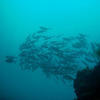
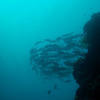
saucer/ inverted bowl shaped site, very nice coral gardens from 1 side to other swimming towards White Island. AMAZING FISH DIVERSITY!!!
Coraya has 60 minute time limit on all dives, no good.