


 Beachnutts



 Philippines
-
Nº119
 Date: 2024-02-07 - 10:08
-
 Max Depth: 16.5m Duration: 78mins
Dive Location

- Temp: Surf 26°C Bottom 26°C
- Dive type : Recreational, Reef, Photo, Muck dive
- Visibility: Bad Water: Salt
Specific gear used
- BCD: Scubapro - Glide Plus
- Boots: Orca - Dive shoes
- Camera: Olympus - TG6
- Computer: Oceanic - OCS
- Fins: Scubapro - Jet Fins
- Knife: Scuba MAx - folding
- Lift bag: ScubaMax - SMB
- Light: Sofirn - SD05
- Mask: Promate - Scope
- Regulator: Aqualung - Calypso
- Wet suit: Blue Ocean - Diveskin
- Weights: 3.2 kg
Dive reviews
| Overall review | ||
| Dive difficulty | ||
| Marine life quality |
Dive Shop & Buddies
 Dive with Blake Auge
 Dive buddies:
Beachnutts

Link to this spot:
- Spot:
- Country:
- Area:
- Body of water:
Dive Profile
- 1. Air
- 10L Aluminium 207 → 21 bar
- Average depth: 11m
Data provided by EOL.org


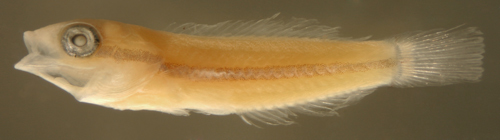
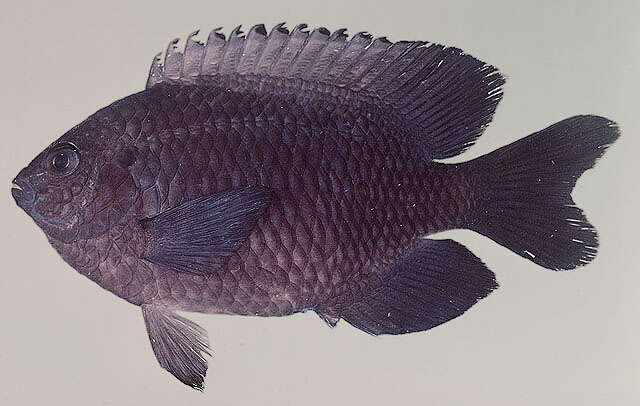

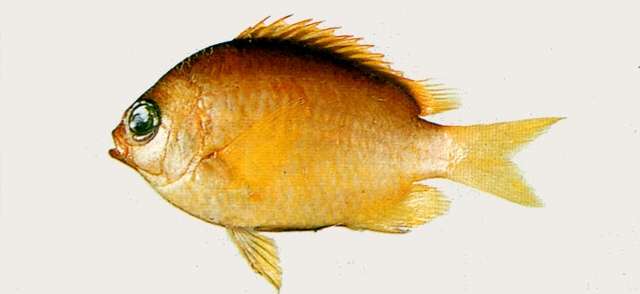







Species Identified
Halichoeres semicinctus (Ayres, 1859) (rock wrasse)
Stethojulis trilineata (Bloch and Schneider, 1801) (Threeline rainbowfish)
Often found on exposed reefs with shallow clear water. Usually swim in loose groups along upper parts of drop-offs or above reef crests .
Thalassoma cupido (Temminck and Schlegel, 1845) (Cupid wrasse)
Commercially cultured in Japan.
Choerodon schoenleinii (Valenciennes, 1839) (Green wrasse)
Inhabit flat sandy or weedy areas near lagoon and seaward reefs . Solitary. Feed mainly on hard-shelled prey including crustaceans, mollusks and sea urchins. Marketed mostly fresh. In Hong Kong live fish markets .
Halichoeres garnoti (Valenciennes, 1839) (yellowhead wrasse)
Commonly found on shallow and deep reefs and exposed rocky ledges. Feeds on various invertebrates. Forms leks during breeding . A protogynous hermaphrodite . Constantly on the move but easily attracted by divers. Generally of no interest to fisheries because of its small average size .
Pomacentrus agassizii Bliss, 1883 (Creole damsel)
Inhabits lagoon and inshore coral reefs .
Plectroglyphidodon sindonis (Jordan and Evermann, 1903) (Rock damselfish)
Found in very shallow water in the surge zone of exposed rocky shores . Benthopelagic . Feeds mainly on benthic algae and occasionally on small invertebrates .
Chromis analis (Cuvier, 1830) (Brown puller)
Usually inhabits steep outer reef slopes and rocky bottoms. Found singly or in small groups. Uncommon .
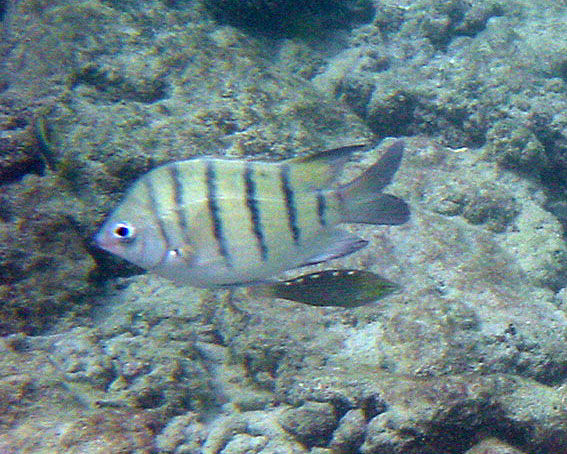
Abudefduf bengalensis (Bloch, 1787) (Bengal sergeant)
Occurs singly or in small groups in inshore reef and lagoon environments. Feeds on algae, gastropods, and small crabs. Highly territorial .
Pomachromis exilis (Allen and Emery, 1973) (Slender reef-damsel)
Inhabits lagoon and seaward reefs. A planktivorous species .
Pavona maldivensis (Gardiner, 1905) (Leaf coral)
zooxanthellate
Pavona minuta Wells, 1954 (Leaf coral)
zooxanthellate
Leptoseris foliosa Dinesen, 1980 (Porcelain coral)
zooxanthellate
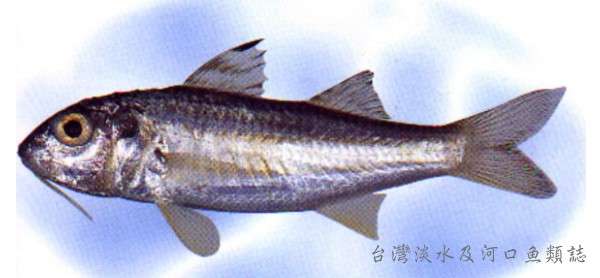
Upeneus sulphureus Cuvier, 1829 (Goat fish)
Found in coastal waters, entering estuaries . Forms schools . Has appearance of sillaginids when schooling .
Acanthurus leucopareius (Jenkins, 1903) (Whitebar surgeonfish)
Inhabits primarily boulder-strewn areas of surge zone and browses on filamentous algae . Benthopelagic . Often in schools . Minimum depth reported from Ref. 27115.
Acanthurus bahianus Castelnau, 1855 (Barber)
Inhabits shallow bottoms with coral or rocky formations . Usually occurs in groups of five or more individuals. Mainly diurnal species. Feeds on algae. The spine on both sides of the caudal peduncle may inflict painful wounds . Marketed fresh. Minimum depth reported from Ref. 27115.
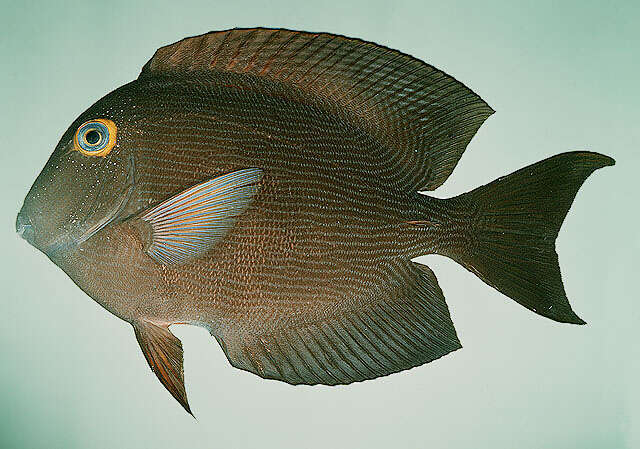
Ctenochaetus strigosus (Bennett, 1828) (Spotted surgeonfish)
Benthopelagic over coral, rock, and rubble . Solitary. Mainly diurnal . Feeds on detritus by whisking its comb-like teeth over the bottom as it closes its mouth .
Cuthona veronicae (A. E. Verrill, 1880)
Flabellina nobilis (A. E. Verrill, 1880)
Okenia quadricornis (Montagu, 1815) (seasquirt okenia)
Onchidoris grisea (Gould, 1870)
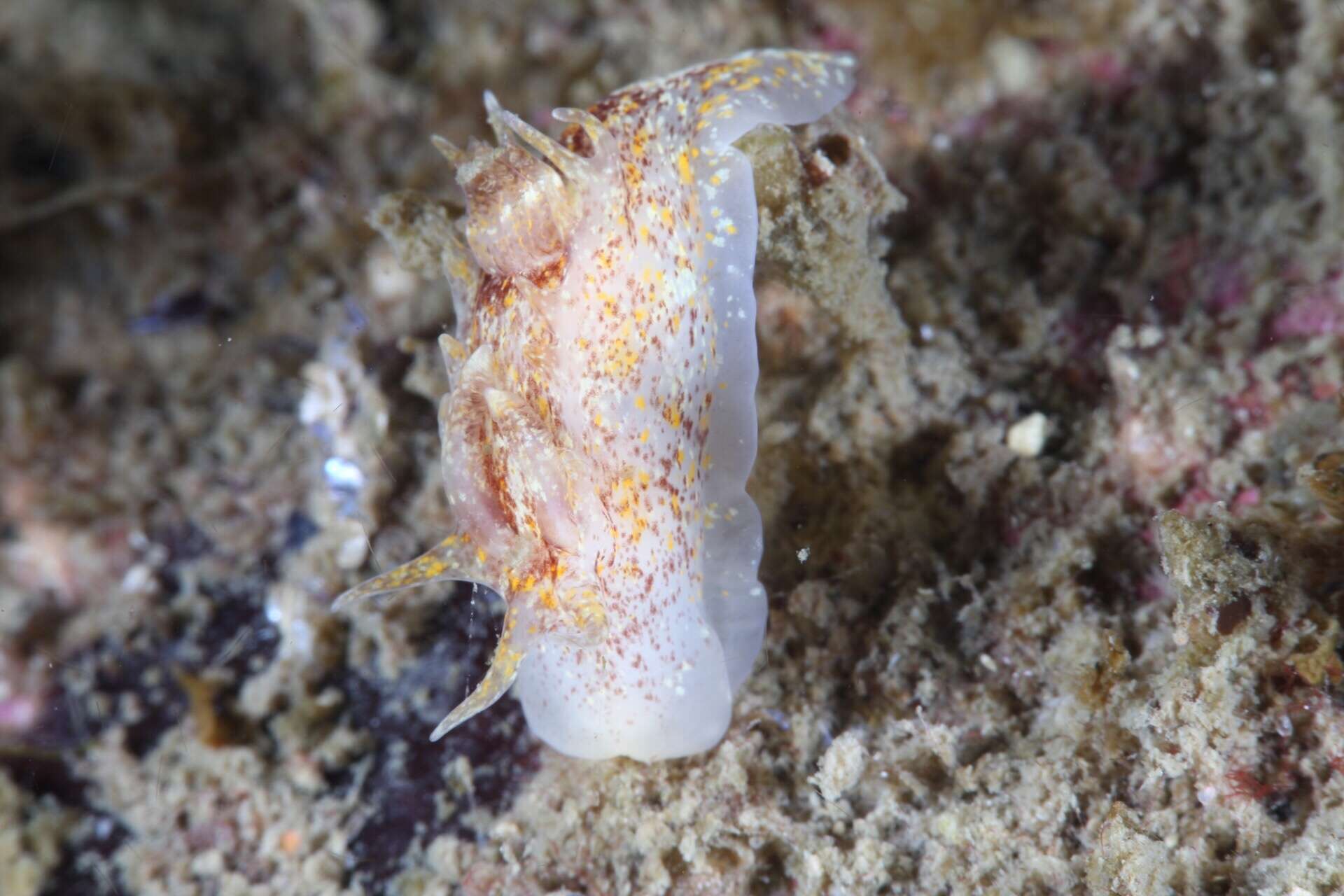
Doriopsilla pharpa Er. Marcus, 1961 (lemon drop)
Sakuraeolis enosimensis (Baba, 1930) (white-tentacle Japanes aeolis)
Discodoris heathi MacFarland, 1905 (gritty doris)
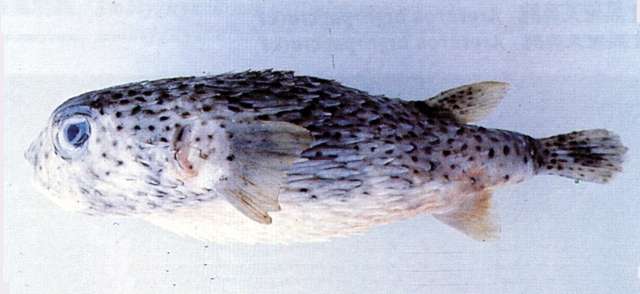
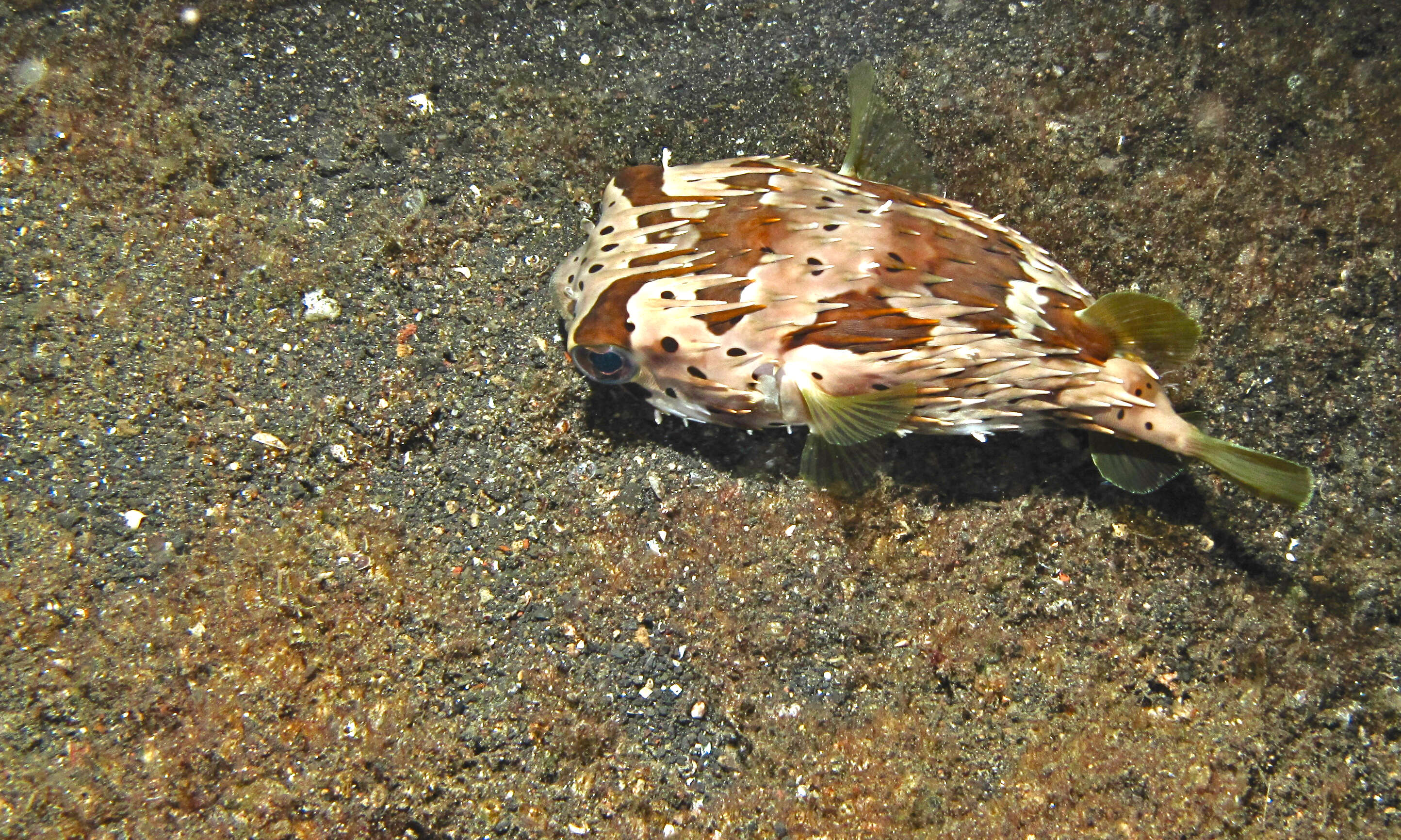
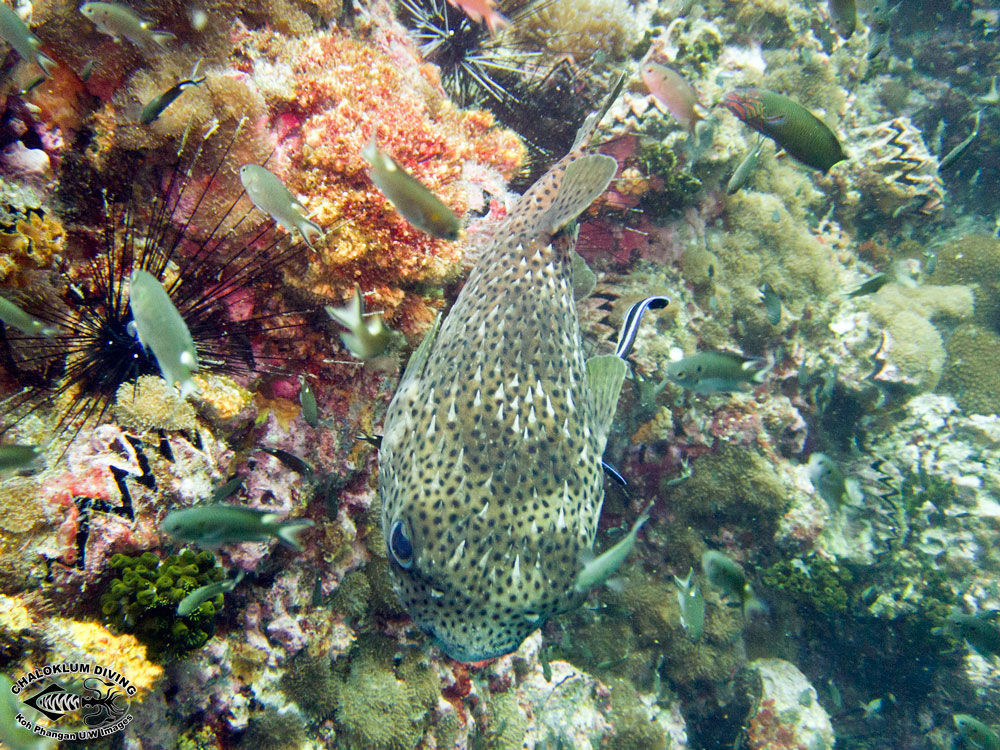
Diodon eydouxii Brisout de Barneville, 1846 (Pelagic porcupinefish)
Diodon liturosus Shaw, 1804 (Black-blotched porcupinefish)
Inhabits reef edges and slopes . Hides in caves and ledges during the day and forages at night . Also found below plate-corals during the day and often deep, ranging to at least 40 meters depth. Juveniles occur in lagoo...
Read More
Read More
Diodon holocanthus Linnaeus, 1758 (Long-spine porcupinefish)
Diodon hystrix Linnaeus, 1758 (Spot-fin porcupinefish)
Pomacanthus zonipectus (Gill, 1862) (Angelfish)
Share on Social Networks
- Facebook:

personalize your shared text as well as its destination (wall, page...) or send as a private message to a friend
- Twitter: Tweet personalize your tweet
- Google Plus:
Direct link to this dive
- Long link:
- Short link:


 We are participating today in the startup contest Techcrunch Disrupt. Support Diveboard by voting for us!
























































































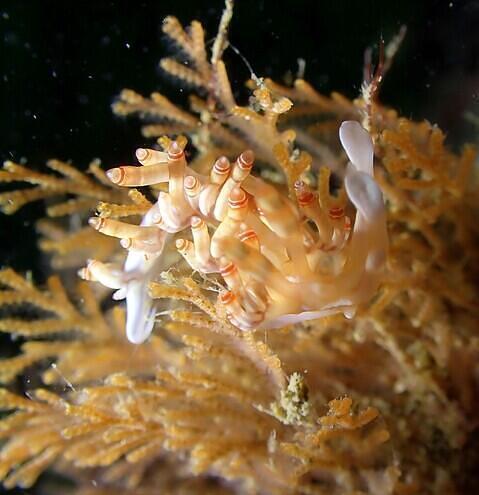
Single dive DBC end of pier. Windy conditions, choppy, silty chalky viz, current entire dive, slow but steady. found some small nudies ok pictures, got turned around heading to exit and swam over sand surfacing far from beach. Long surface.
multilevel
stayed on an East and West axis, not venturing far N or S