


 Beachnutts



 Philippines
-
Nº170
 Date: 2025-04-06 - 09:54
-
 Max Depth: 34.4m Duration: 91mins
Dive Location

- Temp: Surf 27°C Bottom 27°C
- Dive type : Recreational, Reef, Photo, Wall Dive
- Visibility: Average Water: Salt
Specific gear used
- BCD: Scubapro - Glide Plus
- Boots: Orca - Dive shoes
- Camera: Olympus - TG6
- Computer: Oceanic - OCS
- Knife: Scuba MAx - folding
- Lift bag: ScubaMax - SMB
- Mask: Promate - Scope
- Regulator: SEAC - Synchro
- Wet suit: Blue Ocean - Diveskin
- Fins: Force Fins - XL Blue Force
- Weights: 3.2 kg
Dive reviews
| Overall review | ||
| Dive difficulty | ||
| Marine life quality |
Recent Divers in Talikud Island, Davao
Recent Pictures in Talikud Island, Davao
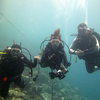
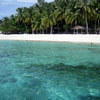
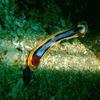
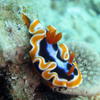
Dive Shop & Buddies
 Dive buddies:
Maeng

Link to this spot:
- Spot:
- Country:
- Area:
- Body of water:
Dive Profile
- 1. Air
- 10L Aluminium 207 → 21 bar
- Average depth: 23m
Data provided by EOL.org





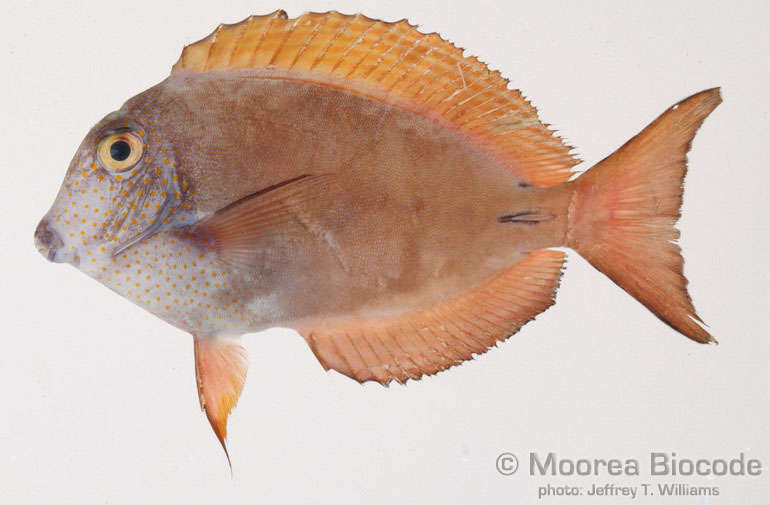

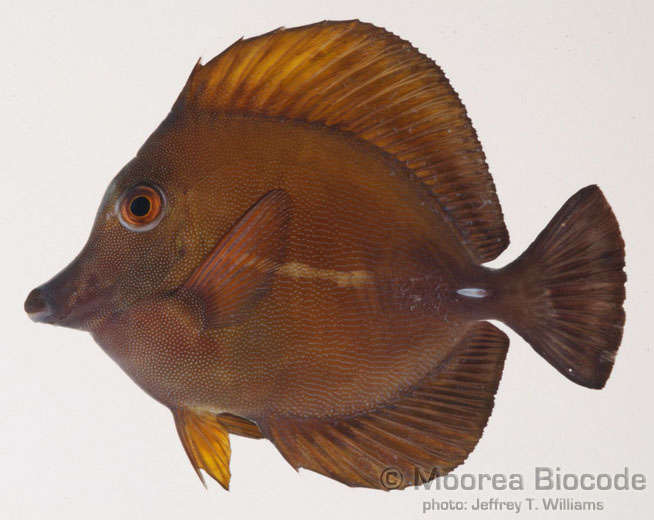

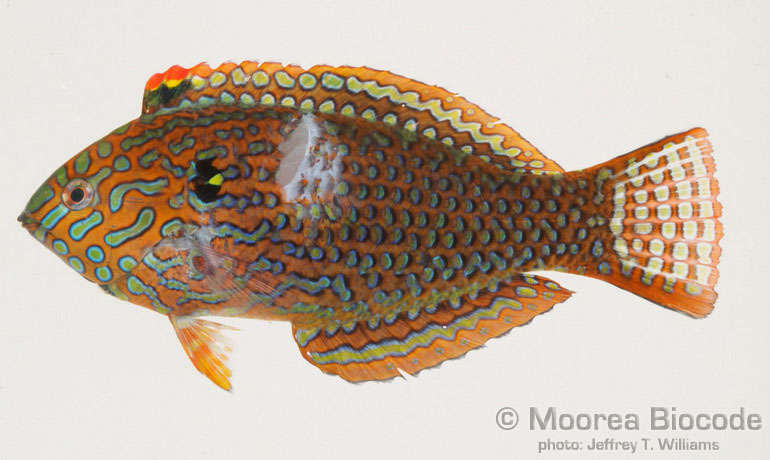







Species Identified
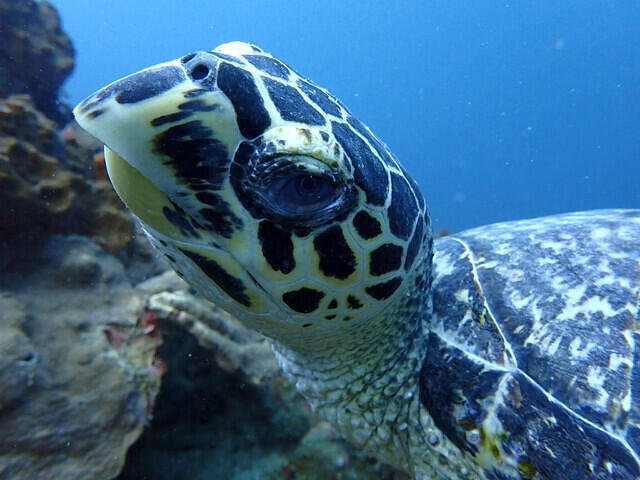
Eretmochelys imbricata (LINNAEUS) 1766 (Hawksbill Turtle)
Hawksbills may take decades to mature and it could be between 20 to 40 years before they are ready to breed . Upon reaching sexual maturity, a female will typically lay up to five clutches of around 100 to 140 eggs in one ...
Read More
Read More
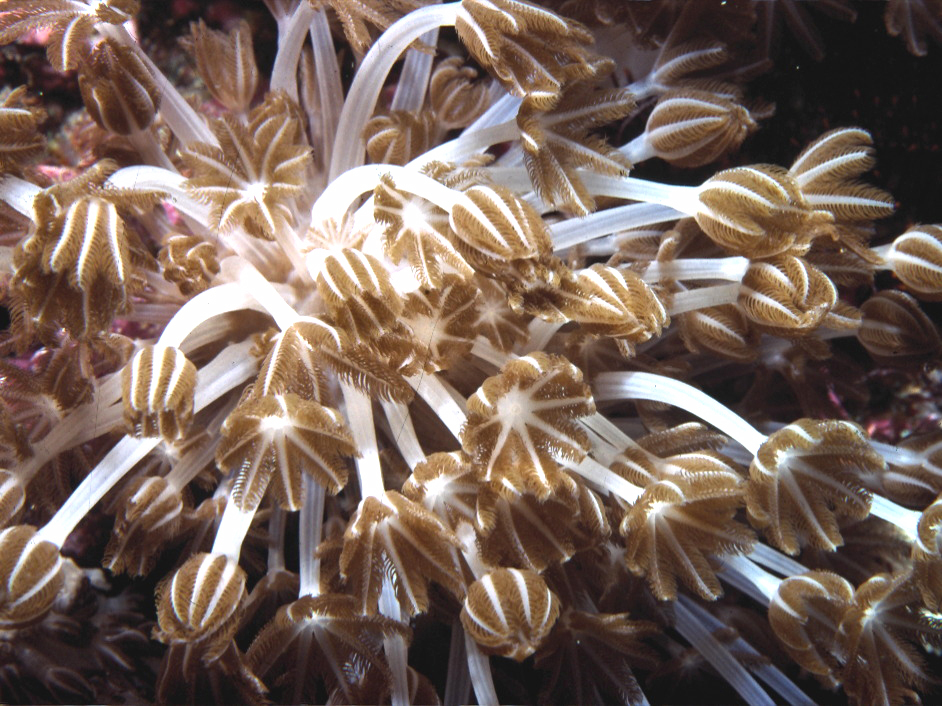
Xenia actuosa Verseveldt & Tursch, 1979
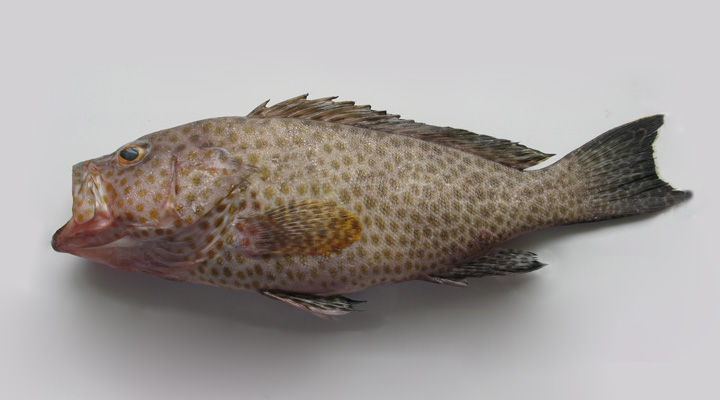
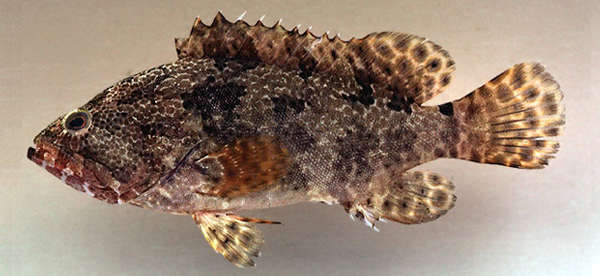
Epinephelus areolatus (Forsskål, 1775) (yellowspotted rockcod)
Usually found in seagrass beds or on fine sediment bottoms near rocky reefs, dead coral, or alcyonarians , in shallow continental shelf waters . Juveniles are common at water depths to 80 m . Probably spawn during restri...
Read More
Read More
Epinephelus fasciatomaculosus (Peters, 1865) (Rock grouper)
Inhabits shallow rocky areas and feeds on small fishes, prawns, crabs, worms, and gastropods. An excellent food fish and brings a good price.
Epinephelus polyphekadion (Bleeker, 1849) (Camouflage grouper)
Usually found in coral-rich areas of lagoon and outer reefs; in caves and large crevices to swim through . Most abundant around islands, particularly atolls. Usually in small schools. Feeds mainly on crustaceans and fi...
Read More
Read More
Epinephelus awoara (Temminck and Schlegel, 1842) (Yellow grouper)
Occurs in rocky areas as well as on sandy-mud bottoms. Juveniles are common in tide pools. In captivity, the species is aggressive, chasing and biting other species, especially members of its own species. Protogynous he...
Read More
Read More
Isacia conceptionis (Cuvier, 1830) (Cabinza grunt)
Over rocky and sandy bottoms. Maximum size assumed to be the same as for the family. Feeds on small crustaceans such as isopods and amphipods but also on polychaetes and algae.
Plectorhinchus schotaf (Forsskål, 1775) (Minstrel sweetlip)
Found around rocks and corals from the surf zone to a depth of 80 m . Enters estuaries and rivers in Seychelles, Madagascar and South Africa . Juveniles occur in tide pools .
Pomadasys stridens (Forsskål, 1775) (Striped piggy)
Inhabits coastal waters . Feeds on crustaceans and fishes .
Pomadasys striatus (Gilchrist and Thompson, 1908) (striped grunter)
Found mainly around fringing reefs.
Pomadasys guoraca (Cuvier, 1829) (indian grunter)
Haemulopsis nitidus (Steindachner, 1869) (Grunt)
Orthopristis chalceus (Günther, 1864) (Brassy grunt)
Pomadasys branickii (Steindachner, 1879) (Grunt)
Pomadasys panamensis (Steindachner, 1876) (Grunt)
Haemulopsis axillaris (Steindachner, 1869) (burro blanco)
Microlepidotus brevipinnis (Steindachner, 1869) (Grunt)
Anisotremus caesius (Jordan and Gilbert, 1882) (Grunt)
Plectorhinchus mediterraneus (Guichenot, 1850) (Rubberlip grunt)
Inhabits sandy and muddy bottoms. Feeds on zoobenthos and zooplankton . Minimum depth reported from Ref. 5535.
Anisotremus davidsonii (Steindachner, 1876) (Xantic sargo)
Pomadasys olivaceus (Day, 1875) (Olive grunt)
Inhabits coastal waters . Plentiful in tidal estuaries . Large shoals of juveniles occur around shallow water reefs where they consume shrimps and other small invertebrates, being themselves eaten by larger fish; larger ...
Read More
Read More
Plectorhinchus chaetodonoides Lacepède, 1801 (Harlequin sweetlips)
Inhabits coral-rich areas of clear lagoon and seaward reefs. Adults are solitary, near and under ledges or caves by day. Juveniles are found among corals . Feeds on crustaceans, mollusks, and fishes at night. Juveniles...
Read More
Read More
Pomadasys unimaculatus Tian, 1982 (Red patched grunter)
Occurs in mixed sandy and muddy bottom .
Pomadasys multimaculatum (Playfair, 1867) (Cock grunter)
Anisotremus pacifici (Günther, 1864) (Carruco sargo)
Anisotremus interruptus (Gill, 1862) (Grunt)
Anisotremus dovii (Günther, 1864) (Spotted head sargo)
Haemulon flaviguttatum Gill, 1862 (Grunt)
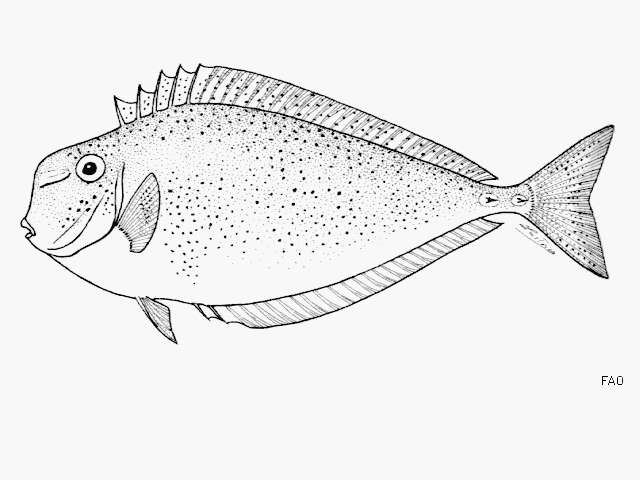
Naso thynnoides (Cuvier, 1829) (Oneknife unicornfish)
Generally uncommon species found in steep outer lagoon and seaward reef slopes . Maximum depth reported at 40m Occurs singly or in large schools . Usually seen swimming steadily along upper edges of drop-offs in pursuit...
Read More
Read More
Naso tuberosus Lacepède, 1801 (Humpnose unicornfish)
Occurs in coral reefs. Diet consisted a high proportion of the green alga, Caulerpa.
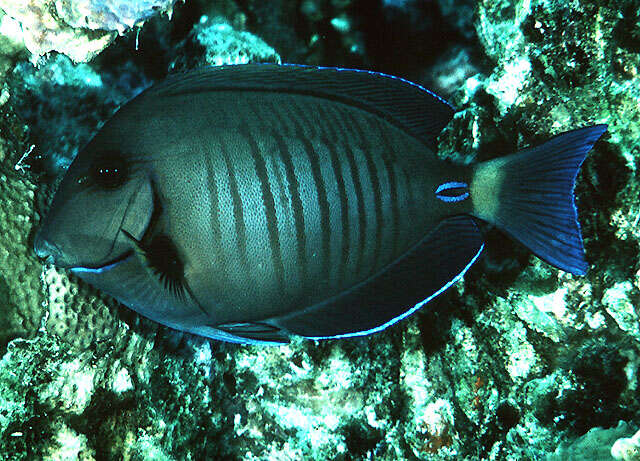
Acanthurus grammoptilus Richardson, 1843 (Finelined surgeonfish)
Inhabits silty coastal reefs . A good food fish .
Acanthurus chirurgus (Bloch, 1787) (Black doctorfish)
Inhabits shallow reefs or rocky areas. Found in loose aggregations . Mainly diurnal. Ingests sand when feeding on algae . The spine on both sides of the caudal peduncle may inflict painful wounds . Minimum depth repor...
Read More
Read More
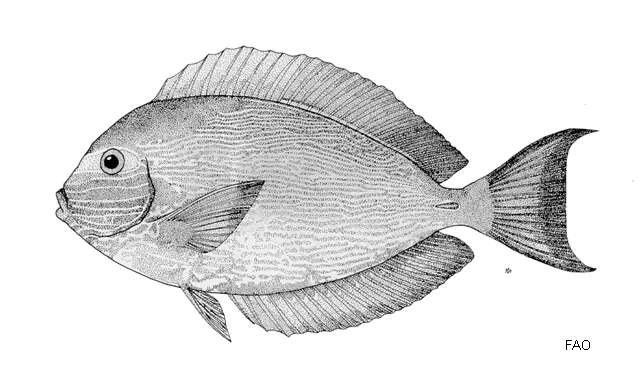
Acanthurus mata (Cuvier, 1829) (Elongate surgeonfish)
Inhabit steep slopes, often in turbid waters, generally in the vicinity of coral reefs or rocky bottoms. Form resident spawning aggregations . Adults often seen in schools, feeding mid-water on plankton . Feed on zooplankton. Marketed fresh. Flesh is almost never poisonous .
Acanthurus nigrofuscus (Forsskål, 1775) (Brown surgeonfish)
Found on hard substrates of shallow lagoon and seaward reefs from the lower surge zone to a depth of more than 15 m . Benthopelagic . Feed on filamentous algae. Form spawning aggregations . Adults usually in small grou...
Read More
Read More
Prionurus biafraensis (Blache and Rossignol, 1961) (Biafra doctorfish)
A neritic, littoral species .
Zebrasoma scopas (Cuvier, 1829) (Twotone tang)
Occurs in coral-rich areas of lagoon and seaward reefs. Graze on algae, usually in groups of 20 individuals . Adults usually in small groups and sometimes schooling. Juveniles solitary and usually among corals . Its num...
Read More
Read More
Zebrasoma veliferum (Bloch, 1795) (Desjardin's sailfin tang)
Macropharyngodon meleagris (Valenciennes, 1839) (Blackspotted wrasse)
Inhabits subtidal reef flats and outer lagoon and seaward reefs . Usually in areas with mixed sand, rubble, and coral . Feeds mainly on gastropods, other hard-shelled prey , and foraminiferans . Rarely marketed. Minimum depth reported from Ref. 27115.
Halichoeres semicinctus (Ayres, 1859) (rock wrasse)
Bodianus mesothorax (Bloch and Schneider, 1801) (Splitlevel hogfish)
Ranging into subtropical zones as juveniles expatriates caused by warm currents during pelagic stage . Inhabit coral-rich outer reef slopes at depths of 5 to over 20 m, particularly near caves. Juveniles in caves; adults...
Read More
Read More
Labroides dimidiatus (Valenciennes, 1839) (Bluestreak cleaner wrasse)
Inhabits coral rich areas of inner lagoons and subtidal reef flats to seaward reefs . Feeds on crustacean ectoparasites and mucus of other fishes . Monogamous . A protogynous hermaphrodite . Stays in stations where oth...
Read More
Read More
Stethojulis interrupta (Bleeker, 1851) (One-line rainbowfish)
Coastal to outer reef crests. In Japan, it is found in areas of mixed sand, rock and coral . Occurs in small groups to about 20 m depth . Feeds by sorting small animals from mouthfuls of sand and detritus.
Choerodon robustus (Günther, 1862) (Robust tuskfish)
Usually solitary . Found on deeper coral and rocky reefs. Feeds mainly on hard-shelled prey including crustaceans, mollusks and sea urchins .
Priacanthus meeki Jenkins, 1903 (Hawaiian bigeye)
Inhabit clear lagoon and seaward reefs. Found under ledges during the day . Benthopelagic . Spawning may occur by December or soon after. Sound production has been studied in this species .
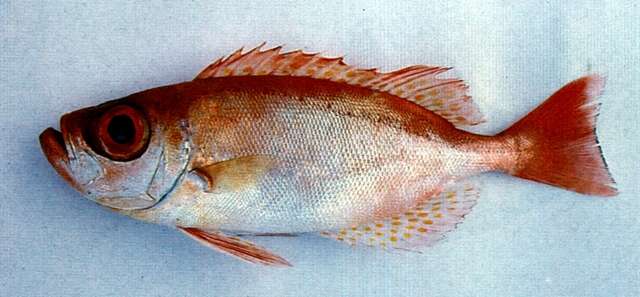
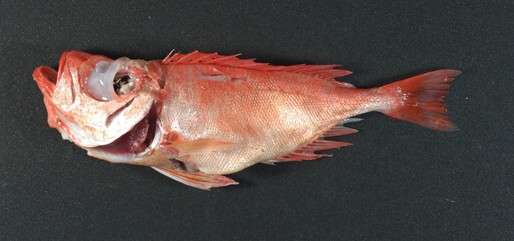
Priacanthus macracanthus Cuvier, 1829 (Red bigeye)
Occurs in inshore and offshore reefs from less than 20 m to more than 400 m depths. Apparently forms aggregations in open bottom areas and is very abundant in the South China Sea and Andaman Sea. Marketed fresh, whole. Sound production has been studied in this species.
Priacanthus sagittarius Starnes, 1988 (Arrow bulleye)
In sheltered reefs in moderate depths, usually in caves or under coral plates ; may also be found in rocky and open areas.
Priacanthus fitchi Starnes, 1988 (Deepsea bigeye)
A deeper water species trawled from relatively open bottoms at depths of 150 to over 400 m.
Priacanthus zaiserae Starnes & Moyer, 1988 (Kibire-kintoki)
In rocky bottom areas.
Leptanthura boweni Poore, 1981A
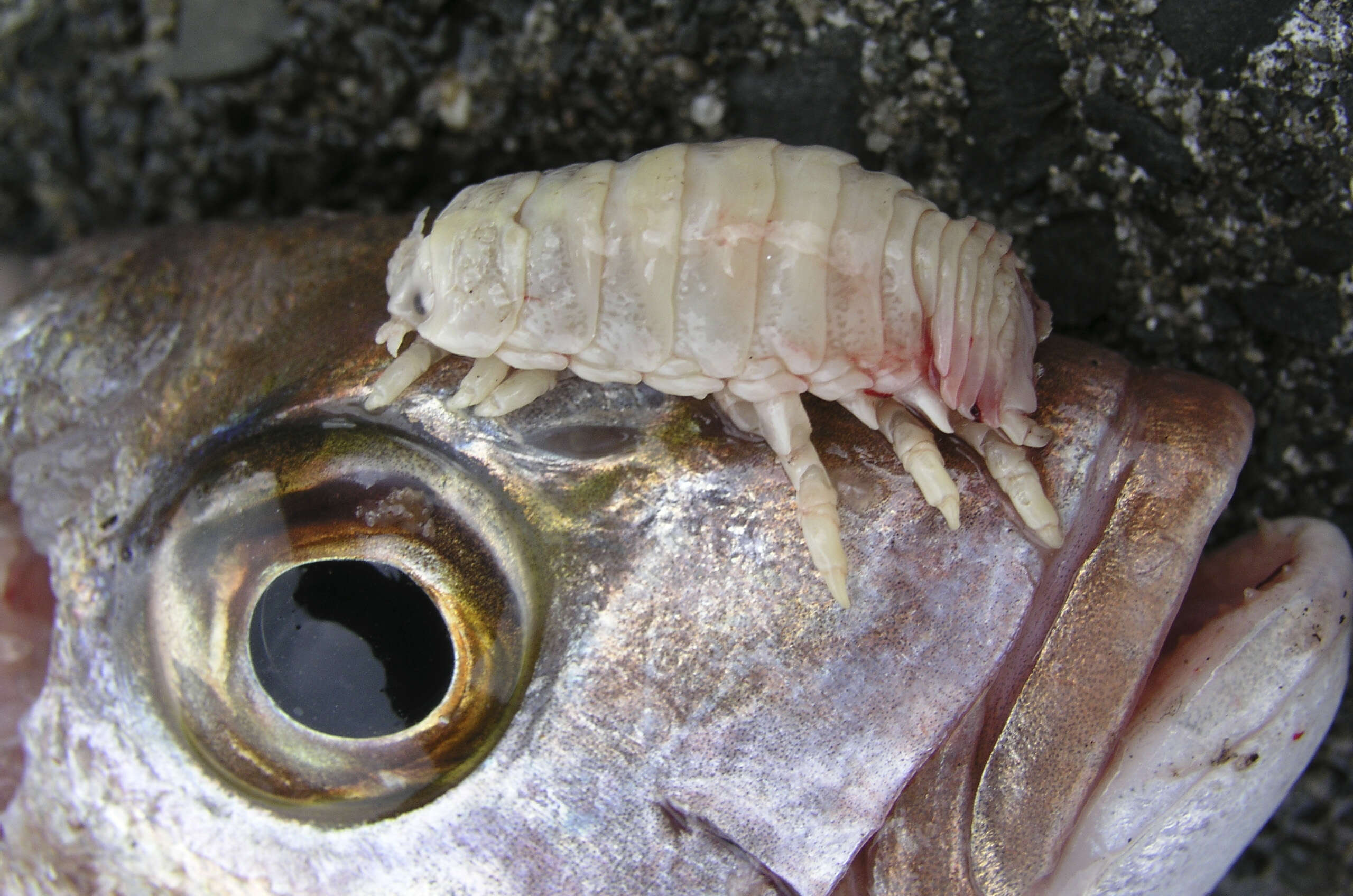
Cymothoa exigua Schioedte & Meinert, 1884 (Cymothoa exigua)
Podon intermedius Lilljeborg, 1853
Munnopsurus ochotensis Gurjanova, 1933B
Mesosignum latum Birstein, 1970
Paradella tuberculata Muller, 1991E
Share on Social Networks
- Facebook:

personalize your shared text as well as its destination (wall, page...) or send as a private message to a friend
- Twitter: Tweet personalize your tweet
- Google Plus:
Direct link to this dive
- Long link:
- Short link:


 We are participating today in the startup contest Techcrunch Disrupt. Support Diveboard by voting for us!
























































































1st dive 2 tanker aboard Datu Budas Mansud Wall in reverse, start at Dadatan Rock and swim drift to East follow wall and slopes almost to pier
Highlight sitting on ledge with feeding Hawksbill turle like 20 minutes, photos
Samal Sardine Run
solo, multilevel