


 Beachnutts



 Philippines
-
Nº125
 Date: 2024-03-12 - 12:58
-
 Max Depth: 22.3m Duration: 77mins
Dive Location

- Temp: Surf 25°C Bottom 25°C
- Dive type : Recreational, Reef, Photo
- Visibility: Good Water: Salt
Specific gear used
- BCD: Scubapro - Glide Plus
- Boots: Orca - Dive shoes
- Camera: Olympus - TG6
- Compass:
- Computer: Oceanic - OCS
- Fins: Scubapro - Jet Fins
- Knife: Scuba MAx - folding
- Lift bag: ScubaMax - SMB
- Light: Sofirn - SD05
- Regulator: Aqua Lung - Legend LX
- Regulator: Aqualung - Calypso
- Wet suit: Blue Ocean - Diveskin
- Weights: 3.2 kg
Dive reviews
| Overall review | ||
| Dive difficulty | ||
| Marine life quality |
Dive Shop & Buddies
 Dive with Blake Auge
 Dive buddies:
Beachnutts

Link to this spot:
- Spot:
- Country:
- Area:
- Body of water:
Dive Profile
- 1. Air
- 10L Aluminium 207 → 21 bar
- Average depth: 14.8m
Data provided by EOL.org







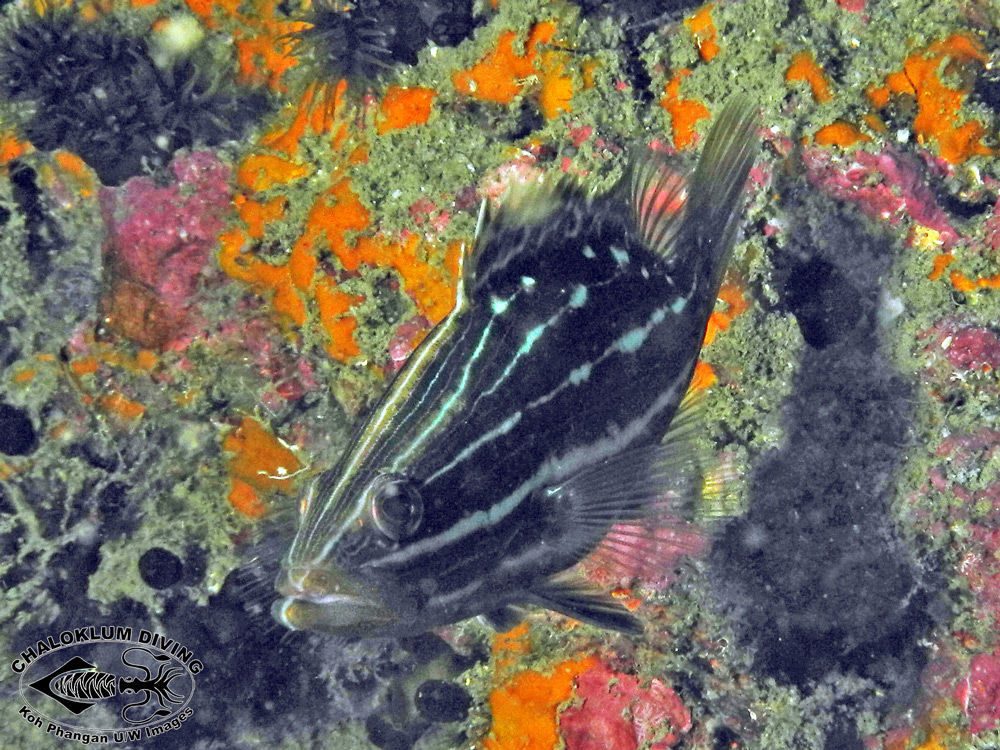

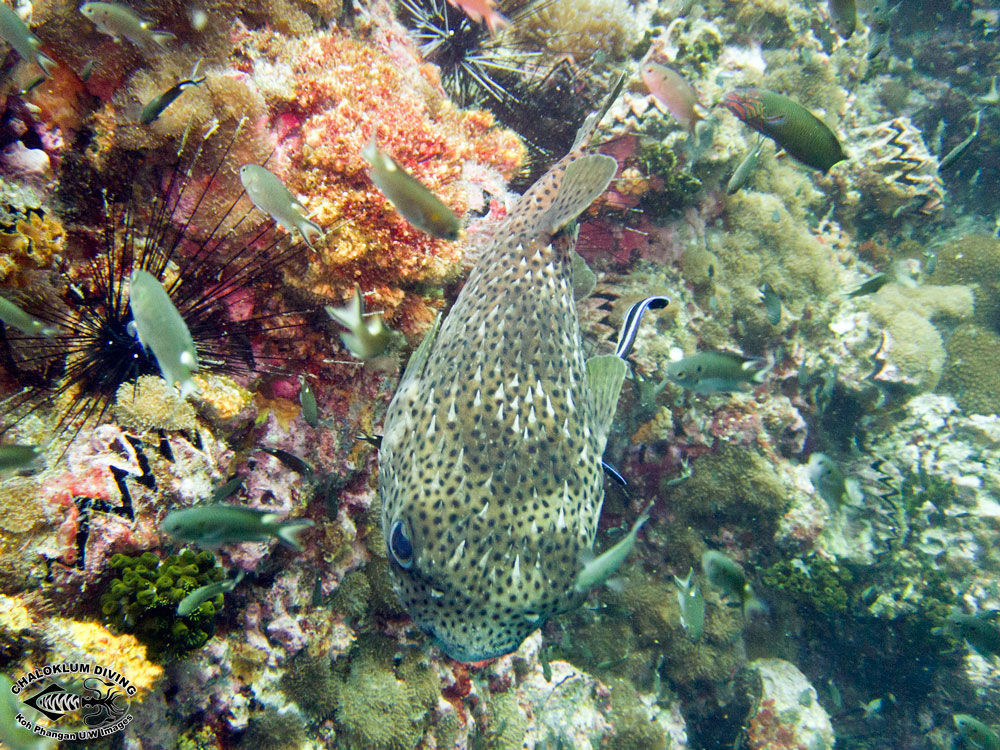
Species Identified
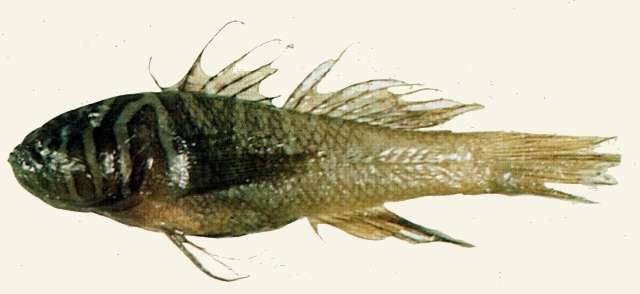
Priolepis semidoliata (Valenciennes, 1837) (Girdled goby)
Benthic in caves and crevices of seaward reefs .
Bathygobius fuscus (Rüppell, 1830) (Dusky frillgoby)
Inhabits shallow rocky areas, often in pools of the intertidal zone . Occurs mostly in coastal areas. Also found in estuaries, tidal zones and often ascending into freshwater streams. Sometimes seen as fresh catches at markets .
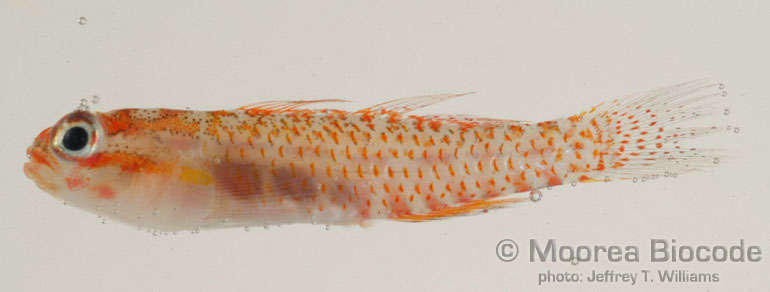
Eviota albolineata Jewett & Lachner, 1983 (Spotted fringefin goby)
Occurs in shallow lagoon and channel reefs at depths usually less than 3 m.
Trimma tevegae Cohen & Davis, 1969 (Blue-striped cave goby)
Inhabits coastal to outer reefs, typically in small groups in caves . Forms loose aggregations associated with shallow pockets and caves of steep drop-offs. Hovers in a head-up position and feeds on copepods .
Meiacanthus grammistes (Valenciennes, 1836) (Grammistes blenny)
A solitary species found in sheltered lagoon and seaward reefs . Occasionally several together in close vicinity to each other . Oviparous . Eggs are demersal and adhesive . Several geographical variations and is mimic...
Read More
Read More
Entomacrodus thalassinus (Jordan & Seale, 1906) (Sea blenny)
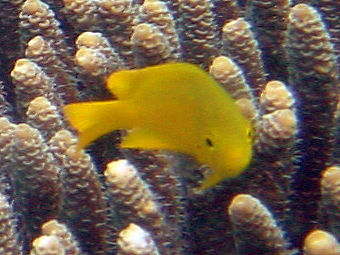
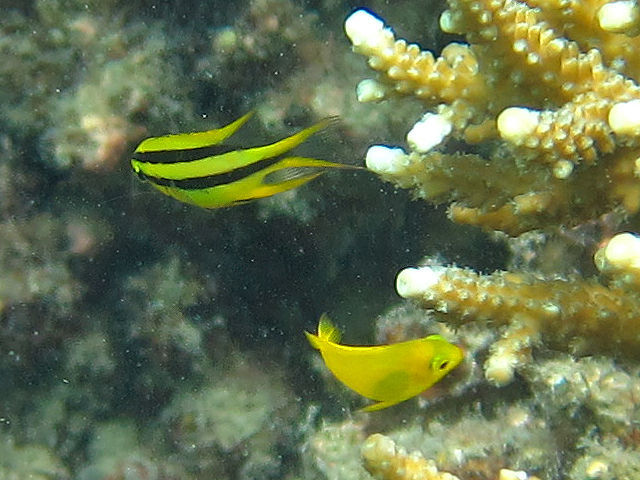
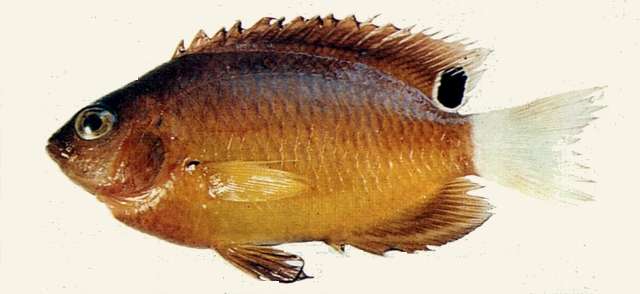
Pomacentrus moluccensis Bleeker, 1853 (Lemon damsel)
Inhabits clear lagoon and seaward reefs among branching corals. Occurs in small aggregations. Feeds mainly on algae and planktonic crustaceans.
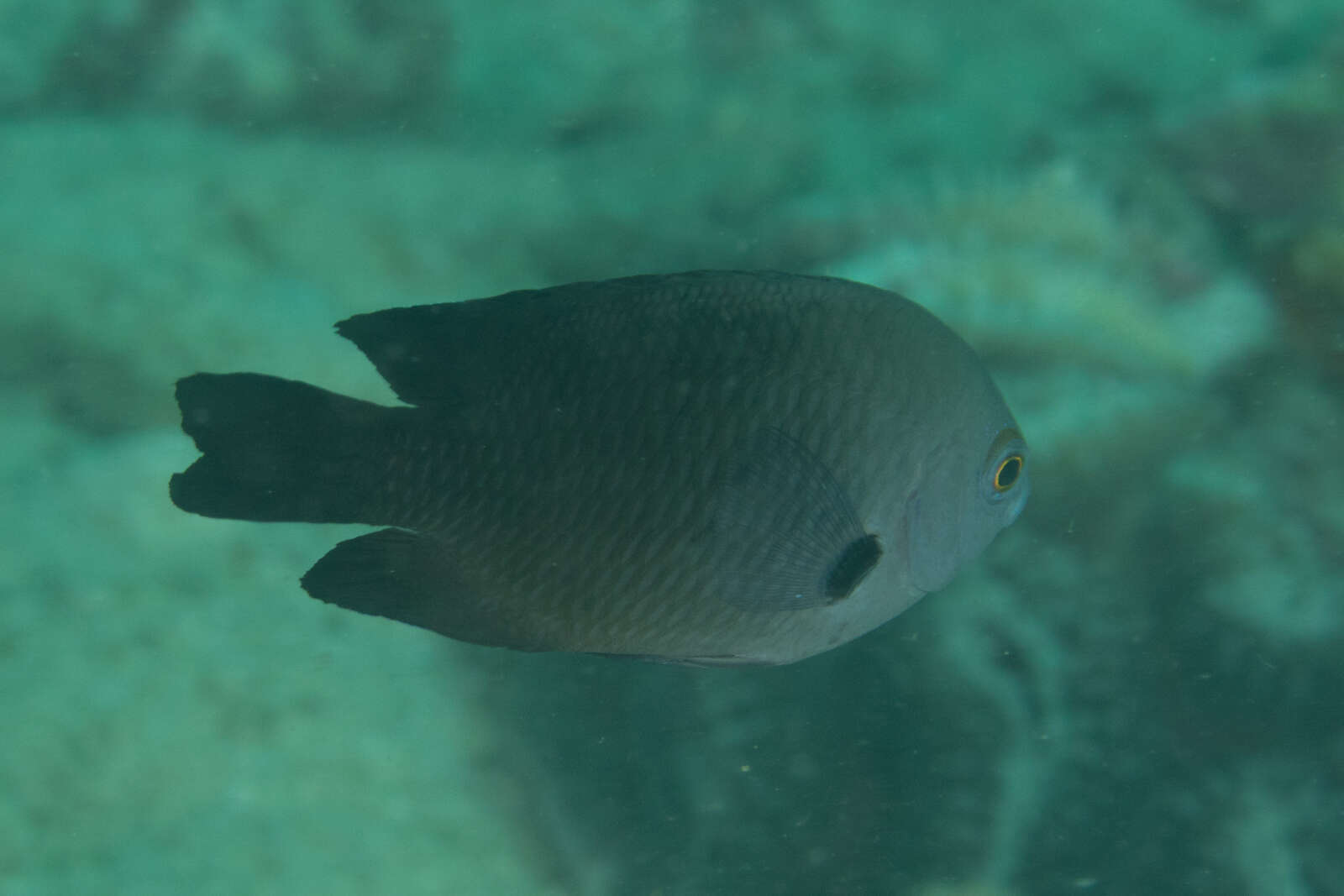
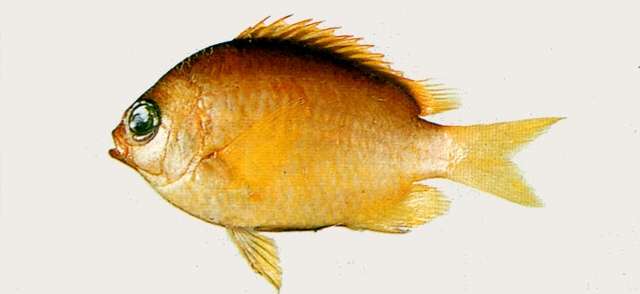
Neoglyphidodon nigroris (Cuvier, 1830) (Yellowfin damsel)
Two forms: long-tailed and black as adults occurs in the Andaman Sea, ranging east to western Bali and north to Japan. Second form, probably valid as N. xanthurus occurs in the rest of the West Pacific and the two overla...
Read More
Read More
Chrysiptera biocellata (Quoy and Gaimard, 1825) (bluebanded damselfish)
Occurs in protected inner reef flats and shallow lagoons and channels, over rubble and rocky outcrops. Feeds primarily on filamentous algae.
Chromis weberi Fowler and Bean, 1928 (Weber's chromis)
Occurs singly or in small to large aggregations in passes and steep outer reef slopes.
Dascyllus trimaculatus (Rüppell, 1829) (threespot humbug)
Inhabits coral and rocky reefs, juveniles often commensal with large sea anemones, sea urchins, or small coral heads . Occurs in small to large aggregations. Stomach contents include algae, copepods, and other planktonic crustaceans.
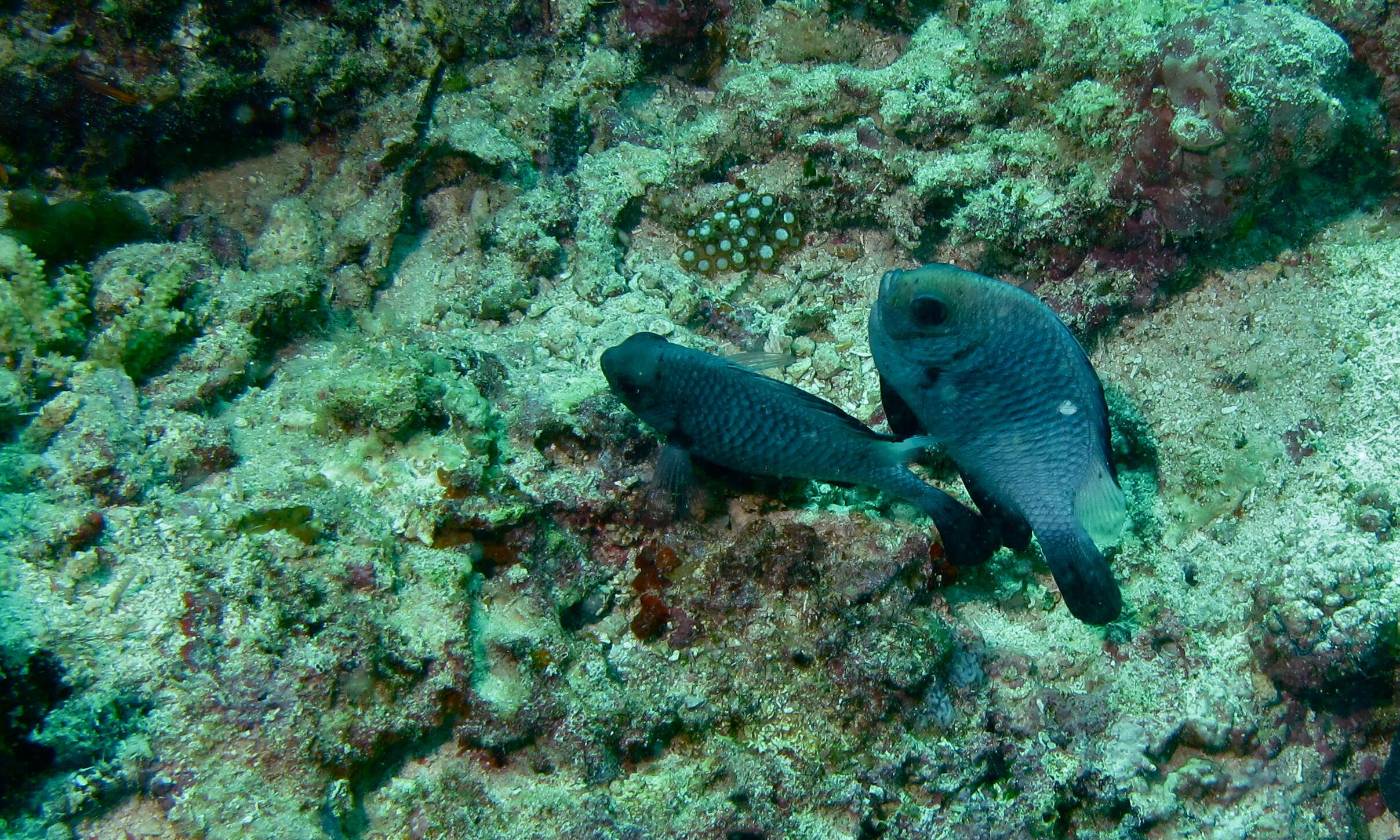
Pomacentrus brachialis Cuvier, 1830 (Charcoal damsel)
Found in passages and outer reef slopes ; also in current prone and clear water reef flats to 40 m depth . Occurs singly or in small groups . Feeds on zooplankton and benthic algae .
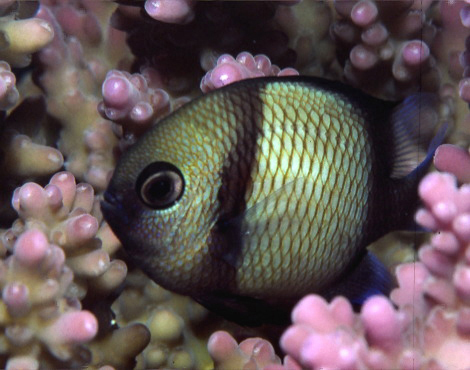
Chromis retrofasciata Weber, 1913 (Black-bar chromis)
Inhabits coral-rich areas of clear lagoon and seaward reefs. Occurs singly or in small groups and remains close to thickly branching coral shelter .
Pomacentrus bankanensis Bleeker, 1853 (Speckled damselfish)
Occurs solitarily or in small groups in lagoons, reef flats, passages, and outer reef slopes. Usually amongst coarse rubble or rock . Feeds primarily on algae, but also takes copepods, isopods, and pelagic tunicates.
Dascyllus reticulatus (Richardson, 1846) (twostriped damselfish)
Occurs in outer lagoon and seaward reefs. Inhabits branching coral heads, particularly Pocillopora eydouxi. Forms schools, often in silty habitats . Male prepares a nest by cleaning with its mouth a rock or coral surface where the female will attach the eggs .
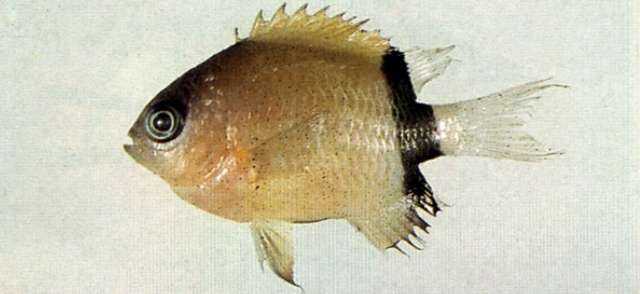
Chromis analis (Cuvier, 1830) (Brown puller)
Usually inhabits steep outer reef slopes and rocky bottoms. Found singly or in small groups. Uncommon .
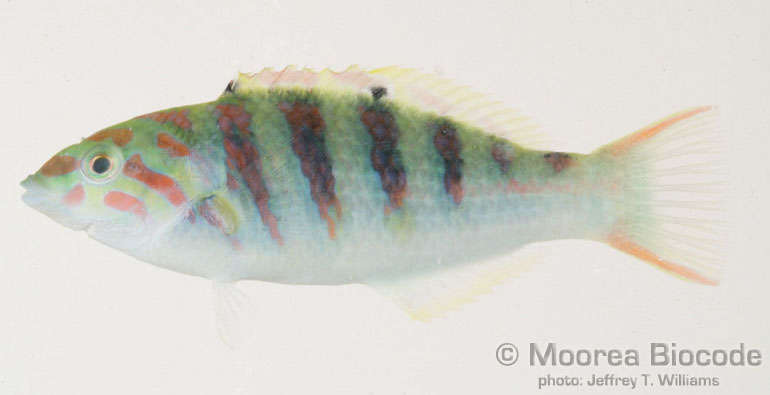
Thalassoma hardwicke (Bennett, 1830) (Sixbar wrasse)
Occurs in shallow lagoon and seaward reefs, slopes and along drop-offs to moderate depths. Occurs in small, loose groups . Feeds on benthic and planktonic crustaceans, small fishes, and foraminiferans.
Cheilinus trilobatus Lacepède, 1801 (Tripletail wrasse)
Adults inhabit lagoon and seaward reefs at depths of 1 to over 30 m, and relatively common along shallow reef margins with good coral cover . Usually solitary . Feed mainly on shelled benthic invertebrates such as mollus...
Read More
Read More
Labroides dimidiatus (Valenciennes, 1839) (Bluestreak cleaner wrasse)
Inhabits coral rich areas of inner lagoons and subtidal reef flats to seaward reefs . Feeds on crustacean ectoparasites and mucus of other fishes . Monogamous . A protogynous hermaphrodite . Stays in stations where oth...
Read More
Read More
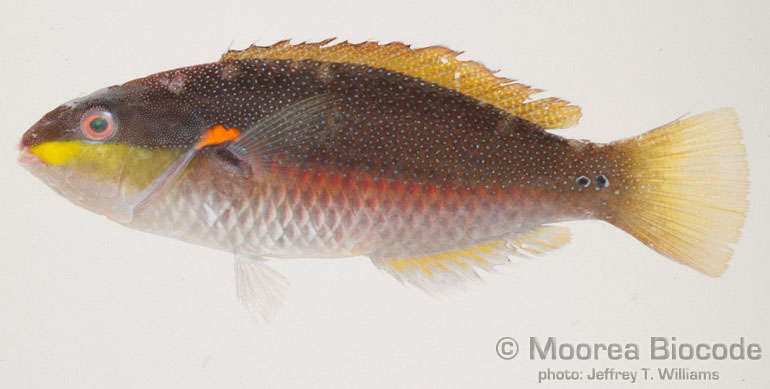
Stethojulis bandanensis (Bleeker, 1851) (Red shoulder wrasse)
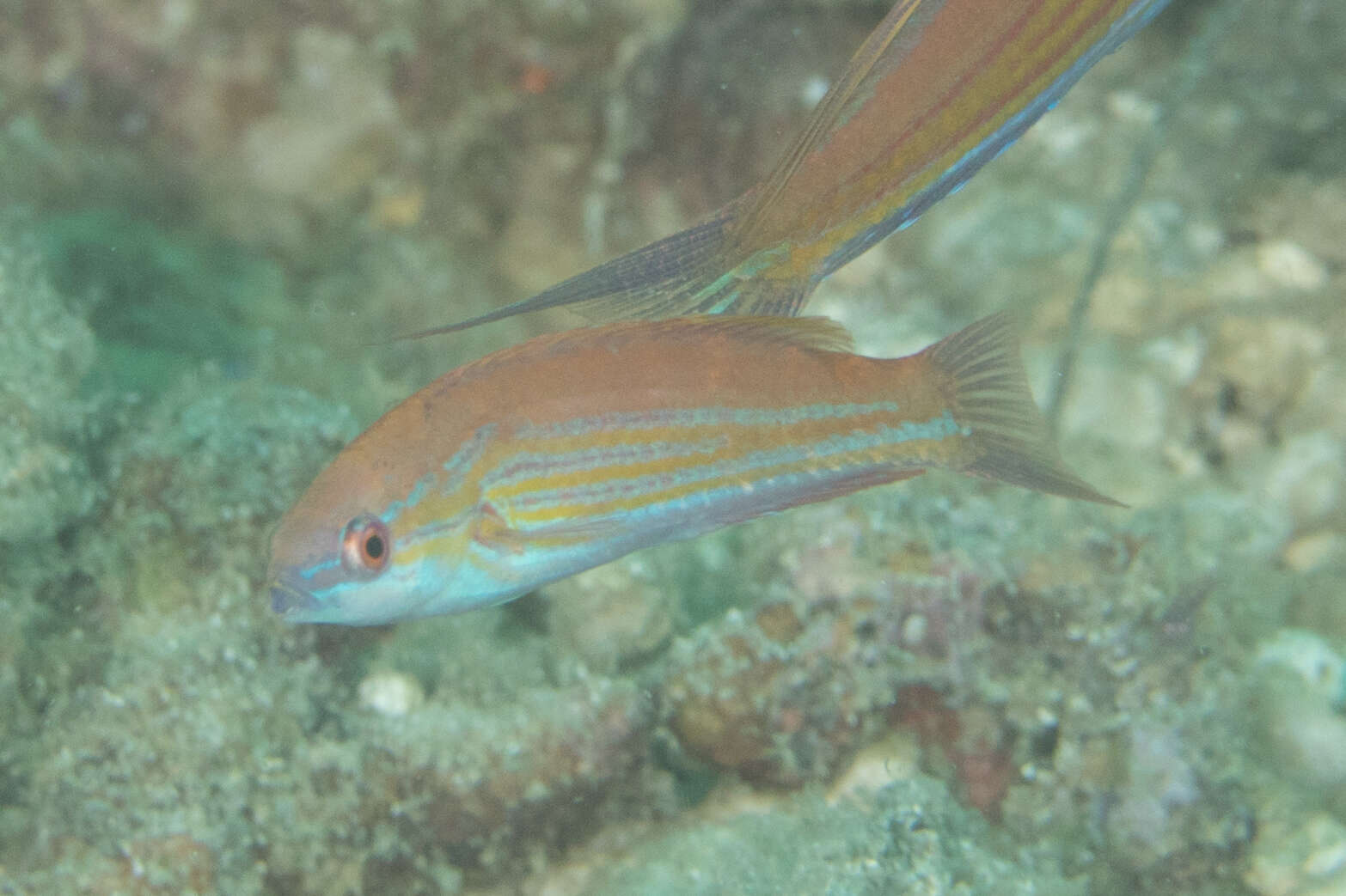
Paracheilinus filamentosus Allen, 1974 (Filamentous wrasse)
Found in rubble areas in passages and outer reef slopes. Also occurs in lagoons. Feeds on zooplankton and other benthic invertebrates. Some geographical variations of nuptial males that are influenced by the presence of...
Read More
Read More
Thalassoma amblycephalum (Bleeker, 1856) (Bluntheaded wrasse)
Occurs in aggregations over shallow lagoon and seaward reefs and on reef flats . Feeds mainly on crustacean zooplankton . Rarely marketed.
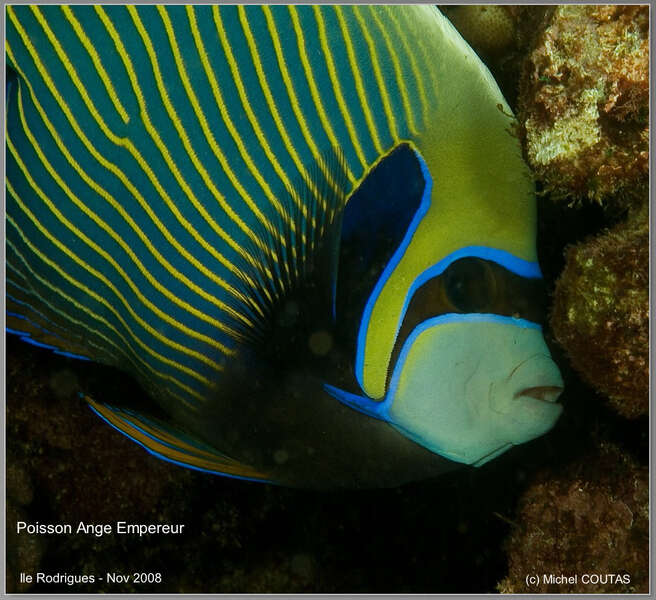
Pomacanthus imperator (Bloch, 1787) (Angel fish)
Juveniles are encountered under ledges, or in holes of outer lagoon patch reefs or semi-protected areas of exposed channels and outer reef flats. Subadults move to reef front holes and surge channels. Large adults inhabi...
Read More
Read More
Anyperodon leucogrammicus (Valenciennes, 1828) (Balala)
Inhabits coral rich areas and clear waters on lagoon and seaward reefs. Feeds mainly on fishes and probably on crustaceans. The distinctive blue and gold striped juveniles are mimics of the wrasse Halichoeres purpurescen...
Read More
Read More
Gymnothorax pictus (Ahl, 1789) (Moray)
Adults inhabit reef flats and rocky intertidal shorelines. Feed on small fishes and crustaceans, sometimes leaving the water in pursuit of prey . Benthic . Simultaneous hermaphroditism is confirmed for this species . Caught with various nets .
Canthigaster ocellicincta Allen & Randall, 1977 (Shy toby)
Inhabits invertebrate-rich inshore reef to outer reef walls where usually in caves in depths of about 25 meters or more. Found singly or in pairs and on one occasion a small groups was observed among plate-corals on soft ...
Read More
Read More
Canthigaster coronata (Vaillant & Sauvage, 1875) (Crowned puffer)
Found mostly below depths of 23 m, but occasionally seen in as little as 6 m . Benthopelagic . Usually found on sand or sand and rubble bottom or algal flats, often in the vicinity of coral reefs . Feed on a wide variet...
Read More
Read More
Diodon hystrix Linnaeus, 1758 (Spot-fin porcupinefish)
Diodon liturosus Shaw, 1804 (Black-blotched porcupinefish)
Inhabits reef edges and slopes . Hides in caves and ledges during the day and forages at night . Also found below plate-corals during the day and often deep, ranging to at least 40 meters depth. Juveniles occur in lagoo...
Read More
Read More
Share on Social Networks
- Facebook:

personalize your shared text as well as its destination (wall, page...) or send as a private message to a friend
- Twitter: Tweet personalize your tweet
- Google Plus:
Direct link to this dive
- Long link:
- Short link:


 We are participating today in the startup contest Techcrunch Disrupt. Support Diveboard by voting for us!
























































































Single dive DBC
low tide at 1:04pm
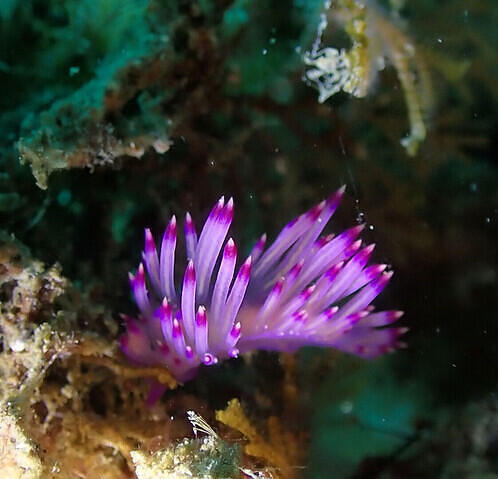
Drop in end of pier at slack tide, learning more on nudiville side south, referencing and photos to depth back to shallows, lots of macro life, some good photos
multilevel