


 Beachnutts


 Philippines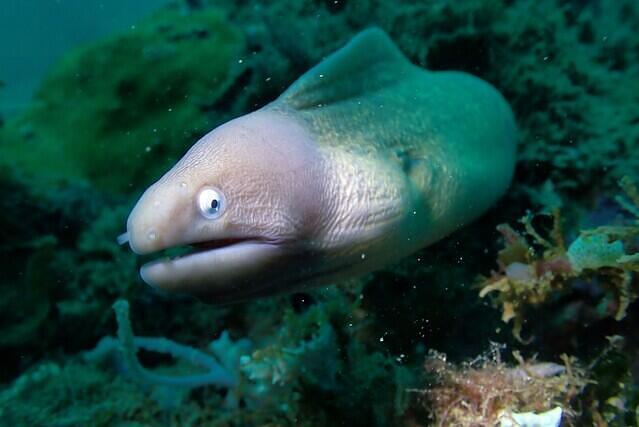
-
Nº123
 Date: 2024-02-29 - 08:07
-
 Max Depth: 19.2m Duration: 82mins
Dive Location

- Temp: Surf 24°C Bottom 24°C
- Dive type : Recreational, Reef, Photo, Muck Dive
- Visibility: Good Water: Salt
Specific gear used
- BCD: Scubapro - Glide Plus
- Boots: Orca - Dive shoes
- Camera: Olympus - TG6
- Compass:
- Computer: Oceanic - OCS
- Fins: Scubapro - Jet Fins
- Knife: Scuba MAx - folding
- Lift bag: ScubaMax - SMB
- Light: Sofirn - SD05
- Mask: Promate - Scope
- Regulator: Aqualung - Calypso
- Wet suit: Blue Ocean - Diveskin
- Weights: 3.2 kg
Dive reviews
| Overall review | ||
| Dive difficulty | ||
| Marine life quality |
Dive Shop & Buddies
 Dive with Blake Auge
 Dive buddies:
Beachnutts
Dive buddies:
Beachnutts

Link to this spot:
- Spot:
- Country:
- Area:
- Body of water:
Dive Profile
- 1. Air
- 10L Aluminium 207 → 21 bar
- Average depth: 12.8m
Data provided by EOL.org







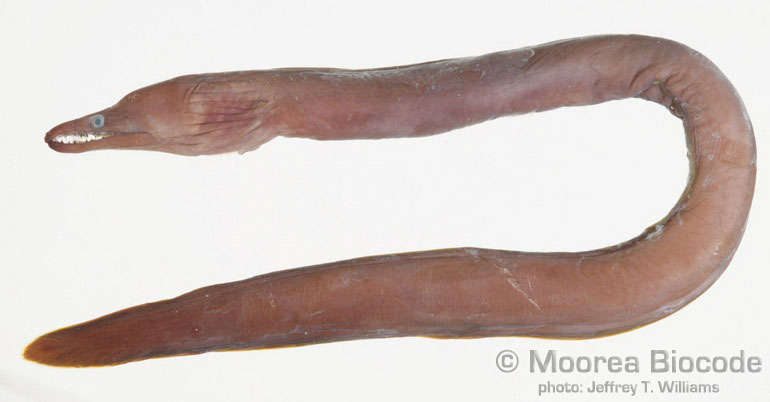
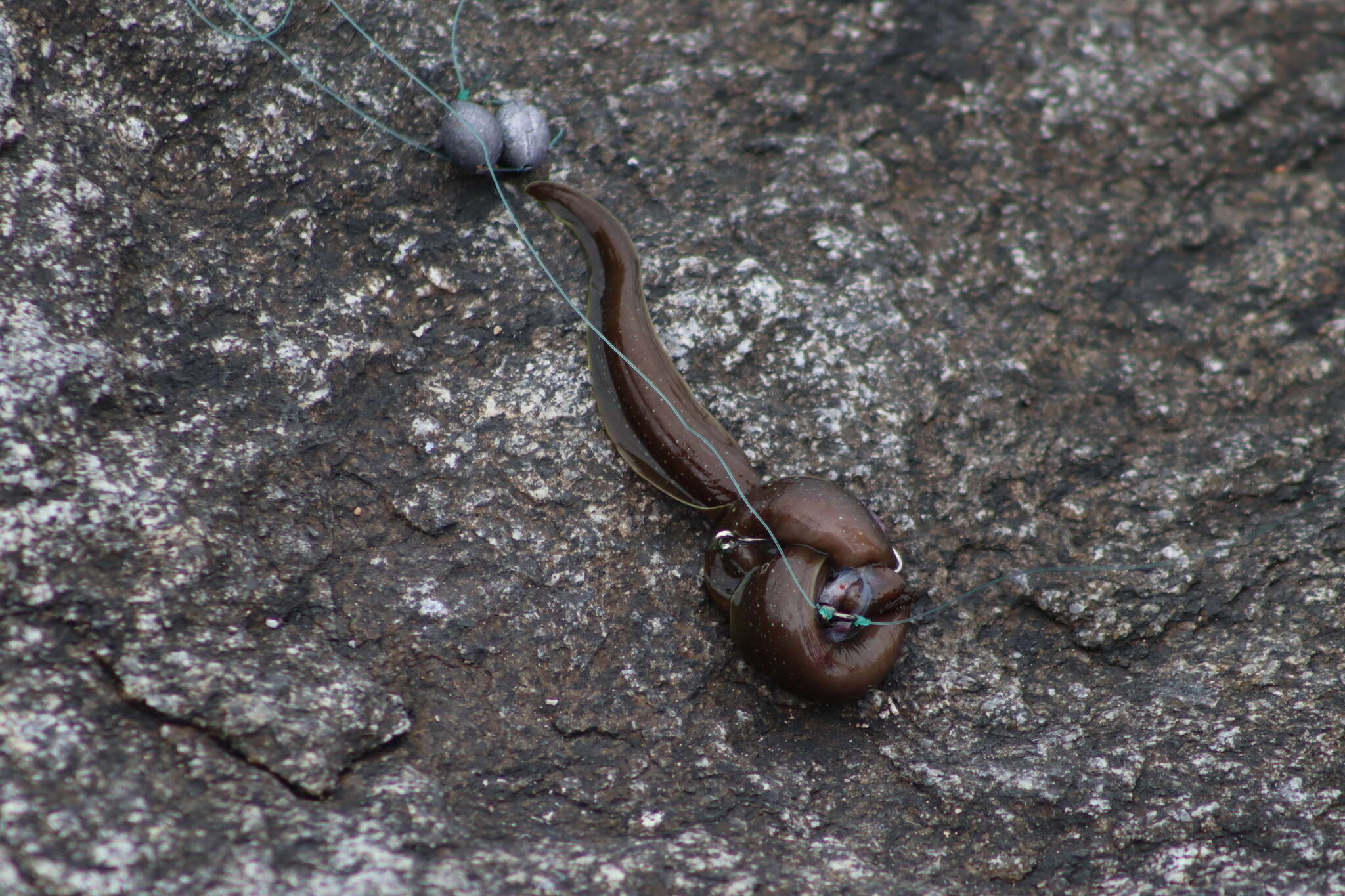
Species Identified
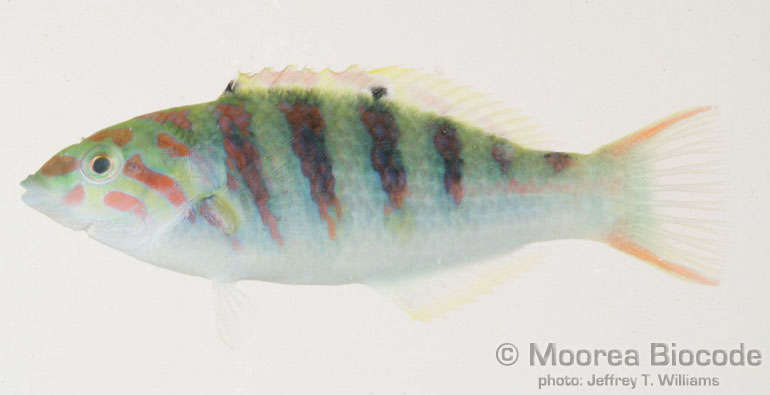
Thalassoma hardwicke (Bennett, 1830) (Sixbar wrasse)
Occurs in shallow lagoon and seaward reefs, slopes and along drop-offs to moderate depths. Occurs in small, loose groups . Feeds on benthic and planktonic crustaceans, small fishes, and foraminiferans.
Labroides dimidiatus (Valenciennes, 1839) (Bluestreak cleaner wrasse)
Inhabits coral rich areas of inner lagoons and subtidal reef flats to seaward reefs . Feeds on crustacean ectoparasites and mucus of other fishes . Monogamous . A protogynous hermaphrodite . Stays in stations where oth...
Read More
Read More
Oxycheilinus bimaculatus (Valenciennes, 1840) (Two-spot wrasse)
Inhabits outer reef slopes or deep clear lagoons among rubble or clumps of algae; also in seagrass beds . Often in sheltered estuaries and harbors . Benthic and benthopelagic .
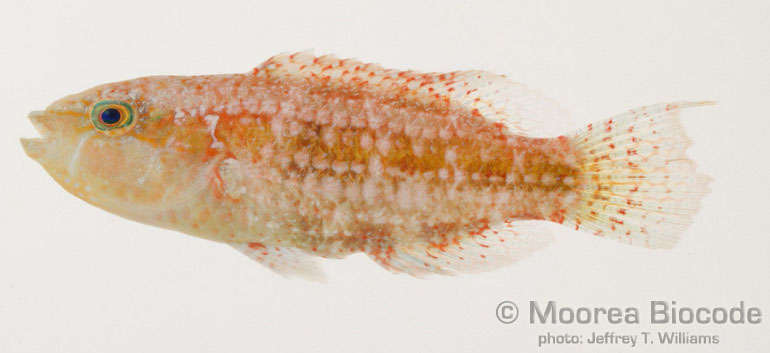
Halichoeres marginatus Rüppell, 1835 (Dusky wrasse)
Inhabit lagoon and seaward reefs, along the upper edges of coral-rich areas . Benthopelagic . Juveniles are encountered in exposed outer reef flats . Feed on a wide variety of small invertebrates as well as fish eggs.
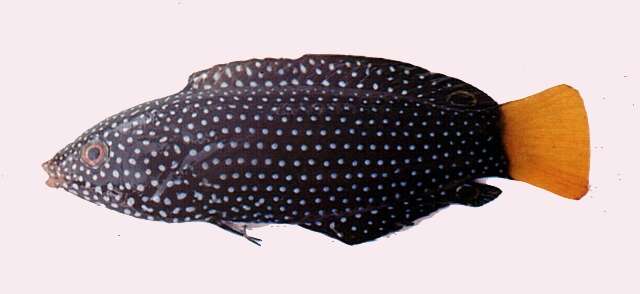
Anampses meleagrides Valenciennes, 1840 (Spotted wrasse)
Found in areas of mixed coral, rubble, consolidated limestone, and sand of seaward reefs; also in soft coral or sponge habitats . Minimum depth reported taken from Ref. 30874.
Ostracion cubicus Linnaeus, 1758 (Yellow boxfish)
Inhabit lagoon and semi-sheltered seaward reefs. Juveniles often among Acropora corals . Benthopelagic . Solitary . Juveniles expatriating to subtropical zone from the pelagic larval stage. Small juveniles secretive i...
Read More
Read More
Oxymonacanthus longirostris (Bloch & Schneider, 1801) (Harlequin filefish)
Occurs in clear lagoon and seaward reefs from 0.5 to at least 30 m. Found in pairs or small groups and nests near bases of dead corals, often on clumps of algae. Monogamous . Feeds exclusively on Acropora polyps. Feeding takes place throughout the day becoming less towards the evening .
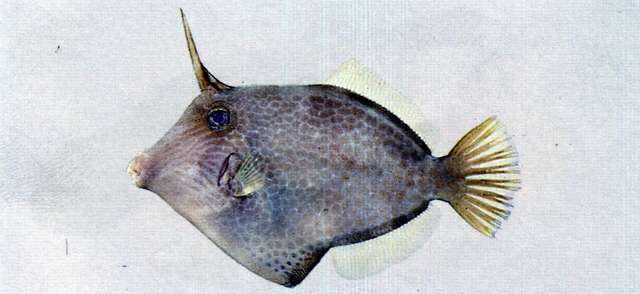
Pseudomonacanthus macrurus (Bleeker, 1857) (Strap-weed file-fish)
Inhabits shallow coastal algal reefs and estuaries. Adults are often in pairs .
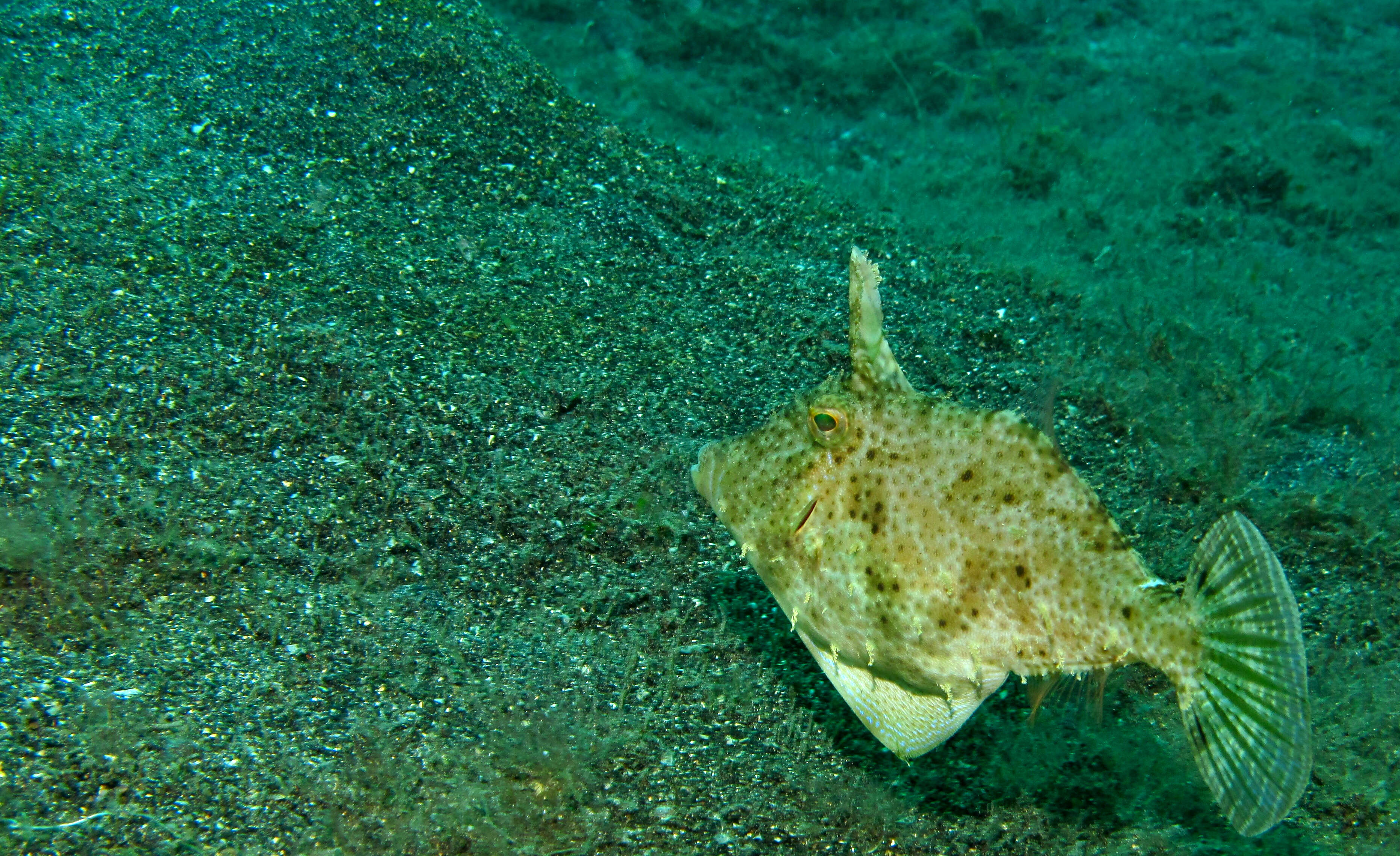
Cantherhines pardalis (Rüppell, 1837) (Honeycomb filefish)
Occurs on outer reef slopes to depths of 2 to more than 20 m , often silty habitats. Young float with loose surface weeds and adults are often with large Sargassum rafts during the wet season . Solitary. Feeds on benthic organisms . Somewhat secretive .
Canthigaster solandri (Richardson, 1845) (Spotted sharpnose)
Inhabit sheltered rocky reefs . Also live in intertidal reef flats, lagoon and seaward reefs. Occur over open barren areas, also among corals and under ledges . Benthopelagic . Often found in pairs, sometimes in small ...
Read More
Read More
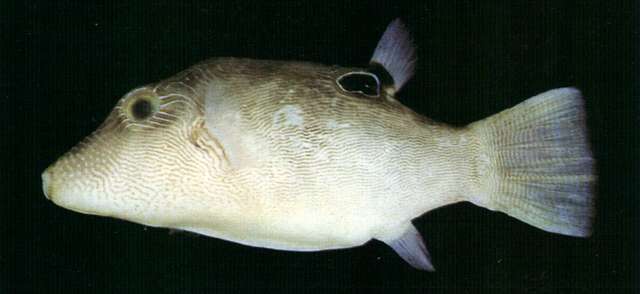
Canthigaster papua (Bleeker, 1848) (Papuan toby)
Lives in coastal to outer reef habitats from silty to pristine reefs . Occurs in clear, coral-rich areas of lagoon and seaward reefs . Adults often in pairs along deep drop-offs while juveniles can be found in shallow estuaries .
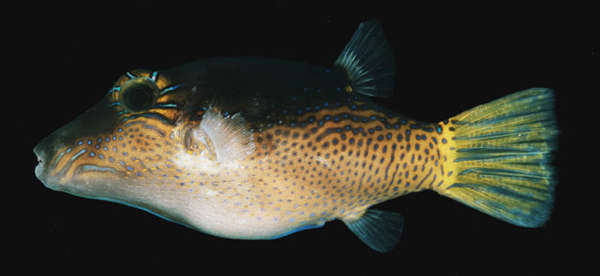
Arothron nigropunctatus (Bloch & Schneider, 1801) (Blackspotted puffer)
Inhabit coastal to outer reef crest and slopes with rich invertebrate growth. Adults often in pairs . Feed on corals , crustaceans, mollusks, sponges, tunicates and algae . Generally common .
Canthigaster compressa (Marion de Procé, 1822) (Compressed toby)
Inhabits sandy areas of shallow lagoons and channels . Also found in silty bays or harbors around wharf pilings. Adults usually in pairs .
Canthigaster epilampra (Jenkins, 1903) (Lantern toby)
Inhabits outer reef slopes, generally at depths greater than 24 m, but also seen below 6 m . Benthopelagic . Solitary or paired. Feeds on mollusks, echinoderms, brachiopods, and filamentous algae .
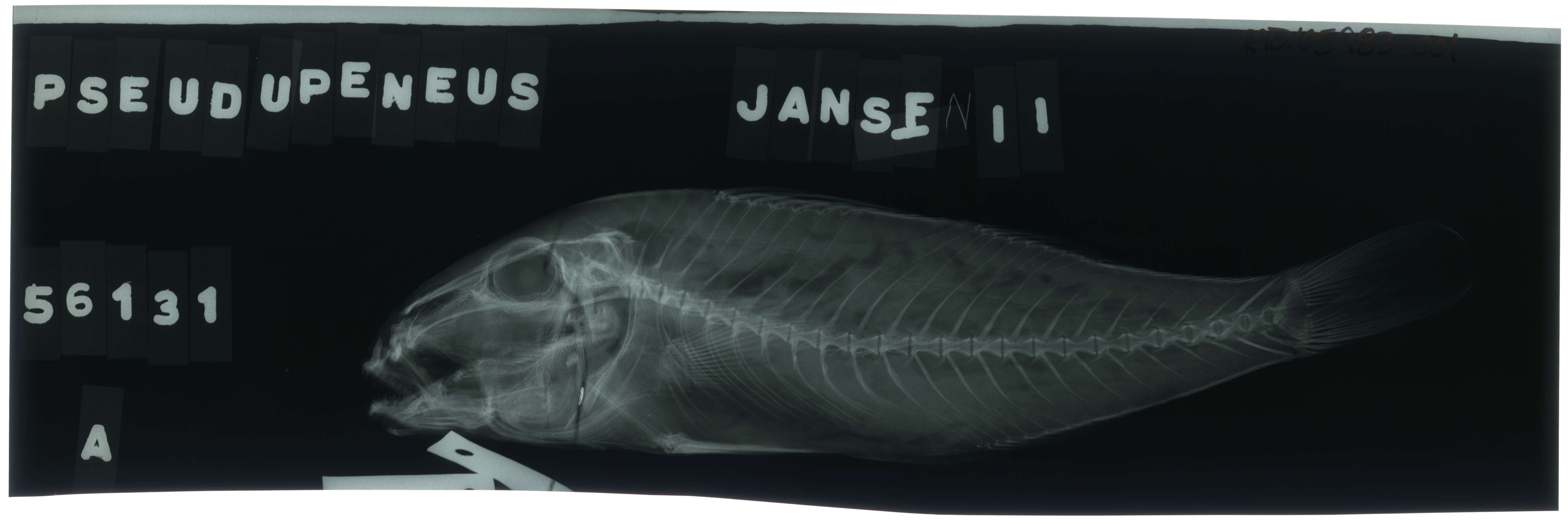
Parupeneus jansenii (Bleeker, 1856) (秋姑)
Apparently occurs at least at moderate depths .
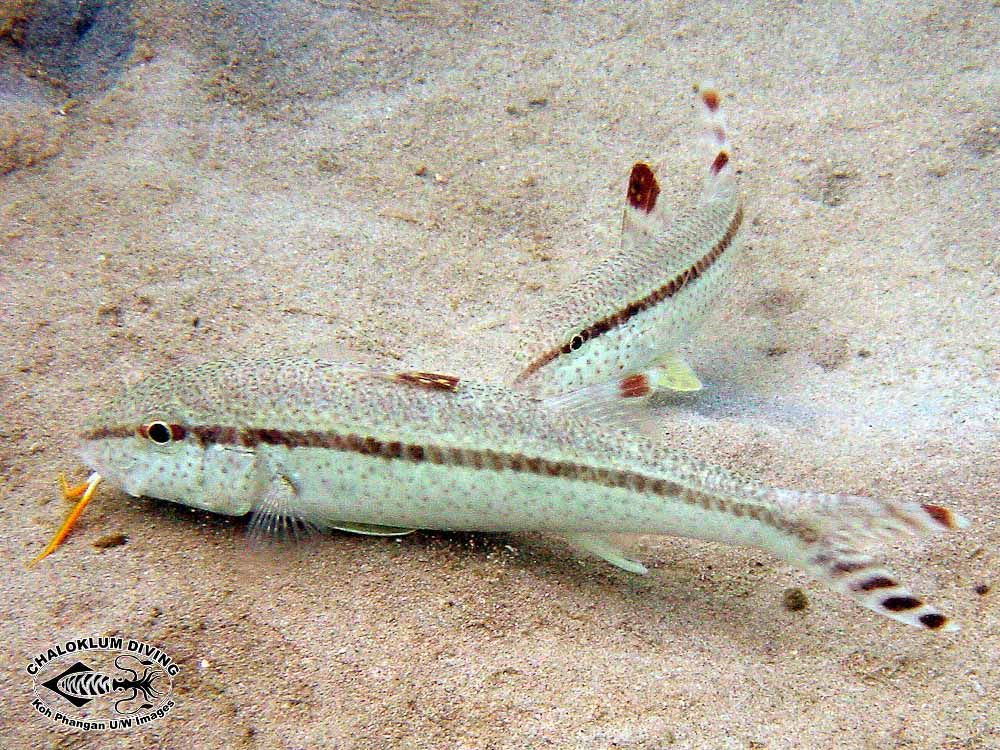
Upeneus tragula Richardson, 1846 (Freckled goatfish)
Found over sand and mud bottoms near coral reefs . Known to enter lower reaches of rivers. Generally solitary , but forms small to moderately large aggregations at all sizes . Minimum depth from Ref. 3470.
Cirrhitichthys oxycephalus (Bleeker, 1855) (Coral hawkfish)
Diodon liturosus Shaw, 1804 (Black-blotched porcupinefish)
Inhabits reef edges and slopes . Hides in caves and ledges during the day and forages at night . Also found below plate-corals during the day and often deep, ranging to at least 40 meters depth. Juveniles occur in lagoo...
Read More
Read More
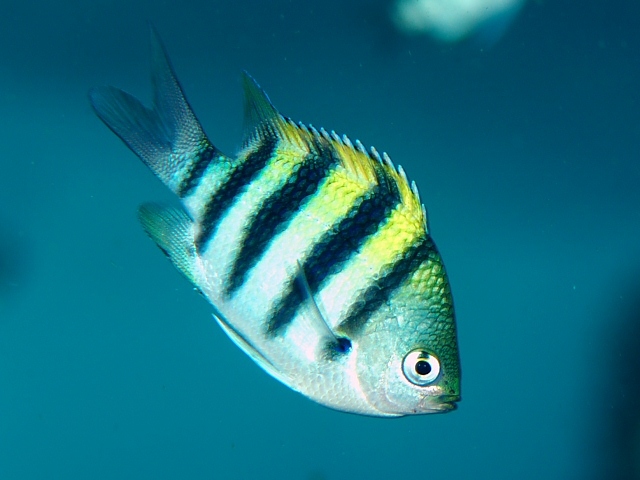
Abudefduf vaigiensis (Quoy and Gaimard, 1825) (Five finger)
Adults inhabit upper edge of outer reef slopes and inshore rocky reefs. Juveniles associated with drifting seaweed . Benthopelagic . Feed on zooplankton, benthic algae, and small invertebrates . Often in aggregations ...
Read More
Read More
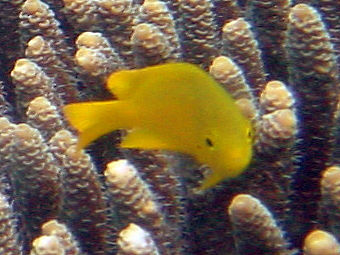
Pomacentrus moluccensis Bleeker, 1853 (Lemon damsel)
Inhabits clear lagoon and seaward reefs among branching corals. Occurs in small aggregations. Feeds mainly on algae and planktonic crustaceans.
Dischistodus melanotus (Bleeker, 1858) (Black-vent damsel)
Occurs in lagoon reefs and generally prefers small patch reefs with sand or rubble substrates . Feeds on benthic algae which it aggressively guards against other herbivores . Juveniles secretive in rubble .
Enchelycore bayeri (Schultz, 1953) (Hookjaw moray)
A rare species that inhabits benches and seaward reefs. Secretive in reefs, sometimes seen at night . Feeds on fishes. May bite by accident or when provoked.
Echidna nocturna (Cope, 1872) (Moray)
Share on Social Networks
- Facebook:

personalize your shared text as well as its destination (wall, page...) or send as a private message to a friend
- Twitter: Tweet personalize your tweet
- Google Plus:
Direct link to this dive
- Long link:
- Short link:


 We are participating today in the startup contest Techcrunch Disrupt. Support Diveboard by voting for us!
























































































FEb 29, 2024 Leap Day dive @ DBC
High tide 8:06am, great viz, clear water, calm
Down middle from pier to depth back up N and W to edges of nudiville area back across midle and ext just south of pier. Lots of nudis. Highlight white-eyed Moray posing and friendly long time
multilevel