


 Beachnutts


 Philippines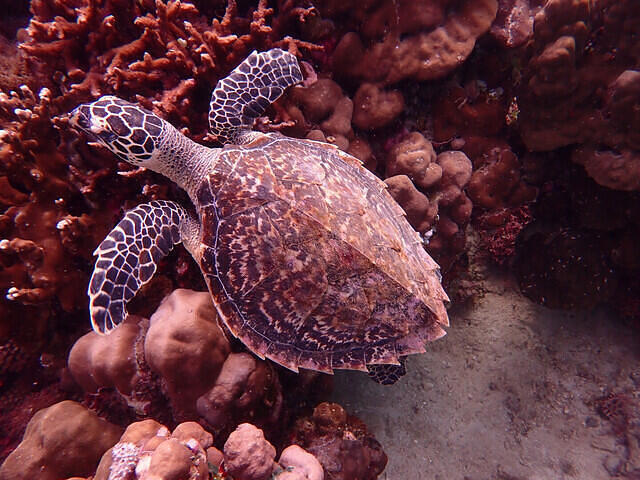
-
Nº163
 Date: 2025-02-09 - 10:30
-
 Max Depth: 23.8m Duration: 92mins
Dive Location

- Temp: Surf 26°C Bottom 26°C
- Dive type : Recreational, Reef, Photo
- Visibility: Good Water: Salt
Specific gear used
- BCD: Scubapro - Glide Plus
- Boots: Orca - Dive shoes
- Camera: Olympus - TG6
- Compass:
- Computer: Oceanic - OCS
- Fins: Atomic Aquatics - Blade Fins
- Knife: Scuba MAx - folding
- Lift bag: ScubaMax - SMB
- Light: Sofirn - SD05
- Mask: Promate - Scope
- Regulator: SEAC - Synchro
- Wet suit: Blue Ocean - Diveskin
- Weights: 3.2 kg
Dive reviews
| Overall review | ||
| Dive difficulty | ||
| Marine life quality |
Recent Divers in Talikud Island, Davao

Recent Pictures in Talikud Island, Davao
Dive Shop & Buddies
 Dive with Reymar Tano
 Dive buddies:
Eric Cembrano,
Reymar Tano,
Beachnutts
Dive buddies:
Eric Cembrano,
Reymar Tano,
Beachnutts

Link to this spot:
- Spot:
- Country:
- Area:
- Body of water:
Dive Profile
- 1. Air
- 10L Aluminium 207 → 21 bar
- Average depth: 15.8m
Data provided by EOL.org
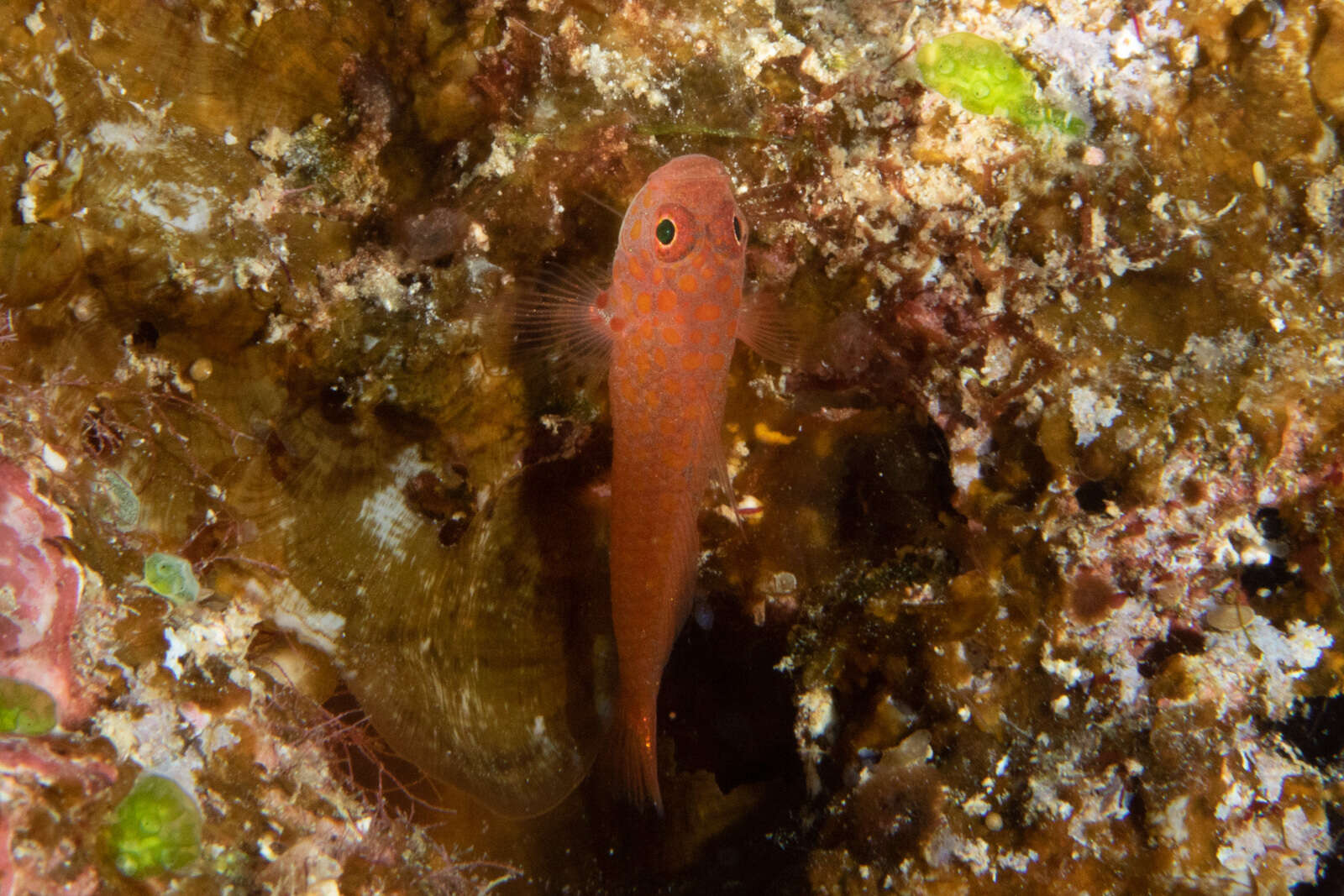

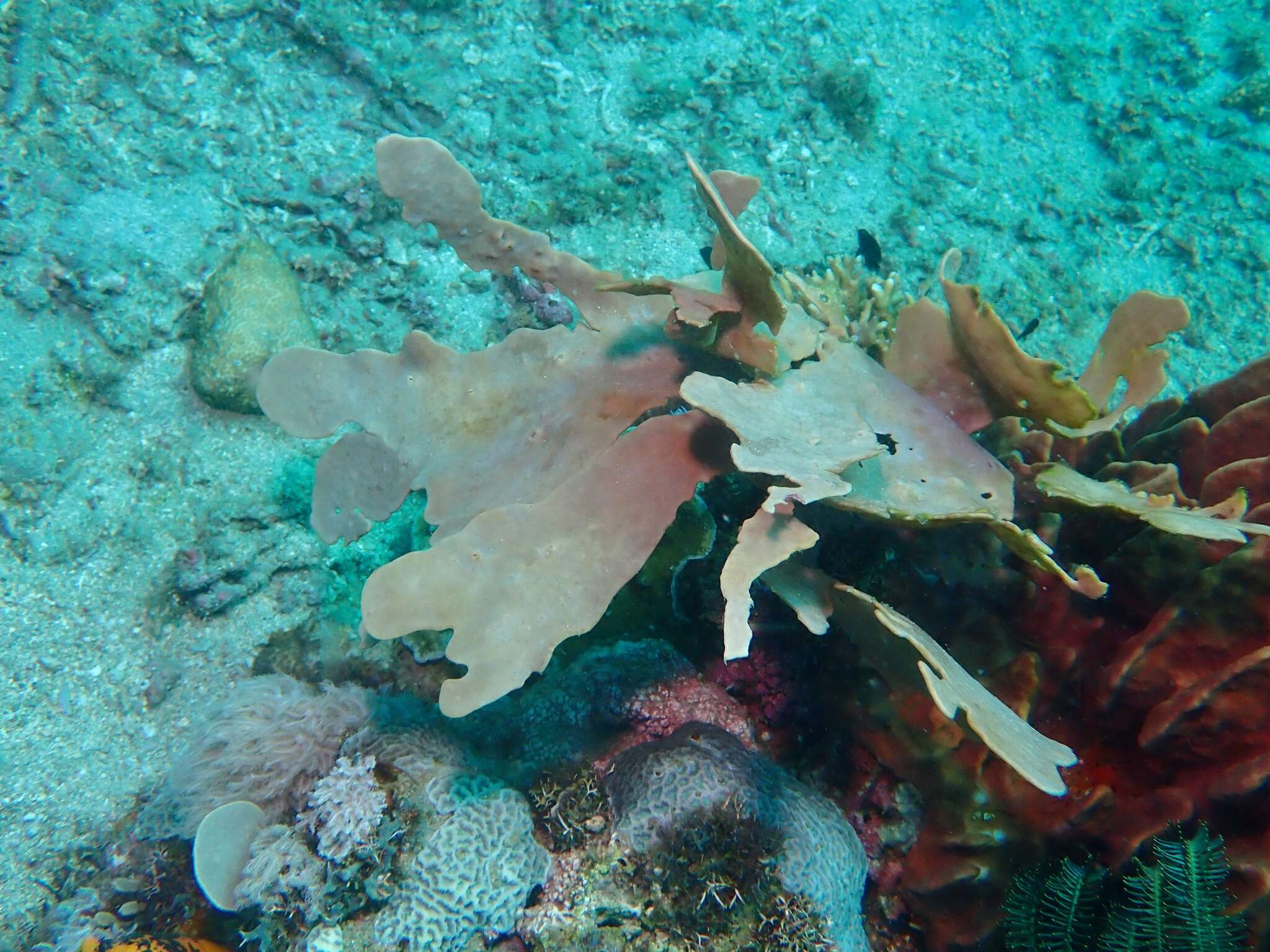
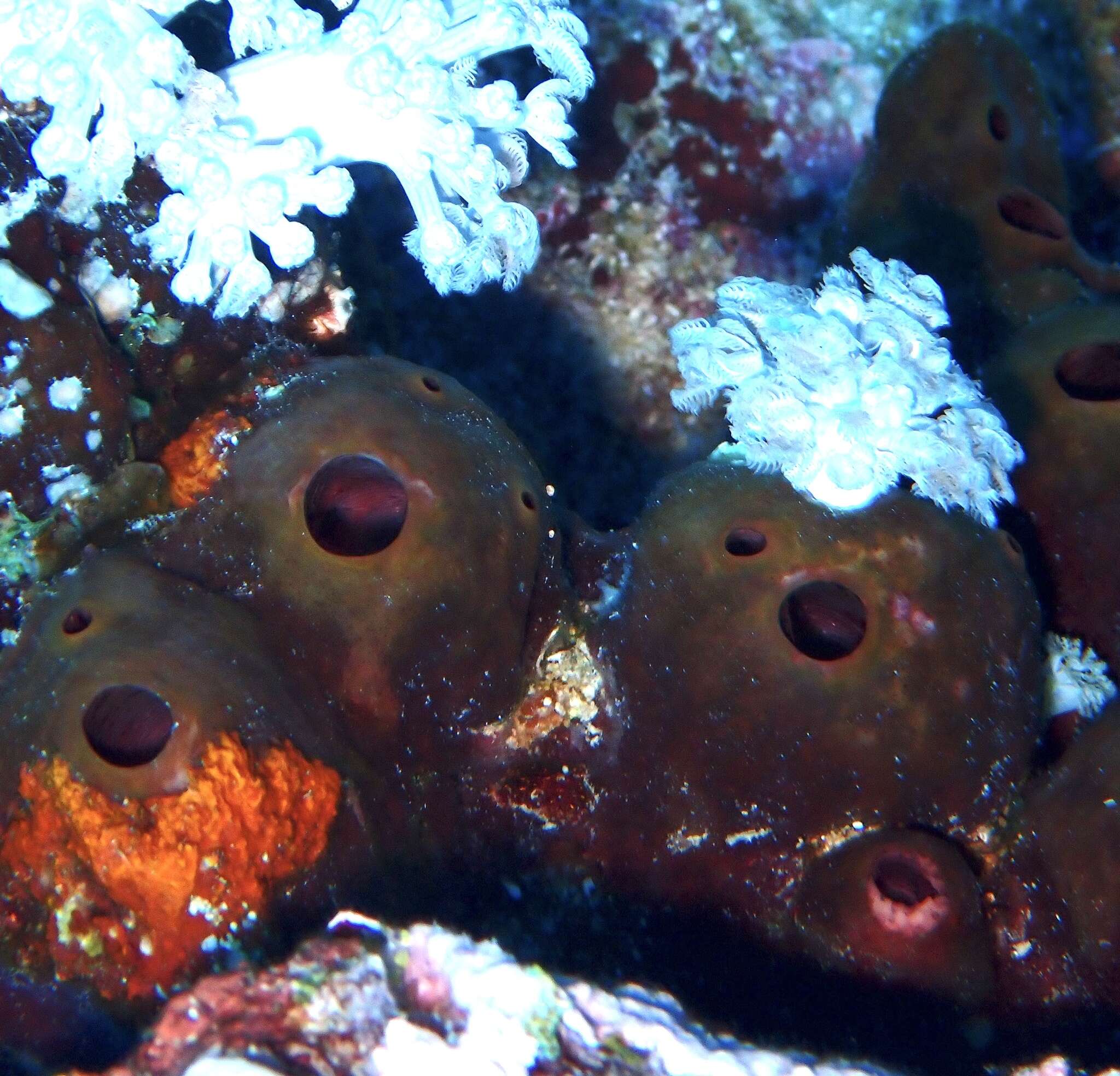
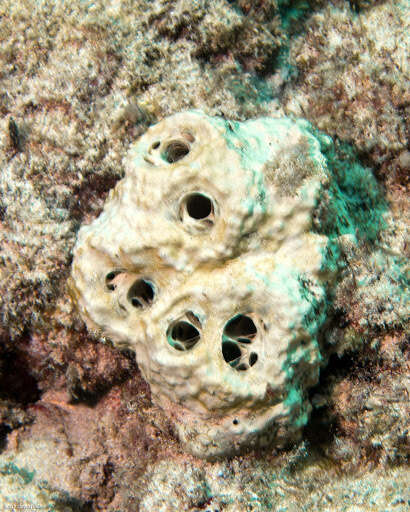



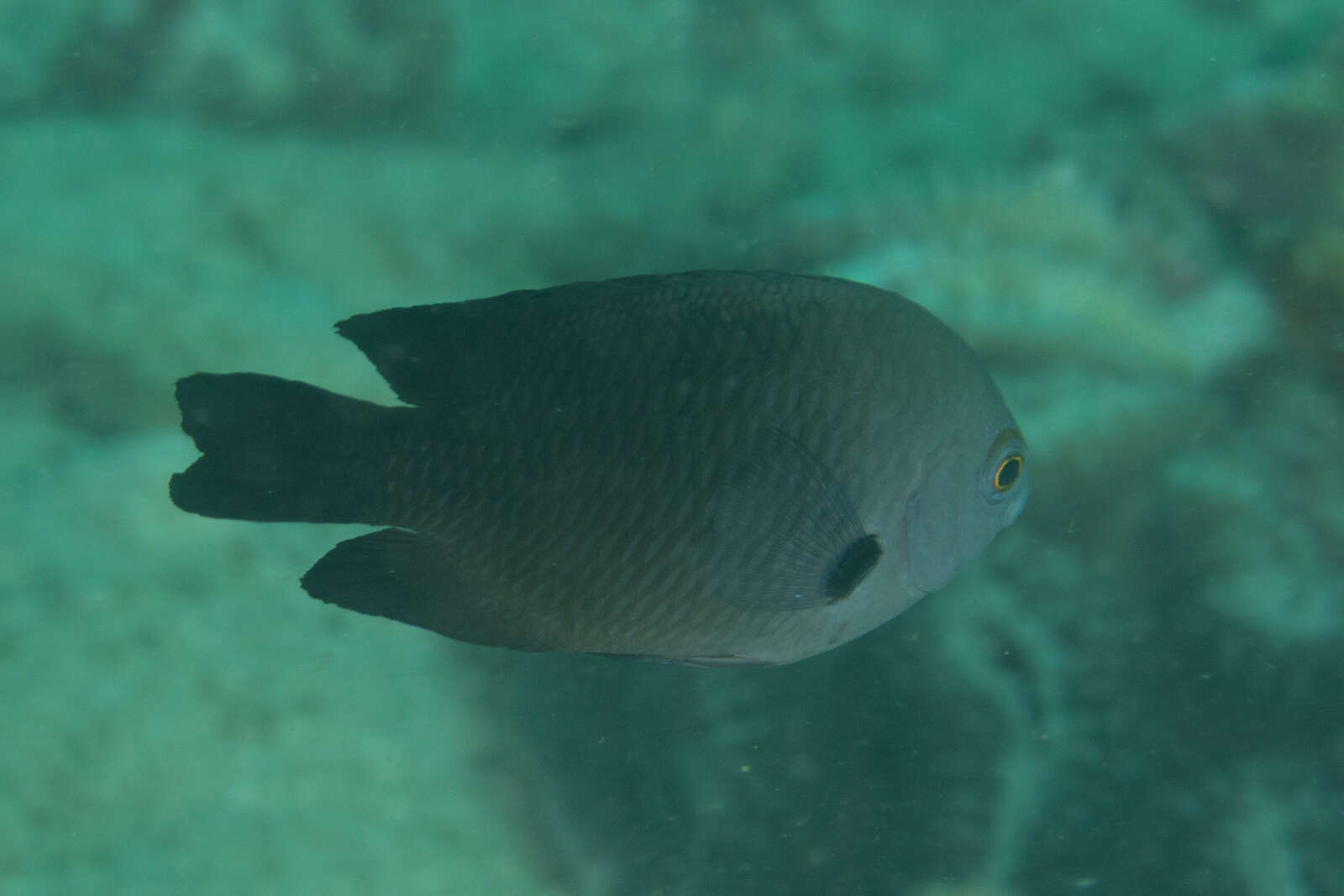
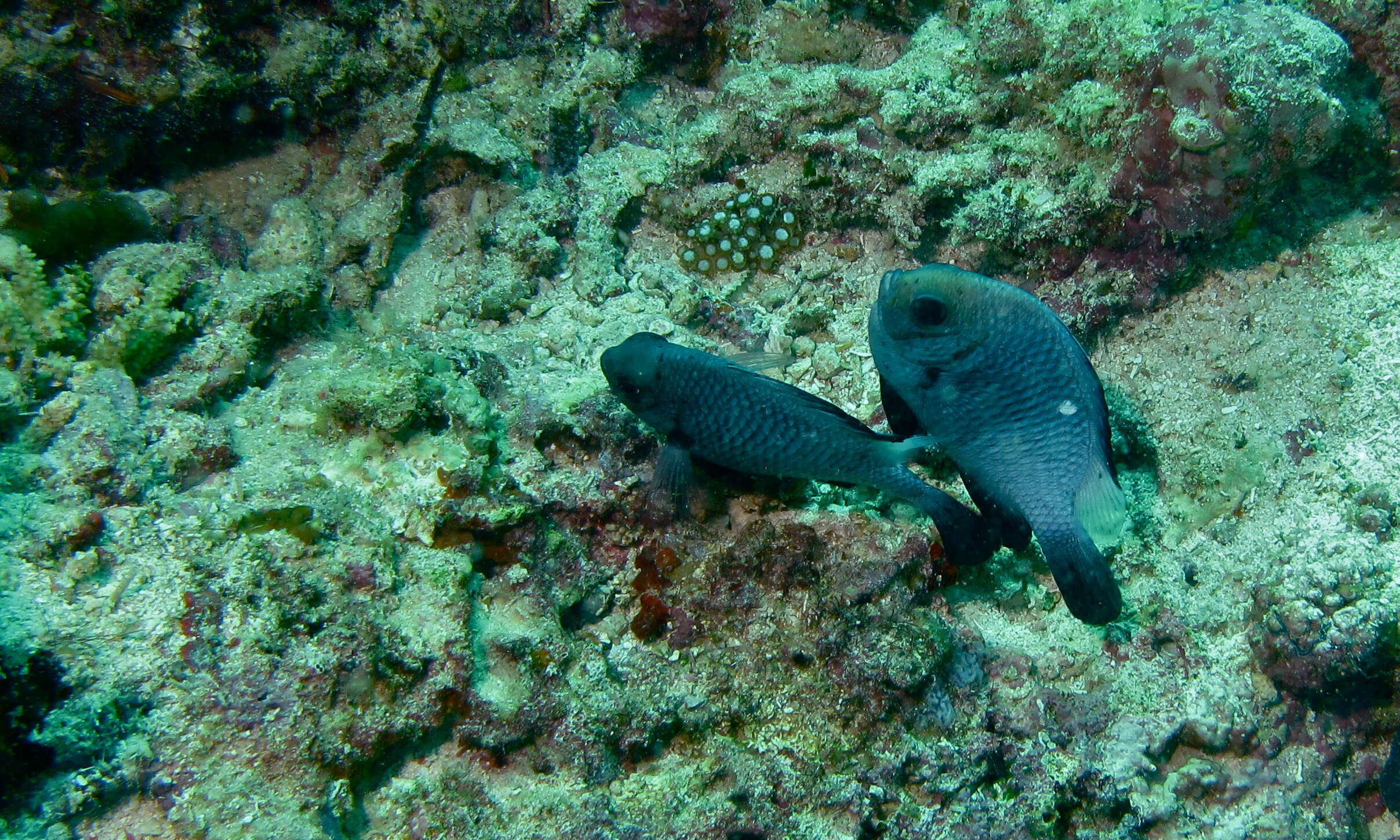


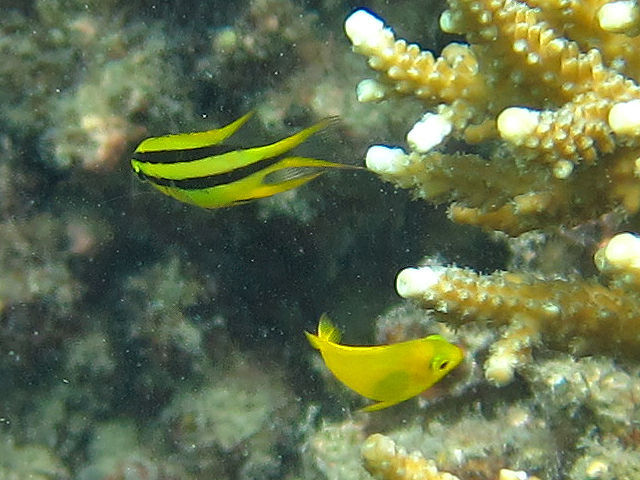
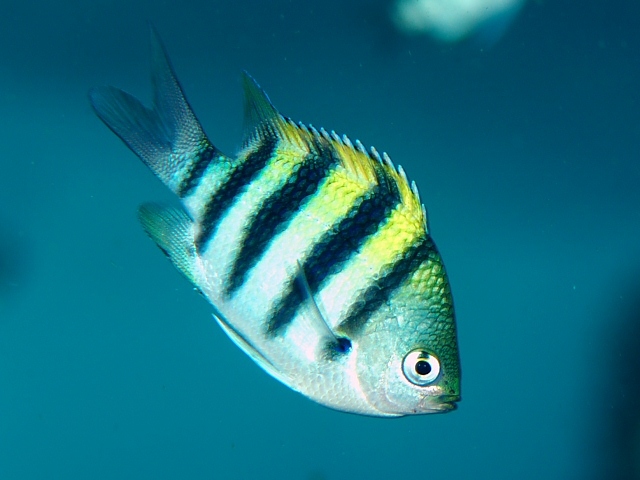

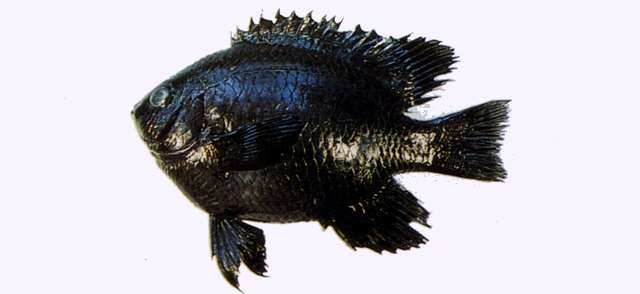

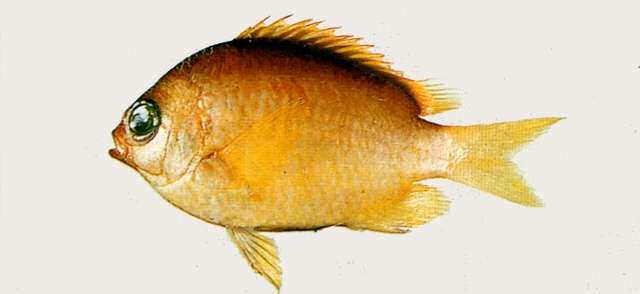
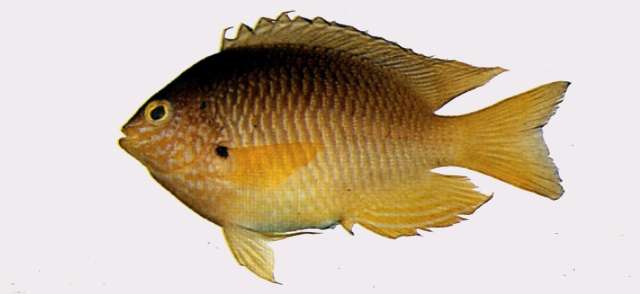


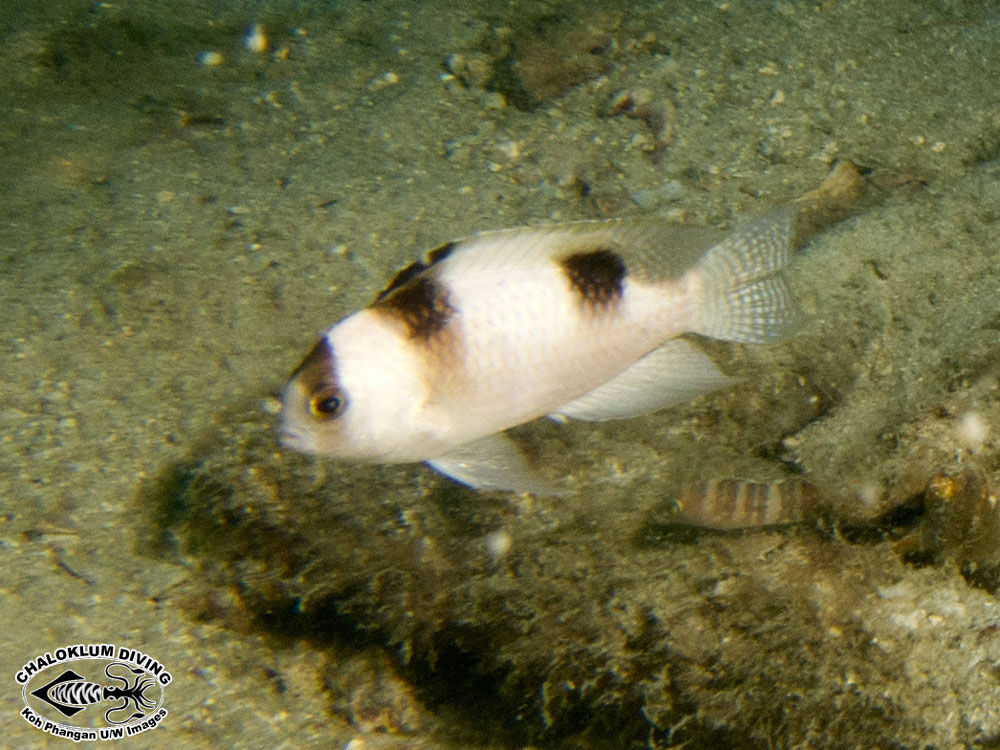
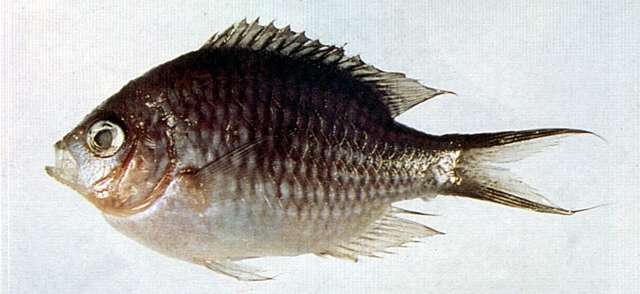

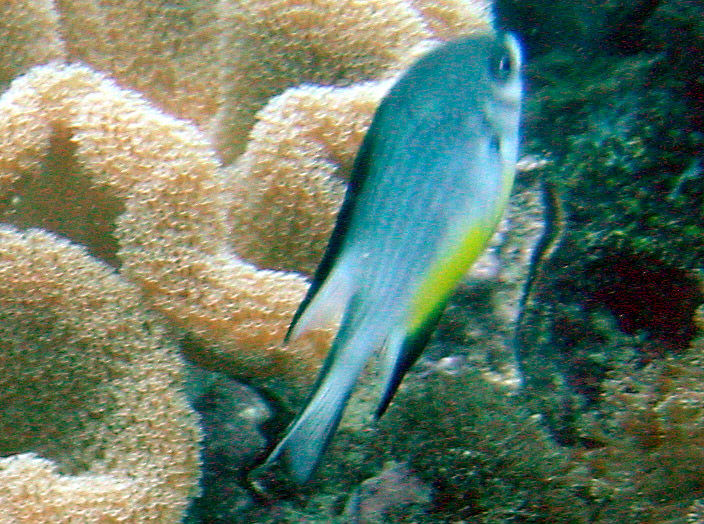
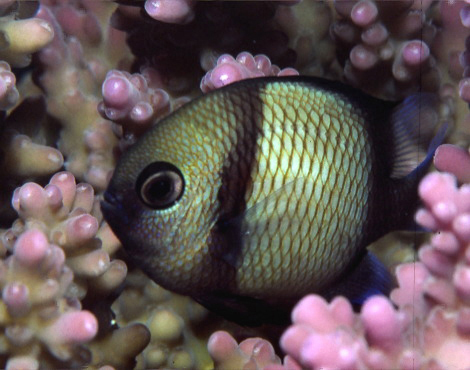







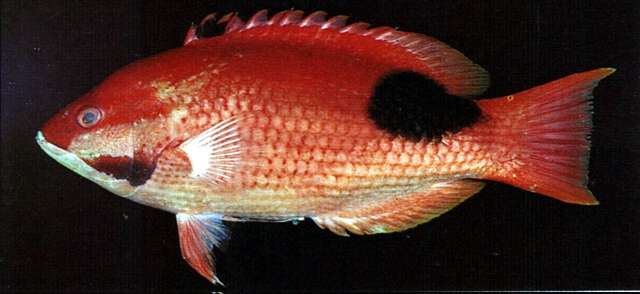
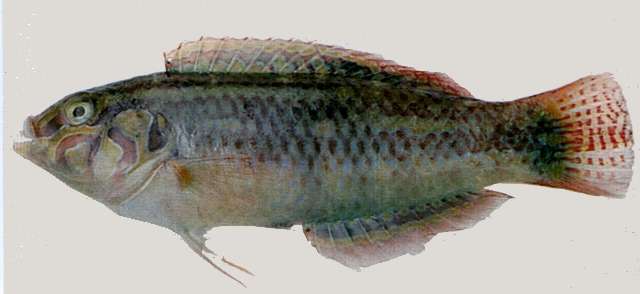
Species Identified
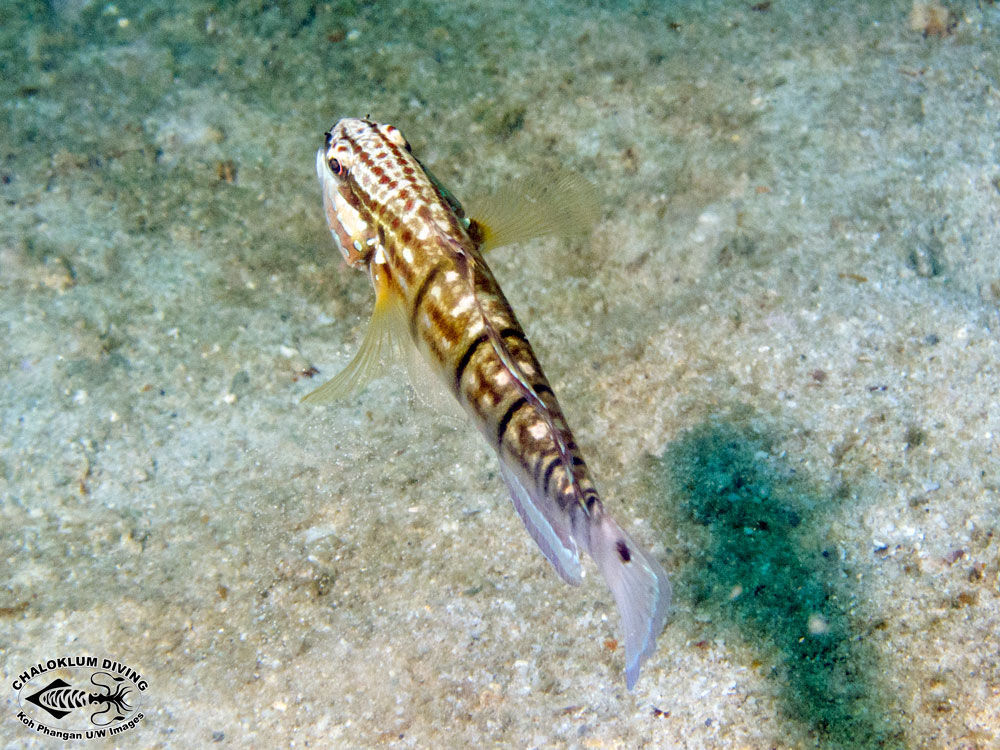
Amblygobius phalaena (Valenciennes, 1837) (Banded goby)
Adults inhabit coastal reefs and lagoons on sand and rubble margins of algal reefs and sometimes near seagrass beds . Feed by sifting mouthfuls of sand and expelling it through the gills, to capture small invertebrates, o...
Read More
Read More
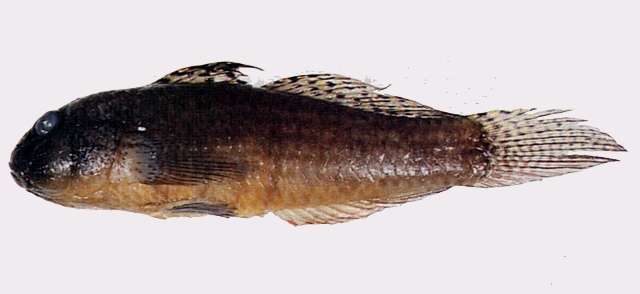
Exyrias puntang (Bleeker, 1851) (Puntang goby)
Inhabits muddy bottoms of shallow, turbid marine to brackish coastal inlets and estuaries. Also lives in shallow coastal waters, large tidal pools, mangroves, siltty lagoons and brackish lakes .
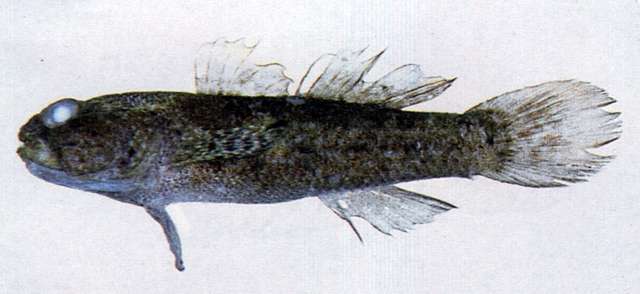
Bathygobius cyclopterus (Valenciennes, 1837) (roundfin goby)
Inhabits intertidal seaward reef flats .
Trimma macrophthalma (Tomiyama, 1936) (Flame goby)
Stylissa massa (Carter, 1887)
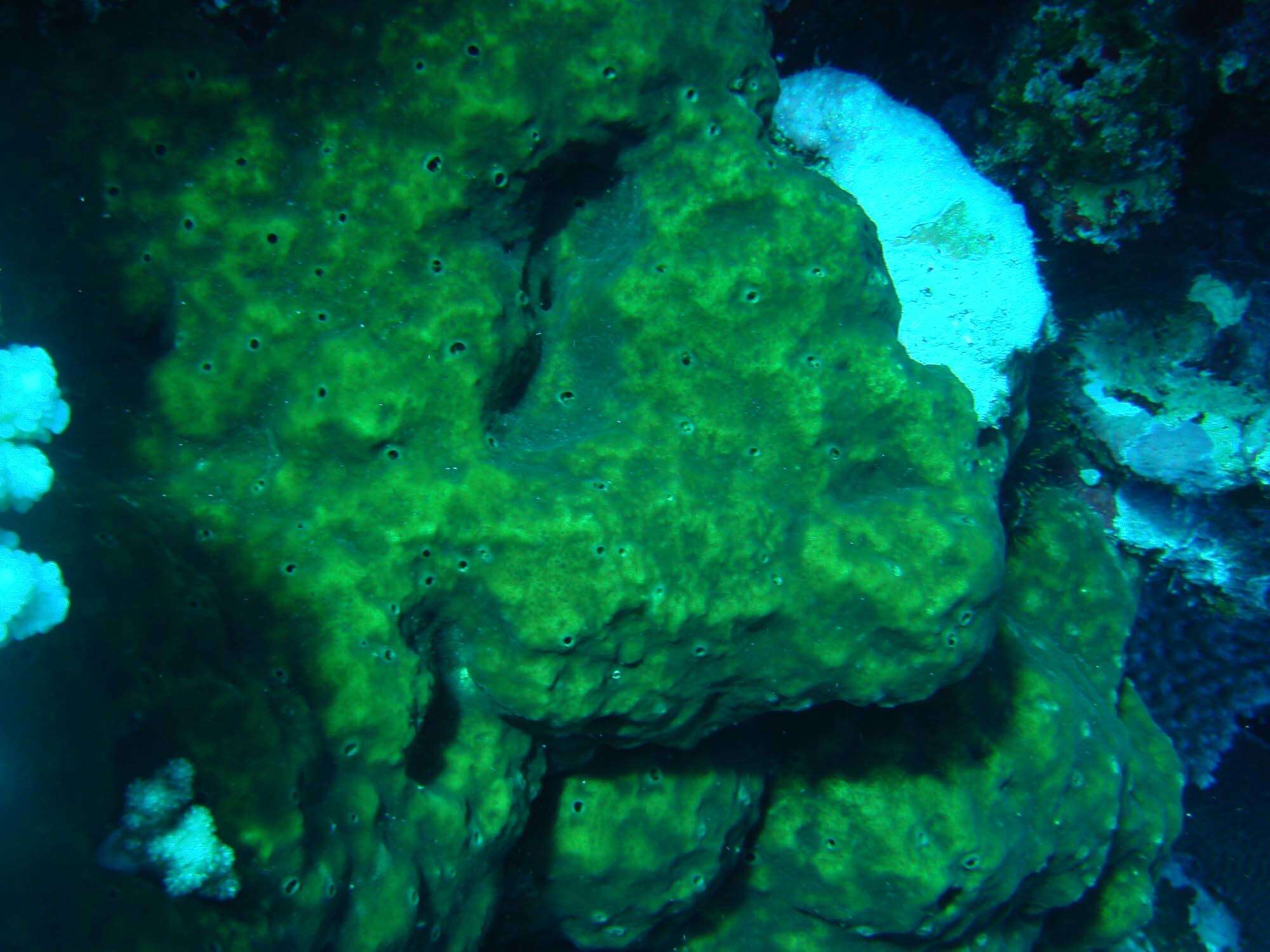
Phyllospongia papyracea (Esper, 1794)
Theonella swinhoei Gray, 1868
Liosina paradoxa Thiele, 1899
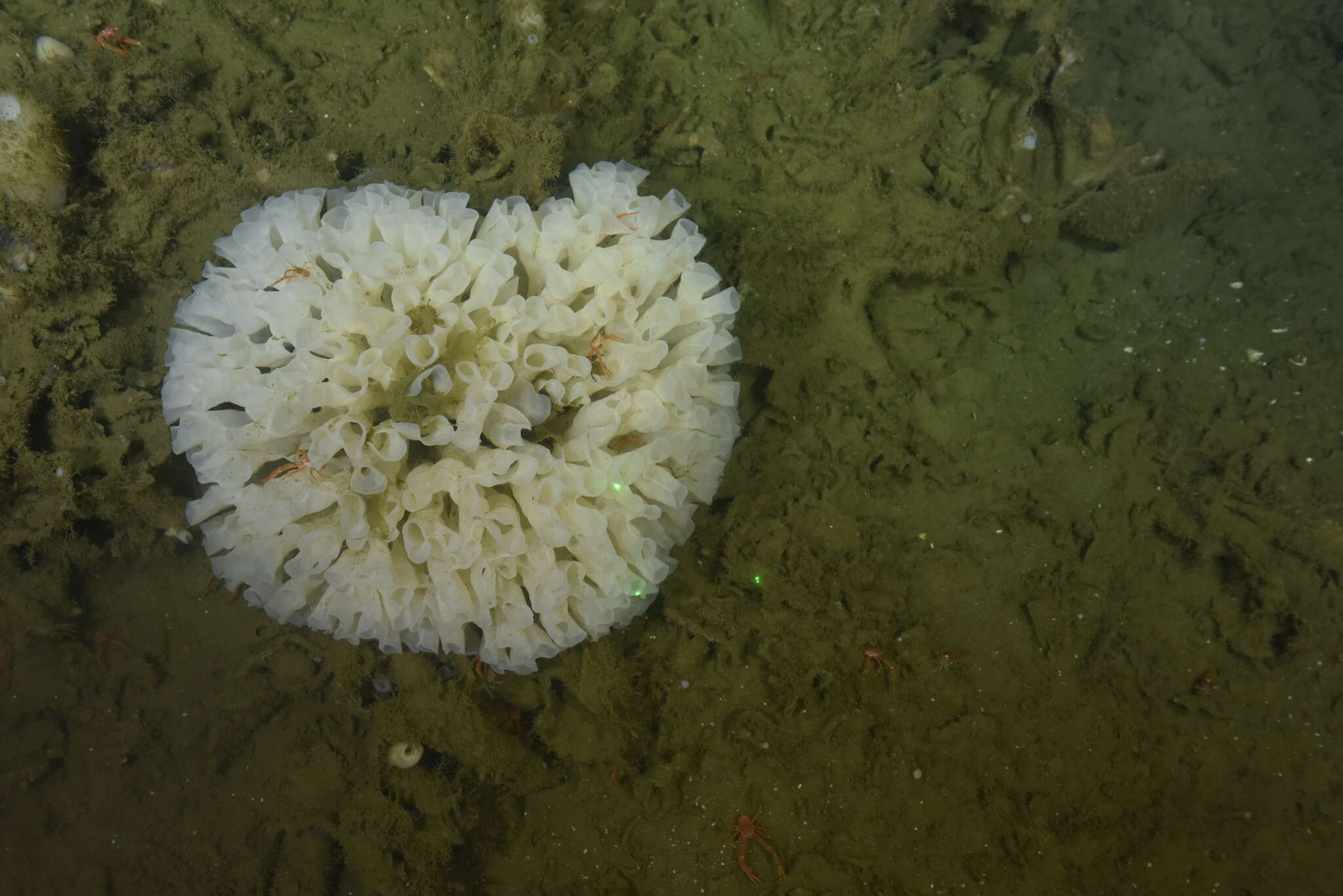
Farrea occa (Bowerbank, 1862)
Stelletta clavosa Ridley, 1884
Cliona orientalis Thiele, 1900
Placospongia mixta Thiele, 1900
Luffariella variabilis (Polejaeff, 1884)
Stelletta debilis Thiele, 1900
Stelletta purpurea Ridley 1884
Axinyssa valida (Thiele, 1899)
Agelas ceylonica Dendy, 1905
Haliclona cribriformis (Ridley, 1884)
Psammastra conulosa Kieschnick, 1896
Hyattella intestinalis (Lamarck 1814)
Eretmochelys imbricata (LINNAEUS) 1766 (Hawksbill Turtle)
Hawksbills may take decades to mature and it could be between 20 to 40 years before they are ready to breed . Upon reaching sexual maturity, a female will typically lay up to five clutches of around 100 to 140 eggs in one ...
Read More
Read More
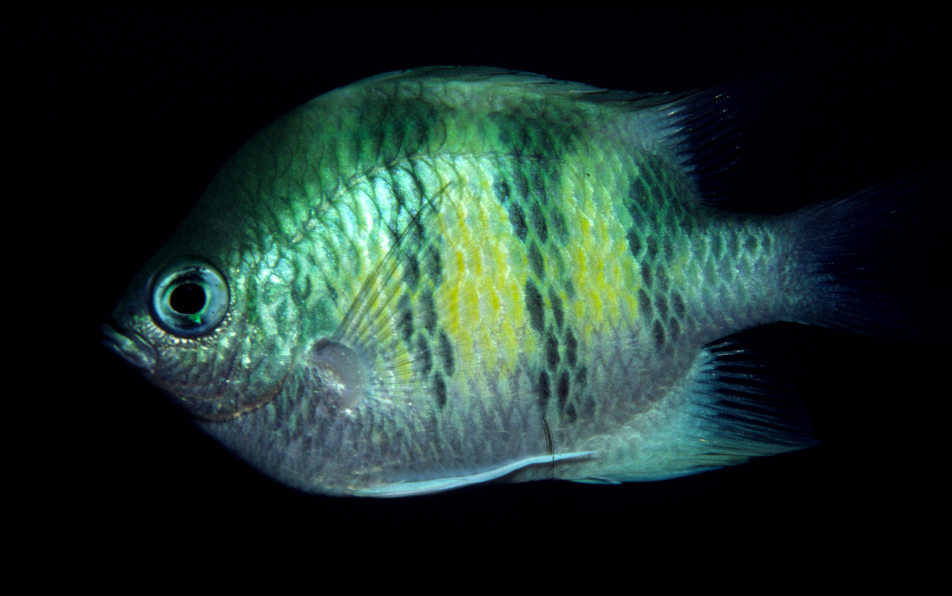
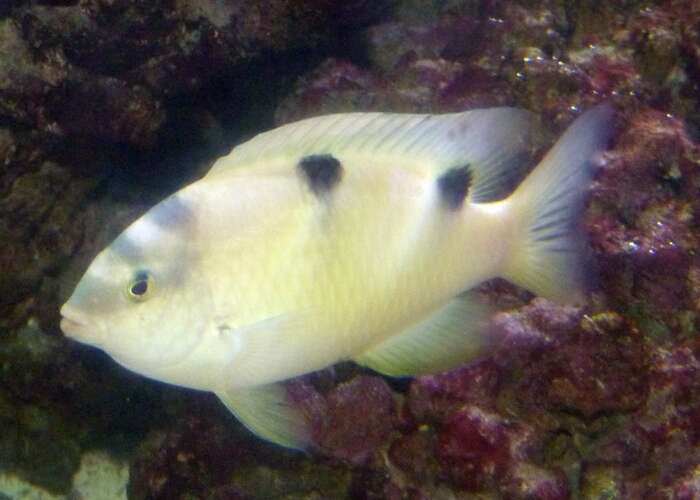
Amblyglyphidodon curacao (Bloch, 1787) (Black-snouted sergeant-major)
Inhabits lagoons, coastal embayments, reef passages and outer reefs. Juveniles often found among Sarcophyton and Sinularia soft corals. Feeding aggregations are frequently observed over growths of the staghorn coral Acro...
Read More
Read More
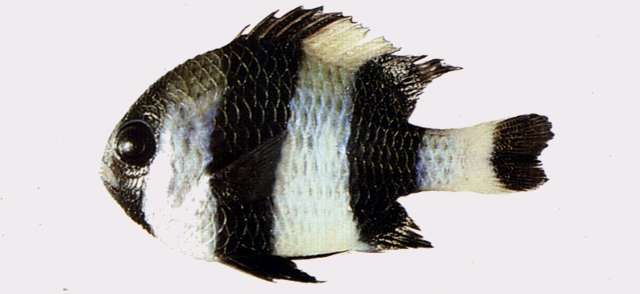
Dascyllus aruanus (Linnaeus, 1758) (black-and-white damselfish)
Territorial, inhabit shallow lagoon and subtidal reef flats. Form large aggregations above staghorn Acropora thickets or in smaller groups above isolated coral heads. Feed on zooplankton, benthic invertebrates, and algae...
Read More
Read More
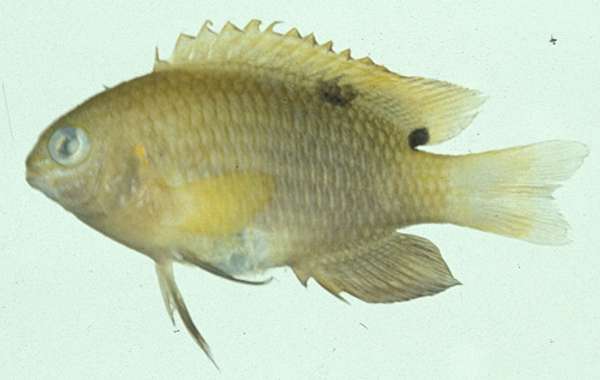
Pomacentrus brachialis Cuvier, 1830 (Charcoal damsel)
Found in passages and outer reef slopes ; also in current prone and clear water reef flats to 40 m depth . Occurs singly or in small groups . Feeds on zooplankton and benthic algae .
Dascyllus trimaculatus (Rüppell, 1829) (threespot humbug)
Inhabits coral and rocky reefs, juveniles often commensal with large sea anemones, sea urchins, or small coral heads . Occurs in small to large aggregations. Stomach contents include algae, copepods, and other planktonic crustaceans.
Pomacentrus moluccensis Bleeker, 1853 (Lemon damsel)
Inhabits clear lagoon and seaward reefs among branching corals. Occurs in small aggregations. Feeds mainly on algae and planktonic crustaceans.
Plectroglyphidodon lacrymatus (Quoy and Gaimard, 1825) (whitespeckled demoiselle)
Inhabits clear lagoon and seaward reefs, in areas with mixed coral and rubble or dead coral rocks. Feeds mainly on benthic algae and associated small invertebrates and fish eggs.
Chrysiptera biocellata (Quoy and Gaimard, 1825) (bluebanded damselfish)
Occurs in protected inner reef flats and shallow lagoons and channels, over rubble and rocky outcrops. Feeds primarily on filamentous algae.
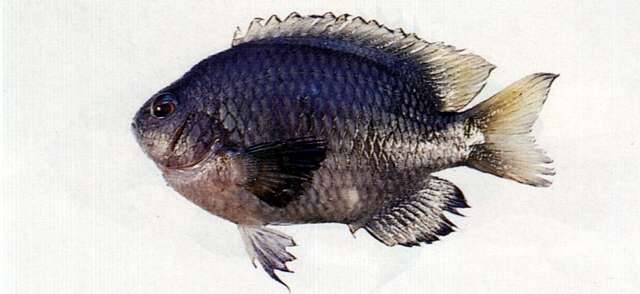
Neoglyphidodon nigroris (Cuvier, 1830) (Yellowfin damsel)
Two forms: long-tailed and black as adults occurs in the Andaman Sea, ranging east to western Bali and north to Japan. Second form, probably valid as N. xanthurus occurs in the rest of the West Pacific and the two overla...
Read More
Read More
Abudefduf vaigiensis (Quoy and Gaimard, 1825) (Five finger)
Adults inhabit upper edge of outer reef slopes and inshore rocky reefs. Juveniles associated with drifting seaweed . Benthopelagic . Feed on zooplankton, benthic algae, and small invertebrates . Often in aggregations ...
Read More
Read More
Chrysiptera rex (Snyder, 1909) (Pink demoiselle)
Found in 1-6 m and in coastal to outer reef crests to depths of about 20 m . Occurs solitarily or in groups in reef margins and upper seaward slopes subject to mild surge . Feeds mainly on algae.
Neoglyphidodon melas (Cuvier, 1830) (black damselfish)
Found in coral-rich areas of lagoon and seaward reefs and usually associated with soft corals on which it feeds . Occur singly or in pairs . Juveniles are encountered in around staghorn Acropora corals . Adults often near Tridacna clams and may feed on their feces .
Plectroglyphidodon dickii (Liénard, 1839) (Dick's damsel)
Inhabits coral-rich and surge areas of clear lagoon and seaward reefs . Commonly associated with Pocillopora or Acropora corals . Feeds on filamentous algae, small benthic invertebrates, and occasionally small fishes . Minimum depth range taken from Ref. 7247.
Chromis analis (Cuvier, 1830) (Brown puller)
Usually inhabits steep outer reef slopes and rocky bottoms. Found singly or in small groups. Uncommon .
Pomacentrus amboinensis Bleeker, 1868 (Ambon damsel)
An ubiquitous species found in lagoons, coastal reefs, passages and outer reef slopes. Inhabits sandy areas around coral or rock outcrops or other protective shelter. Usually in small groups . Feeds primarily on algae, but also takes zooplankton. Has been reared in captivity (Ref. 35404.
Pomacentrus tripunctatus Cuvier, 1830 (Threespot damsel)
A shallow water species, solitary, in holes of small rocks on sandy bottom with coral rubbles. Inhabits shallow bays, silty coastal reefs and harbors with sparse coral and algal growth. Feeds mainly on benthic algae.
Dischistodus perspicillatus (Cuvier, 1830) (White damsel)
Occurs in small patch reefs of shallow lagoons, with algae or seagrass habitats. The stomach of several specimens examined contained mainly algae and detritus mixed with sand grains.
Dischistodus chrysopoecilus (Schlegel and Müller, 1839) (Lagoon damsel)
Found among coral outcrops and seagrass beds of silty areas of lagoon and coastal reefs , usually subtidal to a few meters depth .
Chrysiptera unimaculata (Cuvier, 1830) (Onespot demoiselle)
Found solitarily or in small groups among coastal algal reefs, rubble or over open beach-rock of reef flats exposed to moderate surge and feeds mainly on benthic algae .
Pomacentrus simsiang Bleeker, 1856 (Blueback damsel)
Occurs singly or in small aggregations at slightly turbid areas of lagoon and coastal reefs. Feeds mainly on benthic algae.
Dascyllus melanurus Bleeker, 1854 (blacktailed humbug)
Schooling species, inhabits sheltered lagoons, harbors and inlets. Also in somewhat open substrates with outcrops of Acropora corals . Often associated with small coral heads. Feeds on a variety of plankton, including l...
Read More
Read More
Dischistodus fasciatus (Cuvier, 1830) (Banded damsel)
Inhabits silty lagoon and coastal reefs around coral outcrops and seagrass beds . Often adjacent to clear mangrove coasts among rubble and Sargassum algae, to a few meters depth .
Chromis ternatensis (Bleeker, 1856) (Ternate chromis)
Schools above branching corals along upper margins of clear lagoon and outer reef slopes. Often associated with branching Acropora.
Chrysiptera cyanea (Quoy and Gaimard, 1825) (cornflower sargeantmajor)
Found amongst rubble and coral of clear sheltered lagoons and subtidal reef flats . Occurs in groups of a male and several females or juveniles . Feeds on algae, pelagic tunicates and copepods.
Amblyglyphidodon leucogaster (Bleeker, 1847) (goldenscaled damselfish)
Inhabits lagoons, reef passages, and the outer reef slopes as solitary individuals or in small groups. Feeds on copepods, amphipods, mysids, fish eggs, crustacean larvae, and a small portion of algae.
Dascyllus reticulatus (Richardson, 1846) (twostriped damselfish)
Occurs in outer lagoon and seaward reefs. Inhabits branching coral heads, particularly Pocillopora eydouxi. Forms schools, often in silty habitats . Male prepares a nest by cleaning with its mouth a rock or coral surface where the female will attach the eggs .
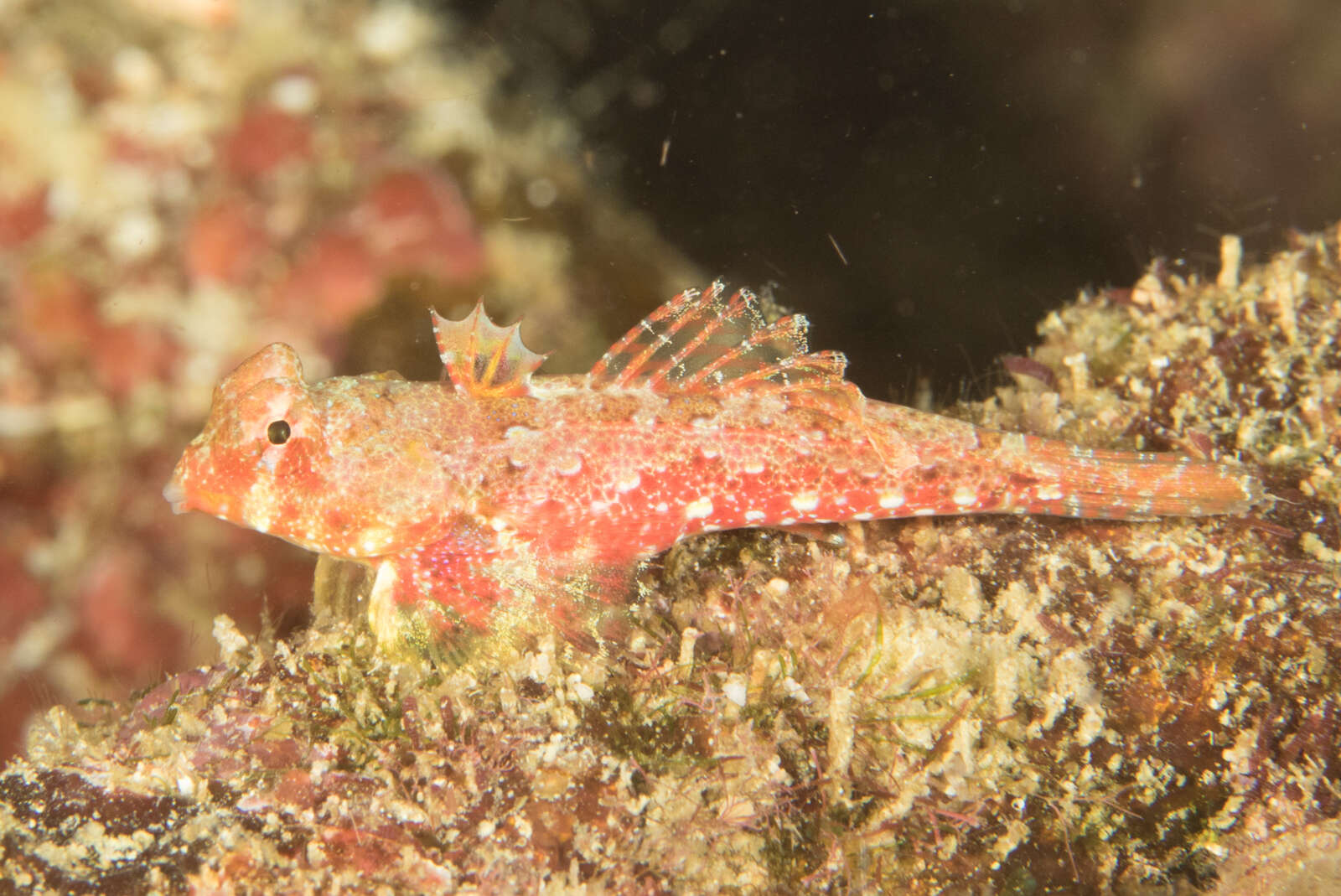
Synchiropus morrisoni Schultz, 1960 (Morrison's dragonet)
Occurs in algal covered rocks of seaward reefs; rarely in less than 25 m in most coral reef areas .
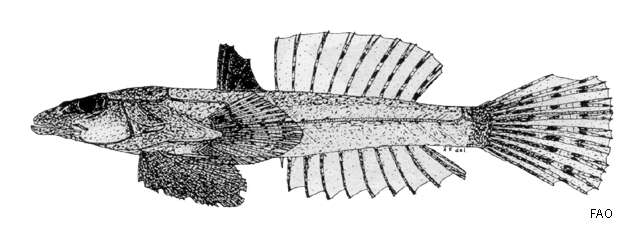
Eleutherochir opercularis (Valenciennes, 1837) (Flap-gilled dragonet)
Inhabits shallow sandy and muddy bottoms in the sea, but also enters mouths of rivers and may live even in freshwater .
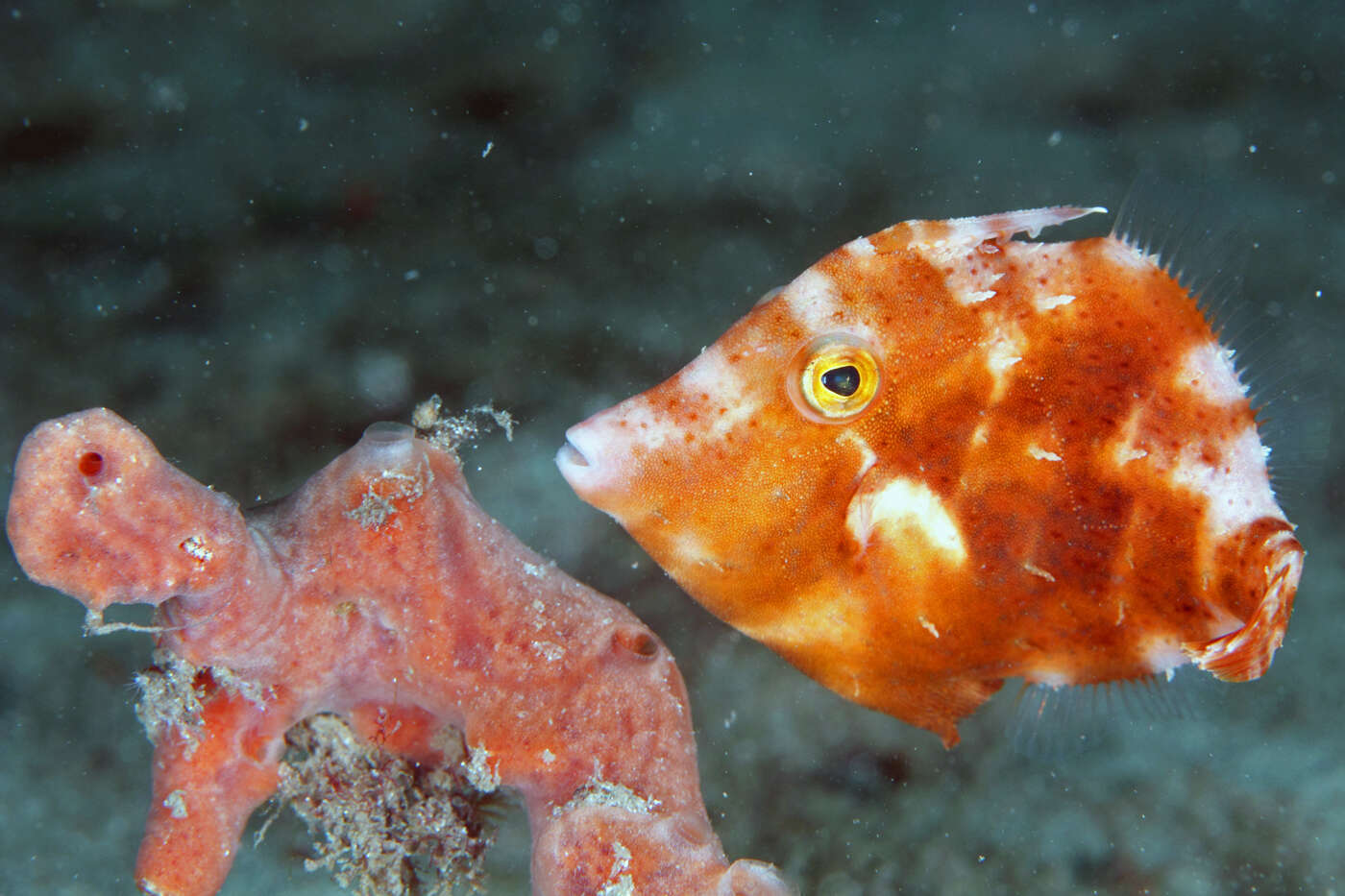
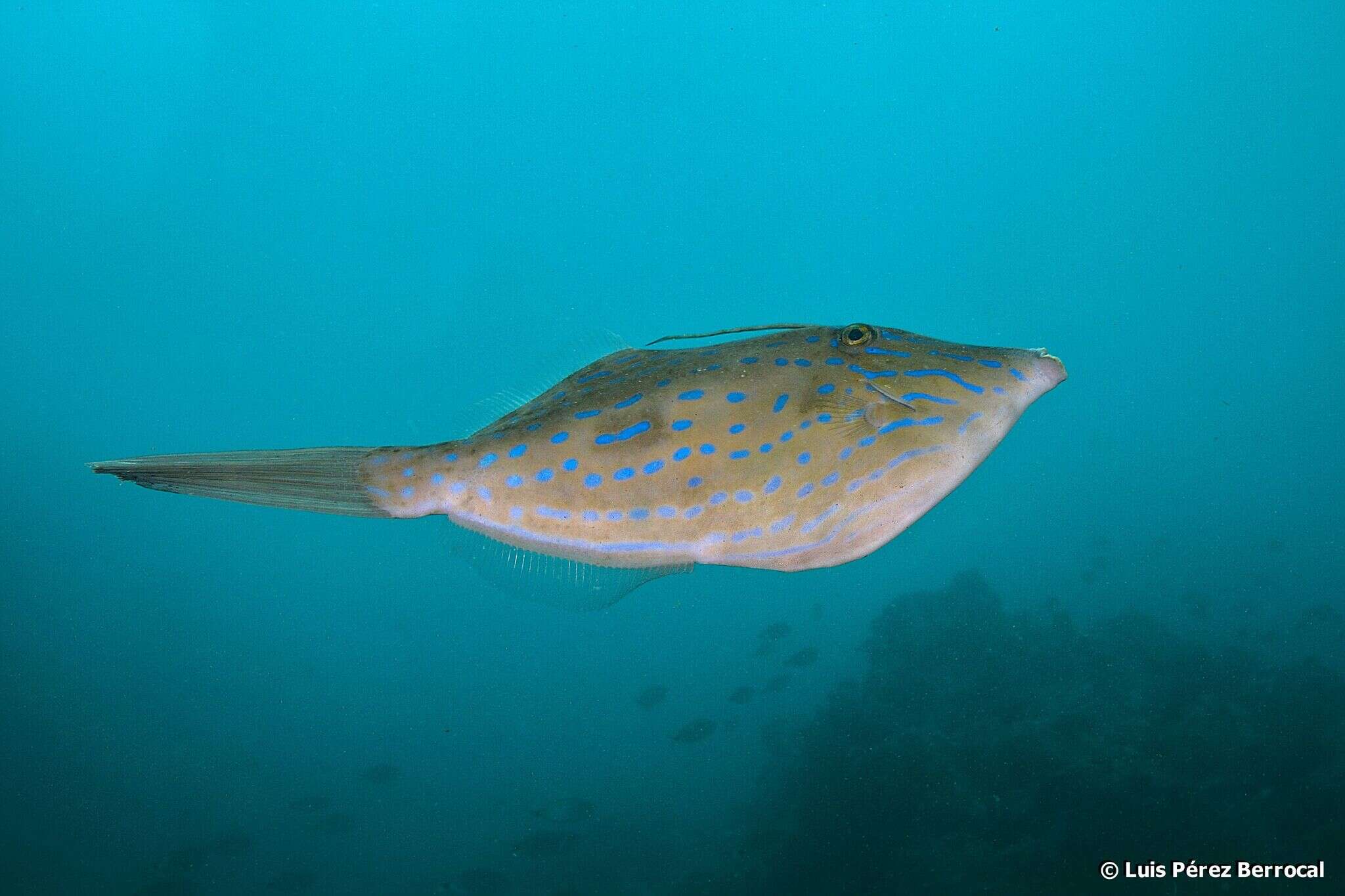
Monacanthus ciliatus (Mitchill, 1818) (Fringed Fiiefish)
Occurs in shallow water down to 50 m depth, over sandy and rocky bottoms, but more commonly in grass beds . Often seen moving head down among seagrass blades . The young are often associated with floating Sargassum . Feeds on plants and algae, and also on small crustaceans . Rarely consumed .
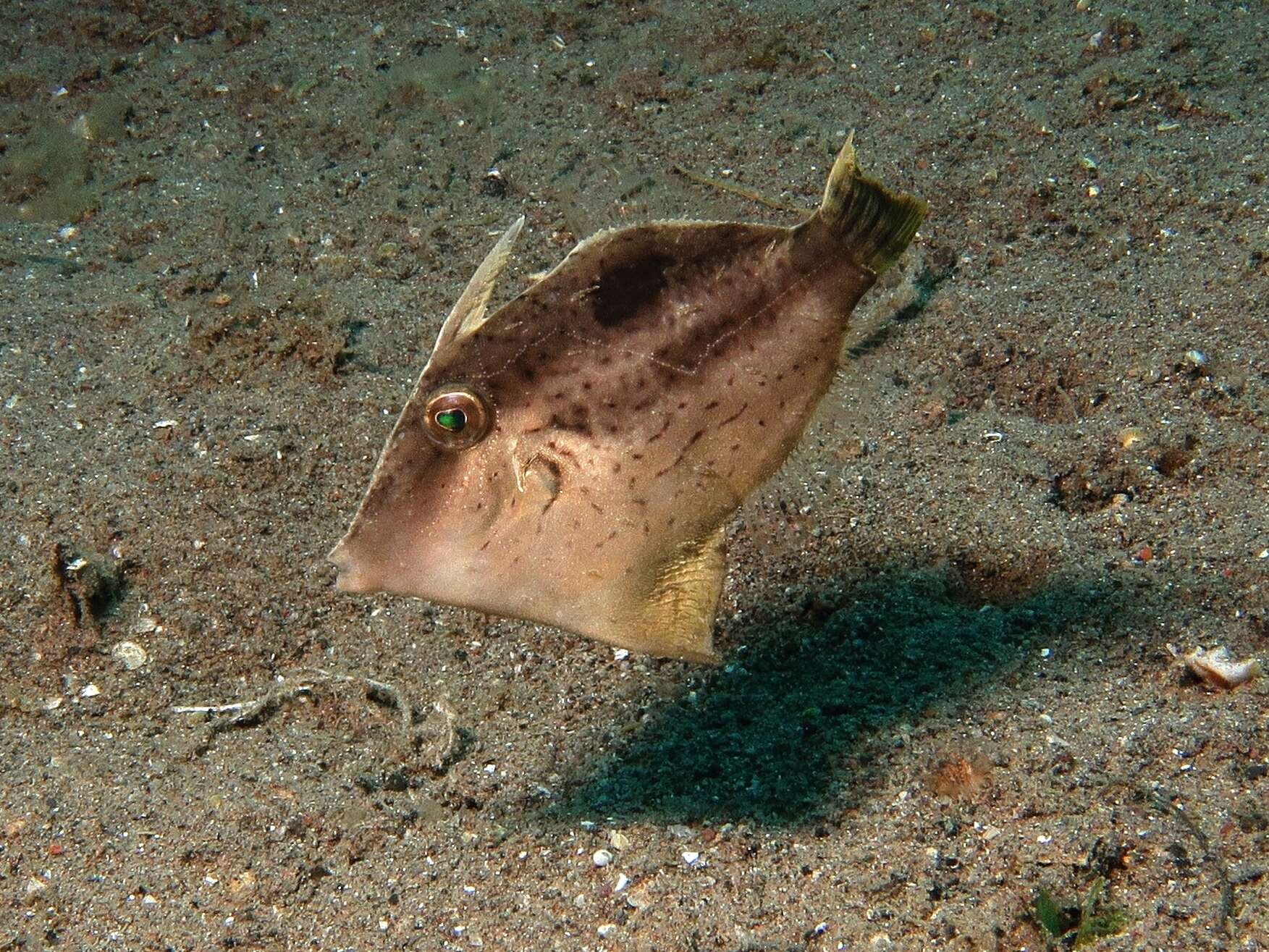
Stephanolepis hispidus (Linnaeus, 1766) (Common filefish)
Found on sand or mud bottoms. Associated with Sargassum . Adults feed on benthic invertebrates . Edible but generally rejected by fishers .
Pervagor spilosoma (Lay & Bennett, 1839) (Fantail filefish)
Inhabits coral reef areas . Benthopelagic over rock, rubble and sand; juveniles epi- and benthopelagic . Feeds on algae, small benthic invertebrates, and corals .
Paramonacanthus curtorhynchos (Bleeker, 1855)
Found on protected areas, on open, silty sand bottoms .
Aluterus heudelotii Hollard, 1855 (Dottered filefish)
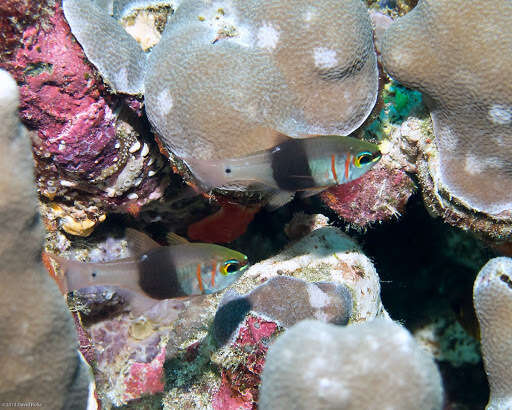
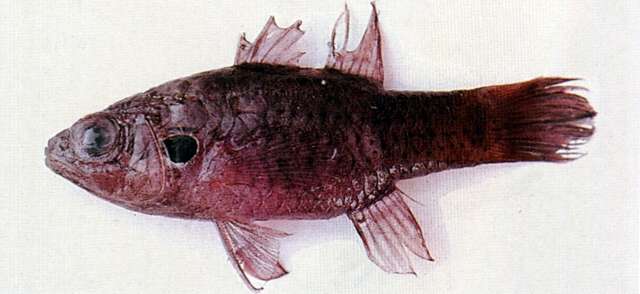
Archamia zosterophora (Bleeker, 1856) (Blackbelted cardinalfish)
Forms dense aggregations above or among the branches of Porites cylindrica and other branching corals of sheltered lagoons and inshore bays ; over sandy bottom at depths of 1-40 meters . Nocturnal species .
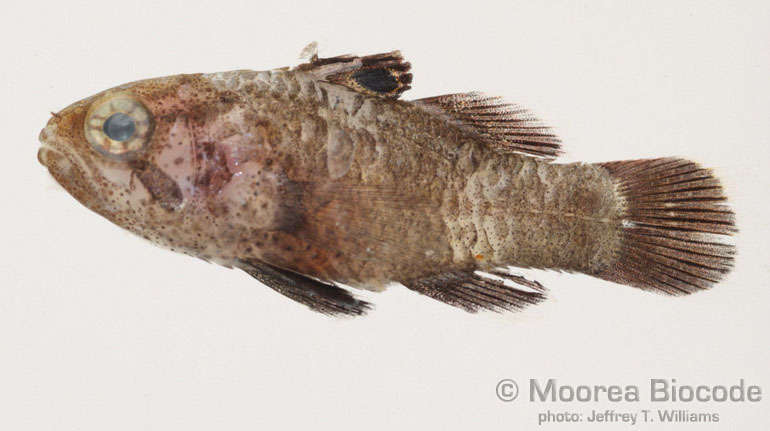
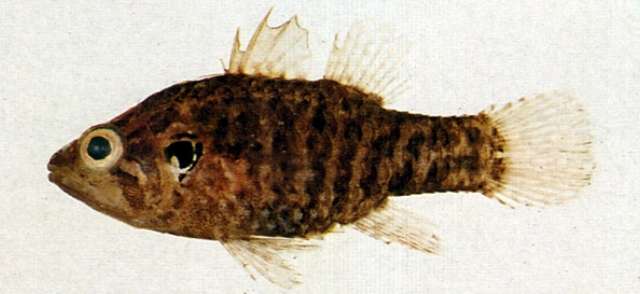
Apogonichthys ocellatus (Weber, 1913) (Ocellated cardinalfish)
Occurs inshore . Found in shallow sheltered lagoons and harbors, hiding among rocks, rubble, or clumps of brown algae . Nocturnal species.
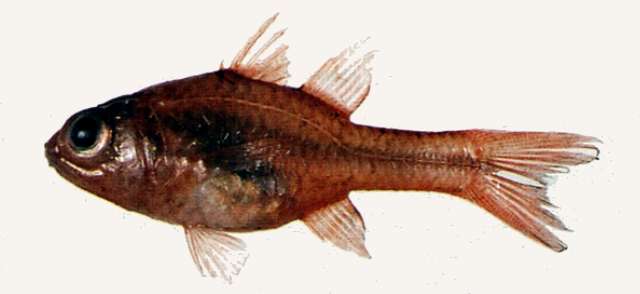
Apogon erythrinus Snyder, 1904 (Ruby cardinalfish)
Found in shallow water and observed to be active only at night, near the bottom, and never far from its shelter . Benthopelagic .
Fowleria punctulata (Rüppell, 1838) (Spotcheek cardinalfish)
Found in coastal mud flats and reefs to 10 m depth . Nocturnal species . Very cryptic and rarely seen, even at night .
Fowleria variegata (Valenciennes, 1832) (Spotcheek cardinalfish)
Found in coral reefs and seagrass beds of inner bays and shallow lagoons ; also in dead reef and rubble . Nocturnal species .
Apogon exostigma (Jordan & Starks, 1906) (Narrowstripe cardinalfish)
Found under ledges or among isolated coral heads in silty inner reef areas . Solitary and rather rare . Nocturnal species .
Fowleria marmorata (Alleyne & MacLeay, 1877) (Marbled cardinalfish)
Nocturnal species. Occurs inshore over rocky bottoms . Also found in outer reefs in mixed rich coral and algae rubble slopes .
Archamia fucata (Cantor, 1849) (Orangelined cardinalfish)
Inhabits continental and insular shelves; on coral and rocky reefs in sheltered bays and lagoon, patch reefs, with muddy, sandy and silty bottoms or coral rubble, and mangroves ; typically forming dense aggregations at the entrance of caves and among branching corals . Nocturnal species .
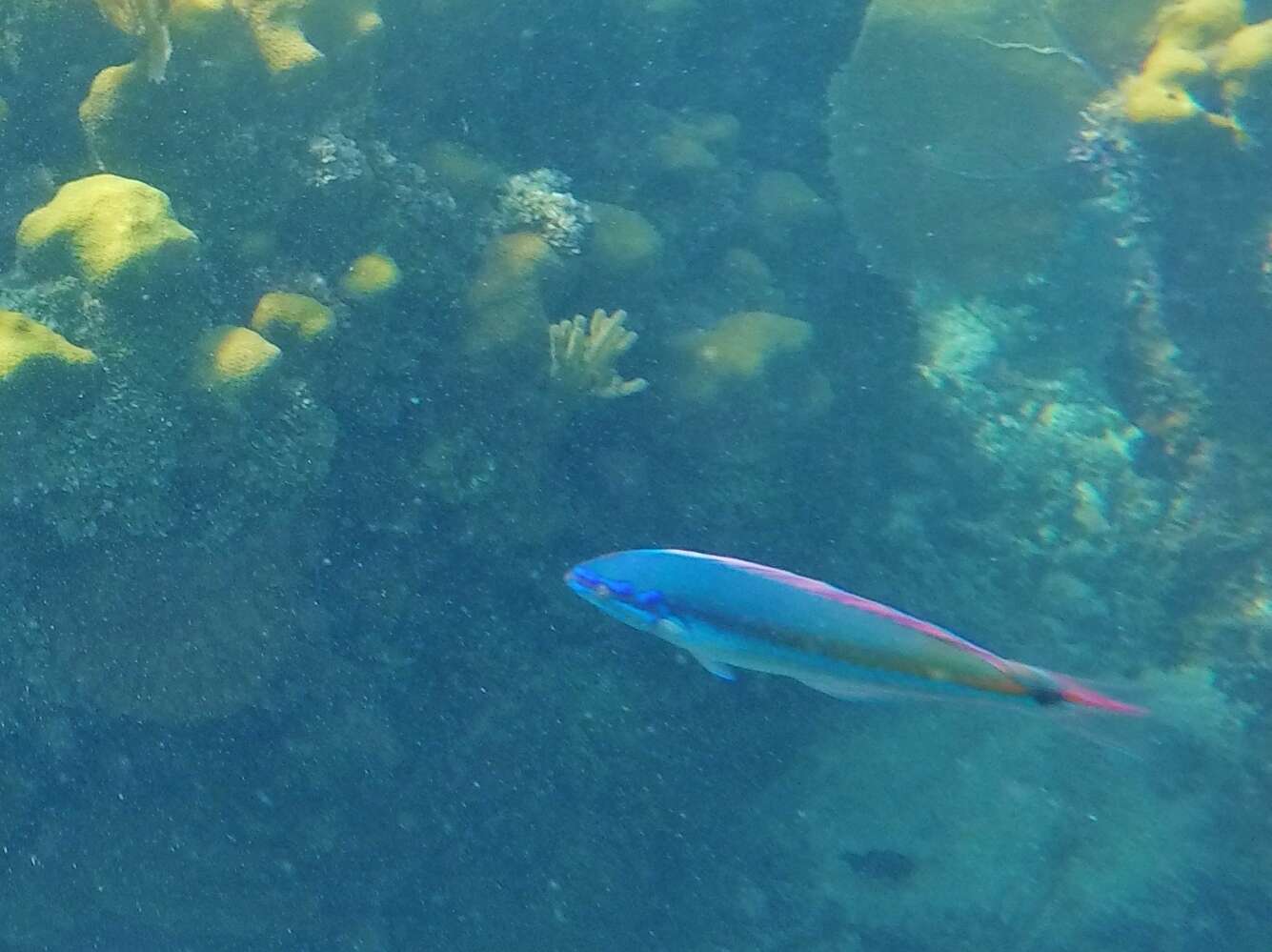
Halichoeres bathyphilus (Beebe and Tee-Van, 1932) (greenband wrasse)
Inhabits deep reefs . Traded as an aquarium fish at Ceará, Brazil .
Halichoeres pictus (Poey, 1860) (painted wrasse)
Inhabits coral reefs, normally high above the bottom. Swims with worm-like movements. Feeds on various invertebrates. A protogynous hermaphrodite . Generally of no interest to fisheries because of its small average size .
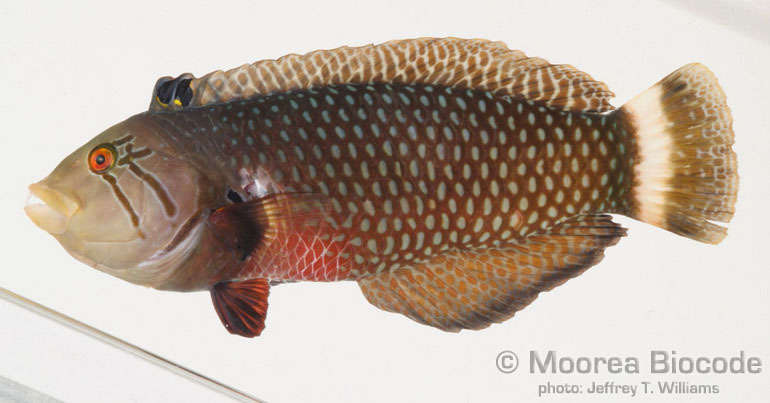
Choerodon anchorago (Bloch, 1791) (Orange-dotted tuskfish)
Inhabits reef flats and lagoon reefs, in areas with seagrass or mixed sand, rubble, and coral . Often forms small aggregations . Juveniles occur inshore and usually form small groups in estuarine seagrass beds. Adults c...
Read More
Read More
Novaculichthys taeniourus (Lacepède, 1801) (Rockmover wrasse)
Choerodon schoenleinii (Valenciennes, 1839) (Green wrasse)
Inhabit flat sandy or weedy areas near lagoon and seaward reefs . Solitary. Feed mainly on hard-shelled prey including crustaceans, mollusks and sea urchins. Marketed mostly fresh. In Hong Kong live fish markets .
Thalassoma cupido (Temminck and Schlegel, 1845) (Cupid wrasse)
Commercially cultured in Japan.
Bodianus bilunulatus (Lacepède, 1801) (Tarry hogfish)
Occurs on deep reef slopes rich with invertebrates such as sponges and seawhips, but young adults are occasionally seen much shallower . Usually solitary in coral and rocky reefs. Feeds mainly on benthic, hard-shelled, invertebrates such as mollusks and crustaceans. Protogynous .
Halichoeres miniatus (Valenciennes, 1839) (Circle-cheek wrasse)
Found in coastal, very shallow and usually algae-rocky coastal reefs .
Share on Social Networks
- Facebook:

personalize your shared text as well as its destination (wall, page...) or send as a private message to a friend
- Twitter: Tweet personalize your tweet
- Google Plus:
Direct link to this dive
- Long link:
- Short link:


 We are participating today in the startup contest Techcrunch Disrupt. Support Diveboard by voting for us!
























































































1st dive 2 tanker aboard Datu Budas (Super Sunday)
Six Rox, Catepillar Coral
HOT, mostly cloudy, some sun, mostly flat calm , good viz
drop offshore sol del sur, North swim back in shallows back out to boat
multilevel
highlight 2 Eagle Rays swim by distant for pics