


 Beachnutts


 Philippines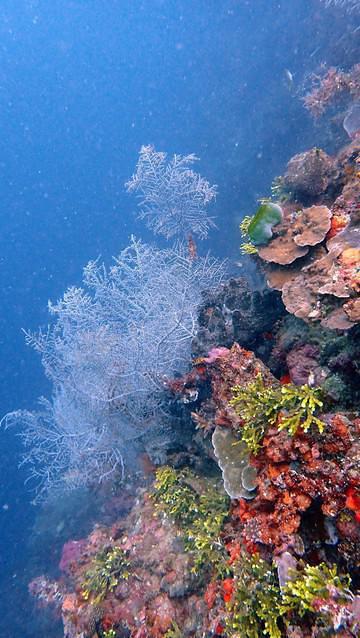
-
Nº100
 Date: 2023-09-03 - 01:15
-
 Max Depth: 21.9m Duration: 89mins
Dive Location

- Surface interval:92 mins
- Temp: Surf 27°C Bottom 27°C
- Dive type : Recreational, Reef, Photo, Wall
- Visibility: Average Water: Salt
Specific gear used
- BCD: Scubapro - Glide Plus
- Camera: Olympus - TG6
- Computer: Oceanic - OCS
- Fins: Scubapro - Jet Fins
- Knife: Scuba MAx - folding
- Lift bag: ScubaMax - SMB
- Light: Odnum - Diving
- Mask: Promate - Scope
- Regulator: Aqualung - Legend
- Regulator: Aqualung - Titan LX
- Wet suit: Blue Ocean - Diveskin
- Weights: 3.2 kg
Dive reviews
| Overall review | ||
| Dive difficulty | ||
| Marine life quality |
Recent Divers in Talikud Island, Davao

Recent Pictures in Talikud Island, Davao
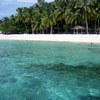
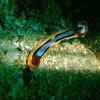
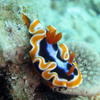
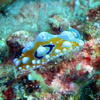
Dive Shop & Buddies
 Dive with Blake Auge

Link to this spot:
- Spot:
- Country:
- Area:
- Body of water:
Dive Profile
- 1. Air
- 10L Aluminium 207 → 41 bar
- Average depth: 14.6m
Data provided by EOL.org



Species Identified
Aplysina aerophoba Nardo, 1843 (Gold-sponge)
Spheciospongia purpurea (Lamarck, 1815)
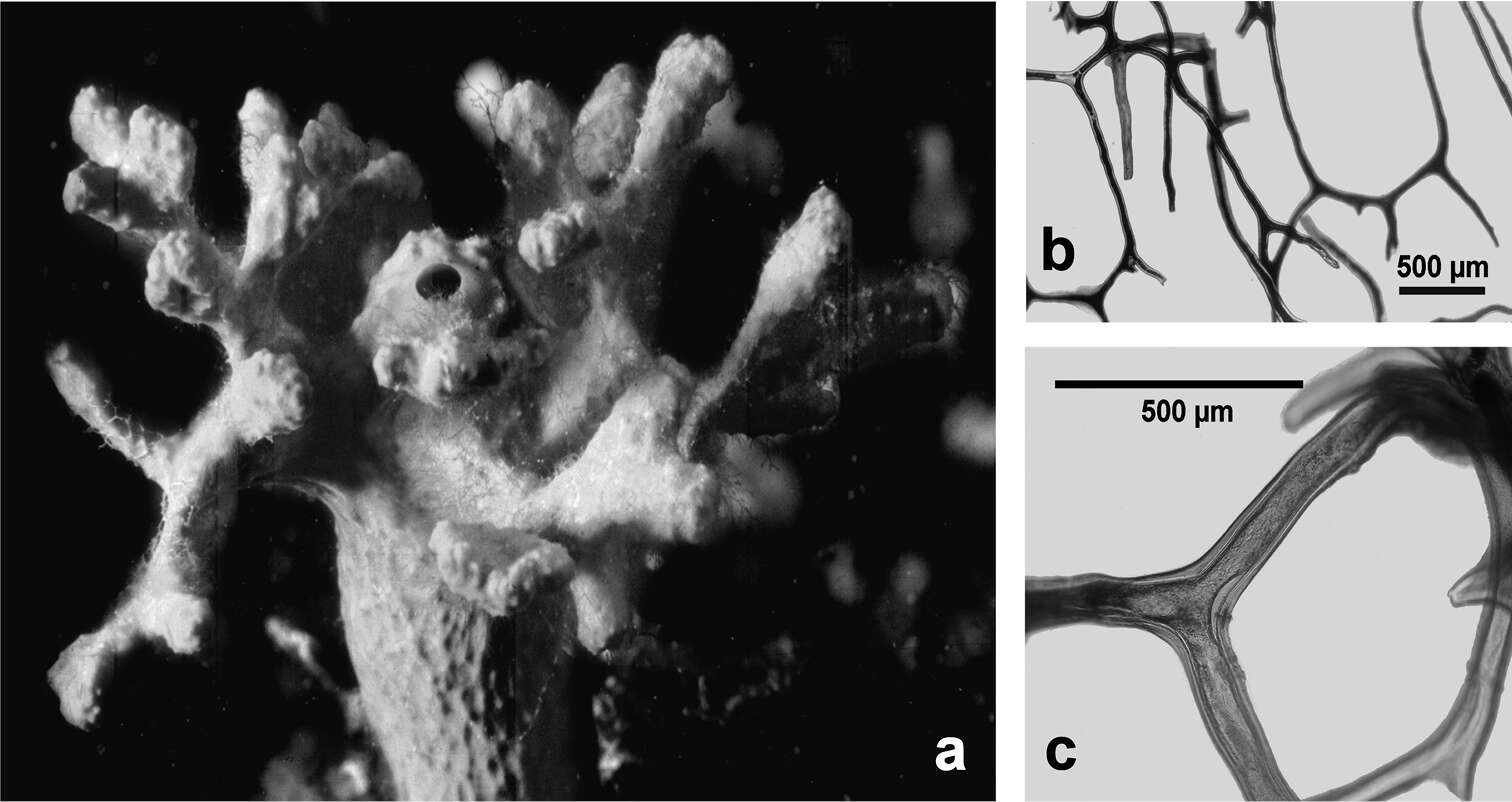
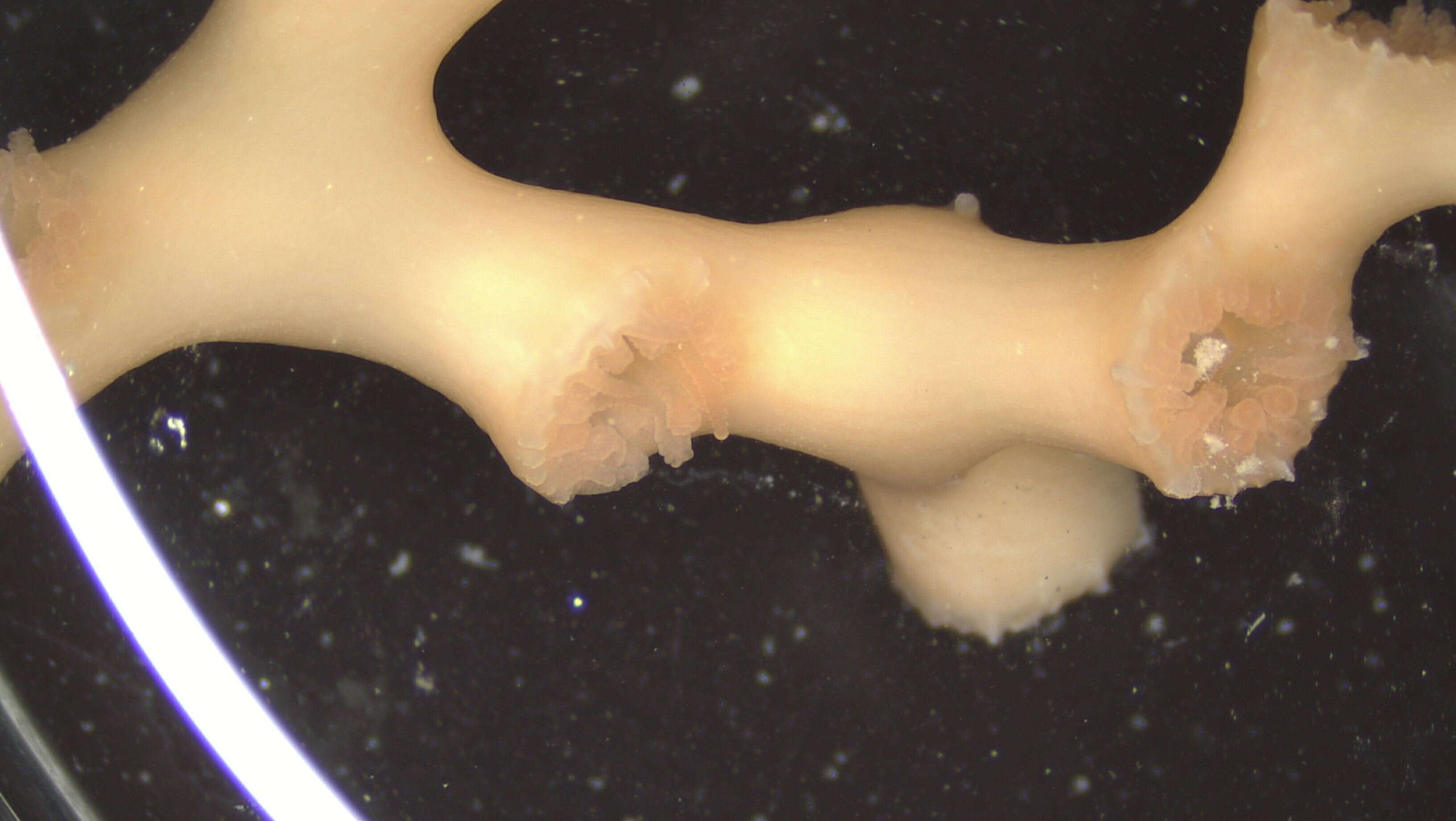
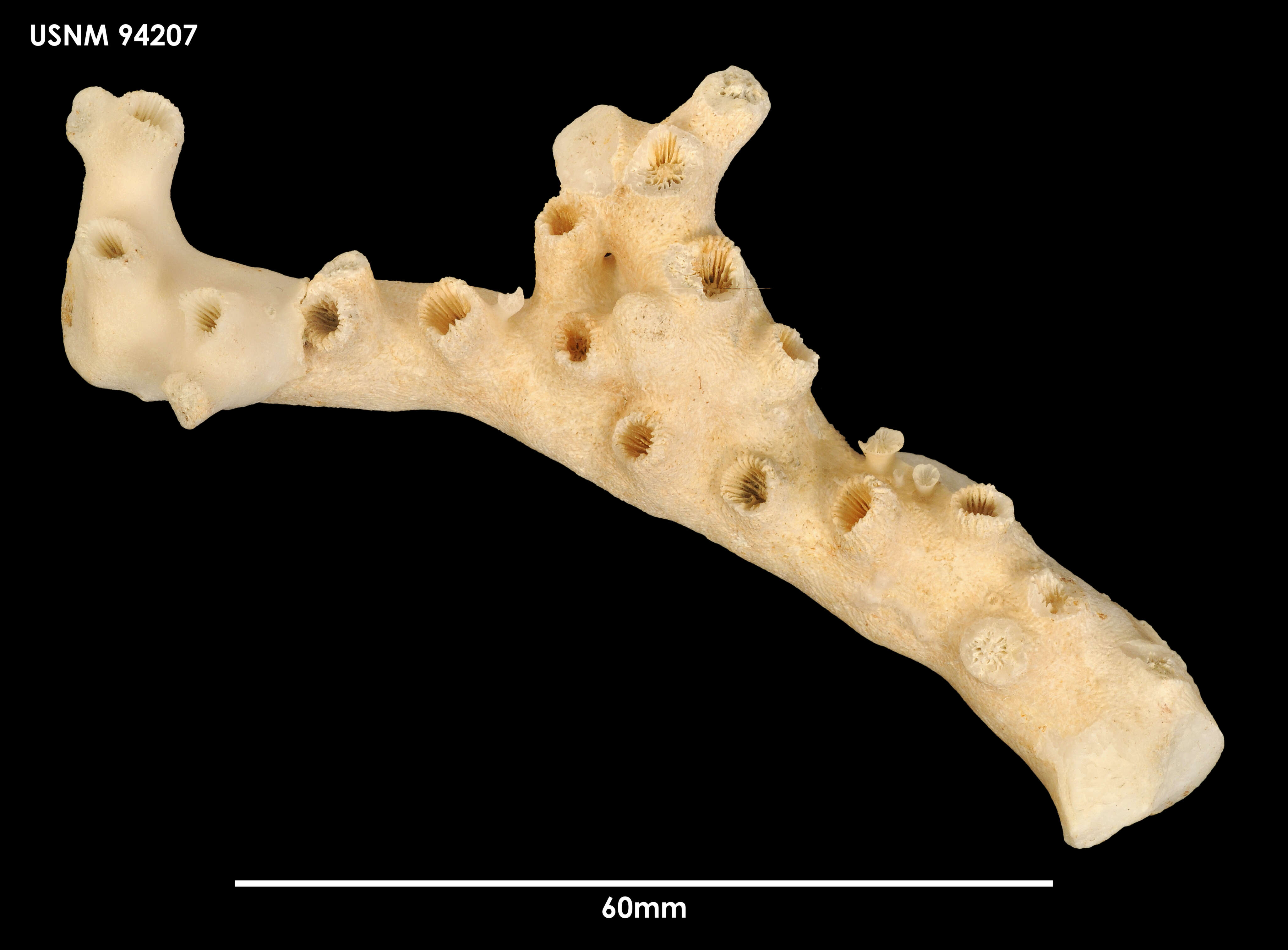
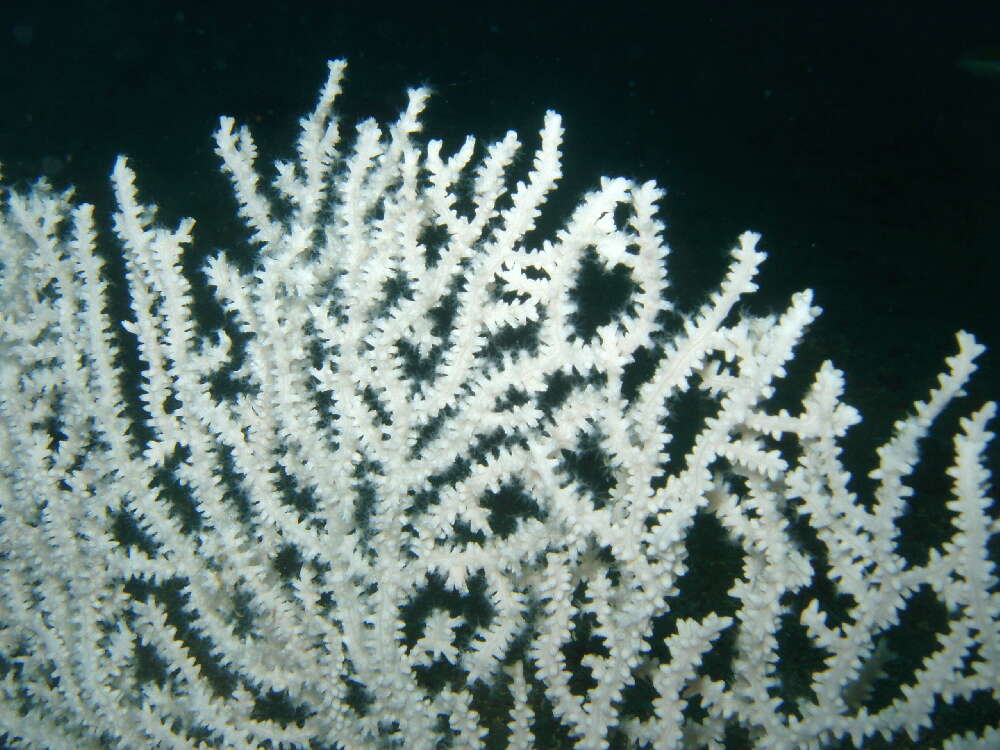
Madrepora oculata Linnaeus, 1758 (sikksakkorall)
azooxanthellate
Enallopsammia rostrata (Pourtalès, 1878)
azooxanthellate
Eunicella verrucosa (Pallas, 1766) (Broad sea fan)
Although there is no direct information on the reproduction of the pink sea fan, it is thought that larvae are short-lived and settle soon after release . It is a slow growing and long-lived species and if a population is...
Read More
Read More
Apogon affinis (Poey, 1875) (Longtooth cardinalfish)
Adults prefer exposed deep reefs and rocky outcroppings . Eggs are incubated orally by both parents . This is the only species in the genus Apogon with mouthbrooding done by males and females .
Apogon imberbis (Linnaeus, 1758) (Cardinal fish)
Occasionally forms schools; sometimes solitary. Inhabits muddy or rocky bottoms and caves. Feeds on small invertebrates and fishes . Oral brooding by males .
Holocentrus adscensionis (Osbeck, 1765) (Squirrelfish)
Occurs in shallow coral reefs, as well as deeper offshore waters . A nocturnal species, hiding in deep crevices or under coral ledges during the day; at night it usually moves over sand and grass beds, taking mainly crabs...
Read More
Read More
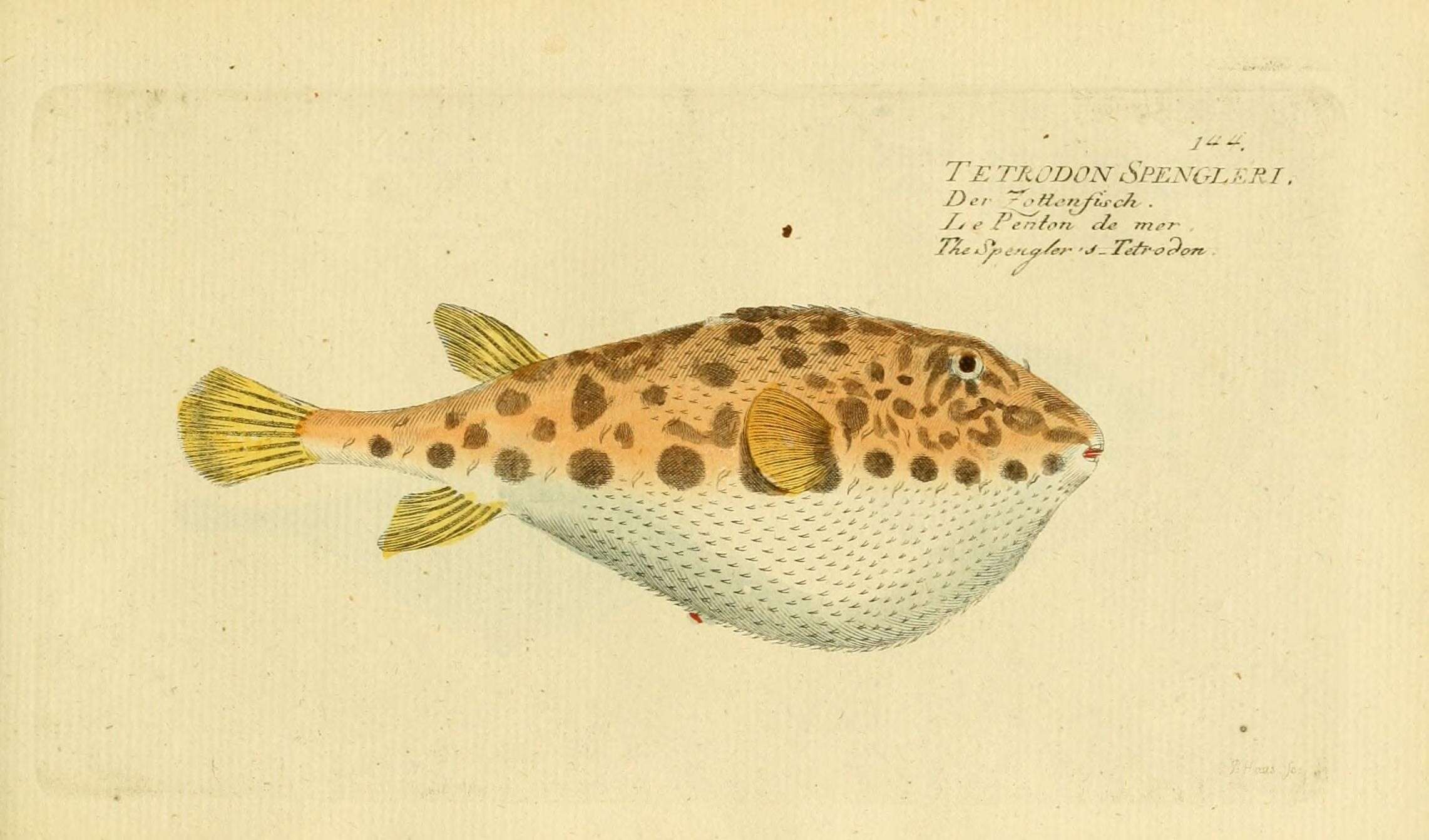
Sphoeroides spengleri (Bloch, 1785) (Puffer)
Abundant in all inshore habitats where there is adequate cover, such as seagrass beds and reef flats. Feeds on mollusks, crustaceans and echinoderms . Generally common . Traded as an aquarium fish at Ceará, Brazil .
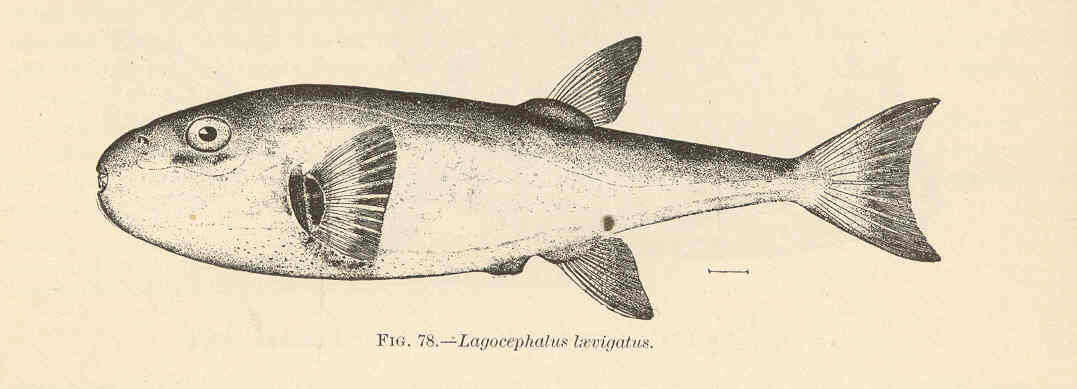
Lagocephalus laevigatus (Linnaeus, 1766) (Puffer)
Inhabits inshore and near-shore areas, over sand or mud bottoms. Usually found alone or in small, loose aggregates. Adults are pelagic, but near continental margins; young are commonly found on coastal and offshore banks...
Read More
Read More
Arothron hispidus (Linnaeus, 1758) (White-spotted puffer)
Thalassoma quinquevittatum (Lay and Bennett, 1839) (Fivestripe wrasse)
Found in clear outer lagoon reefs and exposed seaward reefs. Abundant in shallow exposed areas with surge channels , with gutters, large Acropora plates and algae bottom . Benthopelagic . Males are often in small loose...
Read More
Read More
Thalassoma pavo (Linnaeus, 1758) (Ornate wrasse)
Inhabits coastal waters near rocks and eel-grass beds. Usually solitary, sometimes in small groups. Feeds on small mollusks and crustaceans . Protogynous hermaphrodite, with distinct sexual dichromatism . Eggs are pelagic .
Share on Social Networks
- Facebook:

personalize your shared text as well as its destination (wall, page...) or send as a private message to a friend
- Twitter: Tweet personalize your tweet
- Google Plus:
Direct link to this dive
- Long link:
- Short link:


 We are participating today in the startup contest Techcrunch Disrupt. Support Diveboard by voting for us!
























































































2nd dive 2 tanker aboard Datu Budas
Mansud Wall out and back, boat had moved. Boat pU
multilevel, mostly solo dive