


 Beachnutts


 Philippines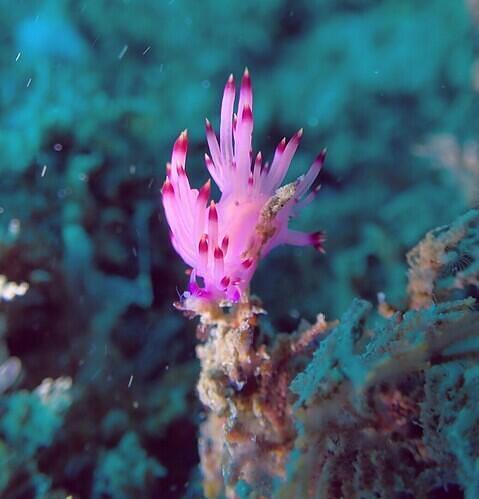
-
Nº117
 Date: 2024-01-11 - 01:18
-
 Max Depth: 16.5m Duration: 84mins
Dive Location

- Temp: Surf 26°C Bottom 26°C
- Dive type : Recreational, Wreck, Reef, Photo, Muck dive
- Visibility: Bad Water: Salt
Specific gear used
- BCD: Oceanic - OceanPro
- Boots: Orca - Dive shoes
- Camera: Olympus - TG6
- Compass:
- Computer: Oceanic - OCS
- Fins: Scubapro - Jet Fins
- Lift bag: ScubaMax - SMB
- Light: Sofirn - SD05
- Mask: Promate - Scope
- Regulator: Aqualung - Calypso
- Wet suit: Blue Ocean - Diveskin
- Weights: 3.2 kg
Dive reviews
| Overall review | ||
| Dive difficulty | ||
| Marine life quality |
Dive Shop & Buddies
 Dive with Blake Auge
 Dive buddies:
Beachnutts
Dive buddies:
Beachnutts

Link to this spot:
- Spot:
- Country:
- Area:
- Body of water:
Dive Profile
- 1. Air
- 10L Aluminium 207 → 21 bar
- Average depth: 11m
Data provided by EOL.org








Species Identified
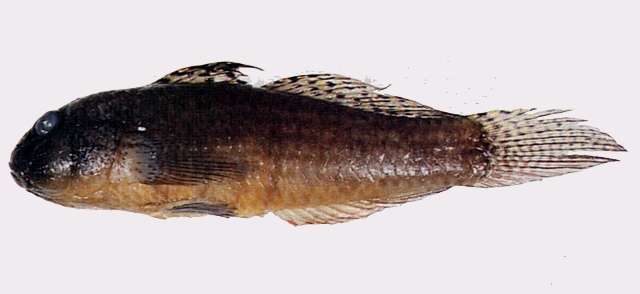
Gobiosoma nudum (Meek & Hildebrand, 1928) (goby)
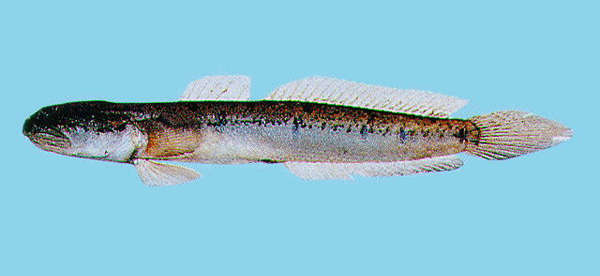
Exyrias puntang (Bleeker, 1851) (Puntang goby)
Inhabits muddy bottoms of shallow, turbid marine to brackish coastal inlets and estuaries. Also lives in shallow coastal waters, large tidal pools, mangroves, siltty lagoons and brackish lakes .
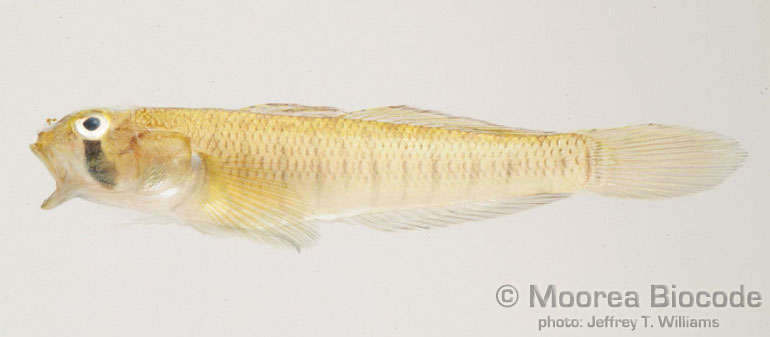
Istigobius perspicillatus (Herre, 1945) (Eye-line sand-goby)
Found in areas with rocky bottom, or in patchy reef, sand, and rubble areas, Ref. 48637.
Apocryptodon madurensis (Bleeker, 1849) (Madura goby)
Found in fresh and brackish waters . Browses on diatoms; not active at low tide, staying in burrows made by Alpheus bisincisus and others.
Stenogobius genivittatus (Valenciennes, 1837) (Chin-band goby)
Occurs inshore and enters brackish and fresh water along the upper tidal zone of rivers . Larvae spend time in the marine zooplankton and as juveniles, about 135 days old, recruit to freshwater streams where they under...
Read More
Read More
Suezichthys gracilis (Steindachner and Döderlein, 1887) (Slender wrasse)
Found around coral and rock patches in shallow protected sandy areas . Amphipods, small crustaceans, and polychaetes have been reported from the stomachs of Japanese specimens.
Halichoeres semicinctus (Ayres, 1859) (rock wrasse)
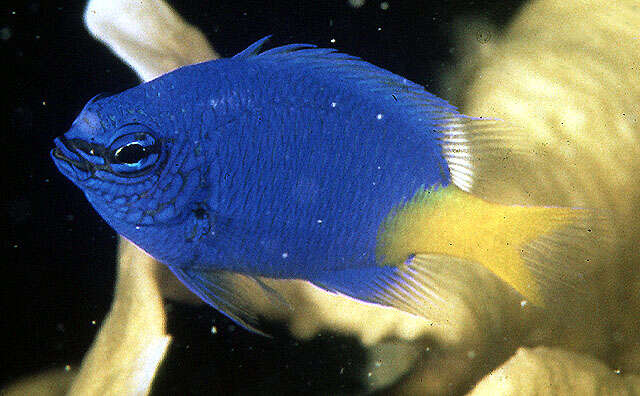
Chrysiptera parasema (Fowler, 1918) (Goldtail demoiselle)
Inhabits coral-rich areas of sheltered lagoon and inshore coral reefs . Occurs in small groups on Acropora patches .
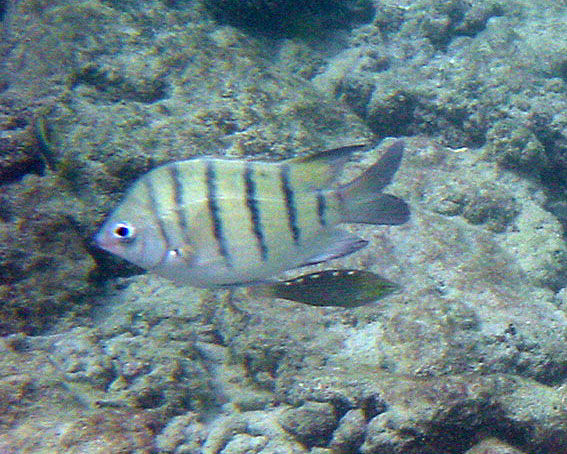
Abudefduf bengalensis (Bloch, 1787) (Bengal sergeant)
Occurs singly or in small groups in inshore reef and lagoon environments. Feeds on algae, gastropods, and small crabs. Highly territorial .
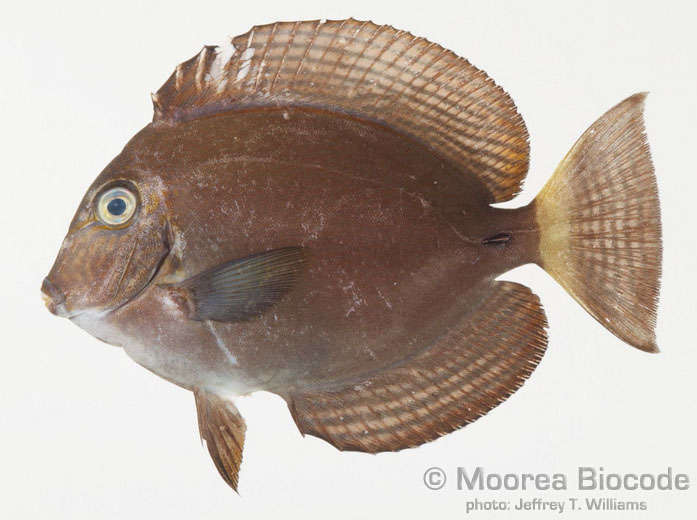
Ctenochaetus hawaiiensis Randall, 1955 (Black surgeonfish)
An uncommon species that inhabits seaward rocky or coral reefs . Juveniles found in relatively deep coral rich areas . Benthopelagic .
Acanthurus blochii Valenciennes, 1835 (whitetail surgeonfish)
Occurs in outer lagoon and seaward reefs, usually seen in small groups and school in some oceanic locations . Benthopelagic . Feeds primarily on the algal film covering compacted sand, ingesting the usual component of sa...
Read More
Read More
Acanthurus olivaceus Bloch and Schneider, 1801 (Orangespot surgeonfish)
Inhabit seaward reefs, in areas of bare rock or mixed rubble and sand, from 9 to at least 46 m depth; juveniles inhabit protected bays and lagoons, singly or in small groups in as little as 3 m . Benthopelagic . Adults o...
Read More
Read More
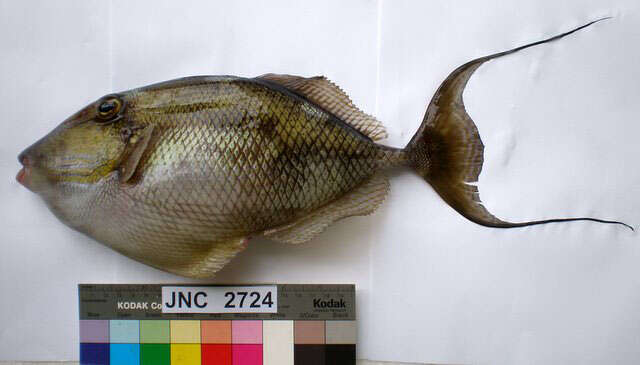
Xanthichthys lineopunctatus (Hollard, 1854) (Brown-lined triggerfish)
A rare species that occurs in offshore reefs, often seen well above the bottom . Also taken by drive-in nets. Oviparous .
Rhinecanthus cinereus (Bonnaterre, 1788) (灰锉鳞鲀)
Rhinecanthus assasi (Forsskål, 1775) (Picasso triggerfish)
Inhabits shallow sandy and rubble areas of coral reefs . Juveniles are commonly found on reef flats . Feeds on benthic invertebrates . Caught with artisanal gear, mainly pots .
Abalistes filamentosus Matsuura & Yoshino, 2004 (Triggerfish)
Abalistes stellaris (Bloch & Schneider, 1801) (Star puffer)
Inhabit coastal areas, usually found over muddy and sandy bottoms, also around reefs, together with the sponges and algae . Feed on benthic animals . Oviparous . Also caught with vertical long-lines . Marketed fresh and dried-salted .
Balistes ellioti Day, 1889 (elliot's filefish)
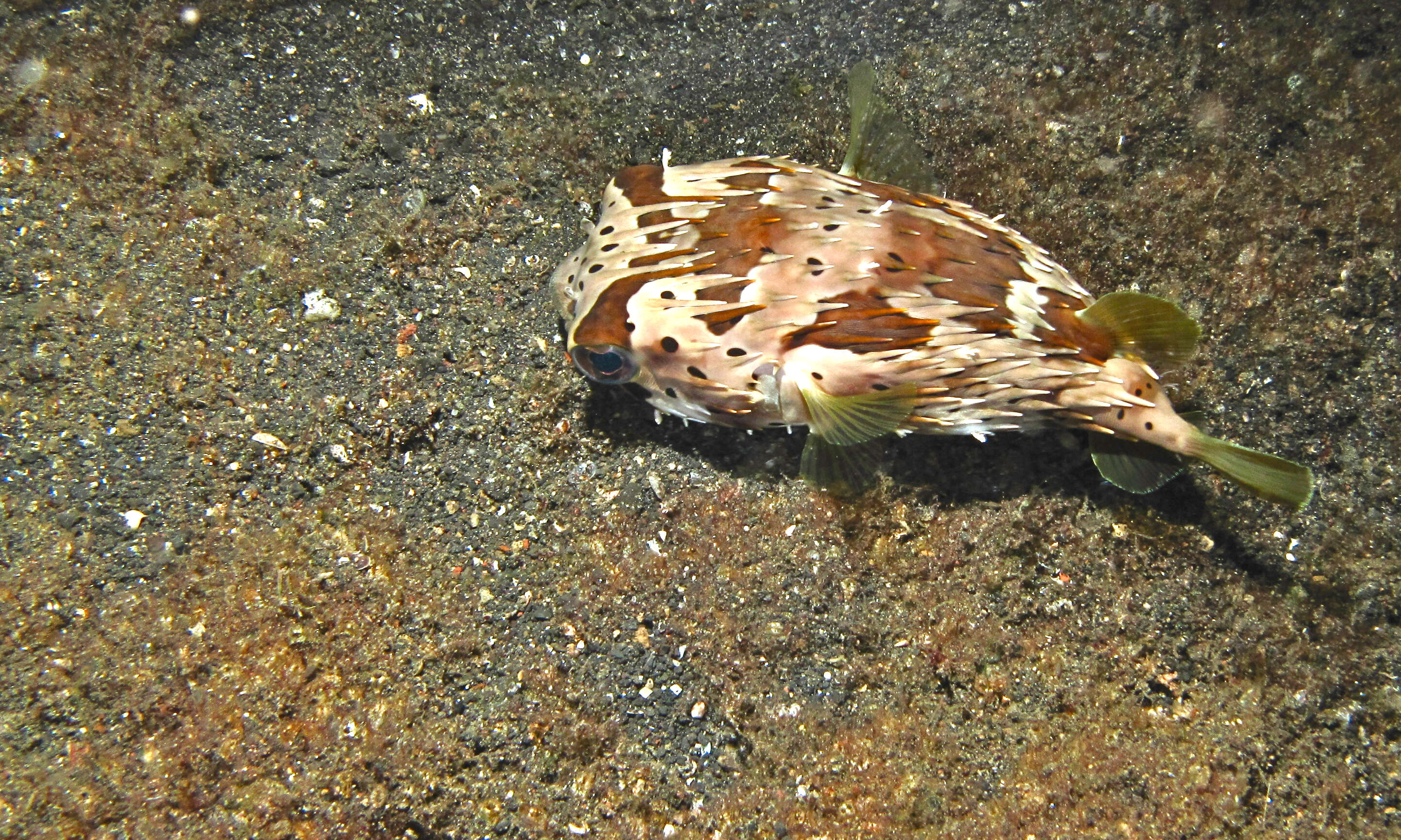
Diodon liturosus Shaw, 1804 (Black-blotched porcupinefish)
Inhabits reef edges and slopes . Hides in caves and ledges during the day and forages at night . Also found below plate-corals during the day and often deep, ranging to at least 40 meters depth. Juveniles occur in lagoo...
Read More
Read More
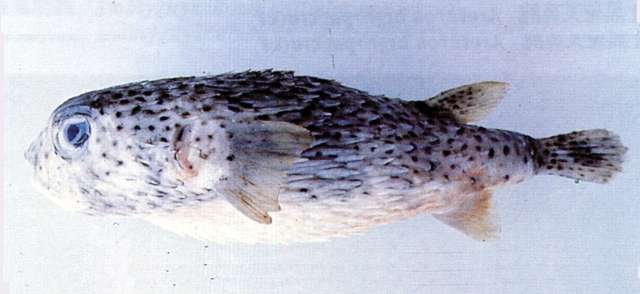
Diodon holocanthus Linnaeus, 1758 (Long-spine porcupinefish)
Diodon eydouxii Brisout de Barneville, 1846 (Pelagic porcupinefish)
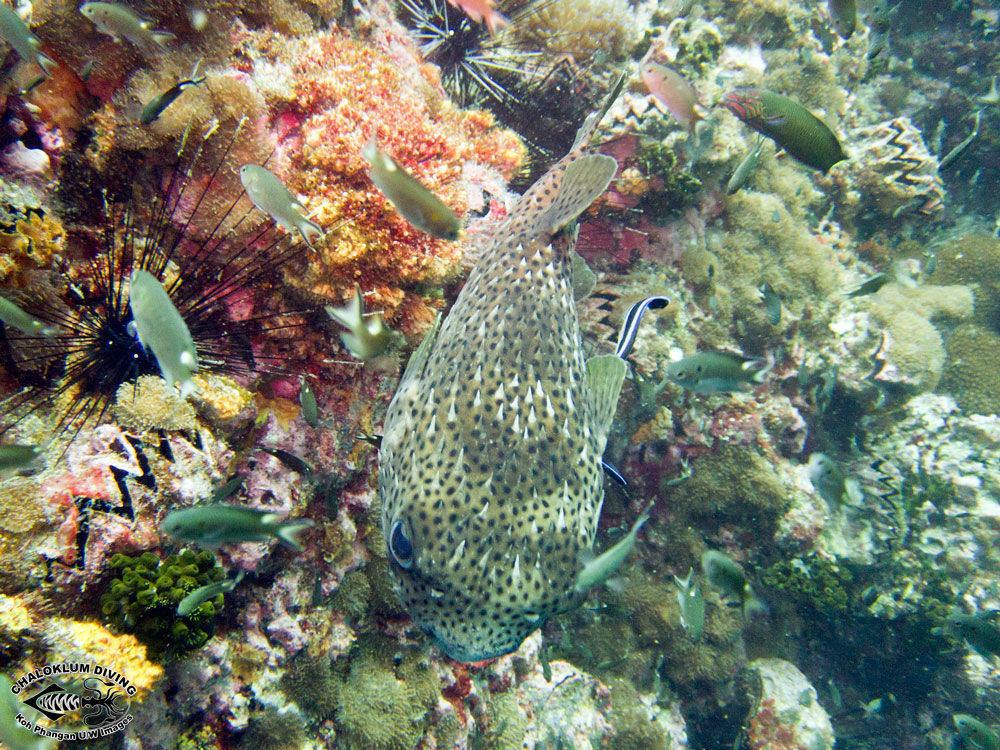
Diodon hystrix Linnaeus, 1758 (Spot-fin porcupinefish)
Share on Social Networks
- Facebook:

personalize your shared text as well as its destination (wall, page...) or send as a private message to a friend
- Twitter: Tweet personalize your tweet
- Google Plus:
Direct link to this dive
- Long link:
- Short link:


 We are participating today in the startup contest Techcrunch Disrupt. Support Diveboard by voting for us!
























































































DBC Nudiville West , some current after late drop Low Tide 11:15 am
water mostly clear but goes white out when current starts
photos suffered, hard to spot, back to beach
multilevel