


 Beachnutts


 Philippines
-
Nº85
 Date: 2023-06-25 - 10:11
-
 Max Depth: 25.3m Duration: 88mins
Dive Location

- Temp: Surf 27°C Bottom 27°C
- Dive type : Recreational, Reef, Photo
- Visibility: Average Water: Salt
Specific gear used
- BCD: Scubapro - Glide Plus
- Boots: Orca - Dive shoes
- Camera: Olympus - TG6
- Computer: Oceanic - OCS
- Fins: Scubapro - Jet Fins
- Knife: Scuba MAx - folding
- Lift bag: ScubaMax - SMB
- Light: Odnum - Diving
- Mask: Promate - Scope
- Regulator: Aqualung - Titan LX
- Wet suit: Blue Ocean - Diveskin
- Weights: 3.2 kg
Dive reviews
| Overall review | ||
| Dive difficulty | ||
| Marine life quality |
Dive Shop & Buddies
 Dive with Blake Auge
 Dive buddies:
Maeng
Dive buddies:
Maeng

Link to this spot:
- Spot:
- Country:
- Area:
- Body of water:
Dive Profile
- 1. Air
- 10L Aluminium 207 → 21 bar
- Average depth: 16.9m
Data provided by EOL.org






Species Identified
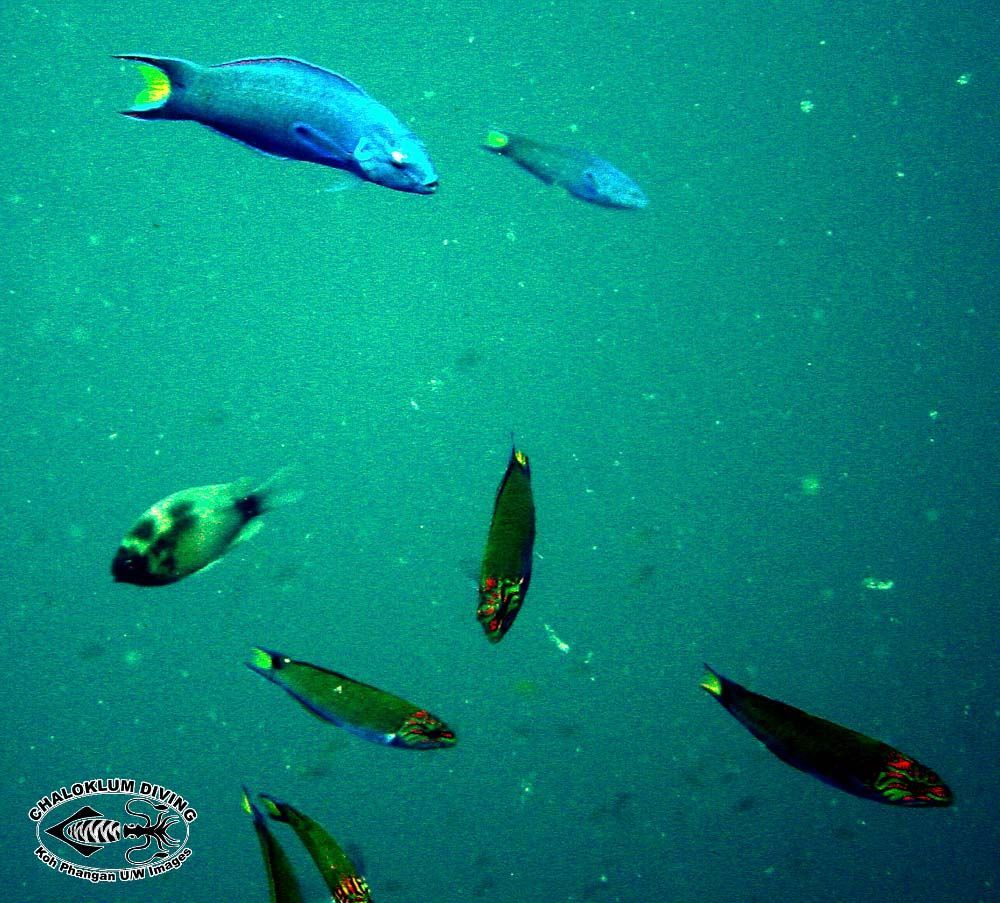
Thalassoma lunare (Linnaeus, 1758) (Blue wrasse)
Occurs in the upper portions of lagoon and coastal reefs, and in protected seaward reefs . Enters estuaries . Usually found on upper portions of ledges and heads . Feeds mainly on small benthic invertebrates and fish eggs . A protogynous hermaphrodite .
Pseudocheilinus evanidus Jordan and Evermann, 1903 (Striated wrasse)
Found among patches of rubble or among branching coral of seaward reef slopes from 6 to at least 40 m . Benthopelagic . Rare in less than 20 m . Generally solitary and feeds on small benthic invertebrates .
Halichoeres marginatus Rüppell, 1835 (Dusky wrasse)
Inhabit lagoon and seaward reefs, along the upper edges of coral-rich areas . Benthopelagic . Juveniles are encountered in exposed outer reef flats . Feed on a wide variety of small invertebrates as well as fish eggs.
Halichoeres chloropterus (Bloch, 1791) (Pastel-green wrasse)
Inhabits shallow protected coral reefs and nearby silty sand and rubble bottoms . Feeds mainly on hard-shelled prey, including mollusks, crustaceans and sea urchins .
Amphiprion ocellaris Cuvier, 1830 (false clown anemonefish)
Premnas biaculeatus (Bloch, 1790) (Spinecheek anemonefish)
Inhabits lagoon and seaward reefs , found mainly in protected coastal waters and lagoons. Typically found in pairs in which males are much smaller than females . Feeds primarily on zooplankton and benthic algae . Has been reared in captivity . Associated with the anemone Entacmaea quadricolor .
Scarus ghobban Forsskål, 1775 (Blue-barred parrotfish)
Balistapus undulatus (Park, 1797) (Orange-lined triggerfish)
Occurs in coral-rich areas of deep lagoon and seaward reefs from the lower surge zone to at least 50 meters, Ref. 48637. Feeds on a variety of benthic organisms such as algae, echinoderms, fishes, mollusks, tunicates, spo...
Read More
Read More
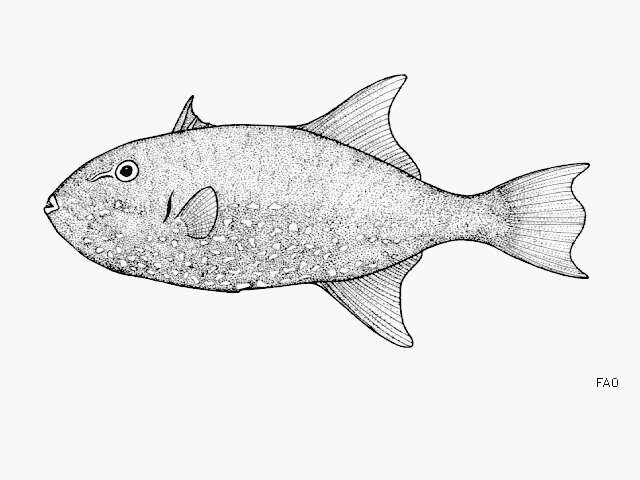
Abalistes stellaris (Bloch & Schneider, 1801) (Star puffer)
Inhabit coastal areas, usually found over muddy and sandy bottoms, also around reefs, together with the sponges and algae . Feed on benthic animals . Oviparous . Also caught with vertical long-lines . Marketed fresh and dried-salted .
Canthidermis maculata (Bloch, 1786) (Spotted oceanic triggerfish)
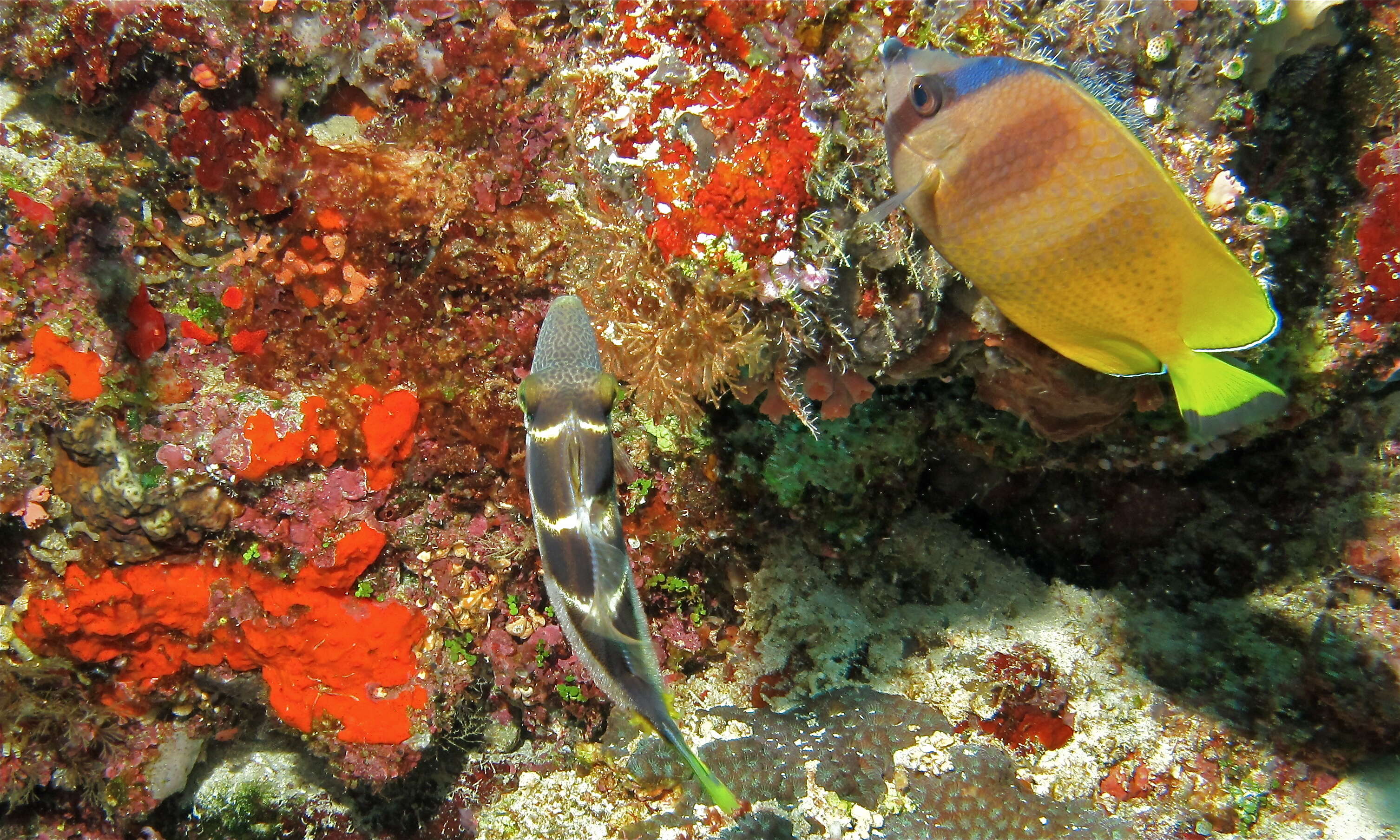
Chaetodon kleinii Bloch, 1790 (Sunburst butterflyfish)
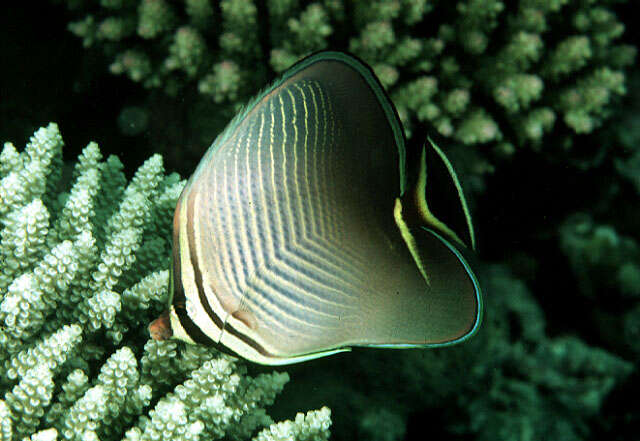
Chaetodon triangulum Cuvier, 1831 (Triangle butterflyfish)
Inhabit lagoon and seaward reefs . Closely associated with Acropora corals, particularly the staghorn variety. Territorial and in pairs . Juveniles solitary among coral branches . Feed mainly on coral polyps and theref...
Read More
Read More
Chaetodon lineolatus Cuvier, 1831 (Line butterflyfish)
Occur in lagoon and seaward reefs, usually in pairs in coral rich areas . Benthopelagic . Feed mainly on coral polyps and anemones, but also on small invertebrates and algae . Largest species in the genus . Oviparous . Form pairs during breeding .
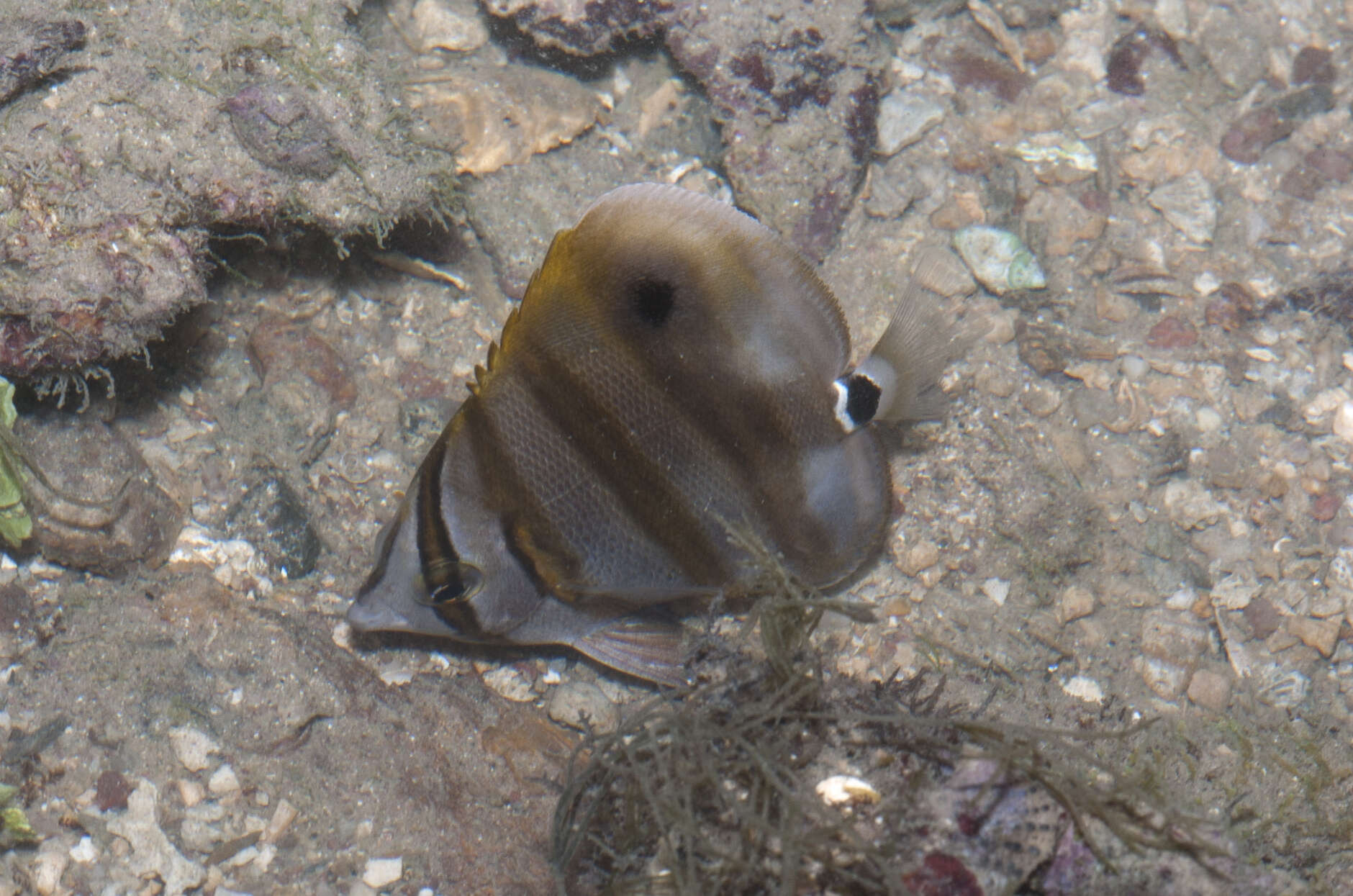
Parachaetodon ocellatus (Cuvier, 1831) (Sixspine butterflyfish)
Occur in pairs on flat sand or silty bottoms on coastal reefs. Adults school in large numbers over open muddy substrates in deep water. Juveniles sometimes in large lagoons with seagrasses in depths of about 5 m or more . Oviparous . Form pairs during breeding .
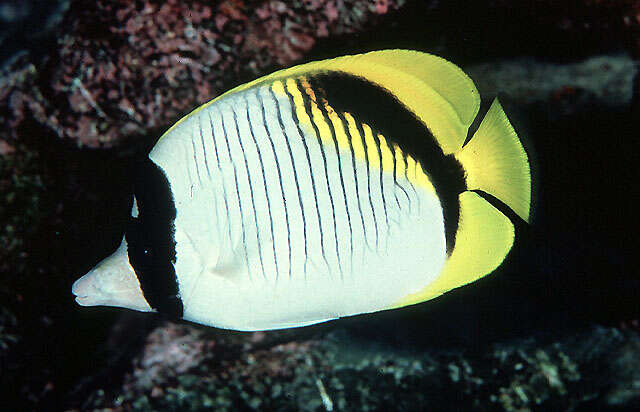
Chaetodon rafflesii [Bennett], 1830 (Latticed coralfish)
An uncommon species found in areas of rich coral growth of lagoon and protected reef flats and seaward reefs . Often in pairs . Feed on sea anemones, polychaetes, and octocorallian and scleractinian coral polyps. Ovipar...
Read More
Read More
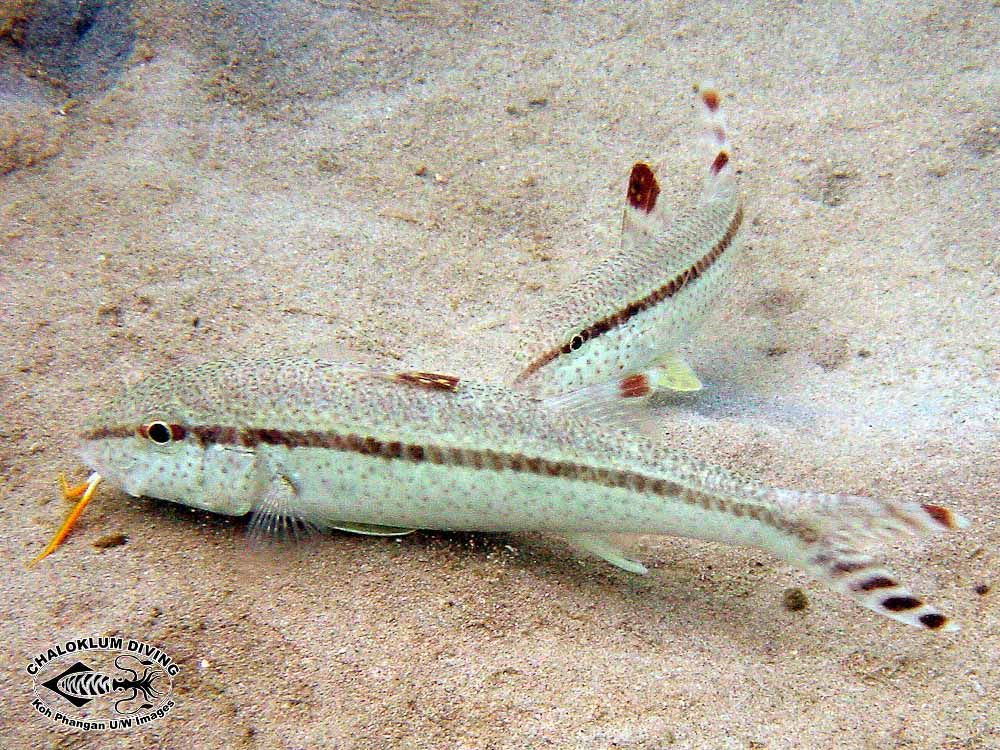
Upeneus tragula Richardson, 1846 (Freckled goatfish)
Found over sand and mud bottoms near coral reefs . Known to enter lower reaches of rivers. Generally solitary , but forms small to moderately large aggregations at all sizes . Minimum depth from Ref. 3470.
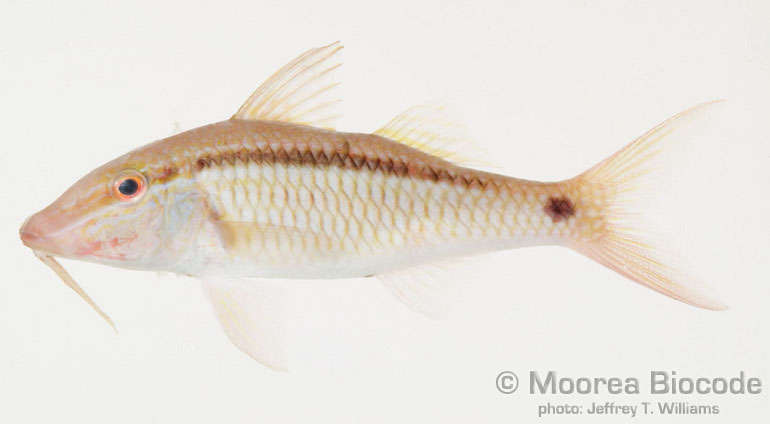
Parupeneus barberinus (Lacepède, 1801) (Dash-and-dot goatfish)
One of the most abundant species of Parupeneus . Inhabits large sand patches as well as sand and rubble areas of reef flats, and lagoon and seaward reefs to a depth of about 100 m. Forages on sand-dwelling invertebrates ...
Read More
Read More
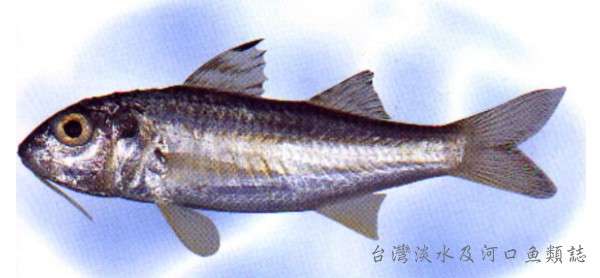
Upeneus sulphureus Cuvier, 1829 (Goat fish)
Found in coastal waters, entering estuaries . Forms schools . Has appearance of sillaginids when schooling .
Share on Social Networks
- Facebook:

personalize your shared text as well as its destination (wall, page...) or send as a private message to a friend
- Twitter: Tweet personalize your tweet
- Google Plus:
Direct link to this dive
- Long link:
- Short link:


 We are participating today in the startup contest Techcrunch Disrupt. Support Diveboard by voting for us!
























































































1st dive Sundive 2 tanker Datu Budas
Angel's Cpve again, very green debris/ trassh on surface and beach, not sure why we going there again in poor conditions??
Drop in near South side Angel's Cove/ Red House/ Dizon Wall
swim to depth top of Dizon Wall, follow South on top of wall, up to shallows, back to boat, lost boat in poor viz, surface just closeby
multilevel
thermocline around 40-50 feet, much better viz under