


 Beachnutts



 Philippines
-
Nº995
 Date: 2021-11-19 - 12:20
-
 Max Depth: 11.9m Duration: 75mins
Dive Location

- Surface interval:3 mins
- Temp: Surf 28°C Bottom 28°C
- Dive type : Recreational, Photo, Muck Dive
- Visibility: Bad Water: Salt
Specific gear used
- Weights: 4.1 kg
Dive reviews
| Overall review | ||
| Dive difficulty | ||
| Marine life quality |
Dive Shop & Buddies
 Dive with Blake Auge

Link to this spot:
- Spot:
- Country:
- Area:
- Body of water:
Dive Profile
Data provided by EOL.org






Species Identified
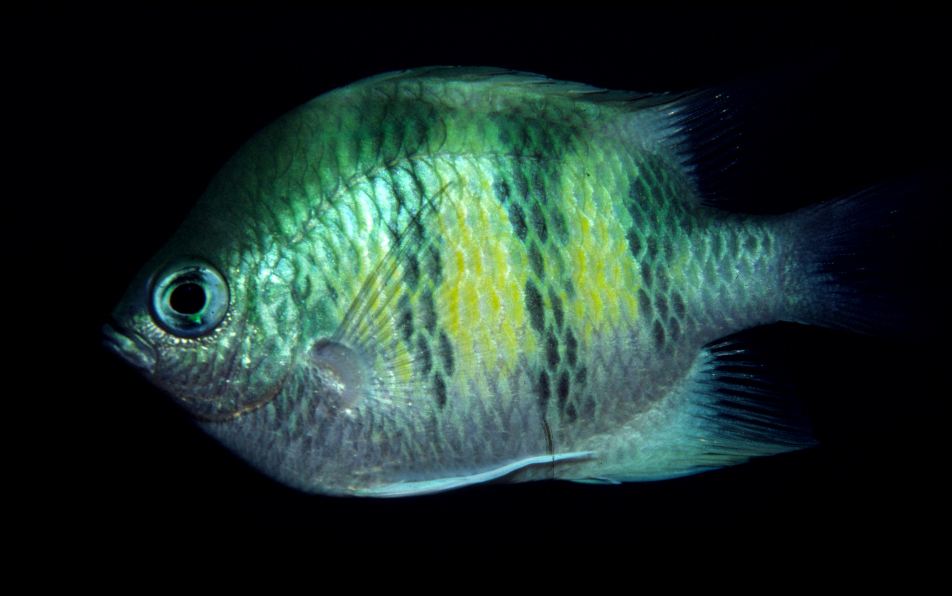
Chromis weberi Fowler and Bean, 1928 (Weber's chromis)
Occurs singly or in small to large aggregations in passes and steep outer reef slopes.
Amblyglyphidodon curacao (Bloch, 1787) (Black-snouted sergeant-major)
Inhabits lagoons, coastal embayments, reef passages and outer reefs. Juveniles often found among Sarcophyton and Sinularia soft corals. Feeding aggregations are frequently observed over growths of the staghorn coral Acro...
Read More
Read More
Cirripectes polyzona (Bleeker, 1868) (Barred blenny)
Occur in algal ridge and ridge crests between surge channels of exposed seaward reefs to a depth of about 3 m . Benthic . Feed on algae and associated minute invertebrates like forams, ostracods, and gastropods. Oviparous . Eggs are demersal and adhesive .
Entomacrodus caudofasciatus (Regan, 1909) (Tail-barred rockskipper)
Found along rocky intertidal shorelines, benches, outer reef flats, and reef margins subject to some degree of wave action. Oviparous . Eggs are demersal and adhesive .
Entomacrodus thalassinus (Jordan & Seale, 1906) (Sea blenny)
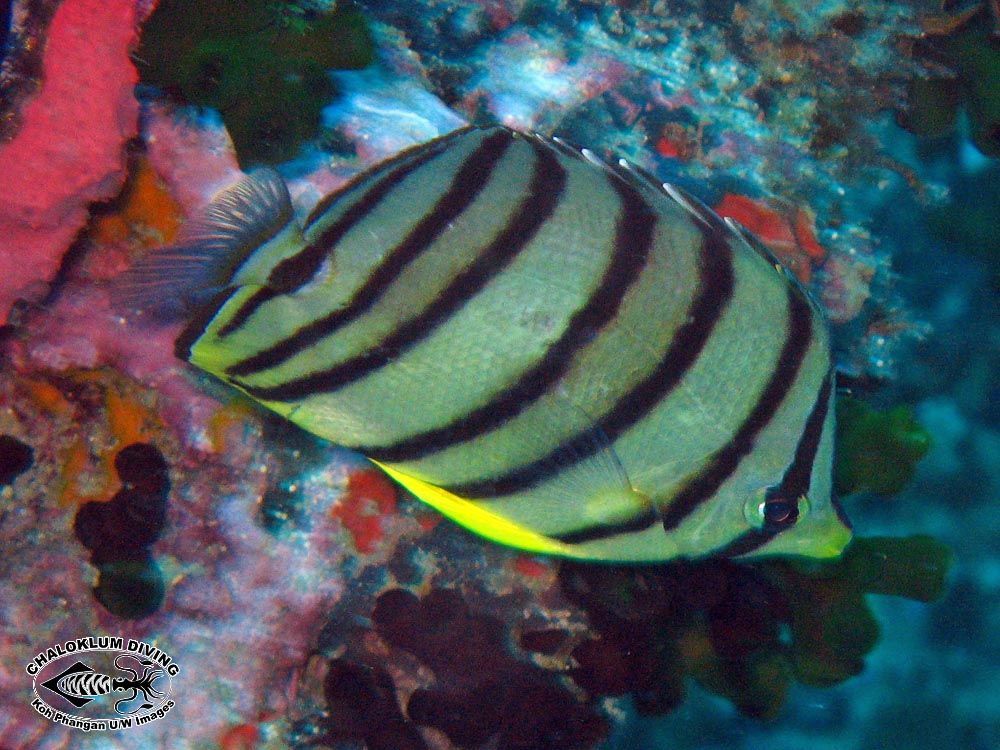
Chaetodon octofasciatus Bloch, 1787 (Eightband butterflyfish)
Swim in pairs in coral rich areas of sheltered lagoon and inshore reefs; juveniles seen in groups among Acropora corals. Feed exclusively on coral polyps. Oviparous . Form pairs during breeding .
Chaetodon punctatofasciatus Cuvier, 1831 (Spotband butterflyfish)
Common in coral rich areas and clear waters of lagoon and seaward reefs. Sometimes found on outer subtidal reef flats . Juveniles secretive . Feed on filamentous algae, corals, and benthic invertebrates. Often in pairs...
Read More
Read More
Chaetodon speculum Cuvier, 1831 (Mirror butterflyfish)
In coastal reef slopes rich with hydroids and anemones. Small juveniles secretive in coral thickets . Usually solitary and relatively uncommon. Feed on coral polyps and invertebrates . Oviparous , monogamous . Form pairs during breeding .
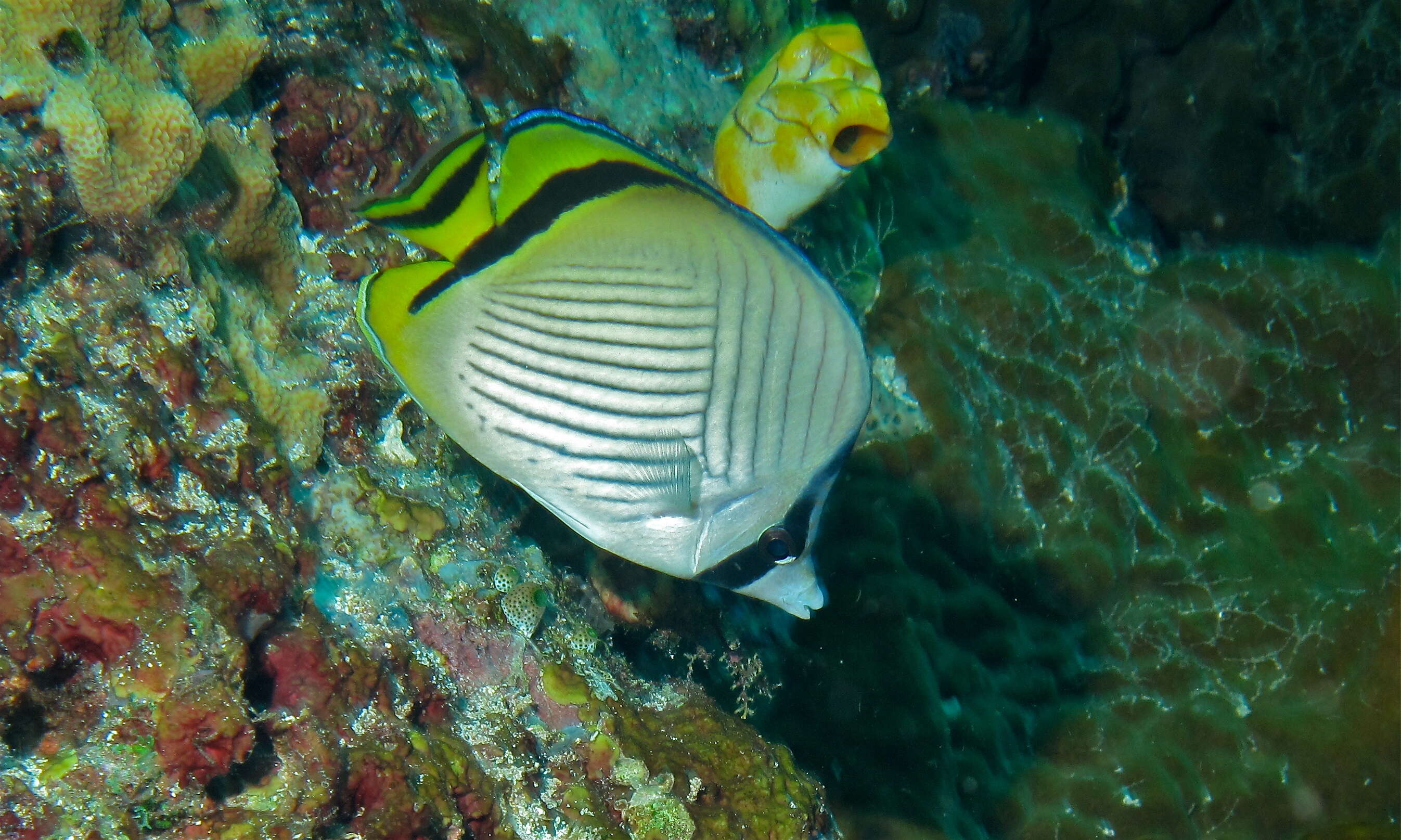
Chaetodon vagabundus Linnaeus, 1758 (Vagabond butterflyfish)
Found in reef flats, lagoon and seaward reefs and sometimes in turbid waters subject to freshwater runoff. Swim in pairs. Omnivorous, feed on algae, coral polyps, crustaceans and worms . Oviparous , monogamous . Stab...
Read More
Read More
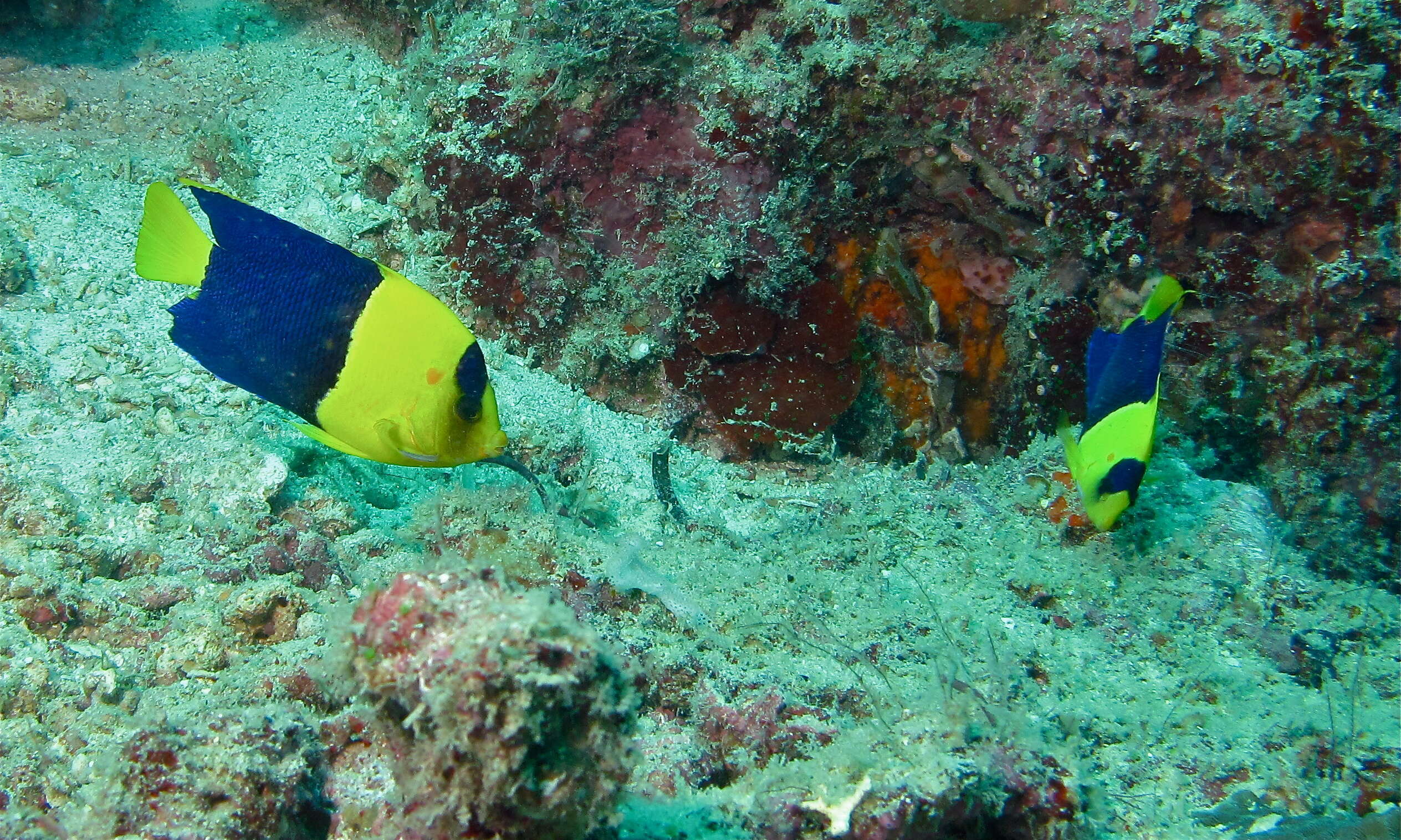
Centropyge tibicen (Cuvier, 1831) (Keyhole angelfish)
Relatively uncommon in mixed coral and rubble areas of lagoon and seaward reefs. The largest member of the genus . Feeds mainly on algae. Forms harems of 3-7 individuals. Frequently exported through the aquarium trade .
Centropyge bicolor (Bloch, 1787) (Bicolor angelfish)
Inhabits lagoon, channel, or protected seaward reef slopes, drop offs, coral and rubble areas . Usually in pairs or in small groups. Feeds on algae, small crustaceans and worms. Darts from one hiding place to the next. Commonly exported through the aquarium trade .
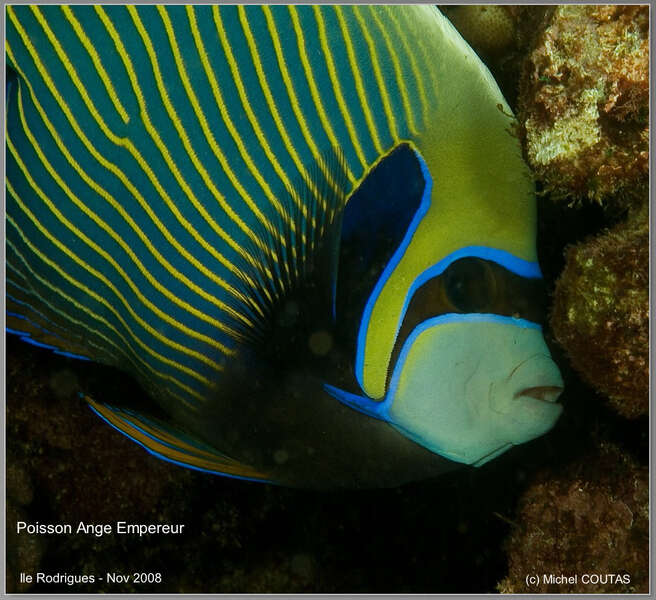
Pomacanthus imperator (Bloch, 1787) (Angel fish)
Juveniles are encountered under ledges, or in holes of outer lagoon patch reefs or semi-protected areas of exposed channels and outer reef flats. Subadults move to reef front holes and surge channels. Large adults inhabi...
Read More
Read More
Share on Social Networks
- Facebook:

personalize your shared text as well as its destination (wall, page...) or send as a private message to a friend
- Twitter: Tweet personalize your tweet
- Google Plus:
Direct link to this dive
- Long link:
- Short link:


 We are participating today in the startup contest Techcrunch Disrupt. Support Diveboard by voting for us!
























































































Davao Boat Club November 2021 plan to hug the dropoff from shallows heading South, bad viz and current limits distance traveled
Single dive, multilevel