


 Beachnutts


 Philippines
-
Nº148
 Date: 2024-09-29 - 10:04
-
 Max Depth: 23.8m Duration: 97mins
Dive Location

- Temp: Surf 28°C Bottom 28°C
- Dive type : Recreational, Reef, Photo
- Visibility: Average Water: Salt
Specific gear used
- BCD: Scubapro - Glide Plus
- Camera: Olympus - TG6
- Computer: Oceanic - OCS
- Fins: Scubapro - Go Rescue
- Knife: Scuba MAx - folding
- Lift bag: ScubaMax - SMB
- Light: Sofirn - SD05
- Mask: Promate - Scope
- Regulator: SEAC - Synchro
- Weights: 3.2 kg
Dive reviews
| Overall review | ||
| Dive difficulty | ||
| Marine life quality |
Recent Divers in Talicud island, Davao

Recent Pictures in Talicud island, Davao
Dive Shop & Buddies
 Dive with Blake Auge from Carabao Dive Center
 Dive buddies:
Reymar Tano,
Beachnutts
Dive buddies:
Reymar Tano,
Beachnutts

Link to this spot:
- Spot:
- Country:
- Area:
- Body of water:
Dive Profile
- 1. Air
- 10L Aluminium 207 → 34 bar
- Average depth: 15.8m
Data provided by EOL.org



Species Identified
Paradella tuberculata Muller, 1991E
Mesosignum latum Birstein, 1970
Pseudocyclops rostratus Bowman and González, 1961
Mesosignum magnadens Menzies & Frankenberg, 1967
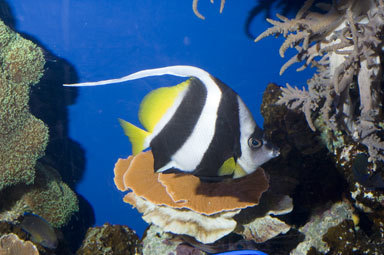
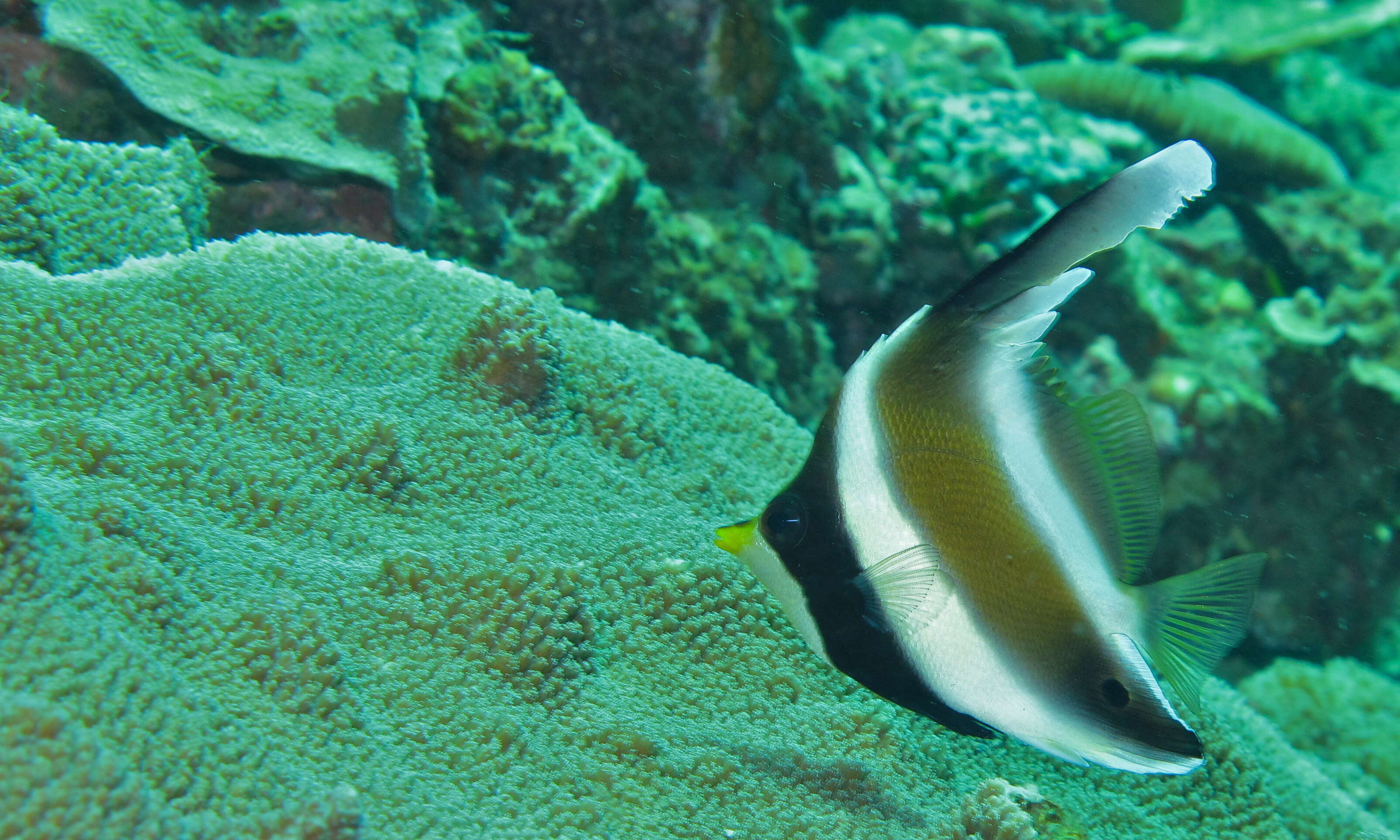
Heniochus acuminatus (Linnaeus, 1758) (Pennant coralfish)
Inhabit deep, protected lagoons and channels, and the deeper parts of outer reef slopes. Juveniles are often solitary while adults occur in pairs . A planktivorous species that generally remains within a few meters of th...
Read More
Read More
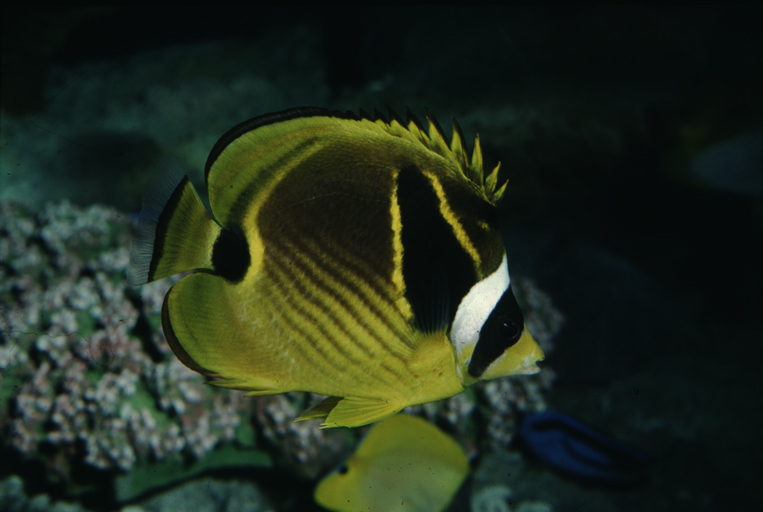
Chaetodon lunula (Lacepède, 1802) (Butterflyfish)
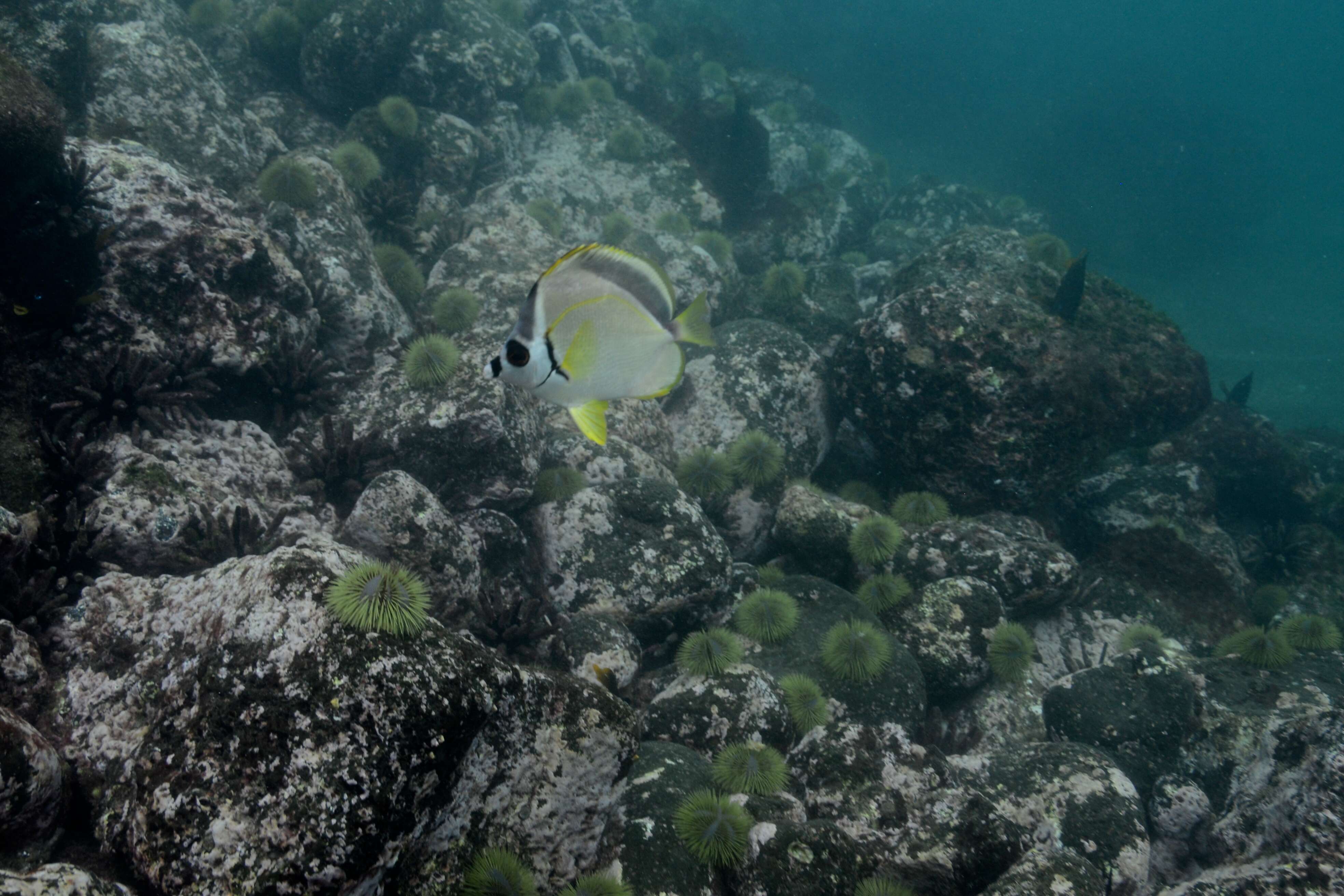
Johnrandallia nigrirostris (Gill, 1862) (Blacknosed butterflyfish)
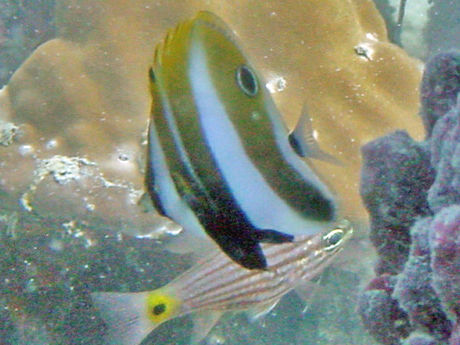
Coradion melanopus (Cuvier, 1831) (Twospot coralfish)
An extremely wary fish found in sheltered lagoons or exposed outer reefs; to a depth greater than 30 m . More common along drop-offs in the vicinity of sponges on which they feed . Oviparous . Form pairs during breeding .
Heniochus chrysostomus Cuvier, 1831 (Threeband pennantfish)
Common in coral-rich areas of subtidal reef flats and lagoon and seaward reefs. Juveniles solitary and usually found in estuaries and lagoons; adults usually in pairs . Feed mainly on coral polyps. Oviparous . Form pairs during breeding . Minimum depth reported taken from Ref. 30874.
Holacanthus isabelita (Jordan & Rutter, 1898) (blue angelfish)
Found usually in shallow waters of reef areas.
Bodianus mesothorax (Bloch and Schneider, 1801) (Splitlevel hogfish)
Ranging into subtropical zones as juveniles expatriates caused by warm currents during pelagic stage . Inhabit coral-rich outer reef slopes at depths of 5 to over 20 m, particularly near caves. Juveniles in caves; adults...
Read More
Read More
Suezichthys gracilis (Steindachner and Döderlein, 1887) (Slender wrasse)
Found around coral and rock patches in shallow protected sandy areas . Amphipods, small crustaceans, and polychaetes have been reported from the stomachs of Japanese specimens.
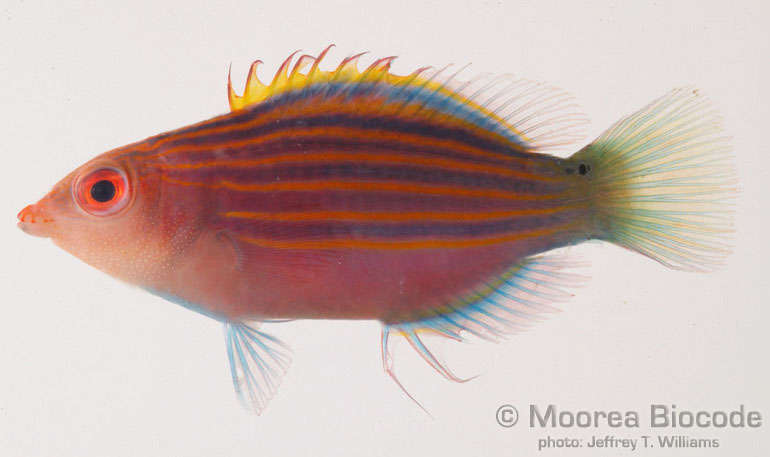
Pseudocheilinus hexataenia (Bleeker, 1857) (Pyjama)
Occurs in seaward reefs among coral branches. Also in clear coastal waters, dense coral habitats on shallow reef crest or slopes to depth of about 20 m. Usually occurs in small loose groups. A shy species, usually swimm...
Read More
Read More
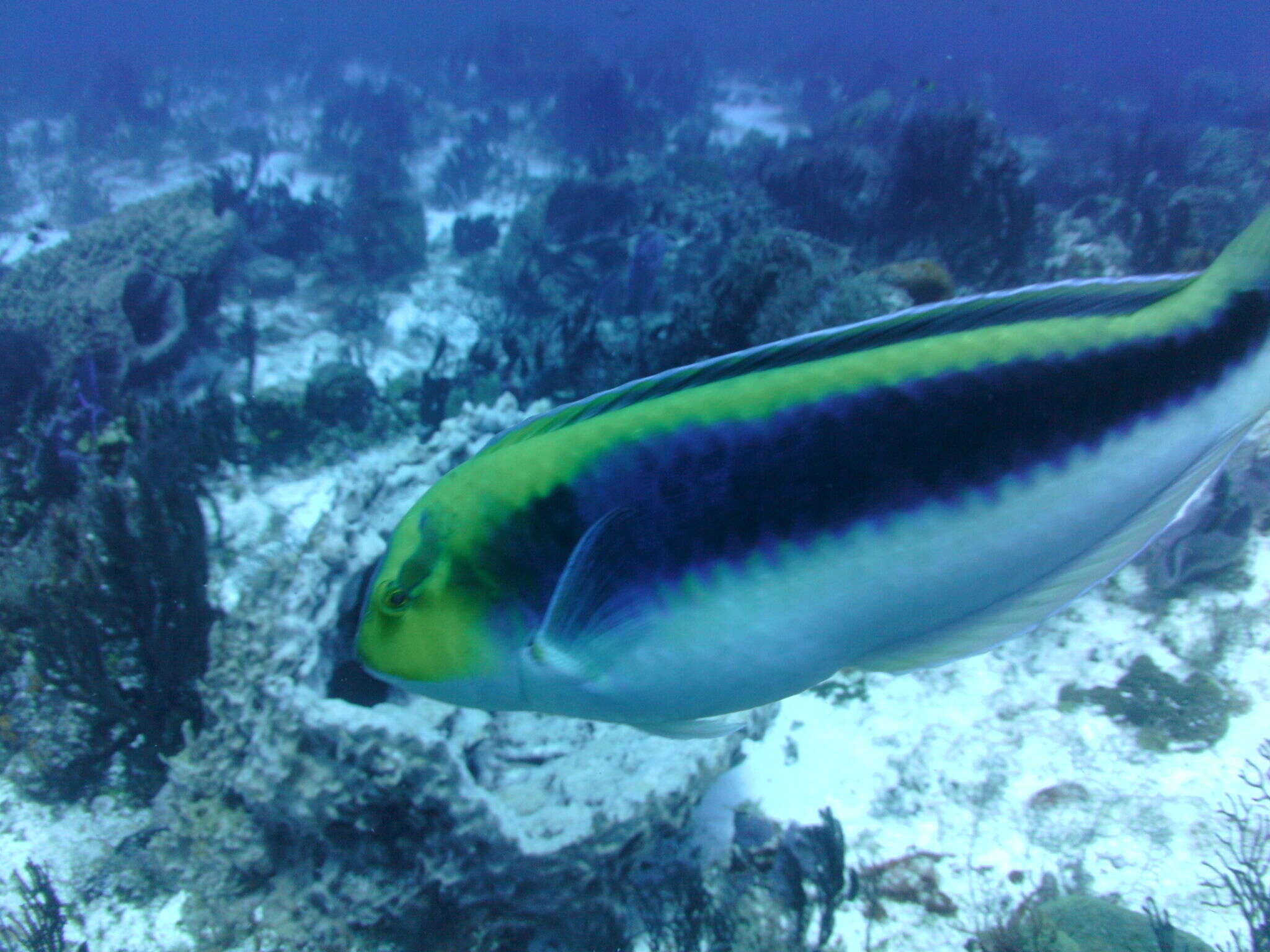
Halichoeres cyanocephalus (Bloch, 1791) (yellowcheek wrasse)
Found over hard substrates . Juveniles up to 8 cm act as specialized cleaners. Each individual tends a defined cleaning station sought by several species of reef fishes including damselfishes, goatfishes, and surgeonfish...
Read More
Read More
Share on Social Networks
- Facebook:

personalize your shared text as well as its destination (wall, page...) or send as a private message to a friend
- Twitter: Tweet personalize your tweet
- Google Plus:
Direct link to this dive
- Long link:
- Short link:


 We are participating today in the startup contest Techcrunch Disrupt. Support Diveboard by voting for us!
























































































1st dive on 2 dive day with Dive Crew and carabao
buoy near CGBR offshore , drop in SW swim to ledges and back up to shallows and boat
solonear divers
multilevel