


 Smmcdonald


 United States
-
Nº47
 Date: 2015-07-05 - 11:15
-
 Max Depth: 6.4m Duration: 22mins
Dive Location

- Surface interval:17 mins
- Temp: Surf 29°C Bottom 28°C
- Dive type : Recreational, Photo
- Visibility: Average Water: Fresh
Specific gear used
- BCD: Scubapro - Nighthawk
- Camera: GoPro - Hero3+
- Computer: Scubapro - Luna
- Fins: Scubapro - Twin Jet
- Mask: Genesis - Panview
- Regulator: Scubapro - AIR2
- Regulator: Scubapro - MK21/S560
- Weights: 0.9 kg
Dive reviews
| Overall review | ||
| Dive difficulty | ||
| Marine life quality |
Recent Divers in Wake Forest, NC
Recent Pictures in Wake Forest, NC
Dive Shop & Buddies
 Dive buddies:
Joseph Johnson,
Billy Harloff

Link to this spot:
- Spot:
- Country:
- Area:
- Body of water:
Dive Profile
- 1. Air
- 12L Aluminium 145 → 98 bar
- Average depth: 3.8m
Data provided by EOL.org


Species Identified
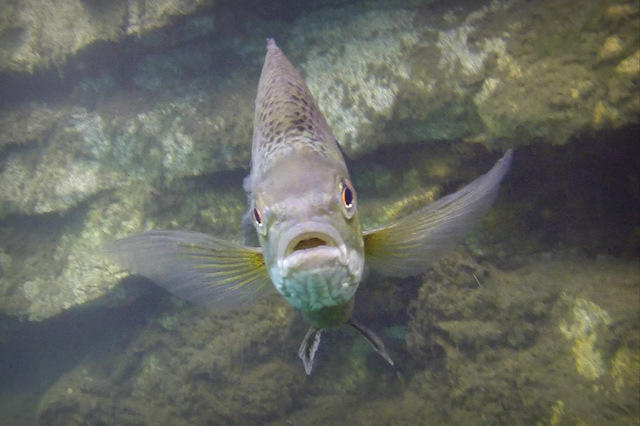
Micropterus salmoides (Lacepède, 1802) (American black bass)
Inhabits clear, vegetated lakes, ponds, swamps, and backwaters and pools of creeks and rivers . Usually found over mud or sand and common in impoundments . An introduced species in Europe reported to avoid fast-flowing w...
Read More
Read More
Lepomis macrochirus Rafinesque, 1819 (Sunfish)
Found frequently in lakes, ponds, reservoirs and sluggish streams ; occur primarily in reservoirs in Hawaii; preferably live in deep weed beds . Active mainly during dusk and dawn. Adults feed upon snails, small crayfis...
Read More
Read More
Share on Social Networks
- Facebook:

personalize your shared text as well as its destination (wall, page...) or send as a private message to a friend
- Twitter: Tweet personalize your tweet
- Google Plus:
Direct link to this dive
- Long link:
- Short link:


 We are participating today in the startup contest Techcrunch Disrupt. Support Diveboard by voting for us!
























































































After a short surface interval, we headed back under to complete Daniel's check-out. This time I shed another 2 lbs, giving me 2 total! I've noticed the more weight I shed from my BCD, the better control over buoyancy I have. No big surprise giving what I've been told, but still kind of shocked me the difference a few pounds makes!
For his last check dive, Daniel led us along the wall, turned at 10 minutes, and navigated back. He swims too fast (and uses a lot of air in the process). Something that he'll learn to correct, I suppose, like the rest of us.
More bass and a few brim. This is only the second time I've been on the south wall heading west, and I like the area better than the east wall. I think Joseph and I will do this one again today, albeit a little further out.