


 Smmcdonald

 United States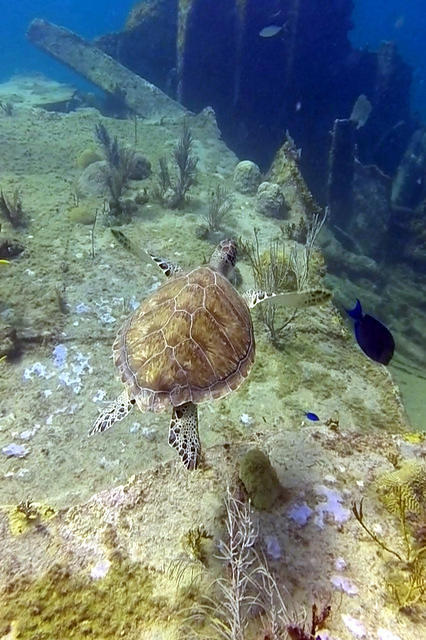
-
Nº19
 Date: 2014-10-31 - 10:54
-
 Max Depth: 11.3m Duration: 37mins
Dive Location

- Surface interval:163 mins
- Temp: Surf 27°C
- Dive type : Training, Wreck, Reef, Boat
- Visibility: Good Water: Salt
Specific gear used
- BCD: Scubapro - Nighthawk
- Camera: GoPro - Hero3+
- Computer: Scubapro - Luna
- Fins: Scubapro - Twin Jet
- Regulator: Scubapro - AIR2
- Regulator: Scubapro - MK21/S560
- Weights: 6.4 kg
Dive reviews
| Overall review | ||
| Dive difficulty | ||
| Marine life quality | ||
| Wreck |
Recent Divers in Key Largo

Recent Pictures in Key Largo
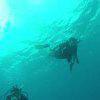
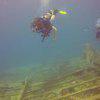
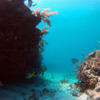
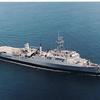
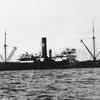
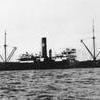
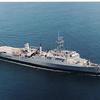
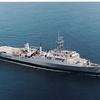
Dive Shop & Buddies
 Dive with Billy Harloff (Gypsy Divers, Instructor) from Quiescence Diving Services, Inc.
 Dive buddies:
Jennifer McDonald
Dive buddies:
Jennifer McDonald

Link to this spot:
- Spot:
- Country:
- Area:
- Body of water:
Dive Profile
- 1. Nitrox 31
- 12L Aluminium 228 → 95 bar
- Average depth: 6.5m
Data provided by EOL.org




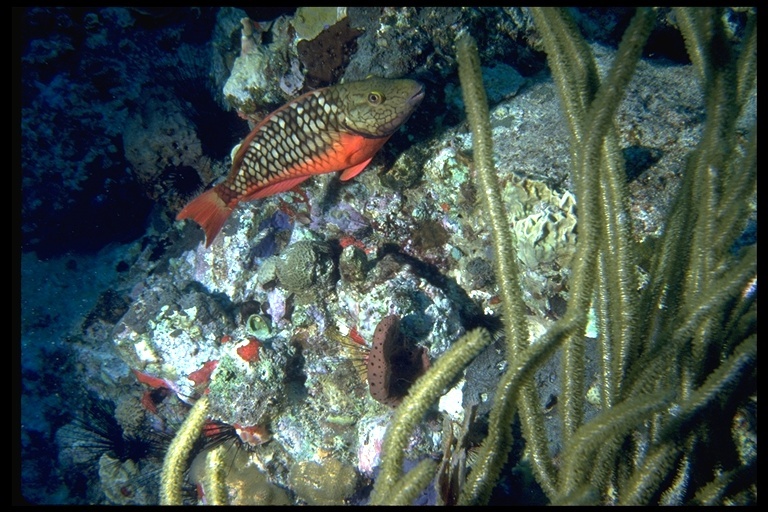
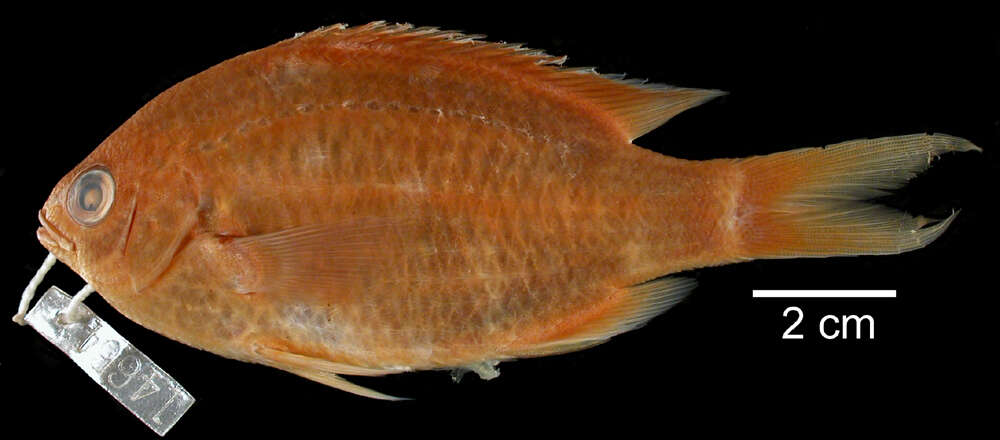
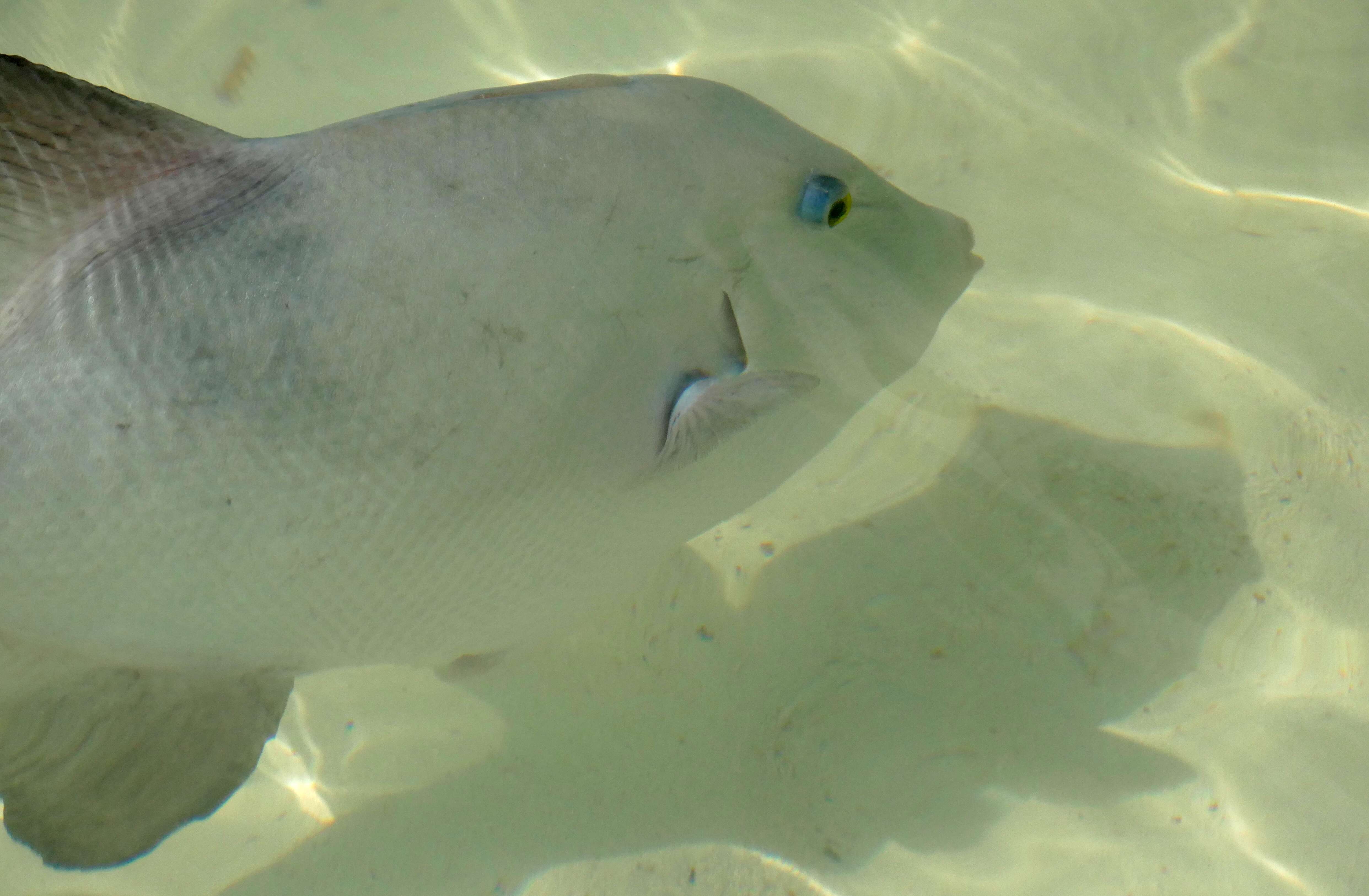
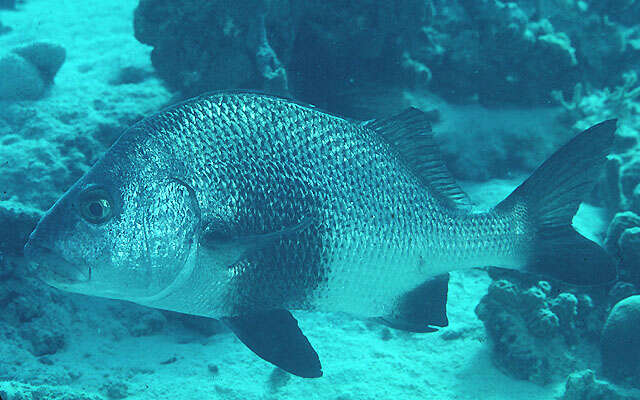
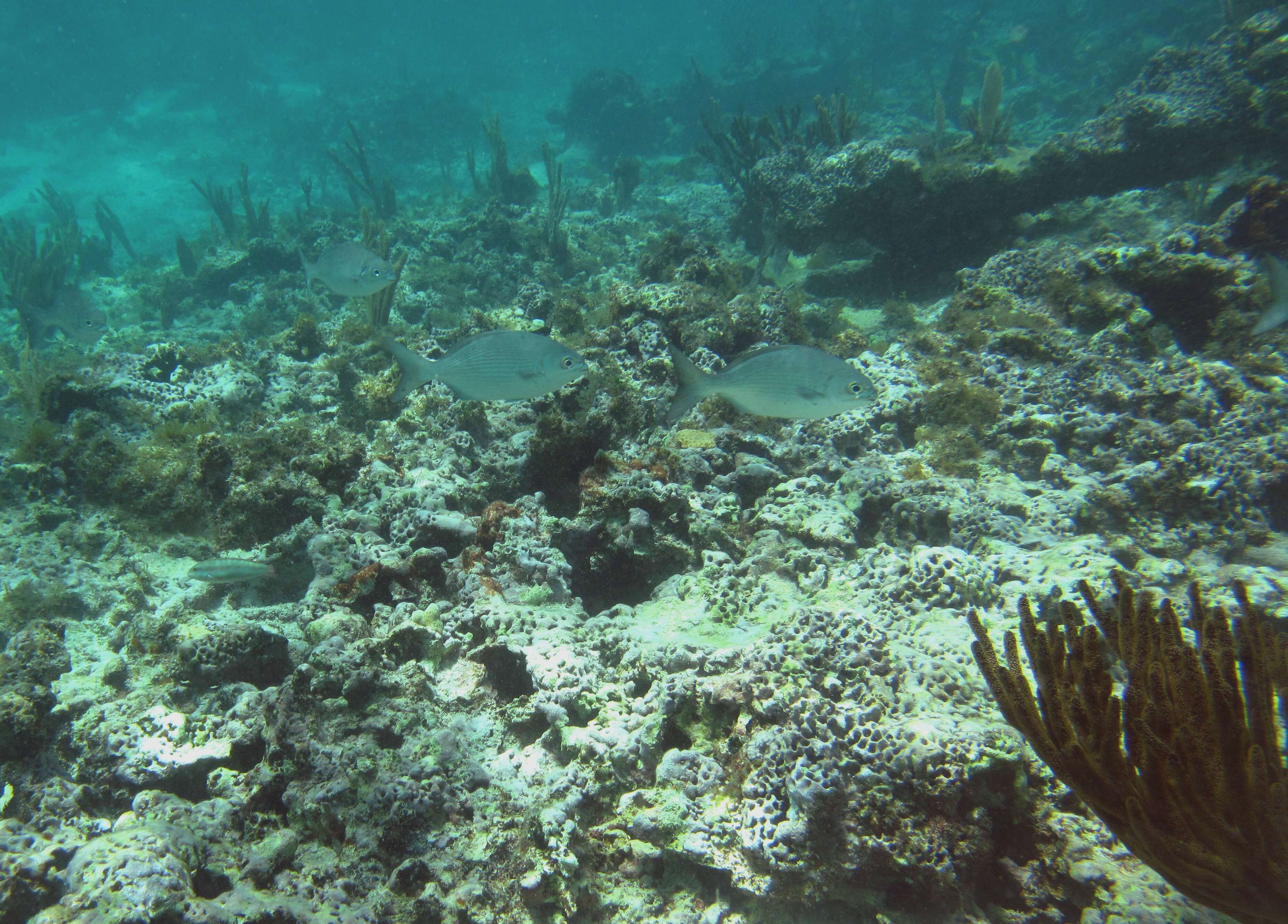
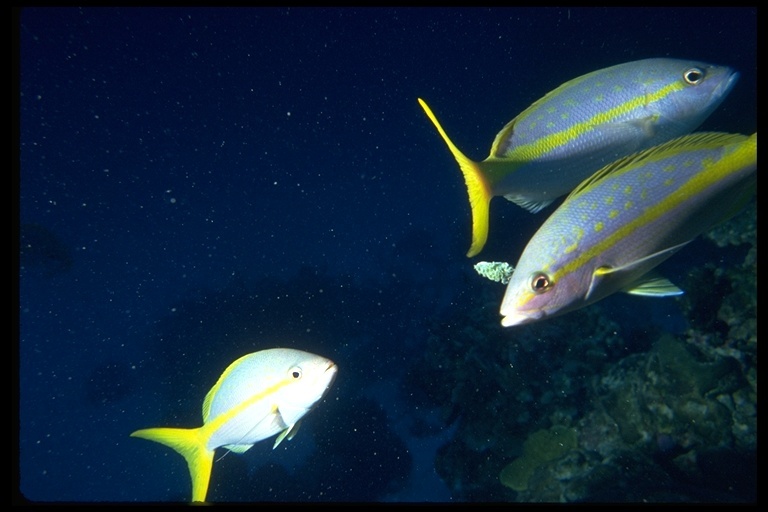
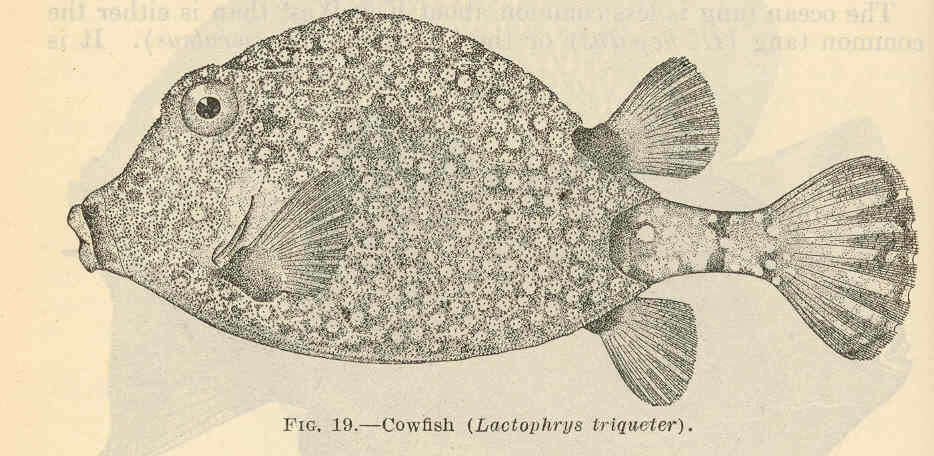
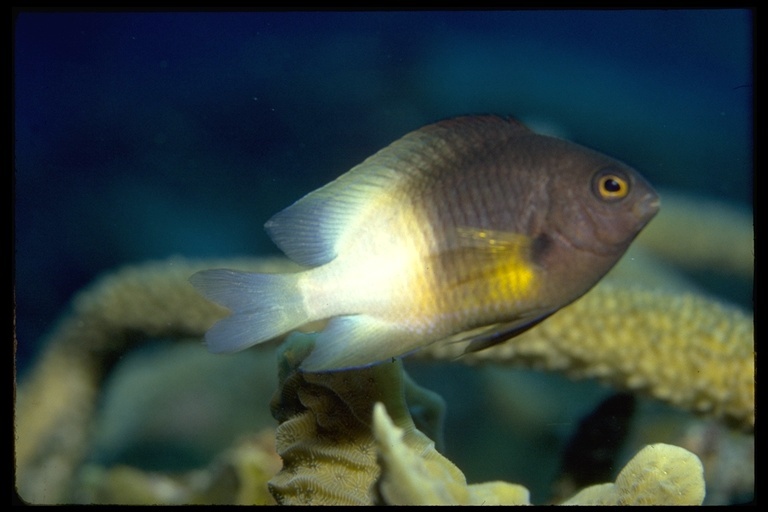
Species Identified
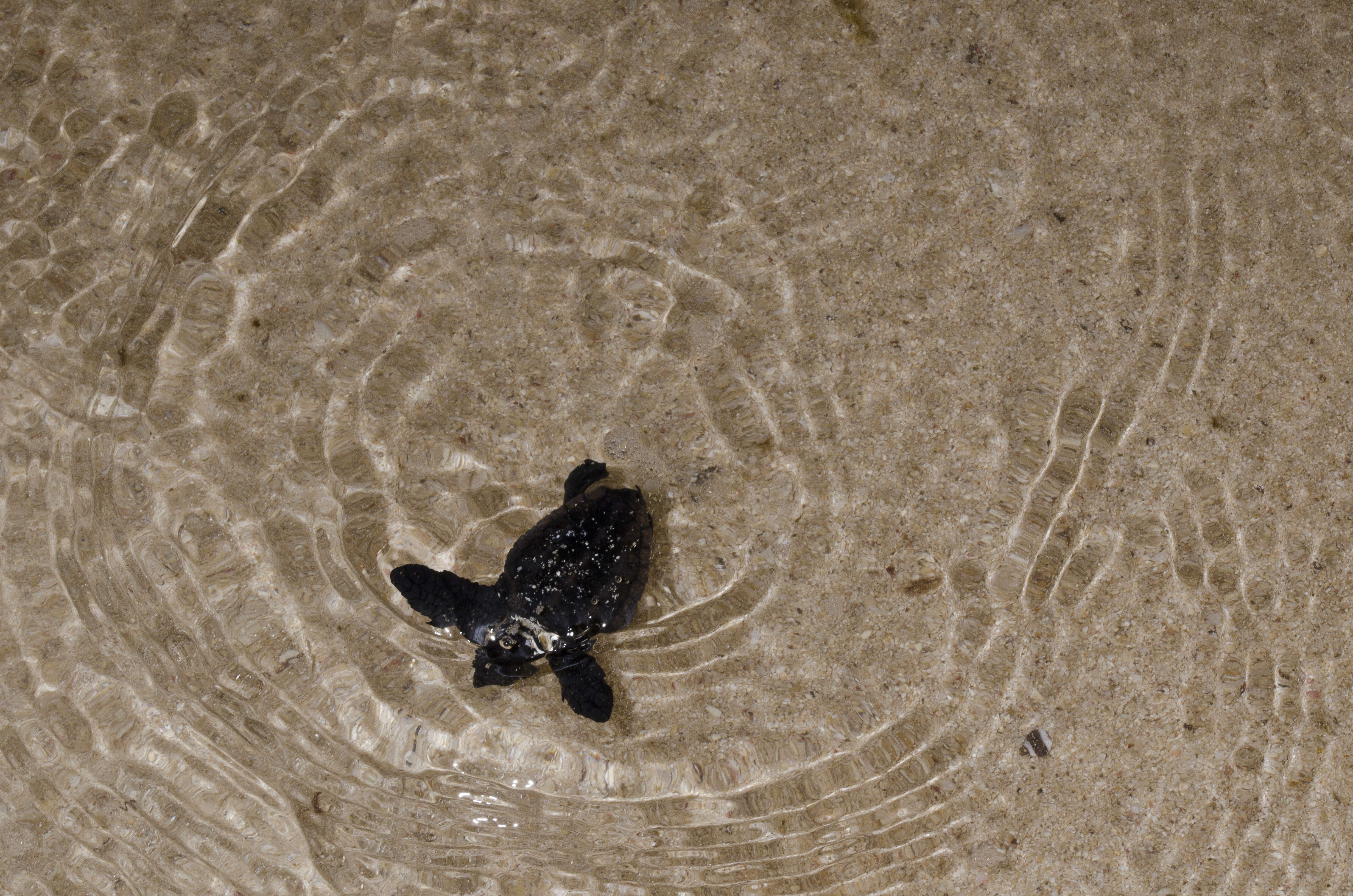
Caretta caretta Linnaeus 1758 (Loggerhead Turtle)
Adults are primarily carnivorous, using their powerful jaws to crack open crustaceans such as crabs and even seemingly impenetrable molluscs such as the queen conch (Strombus gigas) and giant clam (Tridacna s...
Read More
Read More
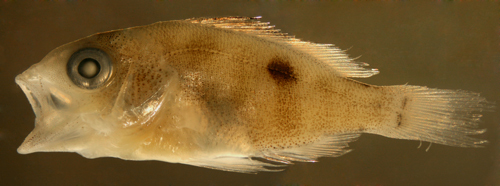
Abudefduf saxatilis (Linnaeus, 1758) (Mamo)
Anisotremus virginicus (Linnaeus, 1758) (Atlantic porkfish)
Inhabits reefs and rocky bottoms. Feeds at night on mollusks, echinoderms, annelids, and crustaceans . Young pick parasites from the bodies of larger fishes . Young are popular aquarium fish . Marketed fresh . Has been reared in captivity .
Lutjanus apodus (Walbaum, 1792) (Dogtooth snapper)
Occurs in shallow, clear, warm, coastal waters over coral reefs. Often near the shelter of elkhorn corals and gorgonians . Juveniles are encountered over sand bottoms with or without seagrass , and over muddy bottoms of ...
Read More
Read More
Lutjanus mahogoni (Cuvier, 1828) (Lantern jaw)
Inhabits clear shallow waters over rocky bottoms in the vicinity of coral reefs, less frequently in sandy or seagrass areas. Often forms large aggregations during the day. Feeds at night mainly on small fish, shrimps, crabs and cephalopods.
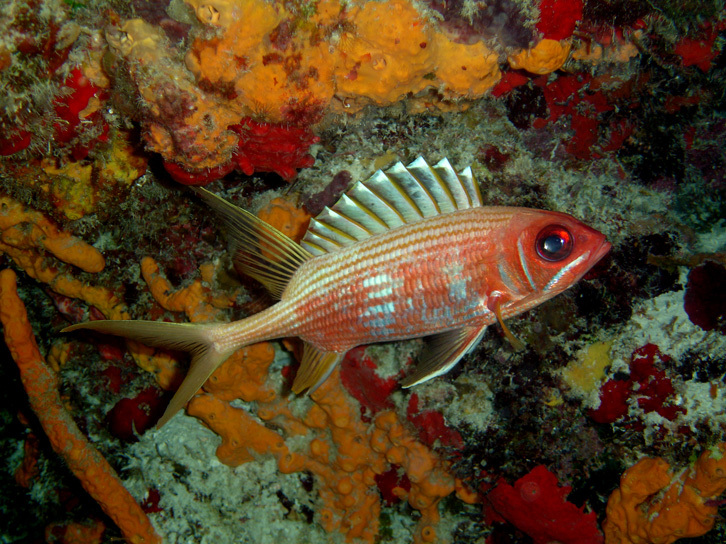
Holocentrus rufus (Walbaum, 1792) (Miss darlington)
Nocturnal , inhabits clear reefs . Found near mouths of caves and holes ; at night they usually move to sandy areas and grass beds to feed on crabs, shrimps, gastropods and brittle stars . Marketed fresh but not popular as a food fish .
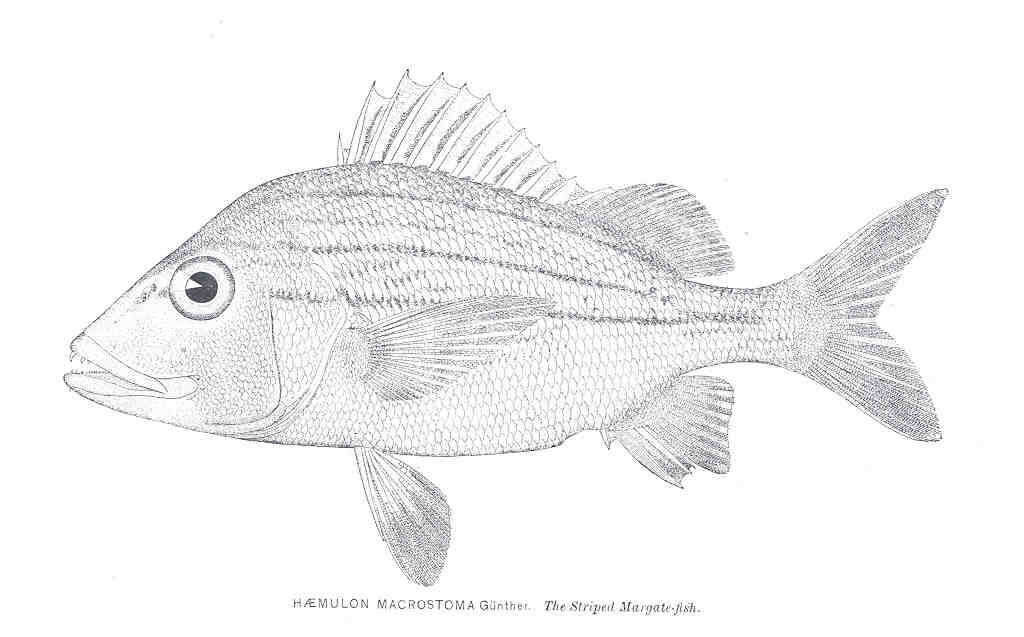
Haemulon macrostomum Günther, 1859 (Spanish grunt)
Inhabits clear reefs . Forms dense schools . Feeds on crustaceans and sea urchins . Marketed fresh .
Chromis cyanea (Poey, 1860) (blue chromis)
Common above deep outer reefs and feeds in aggregations of the small zooplankton, primarily copepods . Often with creole wrasse. Retreats into coral crevices when frightened .
Scarus taeniopterus Desmarest, 1831 (Blue chub)
Found on bottoms with coral or rock . Juveniles often occur in association with Thalassia. Forms large feeding aggregations and feeds on plants. Sleeps in a mucus cocoon .
Acanthurus coeruleus Bloch and Schneider, 1801 (Blue tang surgeonfish)
Inhabits coral reefs, inshore grassy or rocky areas. Forms small groups . Mainly diurnal. Feeds entirely on algae . At Fernando de Noronha Archipelago in southwestern Atlantic, juveniles hold cleaning stations togeth...
Read More
Read More
Scarus vetula Bloch and Schneider, 1801 (Blownose)
Inhabits coral reefs and adjacent habitats. Feeds on algae scraped from rocks or dead coral. Sleeps in a mucus cocoon . Often seen in groups of one super male with several young adults, most of which are probably females . A protogynous hermaphrodite .
Sphyraena barracuda (Edwards, 1771) (Alho)
Sparisoma viride (Bonnaterre, 1788) (Dark green parrotfish)
Inhabits coral reefs with clear water . Young may be found in seagrass beds and other heavily vegetated bottoms. Feeds mainly on soft algae, but has been observed to graze on live corals like, Montastraea annularis . Pr...
Read More
Read More
Chromis multilineata (Guichenot, 1853) (Cavalley pilot)
Generally occurs in steep slopes and patch reefs. A diurnal species , it most commonly forms moderate-sized feeding-schools over reef tops, rising above the bottom to feed on plankton, mainly copepods. Often seen with Chromis cyanea . Rarely marketed .
Canthidermis sufflamen (Mitchill, 1815) (Filefish)
Common near drop-offs of seaward reefs . Occasionally in shallow water. Solitary or in small groups in open water. Often associated with Sargassum . Feeds mainly on large zooplankton. Minimum depth reported from Ref. 13121.
Anisotremus surinamensis (Bloch, 1791) (Black thicklip)
Inhabits larger patch reefs and quickly sloping rocky bottoms. Often near the shelter of caves, ledges, or wrecks . Feeds at night on crustaceans, mollusks, smaller fish, and the long-spined urchin, Diadema. Marketed fresh.
Kyphosus sectator (Linnaeus, 1758) (Bermuda chub)
Ocyurus chrysurus (Bloch, 1791) (yellowtail snapper)
Haemulon aurolineatum Cuvier, 1830 (Tomtate grunt)
Inhabits seagrass beds, sand flats, and patch reefs . Forms schools . Feeds on small crustaceans, mollusks, other benthic invertebrates, plankton, and algae . Marketed fresh and salted .
Lactophrys triqueter (Trunkfish)
Found on coral reefs . Solitary or in small groups . Feeds on a wide variety of small bottom invertebrates such as mollusks, crustaceans, worms, sessile tunicates and sponges exposed by a jet of water ejected through the...
Read More
Read More
Stegastes partitus (Poey, 1868) (bicolor damselfish)
Inhabits shallow coral reefs and isolated patch reefs in deeper water. Feeds primarily on algae but also on polychaetes, hydroids, copepods and ascidians . Aggressively territorial but only around a small area . Taken incidentally in traps and small-meshed beach nets .
Share on Social Networks
- Facebook:

personalize your shared text as well as its destination (wall, page...) or send as a private message to a friend
- Twitter: Tweet personalize your tweet
- Google Plus:
Direct link to this dive
- Long link:
- Short link:


 We are participating today in the startup contest Techcrunch Disrupt. Support Diveboard by voting for us!
























































































Wreck Course: Billy Harloff, instructor.
Best dive yet! Footage of sea turtle close-up, and she and Jen swam side-by-side! A lot of fish, especially on approach to wreck at bow (the deepest part of the wreck). Did not see the green moray this time, but others did. (Jen saw it on our last trip to Key Largo.)
SAC rate = 0.92 cf/min