


 Smmcdonald


 United States
-
Nº30
 Date: 2015-06-04 - 10:52
-
 Max Depth: 40.9m Duration: 27mins
Dive Location

- Surface interval:149 mins
- Temp: Bottom 27°C
- Dive type : Recreational, Deep dive, Wreck, Boat
- Visibility: Good Water: Salt
Specific gear used
- Gloves:
- Knife:
- BCD: Scubapro - Nighthawk
- Camera: GoPro - Hero3+
- Computer: Scubapro - Luna
- Fins: Scubapro - Twin Jet
- Regulator: Scubapro - AIR2
- Regulator: Scubapro - MK21/S560
- Weights: 6.4 kg
Dive reviews
| Overall review | ||
| Dive difficulty | ||
| Marine life quality |
Recent Divers in Key Largo, FL

Recent Pictures in Key Largo, FL
Dive Shop & Buddies
 Dive with Quiescence Diving Services, Inc.
 Dive buddies:
Jennifer McDonald,
Joseph Johnson

Link to this spot:
- Spot:
- Country:
- Area:
- Body of water:
Dive Profile
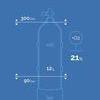
- 1. Nitrox 31
- 12L Aluminium 207 → 61 bar
- Average depth: 14.6m
Data provided by EOL.org


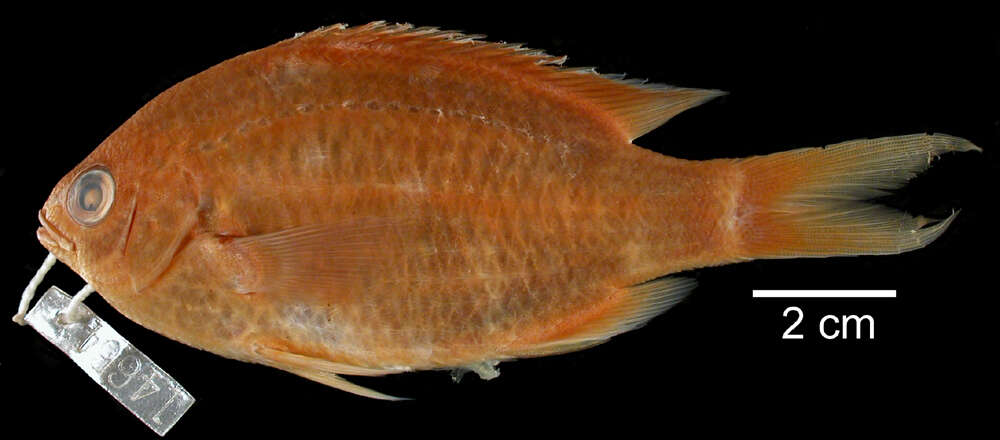
Species Identified
Scarus coeruleus (Edwards, 1771) (Blue kwab)
Inhabits coral reefs. Juveniles found on Thalassia beds . Feeds on benthic plants and small organisms in the sand . Forms large spawning aggregations .
Chromis cyanea (Poey, 1860) (blue chromis)
Common above deep outer reefs and feeds in aggregations of the small zooplankton, primarily copepods . Often with creole wrasse. Retreats into coral crevices when frightened .
Thalassoma bifasciatum (Bloch, 1791) (Blue head)
Inhabits reef areas, inshore bays and seagrass beds. Feeds mainly on zooplankton and small benthic animals, but may also feed on ectoparasites of other fishes . Spawn at midday throughout the year . A protogynous hermap...
Read More
Read More
Chromis multilineata (Guichenot, 1853) (Cavalley pilot)
Generally occurs in steep slopes and patch reefs. A diurnal species , it most commonly forms moderate-sized feeding-schools over reef tops, rising above the bottom to feed on plankton, mainly copepods. Often seen with Chromis cyanea . Rarely marketed .
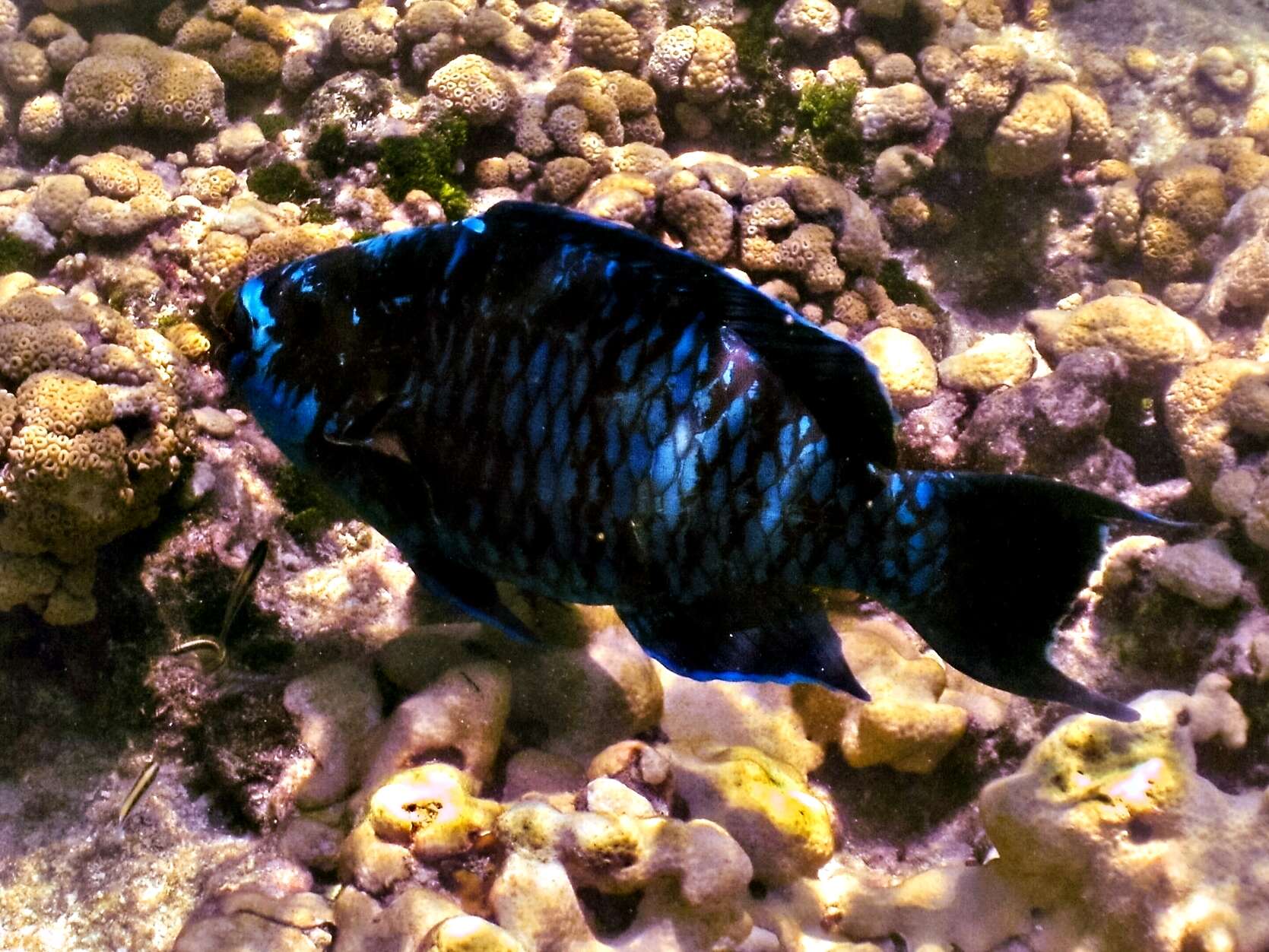
Scarus coelestinus Valenciennes, 1840 (Nightowl parrot)
Occurs from rocky coastal reefs to seaward reefs . Often in schools, feeding with surgeonfishes by scraping off algae from rocks or dead coral . Marketed fresh and salted .
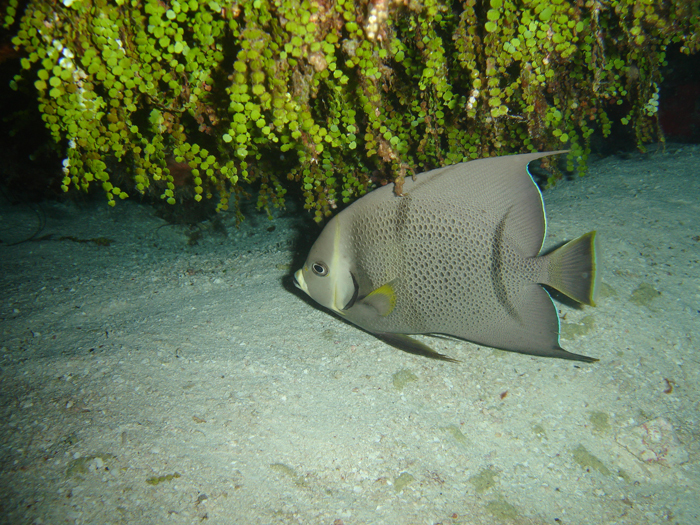
Pomacanthus arcuatus (Linnaeus, 1758) (Grey angelfish)
Common in coral reefs, usually solitary, occasionally in pairs. Juveniles are part-time cleaners. Feed mainly on sponges, but also takes tunicates, algae, zoantharians, gorgonians, hydroids, bryozoans, and seagrasses. O...
Read More
Read More
Sphyraena barracuda (Edwards, 1771) (Alho)
Carangoides ruber (Bloch, 1793) (Bar jack)
Common in clear insular areas or in coral reefs off mainland coasts . Juveniles frequent areas with algae . Usually in schools which may be spawning groups; occasionally solitary. Feeds on fishes, shrimps and other in...
Read More
Read More
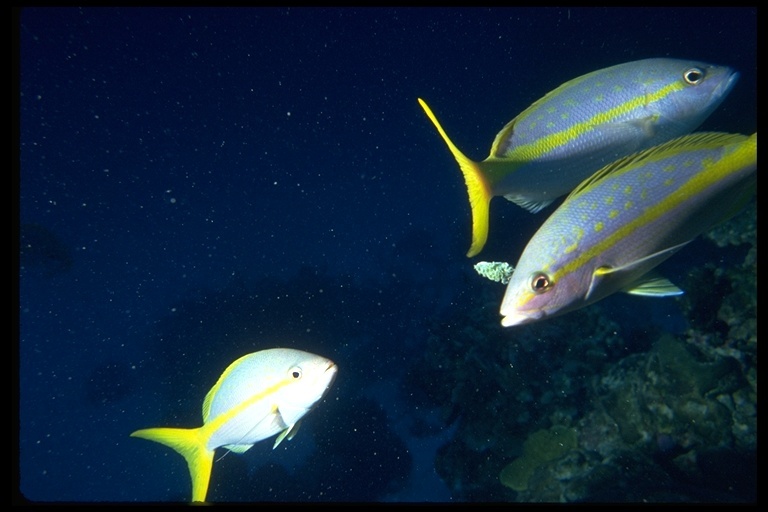
Ocyurus chrysurus (Bloch, 1791) (yellowtail snapper)
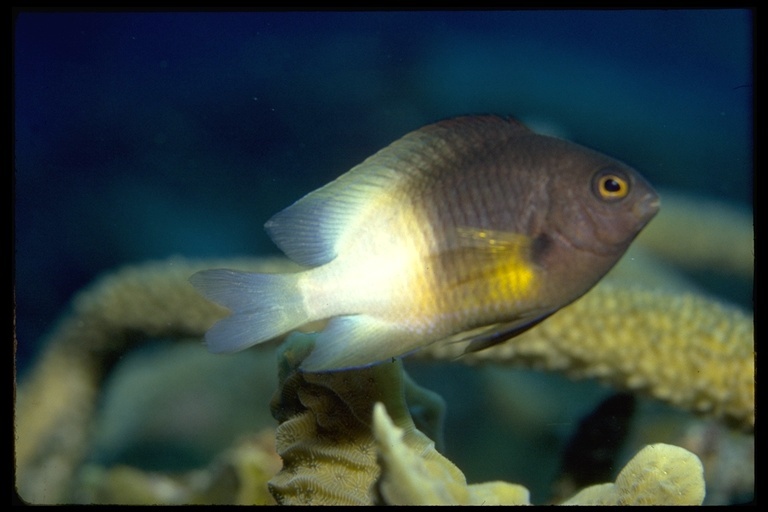
Stegastes partitus (Poey, 1868) (bicolor damselfish)
Inhabits shallow coral reefs and isolated patch reefs in deeper water. Feeds primarily on algae but also on polychaetes, hydroids, copepods and ascidians . Aggressively territorial but only around a small area . Taken incidentally in traps and small-meshed beach nets .
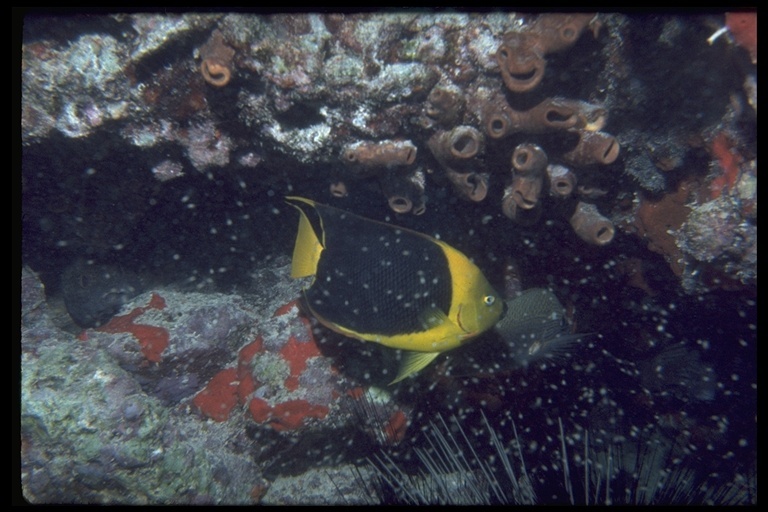
Holacanthus tricolor (Bloch, 1795) (Angelfish)
Inhabits rock jetties, rocky reefs and rich coral areas. Juveniles often associated with fire corals . Feeds on tunicates, sponges, zoantharians and algae. Marketed fresh .
Share on Social Networks
- Facebook:

personalize your shared text as well as its destination (wall, page...) or send as a private message to a friend
- Twitter: Tweet personalize your tweet
- Google Plus:
Direct link to this dive
- Long link:
- Short link:


 We are participating today in the startup contest Techcrunch Disrupt. Support Diveboard by voting for us!
























































































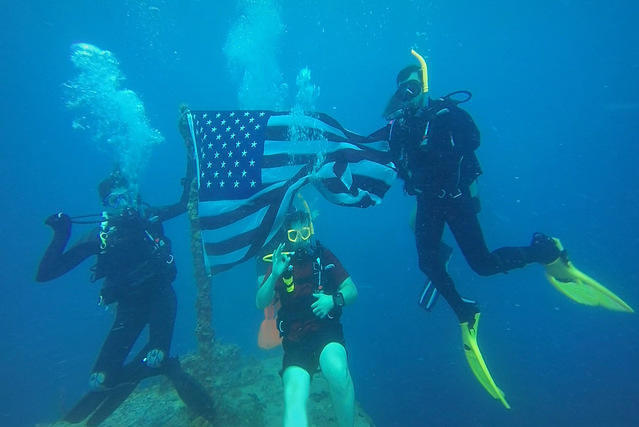
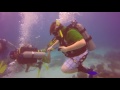
As with our first dive today, our group split with Laurin and Cam following Billy for their coursework, and Jen, Joseph and I swimming toward pilot house to explore the ship. We decended the line on the port side near the bridge, same as with my last visit to the SG. We swam through the pilot house, emerging over some cutouts to a below-deck where there were 3 very large blue parrotfish swimming about. (Further study indicates these may appear to be midnight parrotfish, Scarus coelestinus, because of the shape of their heads and lighter blue markings on their heads.) Jen had said she wanted to descend to 120' (she had gotten down below 100' on our last dive, so we descended over the starboard side near the pilot house, touching the sand at 131 feet! We then swam to the flag to meet the group for some photos. Splitting up again, we swam down the starboard side toward the bow, and made a few more swim-throughs. Apparently, just after we split, Billy, Cam and Laurin saw a reef shark and tried to get our attention, but we never saw it. We swam back to the line and ascended among a very light current, doing our PDIS and safety stops.
MOD 137 @ PO2 1.6
SAC = 0.86 cf/min