


 Smmcdonald

 United States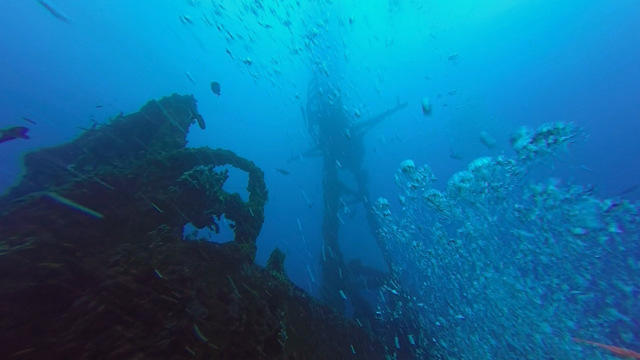
-
Nº33
 Date: 2015-06-05 - 09:24
-
 Max Depth: 34.3m Duration: 25mins
Dive Location

- Surface interval:37 mins
- Temp: Bottom 26°C
- Dive type : Recreational, Deep dive, Wreck, Boat
- Visibility: Good Water: Salt
Specific gear used
- BCD: Scubapro - Nighthawk
- Camera: GoPro - Hero3+
- Computer: Scubapro - Luna
- Fins: Scubapro - Twin Jet
- Regulator: Scubapro - AIR2
- Regulator: Scubapro - MK21/S560
- Weights: 7.3 kg
Dive reviews
| Overall review | ||
| Dive difficulty | ||
| Marine life quality |
Recent Divers in Key Largo, FL

Recent Pictures in Key Largo, FL

Dive Shop & Buddies
 Dive with Quiescence Diving Services, Inc.
 Dive buddies:
Jennifer McDonald,
Joseph Johnson
Dive buddies:
Jennifer McDonald,
Joseph Johnson

Link to this spot:
- Spot:
- Country:
- Area:
- Body of water:
Dive Profile
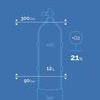
- 1. Air
- 12L Aluminium 209 → 33 bar
- Average depth: 16.9m
Data provided by EOL.org


Species Identified
Sphyraena barracuda (Edwards, 1771) (Alho)
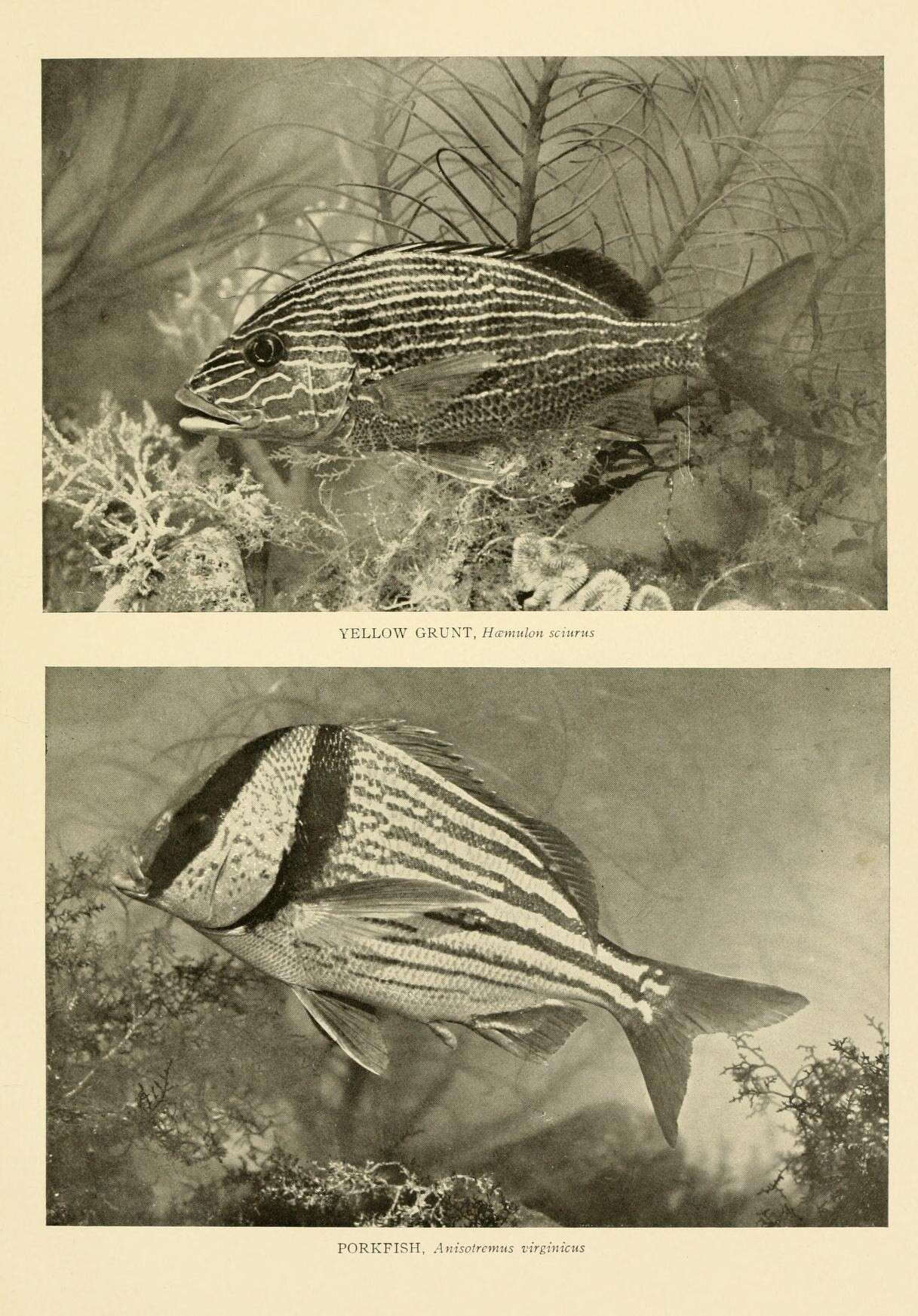
Haemulon sciurus (Shaw, 1803) (Blue striped grunt)
Found in small groups over coral and rocky reefs and drop-offs . Juveniles are abundant in Thalassia beds . Feeds on crustaceans, bivalves, and occasionally on small fishes. Marketed fresh.
Chaetodon ocellatus Bloch, 1787 (Butterbun)
Inhabit shallow, coral reefs with clear water . Develop dusky bands at night. Generally common . Oviparous . Form pairs during breeding .
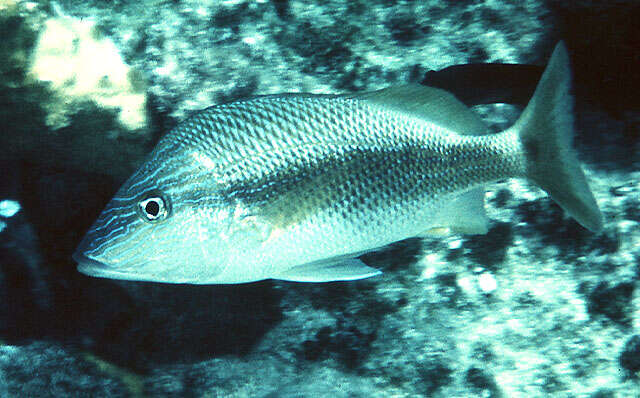
Lutjanus griseus (Linnaeus, 1758) (Black pargue)
Inhabit coastal as well as offshore waters. Found around coral reefs, rocky areas, estuaries, mangrove areas, and sometimes in lower reaches of rivers . Found in fresh water in Florida . Often forming large aggregation...
Read More
Read More
Acanthurus coeruleus Bloch and Schneider, 1801 (Blue tang surgeonfish)
Inhabits coral reefs, inshore grassy or rocky areas. Forms small groups . Mainly diurnal. Feeds entirely on algae . At Fernando de Noronha Archipelago in southwestern Atlantic, juveniles hold cleaning stations togeth...
Read More
Read More
Haemulon plumierii (Lacepède, 1801) (Jolle cocoon)
Found in dense aggregations during the day on patch reefs, around coral formations, or on sandy bottoms . Juveniles common in Thalassia testudinum beds . Feeds on crustaceans, small mollusks, and small fishes. Frequentl...
Read More
Read More
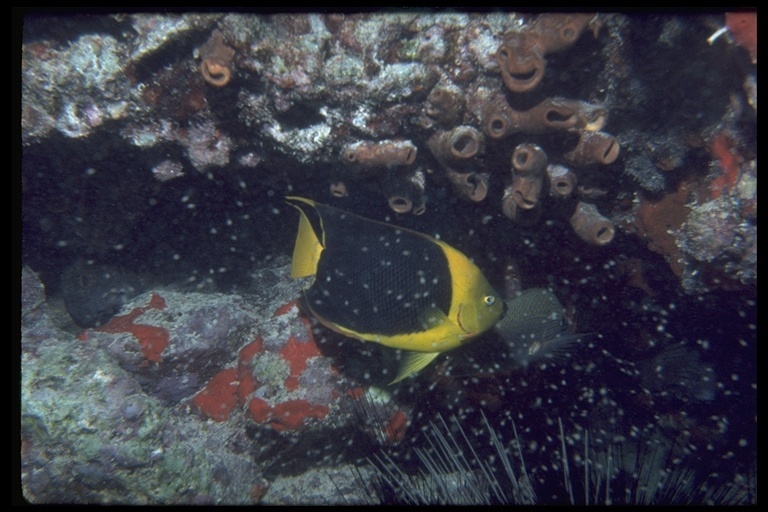
Holacanthus tricolor (Bloch, 1795) (Angelfish)
Inhabits rock jetties, rocky reefs and rich coral areas. Juveniles often associated with fire corals . Feeds on tunicates, sponges, zoantharians and algae. Marketed fresh .
Scorpaena plumieri Bloch, 1789 (Spotted scorpionfish)
Found mostly in shallow coral reef and rocky areas. Lies motionless on the bottom . Feeds mostly on other fishes and crustaceans. Moderately common below about 5 m depth to at least 55 m. Displays characteristic bright...
Read More
Read More
Carangoides ruber (Bloch, 1793) (Bar jack)
Common in clear insular areas or in coral reefs off mainland coasts . Juveniles frequent areas with algae . Usually in schools which may be spawning groups; occasionally solitary. Feeds on fishes, shrimps and other in...
Read More
Read More
Share on Social Networks
- Facebook:

personalize your shared text as well as its destination (wall, page...) or send as a private message to a friend
- Twitter: Tweet personalize your tweet
- Google Plus:
Direct link to this dive
- Long link:
- Short link:


 We are participating today in the startup contest Techcrunch Disrupt. Support Diveboard by voting for us!
























































































Our first dive of the day, planned to be on the USCG Bibb, turned out to be our second dive of the USCG Duane. The Bibb lost its moorings (or they were pulled under), for reasons not known at the time.
We descended on the bow line this time, and Joseph, Jen and I explored the area and descended over the starboard side to 110' while Billy took Cam and Laurin to finish their wreck and deep specialty coursework.
There were a lot of dark grey fish with an olive tinge that I have had difficulty identifying, though they look like snapper. Out of process of elimination, I identified them as gray snapper (Lutjanus griseus), though I am unsure if this is correct. The gill slits seem to be more rounded than that of snappers I have observed.
After a couple of swim-throughs and some exploring, I happened upon a scorpion fish perfectly camouflaged on the side of the ship near a hatch. The only reason I saw it at all is when I ducked my head into the hatch, coming back out I must have startled it and it moved! Ascended line stopping for PDIS and safety.
Very light current and great visibility.
SAC = 1.07 cf/min