


 Smmcdonald


 United States
-
Nº36
 Date: 2015-06-06 - 09:08
-
 Max Depth: 41.3m Duration: 29mins
Dive Location

- Surface interval:38 mins
- Temp: Bottom 27°C
- Dive type : Recreational, Deep dive, Wreck, Boat
- Visibility: Good Water: Salt
Specific gear used
- BCD: Scubapro - Nighthawk
- Camera: GoPro - Hero3+
- Computer: Scubapro - Luna
- Fins: Scubapro - Twin Jet
- Regulator: Scubapro - AIR2
- Regulator: Scubapro - MK21/S560
- Weights: 6.4 kg
Dive reviews
| Overall review | ||
| Dive difficulty | ||
| Marine life quality |
Recent Divers in Key Largo, FL

Recent Pictures in Key Largo, FL
Dive Shop & Buddies
 Dive with Quiescence Diving Services, Inc.
 Dive buddies:
Jennifer McDonald,
Joseph Johnson,
Cameron Cheek,
Laurin,
Billy Harloff

Link to this spot:
- Spot:
- Country:
- Area:
- Body of water:
Dive Profile
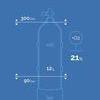
- 1. Nitrox 28
- 12L Aluminium 207 → 33 bar
- Average depth: 18.6m
Data provided by EOL.org


Species Identified
Carangoides ruber (Bloch, 1793) (Bar jack)
Common in clear insular areas or in coral reefs off mainland coasts . Juveniles frequent areas with algae . Usually in schools which may be spawning groups; occasionally solitary. Feeds on fishes, shrimps and other in...
Read More
Read More
Abudefduf saxatilis (Linnaeus, 1758) (Mamo)
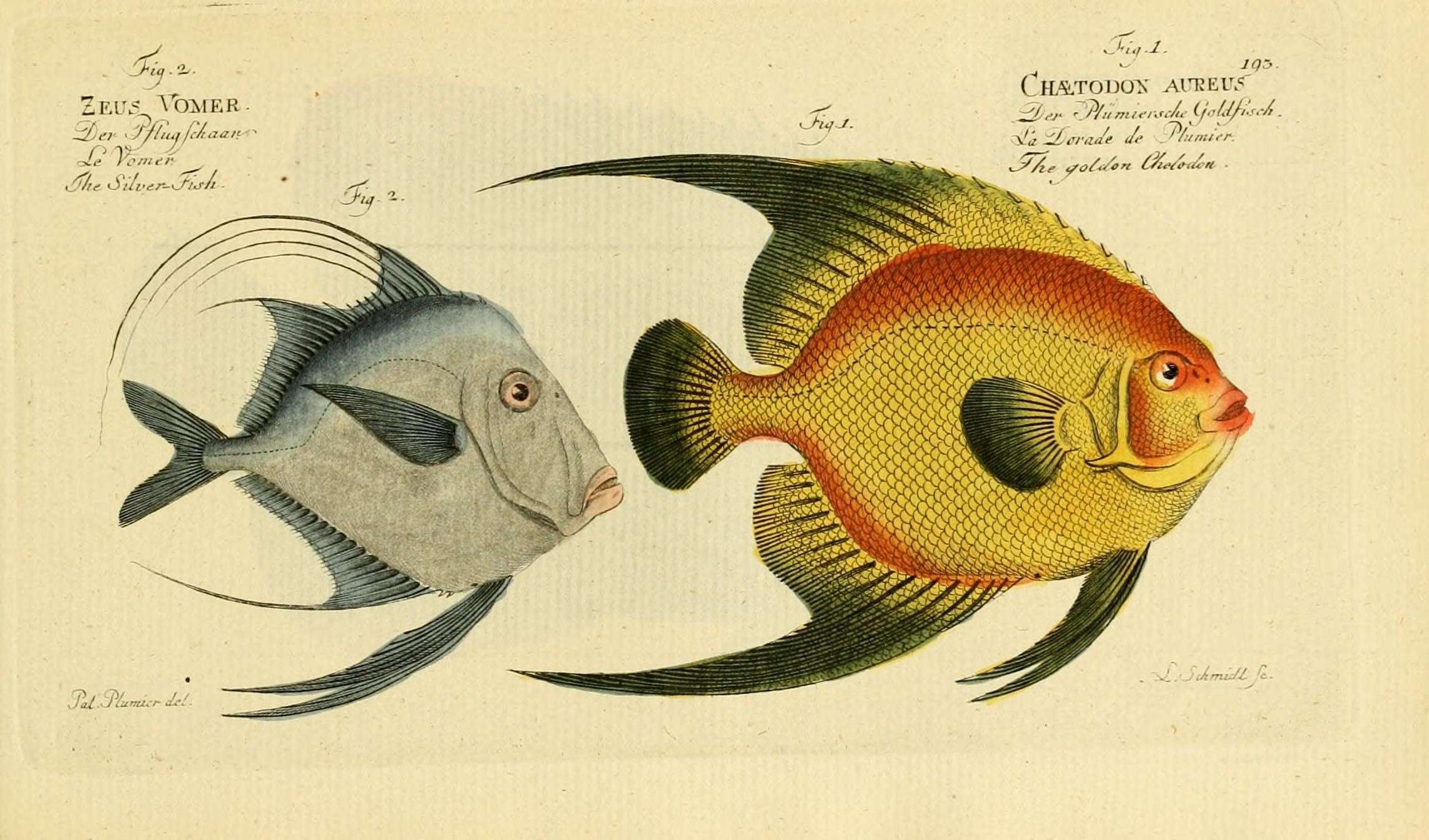
Holacanthus bermudensis Goode, 1876 (Blue angel)
Inhabits rocky or coral reefs . Juveniles in channels and on inshore reefs . Feeds primarily on sponges . Small juveniles do well in aquariums once they begin to accept food.
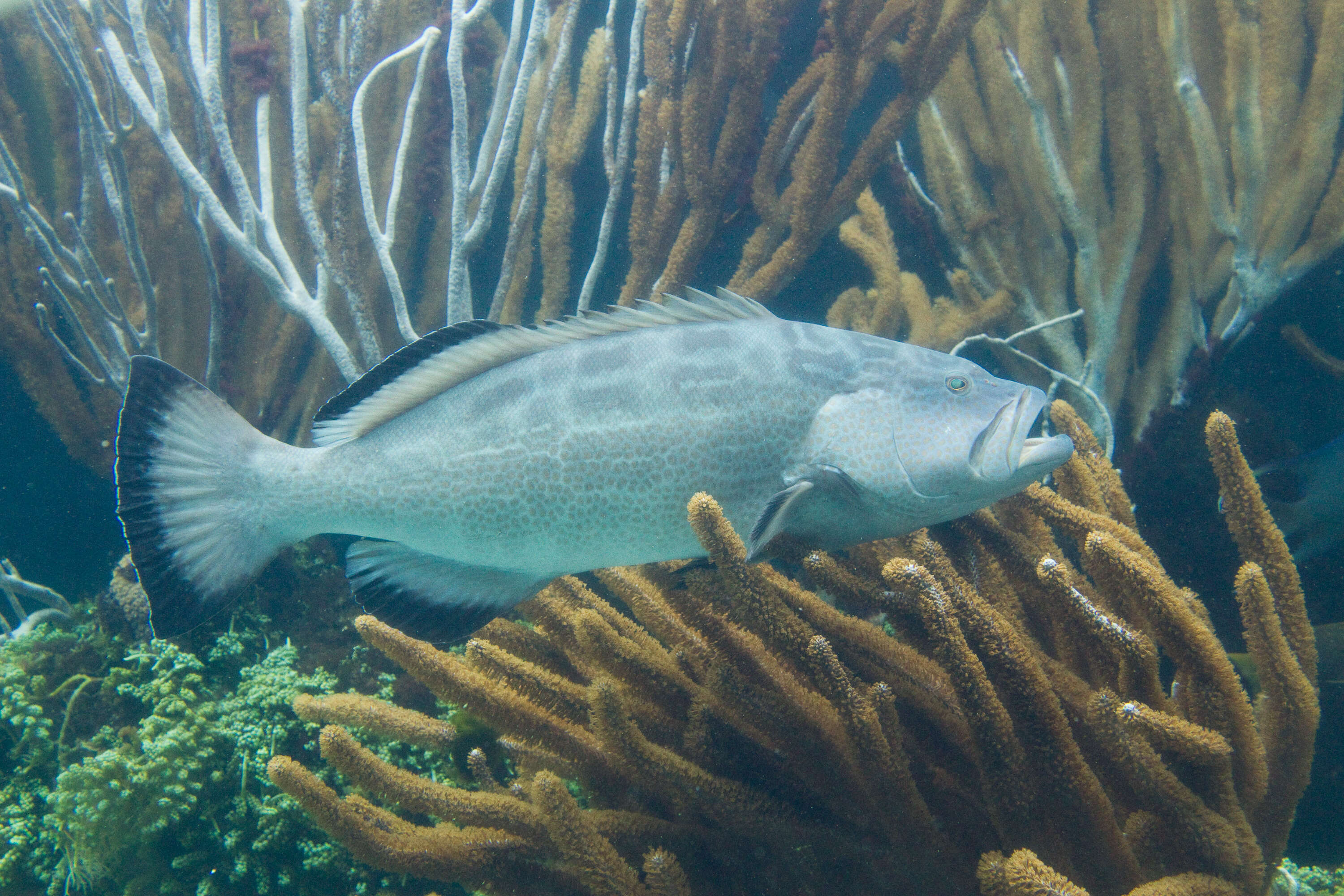
Mycteroperca bonaci (Poey, 1860) (Black gouper)
Pomacanthus paru (Bloch, 1787) (French angelfish)
Common in shallow reefs. Usually in pairs, often near sea fans . Feed on sponges, algae, bryozoans, zoantharians, gorgonians and tunicates . Oviparous , monogamous . Spawning pairs are strongly territorial, with usuall...
Read More
Read More
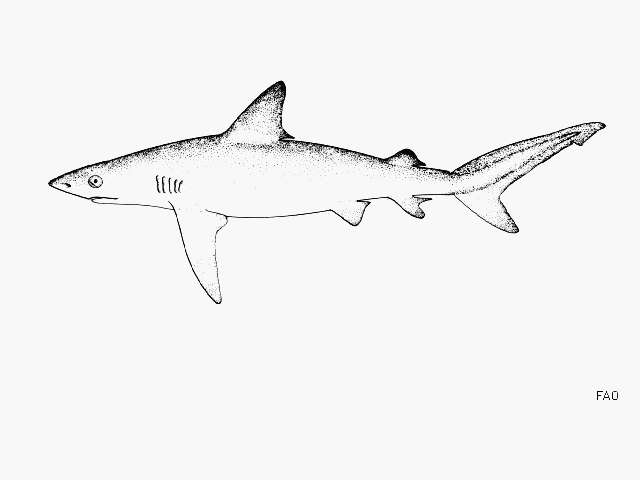
Carcharhinus perezii (Poey, 1876) (Caribbean reef shark)
Found on continental and insular shelves, often near drop-offs on the outer edges of reefs. May rest on the bottom . Usually found in reefs, at less than 30 m deep . Feed on bony fishes, including bigeyes . Viviparous...
Read More
Read More
Hermodice carunculata (Pallas, 1766) (bearded fireworm)
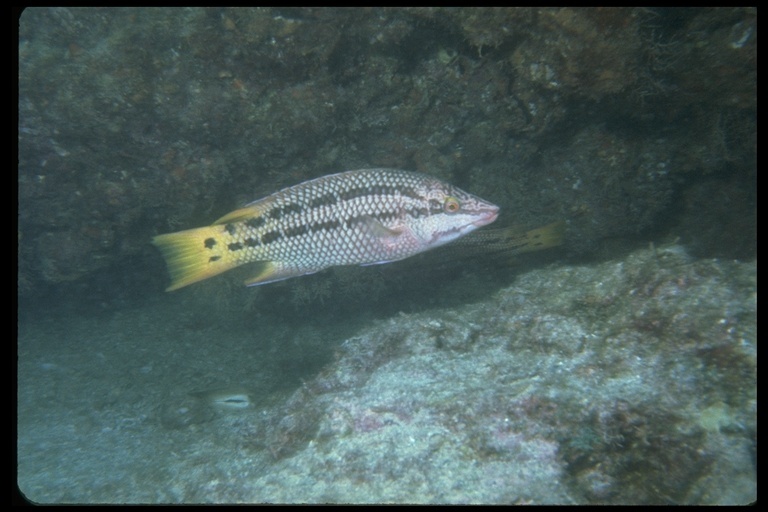
Bodianus rufus (Linnaeus, 1758) (Spanish hogfish)
Inhabits rocky or coral reefs . Feeds on brittle stars, crustaceans, mollusks, and sea urchins . Juveniles actively pick parasites from larger fishes . A protogynous hermaphrodite . May hybridize with spotfin hogfish, B. pulchellus . Marketed fresh . Maximum depth reported from Ref. 27115.
Sphyraena barracuda (Edwards, 1771) (Alho)
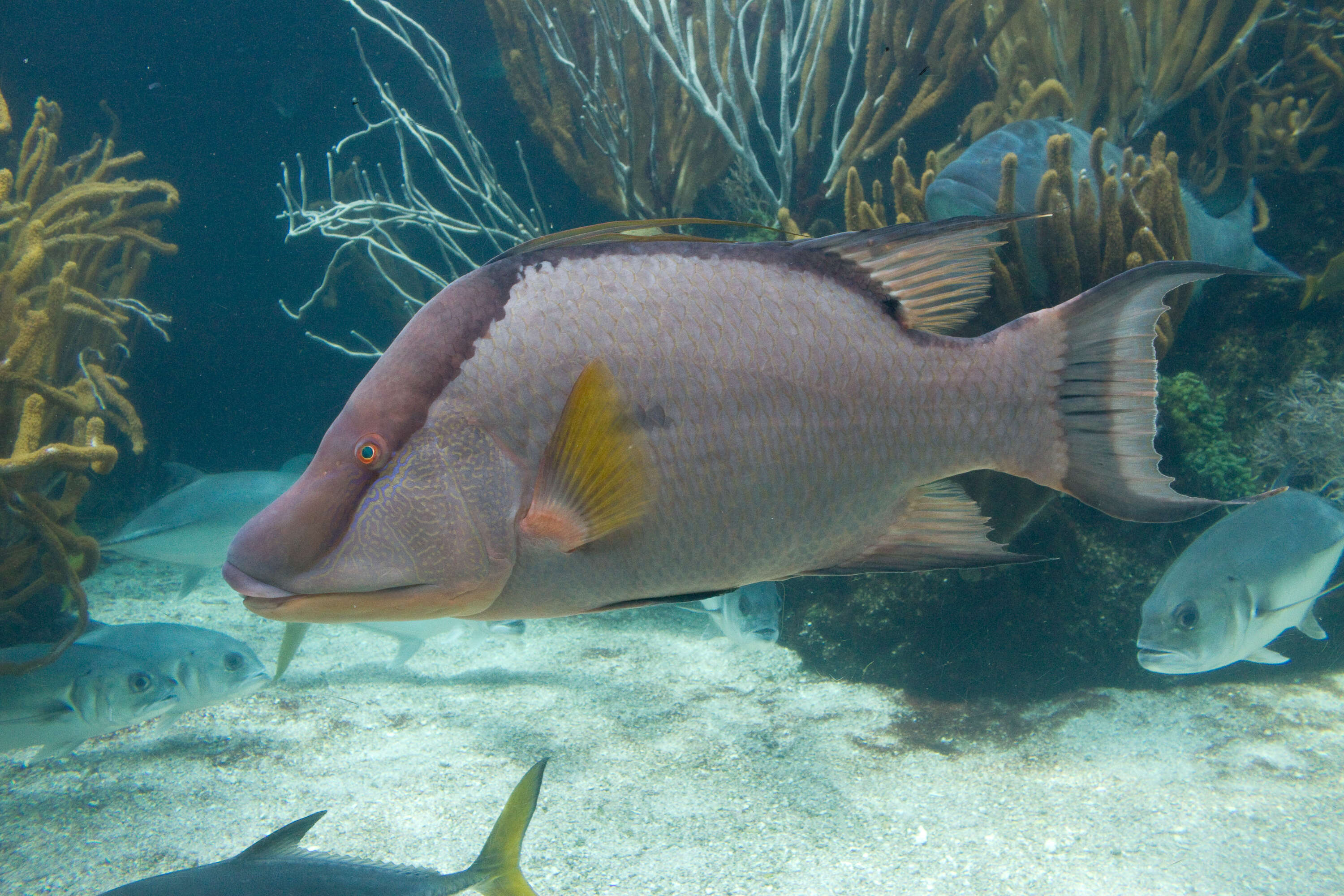
Lachnolaimus maximus (Walbaum, 1792) (Hogfish)
Hogfish have a fascinating life history; they are protogynous hermaphrodites, meaning that individuals first function sexually as females and then later, upon reaching a larger size, transform into males . This change gen...
Read More
Read More
Share on Social Networks
- Facebook:

personalize your shared text as well as its destination (wall, page...) or send as a private message to a friend
- Twitter: Tweet personalize your tweet
- Google Plus:
Direct link to this dive
- Long link:
- Short link:


 We are participating today in the startup contest Techcrunch Disrupt. Support Diveboard by voting for us!
























































































Sunny and warm, with a slight, 1' chop. Last night we decided that we would do the SG once more, hopefully mooring on the same line as yesterday, followed by a shallow reef dive. Turned out to be an excellent decision!
Today my goal was to explore under the helipad, and off the back of the ship. The rear ramp on the SG is open and dips down toward the sea floor at the deepest part of the dive. (This turned out to be only slightly deeper than yesterday, because the SG lies in relatively flat seabed. Could be that the tide was out as well.) We were not down long before Jen spotted a reef shark near the helipad. It was not close enough to get a good shot, nor identify it with certainty, so we swam under the helipad toward the stern hoping to catch site of it again. I had a weak mixture of Nitrox that allowed me to dive a bit deeper, so while Joseph and Jen hovered above me 15 feet or so, I swam over the platform door and to the floor. There were two very large French Angelfish swimming underneath me as I descended. When I reached the bottom, I was surprised to see that the door did not rest on the seabed, but rather created a shelf with about a foot of space at the rear. It was too dark to see under, but against the ocean beyond, I could see a few fish profiles, including the angelfish I saw on the descent. I didn't stay long, as 132' was pushing my threshold. Returning, Jen motioned that she wanted to look for the shark some more, so we set out aft back under the helipad. Not far under, we saw the reef shark again! This time, it cast a nice silhouette against the blue between us and the ocean over the starboard side of the ship. She was about 4-5 feet in length and very graceful. This was the first shark I've seen on this trip, though it may have been the same that Billy, Cam and Lauren saw on our first SG dive on Wednesday.
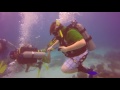
After seeing the shark again, I explored the crane, probably my favorite part of the ship. Among the colorful coral and fish, I found what I later identified as a "bearded fireworm". and a black grouper that seemed more interested in other divers. One of the divers was shooting photos with a nice uw camera set-up.
After exploring a little more and a quick swim-through, we ascended back to the boat, stopping for our PDIS and safety stop.
SAC = 0.94 cf/min