


 Smmcdonald


 United States
-
Nº29
 Date: 2015-06-04 - 09:44
-
 Max Depth: 33.2m Duration: 21mins
Dive Location

- Surface interval:46 mins
- Temp: Bottom 26°C
- Dive type : Recreational, Deep dive, Wreck, Boat
- Visibility: Excellent Water: Salt
Specific gear used
- Gloves:
- BCD: Scubapro - Nighthawk
- Camera: GoPro - Hero3+
- Computer: Scubapro - Luna
- Fins: Scubapro - Twin Jet
- Regulator: Scubapro - AIR2
- Regulator: Scubapro - MK21/S560
- Weights: 7.3 kg
Dive reviews
| Overall review | ||
| Dive difficulty | ||
| Marine life quality |
Recent Divers in Key Largo, FL

Recent Pictures in Key Largo, FL
Dive Shop & Buddies
 Dive buddies:
Jennifer McDonald,
Joseph Johnson

Link to this spot:
- Spot:
- Country:
- Area:
- Body of water:
Dive Profile
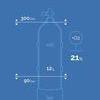
- 1. Nitrox 31
- 12L Aluminium 209 → 53 bar
- Average depth: 15.3m
Data provided by EOL.org



Species Identified
Pomacanthus paru (Bloch, 1787) (French angelfish)
Common in shallow reefs. Usually in pairs, often near sea fans . Feed on sponges, algae, bryozoans, zoantharians, gorgonians and tunicates . Oviparous , monogamous . Spawning pairs are strongly territorial, with usuall...
Read More
Read More
Carangoides ruber (Bloch, 1793) (Bar jack)
Common in clear insular areas or in coral reefs off mainland coasts . Juveniles frequent areas with algae . Usually in schools which may be spawning groups; occasionally solitary. Feeds on fishes, shrimps and other in...
Read More
Read More
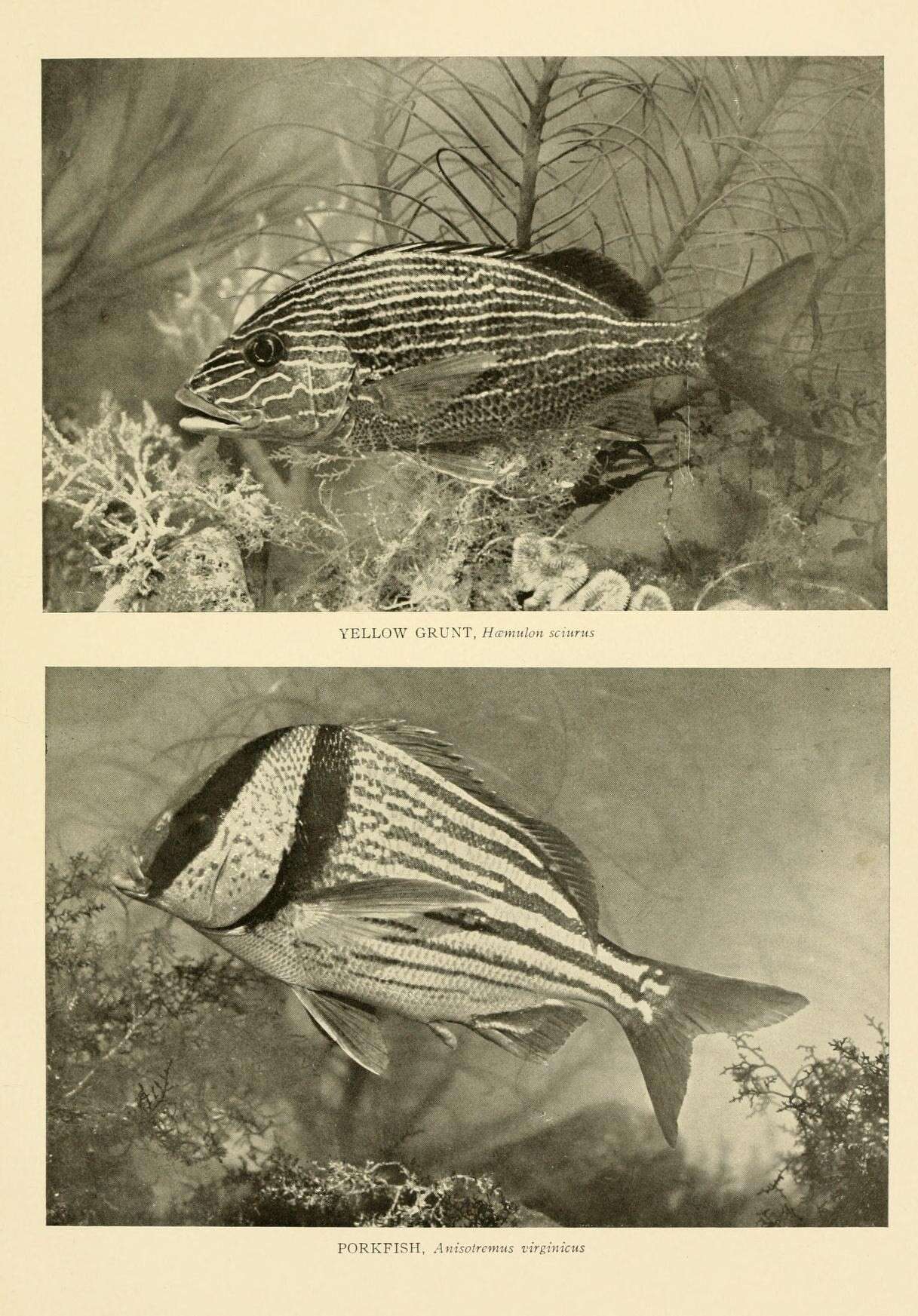
Anisotremus virginicus (Linnaeus, 1758) (Atlantic porkfish)
Inhabits reefs and rocky bottoms. Feeds at night on mollusks, echinoderms, annelids, and crustaceans . Young pick parasites from the bodies of larger fishes . Young are popular aquarium fish . Marketed fresh . Has been reared in captivity .
Acanthurus bahianus Castelnau, 1855 (Barber)
Inhabits shallow bottoms with coral or rocky formations . Usually occurs in groups of five or more individuals. Mainly diurnal species. Feeds on algae. The spine on both sides of the caudal peduncle may inflict painful wounds . Marketed fresh. Minimum depth reported from Ref. 27115.
Haemulon sciurus (Shaw, 1803) (Blue striped grunt)
Found in small groups over coral and rocky reefs and drop-offs . Juveniles are abundant in Thalassia beds . Feeds on crustaceans, bivalves, and occasionally on small fishes. Marketed fresh.
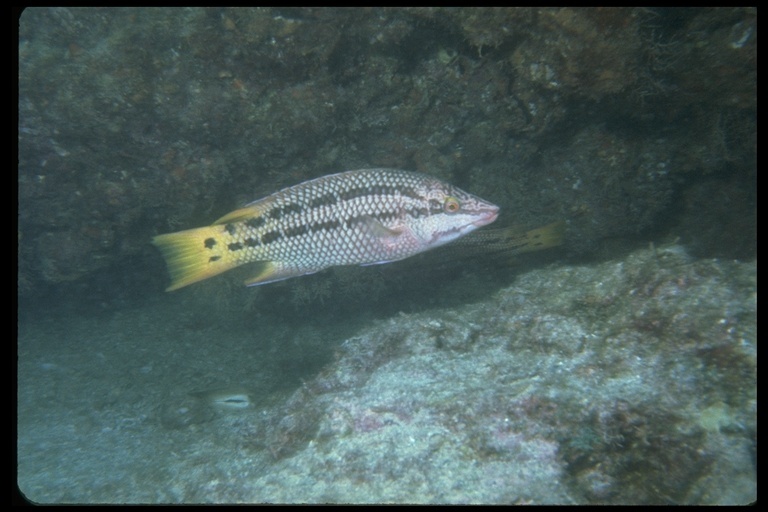
Bodianus rufus (Linnaeus, 1758) (Spanish hogfish)
Inhabits rocky or coral reefs . Feeds on brittle stars, crustaceans, mollusks, and sea urchins . Juveniles actively pick parasites from larger fishes . A protogynous hermaphrodite . May hybridize with spotfin hogfish, B. pulchellus . Marketed fresh . Maximum depth reported from Ref. 27115.
Canthigaster rostrata (Bloch, 1786) (sharpnose puffer)
Inhabits reefs and marginal habitats such as seagrass beds . Diet consists of seagrass, sponges, crabs and other crustaceans, mollusks, polychaete worms, sea urchins, starfishes, hydroids and algae . Monogamous .
Abudefduf saxatilis (Linnaeus, 1758) (Mamo)
Share on Social Networks
- Facebook:

personalize your shared text as well as its destination (wall, page...) or send as a private message to a friend
- Twitter: Tweet personalize your tweet
- Google Plus:
Direct link to this dive
- Long link:
- Short link:


 We are participating today in the startup contest Techcrunch Disrupt. Support Diveboard by voting for us!
























































































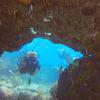
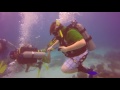
First dive on the USCG Duane! Sunny and warm, with calm seas and a light current of 1/4 knot. This trip was a ad hoc gathering of friends, Cam, Joseph, Billy, Laurin, Jen and myself. We descended on the stack. Cam and Laurin were working on their wreck and deep specialties, so they went with Billy and Jen, Joseph and I went to explore the ship. We did a few swim-throughs, swimming over the starboard side toward aft, then back and through to the port side. I saw a large grey angel and other smaller reef fish. We continued to swim toward the bow with another swim-through on the way. Jen and Joseph continued swimming to the bow against the current, while I stayed back to conserve air. We then returned to the line and ascended. I got a few more shots of the ship from above.
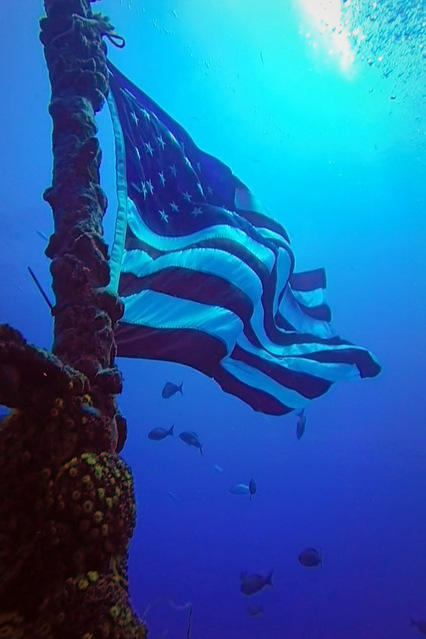
I noticed the flag was almost new: I found out later that she is replaced on every Memorial Day.
Overweight: next time try 14 lbs.
SAC = 1.19 cf/min