


 Smmcdonald


 United States
-
Nº9
 Date: 2014-08-15 - 09:40
-
 Max Depth: 8.5m Duration: 43mins
Dive Location

- Temp: Surf 33°C Bottom 30°C
- Dive type : Recreational, Wreck, Reef, Photo, boat
- Visibility: Average Water: Salt
Specific gear used
- BCD:
- Boots:
- Mask:
- Regulator:
- Camera: GoPro - Hero3+
- Fins: Scubapro - Twin Jet
- Weights: 6.4 kg
Dive reviews
| Overall review | ||
| Dive difficulty | ||
| Marine life quality |
Recent Divers in Key Largo, FL

Recent Pictures in Key Largo, FL

Dive Shop & Buddies
 Dive with Quiescence Diving Services, Inc.
 Dive buddies:
Jennifer McDonald,
Elliott Thomas

Link to this spot:
- Spot:
- Country:
- Area:
- Body of water:
Dive Profile
- 1. Air
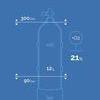
- 10L Aluminium 207 → 34 bar
- Average depth: 5.7m
Data provided by EOL.org







Species Identified
Sphyraena barracuda (Edwards, 1771) (Alho)
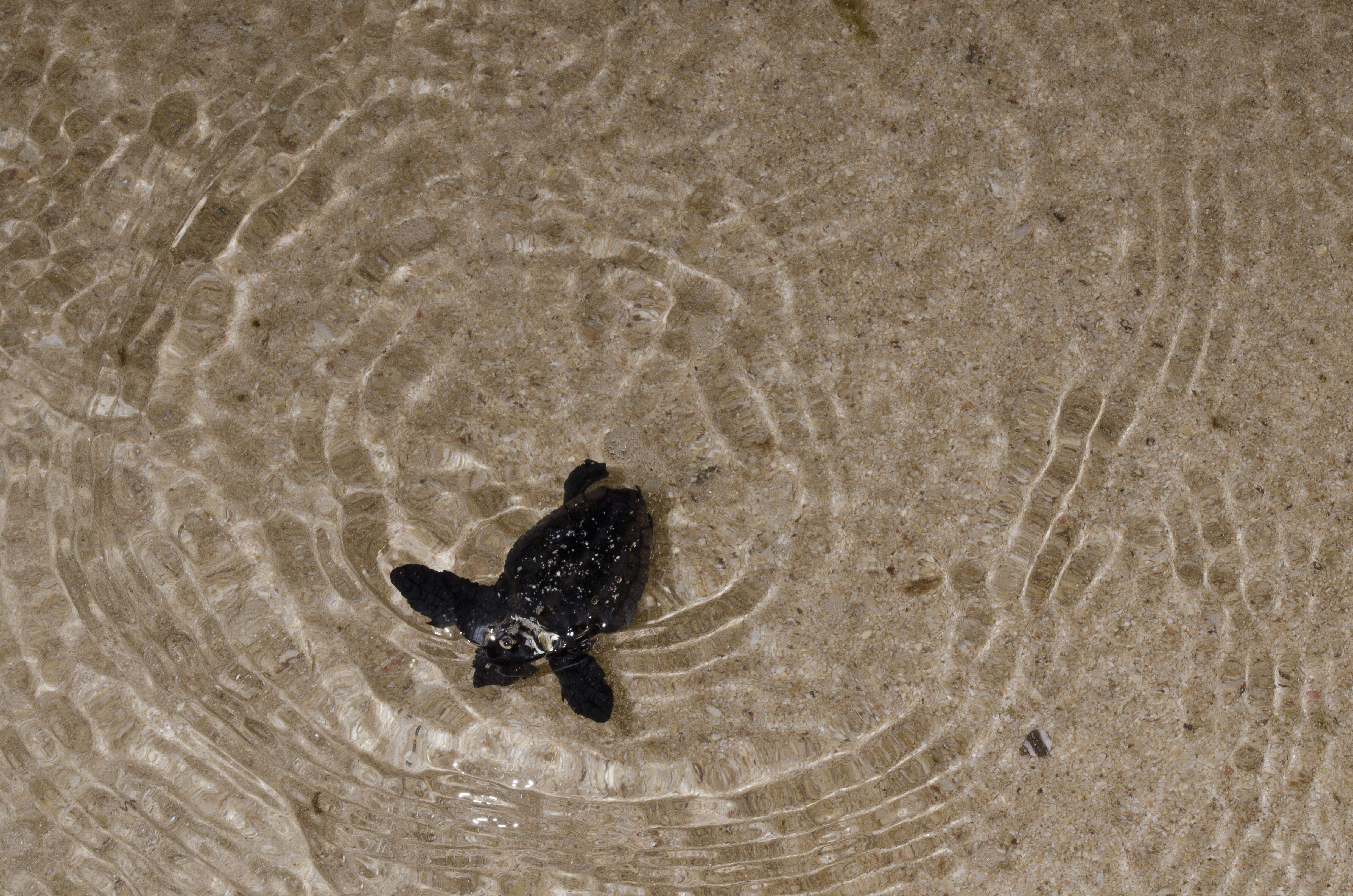
Caretta caretta Linnaeus 1758 (Loggerhead Turtle)
Adults are primarily carnivorous, using their powerful jaws to crack open crustaceans such as crabs and even seemingly impenetrable molluscs such as the queen conch (Strombus gigas) and giant clam (Tridacna s...
Read More
Read More
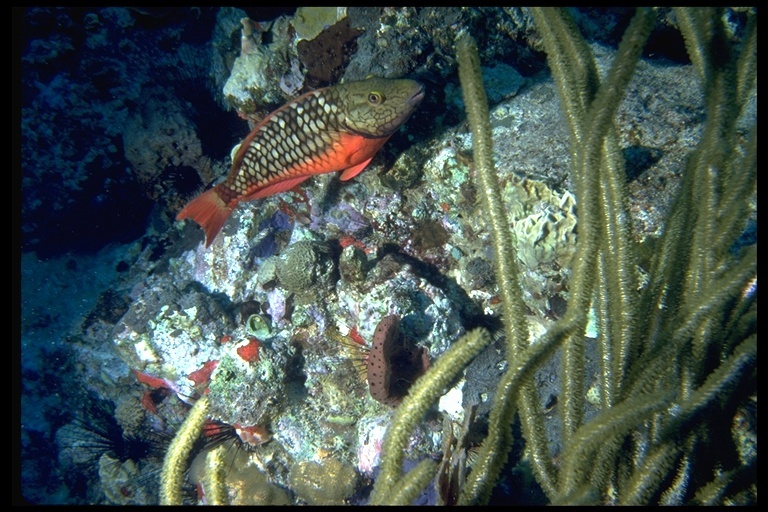
Sparisoma viride (Bonnaterre, 1788) (Dark green parrotfish)
Inhabits coral reefs with clear water . Young may be found in seagrass beds and other heavily vegetated bottoms. Feeds mainly on soft algae, but has been observed to graze on live corals like, Montastraea annularis . Pr...
Read More
Read More
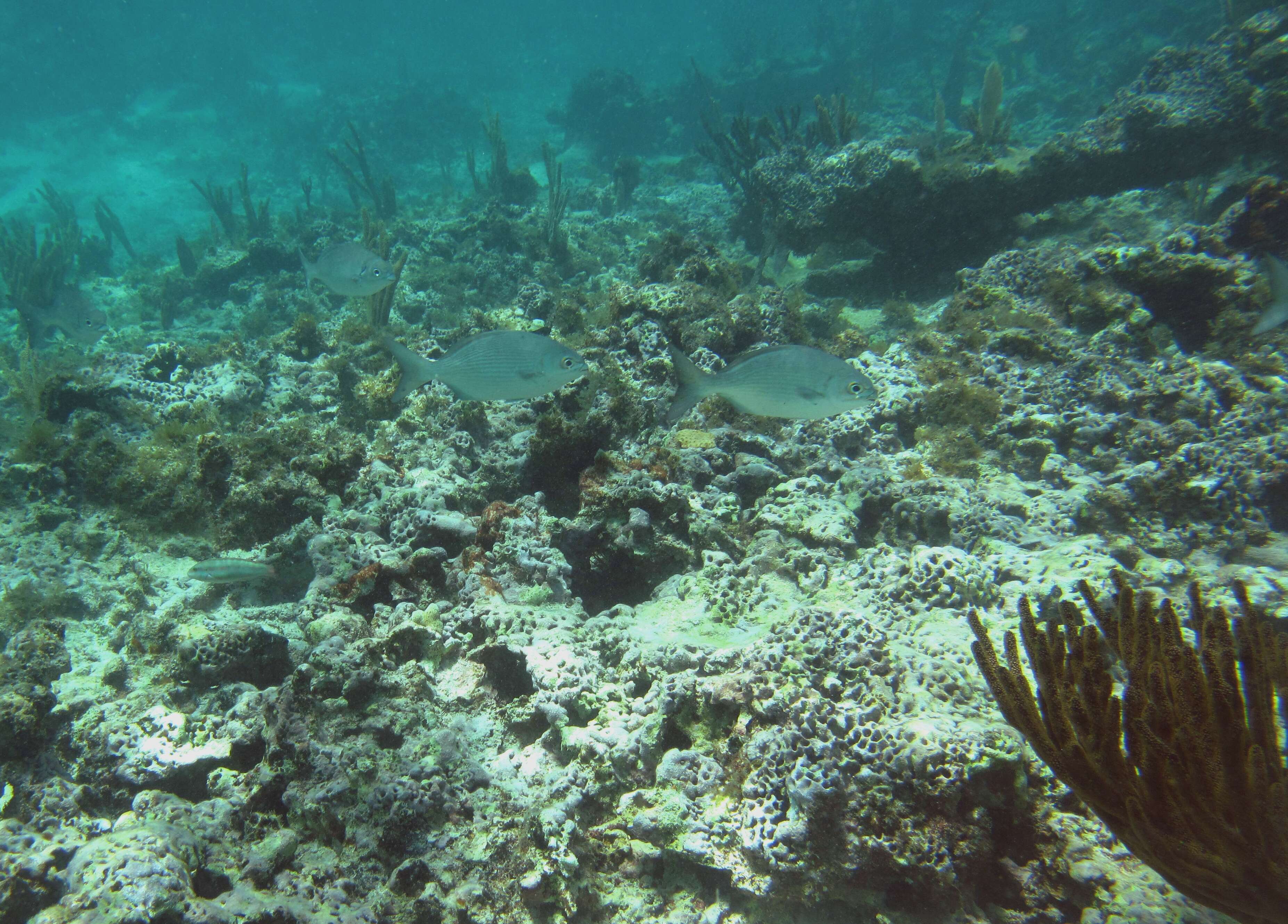
Kyphosus sectator (Linnaeus, 1758) (Bermuda chub)
Stegastes adustus (Troschel, 1865) (Dusky damselfish)
Inhabits rocky shores exposed to wave action. Often in tide pools. Feeds primarily on algae and detritus. Territorial and pugnacious. Generally common . Taken incidentally in traps and small-meshed beach nets .
Abudefduf saxatilis (Linnaeus, 1758) (Mamo)
Chromis cyanea (Poey, 1860) (blue chromis)
Common above deep outer reefs and feeds in aggregations of the small zooplankton, primarily copepods . Often with creole wrasse. Retreats into coral crevices when frightened .
Scarus coeruleus (Edwards, 1771) (Blue kwab)
Inhabits coral reefs. Juveniles found on Thalassia beds . Feeds on benthic plants and small organisms in the sand . Forms large spawning aggregations .
Acanthurus bahianus Castelnau, 1855 (Barber)
Inhabits shallow bottoms with coral or rocky formations . Usually occurs in groups of five or more individuals. Mainly diurnal species. Feeds on algae. The spine on both sides of the caudal peduncle may inflict painful wounds . Marketed fresh. Minimum depth reported from Ref. 27115.
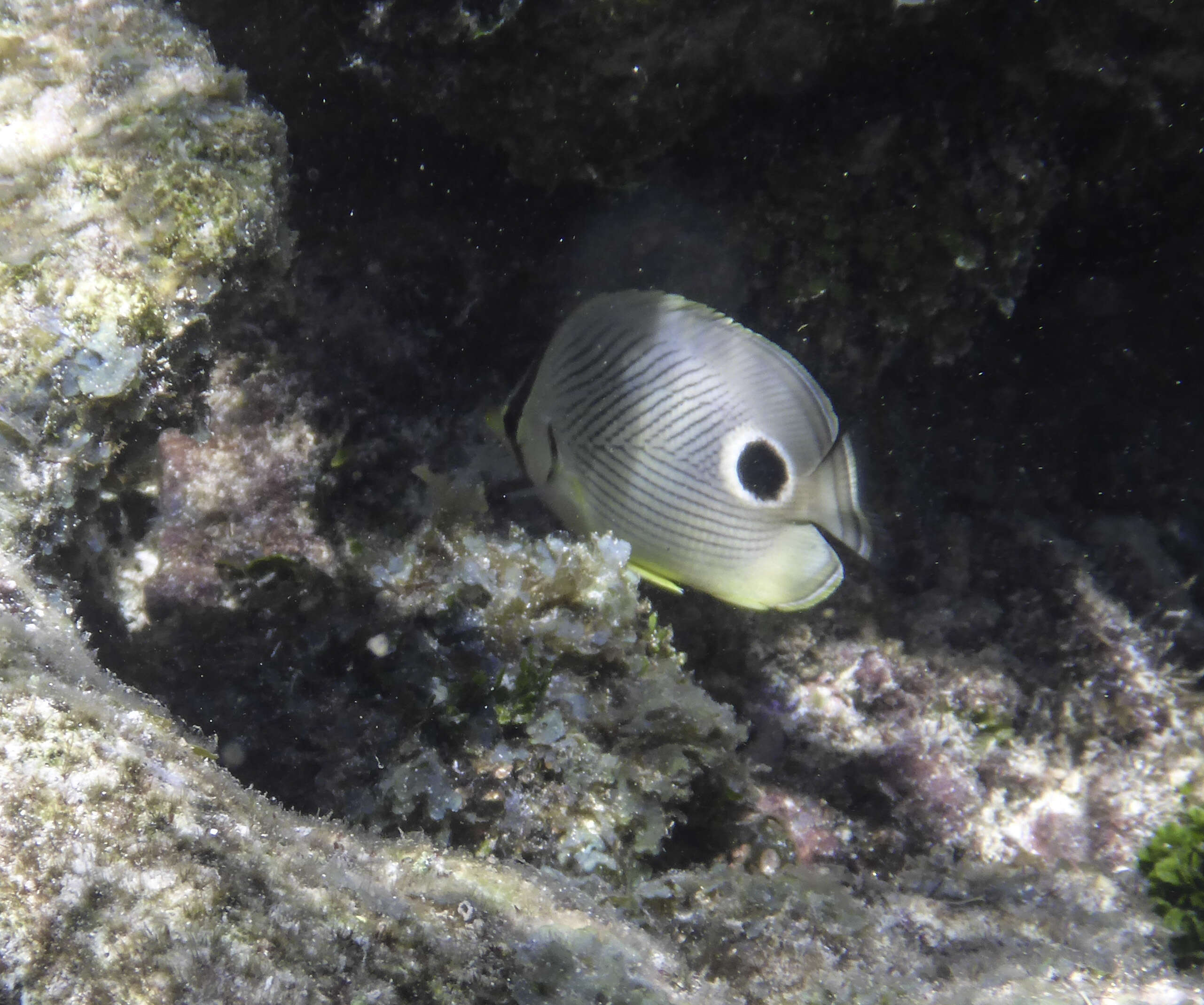
Chaetodon capistratus Linnaeus, 1758 (Butterbun)
Inhabit shallow reefs and generally occurs singly or in pairs. Feed mainly on zoantharians, polychaete worms, gorgonians and tunicates. Easily approached . Oviparous . Form pairs during breeding .
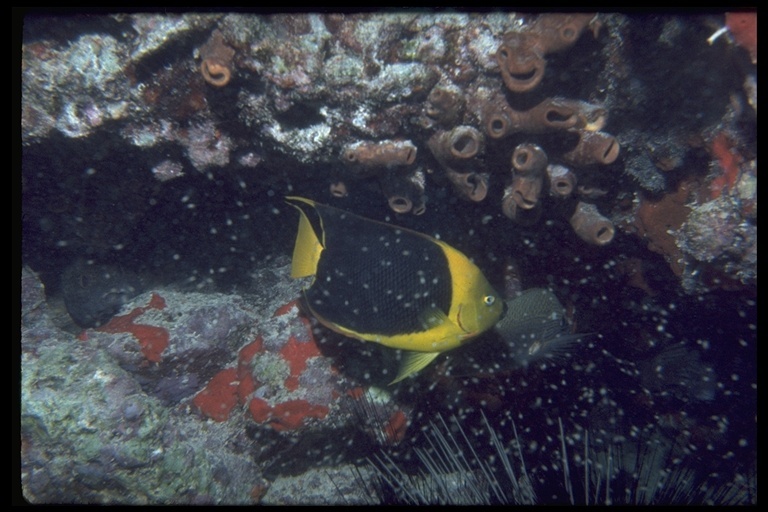
Holacanthus tricolor (Bloch, 1795) (Angelfish)
Inhabits rock jetties, rocky reefs and rich coral areas. Juveniles often associated with fire corals . Feeds on tunicates, sponges, zoantharians and algae. Marketed fresh .
Acanthurus coeruleus Bloch and Schneider, 1801 (Blue tang surgeonfish)
Inhabits coral reefs, inshore grassy or rocky areas. Forms small groups . Mainly diurnal. Feeds entirely on algae . At Fernando de Noronha Archipelago in southwestern Atlantic, juveniles hold cleaning stations togeth...
Read More
Read More
Haemulon carbonarium Poey, 1860 (Caesar grunt)
Occurs in clear rocky or coral reefs and mangroves . Often forming schools . Nocturnal feeder on crabs, gastropods, starfish and annelid worms . Marketed fresh .
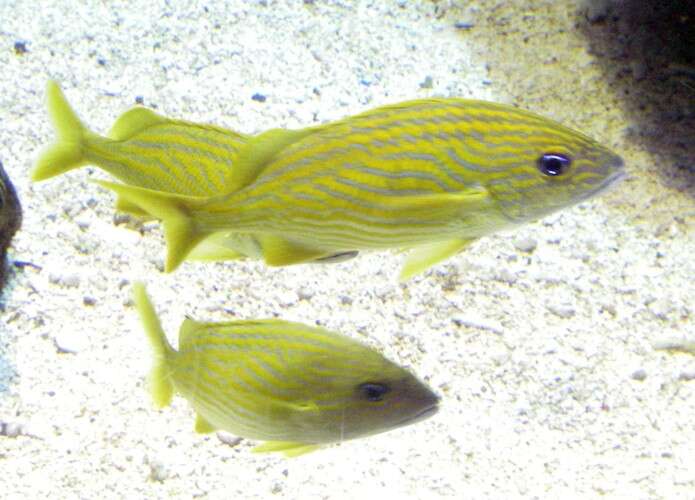
Haemulon flavolineatum (Desmarest, 1823) (French grunt)
Occurs in large schools on rocky and coral reefs, often under ledges or close to elkhorn coral . Juveniles abundant in near-shore seagrass beds . Feeds mainly on small crustaceans . Marketed fresh .
Scarus vetula Bloch and Schneider, 1801 (Blownose)
Inhabits coral reefs and adjacent habitats. Feeds on algae scraped from rocks or dead coral. Sleeps in a mucus cocoon . Often seen in groups of one super male with several young adults, most of which are probably females . A protogynous hermaphrodite .
Eurhamphaea vexilligera Gegenbaur, 1856
predatory
Aluterus scriptus (Osbeck, 1765) (Unicornfish)
Microspathodon chrysurus (Cuvier, 1830) (Jewelfish)
A common territorial species that inhabits coral reefs, juveniles usually encountered among branches of yellow stinging coral, Millepora. Found in very shallow waters of coral reefs, usually near top of outer edge where ...
Read More
Read More
Share on Social Networks
- Facebook:

personalize your shared text as well as its destination (wall, page...) or send as a private message to a friend
- Twitter: Tweet personalize your tweet
- Google Plus:
Direct link to this dive
- Long link:
- Short link:


 We are participating today in the startup contest Techcrunch Disrupt. Support Diveboard by voting for us!
























































































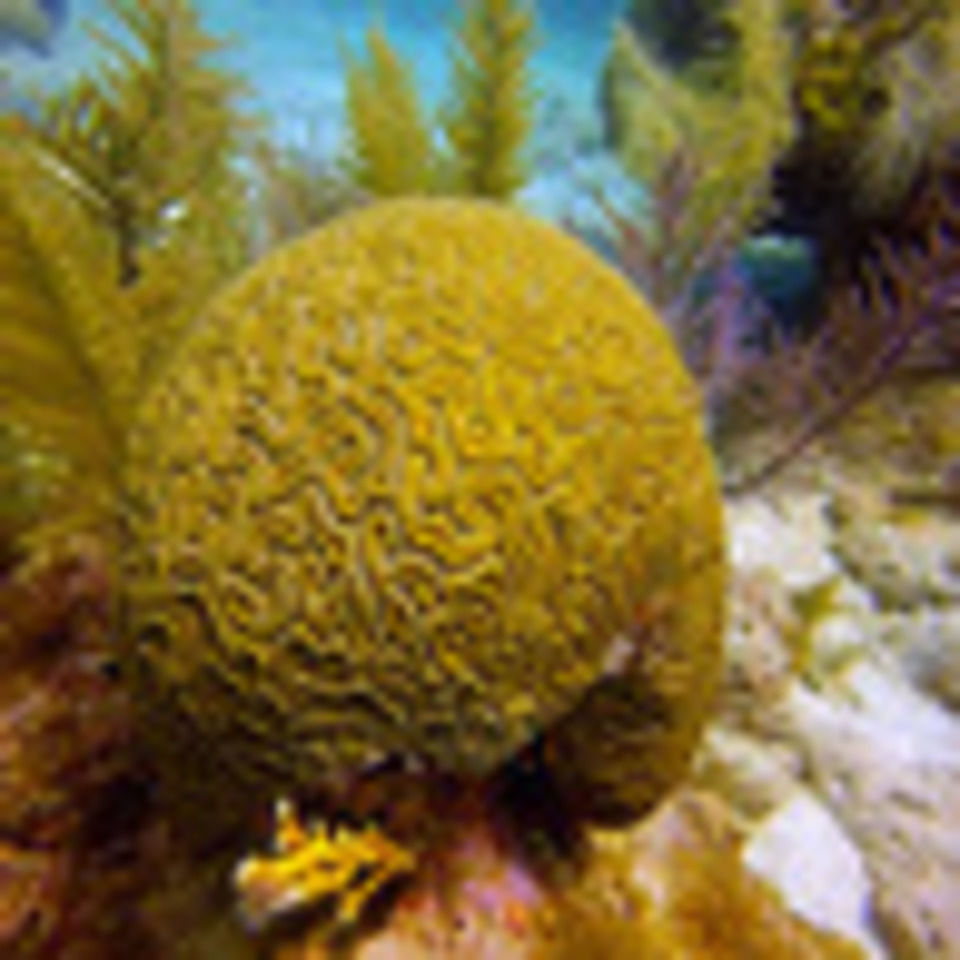
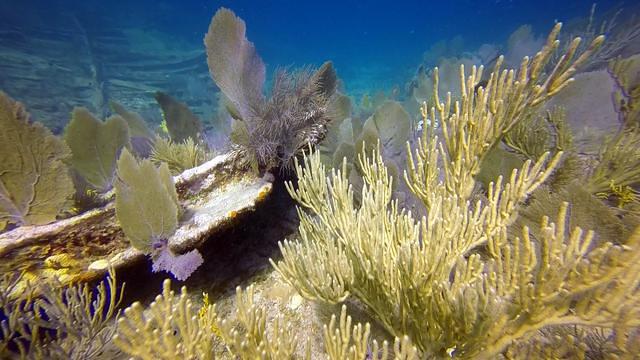
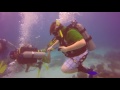
Best dive yet! Jen navigated. We started along the reef and Elle spotted a sea turtle (loggerhead). I spotted the wreck to the right of the reef through a break. We started down the side, then across and down a sand bar at the other end, before returning to the wreck. Swam down the opposite side of the wreck. Near mid-ship, saw a 4-5' barracuda! Continued on over reef, then turned away from dive boat, swam out along reef and back. I surfaced to 15' on the return swim, so did not need to spend time at safety stop. Returned with ~500 psi. Awesome dive!
There were a lot of small "jellyfish", which we dodged, and found out later that they were harmless as they do not have any stinging cells.